A baby cereal production line should connect the food a business wants to sell with the process needed to manufacture it. LOYAL’s nutritional powder equipment application at MTA in Burkina Faso provides a local project reference for buyers considering that investment.
The project brings cereal processing into a food enterprise in Ouagadougou. For another manufacturer, the practical questions begin with the product brief. Ingredients, preparation method, powder texture and packaging all influence the machinery discussion, so they should be developed together.
Key takeaways
- MTA is a Burkina Faso nutritional flour enterprise with a LOYAL equipment application.
- Product development should define the cereal blend and intended preparation method.
- Extrusion, drying and milling need to be specified as a connected route.
- Final blending and packaging require clear equipment boundaries.
- A useful quotation starts with a product brief, factory information and an acceptance basis.
A closer look at the baby cereal production line application
The factory makes the product discussion concrete
MTA’s nutritional flour business gives this equipment application an identifiable finished-food setting. The public enterprise profile presents NOUON as enriched cereal flour for children from six months, alongside AKEZA for older children and adults. This product distinction is important to the baby cereal production line story because the intended consumer and recipe shape the processing brief.
The NOUON description lists maize, soy and millet, with enrichment. AKEZA’s ingredient description also includes sesame. These are product-specific descriptions, giving the factory a clearer identity than the general phrase “nutrition powder manufacturer.”
For a baby cereal production line, the equipment team must understand the food that the customer intends to make. The grain base, later additions, preparation method and desired powder characteristics all belong in that discussion. The machinery then provides the route through which the formulation is processed.
Visible LOYAL hardware in the supplied news material
One supplied RTB screenshot clearly shows SHANDONG LOYAL INDUSTRIAL CO., LTD. on a continuous drying equipment control panel. The broadcast logo appears within the same image. The panel identifies a real section of machinery associated with the cereal powder production setting.
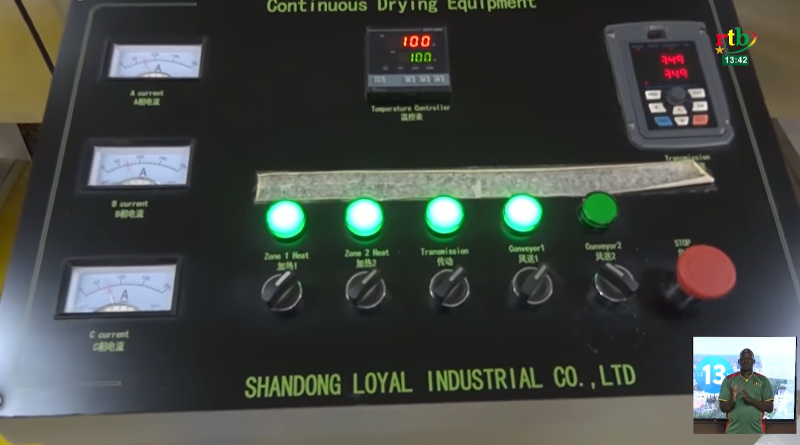
Supplied RTB screenshot of the drying equipment panel. The manufacturer identification is visible beneath the controls.
The image is a useful detail for explaining the baby cereal production line beyond its central extruder. Drying prepares processed cereal material for the next stages, including milling. The visible control labels show heating and material movement functions associated with that duty.
Our company supplied the extrusion-based powder processing equipment described in the project documents. The screenshot makes the manufacturer connection visible at the drying stage. For a prospective buyer, that connection helps place the baby cereal production line within a documented factory application.
What happens between the grain blend and the cereal powder
The project documents describe a sequence of mixing, conveying, extrusion, drying, milling and final mixing. These stages perform different tasks. The first mixer combines the cereal ingredients, and the feeding arrangement moves the prepared blend toward extrusion.
The extruder processes the blend under the conditions selected for that recipe. The downstream route then prepares the material for grinding and final formulation. A baby cereal production line should connect those steps so that the intended powder, rather than a machine in isolation, remains the focus of the technical work.
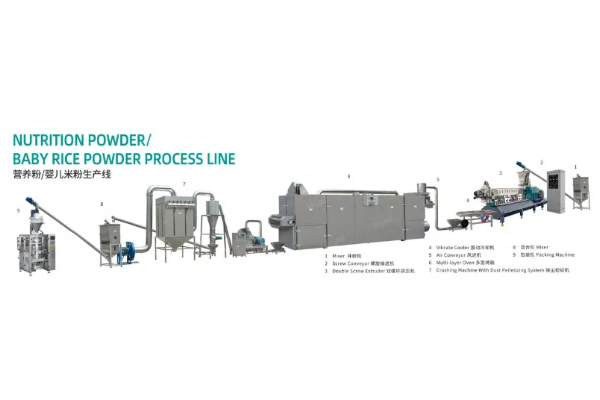
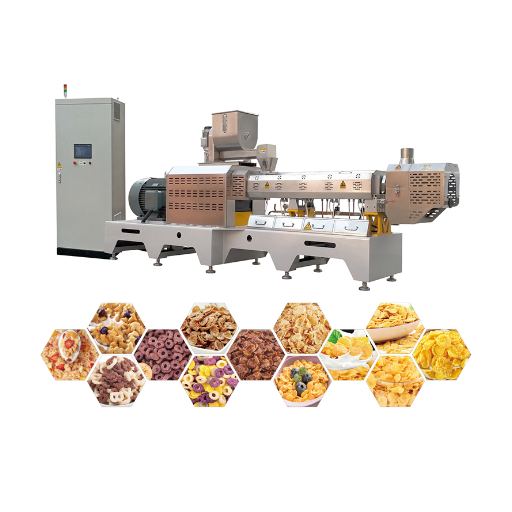
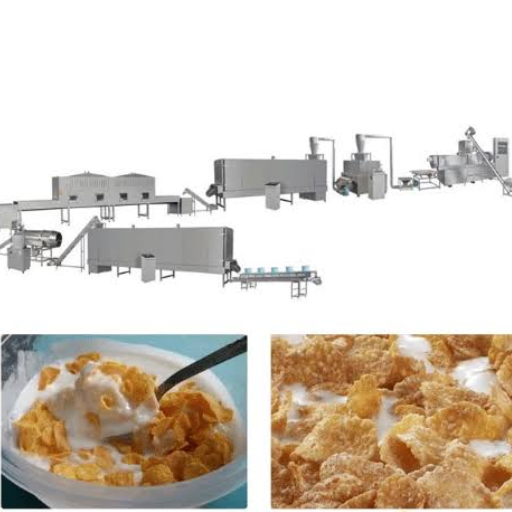
General LOYAL equipment illustration supplied with the project documents. It explains stage relationships and is separate from the MTA factory’s final layout.
Final blending is especially relevant when additional ingredients enter after cereal processing. The formulation team needs to define that sequence, and the machinery arrangement needs to provide the required blending duty. This links the baby cereal production line with the actual recipe development work.
Packaging is part of the product’s identity
MTA’s public profile lists NOUON in 50 g and 1 kg packs. These formats give the case a tangible retail dimension. The powder made by the processing route eventually has to be presented in the form selected by the food business.
A baby cereal production line inquiry should therefore include the planned packaging format. The processing team and packaging supplier need the same description of the powder and its transfer conditions. This makes it easier to define where processing ends and the filling arrangement begins.
Packaging also connects equipment planning with the customer’s distribution choices. A small pouch and a larger pack create different filling and handling questions. Discussing those questions early helps the buyer understand which machinery belongs in the complete project scope.
The enterprise behind the packaged food
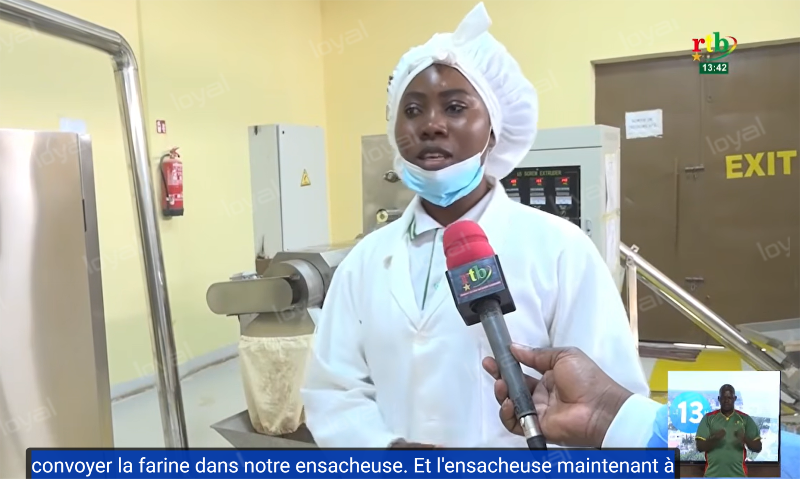
Supplied RTB interview screenshot showing the factory operating environment.
Ingue ITEKA’s enterprise brings the ingredients, product development and factory team together. The machinery is part of the manufacturing system through which that work is carried out. For LOYAL, this makes the Burkina Faso baby cereal production line application a customer story with an identifiable product and operating setting.
The case gives future buyers several concrete points to examine. They can consider the cereal ingredients, the equipment sequence, the visible drying stage and the final pack. Those details provide a stronger basis for discussing their own baby cereal production line than a general machine description alone.
A baby cereal production line within the MTA story
The local enterprise
MTA, Moulin de Transformation Agroalimentaire, is based in Ouagadougou’s Kossodo industrial zone. Ingue ITEKA leads the enterprise. Local reporting records the factory inauguration in September 2024 and describes its place in agricultural processing. Read the inauguration report.
The founder’s story gives the equipment application a specific setting. A business idea becomes a food manufacturing operation through decisions about the product, materials and production route. For prospective buyers, a baby cereal production line is one part of that larger project.
We supplied the extrusion-based nutritional powder machinery for the project. Buyers can explore the related nutritional powder and baby rice powder production line to begin a discussion about their own product requirements.
Watch the MTA report
The RTB video introduces MTA and Ingue Itéka. It adds visual context to the factory story and provides a direct reporting source for readers. The video comes from RTB’s official channel.
For your own baby cereal production line, send LOYAL a product inquiry. Include the ingredients, intended preparation method and desired finished output. These details help the equipment team discuss a suitable processing route.
Define the baby cereal production line around the food
Begin with the cereal blend
The buyer’s formulation team should identify the ingredients and their intended roles. Describe the cereal base, any legume ingredients and the additions planned later in the process. The equipment brief should show the material entering each stage.
For a baby cereal production line, also define how raw materials will be prepared. Purchased flour and whole grain require different upstream arrangements. Tell the supplier which condition applies so the proposal has a clear starting point.
The public MTA profile identifies NOUON as a flour for children from six months. It also describes AKEZA for older children and adults. These separate products illustrate why the intended age group and recipe belong in the product brief. MTA enterprise profile.
Specify preparation and sample assessment
A baby cereal production line proposal needs an understandable finished product target. Provide the preparation method used to assess the powder, including how it is mixed and the texture the product team expects. A physical reference sample can make that target easier to discuss.
Keep the sample assessment method consistent during trials. Record the ingredient batch, recipe version and preparation conditions. This helps the team understand which change produced a different sample and what needs further review.
The MTA product requirements provide the actual context for the baby cereal production line. NOUON is described as an enriched cereal flour for children from six months, while AKEZA serves older children and adults. Those distinct products give the processing project its formulation and product-development setting.
The supplied LOYAL process description connects raw-material mixing, conveying, extrusion, drying, milling and final mixing. For the baby cereal production line application, those stages prepare the cereal base and support later blending according to the customer’s product formula.
Review additions with the process team
The formulation team should determine where additional ingredients enter the route. Some projects require final blending after the cereal base has been processed. Show that requirement in the equipment brief so the mixing arrangement can be reviewed.
A baby cereal production line may therefore include more than one blending duty. Ask the supplier to identify each mixer and its material stream in the process drawing. The drawing should connect ingredient handling with the finished powder requirements.
Follow the route from mixing to finished powder
Feeding and extrusion
The prepared ingredients are mixed and transferred toward the extruder. Controlled feeding gives the process a defined material input. The equipment proposal should explain how the operator manages that feed and where checks are made along the route.
In an extrusion-based baby cereal production line, the extruder processes the mixture under controlled operating conditions. The cooked material then continues to downstream processing. The selected equipment and settings should be reviewed against the recipe and the desired powder characteristics.
For background, GAIN’s complementary foods manual explains an extrusion route followed by grinding to produce cooked cereal flour. This helps buyers understand the role of both the extruder and the milling stage. GAIN manufacturing reference.
Drying and cooling
The dryer should be selected around the actual material load and required condition for the next step. Discuss the available heat source, the proposed drying arrangement and the transfer after drying. The equipment team should explain how these choices fit the rest of the process.
A baby cereal production line needs a consistent output basis across its stages. Ask what the capacity figure refers to and how the dryer and mill are matched to it. Include the proposed operating schedule when discussing the factory’s finished production target.
Cooling and transfer arrangements also need a place in the specification. Confirm where material moves between machines and which equipment is included at each connection. This makes the process drawing useful for both production and installation planning.
Milling and powder handling
Milling produces the required powder form from the processed cereal material. The buyer should define how fineness will be assessed and how the product will be handled afterward. Screening, collection and storage requirements can then be discussed against the target product.
For a baby cereal production line, powder handling should connect naturally with final blending and packing. Ask how material is collected and transferred, and identify any manual steps. Cleaning access and the route taken by ingredients should be visible in the layout.
Our food production line portfolio gives buyers a broader view of the machinery categories available. For a particular cereal product, keep the technical review focused on the stages required by the intended process.
Make packaging and acceptance part of the scope
Start with the pack the business will sell
Packaging affects the final part of a baby cereal production line. State the pack format, intended filling weight and required product handling. If several pack sizes are planned, list them so the supplier can discuss the relevant equipment and changeover requirements.
The MTA profile describes small and larger packs in its product range. That gives buyers a practical reminder to discuss packaging early. The processing proposal should identify where the powder leaves the supplied machinery and how it reaches the filling stage.
If a separate packaging supplier is involved, give both teams the same product information. Ask them to agree on the transfer arrangement and any intermediate storage. The factory layout should show those interfaces clearly.
Documented product formats at MTA
MTA’s product profile lists NOUON in 50 g and 1 kg packs. These documented formats connect the baby cereal production line application with the product that reaches customers.
Our supplied equipment materials describe powder processing through final blending, with packaging equipment available as part of the wider production solution. The baby cereal production line case therefore includes both the processing route and a real packaged product range. The project documents and product profile provide the basis for explaining that connection.
Agree the test method
An acceptance plan should identify the trial materials, formula, operating basis and sample assessment method. State who will observe the run and who will approve the results. The supplier and buyer should use the same version of those requirements.
For a baby cereal production line, the finished powder should be assessed against the agreed product specification. The buyer’s qualified product team should define its food requirements and approval process. Machinery acceptance then addresses the equipment’s part in that wider manufacturing system.
Record the approved documents and retain any agreed revisions. This gives the project manager a reference during installation and handover. It also helps the operating team understand how the final equipment arrangement was selected.
Plan the team and workshop
The baby cereal production line layout should account for storage, operation, maintenance and cleaning access. Share measured workshop dimensions and the available utilities with the supplier. Local contractors should receive the approved requirements for the work they are responsible for preparing.
Discuss installation, operator instruction and maintenance information before delivery. Ask what documents are supplied and how future technical questions will be handled. Our company information gives buyers background for that supplier discussion.
Assign a production contact and a maintenance contact within the buyer’s team. They can collect practical questions, participate in handover and keep the machinery documents organized. The agreed service scope should explain how the supplier supports those roles.
Before delivery, review the packing list and the planned receiving sequence with the site team. Keep a copy of the approved equipment schedule available during unloading. This helps the buyer identify assemblies and organize installation questions through the agreed technical contact.
Questions about cereal powder manufacturing equipment
Can the equipment process local cereal ingredients?
Provide representative materials and the proposed recipe for technical review. A baby cereal production line should be configured around those inputs and the finished product target. Trials help establish the route and operating requirements for the intended application.
What output should we request?
Describe the finished powder requirement and the intended working schedule. Ask the supplier to state the capacity basis used in the proposal. The baby cereal production line schedule should connect that target with the duties of the main machines.
Should we include packaging in the first inquiry?
Yes, include the proposed pack even if the final packing equipment will be sourced separately. The information helps define the powder handling interface. It also gives the project team a clearer view of the complete production route.
What does the MTA reference establish?
It connects a named local enterprise with LOYAL equipment visible in the supplied RTB reporting screenshot. Buyers can explore the factory story through local coverage and the RTB video. Their own purchase specification should then be developed from their product, site and service requirements.
What makes an inquiry ready for technical review?
A useful brief includes the ingredients, product target, output requirement, preparation method and packaging plan. Add workshop dimensions and available utilities. A baby cereal production line inquiry with those details supports a more focused discussion of machinery and trials.
Prepare your cereal processing project with LOYAL
The MTA case connects a food business in Burkina Faso with a practical machinery application. For another entrepreneur, it offers a starting point for organizing the product and equipment questions. The next step is to turn those questions into a brief that the project team can use.
Begin with the cereal food you want to make, then describe the materials, desired powder and intended packaging. Include the building and utility information available at this stage. The technical review can identify what is ready for specification and what requires further testing.
Share your baby cereal production line requirements with LOYAL’s team. We can discuss the process route and the equipment scope against your intended product. A clear baby cereal production line brief gives the buyer and supplier a shared basis for developing the project.