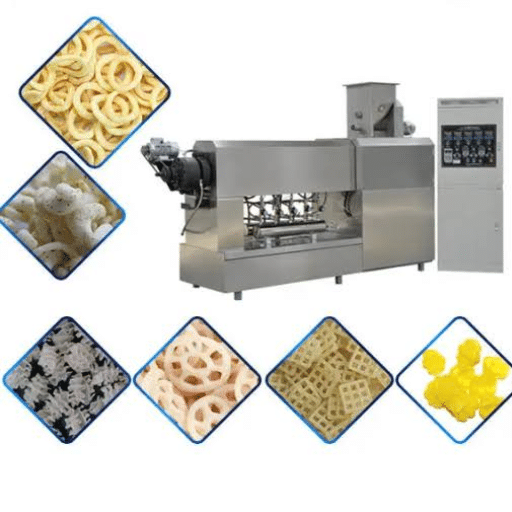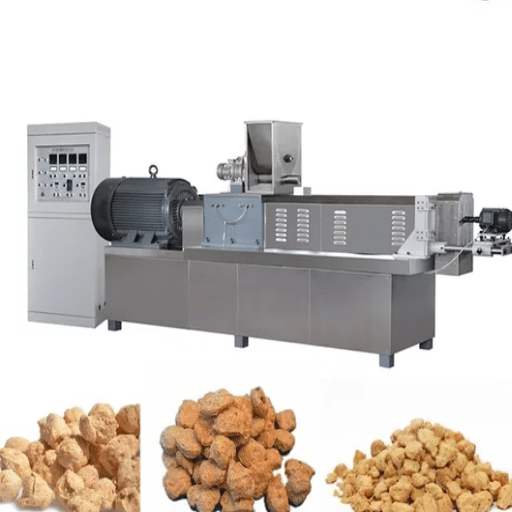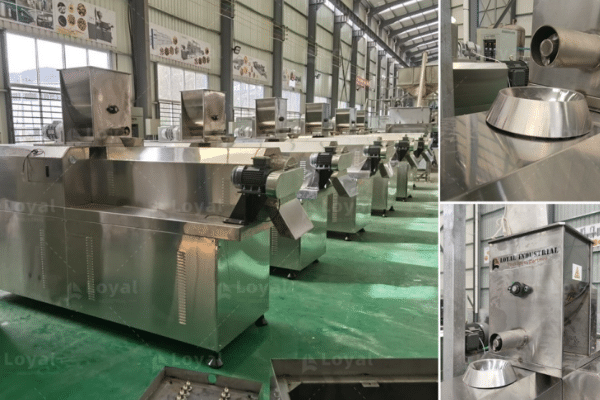
Industrial food machinery is an essential part of the production process, ensuring operational efficiency and the longevity of equipment when properly maintained. They are used to produce many favorites including cereals and pasta, but their breakdown can lead to unexpected downtime, which can highly impede production and incur huge costs. Within this article you will find a complete tutorial on the most effective ways of maintaining and improving the life of an extruder in such urban conditions. It does not matter whether you are the operational manager or urge water plant engineer, this article will give useful information on how to improve equipment availability, cut down on operating expenses, and maintain the level of quality of products. Look through these key points and strategies, which will help in ensuring your extruder is operating in the best way possible.
Understanding Food Machinery Maintenance
Importance of Food Machinery Maintenance
Operational requirements such as food machinery maintenance is a very crucial aspect most especially in a production process. This is because it affects the efficiency and performance of machines, and also the lifespan of the machines. When preventative maintenance is carried out regularly, it helps to avoid unexpected machine damages that would otherwise involve high cost of repairs and disruption of work schedules. It boosts consistencies in producing exact products, which is a (priority) requirement of the market.
The functionality and performance requirements are as critical. It helps ensure that machinery is repaired or maintained before individuals engage the wear and tear to the extent that there are major machine maintenance or replacement of the equipment. With this kind of external care, materials can specifically offer extreme useful periods to any transverse or horizontal extruders without even considering the fact that other necessary equipment will be preserved as well. Such strategies are an important form of lowering capital cost as operational perforce is improved.
Moreover, maintenance of equipment is one of the fundamental aspects that ensures adherence to the requirements of the law and safety. Failure to maintain any equipment properly may lead to safety concern risks which may include food operators and contamination or food poisoning risks and contamination to food products which can either be prosecuted or damage a reputation. Equipment adhered to within a properly laid out maintenance system safeguard against any forms of safety violations and promotes a compliant and safe production process.
Common Machinery Used in Food Processing
Factories that manufacture food products have very many different machine types which help in faster production so as to avoid inconsistency and respond to the high volume of production requirement. Examples of these equipment are; preparation machinery, processing machinery, and packaging machinery. They all perform different functions in order to enhance effectiveness and facilitate stricter compliance to quality control provisions.
Examples of preparation machinery include peelers, slicers, grinders or even mixers among others. These types of machinery are used primarily in the early stages of food processing such as before the raw materials are cleaned and made into shapes or textures. For example, industrial slicers are used for slicing fruits, vegetables or even the meat itself in exact forms and sizes for the end product is to be uniform with every piece.
Processing machinery includes equipment such as extruders, dehydrators, and cooking appliances. Such equipment helps in the conversion of ingredients from raw to either fully or partially finished forms by the application of several methods such as heating, extrusion, or dehydration. For instance, extruders are used in the preparation of cooked products that include snacks, baked goods, and even pasta, where the ingredients are as if ‘extruded’ since the mixtures are forced through a die at high pressure and temperature.
Finally, it is important to mention packaging equipment that facilitates the preparation of goods before distribution. This scope constitutes such systems as automatic packing machines, vacuum packing machines and even label application tools. They enable proper sealing with label application of the food ready for movement while observing the necessary safety and hygiene regulations. All these machinery types bolster food production systems by enhancing efficiency and providing a mechanism for the system to be compliant.
Role of the Maintenance Team
When it comes to food machinery maintenance, it is noteworthy to highlight the key role played by the maintenance team(s). Bearing in mind that they play an important role, specific attention is put in their range of duties which help avoid unnecessary downtimes, business losses due to non-compliance and negative impacts resulting from equipment failures. Among other major duties performed by the maintenance team include:
- Regular Equipment Inspections: Once every week or every month carry out proper inspection of machines to detect wear, rust or any other sign that may suggest danger early enough. For instance, studies show that when Carrying out preventive investigations, the downtime of a machine may be reduced by up to 20%.
- Preventive Maintenance Scheduling: An activity intended to prevent the most pejorative solicitation known as breakdown consists of organizing the improvement of machines, lubricating, parts change or routine optimization for systems in accordance with calendars.
- Compliance Control and Record Works: Making sure the relevant industrial and legal safety protocols are observed for all the apparatus as well as keeping up to date accounts for audit retrieval. This is more so in certain sectors for example food processing where hygiene as well as service expectations are enforced.
- Emergency Repairs: Efforts should always focus on providing solutions quickly upon equipment failure to help in stemming out the production process from stopping. Instead, emergency breakdowns of automated conveyor belt lines or carton labeling systems can be fixed to enable continuity of business operation without loss of income.
- Upgrades and Retrofitting: Evaluating machines for possible improvement, incorporation of advanced systems or retrofitting existing ones to enhance process efficiency and meet the required technical standard.
The maintenance crew in food machinery maintenance organization is flooded with the spheres of work to keep the productivity levels at optimum and to observe the necessary levels of safety and quality standards which are very imperative in such industry.
Best Practices for Equipment Maintenance
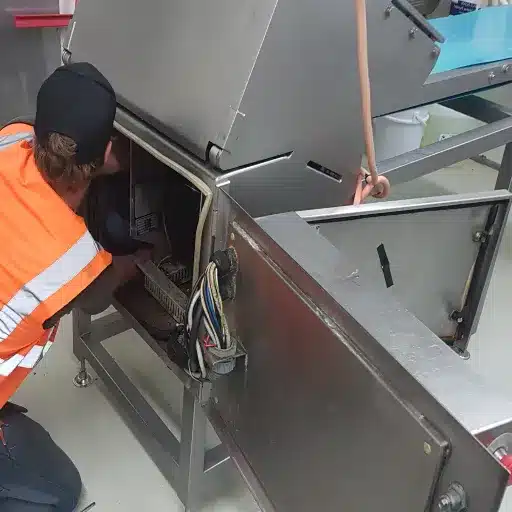
Preventive Maintenance Strategies
In order to guarantee that machinery in the workplace is efficiently lubricated on time, preventive maintenance exercises are quite significant. In such a program, duties comprise preparation of a comprehensive maintenance plan that factors in working hours of each piece of lubricant-filled equipment. For example, applications that involve heavy duty repetitive operations such as running belts or electric motors will require more frequent procedures over operating hours than operational units that are rarely used.
The tools that collect data are very important in contemporary preventive maintenance programs. Through the use of industrial IoT and sensor technologies, it becomes possible to monitor machine parameters, such as vibrations, temperatures and operating hours, in almost real time, and that helps one anticipate the possible breakdowns to a very high degree of precision. Moreover, with historical records, this technique does encompass trend investigation to make the right judgments on replacement or repairs in advance.
In addition, via lubrication management and precision techniques, machine elements will run smoothly – friction and wear are minimized. Reliable and consistent recordkeeping of any maintenance tasks is key for assuring compliance, ensuring traceability and improving processes. It goes without saying, the purpose of preventive maintenance is not only to address functional imperatives. It is also meant to prolong equipment operability on efficient levels and refrain from deviating from the norm.
Inspection Protocols for Food Machinery
As it is well understood the indispensable need for optimal performance, food machinery maintenance per se is not universal practice amongst manufacturers of the foods processing industry. This begins with the provision of basic measures of hygiene – assessment of the enforcement of processes ensuring the absence of residue, biofilm formation and bacterial contamination of the working surfaces and inside the parts of the equipment that are difficult to reach.
Due to the direct contact with food, such high touch surfaces as conveyor belts, slicers, bags, mixing tanks require much more careful attention. Controls over the temperature regulations both heating and cooling devices i.e., the heating element or refrigeration system also ought to be checked as well because Dear THMS if its purpose is defeated, the safety and quality of the products will suffer. Other components like seals, gears and bearings ought to also be closely examined and checked against erosion, misalignment, and failure of the components. The lubricants applied to these areas should be safe for food contact and constantly checked for possible contamination.
New designs have increased the uptake of ultrasonic sensors, infrared thermography, as well as other advanced equipment including the more medical oriented views such as borescopes in the detection of micro-cracks, thermal imbalances, and internal blockages that are missed by practising operators. Machines heterodyned with feedback IoT sensors stored in the cloud possess also control panels that display various parameters of the machines functioning and hence enhance maintenance practices saving on the machines downtimes.
Further, the establishment of routine inspection programs, accompanied by accurate records as in the case of Hazard Analysis and Critical Control Point (HACCP), makes it possible to ensure that certain safety and operational requirements are met at all times. In this respect, the adoption of the so-called proactive strategy in food machinery maintenance and flow, safety, and process management.
Maintenance Tips for Food Manufacturers
- Plan for Predictive Maintenance: It is possible to foresee equipment malfunction in advance with the help of predictive maintenance techniques, e.g. usage of machine learning and sensors for monitoring the state of machinery. Such measures help to avoid unplanned stoppage, lessen expenditure, and prolong the usability of the machines.
- Preserve Requisites for Verification and Adjustment of Tools: Critical tools, such as gauges of temperatures, gauges of pressures, scales, regularly indicate that they require recalibration so as to perform well and ensure maintenance of safe working conditions. Calibration differences may have a bearing on the product’s acceptability as well as the degree of observance to standard specifications.
- Arrange Detailed Sessions for Inductions: Spend resources in training those responsible for maintenance of equipment on SOPs and the usage of the instruments in addition to emergency solutions. It is also elicits that conducting up to date training on new equipment and cherry picking the best overriding safety measures rationalizes performance and reduces operating mistakes.
- Record the Activities for the Intended Purpose: Keep meticulous logs of all maintenance work, be it inspections, repairs, or parts replacement. All these records are required for auditing, recognizing patterns, and ‘actionable’ analytics for improvement.
- Hygiene should be a core concern even while carrying out the repairs:It is important that maintenance includes very sanitary practices, so that infection is avoided. Apply food grade lubricants, continually sterilize equipment, and continuously work in very clean zones when making repairs in such environments.
- Sift through Data to Improve Performance: Make use of well developed applications that perform data on the maintenance and demonstrate the performance patterns and their retention. The setup allows effective functioning and allocation of resources.
With this structure of proper maintenance, the production companies will not only perform to the best of their abilities, but will also adhere to very high standards of safety and therefore avoid any loss of image from their customers.
Reducing Downtime in Food Plants
Identifying Causes of Downtime
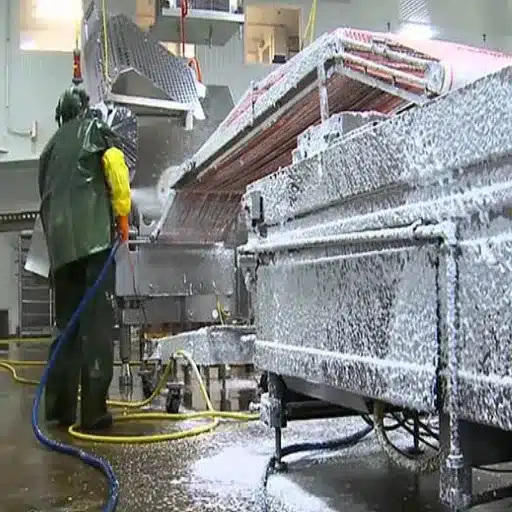
Various inter-related causes, which include failure of machines, processes or human errors, may cause downtime in food production firms. Mechanical issues are still top-ranking, especially with regard to old machines, which usually wear out with time. Such failures are usually compounded in preventative maintenance strategies or in changing vital wear parts as directed by the suppliers. Moreover, improper layout of work processes will cause blockages in workstations, where the commingled sections may promote queues in the production process throughout the shifts. Eliminating such functional deficiencies entails knowing the usage patterns of the equipment at a microscopic level and ensuring proper upkeep of the equipment by surveillance and evaluation using food machinery maintenance apparatus.
Further factor contributes to this issue is the practice of suddenly stopping operation while disposing operational stands in quality controls. Once goods are appreciated and found unfit while in the production line, It is always necessary to stop operations so as to determine the cause or correct it. This may correlate to potential calibration issues in the automated mechanisms, or structural disputes such as machine for example packing, or wrong addition of recipes during the process of production. These problems can be overcome and the quality related delays can be lowered with the help of advanced in-process control systems that can identify and display such changes upstream for example, excessive variations in the quality of the substances fed in the process. In addition, statistical process control (SPC) techniques improve process efficiency and accuracy in the food machinery maintenance and production manufacturing.
Human error is also a significant factor in downtime phenomena. Inadequate training of the workforce and clear lines of communication, and practices can impact the safety of food machinery maintenance processes, causing or furthering delays. For instance, setting up the machine with an input error could result in a faulty batch or precisely even in destruction of the machine’s parts. This can be avoided by integrating comprehensive induction courses, accompanying them with step by step instructions, and administering step by step instructions using Augmented Reality (AR) tools that are aimed at aiding the person reaching the stage. It is particularly this threefold nature of mechanical operational and human aspects that ensures every manufacturer strives to minimize the period of downtime while maximizing the productivity of the plant.
Implementing a Preventive Maintenance Plan
Having a detailed preemptive upkeep scheme is key in maintaining the operational effectiveness at all times and not suffering from unexpected shutdowns. The first steps in such a program are asset identification, scheduling maintenance, distributing work, and dynamic monitoring approaches that are based on data.
- The Inventory and Prioritization of the Assets: The first action is identifying the critical assets that exist in the Production environment. Every asset should be identified with its technical specifications, maintenance records and the role it plays. Analyzing assets in terms of their criticality to production allows a more efficient allocation of the resources, contacting and focusing on the machines with the greatest effects on productivity first.
- Defining Maintenance Schedu: Creating a food machinery maintenance plan includes making a decision on the appropriate frequency of such incorporation and considering the manufacturer guidelines, records of use of the equipment, and any analysis of the operations. A CMMS is an example of such a system that generates a schedule clarifying when any particular piece of asset should be worked on to avoid any absentee of the asset.
- Human Respr However, Human Resourse experts: Human Respr However, Human Resourse experts available in the organization They immediately get engaged. Additionally, spare parts servings allocation is also crucial components which a maintenance strategy includes. All workers should also be available for working on a specific machine being aware of safety requirements.
- Appreciating the Data Mazes and New Technologies: Temperature, vibration, pressure sensor, and other performance histograms integrated into equipment served by cost component can be monitored in real-time based on IoT technologies and concepts. Trends and outliers may not be discernible with the naked eye, can be slopes as well and machine learning systems contribute to those methods by incorporating device degradation prediction and maintenance to occur in advance of failures.
- Scheduled Records Checking and Adjustments to Plan: Food machinery maintenance should use scalable precautionary strategies as the demands of the equipment change, i.e., the objectives of the plan should be adaptable. Scheduled records checking and analysis in order to ensure adherence using performance measures like mean time between failures and the cost per output unit of maintenance helps the organization dedicate its resources towards the objectives of the strategy.
The fundamental purpose of a maintenance program is realized, when implemented properly, in objectives such as equipment reliability in the long run, operational consistency and minimization of total costs. These best practices in conjunction with the integration of information on real time basis; and the improvement of technological development builds maintenance management for the plant which is both effective and efficient.
Technician Training and Skill Development
The efficiency in the way that a main equipment can operate and work depend heavily on the role of properly trained technican and so does the achivement of high operatinal efficiency. A training system in place should be designed to match from the lowest to the highest thresholds of knowledge, with respect to the equipment and objectives that exist in an organization. Training almost all technicians will have elements encompassing diagnostics techniques, health and safety rules obedience and operating high level mechanical tools and maintenance systems as well as food machinery maintenance tools – use of thermography and vibration analysis for example.
To keep pace with rapid changes in industry standards and technology, it is imperative that organizations facilitate lifelong learning opportunities for technicians. Activities can be in the form of certification programs (for example a Certified Maintenance & Reliability Technician or CMRT), practical workshops, and the use of electronic learning systems. Industry research shows that in plants with adequately trained workforce downtime is reduced by up to 30% underscoring the positive impact of training on productivity.
Moreover, multi-skill training of technicians increases workforce applicability. By incorporating the latest knowledge base from credible sources as well as empirical data, organizations will be able to foster in-depth knowledgeable workforce that will be able to prevent problems arising in the plants while enhancing plant efficacy.
Challenges in Food Machinery Maintenance
Common Maintenance Challenges Faced by Food Processors
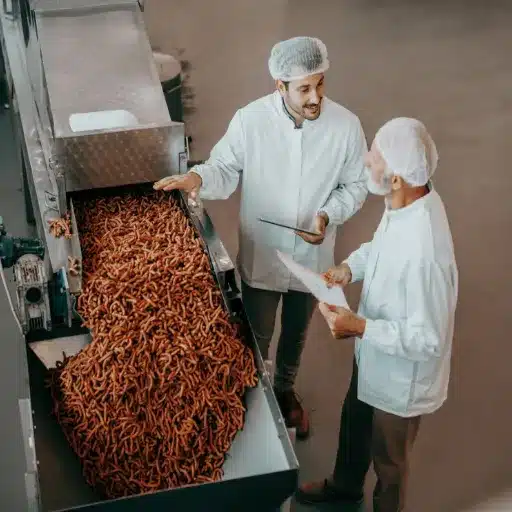
Employees working in the food industry possess knowledge of the fact that there are a lot of challenges which are part and parcel of the process of food machinery maintenance. One of the major challenges with equipment maintenance in the food industry is its long use, which wears it down, leading to a costly and unplanned maintenance. The other aspect that is very troublesome is the buildup of elements, for instance oils, fats and organic matter, inside the machines that can be contaminating the product or making the equipment to fail if such cleaning is not executed regularly into the process.
Another major challenge is ensuring that complex food machinery maintenance standards are not violated, and this often involves intensive and regular inspection schedules. It is necessary to keep up with the standards that change so quickly and this is not easy for all and for the structures that run on old and obsolete machines because there is little or no room for modification of the machines to conform to new legislation. Further, even after such older equipment is obtained, it’s difficult to obtain their spare parts in good time and hence equipment remains down for long periods.
There are challenges as part of the adoption of new equipment within the premises. Equipment today often uses sophisticated software enclosed within IoT endpoints, which requires regular maintenance and updating of the software by qualified personnel. The growing dependency on technical skills might be way over the heads of food industries that don’t have properly equipped capabilities. Additionally, distruption in supply chains might cause an extension in services, cause delays in much-needed checks or repairs which causes diversity in the production time table.
The resolution of certain obstacles depends on including preventative strategies like health maintenance plans, workforce advancement to handle the challenges the workplace brings and also buying wear and tear gauges so as to forecast the maintenance and servicing problems of equipment in time.
Strategies to Overcome Maintenance Challenges
- Predictive Maintenance Technology Types and Applications: Implementing asset management technologies like IOT devices and predictive algorithms can help you reduce the time spent on unwanted disruptions by finding the course of a component failure before hand. An illustration of this is the use of vibration analysis and heat cameras which assist in the quick recognition of defects in the equipment hence allowing for proper management progress.
- Develop Comprehensive Training Programs: It is essential that staff are competent enough not just with the maintenance of routine equipment, but also in addressing more complicated issues. This requires the establishment of formal instructional systems that may go as far as simulation exercises and formal education. With such a prospect, the skill set of workers is raised while avoiding such pitfalls that accountability to the project may be.
- Build Capacities for Supply Chain Coordination: Supply chain disruption issues can be addressed through increasing the number of suppliers and short term as well as long term inventory control. Conservation of crucial maintenance spare parts and components avoids operational shutdown through production holdup due to backlog of maintenance. It is very important to have vendor support whereby goods can reach fast in case of any emergency.
- Practice Fact-based Management: Sophisticated analytics should be employed with regular checking of maintenance mean time to repair, mean time between failures and other metrics for productivity improvement. Utilization of collected data from these sensors to predict maintenance patterns and resource allocation is helpful in ensuring business continuity.
- Implement Joint Food Machinery Maintenance Fascisms: Developing cross-discipline groups containing personnel from engineering, manufacture and maintenance work aims to promote feedback and ease in communication between such individuals. Maintenance frameworks will fit within the memes of the establishment as the means to solve any equipment problems would be simpler.
- Consider Buying More Durable CMMS Software: By supporting the management of routine activities related to the maintenance of assets, A CMMS (Computerized Maintenance Management System) is a computer program that assists in managing and scheduling maintenance task. This will reduce the manual steps required in managing work orders, logging equipment history, producing performance report, and because of this Organizations will be able to operate more efficiently.
Nations will delimit maintenance provisions thus maintaining operations and prolonging the efficiency of their systems when in operations when the above approach is in place and accompanied with innovative strategies and an attitude ready for anticipation.
Ensuring Food Safety through Proper Maintenance
Food safety is highly reliant on adhering to proper maintenance of existing equipment for food processing. This calls for preventive maintenance practices which are always beneficial in reducing abrupt stop due to technical hitches rather than break down, hence minimizing cases of situation where contamination arises as a result of worn out or blunt equipment. This kind of residue is best avoided through adherence to scheduled and regular cleaning and sanitizing as some of this dislodged material is also likely to have undesirable microorganisms like Salmonella or Listeria.
The use of modern applications like CMMS has further empowered the maintenance department by alerting the users about the frequencies of the maintenance activities, recording every inspection made for a system and predicting the failure of some parts of the machines to prevent contaminations. For example, refrigeration equipment has to be constantly recalibrated to control temperatures within safe limits for food, which in practice means less than 40°F (4°C) in accordance with FDA recommendations.
Through the application of up-to-the-minute technology that can track processes as they happen alongside predictive analytics, the authorities can take note and deal with the maintenance issue in advance without catching oneself out as they can comply with food safety principles like HACCP and yet enhance their performance at the same time. The institution of redefined maintenance guidelines and data driven systems leaning towards the future is very crucial in the mitigation of both the threat towards consumer’s health as well as the integrity of the food processing sectors.
Maintaining Equipment Reliability
Monitoring Equipment Performance
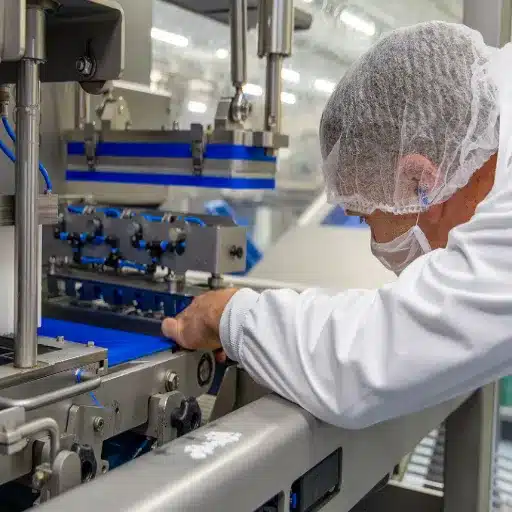
Efficient performance monitoring of equipment requires appropriate methodologies and use of the modern technologies that have f food machinery maintenance in their structure. Most recent subsystems utilize IoT (Internet of things) sensors to monitor close-up processes of extensions for parameters like temperature, pressure, vibration and consumption of power among others. Such sensors facilitate to provide classified information on what is happening to the operational machinery failure thus manufacturers will be in a position to predict failure symptoms. With the addition of predictive analytics, these systems help reduce the likelihood of unexpected internal faults and unscheduled downtimes as organized maintenance is done in advance.
The usage and application of machinery has also changed because of this. Combination of machine learning models with equipment condition monitoring techniques- essentially models that analyze the history and modeling of equipment- makes them more advanced. They are able to detect subtle signs that could go unnoticed by the operators, thus improving the ability to diagnose the machine condition. As a result, combined vibration monitoring with respect to machine learning models will tell the difference between a normal wearing condition of a shaft and a severe mechanical problem, allowing an intervention without due urgency. This level of fidelity and real-time monitoring also lets resources be better utilized since the maintenance staff will get data on conditions of equipment and prioritize their work accordingly.
The need for effective management of food machinery maintenance cannot be overemphasized owing to industry laws and guidelines governing the industry. There are several standards set in food production that manufacturers must comply with in their operations such as ISO 22000 and HACCP which includes the monitoring of all machinery used in food processing all the time. The equipment in question is constantly checked against the working conditions so as to eliminate any chances of contamination or deterioration of the quality of products. Through the integration of this topology fueled mainly by real time data acquisition capability with insight features and regulatory compliance, assurance of higher levels of percentage working times of equipment is attained as well as enhancing performance capacities.
Best Practices for Keeping Your Equipment Running Smoothly
- Devise a Maintenance Schedule for Preventive Maintenance: Elimination of unexpected breakdowns through preventive maintenance is the main goal, therefore, it is necessary to devise a solid system which is able to provide a schedule for regular checking, cleaning, oiling and changing of worn out parts. If there is the use of vibration or heat prediction maintenance equipment, one could tighten the scheduling further because additional maintenance operations will be done pre-failure.
- Commence Installation of Continuous Supervision Systems:Adoption of in-situ monitoring orientation allows effective, systematic, measuring based management of machines as required. IoT enabled sensors can provide persistent monitoring of necessary parameters such as temperature, pressure or working speed among other process variables. Powered by artificial intelligence, such systems are able to detect patterns and intuitively predict problems if there are any changes.
- Operators Awareness and Practices: Ensuring that operators are adequately trained is crucial for the gear to be effective and accurate. Every person involved in the work should understand the approved operational procedures (SOPs) and be kept updated regarding the specific features of newly introduced equipments or alterations made to the process. This ensures that operator incompetence is avoided and the machines are maintained within the appropriate operational limits.
- The Best Replacement Parts and Consumables Should Be On Hand:Poor quality and unmatching spare parts are a major threat to the working condition and durability of any machine. Order such parts from the producer or their certified dealers only. Besides, when consumables like lubricating oils and oil filters are used, such should be done in accordance with the manufacturer’s recommendations for consistency in utilization.
Following the above guidelines brings the objectives of meeting high equipment availability and even regulating the assets usage period to certain extent that operations are effective and do not exceed the recognized codes of practice used in the industry.
Tools and Technologies for Effective Maintenance
Types of workshop enhancement involve the facilitation of all the necessary procedures for every step of the workshop. Such systems; include the computerised maintenance management system (CMMS). These systems help in allocation of work orders and management of inventories together with assessment of their performances in real time. CMMS software systems have inbuilt analytics which provide insights on maintenance activities and help to optimize resources effectively.
Moreover, Internet of Things (IoT) sensors are being deployed for condition monitoring of machineries as well. The sensors continue to measure and monitor the condition of the machinery by recording temperature, vibration and pressure as well as other variables. This enables maintenance personnel to take corrective actions before such abnormalities occur. A good example of this technique is the use of vibration in food machinery maintenance. This is used to “highlight” the “leaks”, the misalignment, the deteriorated bearings and so forth, and it significantly reduces the chances of repair and the time suffered for unexpected failure.
Another interesting concept is that of augmented reality for maintenance. The tool proves very useful to maintenance workers, for instance, by providing them with instructions or diagnostics superimposed on a piece of equipment. This lowers the chances of making errors and speed up the repair process, especially when dealing with very technical systems. In addition to this, there are asset management applications with AI and machine learning capabilities that improve decision-making on the basis of analysis of historical data, such as recognizing various patterns or outliers, determining the likelihood of equipment breakdowns, and identifying and scheduling the most pertinent tasks to be performed.
The usefulness of such tools is even greater synergising with effective data integration strategies for different enterprise systems e.g. the Enterprise Resource Planning (ERP) and Inventory Management software. Employing all those cutting edge technologies and understanding them in a big picture antimicrobials, and insects requires an integral approach which satisfies improved performance of maintenance processes, ensures reliability growth and significant cost reduction.
References
-
Handbook of Farm, Dairy and Food Machinery Engineering
This handbook provides insights into the maintenance of hygienic and healthful conditions in food machinery. -
Total Productive Maintenance by Improving Production Efficiency in Food Industry
This article evaluates the Total Productive Maintenance method as a system for loss prevention in food machinery. -
Statistical Analysis of Equipment Maintenance Time in the Food Industry
A case study identifying sources of impact on performance related to equipment maintenance in the food industry. -
Maintaining the Appropriate Level of Quality in Machinery and Equipment Safety in Food Industry
This paper discusses machinery safety requirements and quality maintenance in the food industry.
Frequently Asked Questions (FAQ)
Q: In what terms is routine maintenance performed for food machinery maintenance, and what effect does maintenance have?
A: Regarding techniques in food machinery maintenance, this extends into periodic Hence the need to carry out smooth rehabilitation of the plants facilities on a regular basis such as attending to any wear and tear repairs of the seals, grease the said moving parts before operating, ensure the workability of all the electrical components, and ensure that all the parts are properly washed. Carrying out maintenance determines food safety practices, prevents loss of resources through downtime, increases the user replacement levels.length of the equipment, and also achieves maximum reliability of the food processing machines.
Q: Can food processing equipment be maintained by operators and what about maintenance personnel?
A: In industrial environments, both operators and maintenance technicians are essential. The operators carry out the basic, regular maintenance activities and hands on tasks, such as housekeeping, visual checks, and minor adjustments whereas the neat tasks of the maintenance department that involves diagnosis, professional repair, and even much preventive maintenance activities are done by highly trained maintenance technicians in order to avoid those unplanned downtimes.
Q: How can preservation activities decrease idle production time and halts in manufacturing?
A: When speaking of maintenance, preventive measures can be scheduled and advanced concept of maintenance incorporates scheduling tasks to prevent it to work technology without inspections for long periods of time, replacement of worn-out components, greasing of moving parts and checking of electrical installations. Where such a methodology is employed, accent is laid on reducing maintenance downtimes in manufacturing processes while assuring the operational capacity of the entire productive system in meeting clients hues without stalling the production instruction.
Q: What best practices should be observed in cleaning of food machinery maintenance and cleanliness in accordance with food safety standards?
A: Good practices for food machinery maintenance cleaning are removing any residues or food particles, approved use of cleaning agents, adhering to documented cleaning procedures for all food contact equipment, and confirming sanitation both through visual and documented inspections. Food safety can only be guaranteed if the established rates are adhered to. Proper cleaning helps minimize downtime that could have led to contamination, which could pose health risks to the consumers and cause unwanted re-work to manage reductions in production quality.
Q: How best could the facility make the repair arrangements – professional repair at what stage, the availability of spares and at what point do you resort to troubleshooting?
A: Organizations must always have only the necessary spare parts for key maintenance levels, arrange for professional repairs and teach the staff how to fix also the basic problems. A spare parts list as well as escalation procedures enable the maintenance staff as well as the operators to adhere to any set faults in delaying repairs injuries.
Q: What are the maintenance activities that involve the use of electrical equipment or what is called electrical safety and how is it practiced?
A: Tasks performed during every maintenance procedure that are related to electrical components include checking the condition of wiring, inspecting safety switches, checking the function of motors and sensors, and performing earthing correctly. It is important to remember that only those who are trained to do so should work on electrical systems and must do so using lockout-tagout and various other safety procedures that focus on protecting the worker and making the equipment functional.
Q: In what way lubricating the moving parts and carrying out the cleaning procedures helps to keep equipment in function for a longer time?
A: There are two immediate results of lubricating the moving parts and cleaning surfaces of the food equipment. First, applying lubricant on the moving parts minimizes the need for friction and wear of the parts. This is because lubrication eliminates the need for non-slip interfaces between critical components. Cleaning however clears away abrasive food remnants which destroy surfaces and parts. Both cleaning and lubricating equipment operation helps in efficient energy usage thereby prolonging the food machinery maintenance program and the food processing machinery as well.
Q: What sort of specialized training is required for the maintenance technicians in order to be able to safely deal with the food and the beverage processing equipment?
A: The food machinery maintenance personnel need to be trained on the various elements such as food safety, sanitary designs, lockout and tag out, electrical precautions, and fixing equipment processing machine. Such procedures help to maintain the safety of products, guard against any contamination of the food, and help the producers of food in meeting the standards.