Breakfast is commonly referred to as the most essential meal of the day, and this is not an empty statement. Breakfast helps to keep your energy levels high, your focus intact, and your performance more than optimum for the day. Healthy protein breakfast bars are excellent substitutes for breakfast when one needs something convenient yet healthy and delicious. If you can’t resist the peanut butter, granola, oats and bananas, you’d be glad to know that these bars bear all of them in one, along with other nutrients that will help jumpstart the day. There are numerous recipes offered in this text, aimed at making an easy start to your mornings whether your goal is to increase protein hunting, naturally indulge your sweet teeth or carve out time from busy schedules. Continue reeding to learn hows these simple breakfast bars can be made tasty at home.
Introduction to Healthy Protein Breakfast Bars
What Are Healthy Protein Breakfast Bars?
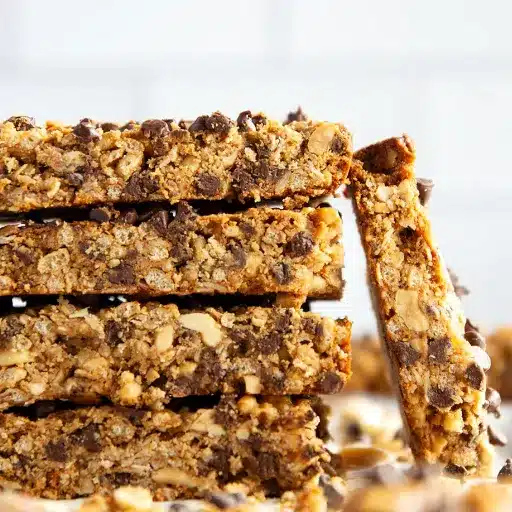
Nutritious protein-filled snacks such as healthy protein breakfast bars, are compact in nature with essential nutrients and energy. Usually in the form of such snacks are a mixture of healthy foods such as sugary oats, different nuts and seeds, and dried fruits together with sources of protein, which can include but are not limited to whey protein, plant based proteins powders, or vegetable oils. This type of bar is often prepared to include slow energy release thereby making it a good choice for some people who are in a rush in the mornings or with a pre-gym workout every time.
Healthy protein breakfast bars help to satisfy the need for high protein contents, which is important for muscle recovery and satiety in a given person while stillle traditional carbohydrate foods which do not contain dietary components such as healthy fats or complex carbohydrate foods. These type of products differ from regular snack bars as they do not have sugar or any other additives instead natural sugar present in honey, dates or maple syrup. Thus, this makes them a healthier option for people looking how to control the level of glucose in their bodies and adhere to their dietary regimes.
Moreover, healthy protein bars for breakfast could alter their ingredients so as to cater to those who are gluten-free, vegan or on a keto diet. These are not moments of perfection but strategic decisions for those on the go, supporting healthy eating who do physical activity or always rush out of the house in a healthy way. A blend of taste, ease, and nutritious appeal increases the relevance of such foods to modern diets.
Importance of Breakfast for a Healthy Lifestyle
Morning meals are also known as being the most crucial for the reason that they are the earliest opportunity for replenishing the body’s nutrient stores after a prolonged fast. It restores energy and starts up the metabolism, hence promoting good health in both mind and body. Breakfast is believed to further help individuals meet their daily nutritional needs as breakfast tends to contain essential food groups such as whole grains, fruits and even proteins.
It has been evidenced that there are potential adverse health effects of skipping breakfast, such as increased food consumption later in the day or making unhealthy meal options. Research has shown that individuals who skip breakfast are at the risk of developing insulin resistance, obesity, and type 2 diabetes. This is reflective of the fact that one needs to eat a proper breakfast in order to ensure appropriate levels of sugar in the body and energy levels are not compromised.
Ideally, a balanced breakfast should comprise of the necessary macronutrients be it healthy protein breakfast bars complex fats or lean protein in order to facilitate the provision of both short term and long term energy. Some examples of such a meal is porridge topped with fruit and nuts, whole-wheat bread, with avocado and egg; or a smoothie of yogurt and greens. Because if one eats breakfast every day they are likely to enhance their eating habits leading to wellness over time.
Overview of Peanut Butter and Other Ingredients
Roasted peanuts provide a nutrient-dense paste commonly known as peanut butter. This is an excellent food rich in healthy oils, proteins, and nutrients like vitamin E, niacin, and magnesium. The macro nutrients balance makes it a great snack for prolonged energy and repair of muscles especially for those involved in physical activity. It is important to ensure that one buys a natural product such as healthy protein breakfast bars that have no additional sugars or hydrogenated oils to help in maintaining the health benefits and avoids the adverse side effects that come with these additives.
Peanut butter has options and it makes use of the variety of other equally important ingredients which enhance its taste and nutritional properties. This is because, unlike white bread, whole-grain breads are rich in fibers and complex carbohydrates which are known to help with proper digestion and regulate blood glucose. With the same matter in mind, fresh fruits like bananas or berries become much better when combined with the simple peanut butter as they provide an element of sweetness or extra vitamins such as vitamin C, potassium and some antioxidants.
There are also other foods that go very well with peanut butter. For example, yogurt that has additional protein and probiotics, honey that gives a refreshing taste of natural sugar and some seeds like chia or flax for omega 3 fatty acids and fiber. Such ingredients brought together in such an ingenious manner provide the assurance of a healthy meal or snack which is filling, gives energy and is nutritionally valuable. Quality ingredient selection as much as the diversity can be in favor of improving the effects of using intact peanut butter regularly.
Benefits of Protein for Breakfast
Role of Protein in Energy and Satiety
Protein functions best when consumed in requisite proportions. It’s the reason that you feel fuller for longer once you’ve had some. Protein serves to curb immediate feelings of hunger through instant satiation. This impacts the gut by stabilizing energy fluctuations that could otherwise be as a result of sharp increases and declines in blood glucose. Examples of such meals are iohghr protein healthy protein breakfast bars. As a result, such meals encourage peptide YY and gastric inhibitory polypeptide more than ghrelin and leptin. Here are five ways in which protein helps to improve energy levels and keeps one fuller for longer.
- Prevents Energy Crashes: Carbohydrates taken with proteins results in slower absorption of glucose into the blood stream thereby preventing energy dips and helping in maintaining glucose levels over time. This is even more critical when working with illnesses like Diabetes.
- Causes An Increase of Calories Being Consumed: Consuming more protein raises the body’s TEF, i.e. the energy consumed to digest food is higher than that of fats and carbohydrates. This increase in metabolism translates into a continuous action against the burning of calories.
- Contains Less Vices and Reduces Appetite: Protein stimulates the production of various appetite-suppressing hormones and also decreases individual’s ghrelin levels, controlling appetite and decreasing the consumption of food and healthy protein breakfast bars.
- Aids Muscle Repair and Performance: Protein is a source of building blocks – amino acids, and these amino acids facilitate healing of muscles, which help with the bas ic level of physical functioning in such a way that is particularly important in an active state with the person.
- Facilitates Alertness and Concentration: Protein is a source of amino acids such as tyrosine, which is a protein for the neurotransmitters dopamine and norepinephrine. These brain chemicals help to improve the levels of attention and wakefulness as well as mental fatigue levels.
The addition of high-protein food sources to a morning meal, including eggs, Greek yogurts, low-fat meats, proteins derived from plants, and legumes, can effectively help in sustaining high energy levels and make one feel fuller for longer periods of time – a twofold purpose where nutrition is concerned.
How Protein Affects Metabolism
As significant a component as protein is to the metabolic regulation and stimulation processes, it is also pertinent to note that energy generation and use of nutrients are part of the many indispensable functions regulated by protein. In the following paragraphs, we have provided five specific examples of how proteins modulate metabolism:
- Calorie Expenditure With Food Intake: Thermic effect of food (TEF) describes the energy cost associated with the digestion, absorption, and metabolism of the food consumed. The TEF of protein is the highest amongst the macronutrients, protein, carbohydrates and fats, where 20-30% of calories present in protein are expended during absorption. For example, 100 grams of pure protein would burn 20 to 30 grams in digestion and this increases the metabolic rate of the body.
- Preserves Lean Muscle Mass: Taking protein is fundamental in preservation of lean body tissue during calorie restriction or in the phase of losing body weight. Mass of muscle is preserved so the metabolic rate is maintained or even increased due to the fact that muscle tissue is more energetically costly than fat. Many authors report that people having enough protein-mass spare draws less out the lean body tissue during the process of losing weight.
- Speeds Up Muscle Protein Synthesis (MPS): Taking protein rich in essential amino acids, for instance, leucine motivates the undertaking of muscle protein synthesis. This is mainly for rebuilding of the muscle after physical work and for muscle hypertrophy, concepts which in the long run aid in increasing one’s rate of metabolism.
- Decreases Hunger Enhances Positive Energy Balance: What is more, protein in healthy food is more filling than the carbohydrates and fats in the same food. That is how protein assures that the actual energy intake does not exceed allowable limits and that the spirit of dieting is preserved. In addition to appetite suppression, protein also offers assistance in the reduction of body fat and the improvement of muscle mass.
- Facilitates The Burning Of Fats: Proper consumption of protein augments fat oxidation, which refers to the breakdown of fat molecules and their usage as a form of energy. It is of great importance since it encourages weight loss and during any exercise especially of high intensity when the body needs a lot of fat for energy.
With strategical intake of healthy protein breakfast bars throughout the day, people are also able to enhance their metabolisms in a sure way.
What to Look for in a Healthy Protein Bar
Ingredients that Matter
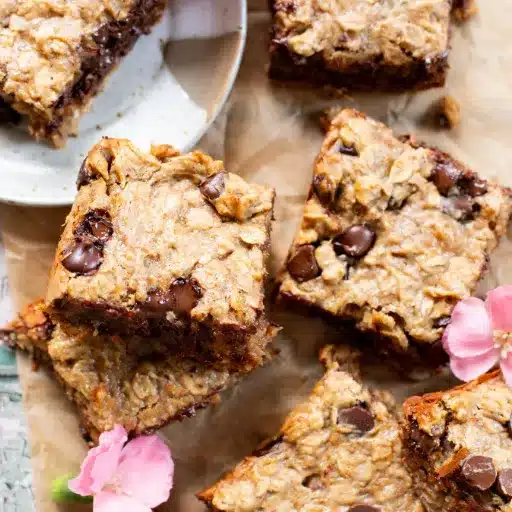
Selecting the best healthy protein breakfast bars involves carefully checking the list of ingredients to ensure that these bars offer a significant amount of nutrients and that they are quality bars. A protein bar must contain a few raw ingredients aimed at boosting energy, nutrition, and hunger control in a consumer. Some of the key ingredients include:
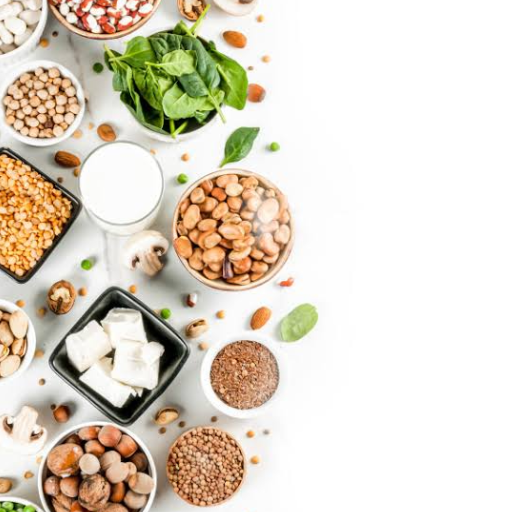
- Protein Source: Choose the ones that contain a good source of protein, particularly whey isolate, casein, or plant proteins such as brown rice protein, or even pea protein. All these are complete proteins and have amino acids needed for muscular development and repair.
- Natural Sweeteners: Avoid artery as bars particularly those with added sugars such as high fructose corn syrup; instead consider to use other natural sweeteners such as honey, date or stevia. This will help in maintaining sugar control and energy level for longer duration without a drop.
- Good Fats: Go for bar varieties which contain cholesterol free fats sourced from nuts including almond, chia or sunflower. The fats types make a person feel full longer and are good for the heart.
- Fiber in Food: Select the type of the food which contains at least three to five grams of fiber content per serving, which is a commonly known whole food, for instance, oats, chicory root, and flax seed.
- Micronutrients: If it is fats that one needs to control the most, choose varieties that come with valuable minerals such as iron, magnesium, and calcium to some extent depending on your needs. Such nutritional ingredients as nuts, and dried fruits contribute to the aforementioned microelements in particular.
Paying attention to these elements enables one to choose healthy protein breakfast bars incorporating nutritive purposes and clean, high-quality ingredients thus achieving both diet plans and health enhancement. Checking labels to avoid unwanted additives such as those containing artificial preservatives, synthetic flavors and/or hydrogenated oils is as important.
Nutritional Value: Protein, Sugar, and Fiber
In determining the most suitable protein bar to purchase, one must consider the macronutrient contents of the product as this provides useful information on its nutritional quality. In particular, attention should be focused on the protein content, given that it aids in muscle growth and repair as well as hunger control and enhances recovery. An efficient healthy protein breakfast bars must contain more than 10–20 grams of protein per serving obtained from ingredients such as whey protein isolate, casein or even plant based protein like pea and rice. Such functional sources contribute an amino acid content that is either complete or well syringed, adding onto the functions of the body.
On the flip side, the amount of sugar should be controlled as it can encourage over consumption of calories which may trigger elevation in sugar levels. Thus, the utmost preference would be for a protein bar with a sugar concentration below 10 grams, whereby sugar in its raw form as extracted from natural sources like honey and monk fruit is more preferable to processed sugar in terms of the blood sugar content. High added sugar consumption has known adverse effects as studies reveal it causes insulin resistance and obesity.
In addition, the amount of fiber will play a role in the consumption of selected macronutrients due to its positive impact on the digestive system and its ability to increase the time of fullness among eaters. A serving of a protein bar containing more than 3 grams or 5 grams of fiber, which may come from ingredients like chicory root or oats fiber, and protein bar will be more beneficial in regard to its health benefits. Hence, the bar’s proportion of protein to sugar and fiber suggests that though it is useful for energy recovery, the attitudes are maintained over a longer term as well.
Make Your Own Protein Bars
Steps to Make Breakfast Bars at Home
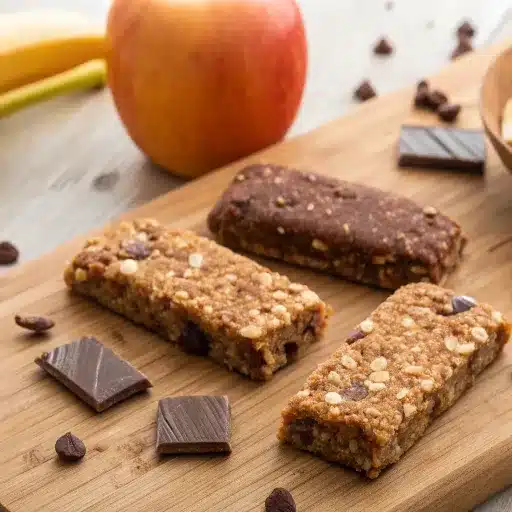
- Prepare Ingredients: Decide what you will use as a base, for example, choose the rolled oats or quinoa and what protein element you would need, for example, whey powder, plant-based protein, or even nut butter. Add some sweetness using honey or maple syrup and select any binding agent, which can be considered sticky for example mashed banana or egg. For example, add dried fruits, seeds, and even nuts to improve the texture and help in nutritional value.
- Get the Dry Mixture Ready: Place all the dry ingredients in a larger than an average size mixing bowl if necessary. These may be oats, protein powder, chia seeds, any flaxseeds, and even spices like cinnamon. Mix the ingredients well to ensure distribution of the flavour and nutrient is even.
- Mix Additional Wet Ingredients:Wet Ingredients should be mixed together in a different bowl. Some of these include almond butter, honey, mashed banana and vanilla extract. If necessary, warm the sticky ingredients collectively so that they melt easily in each other.
- Wet and Dry Mixtures Must Be Mixed Together: Pour the wet mixture gradually into the dry mix, and stir gently each time to prevent lumps. Make sure all Ingredients are properly mixed together and the said mixture is consistent.
- Prepare and Bake the healthy protein breakfast bars: Place the wax paper on the bottom of a baking pan for easy release of the bar. After that, transfer the prepared mixture on the pan. Pack the mixture tight and smooth the surface to make a neat rectangular shape so that cutting becomes easy afterwards.
- Bake or Refrigerate: If you want crunchy and chewy bars, preheat the oven to 350°F (175°C) and bake for some time, or more precisely for about 20–25 minutes. But If you want soft bars, place them inside a fridge and leave the unset mixture for at least 2 hours or until it has set.
- Slice and Keep: The mixture may either be cooled or firmed and cut into bar-sized pieces. They should then be stored in a sealed container, put in the refrigerator or frozen for better preservation.
This approach allows you to take care of breakfast bars in terms of both composition and taste preferences, thus, offering a possibility to make sure that the healthy protein breakfast bars do not have any foreign ingredients or sweeteners that are not wanted.
Common Substitutions and Variations
- Sweeteners: For health-conscious individuals who refrain from consuming refined sugars, processed sugar may be replaced with natural sweeteners such as honey, maple syrup or agave without losing any taste. In addition, a low-calorie alternative can be any of the two stevia or erythritol that has gained popularity and is used extensively in diabetic and keto friendly recipes.
- Binding Agents: For many conventional recipes, eggs or butter are preferred as binding agents. These ingredients can be substituted by vegetable alternatives such as the muffin top mixture made out of milled flax seeds and water (also known as the flax egg) or bananas that also contribute a dessert feel in the bars.
- Flour Alternatives: For gluten-free options, avoid common all-purpose flour and instead use oat flour, almond flour or coconut flour. Other than containing these substitutes maintaining stability, the nutritional benefits of this recipe will also increase due to fiber or healthy fats included.
- Mix-ins: Nutrient-rich mix-ins can do wonders when personalizing the bars in terms of taste and purpose. Sweetness can be enhanced by adding dried fruits such as cranberries, raisins, or apricots that are chopped, and the texture as well as nutrition can be improved by some nuts, seeds, or dark chocolates chips as well.
- Taste Enhancers: For full-bodied and enticing taste, use natural extracts such as vanilla, almond, or orange, or spice the food with cinnamon, nutmeg, or ginger.
Such replacements and modifications provide a great amount of adaptability, with the awareness that the recipe can be altered to account for different tastes, food allergies, and goals for nutrition. Playing around with these choices guarantees that one makes healthy protein breakfast bars that are customized to one’s needs and has a healthy element in them.
Storing and Preserving Your Bars
It is important to store the healthy protein breakfast bars properly to keep them fresh, maintain flavor and the nutrients inside of them. Depending on the ingredients that have been utilized and the intended storage duration of a bar, the method of storage can differ greatly. In most cases, since the bars are not expected to be preserved for long periods, placing them in an airtight container and storing them in a cool and dry place is sufficient. Doing so minimizes the risk of changes in texture and taste as a result of absorbing moisture. Under these environmental conditions, it is most recommended that the bars be eaten within 3 to 5 days.
Putting them inside a fridge is also a good option if one intends to store it for a long time. It does not apply, however, to bars with fresh fruit, dairy, yogurt and such perishable ingredients, and it is always advised to refrigerate them. Before placing the breakfast bars into the container, they should be wrapped in each wrap of wax or polythene paper. Until these wrappers dry out, lichens can be extracted through the melts and their dehydration will not start for a time. The time limit, as far as the quality of the breakfast bars is concerned, is two weeks at the maximum for any bars prepared without baking and stored in a refrigerator.
Whenever long-term preservation is in order, the most feasible approach would be freezing. To perform freezing of bars, one should first wrap every bar individually using aluminum foil, preferably, or freezer plastic wrap, and then place the bars in a freezer bag or any container that excludes air. It is a good idea to write the storage date on the container so as to remember for how long it has been kept. Once frozen correctly, most of these breakfast bars are good even after three months with no loss in taste or nutrition. Once one is ready to eat, put out bars and keep them in the refrigerator or in a room or any other room temperature area for some time. If these guidelines are followed to the letter, every mouthful will be delightfully fresh and healthy as it ever was.
References
-
Boston University – Test Kitchen: Oatmeal Breakfast Bars provides nutritional details about oatmeal breakfast bars, including their protein content.
-
Tufts University – No-Bake Breakfast Bars offers a recipe and nutritional breakdown from a trusted academic institution.
- Click here to read more.
Frequently Asked Questions (FAQ)
Q: What distinguishes healthy protein breakfast bars and what are the advantages of choosing them?
A: Healthy protein breakfast bars are calorie dense, convenient bar meals that aim at providing protein and suppressing appetite till the next meal. They are typically made from or include ingredients such as oats, protein powder such as natural vanilla protein, chopped nuts or nut butters like peanut butter or cashew butter, sometimes also containing other health enhancing substances like collagen or fruit pieces that provide essential fats, fiber as well as energy. However, it is the homemade granola or breakfast bars which are healthier because you decide on the sugar and gluten intake as well as any other interesting, edible components the grab and go breakfast or snack shall contain.
Q: Is it possible to prepare healthy protein breakfast bars in the case of gluten intolerance or nut allergies?
A: Yes. In order to prepare gluten-free bars one must use gluten-free oats or flour that is certified gluten-free as well as packaged ingredients that are also gluten-free. For nut free or nut free variations one may consider the use of alternatives to chopped nuts and natural peanut butter such as sunflower seeds butter or seed mixes. Many recipes for homemade granola bars as well as breakfast bars can be modified to exclude any allergens and they can still get their protein boost from the use of vanilla protein powder and/or collagen (if one is not allergic to sources of collagen).
Q: Do I need any specific items to prepare a simple recipe of healthy breakfast bars for the family without leaving the homestead?
A: Very few are needed: a large basin to mix the ingredients, a baking dish with parchment paper for pressing bars, and a sheet pan or some other container for cooling and storing the bars. Some people prefer to use a food processor for cashew butter or crushing the oats finer, if preferred. Bars should be stored in an airtight container after they are cooled or wrap the bars in an airtight container before putting them in the fridge.
Q: How do I make granola breakfast bars at home so that they do not fall apart?
A: To avoid crumbling, incorporate a sticky ingredient like any nut butter of your choice, like peanut butter or cashew butter, apple sauce or even a little, honey or blended dead to taste and maintain the cohesion of the dry ingredients. Pack it tightly into the parchment lined pan and refrigerate before cutting. Additionally, including vanilla protein collagen in the recipe assists in binding and providing more protein. Also, bars are better held in shape if they are properly kept in airlocked vessel.
Q: What are some of the much loved recipes or ingredients in healthy protein breakfast bars?
A: Many popular recipes use oatmeal as the main ingredient and a protein source (vanilla protein powder, collagen, or nut butter) alongside favorite flavors, such as chopped nuts (walnut, almonds), seeds, dried fruit, chocolate chips, or shredded coconut. Apart from healthy additions containing proteins, walnuts can be added as well, or even a tablespoon of flax if it is available. Rather than nuts, it is also common to use sunflower seeds butter and sunflower seeds. They range in shape, flavor, and process of making to individual granola bars and breakfast bar recipes which can be made at home.
Q: How can I store these healthy protein breakfast bars and what are their ideal shelf lives?
A: After cooling, either put the bars in a sealed package or a container where the bars are made and airtight and leave them there for a few days at room temperature or a week in the fridge. To store for several months, wrap each bar in parchment paper and freeze ahead of time and when you are about to eat, move them from the fridge or place on the table and let them thaw. The appropriate way of storing helps to keep the rigidity of the little ones and ensures the availability of the little ones always when needed.
Q: Are there any prepared versions of this snack which can only be stored in the freezer because of refrigeration or after reheating?
A: Yes! The only difference between the two recipes is that one requires an oven and the other, an icebox. This is a common scenario for baked breakfast bars that are set in a baking dish, often containing oats and flour which will firm up after being cooked; remember to use parchment paper or it will be hard to remove without taking a portion of it with the indiada-kanaka layer. While the no-bake ones are usually made with chilled nut butter or apple sauce and placed tightly into a pan to refrigerate. Which one to start with? It depends on how fine and time sensitive you’d like each piece to be.
Q: Is there a way to add more protein without making the taste change much?
A: Add flavorless and odorless vanilla protein or collagen peptide or higher protein nut butters such as natural peanut butter or cashew butter to increase the protein without changing the taste to any significant extent. Yogurt or any protein-filled seeds may also increase the protein content. Remember to adjust the dry and wet ingredients – add the dry components slowly and bind the mixture with applesauce or a little bit more nut butter to avoid the protein thickening the bar after cooking exercise.
Q: Is it advisable to eat healthy protein breakfast bars every day in place of breakfast?
A: It is possible to have healthy protein breakfast bars for breakfast as they offer regulated nutrition when made of healthy food. Such food includes oats, protein powder, nuts or seed butter and fruits – all in all, they help boost the levels of protein in the body and one can go on between meals thereby helping with satiety. However, the notion of such repetitive consumption of specific breakfasts needs re-evaluation since it is always advisable to include other foods while having breakfast for the purposes of balance. If one is to make use of these bars over long periods, creating particular versions with stable composition of whole grains, fats containing polyunsaturated fatty acids such as walnuts and seeds, and without excess sugar will be useful.