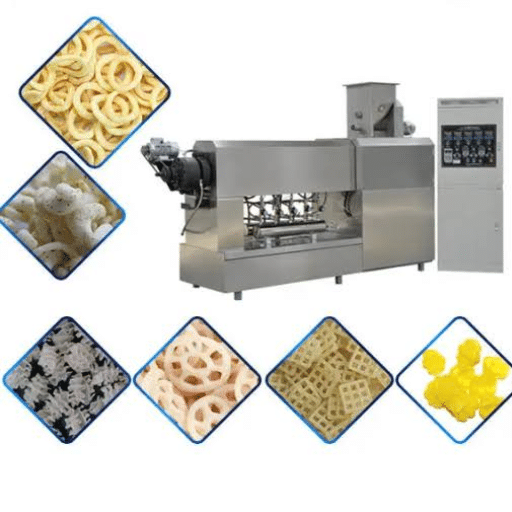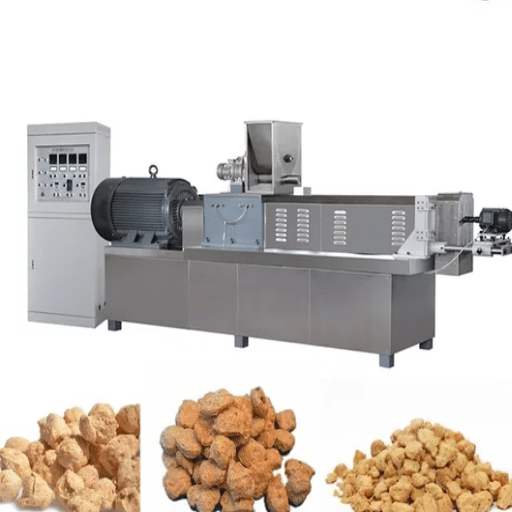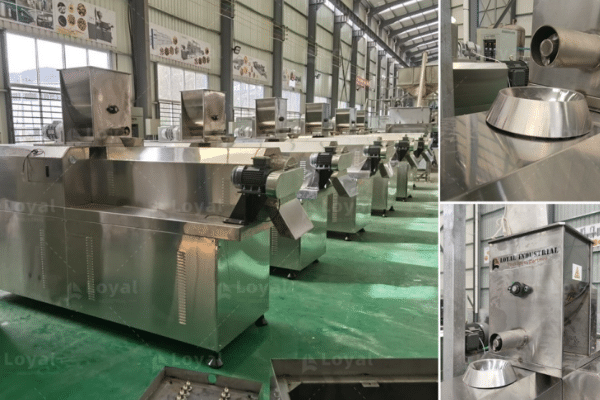
The most widely accepted food grade surface finish Ra values for stainless steel product-contact equipment is Ra ≤ 0.8 µm, equal to 32 microinches (µin). This threshold appears in 3-A Sanitary Standards, EHEDG Document 8, and NSF/ANSI 2. Dairy, high-risk, and high-purity applications often demand smoother surfaces, typically Ra 0.3–0.6 µm, while non-contact frames can tolerate rougher finishes.
A single rough weld or undocumented surface finish can fail a sanitary audit, trap bacteria, or force a costly rework. Yet many buyers still specify only the steel grade and forget the finish. If you source food processing machinery, understanding Ra values helps you write tighter RFQs, verify incoming equipment, and protect product safety. This guide explains the standards, finish types, measurement methods, and specification language you’ll need to source compliant equipment with confidence.
Key Takeaways
- Ra ≤ 0.8 µm (32 µin) is the baseline for food-contact surfaces under 3-A, EHEDG, and NSF/ANSI 2.
- Dairy, sticky, and high-risk zones typically need Ra 0.3–0.6 µm for reliable clean-in-place (CIP) performance.
- Ra and Rz measure different things: Ra is an average, while Rz catches deeper peaks and valleys that can harbor bacteria.
- 2B, No. 4, No. 4A/dairy, electropolished, and mirror finishes each map to different Ra ranges, costs, and use cases.
- Always request Ra test reports, weld finishing notes, and passivation documentation before accepting food processing equipment.
What Is Ra and Why Does It Matter for Food Equipment?
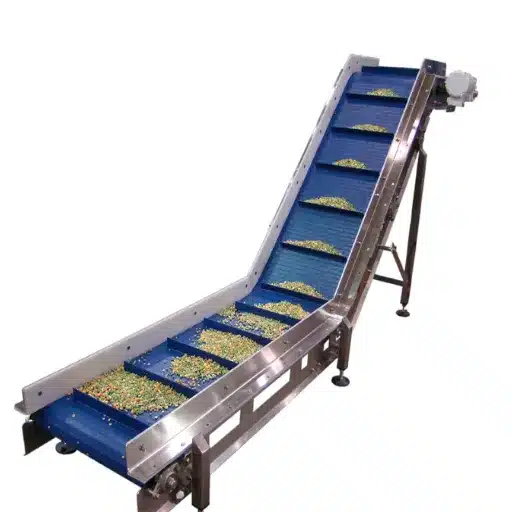
Ra definition
Ra stands for Roughness Average. It measures the average deviation of a surface profile from its centerline over a set sampling length. Ra, put simply, defines the roughness or smoothness of a surface. Low Ra implies smoothness while high Ra implies roughness.
Food grade surface finish Ra values are usually reported in micrometers (µm) or microinches (µin). One micrometer equals roughly 39 microinches, so 0.8 µm ≈ 32 µin. This unit choice matters because American suppliers often quote µin while European and Asian suppliers use µm.
Why lower Ra improves cleanability
Microscopic peaks and valleys create shelters where food residue, moisture, and bacteria can hide. During cleaning and CIP cycles, these pockets resist mechanical action and chemical contact. Over time, they can develop into biofilms that are difficult, sometimes impossible, to remove without disassembly or aggressive chemicals.
When Marcus, a procurement manager at a snack company in Southeast Asia, sourced an extrusion line in 2024, he specified 304 stainless steel but omitted surface finish. The supplier delivered a No. 1 hot-rolled finish with Ra above 3.2 µm in the product zone. After three months, sticky seasoning built up in the rough valleys, microbial counts rose, and the line failed a customer audit. The rework cost him six weeks of production.
A smoother finish doesn’t make a surface sterile by itself, but it removes the physical hiding places that make cleaning ineffective. That’s why food grade surface finish Ra values are written into sanitary standards worldwide.
Ra vs. Rz: what the average hides
Ra is useful, but it’s an average. It can hide isolated deep scratches, pits, or weld defects. Rz measures the average height of the five highest peaks minus the five deepest valleys over the sampling length. A common rule of thumb is Rz ≈ 4–7 × Ra.
For food safety, both numbers matter. A surface can show Ra ≤ 0.8 µm while still containing deep grooves that harbor bacteria. Some buyers now specify both Ra and Rz, plus visual defect limits, to close this gap.
Food Grade Surface Finish Ra Values: The Standards You Need to Know
Most major food contact surface roughness standards converge around Ra ≤ 0.8 µm for food-contact surfaces, but each has its own scope and nuances. Knowing which standard applies to your market keeps your specification enforceable.
3-A Sanitary Standards (≤ 0.8 µm / 32 µin)
3-A Sanitary Standards, Inc. sets the benchmark for dairy and food equipment in the United States. Product-contact surfaces must be smooth, free of pits and crevices, and no rougher than Ra 32 µin (0.8 µm) measured per ASME B46.1. The finish must be at least equivalent to a No. 4 ground finish, usually produced with 150-grit silicon carbide or finer. Meeting these 3-A sanitary surface finish requirements is essential for any equipment used in dairy, beverage, or ready-to-eat food production.
EHEDG guidance (< 0.8 µm)
The European Hygienic Engineering & Design Group recommends Ra < 0.8 µm for good cleanability. EHEDG Document 8 emphasizes that surface topography, not just the average, affects microbiological cleaning. Some high-risk zones call for Ra ≤ 0.4 µm. FORCE Technology summarizes practical guidance for brewery, dairy, and pharmaceutical applications in its stainless steel surface specification paper.
NSF/ANSI 2 and FDA food-contact requirements
NSF/ANSI 2 covers food equipment in North America and generally aligns with the Ra ≤ 0.8 µm threshold. FDA regulations require food-contact surfaces to be smooth, non-absorbent, and corrosion-resistant. They must also be cleanable to a microbial level. The FDA does not publish a single Ra number, so most buyers reference 3-A or NSF/ANSI 2 to make the requirement measurable.
ISO 14159 and EN 1672-2 for food machinery
ISO 14159 specifies that food-contact surfaces should be designed for easy cleaning and disinfection, with Ra not exceeding 0.8 µm in product zones. EN 1672-2 applies to the hygiene requirements of food processing machinery and supports the same general principle.
ASME BPE for high-purity applications
ASME BPE (Bioprocessing Equipment) is stricter. Its surface finish designations include:
| ASME BPE Designation | Max Ra | Typical Application |
|---|---|---|
| SF1 | ≤ 0.51 µm (20 µin) | Mechanical polish, high purity |
| SF4 | ≤ 0.38 µm (15 µin) | Electropolished, pharmaceutical |
| SF6 | ≤ 0.25 µm (10 µin) | Ultra-high purity, WFI systems |
Quick standards comparison
| Standard / Body | Typical Max Ra | Notes |
|---|---|---|
| 3-A Sanitary Standards | ≤ 0.8 µm (32 µin) | Dairy and food equipment in North America |
| EHEDG | < 0.8 µm | European hygienic design guidance |
| NSF/ANSI 2 | ≤ 0.8 µm | Commercial food equipment |
| FDA | Not specified as Ra | Requires smooth, cleanable, non-absorbent surfaces |
| ISO 14159 | ≤ 0.8 µm | Safety of machinery: hygiene requirements |
| EN 1672-2 | ≤ 0.8 µm | Food processing machinery hygiene |
| ASME BPE | ≤ 0.25–0.51 µm | Pharmaceutical and bioprocessing |
If you sell or buy food processing machinery for global markets, specifying Ra ≤ 0.8 µm with 316L stainless steel covers the majority of regulatory expectations.
Common Food Grade Stainless Steel Finishes and Their Ra Ranges
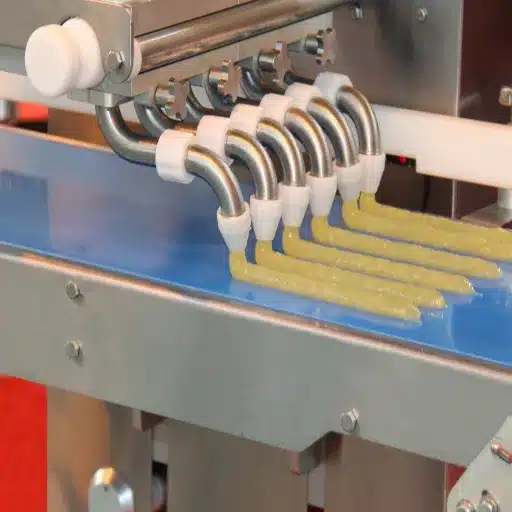
Finish names can be confusing because the same term may mean slightly different things in different countries. The table below maps common food grade stainless steel surface finish types to typical Ra ranges and food industry uses.
| Finish | Typical Ra (µm) | Typical Ra (µin) | Common Food Application | Cost Level |
|---|---|---|---|---|
| 2B mill finish | 0.2–1.0 | 8–40 | Storage tanks, non-critical surfaces, packaging parts | Low |
| No. 4 / sanitary polish | 0.4–0.8 | 16–32 | General food-contact equipment, conveyors, hoppers | Medium |
| No. 4A / dairy finish | 0.3–0.6 | 12–24 | Dairy, sticky foods, high-risk zones | Medium-high |
| Electropolished | 0.1–0.5 | 4–20 | Pharmaceutical-adjacent, CIP-critical zones | High |
| Bright annealed / mirror | ≤ 0.1 | ≤ 4 | Ultra-clean, decorative, or lab equipment | Very high |
| Bead blasted | > 4.5 | > 180 | Non-contact guarding only | Low |
| No. 1 / hot rolled | > 3.2 | > 125 | Not acceptable for food contact | Low |
2B mill finish
2B is a cold-rolled, annealed, and pickled finish. It can be smooth enough for some food applications, with Ra as low as 0.2 µm, but batch variation can push it above 0.8 µm. Many buyers accept 2B for storage tanks or external panels but specify No. 4 or finer for product-contact zones.
No. 4 / sanitary polish
No. 4 is the workhorse food grade finish. It is produced by polishing with 150-grit abrasive, giving a brushed appearance and Ra 0.8 surface finish food grade performance, typically in the 0.4–0.8 µm range. This finish meets 3-A, EHEDG, and NSF/ANSI 2 for most food-contact equipment.
No. 4A / dairy finish
No. 4A uses finer abrasive, usually 180 grit, and targets Ra 0.3–0.6 µm. It is common in dairy, ready-to-eat, and any application where sticky residues make cleaning difficult. If your line produces protein bars, confectionery, or starch-based snacks, No. 4A is often worth the modest upgrade.
Electropolished finish
Electropolishing dissolves the surface layer electrolytically, removing microscopic peaks more aggressively than valleys. The result is a smoother, more corrosion-resistant surface with Ra often 50% lower than the starting mechanical polish. Electropolished 316L is the standard for pharmaceutical equipment and high-risk CIP systems.
Bright annealed and mirror finishes
These ultra-smooth finishes reach Ra ≤ 0.1 µm. They offer excellent cleanability but at a high cost. For most food processing, they are over-specified unless you are producing ultra-high-purity products or need a decorative appearance.
Finishes to avoid for food contact
Bead blasting, hot-rolled No. 1 finishes, and as-machined surfaces are generally unacceptable for food-contact zones because their rough topography traps residue. If you see these finishes on product-contact parts, ask the supplier for rework or documented justification.
How to Choose the Right Food Grade Surface Finish Ra Values for Your Line
Selecting the right food grade surface finish Ra values means balancing hygiene risk, cleaning method, product type, and budget. Smoother is not always better if it adds cost without improving safety.
Dry / low-risk foods: ≤ 0.8 µm
For dry powders, baked goods, bread crumbs, and low-moisture snacks, Ra ≤ 0.8 µm is usually sufficient. These products do not create sticky biofilms, and standard CIP or dry cleaning methods work well on No. 4 finishes.
For a bread crumb production line, specifying No. 4 stainless steel on hoppers, conveyors, and contact surfaces keeps the equipment cleanable without unnecessary expense.
Wet / sticky / dairy applications: 0.3–0.6 µm
Dairy, sauces, protein slurries, and sticky snacks cling to surfaces. A No. 4A or finer finish, typically Ra 0.3–0.6 µm, reduces residue buildup and makes CIP more effective.
David, a plant manager at a protein bar facility, initially specified No. 4 on his new protein bar production line. Within two months, caramel and whey residue collected in the mixer throat. Upgrading to a No. 4A dairy finish and adding electropolish on the product-contact auger cut his CIP time by 35%.
High-purity / pharmaceutical-adjacent zones: ≤ 0.4 µm, electropolished
If your line produces infant formula, clinical nutrition, or ingredients for pharmaceutical customers, specify Ra ≤ 0.4 µm with electropolishing on product-contact surfaces. This aligns with ASME BPE SF4 and reduces both microbial risk and particulate contamination.
Non-contact frames and guarding: higher Ra acceptable
Structural frames, motor mounts, and external guarding do not touch food. A 2B mill finish, powder coating, or even bead-blasted surface is acceptable here as long as it does not shed particles or rust into the product zone.
Selection matrix by equipment type
| Equipment Type | Typical Product Zone | Recommended Ra | Suggested Finish |
|---|---|---|---|
| Extruder barrel and die | High-shear, product contact | ≤ 0.8 µm | No. 4 or No. 4A |
| Mixer / blender bowl | Sticky, wet, or dry blends | 0.3–0.8 µm | No. 4A for sticky products |
| Conveyor belt frames | Product contact or splash | ≤ 0.8 µm | No. 4 |
| Storage tank interior | Liquid or powder storage | ≤ 0.8 µm | No. 4 or 2B if verified |
| Hopper and chute | Gravity-fed product | ≤ 0.8 µm | No. 4 or No. 4A |
| External guarding | No product contact | No Ra requirement | 2B, powder coat, or bead blast |
If you are unsure which level fits your recipe, our engineering team can review your product viscosity, cleaning protocol, and regulatory market to recommend the right finish for each zone. Contact us for a customized specification.
Specifying and Verifying Ra on Food Contact Surfaces
What to include in your surface finish specification
A clear specification prevents disputes. Include at least:
- Material grade: 304, 304L, 316, or 316L.
- Finish type: 2B, No. 4, No. 4A, electropolished, etc.
- Ra value: Maximum Ra in µm or µin, with measurement standard.
- Rz value: Optional but recommended for critical zones.
- Measurement standard: ASME B46.1, ISO 4287/4288, or equivalent.
- Sampling plan: Number of readings per part and surface zone.
- Weld finish requirement: Welds must match or exceed parent material Ra.
- Passivation requirement: ASTM A967.
- Documentation: Ra test report, material certificate, and passivation certificate.
How Ra is measured
Ra is measured with a contact stylus profilometer that traces the surface, or with optical / non-contact profilometers for delicate or mirror finishes. The instrument records the surface profile and calculates Ra over a defined sampling length.
Key measurement standards include:
- ASME B46.1: Surface Texture Measurement (common in North America)
- ISO 4287: Geometrical Product Specifications: Surface Texture
- ISO 4288: Rules and procedures for assessment of surface texture
Always ask which standard and cutoff filter the supplier used. Different settings can produce different numbers for the same surface.
Sampling plan and report requirements
For production equipment, specify a sampling plan before fabrication begins. A practical starting point:
- One Ra reading per 0.5 m² of product-contact surface, minimum three readings per part.
- Additional readings at welds, corners, and areas prone to rework.
- Reports should include part number, measurement location, Ra and Rz values, instrument calibration date, and technician signature.
Elena, a QA lead at a pasta manufacturer, added this sampling plan to her pasta production line purchase order. When the equipment arrived, she spot-checked five locations per hopper and found one weld zone at 1.2 µm. The supplier re-polished the area before shipment, and her BRC audit passed without findings.
Weld finishing and passivation requirements
Welds are the most common failure point. A rough or discolored weld can create a bacterial harbor even if the surrounding sheet is perfectly smooth. Require:
- Full penetration and continuous welds.
- Inert gas back-purging for 316L to prevent oxidation.
- Grinding and polishing of weld beads to match parent material Ra.
- Removal of heat tint, which indicates chromium depletion.
- Passivation per ASTM A967 to restore the chromium oxide layer.
Copy-paste RFQ specification language
You can drop this language into your next equipment RFQ:
“All product-contact surfaces shall be constructed of 316L stainless steel with a No. 4 / sanitary polish finish, Ra ≤ 0.8 µm (32 µin) per ASME B46.1. Welds shall be continuous, fully penetrated, ground, and polished to match or exceed the surrounding base metal finish. Passivation of all contact surfaces with the product should be done as per ASTM A967 standard. Supplier shall provide material certificates, Ra test reports, and passivation certificates prior to final acceptance.”
For dairy or sticky products, replace “No. 4 / Ra ≤ 0.8 µm” with “No. 4A / Ra ≤ 0.4–0.6 µm.”
Common Mistakes When Specifying Food Grade Surface Finish
Specifying only steel grade, not surface finish
“316L stainless steel” does not guarantee a food-grade surface. The same alloy can be hot-rolled, bead-blasted, or mirror-polished. Always specify both material and finish.
Ignoring weld zones and heat tint
A beautifully polished tank can fail if the welds are rough or heat-tinted. Treat weld finishing as part of the surface finish specification, not an afterthought.
Over-specifying Ra and driving unnecessary cost
Mirror finishes look impressive, but they are rarely needed for standard food processing. Over-specifying Ra can add 20–50% to surface treatment costs without improving food safety.
Accepting supplier claims without Ra reports
Verbal assurances are not evidence. Request Ra test reports with measurement locations and values. Spot-check critical zones on receipt when possible.
How Shandong Loyal Industrial Delivers Compliant Food Grade Finishes
At Shandong Loyal Industrial, we build food processing machinery with hygiene, compliance, and cleanability designed in from the start. Our stainless steel surface finish for food processing equipment follows global 3-A and EHEDG expectations. Our approach includes:
- Verified Ra documentation for every production line, with test reports tied to product-contact zones.
- 304 and 316L stainless steel selection based on your product chemistry and cleaning regimen.
- Customizable hygienic design, including finish upgrades for sticky, wet, or high-risk applications.
- CE-certified equipment engineered to meet global food safety expectations.
Whether you need a snack food machinery line, a pasta production line, or a specialized protein bar production line, we help you specify the right food grade surface finish Ra values for each contact zone.
Frequently Asked Questions
What Ra value is considered food grade?
Ra ≤ 0.8 µm (32 µin) is the most common food grade threshold for stainless steel product-contact surfaces. It is cited by 3-A Sanitary Standards, EHEDG Document 8, and NSF/ANSI 2.
Is 2B finish food grade?
2B finish can be food grade if its measured Ra meets your hygiene requirement. However, Ra on 2B can vary from 0.2 µm to over 1.0 µm, so many buyers prefer No. 4 or finer for predictable cleanability.
What is the difference between Ra and Rz?
Ra is the arithmetic average roughness. Rz is the average peak-to-valley height over the sampling length. Rz catches deeper defects that Ra can average out. Specifying both gives a more complete picture of surface quality.
How is Ra measured on stainless steel?
Ra is usually measured with a contact stylus profilometer or an optical profilometer. Measurements follow standards such as ASME B46.1 or ISO 4287/4288, and reports should include sampling length, filter settings, and calibration data.
Conclusion
Food grade surface finish Ra values are not just a technical detail; they are a critical control point for food safety, cleanability, and audit readiness. The baseline Ra ≤ 0.8 µm covers most food-contact equipment under 3-A, EHEDG, and NSF/ANSI 2, while dairy, sticky, and high-purity applications often need smoother finishes.
To protect your operation, specify both material grade and surface finish, require weld finishing and passivation, and demand Ra test reports before acceptance. Avoid over-specifying where it adds cost without benefit, and never accept undocumented claims.
At Shandong Loyal Industrial, we combine over 10 years of food machinery expertise with rigorous quality documentation to deliver CE-certified, hygienic production lines tailored to your product. Contact us today to discuss your next food processing line and get a detailed surface finish specification built around your recipe, cleaning process, and market requirements.