In countries around the world, millions of people start their day by eating cereal out of convenience and also because of the different varieties and crunchy nature that cramps the day’s activities. But how often do you take the time to think what your favourite cereal is made of? There are different grains that are used to make cereal and there are sweeteners and other ingredients that must be mixed together during the manufacturing process. The art of science behind such colored flakes or sculpture is interesting, believe me. This article examines in detail each element and procedure required for the fabrication of cereals, reveals what each element represents, and explains the process of bringing cereals to the table. It doesn’t matter whether you prefer shopping for supposedly healthy foods or are simply inquisitive about table foods, this paper will introduce you to your breakfast in a better manner than before.
Main Ingredients in Cereal
Types of Grains Used
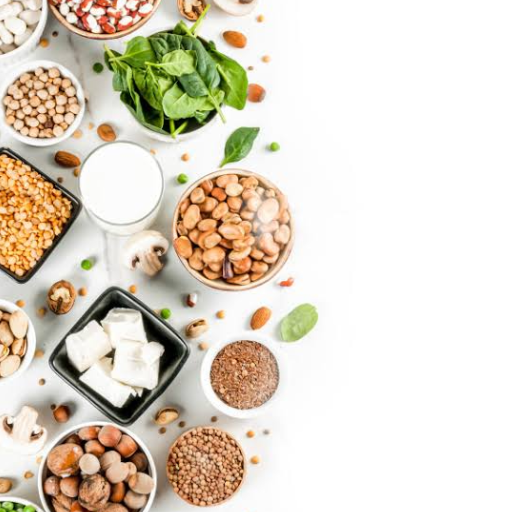
A variety of grains, each chosen for its nutrition, aroma, and capacity in terms of production, make up the most basic ingredients of breakfast cereals. grains that are very common are corn, wheat, rice, and oats. the above grains being the majority help in cereal creation because different carbohydrates are in these grains and they also have fiber. Corn is beneficial for its sweetness which is pre-existing and its ability to create crispy textures while wheat is useful and effective in structure and design enhancements as it is strong.
Oats are good with the fact that they provide a lot of fiber which is good for health especially in terms of heart health. This makes them one of the best cereal options as they may be found in granolas or used as a hot cereal. Furthermore, as rice is bland & simple towards digestion, it is a preferred choice for making puffed or crisp cereals targeted towards kids or people who avoid gluten.
Producers of breakfast grains may incorporate many types and sorts of grains in combination to produce expected textures as well as nutrition. For instance, multi-grain cereals take the remarkable properties from various grains in to account so as to ensure a perfect blend of taste, nutrition and taste to umpteen consumers. These critical grains flow or are coated in processing to intensify taste and nutrition, which makes them a ready and very versatile meal in the mornings.
The Role of Whole Grains
Grains are essential nutrients that support health in general. They preserve their nutritional value as the outer layer called the bran or husk, the germ, which is a small part present in the kernel, and the endosperm are not removed in whole grains unlike in processed grains. They are great sources of fiber, vitamins and minerals and antioxidants as a whole, hence beneficial to the body in several ways – preventing constipation, lowering the risk of cardiovascular diseases, controlling weight and cholesterol, to mention but a few. Whole grains make healthy bus consumed meals as they are rich in calories yet rich in nutrients.
- Brown Rice – popular healthy carbohydrate with magnesium selenium and vitamins B for muscle protein synthesis and protection of the cardiovascular system.
- Quinoa – abounding with proteins, fibers as well as other nutritive substances. Dry grain, a usable dry food, this versatile plant is gluten-free.
- Oats – their high content of soluble fibre called B glucan takes care of lowering cholesterol and controlling appetite/podging sugar related disorders.
- Whole Wheat – it is available, contains diet fibre, iron and vitamin B used mainly for baking or making sweet/ salted breads and preparing pasta.
- Barley – A gritty, nutty cereal rich in fiber, this grain aids in the maintenance of good gut health by encouraging the growth of good bacteria.
Such grains would be great especially when it comes to improving nutrition and providing necessary elements that are required in a healthy diet.
Additives and Sweeteners
In order to make food products more flavorful and inhabitory of deterioration, various additives or sweeteners are used frequently. As far as some of them are concerned, they are purely organic, for instance, honey or stevia yet many of them are man-made and the concept is born by a combination of laboratory research and practical work. The such additives help appeal to customers and make the items more appetizing, however, this has given rise to apprehension in respect of the health risks associated with them especially in circumstances where large amounts are consumed.
There are artificial sweeteners such as aspartame and sucralose, which are low-calorie substitutes found in diet sodas or sugar-free processed foods. Their consumption was regarded as safe by health institutes, including the FDA, since it was kept below the levels of concern. However, studies have been looking at analyzing their impact on CRP, gut microbes health, and metabolic processes and also cancer.
Preserving and stabilizing components in foods such as citric acid and lecithin are highly used as natural preservatives in foods. Most people generally do not worry about these ingredients as much as artificial ones although it should be noted that even the natural ones will have their negatives especially to those with allergies. A solution to these tends to be reading and understanding the constituent of every food and how much processing bare foods one takes in a day, in a bid of reducing the intake of these chemicals as it stands & heightens awareness within the concerned consumers.
Cereal Processing Methods
The Milling Process
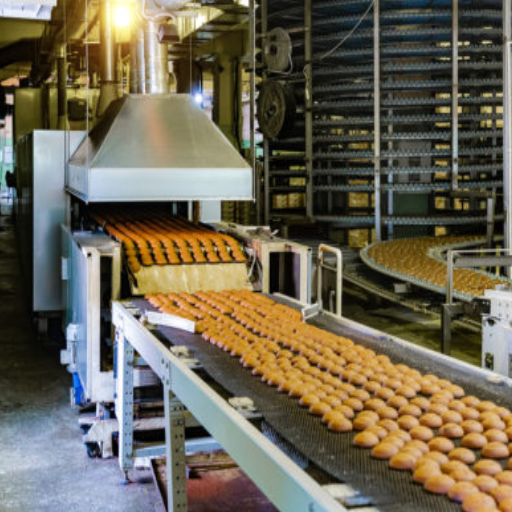
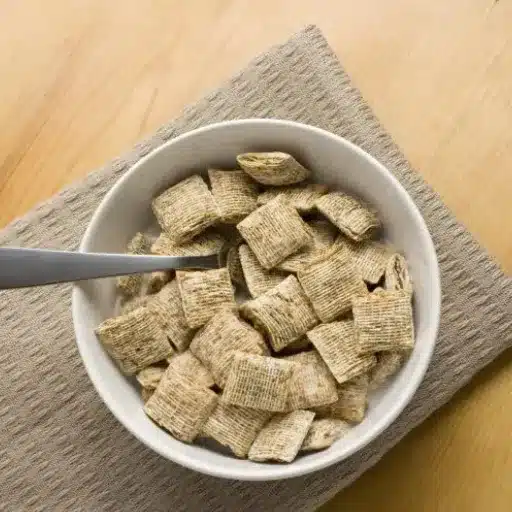
Grain kinetics is a very crucial stage in all processing of cereals because it allows fine handy products to be produced from grain. Here several processes are included like initial grain cleaning which aims at root and earth particles, stones or even husks. After drying, it is followed by washing the grains for which water or steam is added to the outer layer of the cereal to soften it and which helps in removing the grain for consumption. More efficient but still quality safeguarding advanced milling machines have automated this work.
Grain goes through a process referred to as conditioning where it is taken from leaving its hull to entering a kneading stage, where it is pulverised using either roller or stone equipment. The milling method used will differ depending on the cereal crop to be milled. Wheat flour, for instance, is made by passing the kernel through several pairs of rollers that are spaced progressively closer in each pair, allowing the miller to separate the bran, germ and endosperm. Some of the advanced mills incorporate heated rollers and air lift processes to facilitate the separation process, so as to eliminate all the milling by-products apart from the end product, which has retained all its nutrients.
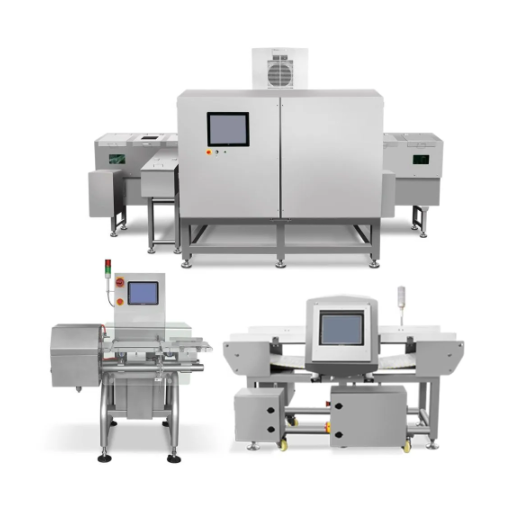
Besides, new emerging technologies have improved a lot of the milling processes to obtain precise measurement of materials and consistent results. In optical sorting and milling, sensors are now able to appreciate even the slightest defects and include the means of correction thereof. This not only enhances the quality of the end product but also limits the cases of wastage. As it is possible to integrate the ancient and the modern, cereal milling is both craftsmanship and science at its best. Good consumption of food products that are highly essential for the possessed people was assured by supply of the safe cereals.
Extrusion and Puffing Techniques
A lot of cereal-based products today heavily rely on extrusion and puffing techniques for ease of production as well as for the range of products. It is a unit operation in which a material, usually a mixture of different ingredients is pushed out through a shaped die while it is at elevated pressure and temperature. As a result, the material is cooked, formed (shaped) and simultaneously expanded to give various structures. The user is able to control different parameters including density, flavor as well as structure of the cereal mix in question. Hence, extrusion is an essential process in most cereal products today, be it breakfast or snack production.
Puffing is a manufacturing technique used to create the light nature that is needed for some of the processed grains such as, grain-based snacks and cereals. This encourages quick cooked grain fluid motion in which the different pressures cause the mix and more heat to water the content inside with quick expansion. This results in a lightweight crispy and delicious cook food. Moreover, some of the functional properties of the grains are okay because the puffing also results in broken grains as well as an appearance that is satisfactory. This is a priority, mostly, for the people who need whole meals that are healthy, yet do not want to lose taste or find it difficult to cook.
Extrusion and puffing methodologies are greatly improved by utilizing several modernity-dictated breakthroughs. Enhanced systems fitted with gauges and sensors give the supplier an edge in modifying pertinent variables like temperature, pressure, cooking times etc., to ensure quality of the end product every time. Moreover, both techniques conform to the proponents of sustainability that would otherwise wok against these processes, as they usually involve less waste and less costs. As technology and craftsmanship in these field advances, extrusion and puffing will undoubtedly continue to play a significant role in the cereal industry, producing items that consumers will appreciate without compromising on cost or on the welfare of the environment.
Enrichment and Fortification
Enrichment and fortification talk about two things in the cereal industry that are more important than major nutrients since they help to meet key gaps that may be missing in the product and improve its overall quality. Enrichment means bringing back unhelpful nutrient such as including b vitamins or iron that is better to be consumed along with the food product as it was prior to being processed. However, fortification looks beyond bringing back the nutrients but also includes elements such as vitamin D, folic acid or omega 3 fatty acids that most cereals naturally do not have but are included due to the uplift of the demands of some particular groups of people. The processes enhance public health significantly but they limit also pose a chance for the manufacturers as they help fulfill compliance with a food enrichment law and also the tastes of the consumers who prefer the products in such forms.
The current directions in the food supplement market, including enrichment, fortification, as well as enrichment and fortification, are being defined by developments in the food technology industry and enhanced interest in individual dietary habits. An excellent example would be the consideration of how bioavailable fortificants are when designing a breakfast cereal, in particular, for fortifying the said cereal. Additives such as microencapsulation membranes which can help protective nutrients or additives from thermolabile conditions are introduced to main certain or high degrees of the nutrients cum throughout storage and intake. Moreover, there is a hot trend among consumers, especially the health-conscious ones, to consume strictly clean and organic products, which forces companies engaging in fortification of their foods to look for organic vitamin minerals to enrich such foods to satisfy customers who are willing to consumer foods with little or no processing.
The diversification of products in the global cereal industry is also the result of staple foods enrichment and fortification activities. As per recent statistic, the substantial percentage of functional food consumption comprised of fortified cereals is mostly observed in regions where malnutrition or problems such as osteoporosis, heart problems exist. In combination with its sustainability efforts, fortification is also used by some firms to solve the current food issues such as food insecurity by targeting poor populations with cheap, nourishing products. With science and innovation on one hand and marketing on the other, enrichment and fortification have played and continue to play an important role in the food design for cereals, providing answers to deficiencies and new problems in the society.
Types of Breakfast Cereals

Flaked Cereals
Breakfast foods with flake cereals amongst them are loved by many for their crispy textures and the fulfillment that comes with chewing them. In most cases they contain steamed cobs (maize), wheat or rice which are rolled into thin sheets and toasted to attain the desired texture. Cereal in the flaked form invokes a wide audience because it can be accompanied with milk or yogurt and eaten or even, and what is more, simply eaten as a snack. Furthermore, several flakes contain added vitamins and minerals which are often missing in one’s diet, and hence, they can be described as foods that help to balance an individual’s dietary needs.
With phasing in upgrades among frozen cereals even shy of nectar, the new improvements in technology and production techniques allow for diverse ingredients. Suppose the consumers demand that cereals contain what is cereal made of anymore whole grains, seeds, or even natural sweeteners. The demand for healthy often minimally processed foods over that which offers mainly carbohydrates, fats and sugars is on the rise. There is a growing trend in sugarless food products that has led to development of low sugar content formulations of desserts and enhancement of fiber in cereals. This resumption of work is a copy of Eastern culture. The manufacturers have to offer an attractive package as well as certain improvements.
viewed from an international standpoint, cereal flakes consumption is on the rise globally, as they are convenient and culturally flexible. There has been growth in novel markets when it comes to cereal consumption, as many more homes are welcoming fast cereals during breakfast. On the other hand, the sustainable element of cereals has registered changes, and there are better changes in production of such cereals, as more companies are investing in sustainable packages or grain products- thereby, taking care of the environment. The consumer’s concerns on the environment and ethical consumption are met in such cases as well. Flaked cereals are still one of the most popular breakfast products, managing to amalgamate the traditions and modernity driven by current eating practices.
Puffed Cereals
Although cereal has gained popularity over the past decade, puffed cereals in particular have become attractive to a large number of consumers who appreciate its light, airy texture and versatility. These cereals are made by puffing the grains through the use of pressure and result in that well-known puff shape. Other familiar grains that are used as base grains in the production of puffed cereals include rice, wheat, millet, and quinoa and others which not only offer different tastes but serve different purposes depending on what is cereal made of.
The important benefit of such cereals is that they are in line with dietary trends and incorporate dietary changes. Many manufacturers now move towards producing puffed cereal with low sugar content, flavor enhanced with natural sweetness such as honey or fruits etc., which in turn supports healthy living. Gluten-f ree products have increased and now respond to a wider audience or health problems. Puffed cereals are also light in weight thus they serve as a base for snacks in most cases with added nuts, seeds, or fruit, thus giving healthy snack nibbles on the go.
As time has passed, the function and efficiency of sustainable development has been necessary especially in the strategy of puffed cereal production as companies continue to grasp ecological activities and seek to generate revenue. Activities in the industry such as souring only organic grains or grains grown in local farms, offering reusable packing solutions are turning towards consumers who are more inclined to support the industry in takinup eco-friendly products. This shared outlook embraced by consumer oriented theorists companies, which has aimed at enhancing the food health profiles of products without compromising the existing green ideal that has emerged with time, explains why the category of puffed cereals maintains a robust and pertinent form of breakfast.
Granola and Muesli
muesli vs. granola is a subject of an ongoing debate especially when it comes to people wishing to cut weight. To start with, while muesli is predominantly made from all natural ingredients, granola is a mixture of oats and honey cooked in the oven, sometimes with added fruit or chocolate. Moreover, as the mixture becomes crunchy when baked, some prefer to use it to top yoghurt, mix it with milk or even to enjoy it in its dry form.
In contrast to granola, muesli consists of raw oats mixed with different nuts and dried fruits. Muesli originated from Switzerland and is best consumed cold by soaking it in milk, yogurt or juice to avoid loss of taste-enhancing components. Compared to granola, muesli offers lower levels of sugar which is preferred by individuals wishing to consume less sugar for breakfast.
These items have become more popular, notably, due to the increase in the understanding and appreciation of plant-based regimens, as well as the necessity of certain type of food supplements. Granola and muesli recipes have undergone development and various new ingredients have been added to them including for example probiotics and superfood as well as quinoa and other unconventional grains. That trend aims to satisfy the changing eating habits, as there is a possibility to prepare gluten-free and sugar-free sixteen bars. It shows how granola and muesli are not foreign to more modern health and wellness industry.
Nutritional Value of Cereals
Fibre Content and Health Benefits
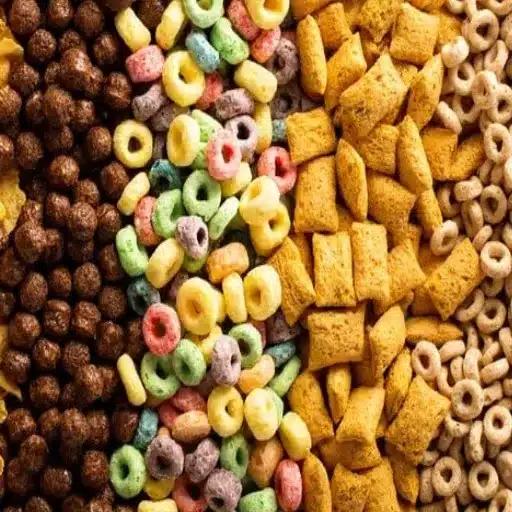
Cereal-derived fiber is an invaluable component of a balanced diet, which is why it has so many benefits for one’s health. One such benefit of this cereal ingredient is that it encourages normal elimination of waste materials; in other words, it prevents nutrient-rich food being ‘trapped’ in the body. For those who are aware of what is cereal made of, soluble fiber and its properties are helpful since it is known to keep glucose within normal limits. This is hard to achieve through food-alone interventions hence the palatable insoluble fiber that graces the tummy is on demand. Eating cereals that are rich in fiber on a daily basis has also been shown to support the process of weight loss because such foods help to avoid excessive consumption.
Cereals like whole-grain oats, bran, barley, and brown rice are considered to be one of the primary sources of dietary fiber. Take oatmeal as an example. In a typical serving of this particular cereal, it is possible to obtain up to 4 g of fiber. This amount, though not excessive, is a major proportion of the required 25–38 g of fiber per day in adult men and women, respectively. There is also the advantage of eating these cereals at least three times a week, as they can lower cholesterol as a result of the soluble fiber such as beta glucan in the oats which can bind the cholesterol. Also, blood pressure lowering and heart disease prevention with fiber implies that it is indispensably related to the maintenance of cardiac health.
Recent research also highlights the importance of fiber in mitigating the risk of various diseases such as colorectal cancer and type 2 diabetes. Consuming a diet that is rich in dietary fibers contributes to the enhanced functioning of the body’s defense mechanisms and a decrease in indicators of systemic inflammation. With these benefits being publicized more often, high-fiber products have experienced a boom. Breakfast foods such as cereals, which tend to be grain-based, have combined older and newer proving supper foods in blends with such ingredients as chia seeds, flax seeds, and quinoa. Accordingly, cereal consumption, which has high fiber content, serves as a reasonable and accurate step towards improving health in the long run.
Vitamins and Minerals in Cereal
Cereals are typically enriched with extra nutrients such as vitamins and minerals, therefore transforming the otherwise plain breakfast food into a rich source of consumeable nutrients. These cereals provide over a popular range of vitamin B also known as thiamine, riboflavin, niacin and folic acid which are clustered as B vitamins in this modified diet. It is through the intake of these vitamins that the stimulation of energy production is performed, as well as the production of new red blood cells and cognitive development. Most fortified cereals also come with vitamin D as it enhances strong bones by facilitating the uptake of calcium and helps sustain the integrity of natural defense mechanisms.
Fortified cereals contain minerals that are equally important to the human body, with the inclusion of iron being the most common. Iron is needed in the synthesis of hemoglobin which is employed to shuttle oxygen in and out of the body thereby preventing anemia. A few cereals have other minerals such as calcium, magnesium as well as zinc. Calcium and Magnesium are vital in their role of strengthening the bones and teeth but mainly keeping the nervous and muscle systems intact. Zinc, in this case, is responsible for basic that includes strengthening of immunity, healing of wounds, and formation of DNA. The consumption of cereals that have these rich ingredients can assist in filling nutritional gaps especially for at-risk groups who are often deficient.
Whilst it is indeed the case that fortified cereals provide a superb method to intake the much-needed nutrients, they should not be over-consumed at the expense of whole foods. Most of the cereals also contain a lot of added sugar and hence, the healthier alternatives of cereal should be those that do not have too much sugar and instead are intact in the form of grains. Using for example a range of foods that are rich in nutrients as well as cereals enriched with them helps the body to get all the necessary nutrients in the right proportions and maintains the health of the person.
Comparing Nutritional Profiles
Nutritional profiles of cereals vary widely, with differences in fiber, protein, sugar, and calorie content depending on ingredients and processing.
|
Aspect |
Rich Fiber |
Protein-Rich |
Low Sweet |
Low Energy |
|---|---|---|---|---|
|
Example |
Nature’s Path Smart Bran |
Snack House Keto Cereal |
Shredded Wheat |
Arrowhead Mills Puffed Kamut |
|
Fiber (g) |
23 |
0 |
0 |
1 |
|
Protein (g) |
5 |
22.5 |
5 |
2.5 |
|
Sugar (g) |
11 |
1 |
0 |
1 |
|
Calories |
140 |
180 |
180 |
80 |
Gluten-Free and Organic Cereal Options
Understanding Gluten-Free Grains
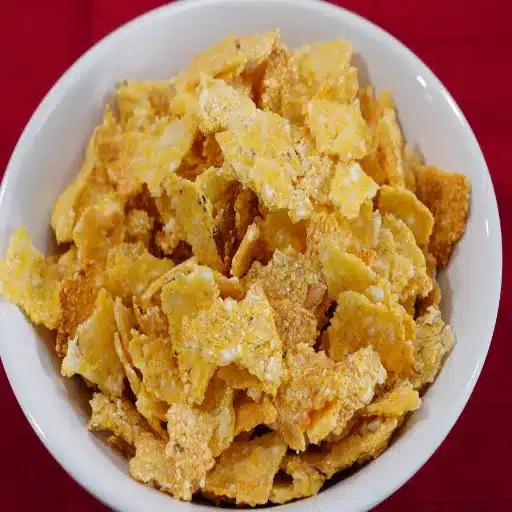
Some grains are particularly helpful for people who cannot tolerate gluten, those who are suffering from celiac disease and those who are living a gluten-free diet either by choice or necessity. Gluten is a protein found in many cereal grains including wheat rye and barley but these grains do not contain it. Some of the most common gluten-free grains consumed are – food grains such as rice. Sorghum millets like maize and oats except those cereals which are certified gluten-free. Apart from being unique in their nutrient contents each grain offers some important nutrients plenty of fibers proteins vitamins and minerals as well as aiding in dietary foods. Quinoa for instance is a complete protein since it contains all of the nine essential amino acids, thereby making it an appropriate supplement for non-vegetarian diets.
People who try to exclude gluten have more nutritional reasons for consuming the gluten-free grains, some of them are very much detailed. Metabolically, they are also advantageous as compared to refined grains because of their low glycemic index, a factor which minimizes fluctuations in blood sugar levels thereby decreasing diabetes incidence. These grains are also particularly high in dietary fibre content, which adds more advantages in terms of digestibility and intestinal nutrients absorption and health. One can easily enjoy a good range of dishes and still maintain a healthy and proportional amount of all nutrients by including such entire grains without gluten in every meal. Gluten-free grains during processing and packaging must also be inspected to be free of any gluten or cereals with gluten because they can be contaminated from what is cereal made of.
Healthy grains indeed are less or none processed grains but before exalting gluten free ones understand where they fit in a normal diet. Consider the vast array of gluten free grain products available in the marketplace, many of which are bread, pasta or what is cereal made of. Whenever available, consumers ought to strive for whole grain versions instead of refined ones in order to limit the use of sugar or fats because these products are healthy. By limiting their choice to highly-processed gluten free options, people will be able to enjoy the complete nutritional value of these grains while balancing their food preference or needs.
Benefits of Organic Cereals
Organic cereals are often associated with several health and environmental benefits. There are five benefits that will be discussed here:
- Less Chemicals and Pesticides Exposure: Organic cereals are cereal grains that are cultivated without synthetic chemicals such as herbicides, pesticides and chemical fertilizers. By choosing this type of food product, customers put themselves at lesser risk of ingesting potentially dangerous residues present in the food.
- A Better Nutritional Value: It is one of the believe(s) that there are some nutrients, particularly antioxidants that tend to be more in organic crops than in non-organic ones. Consequently, such nutrients improve dietary health and general fitness.
- Practices in Farming that are Environmental Friendly: Biodiversity is a goal of organic farming. It is also about farming practices that are sustainable. Producing cereals organically has the benefits of maintaining the integrity of the soil, preserving water, and avoiding chemical runoffs.
- Absence of GMO(adj): Having a cereal that is organic means that it would steer clear of GMOs and this would be useful to those people concerned about consuming such products modified through engineering.
- Enhanced Flavor and Product: A vast majority of customers claim that organic cereals tend to taste better and feel more earthy. Not less important, quality gets more appealing as the artificial ingredients or other preserving substances are not used in the product.
Therefore, people can consume organic cereals for such gains, and at the same time, for any reason, more environmentally friendly products are consumed.
References
-
Cereal Breakfast Foods (Kansas State University)
A detailed academic discussion on the manufacturing of breakfast cereals from grains like wheat, corn, oats, and rice. -
USDA MyPlate Grains Group
The USDA explains that foods made from wheat, rice, oats, cornmeal, barley, or other cereal grains are considered grain products. - Click here to read more.
Frequently Asked Questions (FAQ)
Q: Breakfast cereals: what is cereal made of, or what are the basic components of breakfast cereals in general?
A: The basic components and structures of these breakfast cereals usually include, cereal grains that are wheat, corn, rice, oats, respectively; or even a combination of such cereals, such as triticale and spelt; starchy endosperm, bran and germ spray dried or white refined flour are used. In addition to that, some producers of some breakfast foods have added malt, also referred to as malted barley for taste enhancement, corn starch for binding ore crispness and sweet parts, be it natural like honey or man-made like sugar, in the Honey Bunches and Grape-Nuts style cereals.
Q: Contrast porridge and farina breakfasts to breakfast cereals that are ready to eat.
A: Ready-to-eat cereals are cooked, flaked, puffed or extruded prior to being sold in the cereal section and eaten cold, while porridge, rolled oats or farina, while available off-the-shelf in some cases, are whole or milled grains that require cooking with water or milk. I would say ready-to-eat ones are the ones that are transformed into different shapes or sizes, which are mostly processed, while porridge is such that it retains several layers of the grain and additional fiber materials especially when it is meant to be consumed with wholemeal flour or rolled oats.
Q: What components do bran, germ and endosperm of grain contribute to nutrition from cereals?
A: The concept of a grain’s structure and its role is similar to that of cells: the bran is for fibers and minerals, the germ for vitamins, fatty acids e.g. folates, the starchy endosperm carbohydrates. Cereal seeds with the wholegrain or wholemeal flour bran and germ tend to offer a protective effect against the development of chronic illnesses while this is not always the case with white flour candles or refined grains, which provide less nutrition except in programs where these cereals are enriched.
Q: What are some processes employed to make cereals such as those from wheat corn and rice?
A: There are various processes: wheat cereal could be milled into flakes which are baked or boiled; corn and rice could be puffed grains or even extruded products; rolled oats make porridge; specialty cereals are made with ancient grain crops such as buckwheat and triticale. Such processes also may involve fermentation for malt making, drying, toasting, malted barley for character adding. Other rashees have been employed like legume flours or grit for providing texture or enhancing the protein portion.
Q: Are there any ingredients or processes used that are known to change the flavor of the cereal and its storage time?
A: Enhancers such as malt, the usage of any preservatives, as well as sweeteners are used to enhance the flavor and the prolongation of the use term of the product. More processed rice cereals may be coated, usually with sugar or oil to stick together; corn starch or other ingredients may be used as a binder to make different shapes. And in the US, there are a few cereals brands Kellogg’s among them which alter their products such that they are enriched with substances perdiing the materials that are consumed lost in the process of preparation.
Q: Does cereal still exist, and if so, what is cereal made of and how it came into place?
A: yes cereal existed since the neolithic period when grains began to be consumed and then evolved as health promoters as late as the 19th century in the case of the likes of James Caleb Jackson who popularize health oriented grain products. Early 1900 market grew into several hundreds of dimension and today, Kellogg’s competition isn’t the only one as other big brands appeared and each sells about 2.7 billions boxes of cereals in a year in different geographies.
Q: How can cereal overcome nutrition concerns such as decreased saturated fat and increase folic acid?
A: What is cereal made of? Nowadays, nutrient enrichment fairly opted for is wholegrain, low-sugar and fortified cereals which consist of low saturated fat, folate as well as other micronutrients. Some cereals designed for low in saturated fat complexities and rich in poly saturated fats or fiber to help reduce the risk of further diseases of the heart when supplemented to balanced diet. Also look out for those whole grain cereals, with very little added sugar and without any deceptive nutrition labels so that you can check how nutritious the selected food is.