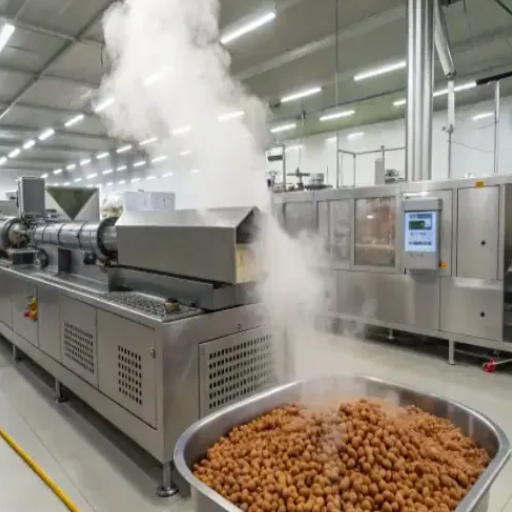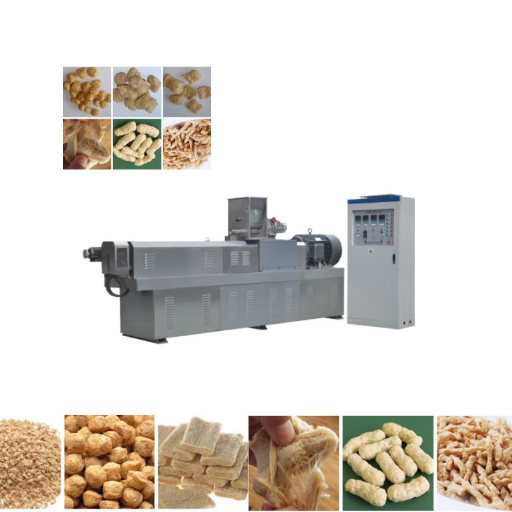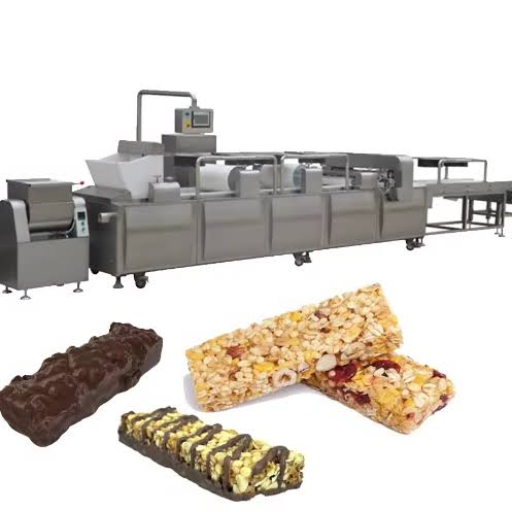
There has been one consistent segment that has gained a lot of attention in the quickly changing world of nutritional products and that is baby rice powder. This product is Whole food, easy to digest and full of essential nutrients at the same time, hence it is a significant part of the diet of an infant. For baby rice powder producers, the understanding of the manufacturing process is a key factor to meet the market’s requirements for quality baby rice powder. The current article takes you through the basics of the production lines of nutritional powders, particularly for the processing of baby rice powder, and elaborate on the critical steps, advanced machinery, and best practices required for safety, efficiency, and top-quality products. Being a manufacturer who wants to diversify the product line or a quality-oriented team working on production standards, this guide is already giving you an edge over competitors in a growing market by providing you with useful knowledge.
Overview of Nutritional Powder Production Line

A production line for nutritional powder generally comprises key components that are implemented to provide efficient and high-quality production. Such components are:
- The Raw Material Feeding System – Is responsible for the constant and exact delivery of the main ingredients like rice, grains, or supplements into the production line.
- Mixing and Blending Equipment – Guarantees the combination of the ingredients to be of uniform quality, thus getting the desired nutritional profile and product consistency.
- Drying and Milling Machinery – It transforms the raw or blended ingredients into very fine powder by controlling the drying process and applying precision milling.
- Sieving and Screening Units – They take out the impurities and make sure that the powder is of the desired particle size to have a smooth texture and good quality.
- Packaging System – It performs the tasks of filling, sealing, and labeling of the nutritional powder in a proper and hygienic way, complying with the industry packaging standards.
Key Benefit: This entire setup is efficiently managed thus, enabling production, reducing waste and overall product safety and nutritional integrity are kept intact.
Importance of Nutritional Baby Rice Powder
Nutritional baby rice powder is an important factor in the healthy growth and development of infants. It is one of the first solid food that should be given to a baby during weaning; thus, it won’t be difficult in the transition of the child from milk to solids owing to its gentle but still very rich in nutrients nature. The baby will benefit from the provided iron, calcium, and B-complex vitamins, besides the nutrients found in rice powder, through the development of bones, the support of his/ her cognitive function, and lastly, making sure the infant leads a very active life.
Growing Market Demand: Parents keep trying to get the easily digestible and non-allergic food options for their babies, which is a clear indication of the rising demand for the baby rice powder products. The low-allergen characteristic of the baby rice powder and its being gentle on a baby’s stomach are the leading causes of its becoming a popular choice for parenting practice that aims at lowering the chances of food intolerances. In addition to that, it is a food that can be combined with different kinds of food; the baby rice powder is often used as a mixing base for fruits, vegetables, or milk, which enriches the nutritional profile.
The infants will be well taken care of during their solid food introduction phase, and their parents will be assured of their kids’ health and wellness if they select the top-tier baby rice powder that is made according to the strictest safety and nutritional standards.
Components of a Powder Processing Line
A powder processing line is a complete system of various components, which are designed for efficiency, consistency, and high-quality production. The main components are:
1. Feeding System
The first step in the process is to measure precisely and feed consistently the raw materials into the processing line. Automated systems are normally used to enhance accuracy and minimize waste.
2. Grinding and Milling Equipment
Raw materials are ground very finely to get the desired powder texture and uniformity. Certain technologies like roller mills or hammer mills are usually employed depending on the specific material needs.
3. Mixing System
In the case of products requiring blends, the modern mixing systems ensure that the ingredients are uniformly distributed and the product has the same quality. The kinds of mixers that can be used include those that can handle both dry and wet formulations.
4. Sieving and Screening Machines
These components are responsible for the fine texture of the powder because they get rid of oversized particles and impurities, thus ensuring a consistent particle size distribution.
5. Drying Units
Drying units like spray dryers or fluid bed dryers are used for powders from wet mixtures, and they reduce the moisture content which in turn ensures the product’s longevity and stability.
6. Packaging System
The last step involves the use of automated packaging machines that fill, seal, and label the processed powder accurately, thus hygiene and efficiency are maintained.
7. Control Systems
The entire processing line is monitored and managed by the integrated digital control systems, which guarantee precision and compliance with safety standards. Moreover, advanced systems offer real-time data and analytics for process optimization.
With the implementation of cutting-edge technology at every stage, the powder processing lines not only produce high-quality but also very versatile products that are able to meet the requirements of different industries.
Technological Innovations in Powder Production
The introduction of advanced technologies into the process of powder production has completely transformed the aspect of efficiency by using the best methods and tools. The usage of automation helps to cut down on human labor completely, thus ensuring that quality remains the same throughout all the stages and producing faster. The state-of-the-art technologies in powder processing, such as multifunctional grinding machines and high-tech classifiers, enable the producer to have the same size of particles that is necessary for high-precision applications. Moreover, the real-time data analytics not only speeds up the decision-making process but also helps to reduce the time taken by identifying the inefficiencies and predicting when maintenance is needed, thus cutting back on the overall downtime. The creative thinking behind the AI-based quality control systems has also played a role in the remarkable accuracy, making sure that the output strictly adheres to the industry standards which are already very high. Through the use of these new and advanced technologies and methods, the powder production process becomes not only more efficient but also more environmentally friendly, as the energy consumption and the generation of waste materials are kept to a minimum.
Raw Material Sourcing for Baby Rice Powder

Choosing the right materials for baby rice powder necessitates imposing stringent quality checks in order to confirm safety and nutritional value. The main raw material, rice, should be chosen with the utmost care from the reliable and certified suppliers, only. These grains should be up to the food-grade safety level and should have no harmful substances, like pesticides, heavy metals, or molds. Furthermore, all extra ingredients, including those added vitamins or minerals, should come from well-known manufacturers and follow the regulatory requirements. Producers can create a product that is safe and nutritious for infant consumption by giving preference to high-quality raw materials.
Quality Specifications for Rice Flour
For the production of infant food, rice flour needs to follow strict nutritional guidelines to be up to health standards and at the same time meet the expectations of the customers. The main properties that characterize the nutrition of rice flour are high carbohydrate content, low fat, and moderate protein. The fats are low making the flour more digestible while the protein levels support growth and development. On top of that, rice flour should be fortified with iron, zinc, and B vitamins that are the most common deficiencies in infants. It is also better that the flour is gluten-free to avoid allergic reactions, thus more patients can benefit from it. Meeting these nutritional standards not only increases the quality of the products but also goes hand in hand with SEO trends that show a rise in demand from consumers for nutrient-rich, allergy-free infant food options.
Supplier Evaluation and Selection
It is paramount to weigh all three aspects of quality, cost, and consistency when selecting a supplier for gluten-free, nutrient-dense infant flour, which is in line with both market demand and consumer searches driven by SEO.
Supplier Best Practices: On the other hand, stronger assurance would come from suppliers who are recognized for their environment-friendly practices and have reliable third-party certifications. Their production processes must be such that they can be certified to have no risk of being unsafe, and also that they have very high nutritional value, both of which are always frequent and high-value keywords in consumer searches. Moreover, such suppliers can be a source of better pricing stability and consistent quality, which are the main factors that lead to both customer retention and higher visibility on search platforms, through long-term partnerships. In the end, choosing a supplier that fits these criteria not only increases trust but also improves search rankings and reinforces brand reputation in an already crowded and fierce market.
Cost Considerations in Raw Material Procurement
Profitability in raw material procurement depends upon carefully and strategically analyzing and deciding. One major factor is comparing suppliers based on competitive pricing and quality at the same time. Utilizing the newest search engine insights can lead to identifying trends in material prices, which can then be depicted in terms of stability or fluctuation. Besides this, if bulk purchasing is combined with an efficient storage and inventory management system, then discounts can be a great advantage, but otherwise, they can lead to losses through wastage. Another important issue is demand forecasting, which should be accurately done through data-backed strategies to avoid either overstocking or shortages. Companies can thus, with the help of advanced search analytics and procurement being in line with market forecasts, lower their risks, improve their spending, and overall, increase their profitability.
Production Line Setup and Efficiency

An efficient production line for infant rice flour is to be set up by putting cleanliness, smooth flowing of processes, and automation at the top of the list. The production area will have to be kept according to strict standards of hygiene for product safety to be ensured, which comprises regular sanitation and compliance to food-grade requirements.
The characteristics of an efficient setup are high-precision milling equipment to produce the exact rice flour texture, automatic weighing and packaging systems to completely eliminate human contact, and very strong quality control points to catch and verify the presence of the desired product and characteristics at all times during production. Moreover, it is necessary to arrange the production step in such a way that downtime is minimized and throughput is maximized, thus the quality shall be maintained while the turnaround time is faster. The efficiency and reliability of the process will be further improved by the proper training of the personnel and the routine maintenance of the equipment.
Designing an Efficient Baby Food Production Line
The baby food production line that is safe and of high quality at the same time has to be managed through a multi-faceted approach composed of stringent safety standards, advanced technology, and continuous monitoring. The first step is selecting high-quality, certified raw materials that are free of contaminants as the main supply chain sources to safely and nutritively the end product. Hazards analysis and critical control points (HACCP) systems are implemented to make sure that risks are already eliminated or controlled to a very low level at the main points of production.
In the next step, baby food processing technologies like pasteurization, sterilization, or the use of high-pressure processing (HPP) should be in place to conquer pathogenic microorganisms without losing the baby food’s nutritional profile and flavor. The use of automated systems for filling, sealing, and packaging can greatly reduce human intervention that might lead to contamination and also allow for accurate dosing.
Quality Assurance: In addition, routine laboratory examinations for contaminants, allergens, and FDA compliance aid the baby food manufacturing area to be nothing less than safe. The production process is made transparent from the very beginning until the end which allows very precise tracking in case of recalls or quality issues. In conclusion, the presence of an ISO-certified plant along with well-trained staff encourages the safe and quality culture so that the whole process is reliable from beginning to end. The application of these measures makes sure that baby food production is always in line with consumer safety, quality, and trust expectations.
Integrating Powder Making Machines
The efficiency, safety, and quality standards of the powder making machines integration into baby food production are among the main issues that have to be addressed. One of the most frequently asked questions recent search trends is “How do powder making machines improve the safety and consistency of baby food?”
It is powder making machines that greatly contribute the consistent texture and nutritional value of each batch. The machines come with great precision and thus are able to pulverize the ingredients to the required particle size thereby reducing the likelihood of uneven mixing and nutritional imbalances. Also, the latest versions are fitted with features such as automated cleaning systems that significantly reduce contamination risks while maintaining the highest hygiene standards. In addition, a number of manufacturers install real-time monitoring sensors that allow continuous quality checks to be carried out during the production process thus ensuring compliance with food safety regulations. Through the use of these machines, baby food producers can raise both efficiency and consumer trust, thus aligning with the growing demand for safe, high-quality products.
Operational Benefits of a Streamlined Processing Line
A streamlined processing line renders great operational advantages, and thus, the manufacturers can realize higher productivity, reduced costs, and improved product quality. There is an ever-increasing consumer demand on the food safety and quality assurance side, and thus efficient production methods are getting critical. By implementing automated systems with precise workflows, the companies will be empowered to cut downtime, reduce manual mistakes, and achieve the maximum output—all without violating safety standards. What’s more, efficient processing lines are capable of quickly adjusting to new product formulations or meeting regulatory requirements, thus ensuring long-term scalability and compliance. These advantages turn streamlined operations into a key strategy for not only being competitive but also responding to market demands that keep changing.
Regulatory Compliance in Baby Food Production

The observation of regulations in baby food production assures that the end products are safe and of quality fit for infants’ consumption. The producers are bound to the guidelines laid down by the authorities like the U. S. Food and Drug Administration (FDA), among others, which examine the addition of ingredients, the techniques used for production, and marketing/storage of the products. These standards aim at reducing impurities to a bare minimum, preserving the content of all nutrients, and correct sanitation being maintained all through the production cycle. Continuous testing and recording of processes are a must to prove compliance and ensure openness. By complying with these regulations, manufacturers not only win the trust of consumers but also get to deliver Safe and high-quality baby food products.
Understanding Safety Standards for Nutritional Powder
Nutritional powder manufacturers are responsible for quality and safety of the product. Hence, mandatory compliance with safety guidelines is a must for them. Regulatory agencies like FDA (Food and Drug Administration) in the USA or EFSA (European Food Safety Authority) in Europe set regulations that must be met. The guidelines include a wide array of factors like good quality of raw materials, implementation of Good Manufacturing Practices (GMP), and proper and extensive testing of chemical and biological contaminants including heavy metals, pathogens, and allergens. Besides, consumer transparency would not be complete without clear and informative labeling that gives nutritional details and advises on proper usage. Moreover, food science and AI technology developments enable producers to fine-tune their formulations and keep track of supply chain data for traceability at the same time, thus reinforcing compliance and the marketplace’s trustworthiness. Integrity and safety of nutritional powders for consumers are, therefore, assured by these measures acting together.
Labeling Requirements for Baby Rice Powder
Comprehensive and precise information must be included on the labels of the baby rice powder products in order to ensure that they satisfy both regulatory standards and the expectations of consumers. Industry insights and the latest data along with best practices suggest that labeling should give the product name and the intended age group (e.g. “For Infants 6+ Months”) the most conspicuous position. It is necessary to provide a detailed ingredients list, with allergen warnings being easily noticed in order to eliminate any risks for the sensitive consumer groups. Nutritional information such as the calorie count, carbohydrate content, and the presence of essential vitamins or minerals must be given in a very readable format.
Essential Label Information: Moreover, labels should state the preparation instructions that will not only inform but also provide caregivers with a clear and safe way to prepare it and thus to avoid improper use. Claims like “USDA Organic,” “Non-GMO,” or “Gluten-Free” must be substantiated or certified prior to the display of these claims. Health and regulatory compliance information such as batch numbers, expiration dates, and storage instructions are also crucial. These measures, together with the up-to-date search trends for consumer-friendly packaging, not only help to comply with legal requirements but also to gain trust and engagement from buyers.
Certifications Needed for Food Processing
While deciding on the food processing certifications which are important, it is necessary to take into account the regulatory requirements and the consumer’s choice. HACCP and ISO 22000 are two certifications that are considered the best way to guarantee the global food safety standards, helping the offender to detect and control the risks in their processes. In addition, area-specific certifications like the FDA Food Facility Registration in the United States or EFSA (European Food Safety Authority) compliance in the European Union are required for the legal sale of the products.
Some consumers prefer to buy products labeled as USDA Organic, Fair Trade Certified, and Non-GMO Project Verified. These labels indicate that the products are made according to certain standards and they are also catering to the growing market of health and environment-conscious consumers. Recent search data trends indicate that there is an increasing interest in certifications related to sustainability, such as Rainforest Alliance Certified or B-Corp Certification, among younger, eco-friendly consumers.
The awareness of these certifications’ changing dynamics and the corresponding adjustment of your compliance strategy will not only make you legally compliant but also acceptable to today’s consumers, thus enhancing your brand reputation and loyalty.
Post-Production Packaging Solutions

Post-production packaging that is effective allows for the safety, freshness, and attractiveness of baby food items. Sealing of packaging properly should be done to avoid contamination, keep the nutrients and prolong the shelf life. The materials must be of food-grade quality, non-toxic and in compliance with all the relevant safety regulations. Some of the widely used solutions are vacuum-sealed pouches, aRetryClaude does not have the ability to run the code it generates yet.Lirtight containers, or resealable bags for the user’s convenience. Another thing that should be done is clear and legible labeling, which is the most important part and gives the required information such as ingredients, expiration dates, and storage instructions. If the producers give first priority to safety and functionality, they can not only gain the consumers’ trust but also comply with the industry standards.
Best Practices for Packaging Nutritional Powder
Nutritional powder freshness and quality are kept up through a combination of the right packaging materials, airtight sealing, and ideal storage conditions. The latest insights search data indicates that the use of multi-layered, food-grade packaging as the key to extending the shelf life and protecting the product from environmental factors like moisture, oxygen, and light. The packaging innovations, such as aluminum foil pouches or high-barrier PET containers, are considered to be the best option because they are very resistant to the external elements.
Preservation Techniques: Moreover, the addition of desiccants or oxygen absorbers in the packaging lowers the spoilage threat even more, thus, the product keeps its full nutritional value and flavor. The labeling should at least give proper storage instructions, like keeping the powder in a cool, dry place free from direct sunlight, so that the consumers can maintain the product’s integrity. By adopting these practices, the manufacturers are able to considerably improve consumer satisfaction and the shelf life of their nutritional powders.
Impact of Packaging on Shelf Life and Safety
Packaging has a huge influence on the shelf life and safety of nutritional powders, and this is more critical due to the increasing demand for high-quality, long-lasting products. The use of protective packaging can prevent nutritional powders from being affected by moisture, oxygen, and light – these being the main causes of degradation. For example, the application of multilayer laminates and vacuum-sealed pouches can greatly slow down the oxidation process, thus keeping the flavor and nutritional values of the product intact. Moreover, the introduction of tamper-evident and resealable features not just enhances safety but also the convenience for the user, hence giving the consumers the assurance they need. With the use of new packaging materials and solutions, the manufacturers are able to overcome these major issues while still being in line with the consumers’ expectations and search behavior trends.
Innovations in Eco-Friendly Packaging
Consumers are searching for eco-friendly packaging solutions that correspond to their heightened environmental awareness. The top features that consumers want are biodegradable materials and recyclable packaging. Further searches reveal interest in compostable options, especially for food products, and minimalist packaging designs that save up on material. Besides, the use of alternative materials like plant-based plastics and paper-based solutions is increasing due to their sustainability. Brands can, therefore, not only fulfill customer requirements by adding such features but also establish their distinctiveness in the market which leads to greater engagement and loyalty.
Reference Sources
- Rain UK: Identifies primary consumers of dietary supplements, such as fitness buffs, health-conscious persons, and seniors.
- Ignition: Unravels the different go-to-market strategies for nutritional supplements and also reveals the different target groups.
- Food Machinery International: Looks into baby rice powder production lines and their efficiency, stressing the safety and quality standards for infant products.
- Made-in-China: Presents the rice-based baby food powder production line, which is perfect for large-scale industrial production aimed at infants and toddlers.
- Loyal Machines: Shows the state-of-the-art baby food production lines with an emphasis on technology and quality.
Frequently Asked Questions (FAQs)
What is a Nutritional Powder and Baby Rice Powder Production Line?
Nutritional powder and baby rice powder production line is a manufacturing system that produces high-quality nutritional powders and baby rice powders while ensuring safety and nutritional value.
What kinds of products can be made?
Baby rice powder, infant formula, fortified nutritional powders, and other health-focused powdered products.
What are the essential production line components?
Grain processing units, mixing systems, drying machines, sterilization units, and packaging systems are the components.
What are the advantages of production line?
The main advantages are high production efficiency, consistent product quality, and compliance with strict hygiene and safety standards.
What are the main factors in the selection of a production line?
Production capacity, energy consumption, automation, and assurance of safety standards like HACCP and ISO 9001 certification should be considered.