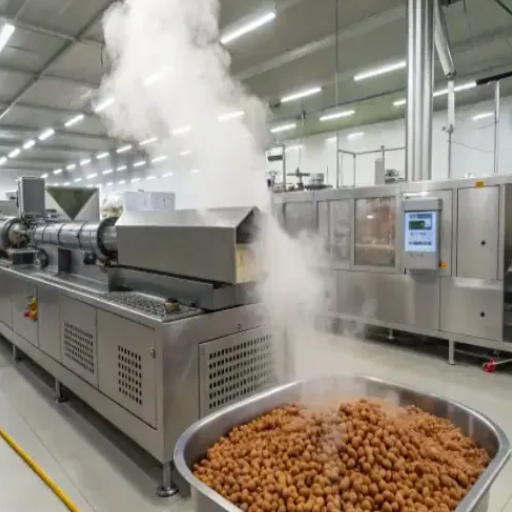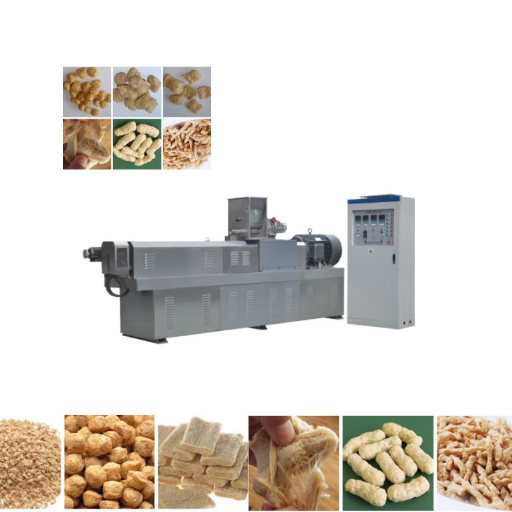
Confectionery extrusion systems continuously shape a cooked candy mass through a die into a rope or stream, which is then cut, cooled, and finished into products like licorice twists, fruit gum, and center-filled candies. If you’re evaluating equipment, here’s the short answer: extrusion wins for continuous ropes and viscous pastes, while deposition usually wins for molded gummies and precision-weight hard candies.
That distinction trips up more confectionery makers than any other. When Priya opened her startup in Birmingham last year, she asked three vendors what machine she needed to make filled fruit candies. She got three answers.
One quoted a starch mogul depositor, another a co-extrusion line, and the third a die-forming system. The right answer depended on one question none of them asked: whether her candies were molded gummies or extruded ropes.
You probably already know your product inside out. What you need is the map from product to machine, so you don’t buy the wrong line. This guide gives you that map, the equipment types, and an honest extrusion-versus-deposition comparison, then shows how a custom line can be matched to your recipe.
Key Takeaways
- Confectionery extrusion pushes a cooked mass through a die into a continuous rope, ideal for licorice, fruit twists, and filled candies.
- Extrusion is the fastest-growing confectionery equipment type, projected at 5.5% CAGR through 2032.
- Deposition portions candy into molds and is usually the better fit for gummies and weight-accurate hard candies.
- A cook-extrude line combines cooking and forming in one pass, and screw friction can cut electrical demand by 30-40%.
- Shandong Loyal builds custom, CE-certified confectionery extrusion lines to match your recipe and capacity.
What Is a Confectionery Extrusion System?
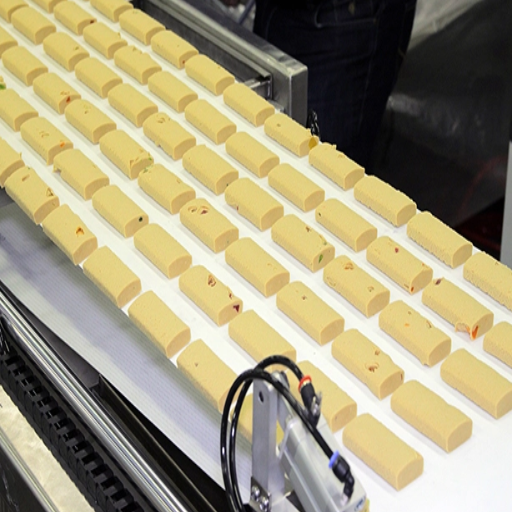
A confectionery extrusion system is a continuous forming machine that forces a cooked candy mass through a shaped die to produce a rope or stream, which downstream equipment then cuts, cools, and finishes. Unlike batch methods, extrusion forms product without stopping.
The key idea is cook-extrusion. Many confectionery extrusion lines cook and form in one continuous pass. A preconditioned slurry enters the extruder, the screws cook it, and the mass exits the die already formed.
This is the same food extrusion technology used for snacks and cereal, tuned here for sugar and starch systems. It’s fast, flexible, and easy to scale, which is why it keeps displacing batch cooking in modern confectionery plants.
Extrusion isn’t the only way to form candy. Deposition and die-forming serve other products, and we’ll compare all three shortly.
What Candies Are Made by Extrusion?
Extrusion handles products that flow through a die as a continuous mass. The most common:
- Licorice and fruit twists. The flagship confectionery extrusion product, formed as ropes and cut to length.
- Licorice allsorts. Layered, multi-color extrusions cut into slices.
- Fruit gum and jelly ropes. Extruded as ropes, then sanded and cut.
- Filled and center-filled candies. A shell and filling co-extruded in one pass.
- Caramels and toffees. Viscous masses formed through a die.
- Fondant and nougat. Soft pastes extruded and cut.
- Fruit snacks and bars. Continuous rope extrusion of high-solids fruit paste.
Notice what’s missing: molded gummies and precision hard candies. Those are deposition territory, and we cover that split next.
Not sure whether your product belongs on this list? Tell us your recipe and production goals, and our engineers will specify the right machine. Explore our food production lines.
Confectionery Extrusion Equipment Types
Confectionery extrusion systems break into a few distinct machines. The one you need depends on your mass and your product.
Cooking (Cook-Extrude) Extruders
These are the workhorses for licorice, fruit gum, and hard candy. A candy extrusion machine in this class uses a twin-screw, counter-rotating design that cooks the mass at low shear. The barrel typically runs two zones: a cooking zone and a vacuum or cooling zone for de-aeration. Specialist builders like Extrufood report that screw friction generates enough heat to cut electrical energy needs by 30-40%.
The de-aeration step matters more than it sounds. Trapped air expands at the die and breaks the rope, so removing it keeps the product continuous.
Forming Extruders
For viscous masses like caramel, toffee, and sugar paste, a forming extruder with twin-screw, co-rotating, self-wiping screws is the standard. Self-wiping screws stop product from sticking and burning, which keeps color and flavor clean. These can be pressure-fed or open-hopper, and some configurations support multi-color output through a Diemix-style system.
Co-Extrusion and Multi-Color Systems
Co-extrusion feeds a filling and a shell through a single die at the same time, so a center-filled candy comes out fully formed. Multi-color dosing lets you run several flavors or colors on one line, a big advantage for products like licorice allsorts. The BCH DMS 6 line runs up to six flavors continuously, with reported gains of 20% throughput and a 35% cut in waste.
Downstream, every line pairs the extruder with a cooling tunnel, a cutter, and finishing equipment like sugar sanders. A supplier like Coperion provides the twin-screw extruder and feeding systems for gum, licorice, caramel, and filled candies.
A mid-sized licorice maker in Sweden, run by a father and son, replaced two old batch cookers with one continuous cook-extrude line. The screws cooked the paste using their own friction heat, dropping electrical demand by roughly a third. The same line now runs six flavors instead of four, with less trim waste. That’s the upgrade most confectionery plants are after.
Extrusion vs. Deposition: How to Choose
This is the decision that decides whether your line works or fights you. Both methods shape candy, but they suit different products.
| Method | How it shapes | Best for | Accuracy and waste |
|---|---|---|---|
| Extrusion | Forces mass through a die into a continuous rope | Licorice, fruit twists, filled candies, caramels, fondant | Good; some trim at cutting |
| Deposition | Meters a set amount into molds or onto a belt | Gummies, hard candies, toffees, center-filled pieces | Very high weight accuracy, minimal waste |
| Die-forming / Mogul | Pulls and cuts a rope, or stamps into starch molds | Traditional hard candy, starch-molded jellies | Variable; flash and air bubbles possible |
Deposition is the precision method. Modern depositors meter each piece by volume or time, which is why Baker Perkins frames starch-free depositing as the right start for many new confectionery businesses. If you need every piece within a fraction of a gram and you’re molding, choose a depositor.
Extrusion is the continuous method. If your product is a rope, a twist, or a filled shape that flows through a die, extrusion is faster and more flexible. It also handles the viscous pastes that depositors struggle with.
The honest answer is that many plants run both. Gummy and jelly brands typically deposit, while licorice and filled-candy brands extrude. A trustworthy equipment partner will tell you which one your product actually needs before you spend.
Still weighing extrusion against deposition? Tell us what you’re making, and we’ll recommend the method and the machine. Explore our snack food machinery for related continuous forming equipment.
Licorice and Fruit Gum Extrusion in Depth
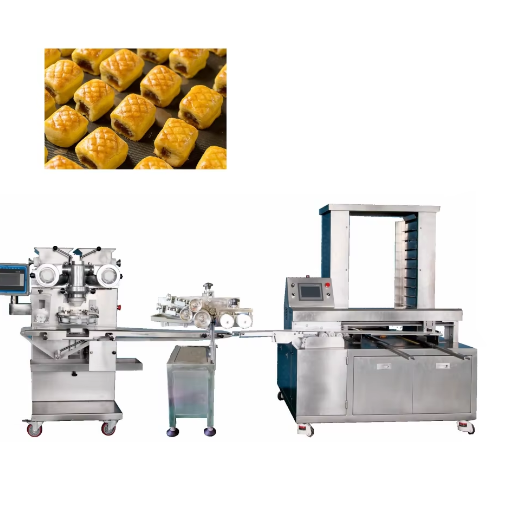
Licorice is the purest test of a confectionery extrusion line, because the process window is narrow. The paste cooks at 140-160°C and extrudes at 100-120°C, with final moisture held below 15%. The pH sits between 2.8 and 3.5. Too low and the candy melts on the shelf; too high and it won’t hold its shape.
The starch is where things get subtle. In the presence of sugar, starch gelatinizes at a much higher temperature. In pure water that happens around 65-70°C. In a 50% sugar solution it climbs to about 108°C, and in an 80% solution to roughly 128°C.
That’s why confectionery cooking is fundamentally a temperature-control problem, and why the cook-extrude approach, with its precise zone control, keeps winning over batch kettles. The full chemistry lives in our extrusion cooking article; here the point is that the extruder manages the temperature for you.
Fruit gum takes a similar path but leans on pectin or gelatin instead of wheat flour. The mass is extruded as a continuous rope, cooled, sugar-sanded, and cut. Continuous rope extrusion suits fruit snacks well because the product stays uniform from one end of the run to the other.
Chewing Gum and Filled Confectionery Extrusion
Chewing gum is the fastest-growing confectionery product segment, with equipment demand projected at 6.2% CAGR through 2032. Gum base is a dense, elastic mass that twin-screw extrusion handles efficiently, forming ropes or sheets for coating and wrapping. Bubble gum uses the same continuous forming approach.
Filled confectionery is where co-extrusion earns its keep. A family business in Mexico City wanted to launch a center-filled caramel. Co-extrusion let them form the caramel shell and inject the fruit filling through one die in a single pass.
Their previous approach would have needed two machines and a manual assembly step. One pass, one line, one fully formed product.
The die is what makes co-extrusion work, and die geometry deserves its own article. See our extrusion die design guide for how the die controls shape, fill, and finish.
Turnkey and Custom Confectionery Extrusion Lines
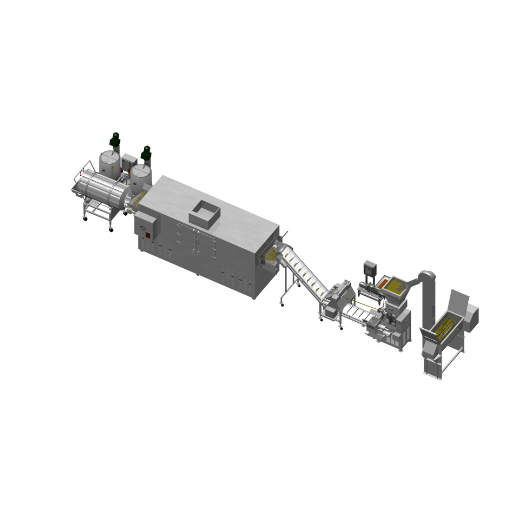
A complete confectionery extrusion line is more than an extruder. It’s a slurry or mass preparation stage, the cooking and forming extruder, a cooling tunnel, a cutter, and finishing equipment like sanders or coaters, all integrated and controlled together.
That’s where customization matters. Your licorice recipe isn’t your competitor’s recipe. A line matched to your formulation holds the right temperatures, pressures, and moisture without constant operator intervention. Shandong Loyal builds custom, CE-certified confectionery extrusion systems for manufacturers in over 50 countries, from consultation through installation and support.
The food extrusion process guide walks through each stage in order. When you’re ready to move from reading to building, the next step is a conversation about your product.
7 Questions to Ask Before You Buy a Confectionery Extrusion Line
Before you commit, put these questions to your supplier. Clear answers separate a real partner from a box mover.
- Which method fits my product, extrusion or deposition? A good supplier answers with your product in mind, not their catalog.
- Can the line hold my cook and extrude temperatures? Licorice needs 140-160°C cooking and 100-120°C forming, held tightly across the run.
- Is the extruder sized for my throughput? Match screw diameter and speed to your kilograms per hour, with headroom to grow.
- Does it de-aerate the mass? Trapped air breaks the rope at the die, so the line must remove it.
- Can it run multiple colors or a co-extruded filling? If your roadmap includes filled or striped products, plan for it now.
- Is the equipment CE-certified and export-ready? If you ship to Europe, certification isn’t optional.
- What support comes after startup? Ask about training, spare parts, and service response times.
A supplier who answers these clearly will save you months of trial and error. That’s the partner you want beside you on launch day.
Conclusion
Confectionery extrusion systems turn a cooked candy mass into continuous ropes, twists, and filled shapes, and they’re the fastest-growing segment of confectionery processing equipment. The choice that matters most isn’t which brand, but which method: extrusion for continuous ropes and viscous pastes, deposition for molded gummies and precision hard candies.
The roadmap is simple. Match your product to a method, then to a machine type, whether that’s a cook-extrude line for licorice, a forming extruder for caramel, or a co-extrusion line for filled candies. Then size the line to your recipe and capacity.
If you’re still unsure which path fits your product, tell us what you’re making. Our engineers will recommend the method, specify the machine, and quote a custom CE-certified line. Request a consultation and get started today.