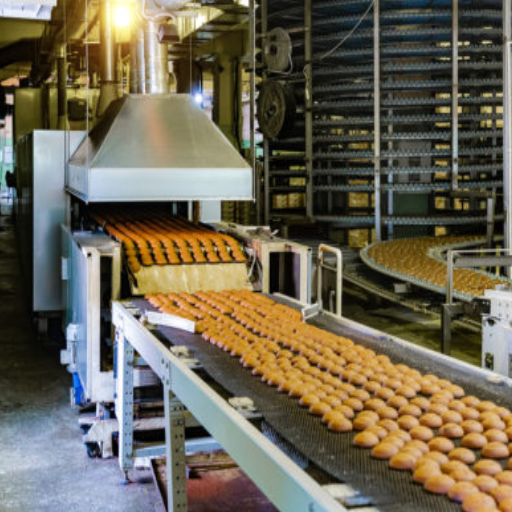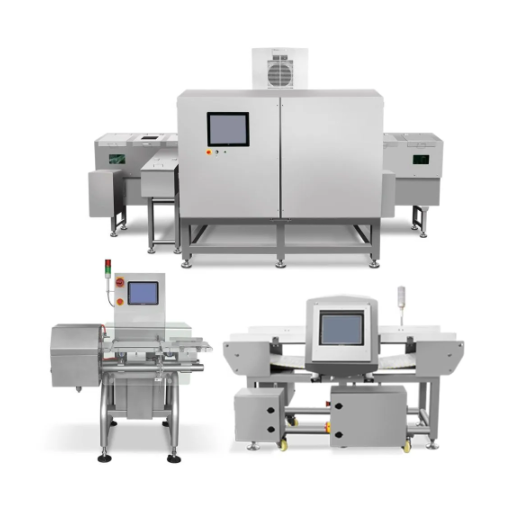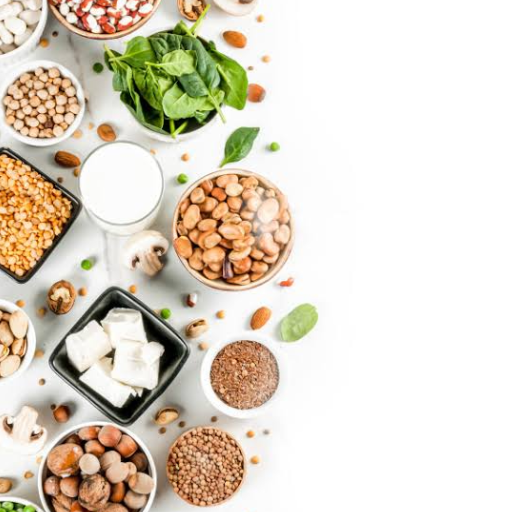
Corn Puff Snacks Production Line is a seamless and inter-linked sucession of mechanized equipment to convert powders and flours into airy, crisp and puffed snack foods in a mixing and extrusion, drying or frying, seasoning and packing process. This group of machinery typically makes cheese balls or curls, corn curls, rings or core puffs or filled pillows, with an output of 100 kgs to 500 kgs for each hour based on the kind of extruder and the automation employed. Sensible proffiression is sourcing the correct equipment to achieve product objectives and raw material forecasting for growth, aspects many new entrants tend to forget.
This was the issue Raj Patel faced when he enlarged the snack factory she owned in Ahmadabad. He assumed that any twin screw extruder would work for his rice grounded corn mixing. Unfortunately for him, this was not the case. The initial machine produced badly compressed and irregular shaped puffs owing to a wrong shear profile with respect to the starch ratio.
Following a careful review and the engineer’s input, he then opted for a co-rotating twin-screw extruder equipped with kneading blocks that could be switched up. Productivity was this time increased from 80 kg to some 220 kg per hour. The production line total waste fell from 12% to around 3%. There are many such stories. Differentiating a line that will simply operate and one that will produce good product consistently is in most cases the attention to details before purchasing the line.
Such is a self explanatory manual of the corn puff snacks production line, what equipments are engineerically appropriate, and a precise configuration to opt for your recipes in the said volume and the given price levels. The information in this case is going to be useful whether you are trying to start a brand new snacks outlet or working on upgrading a system in place to help ask the relevant questions and avoiding the asking of questions that lead to mistakes that cost much.
Key Takeaways
- A complete corn puff snack production line includes seven integrated stations: mixer, extruder, cutter, dryer, flavoring system, cooling conveyor, and packaging machine.
- Twin-screw extruders outperform single-screw models for complex recipes and high-volume output, but single-screw systems remain cost-effective for standard corn-puff applications.
- Production capacity ranges from 100 kg/h for entry-level lines to 500+ kg/h for industrial configurations, with corresponding power consumption of 52 kW to 150 kW.
- CE certification, food-grade 304 stainless steel construction, and supplier after-sales support are non-negotiable factors for global buyers.
- Total investment ranges from roughly 8,000forsmallsemi−automaticlinesto8,000forsmallsemi−automaticlinesto30,000+ for fully automated industrial systems.
What Is a Corn Puff Snacks Production Line?
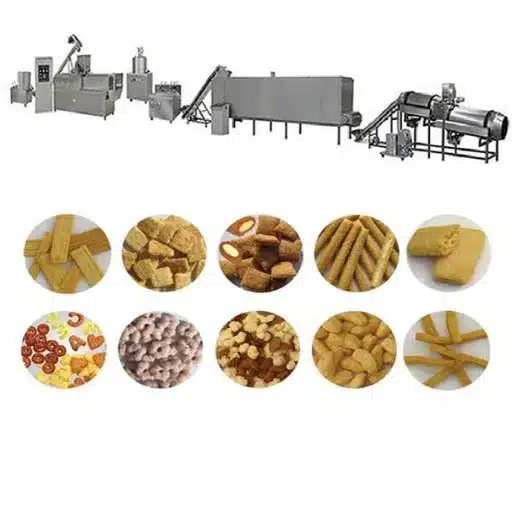
Corn Puff Snacks Production Line (CPS) is built to create extruded puffed munch-on stuffed with cereal-based ingredients. Each step in this process is continuous, where dry ingredients are introduced on the one side while packaged snacks are released on the other. This design enables no manual intervention from one process to the next, avoids risk of contamination and finally improves the consistency of the product across batches.
These lines change characteristics of products within very short time duration through the process known as Extrusion cooking. In the barrel, heat, pressure, and mechanical shear cook the starch in the granules until they form a superheated melt. As this mixture comes out of the die, the sudden drop in pressure causes the trapped water to turn into steam instantly. This causes the required expansion- the characteristic light, crunchy and soft texture loved by users in corn puffs, cheese balls and other similar snacks.
Modern lines are highly customizable. By swapping die molds, a single extruder can produce balls, curls, sticks, rings, shells, wheels, and even co-extruded pillows with cream or chocolate filling. Recipe flexibility extends to multigrain blends, protein-enriched formulations, and reduced-oil baked alternatives. For food manufacturers exploring the full range of snack production equipment, our snack food machinery solutions cover every stage from raw material handling to final packaging.
Key Components at a Glance
- Flour mixer/blender — uniformly blends corn flour, water, and additives.
- Screw conveyor — feeds conditioned dough into the extruder hopper.
- Twin-screw extruder — cooks, pressurizes, and shapes the product.
- Die mold and rotary cutter — determines shape and cuts pieces to length.
- Dryer or oven — reduces moisture to achieve crispness.
- Flavoring drum and oil sprayer — applies seasonings evenly.
- Cooling conveyor — brings product to packaging temperature.
- Automatic packing machine — weighs, fills, and seals finished bags.
How Corn Puff Snacks Are Made: The Production Process
To comprehend the manufacturing process will allow you to screen the specifications of the equipment and rectify the quality issues bef ore they occur. Each and every step in Corn Puff Snacks Production Line is a continuation of the previous step and any minute variations can their influence on domension, popping up and storagability respectively.
Step 1: Raw Material Mixing and Preparation
Firstly, all the dry materials are weighed and blended in an exact proportion. Corn flour or grist is usually the primary component, although rice flour, wheat, oat flour and potato starch are also added. Mixing with water is done in order to bring the moisture content within the range of 12-20% based on the type of extruder used and the product requirement. Additives like salts, sugars, emulsifiers and colors are mixed here also.
Consistency is of great importance in this case. If the moisture content is not uniform or adding of minor ingredients is insufficient, it results in variable expansion characteristics, unsuitable taste, and inconsistent standard density of the product. High shear mixers that are equipped with spray systems do produce more evenly mixed doughs as compared with standard paddle mixers.
Step 2: Pre-Conditioning
The dough that is formed is passed into a pre-conditioner, where steam and water can also be injected if this is the case. This process helps hydrate starch and begin the gelatinization process before entry into the barrel of an extruder. Pre-conditioning helps in reducing the thermal and mechanical energy required further in the process, hence contributing to the enhancement of the process as well as elongating the life span of screws and barrels.
In case of lines by the side with capable throughput of more than 200 kg/h, pre-conditioning needs to be adhered consistently. Frequent interruption in the production due to cooling down period is eliminated and thus continuous process can take up to 16 hours and not a 4 hours on – 2 hours off schedule as in the past.
Step 3: Extrusion and Puffing
This is the defining stage of any corn puff snack production line. The pre-conditioned dough enters the extruder barrel, where co-rotating screws transport it through three distinct zones:
- Feed zone — conveys material forward with minimal shear.
- Compression and melting zone — kneading blocks apply intense mechanical shear while barrel heaters raise temperature to 130°C–180°C. Starch granules fully gelatinize into a viscous melt.
- Metering zone — homogenizes the melt and builds pressure to 500–2,000 psi before the die.
When the superheated starch melt exits the die openings, the pressure drop to atmospheric level causes entrained water to vaporize instantly. Steam bubbles expand within the viscoelastic starch matrix, creating the foam-like cell structure of puffed snacks. The die shape determines the final product geometry. Round holes produce balls. Slotted dies produce sticks. Complex profiles create rings, curls, and custom shapes.
Step 4: Cutting and Shaping
The extruded product is chopped into equal segments by a die face rotary cutter. The speed of the blade and geometry of the cutter determine piece length and surface quality. Tearing, distortion, and unequal sizing result from blunt or improperly positioned blades. It is common for many manufacturers to suggest spare cutter assemblies, since after around 200–400 hours of use, wear on the blades becomes apparent.
Step 5: Drying or Frying
“Post-extrusion” includes two processes. In the roasting process, where the expanded form is dipped in oil, very briefly eaten and has a very intense taste, however; this one involves frying very intensely. These methods are primarily designed to satisfy markets that are more health oriented, rather than deep-frying, and involve hot air spray. Thermal baking does not involve any usage of oil and therefore can contribute to reduction in oil contents of up to 60–70% as compared to deep frying.
Most of us link baked and fried production lines with health concerns, however, numerous other factors contribute to this decision, namely equipment architecture, energy involved in operation and maintenance of that unit, and ultimately, the characteristics of the product for example seasoning.
Step 6: Seasoning and Flavoring
After cooling, the puffs enter a rotary drum where a thin layer of oil is sprayed to the adhesives applied on the powder or light coatings of seasoning. Common flavors available include cheese powder, barbecue, chili, sour cream, caramel, and chocolate. Extruded round air puff snacks, if porous or airy, take in seasonings very well, but distribution of these seasonings does depend on appropriate use of oil and speed and drum height.
The whole process of seasoning equipment is one of the systems with the highest returns on investment within the line. Plain puffs are sold at wholesale prices. Seasoned puffs offer high profit.
Step 7: Cooling
Product temperature must drop to near ambient levels before packaging. Warm puffs packaged too soon create condensation inside the bag, leading to sogginess, mold risk, and shortened shelf life. Cooling conveyors with forced airflow typically achieve target temperatures in 3–5 minutes.
Step 8: Packaging
Automatic vertical form-fill-seal machines weigh, fill, and seal bags. Nitrogen flushing displaces oxygen inside the package, preventing oxidation and rancidity while protecting fragile puffs from crushing. Properly nitrogen-flushed products achieve shelf lives of 9 to 12 months.
Core Equipment in a Corn Puff Production Line
Each component in a corn puff snack production line serves a specific function, and equipment quality at every stage affects the final product. Here is what to evaluate when reviewing supplier specifications.
Flour Mixer and Blender
Dough mixers can be simple and basic like the batch paddle mixers listed above or sophisticated with the inclusion of liquid injection ports in a high-shear continuous system. For the dosage machines exceeding 150 kilograms per hour, continuous mixing appliances with speed regulation and cooling functions assure better regulated and consistent product quality compared to batch mixtures. Food product blend mixing equipment always comes with stainless steel bowls, made of food-grade material primarily.
Screw Conveyor and Feeder
Provisioning engages the use of a feeder to provide the extruder with ready dough from a mixer uniformly. Feeders set at a particular throughput alter the pressure within the barrel of the extruder. This generates puffs of varying size and density. These feeders are precise due to the load-cell scanning which always assures that the setpoint is not exceeded by 1.99% or lower.
Twin-Screw Extruder
The extruder is the heart of the line and typically accounts for 30% to 40% of total equipment cost. Key specifications to evaluate include:
| Specification | Entry-Level | Commercial | Industrial |
|---|---|---|---|
| Screw diameter | 65 mm | 70 mm | 85 mm |
| Motor power | 22–30 kW | 37–45 kW | 75–90 kW |
| Output capacity | 100–150 kg/h | 200–260 kg/h | 350–500 kg/h |
| L/D ratio | 20:1 to 25:1 | 25:1 to 30:1 | 30:1 to 35:1 |
| Barrel sections | 4–5 | 5–6 | 6–7 |
Screw elements are modular and configurable. Conveying paddles move material. Kneading blocks apply shear. Reverse elements create backpressure. An experienced supplier will recommend a screw profile based on your specific raw materials and target product.
Die Molds and Rotary Cutter
The tool steel plates used in this context are hardened after precision machining in order to endure friction. There are also exchangeable dies which facilitate swift product changes. The commonly used die opening diameter is between 2 mm and 8 mm however there are also dies with special profiles for specific or restricted uses. One should always have excess dies in stock as the use of a damaged die results in the malformed product and causes damage to the cutter assembly.
Dryer or Circulation Oven
There are a wide variety of dryers employing diverse heating systems such as electric, gas, diesel and even steam. Multi-level belt dryers with separate temperatures provide the best optimization of conditions. When the puffing is to be baked, either infrared which avoids hot spots or convection ovens ensures an even heating. The dryer length is usually between 5 meters for smaller installations and more than 12 meters for larger installations.
Flavoring Drum and Oil Sprayer
Seasoning machines in construction resemble stainless steel cylinders with stationary flights inside that roll the product gently tumbling it while oil and powder are dispensed along the surface. Nozzle sprays producing containment oil must be screened to produce fine mist. The use of powder fountains with screw pitch guarantees a specific seasoning weight. Some applications, which include the use of seasoning systems incorporating electrostatic devices, are used for powder applications and have made savings on such consumables.
Cooling Conveyor
Mesh belt cooling conveyors using ambient or forced – air cooling reduce the product temperature from 60 – 80 after drying to 25-30 suitable for transportation packaging. It is also very important that the length of the system and the airflow speed correlate with the line performance. The bottlenecks created by undersized cooling systems slow down all upstream units.
Automatic Packaging Machine
Vertical form-fill-seal machines with multi-head weighers achieve filling accuracies of ±1% to ±2%. Look for machines with nitrogen flushing, date coding, and metal detection integration. Packaging speed must exceed extruder output to prevent accumulation.
Single-Screw vs. Twin-Screw Extruder: Which Do You Need?
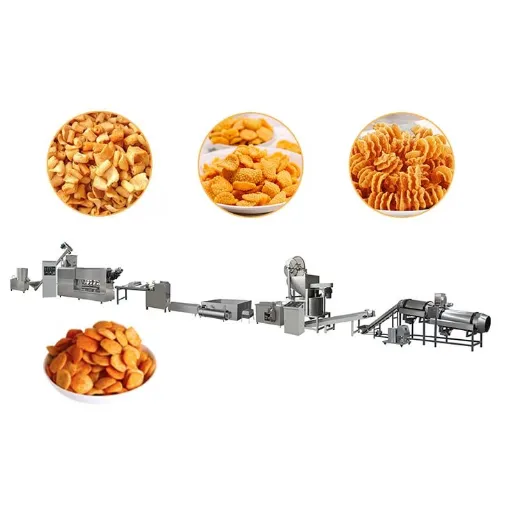
The extruder type is the single most important equipment decision when configuring a corn puff snack production line. Each architecture has distinct strengths, and the wrong choice leads to suboptimal product quality or unnecessary capital expense.
Single-Screw Extruders
Single-screw extruders use one rotating screw inside a heated barrel. They are mechanically simpler, less expensive, and easier to maintain. For standard corn-puff and cheese-ball applications with starch-rich recipes and minimal protein or fiber, single-screw systems deliver acceptable quality at lower operating cost.
Best for: Basic puffs, kurkure-style snacks, simple corn-rice recipes, budget-conscious operations, and high-volume runs of a single product.
Twin-Screw Extruders
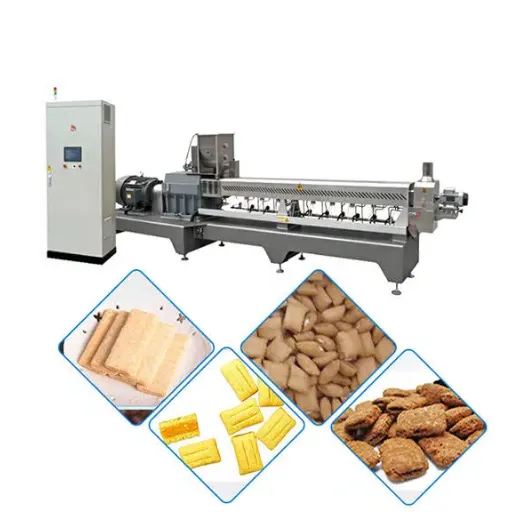
Co-rotating twin-screw extruders use two intermeshing screws that provide superior mixing, self-cleaning action, and precise process control. They handle complex recipes with higher protein, fiber, or alternative grains that single-screw machines struggle to process. Twin-screw systems also support co-extrusion for filled pillows and core-filled snacks.
Best for: Multigrain or protein-enriched puffs, co-extruded products, frequent recipe changes, and applications requiring tight control over texture and expansion ratio.
Side-by-Side Comparison
| Factor | Single-Screw | Twin-Screw |
|---|---|---|
| Initial cost | Lower (25,000–25,000–120,000) | Higher (80,000–80,000–400,000) |
| Raw material flexibility | Limited to starch-rich blends | Broad — handles protein, fiber, vegetables |
| Mixing quality | Moderate | Superior |
| Self-cleaning | No | Yes |
| Co-extrusion capability | No | Yes |
| Maintenance complexity | Lower | Higher (more wear parts) |
| Energy efficiency | Good | Excellent (shorter L/D ratios possible) |
| Recipe changeover time | Longer (manual barrel cleaning) | Shorter (self-wiping screws) |
The honest answer: if your product portfolio is limited to traditional corn puffs and your recipes are simple, a single-screw extruder may be the smarter investment. If you plan to innovate with healthier formulations, filled products, or multiple SKUs, the flexibility of a twin-screw system pays for itself within the first 18 to 24 months of operation.
At Shandong Loyal Industrial, we engineer both configurations and recommend based on your product roadmap rather than pushing the highest-margin option. Our corn puff snacks production line portfolio includes single-screw and twin-screw systems across all capacity tiers.
Production Capacity and Specifications
Matching line capacity to your business scale prevents two common mistakes: buying too small and facing a costly replacement within a year, or buying too large and absorbing unnecessary capital and energy costs.
Capacity by Model Tier
| Model Tier | Capacity | Installed Power | Power Consumption | Line Length | Approx. Price Range |
|---|---|---|---|---|---|
| Small (DSE-65) | 100–150 kg/h | 74–76 kW | 52–54 kW | ~17 m | 8,000–8,000–15,000 |
| Medium (DSE-70) | 200–260 kg/h | 95–105 kW | 66–75 kW | ~20–22 m | 15,000–15,000–22,000 |
| Large (DSE-85) | 350–500 kg/h | 178–205 kW | 125–150 kW | ~26–30 m | 25,000–25,000–35,000+ |
These figures represent complete, integrated lines including mixer, extruder, dryer, flavoring, cooling, and packaging. Standalone extruders cost significantly less but do not constitute a production line.
How to Match Capacity to Your Business Scale
- Startups and small factories (50–150 kg/h): Focus on a compact line with semi-automatic packaging. Prioritize recipe development and market testing over maximum throughput.
- Growing manufacturers (200–300 kg/h): Invest in full automation, PLC controls, and reliable after-sales support. This is the sweet spot for ROI in most emerging markets.
- Industrial-scale producers (350+ kg/h): Require custom layouts, redundant critical components, and integration with existing factory MES or SCADA systems.
One factor many buyers underestimate is raw material variability. Corn flour from different suppliers varies in moisture, particle size, and starch content. A line rated at 250 kg/h with ideal raw materials may deliver 210 kg/h with suboptimal inputs. Always request suppliers to test your actual raw materials before finalizing specifications.
Customization Options and Product Versatility
The most successful snack producers do not run a single product forever. They innovate with new shapes, flavors, and healthier formulations to capture shifting consumer preferences. A well-designed corn puff snack production line should accommodate this evolution without requiring complete replacement.
Die Shapes and Snack Varieties
Interchangeable die molds enable rapid product changeovers. Standard die libraries include:
- Balls (cheese puffs, cheese balls)
- Curls (corn curls, cheese curls)
- Sticks and tubes
- Rings and wheels
- Shells and stars
- Custom proprietary shapes
Die changeover on modern extruders takes 15 to 30 minutes with trained operators. Some manufacturers offer quick-release die clamps that reduce this to under 10 minutes.
Fried vs. Baked Lines
Fried lines include continuous fryers with oil filtration, temperature control, and exhaust systems. Baked lines replace the fryer with a hot-air circulation dryer or infrared oven. The choice depends on your target market. European and North American consumers increasingly prefer baked, lower-fat options. Many Asian and African markets still favor the richer taste and texture of fried puffs.
Our fried snack production line systems include continuous frying modules with automatic oil filtration and temperature zoning for consistent product quality.
Co-Extrusion and Filling
Co-extrusion systems inject fillings — chocolate, cream, peanut butter, cheese, or fruit paste — into the center of the puff simultaneously with extrusion. This creates filled pillows, rolls, and bars with higher perceived value and premium pricing. Co-extrusion requires a twin-screw extruder with a dedicated filling pump and specialized die geometry.
Recipe Flexibility
Modern extruders handle formulations beyond standard corn grits:
- Multigrain blends (corn-rice-wheat-oat)
- Protein-enriched recipes (pea protein, whey, soy)
- Gluten-free formulations (100% rice or corn base)
- Vegetable-infused doughs (spinach, beet, carrot powders)
- Reduced-sodium and clean-label recipes
If your product roadmap includes pellet-based snacks or 3D shapes, our 2D and 3D snack pellet process lines integrate seamlessly with extrusion systems for expanded product portfolios.
How to Choose the Right Corn Puff Production Line
Selecting equipment is not simply a matter of comparing price lists. The right decision balances technical specifications, business objectives, and supplier capabilities. Here is a framework we use when consulting with clients.
Define Your Target Products and Recipes
Start with the end product. Will you produce traditional cheese balls, health-oriented baked puffs, or premium co-extruded pillows? Each product type demands different extruder configurations, drying methods, and seasoning systems. Document your target recipes, including raw material specifications and desired nutritional profiles, before contacting suppliers.
Match Capacity to Current and Projected Demand
Calculate your required hourly output based on daily production targets, shift structure, and planned operating days per year. Then add a 20% to 30% buffer for demand spikes, recipe trials, and maintenance windows. A line running at 90% of rated capacity around the clock wears faster and offers no room to grow.
Evaluate Extruder Type for Your Raw Materials
Bring your actual raw materials to the supplier for trial runs. Specifications on paper rarely match real-world behavior. Particle size distribution, moisture content, and starch damage levels all affect extrusion performance. A reputable supplier will welcome material trials and adjust screw profiles accordingly.
Consider Automation Level and Labor Costs
Manual and semi-automatic lines reduce upfront investment but require more labor and introduce human-error risks. Fully automatic PLC-controlled lines with HMI touchscreens reduce staffing needs and improve consistency. In markets with high labor costs, automation pays back within 12 to 18 months.
Verify Certifications and Compliance
For export-oriented producers or manufacturers targeting regulated markets, CE certification is essential. Additional certifications may include ISO 22000 for food safety management, HACCP for hazard analysis, and country-specific electrical safety marks. Request certificate copies and verify their authenticity with issuing bodies.
Assess Supplier Experience and After-Sales Support
The supplier relationship extends far beyond delivery. Evaluate:
- Years in operation and factory scale
- Number of installations in your target market
- Availability of on-site installation and commissioning
- Operator training programs
- Spare parts inventory and shipping times
- Technical support response times
Suppliers with 10+ years of experience and extensive global installations typically offer more reliable support than newer entrants with lower prices but limited service infrastructure.
Calculate Total Cost of Ownership
Purchase price is only the beginning. Factor in:
- Energy consumption per shift (electricity, gas, or diesel)
- Maintenance costs and spare parts pricing
- Downtime risks from component failures
- Labor requirements for operation and cleaning
- Expected die and screw replacement intervals
- Freight, customs, and installation costs
A line that costs 15% more upfront but consumes 20% less energy and requires half the maintenance labor will deliver superior returns over a five-year horizon.
Want expert guidance on matching specifications to your project? Contact our engineering team for a detailed consultation and customized quotation based on your recipes and capacity targets.
Quality Standards and Certifications
Food machinery must meet stringent hygiene, safety, and performance standards. Cutting corners on certifications creates barriers to market entry and exposes your business to regulatory risk.
CE Certification for Global Markets
CE certification signifies adherence to European norms of health, safety, and environment. In the case of equipment used in food processing, the appropriate directives include the Machinery Directive (2006/42/EC) and the Low Voltage Directive (2014/35/EU). Corn puff snacks production line with CE certification can be traded venturing every corner of the European Economic Area and as well in most non-European markets where it is regarded a standard for quality.
ISO 22000 and HACCP
With food safety in mind, ISO 22000 provides specifications for food safety management system in an organization. In the area of Hazard Analysis and Critical Control Points (HACCP), risks during production in the form of microorganisms, chemicals and physical agents are assessed. These standards however, cater to food producers predominantly as compared to equipment manufacturers however, equipment designed in accordance with HACCP e.g. designs with smooth surfaces or low properties to stick with minimal crevices for easy cleaning helps mitigate the risk of contamination towards general operators.
Food-Grade Stainless Steel Construction
It is customary to use 304 and 316L stainless grade steels for all surfaces that can get in contact with the product. Due to the aggressive nature of the cleaning agents used, such as those designed to remove grease, these grades do not corrode and they do not release chemicals into the food. The frames and panels situated close to the product zones should not be made of carbon steel or alloys which are lower than stainless grades and customers must avoid suppliers doing so.
Why Certifications Matter for Global Export
Last year, the regulatory affairs team at a snack food manufacturing company from Poland had considered different suppliers of equipment but disqualified three of the suppliers from China. This was because the CE certifications provided lacked third-party testing for validation or were inadequate. The producer opted for a supplier with a complete CE certification from an EU-representative body despite the fact that it cost them more by 12%.
In less than half a year, at the Port of Hamburg, one of the shipments from one of the suppliers who were not accepted was held up during a customs inspection. This was because of the electrical enclosures which were non-conforming. The producer who spent money to obtain certification did not experience a three-week delay, a recall notice.
At Shandong Loyal Industrial, all food production lines are manufactured with CE certification, food-grade 304 stainless steel contact parts, and documented quality control protocols.
Installation, Commissioning, and Support
The period between equipment arrival and stable production is where many projects succeed or falter. A structured commissioning process prevents the frustration of idle machinery and missed launch deadlines.
Typical Timeline from Order to Production
| Phase | Duration | Key Activities |
|---|---|---|
| Order and design confirmation | 2–4 weeks | Recipe review, layout design, voltage confirmation |
| Manufacturing | 4–8 weeks | Component fabrication, assembly, factory testing |
| Shipping and customs | 3–6 weeks | Sea freight, documentation, import clearance |
| Installation and commissioning | 1–2 weeks | Mechanical assembly, electrical connection, calibration |
| Trial production and training | 3–7 days | Recipe fine-tuning, operator training, quality validation |
| Ramp to full capacity | 2–4 weeks | Process optimization, troubleshooting, SOP development |
Total timeline from signed order to stable production typically ranges from 3 to 4 months for standard lines and 4 to 6 months for heavily customized systems.
On-Site Installation and Operator Training
Reputable suppliers dispatch technicians to supervise installation, connect utilities, and commission the line. Training should cover:
- Startup and shutdown procedures
- Recipe loading and parameter adjustment
- Routine cleaning and sanitation protocols
- Basic troubleshooting and alarm response
- Preventive maintenance schedules
Request that training includes hands-on practice with your actual recipes, not just generic demonstrations.
Spare Parts and Long-Term Support
Critical spare parts to stock locally include die plates, cutter blades, screw segments, heating elements, and seals. Ask suppliers for a recommended spare parts list with lead times. A supplier who cannot deliver wear parts within 2 to 4 weeks will leave you vulnerable to extended downtime.
Conclusion
A corn puff snack production line is a significant investment that shapes your product quality, operating costs, and ability to innovate for years to come. The right system balances extruder technology, capacity, automation level, and supplier support against your specific recipes and business goals.
The key decisions to get right are:
- Choose the extruder type honestly — twin-screw for complexity and flexibility, single-screw for simplicity and cost efficiency.
- Size for growth — add 20% to 30% capacity buffer above your current needs.
- Verify certifications — CE marking, stainless steel construction, and documented quality systems protect your market access and brand reputation.
- Test your raw materials — theoretical specifications mean little if your actual corn flour behaves differently in the extruder barrel.
- Evaluate total cost of ownership — energy, maintenance, and downtime often exceed purchase price over the equipment lifecycle.
With over a decade of experience designing and manufacturing food processing machinery, Shandong Loyal Industrial delivers CE-certified, customizable corn puff snack production lines to clients in more than 50 countries. We do not sell equipment from a catalog. We engineer solutions around your recipes, your facility, and your production targets.
Ready to move forward? Request a detailed quotation and tell us about your target products, raw materials, and capacity goals. Our engineering team will recommend a configuration matched to your specific needs.