History and Growth of Instant Noodle Brands
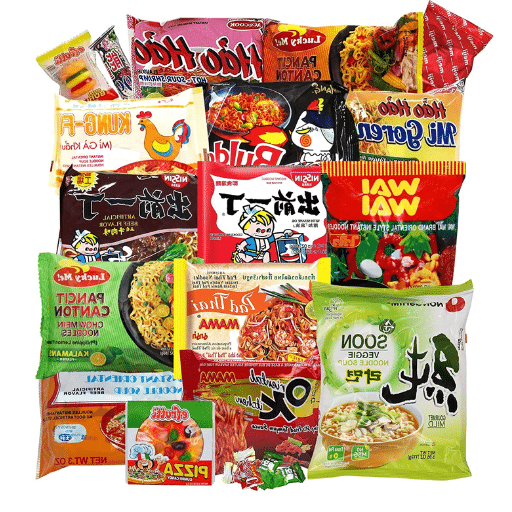
Instant noodles made their debut in the year 1958 as presented by the distributing company’s originator, Nissin Foods, with a product called Chikin Ramen, which was in the Japanese market. It also changed the concept of fast-food with a cheap way of preparing a meal. This idea spread throughout the 20th century across the continents, with notable pioneers such as Cup Noodles launching in 1971, offering meals for on-the-go people.
Origins of Instant Noodles
In 1958, in Japan, a founder of Nissin Foods by the name of Momofuku Ando was credited for inventing instant noodles. His invention, called ‘Chikin Ramen’ was the first ever recorded instance of instant noodles that were to be made in an instant and was marketed as an easy curative of hunger. The motivation for the invention was the lack of food in post-war Japan, hence, Ando’s effort in looking for a food that would be cheap, edible for a long time without change, and also easy to make, led to this introduction of this kind of noodles.
Major Milestones in the Instant Noodle Industry
Momofuku Ando invented the first instant noodle product “CHIKIN RAMEN” in Japan to address post-war food shortages, marking the birth of a new global industry.
The launching of Cup Noodles by Nissin Food Company revolutionized instant noodle consumption. This innovation provided a portable and extremely comfortable way of preparing and consuming noodles, making them popular worldwide.
The World Instant Noodles Association (WINA) shows that more than 118 billion bowls of instant noodles were consumed globally in the past year, with China and Indonesia leading consumption volumes.
Health concerns led to industry revolution with brands introducing low salt, whole grain, and oven-baked options. “Healthy instant noodles” searches have increased significantly on search engines.
COVID-19 pandemic saw dramatic surge in instant noodle demand as people preferred non-perishable, easy-to-prepare foods during lockdowns.
Industries now target environmental policies as their primary goal, focusing on eco-friendly packaging, carbon emission reduction, and vegan ingredient incorporation.
Key Players and Their Market Impact
Major companies have taken active roles in dominating sustainability-driven industries:
- Nissin Foods: Pioneer of instant noodles and Cup Noodles, leading innovation in packaging sustainability
- Maruchan: Major player focusing on diverse flavor profiles and eco-friendly packaging solutions
- Nongshim: Korean company known for spicy variants and global market expansion
Market Trend: There has been a considerable increase in searches for phrases such as “sustainable brands” and “environmentally conscious companies,” indicating growing public desire to support brands with clear sustainability goals.
Challenges Faced by Instant Noodle Companies

Health and Environmental Consciousness
The growing consumer shift towards healthier and more environmentally friendly food products presents significant challenges:
- Increasing searches for “healthy instant noodles” and “eco-friendly food packaging”
- Need to reformulate products, ingredients, and packaging
- Pressure to meet changing health and ecological consumption practices
Supply Chain Issues and Sustainability Efforts
Supply chain challenges compound the instant noodles market problems:
- Global turmoil in prices and supply disruptions
- Frequent searches for “price hike on instant noodles” and “shortage of instant noodles”
- Rising costs of wheat and packaging materials
- Increased fuel costs causing transportation delays
Sustainability Response: Companies are adopting biodegradable packaging, investing in renewable energy, and sourcing from sustainable agriculture to attract environmentally conscious consumers.
Intense Competition
The competitive landscape continues to intensify:
- Searches for “best instant noodles 2023” and “new instant noodle brands” show consumers seeking alternatives
- Veteran players must innovate to maintain market position
- Need for continuous value addition and differentiation
Innovations in Instant Ramen and Noodles
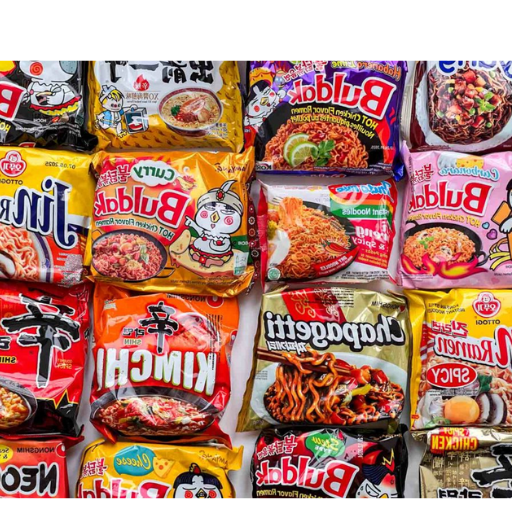
Health-Consciousness and Instant Noodles
Companies have introduced healthier alternatives to meet consumer demands:
- Noodles made from whole grains, quinoa, and brown rice
- Low sodium seasoning options
- Plant proteins and real vegetables added
- Fortified versions for enhanced nutrition
Growth Statistic: Health-driven instant noodles sales expanded by 12% globally in 2023 compared to previous years (Statista report)
Eco-Friendly Packaging Innovation
Major companies are revolutionizing their packaging approaches:
- Nissin Foods: Introduced paper packaging for Cup Noodle range
- Target: 30% plastic reduction by 2030
- Development: Edible or completely biodegradable packaging options
Flavor Innovation and Global Tastes
The industry has moved beyond traditional flavors:
- Thai Tom Yum Goong
- Korean Kimchi
- Italian Carbonara
- Truffle-flavored varieties
- Fusion combinations like spicy carbonara
Search Trend: Google data shows “unique instant noodle flavors” searches increased by more than 40% in 2023, indicating consumer craving for novelty and global flavors.
Technology Integration
Technology plays an increasing role in product development:
- Machine learning for understanding customer taste preferences
- Smart devices like tabletop noodle processors
- AI-driven product customization
Efficiency Gain: Mintel reports show machine learning reduced product launch time by 20% while enhancing accuracy in 2023
Health-Conscious Options in Instant Noodles
The market now offers various healthy alternatives to traditional instant noodles:
| Noodle Type | Key Features | Target Audience |
|---|---|---|
| Whole Grain Noodles | Made from whole wheat or other grains, higher fiber content | Health-conscious consumers |
| Low Sodium Noodles | Reduced salt in flavoring packets | Those monitoring salt intake |
| Gluten-Free Noodles | Made from rice, quinoa, or millet | Gluten-intolerant individuals |
| Vegan Plant-Based Noodles | No animal ingredients, plant protein additives | Vegans and vegetarians |
| Fortified Noodles | Enhanced with vitamins and minerals (iron, calcium, B12) | Nutrition-focused consumers |
Regional Variations and Cultural Preferences
Popular Flavors by Country
| Country/Region | Popular Flavors | Cultural Influence |
|---|---|---|
| South Korea | Spicy Kimchi, “Fire Noodles” | Preference for strong, hot flavors |
| Japan | Shoyu (soy sauce), Miso, Tonkotsu | Traditional Japanese cooking culture |
| Thailand | Tom Yum, Lemongrass varieties | Sour-spicy flavor preferences |
| Indonesia | Rendang, Mi Goreng | Rich, complex spice blends |
| United States | Chicken, Beef, Cheese flavors | Familiar, simple taste preferences |
| United Kingdom | Chicken, Beef variations | Traditional Western flavors |
Fusion and Unique Flavor Profiles
Modern instant noodle companies create innovative fusion flavors:
- East-West Fusion: Creamy cheese with Japanese miso
- Korean-Italian: Spicy carbonara
- Thai-Western: Lemongrass chicken varieties
- Global Appeal: Combinations that work across different cultural palates
Economic Impact and Market Statistics

Global Market Data
Annual Consumption: 121.2 billion portions in 2022 (World Instant Noodles Association)
China’s Market Share: 45.6 billion servings in 2022 (including Hong Kong)
Major Markets by Consumption
- China – Largest global market
- Indonesia – High per capita consumption
- India – Rapidly growing market
- Japan – Origin country with mature market
- Vietnam – Strong Southeast Asian market
Economic Benefits
The instant noodle industry provides significant economic contributions:
- Direct Employment: Production, logistics, and retail sectors
- Indirect Benefits: Agriculture (wheat farming), transportation, packaging industries
- Export Revenue: Major contribution to international trade
- Supply Chain Enhancement: Improved efficiency in global food distribution
Future Outlook and Industry Trends
Market Projections
Growth Forecast: The industry is projected to grow at a double-digit rate through 2027, demonstrating market attractiveness and adaptability.
Key Future Trends
- Health Focus: Continued development of nutritious, low-sodium options
- Sustainability: Eco-friendly packaging and sustainable sourcing
- Technology Integration: AI-driven customization and smart cooking devices
- Flavor Innovation: More fusion and international flavor profiles
- Premium Segments: Higher-quality ingredients and gourmet options
Cultural Significance and Social Impact

Instant noodles have transcended their original purpose as quick hunger solutions:
Cultural Integration
- Japan: Museums and festivals dedicated to ramen culture
- Global Appeal: Nostalgia food across multiple generations
- Social Function: Transcends international and cultural boundaries
- Community Aspect: Shared experiences and comfort food status
Social Trends
Search Popularity: Instant noodles rank among the most searched food products globally, with searches including recipes, flavor enhancements, and cultural preparation techniques.
References
-
Wikipedia – List of Instant Noodle Brands: A comprehensive list of major instant noodle manufacturers worldwide, including their history and notable products.
-
Sporked – The 15 Best Instant Ramen Noodles Worth Buying: A detailed review of popular instant noodle brands, including insights into their quality and market presence.
-
Bon Appétit – The Best Instant Noodles (2024): A curated selection of top instant noodle brands, highlighting their unique features and flavors.
Frequently Asked Questions (FAQ)
Is there any brand of ramen that’s a hit?
What constitutes the best instant ramen will be contextual and subjective depending on the eaters but I’d say most will agree on Shin Ramyun or Top Ramen and possibly Maruchan in that order. The general consensus is that these brands have tasty seasoning and noodles which may consist of the ordinary wheat noodles or inetodi chewy noodles and thus a wide variation in their products.
How do I make instant noodle soup?
Mix the contents without any preparation and a pot of water also. Lift the noodles from the packet or the bowl from the sidedrop in the conditioned water and allow it to boil for the timed indicated on the packet mostly 35 minutes. It is also possible to use a dash of some chili or sesame oil on the broth to revitalize the taste of the drink if invited.
And why is Shin Ramyun so loved by many?
Shin Ramyun is the most recent addition to our already considerable range of soup noodles which has the rather singular characteristic of hot and spicy taste while still having very chewy noodles. Spicy Shin Ramyun noodles come in a bowl with spicy Korean broth, making it a superbly hearty dish even for the connoisseur of spicy noodles soup.
Do some instant noodle companies make non-fried ones as well?
Yes, numerous brands also have an option of non-fried instant noodles which are considered healthy. For example, non-fried ranges are provided by Mike’s Mighty Good Ramen and Prima Taste Singapore which retain a great taste with less fat.
What types of instant noodles can you buy?
Many kinds of instant noodles are on sale for today, e.g., classic noodle ramen, udon, soba, or rice noodles. Each type has different texture and taste characteristics to suit any customer.
What is the distinction between instant and regular ramen?
Instant ramen often comes precooked and dehydrated in order to speed up cooking, ting for instant ramen, while traditional ramen is prepared instant noodles in a ramen house. Ramen places provide instant ramen with ramen table eating stick-in seasoning applied to the dish ramen prepared inside the noodles, which is more traditional instant ramen.
Are there any instant noodle companies considered to be the best?
There are several instant noodle companies that are well-known and much-appreciated all over the world such as Nissin, Maruchan, and Shin Ramyun. A major plus about these brands is that they often appear on the Ramen Rater’s list of the best ramen products and they are created in such a way that their flavors, textures and choice in fillings and even ‘noodles’ are unreasonably good.
Is it possible to alter an instant noodle meal according to my taste?
Yes, indeed! Instant noodle meal can be made according to your taste. For instance, if you prefer fresh vegetables, chicken or shrimps, you can easily add them to the dish and top it up with spices, i.e. chili crisp, garlic. In addition to that, this can be made more delicious through flavors and toppings.