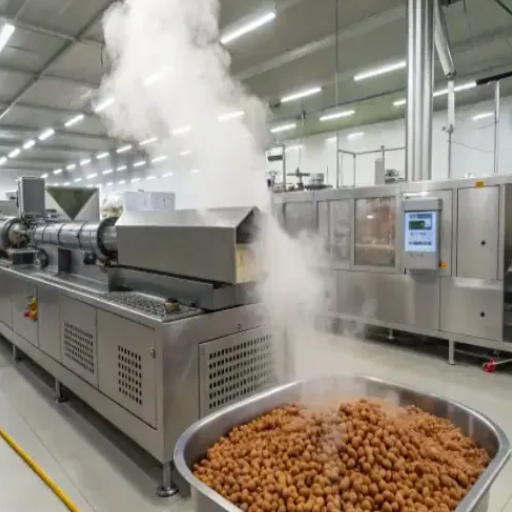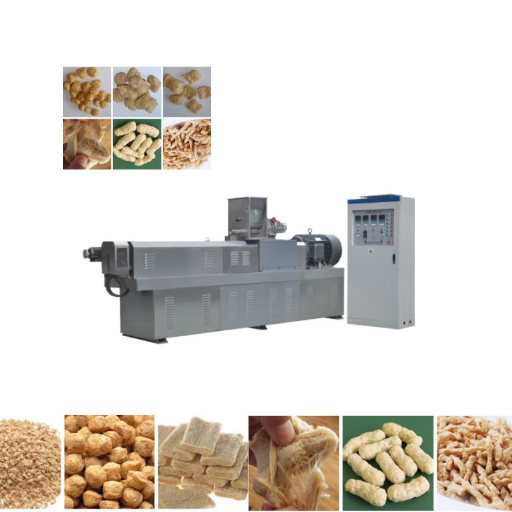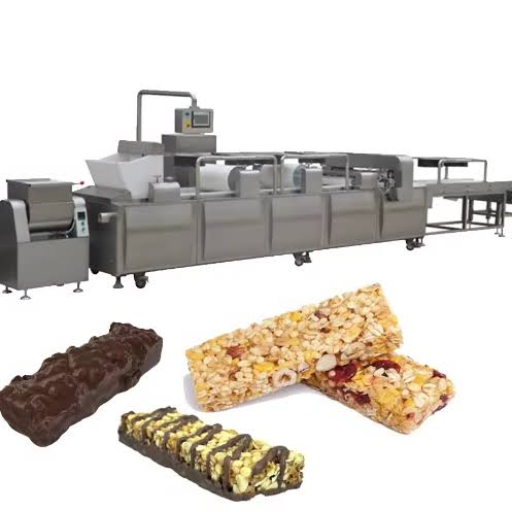
This comprehensive guide takes you behind the scenes of the instant ramen industry and explores the step-by-step production procedures: from wheat flour to the tasty comfort food known to everyone. From mixing, steaming, frying, to packaging—we’ll delve into the complicated processes and innovations behind its making.
Understanding Instant Noodles
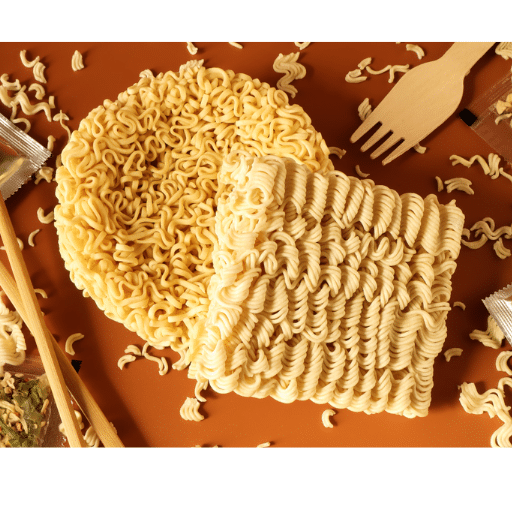
Instant noodles are pre-cooked and dried noodles designed for rapid meal preparation. Normally made from wheat flour, water, and certain seasonings, the noodles are steamed and dried (sometimes fried for faster preparation) and packed together with flavoring packets.
What Are Instant Noodles?
Instant noodles are pre-cooked and dried noodles capable of exceedingly swift preparation, earning themselves a spot in many kitchens throughout the world. They remain one of the most searched quick meal options worldwide, depicting their sustained popularity.
Key characteristics include:
- Mainly prepared with wheat flour, palm oil, and salt
- Include preservatives that prolong shelf life
- Usually packaged with flavored seasoning sachets
- Among the cheapest and most convenient quick foods
- Increasingly available in healthier versions (low-sodium, whole-grain, vegan options)
The Popularity of Instant Ramen
Common search queries include:
- “Best instant ramen brands”
- “Top instant noodle recipes”
- “Healthier instant ramen options”
- “Instant ramen hacks”
- “Fusion ramen dishes”
Cultural Significance of Instant Noodles
Instant noodles hold unique cultural value, transcending their status as casual quick meals to become sources of creativity, comfort, and flexibility. They represent a global food phenomenon that has crossed borders, allowing experimentation with tastes, methods, and ingredients—from childhood memories of sharing a steaming bowl on a rainy day to fusion recipes marrying various cuisines.
The Key Ingredients in Instant Noodles

Instant noodles combine simple ingredients that define their texture, flavor, and storage qualities. Understanding these components helps appreciate the science behind this beloved food.
Main Ingredients Used in Noodle Production
| Ingredient | Purpose | Typical Content | Key Properties |
|---|---|---|---|
| Wheat Flour | Primary structure and texture | 70-75% carbohydrate, 10-14% protein | High gluten content provides desired chewiness |
| Water | Binding agent for dough formation | 30-35% hydration ratio | Enables proper dough consistency |
| Palm Oil | Frying and preservation | 15-20% of noodle weight | Creates crispness and extends shelf life |
| Salt | Flavor enhancement and preservation | 500-1,000mg per serving | Improves dough elasticity, inhibits microbial growth |
| Kansui (Alkaline Salt) | Texture and color | Potassium and sodium carbonate | Provides springy texture and yellowish hue |
| Preservatives (TBHQ) | Shelf life extension | Up to 0.02% of total oil content | Maintains freshness and prevents spoilage |
Seasoning Packets
Seasoning packets typically contain:
- Salt and MSG (monosodium glutamate) – 0.2 to 1 grams per packet
- Artificial flavoring
- Dehydrated vegetables
- Various spices for authentic taste profiles
Importance of Flavoring in Instant Noodles
Seasoning is the defining element of instant noodles, affecting overall taste appeal and differentiating products in the fast meal market. Recent search trends show top flavor profiles include:
- Classic Chicken – Traditional and widely popular
- Spicy Seafood – Growing demand for bold flavors
- Rich Beef – Hearty and satisfying option
Quality Control in Ingredients
Ensuring ingredient quality is crucial for consumer trust and product consistency. Modern quality control includes:
- Strict testing procedures from sourcing to final production
- Contaminant detection and freshness guarantees
- Compliance with health regulations
- Blockchain technology for ingredient traceability
- Transparency in sourcing and manufacturing processes
The Noodle-Making Process

Noodle making is a highly technical process that blends tradition with modern technology. The process begins with selecting high-quality raw materials and progresses through sophisticated manufacturing steps.
Steps in the Noodle Production Process
1. Ingredient Preparation
The process begins with selecting and preparing high-quality ingredients such as flour, water, and optional seasonings. Modern facilities use data analytics to maintain consistent ingredient properties and quality standards.
2. Mixing and Kneading
All ingredients are mixed and kneaded to form dough with consistent texture. Automated machines with sensors measure precision of texture and homogeneity according to industry standards.
3. Sheeting and Cutting
The dough is rolled into thin sheets between rollers, then cut into noodle strips of desired thickness and length. Advanced machinery ensures precise results for large-scale production.
4. Steaming or Pre-Cooking
Noodle strips are steamed or pre-cooked to soften and stabilize texture. This step is particularly important for instant noodles, where rapid cooking time by consumers is a priority.
5. Drying or Frying
Noodles undergo either air drying or frying, depending on the type. Instant noodles are typically deep-fried to remove moisture, while other varieties may be naturally dried or use hot air.
6. Packaging
After cooling, noodles are packaged using smart packaging systems, sometimes integrated with blockchain for detailed product information including ingredient source and production timeline.
Techniques in Making Dry Noodles
Modern dry noodle production combines traditional methods with advanced technology:
| Traditional Method | Modern Innovation | Benefits |
|---|---|---|
| Hand mixing and kneading | Precision extrusion systems | Consistent texture and quality |
| Natural air drying | Controlled drying chambers | Optimal moisture content control |
| Manual cutting | Vacuum kneading technology | Enhanced elasticity and uniformity |
| Traditional ingredients | Alternative flours (rice, quinoa) | Healthier and diverse options |
Role of Steam in Noodle Manufacturing
Steam plays a crucial role in noodle production, particularly during gelatinization and precooking phases:
Key benefits of controlled steam systems:
- Temperature Control: Ideal range of 90-100°C ensures even gelatinization
- Efficiency: Reduces drying time compared to conventional methods
- Nutrition: Increases nutrient retention by 15%
- Energy Savings: Modern steam systems provide 25-30% energy savings
- Quality: Improves rehydration properties of finished noodles
The Production Process of Instant Noodles
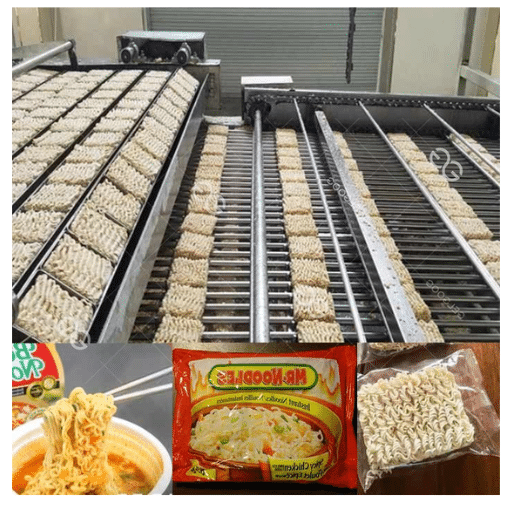
Instant noodle production encompasses several key steps designed for efficiency, quality, and scalability. The process balances speed with maintaining the characteristic texture and flavor that consumers expect.
From Raw Ingredients to Ready-to-Eat Instant Noodles
The transformation from raw materials to edible instant noodles is a precise multi-step process combining culinary arts with industrial engineering:
- Dough Preparation: Superior wheat flour is processed into dough using specialized mixing equipment
- Sheet Formation: Automated rollers knead and fold dough into uniform sheets
- Cutting: Precision cutting machines ensure consistent noodle size
- Processing: Noodles undergo frying (80% of market) or air drying
- Flavoring: Seasoning packets are prepared with powdered or paste formulations
- Packaging: Shelf-stable materials maintain freshness for 6+ months
Frying vs. Air Drying Comparison
| Aspect | Frying Method | Air Drying Method |
|---|---|---|
| Market Share | ~80% of instant noodles | Growing segment |
| Rehydration Time | Faster (2-3 minutes) | Slightly longer (3-5 minutes) |
| Calorie Content | Higher due to oil absorption | 15-20% fewer calories |
| Texture | Characteristic crunchy texture | Less oily, firmer texture |
| Health Appeal | Traditional preference | Health-conscious consumers |
Technological Innovations in Instant Noodle Production
The instant noodle industry has embraced various technologies to streamline production and meet environmental and consumer demands:
- Automated Production Lines: Reduce human error while maintaining quality control
- High-Speed Dehydrating Technology: Enhanced efficiency in cooking and drying
- Advanced Frying Systems: Optimize texture and flavor development
- Energy-Efficient Equipment: Minimize power and water usage
- Smart Quality Control: Real-time monitoring and adjustment systems
Packaging and Distribution of Instant Ramen
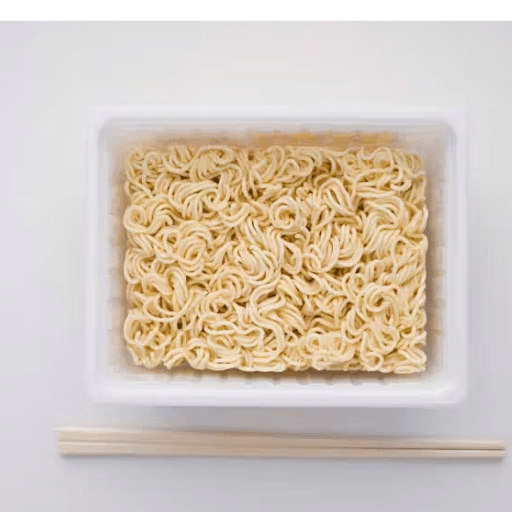
Modern packaging and distribution systems have evolved significantly to meet consumer needs while maintaining cost-effectiveness and environmental responsibility.
Packaging Innovations
Recent developments in instant noodle packaging include:
- Eco-Friendly Materials: Biodegradable and recyclable packaging options
- Smart Packaging: QR codes and blockchain integration for traceability
- Portion Control: Various sizes to meet different consumer needs
- Shelf Stability: Materials that maintain freshness for extended periods
Distribution Channels
The distribution landscape has adapted to changing consumer behaviors:
- Traditional Retail: Supermarkets and convenience stores
- E-commerce: Growing online sales channel
- Local Delivery: Quick delivery services for urban consumers
- Bulk Distribution: Institutional and wholesale markets
Future Trends in Instant Noodle Manufacturing
The future of instant noodle manufacturing is being shaped by technological advancement, health-conscious consumers, and environmental awareness.
Health and Wellness Trends
Consumer demand is driving significant changes in product formulation:
- Sodium Reduction: 30% increase in searches for “low-sodium noodle alternatives”
- Nutritional Enhancement: Fortified products with added vitamins and minerals
- Clean Labels: Simpler ingredient lists with recognizable components
- Alternative Ingredients: Whole grains, buckwheat, and rice flour options
- Vegan Options: Plant-based seasonings and ingredients
Sustainability Initiatives
Environmental consciousness is driving industry-wide changes:
- Renewable Energy: Solar and wind power in production facilities
- Carbon-Neutral Production: Offset programs and emission reduction
- Sustainable Sourcing: Responsibly sourced ingredients
- Waste Reduction: Circular economy principles in manufacturing
- Biodegradable Packaging: 25% increase in searches for eco-friendly cups
Technology Integration
Advanced technologies are reshaping production processes:
| Technology | Application | Benefits |
|---|---|---|
| AI and Machine Learning | Quality control and optimization | Consistent product quality, reduced waste |
| IoT Sensors | Real-time monitoring | Predictive maintenance, efficiency |
| Blockchain | Supply chain transparency | Traceability, consumer trust |
| Robotics | Automated packaging | Speed, precision, safety |
References
-
Food Unfolded – Instant Noodles: How Are They Made?: A detailed article explaining the step-by-step process of making instant noodles.
-
YouTube – How INSTANT NOODLES Are Made in Factories: A visual representation of the production process using cutting-edge machinery.
-
YouTube – How Instant Noodles are Made in Factories | HOW IT’S MADE: A documentary-style video exploring the manufacturing process of instant noodles.
Frequently Asked Questions (FAQ)
How are instant noodles made and when do they become ready?
The process involves mixing flour and water to prepare noodle dough, which is then rolled into sheets and cut into thin strands before steaming, deep-frying, or drying. The entire process focuses on making them simple and fast to cook, requiring only a few minutes after adding hot boiling water.
What are the main manufacturing processes of instant noodles?
Key processes include mixing flour with alkaline water to form dough, rolling out dough sheets, cutting into noodle strips, steaming, and either deep-frying or dehydrating. This process maintains long storage life while preserving flavors and textures.
When were instant noodles invented, and who is Momofuku Ando?
Instant noodles were invented in 1958 by Momofuku Ando, founder of Nissin Foods. His revolutionary noodle-making method created the first instant ramen called “Chikin Ramen,” which became the foundation for the global popularity of instant noodles.
What are the different types of instant noodles?
The main types include instant fried noodles (fried in oil before packaging for crispy texture) and instant non-fried noodles (using dehydration methods that maintain moisture content for faster cooking).
How does the gelatinization process affect instant noodles?
Gelatinization is crucial in instant noodle production as it modifies starches during cooking. This process allows noodles to absorb water properly when prepared, resulting in a soft but chewy texture that enhances the eating experience.
What importance does water content have in instant noodles?
Water content determines quality, texture, and cooking time. Low moisture aids preservation, while proper moisture levels help achieve desired noodle structure and ensure proper cooking when hot water is added.
How do instant noodles relate to food safety and standards?
Instant noodles must adhere to strict food safety standards set by regulatory authorities, ensuring safety of ingredients, cooking processes, and packaging materials while guaranteeing consumer protection and product quality.
What differentiates cup noodles from traditional instant noodles?
Cup noodles are convenient variations packaged in cups for easy preparation. They typically contain the same noodles with flavoring enclosed within the cup, designed for direct addition of hot water to the container.