Understanding Biscuit Basics
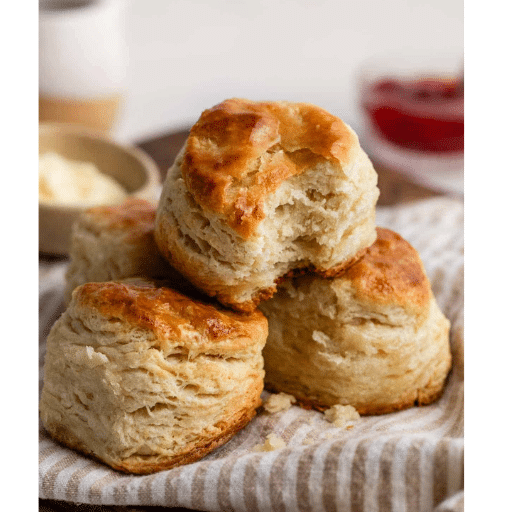
Biscuits are a quick bread, containing flour, fat, liquid, and a leavening agent, usually baking powder. For a soft, flaky texture, cold butter or shortening should be used, and the dough should be handled very little. Too much mixing and overworking will lead to dense, heavy biscuits, so the ingredients should be folded together only until just coming together.
What Makes a Biscuit Fluffy?
The key to fluffy biscuits is a combination of key ingredients, exact techniques, and proper baking conditions:
- Fresh leavening agents: Ensure proper rise and fluffiness
- Cold butter/shortening: Creates steam during baking, forming air pockets
- Minimal dough handling: Prevents gluten development that makes biscuits tough
- Sharp cutting technique: Clean cuts promote even rise
- Hot oven temperature: Rapid rise creates soft interior with golden crust
Essential Ingredients for Perfect Biscuits
To achieve soft biscuit recipe accuracy and success every time, exact measurements and choice of ingredients must be respected:
| Ingredient | Amount (Standard Recipe) | Purpose & Notes |
|---|---|---|
| All-Purpose Flour | 2 cups (240g) | Provides structure with balanced gluten content. Can substitute with self-rising flour. |
| Baking Powder | 1 tablespoon | Primary leavening agent for rise. Use 2 tsp + ¼ tsp baking soda with buttermilk. |
| Cold Unsalted Butter | ½ cup | Creates flaky layers and rich flavor. Keep cold for best results. Lard or vegetable shortening can substitute. |
| Buttermilk | ¾ cup (cold) | Provides moisture and tang. Acid reacts with leavening for tender texture. |
| Salt | ½ teaspoon | Enhances flavor and balances sweetness. |
| Sugar (Optional) | 1-2 tablespoons | Adds subtle sweetness for non-savory versions. |
Pro Tip: The Role of Buttermilk
Buttermilk is crucial for soft biscuits! The acid in buttermilk activates baking soda, making biscuits light and fluffy. It also adds a distinctive tangy flavor that makes biscuits irresistibly tasty.
Step-by-Step Biscuit Making Guide
Complete Recipe Instructions
Preheat and Prepare
Preheat oven to 425°F (220°C). This high temperature ensures proper rise and golden crust.
Mix Dry Ingredients
In a large bowl, whisk together 2 cups flour, 1 tablespoon baking powder, ¼ teaspoon baking soda, and ½ teaspoon salt. Sifting ensures even distribution.
Cut in Cold Butter
Add ½ cup cold butter (cubed) to dry ingredients. Use pastry cutter or fingers to work butter until mixture resembles coarse crumbs with pea-sized butter pieces.
Add Buttermilk
Pour ¾ cup cold buttermilk gradually while gently stirring. Mix just until dough comes together – avoid overmixing!
Shape the Dough
Turn dough onto lightly floured surface. Gently fold 2-3 times, then pat to 1-inch thickness. Don’t use a rolling pin.
Cut Biscuits
Use sharp round cutter, pressing straight down without twisting. This ensures clean edges for maximum rise.
Arrange and Bake
Place biscuits on parchment-lined baking sheet. For soft sides, place close together; for crispy sides, space apart. Bake 12-15 minutes until golden brown.
Finish with Butter
Brush tops with melted butter before AND after baking for golden, glossy finish and extra flavor.
Expert Baking Tips for Best Results

Temperature and Timing Guidelines
| Aspect | Specification | Why It Matters |
|---|---|---|
| Oven Temperature | 425°F (220°C) | High heat creates rapid steam expansion for maximum rise |
| Baking Time | 12-15 minutes | Golden brown tops with firm, lightly browned bottoms |
| Dough Thickness | 1 inch | Proper thickness prevents collapse and ensures good rise |
| Rest Time | 15 minutes (optional) | Allows gluten to relax and flour to hydrate fully |
Key Success Factors
- Keep ingredients cold: Cold butter and buttermilk are essential
- Measure accurately: Use kitchen scale for precision (1 cup flour = 120g)
- Avoid overmixing: Mix only until combined to prevent tough biscuits
- Use sharp cutter: Clean cuts promote even rising
- Don’t flatten dough: Maintain 1-inch thickness for proper rise
Common Mistakes to Avoid
Critical Errors That Ruin Biscuits
1. Using Warm Ingredients
Cold butter creates steam during baking for flaky layers. Warm butter leads to uneven, greasy textures.
2. Overworking the Dough
Excessive mixing activates gluten, making biscuits tough and dense. Over-mixed biscuits can lose up to 20% of their height!
3. Inaccurate Measuring
Too much flour dries out biscuits; too much liquid makes sticky dough. Use precise measurements for consistency.
4. Skipping Rest Time
A 15-minute rest helps relax gluten and hydrate flour, resulting in more tender biscuits.
5. Wrong Oven Temperature
Incorrect temperature is the most common mistake. Too low heat prevents proper rise – you can lose 15% of biscuit volume!
Creative Biscuit Variations
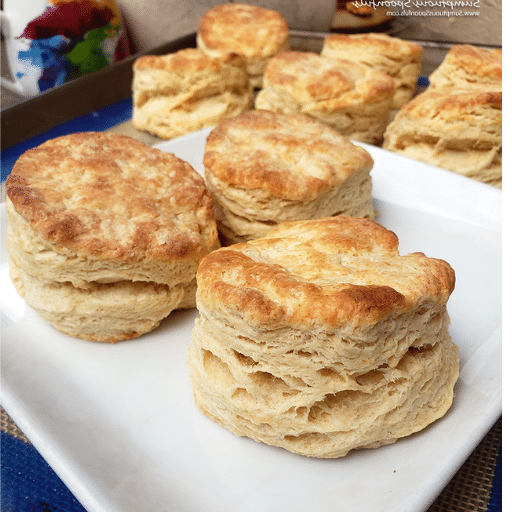
🧀 Cheddar & Herbs
Add grated cheddar and fresh chives or parsley. 40% of biscuit lovers prefer savory over sweet varieties!
🥛 Buttermilk Drop Biscuits
No rolling required! Extra buttermilk makes these rise 10-12% higher than regular milk biscuits.
🌾 Gluten-Free Option
Use almond flour and tapioca starch. 7% of US population seeks gluten-free alternatives.
🍠 Sweet Potato
Mashed sweet potato adds natural sweetness and 30% fewer calories than traditional versions.
🌱 Vegan Biscuits
Coconut oil and almond milk substitute. 15% increase in vegan baked goods demand over 5 years!
🫐 Blueberry Lemon
Fresh fruit and citrus zest create a light, tangy treat perfect for breakfast or dessert.
Trending Flavor Combinations
Based on recent Google search trends, popular innovative flavors include:
- Matcha Powder: Earthy green tea flavor, popular among dessert enthusiasts
- Jalapeño & Cheddar: Embracing the spicy-savory baking trend
- Caramel & Sea Salt: Sweet and salty combination for gourmet appeal
- Orange Zest & Dark Chocolate: Citrus-chocolate pairing for sophisticated taste
- Garlic-Herb: Comfort food with gourmet twist
How to Achieve Perfect Flaky Texture

The secret to flaky biscuits lies in proper technique:
Flaky Texture Checklist
- Keep butter ice-cold: Cut into pea-sized pieces for steam pockets
- Don’t overwork dough: Handle minimally to maintain tender texture
- Fold strategically: 2-3 folds create distinct layers
- Use high heat: 425°F generates steam quickly for light, airy structure
- Sharp cutting motion: Straight down cuts without sealing edges
Storage and Serving Suggestions
Storage Guidelines
- Fresh baked: Best served warm within 2 hours
- Room temperature: Store covered for up to 2 days
- Freeze unbaked: Freeze cut biscuits individually, then store in bags
- Reheating: Warm in a 350°F oven for 5-7 minutes
Perfect Pairings
- Classic: Butter, jam, or honey
- Savory: Biscuits and gravy for a hearty breakfast
- Elegant: Serve with soups and salads for complete meals
- Southern Style: Split and fill with fried chicken or country ham
References
-
Inspired Taste – Easy Fluffy Biscuits Recipe: A detailed recipe for making tall and fluffy homemade biscuits.
-
Sugar Spun Run – Easy Homemade Biscuits: A step-by-step guide with ingredients and techniques for soft and delicious biscuits.
-
Ranch Style Kitchen – Easy Homemade Biscuits: A simple recipe using only three ingredients for buttery and fluffy biscuits.
-
Mom on Timeout – Perfect Homemade Biscuits Every Time!: A quick and easy recipe for soft, fluffy biscuits made from scratch.
-
AllRecipes – Chef John’s Buttermilk Biscuits Recipe: A classic buttermilk biscuit recipe with precise measurements and instructions.
Frequently Asked Questions (FAQ)
How do you make homemade biscuits that are airy and fluffy?
For homemade biscuits to be airy and fluffy, always make sure you use cold ingredients such as salted butter and buttermilk. Cut the butter into your dry ingredients till the texture looks like coarse crumbs. This process helps give flaky layers. Avoid overworking your dough and use a cutter to cut your biscuits in order to maintain their height. For best results, bake them on a baking sheet until golden brown.
What is an easy homemade biscuit recipe?
An easy homemade biscuit recipe will have your basic ingredients: flour, baking powder, salt, butter, and either milk or buttermilk. Mix together your dry ingredients; then cut in your butter until crumbly. Gradually add in your milk until you get a soft dough. Roll out your dough, cut your biscuits, and bake them till golden and ready to serve.
How do I create the best buttermilk biscuits?
The best biscuits using buttermilk will need fresh buttermilk to get the perfect rise and flavor. It is mixed with dry ingredients to allow the biscuit to have a light texture. Besides, the acid in buttermilk helps to tenderize the biscuits, allowing them to melt in your mouth. Put your biscuits closely together on the baking sheet so they come out soft.
Can I freeze unbaked biscuits?
Yes. You can freeze unbaked biscuits. After preparing the dough and cutting the biscuits, place them on a baking sheet to freeze individually. Once frozen, transfer to a freezer-safe bag. This way, you can bake fresh biscuits whenever the mood strikes, ensuring that they truly are always fluffy and light.
What are some tips for making fluffy buttermilk biscuits?
Cold butter and buttermilk with a gentle hand in mixing make the best fluffy buttermilk biscuits. Make sure your baking powder is fresh, so that it will provide the lift that will create fluffy layers. Do not over-knead the dough; just enough to bring it together. Use a biscuit cutter so the biscuits have clean edges, then bake them till golden brown on top for perfect texture.
How many biscuits do my easy baking recipe yield?
This easy biscuit recipe yields about 12 biscuits, depending on the size of your cutter. Vary the thickness of your dough to adjust the number you will make. If you intend to make larger biscuits, then you will have fewer; on the other hand, smaller ones will give you many.
What are some things I can eat with fluffy biscuits?
Fluffy biscuits are great on their own, but could be given with a lot of toppings. Melting butter over them is perfect, along with serving them with jam or honey. Another option is biscuits and gravy for a wonderful breakfast, while soups and salads can make a delightful meal for these biscuits.
How do I actually cut biscuits?
Roll your dough to about 1 inch in thickness, depending on what thickness you want to cut the biscuits. Cut the biscuits with the cutter, ensuring not to twist it, as that can seal the edges and make it rise less. Rather, gently press the cutter down, lift it straight up, and place the biscuits side by side on your baking sheet.