When it comes to snack time, few debates can truly claim the agelessness of corn chips versus potato chips. To the average person, is an interface between two very different experiences in the production process, ingredients used, and health profile considerations. Whether you munch from time to time or are an avid foodie going deep into what is in your favorite chips, this article will take you behind the curtains regarding the specialized journey of chips, right from raw product to your bowl. So, fasten your seat belts; let us venture into the means of making corn chips and potato chips that greatly define their particular wear and tear from each other and what that means in handling-the flavor, texture, and experience.
Introduction to Chip Production
Raw ingredients must first be selected and prepared. When it comes to potato chips, the fresh potatoes are washed, peeled, and sliced thin. Corn chips begin with whole corn kernels that are cooked, steeped, and ground into masa dough. After frying, whether it be potato slices or masa shapes, they emerge crisp from the oil. In the end, they are seasoned with spices or flavorings, packed, and shipped out for consumption. Throughout the process, every detail is given to ensure uniformity in taste, quality, and texture.
Overview of Snack Food Industry
The snack food industry represents one of the fastest-growing sectors, reflecting a wide range of changing lifestyles and evolving consumer preferences. The increasing number of consumers casually opting for premium, on-the-go options allows innovations to strive in meeting customers’ wants both in taste and in health-conscious matters. The major market players provide, among others, snacks such as chips, crackers, nuts, and baked goods that address different taste profiles. Providers are still evolving in response to industry trends in labeling, including the use of plant-based ingredients, low-calorie snacks, and eco-friendly packaging. Additionally, technology innovations keep popping up with increased productions and efficient distribution channels, thereby allowing rigorous systems to ensure quality in far and wide product renditions.
Importance of Corn and Potato Chips
Corn and potato chips are increasingly gaining a foothold in the global snack market, driven by their popularity and versatility. According to recent data, search results featuring snack-centric keywords such as “best potato chips” and “healthy corn chip alternatives” indicate active consumer interest in these products. Corn chips are ground corn products appreciated for their crunch and suitability as a snack or culinary ingredient, such as for nachos. Potato chips are evergreen favorites that are constantly kept fresh in the market with a plethora of flavor innovations. These two snacks cater to a diverse population base by offering options that include low-sodium, baked, and flavored varieties, appealing to a range of dietary and cultural preferences. Their ever-standing appeal depicts their standing amongst the top choose-for snacks in households across the globe.
Comparative Analysis of Manufacturing Processes
The manufacturing processes of corn and potato chips involve steps such as cleaning, slicing, frying, flavoring, and packaging, but differ in raw material preparation and processing methods.
Corn Chip Production Process
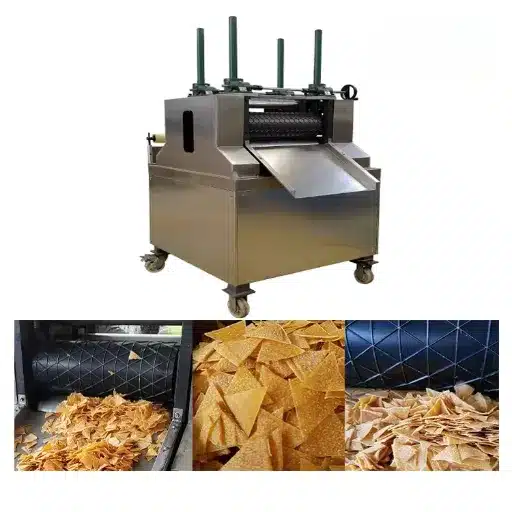
The process of making corn chips begins with the selection of high-quality corn as the raw material. The corn is ground into masa or dough, which is then rolled and shaped, usually into triangular pieces. These pieces can either be baked or fried depending on the desired attributes of the product. During the flavoring after cooking, lime or salt is added. The finished product is then packaged and sealed inside bags for the reasons of maintaining its freshness for a longer shelf life.
Raw Materials: Corn and Masa
The corn, which is the main ingredient in corn chips, must be carefully chosen for its quality and consistency. Typically, corn is processed through a method known as nixtamalization, where the kernels are soaked and cooked in an alkaline solution, yielding nixtamal, which has a superior taste and enhanced nutritional value. The nixtamal is then ground into a mass known as masa, or soft dough, which serves as a base for the production of corn chips. Both corn and masa must be of high quality to achieve a specific texture, flavor, and structural integrity in the finished product.
Processing Line Overview
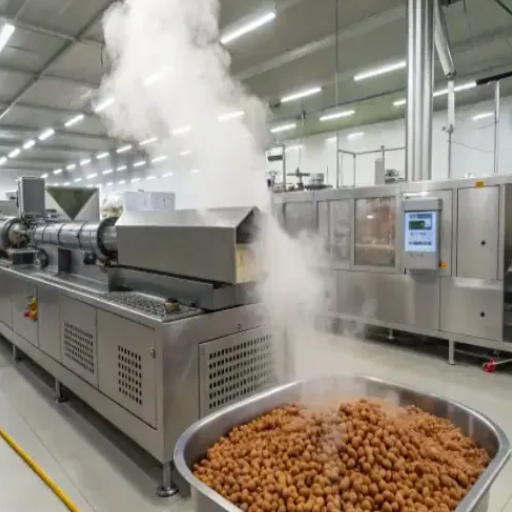
Since a large variety of corn chips exist, the processing of corn chips also embraces many crucial methods to produce the product, complete in flavor, texture, and uniformity. Initially, the nixtamalized corn is ground into dough. The dough, from then on, is sheeted and cut into thin triangular or round pieces, based upon the choice of chip design. These raw chip pieces are baked to reduce moisture and achieve structural stability, making them worthy of frying. In frying, the immersion of chips occurs in hot oil usually at hot temperatures of about 350°F to 375°F for a definite period for imparting the standard crispness and golden color. After frying, glazing chips are dusted with seasoning materials such as salt, spices, or cheese powders, depending on particular flavoring requirements.
This is followed by cooling and conveying the chips into packaging stations for sealing into airtight bags that ensure freshness and shelf life. Also to ensure evenness and adherence to food safety regulations are advanced quality-control tests, including weighing machines, automatic visual inspection systems, and moisture level checks incorporated throughout the line.
Extrusion and Shaping Techniques
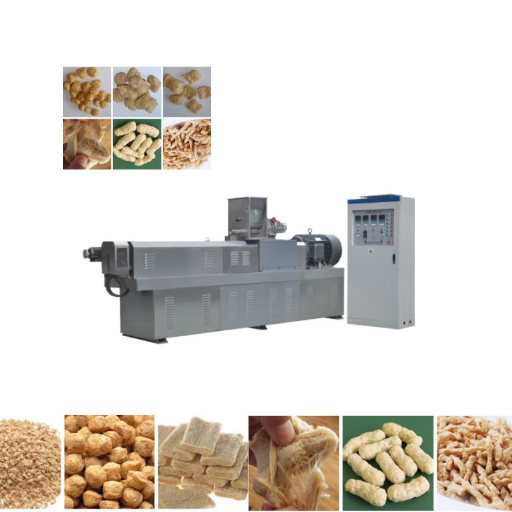
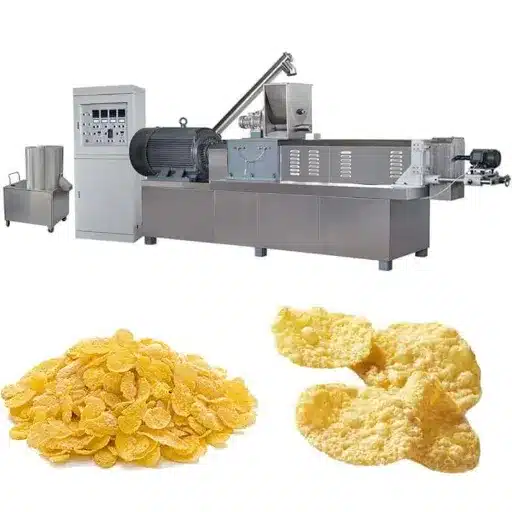
Extrusion followed by shaping is a highly essential production step for ensuring the correct texture, shape, and consistency for corn chips. Corn masa, a dough of grinded and nixtamalized corn, is fed into a high-pressure extruder. The primary function of an extruder is to shape and cook dough simultaneously, under controlled conditions of temperature and pressure. Essentially, it conditions the masa by having just the right moisture and elasticity for the succeeding shaping step.
After extrusion, the masa dough is cut and flattened to uniform shapes, with the dough being rolled or cut by dies, depending upon the specification of the chip to be produced. There are two common shapes for traditional corn chips: triangles or rectangles, typical sizes that will allow for dipping and snacking. The cutting and shaping of the dough have to be precise for the chips to later be fried or baked evenly. There has been advancement in extrusion technology that, with twin-screw extruders, have enabled the manufacturers to produce chips with varying textures and innovative shapes efficiently while maintaining product consistency and high production rates.
Potato Chip Production Process
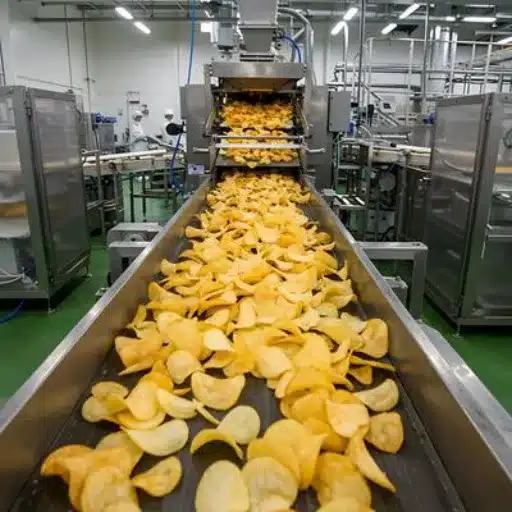
The production of potato chips begins with the selection of high-quality potatoes and washing them to remove dirt and impurities. Next, the potatoes are peeled and sliced uniformly so that they all have the same cooking time. The slices are then rinsed to remove any excess starch and prepared for cooking, either through frying with hot oil or baking through alternative means. Once the chips are cooked, they are seasoned with different flavors and allowed to cool, after which they are ready to be packed for distribution. Modern machinery is used to provide precision and accuracy throughout the entire process.
Raw Materials: Potatoes and Seasoning
The fundamental raw material required for chip production is high-quality potatoes, which are carefully selected based on size, texture, and starch content to ensure optimal taste and texture. The seasoning can include an array of spices, herbs, and aroma generators, ranging from the most simple salt to less simple barbecue, sour cream and onion, or cheese flavors. These are selected and mixed according to established quality standards and customer requirements.
Cutting and Frying Techniques
Potato chips must be cut and fried with utmost precision to maintain uniformity and quality. Potatoes are washed, peeled, and then thinly sliced into uniform slices by specialized machines that control the thickness of the chips. Uniform slices are essential for an even cooking process and achieving crispness. Afterward, the slices are rinsed to remove starch, a step essential to prevent sticking and aid in crisping of the chips.
Frying involves immersing the potato slices in hot oil, typically maintained at temperatures between 325°F and 375°F. This hot frying removes moisture from the slices, leaving them crunchy, while the kind of oil, such as sunflower or canola, greatly influences the taste and nutritional value of the chips. Shortly after draining them of excess oil, the chips are seasoned while still warm to achieve perfect adherence of the seasoning. These very fine steps are what allow a balance between precision and quality control in creating chips of perfect crispiness and flavor.
Packaging and Quality Control
The first packaging step makes sure that potato chips maintain their freshness, flavor, and texture. After the chips are seasoned and cooled to the right temperature, they are weighed into specific weights and then placed inside bags. Modern packaging plants utilize mechanized sealing equipment to seal each packet under airtight conditions, thereby preserving crispness and preventing moisture absorption by blocking the entry of oxygen and humidity. N2 (nitrogen) gas is most often used to replace oxygen in bags, thereby acting as a preservative agent to increase shelf life.
Quality is the primary concern at every stage of production. Sensors and cameras are mounted on automated machines that check whether chips are uniform in size, color, and distribution of seasoning. Chips that fail to meet very stringent criteria are culled so that only the finest products adorn the shelves and get to the consumer. Packaging is also tested on a regular basis to certify if it can withstand transportation without damaging the product inside. The precision of technology combined with stringent quality control ensures excellent snacking experience across the globe.
Comparing Equipment for Corn and Potato Chips
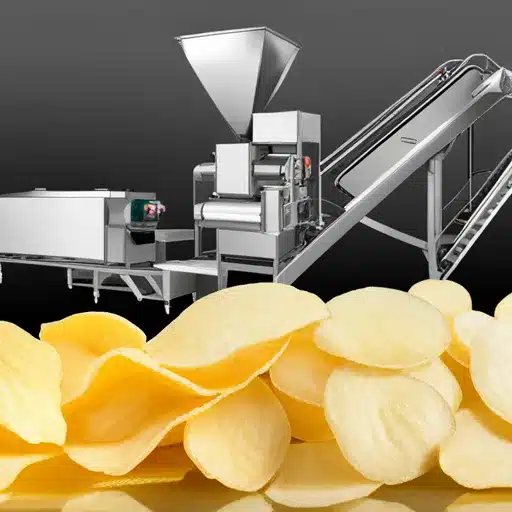
Corn chips and potato chips require slicers, fryers, seasoning equipment, mixers, conveyors, and packaging machines.
Machinery Used in Corn Chip Production
Production of corn chips calls for machinery designed to ensure each process was carried out with greater efficiency, consistency, and output quality. Among them are:
- Corn grinders are used to grind corn kernels into a fine dough, which is later required for chip formation. The machinery is made to give the dough proper consistency and texture.
- Tortilla Presses: These are for shaping the rough corn dough into thin sheets or a specific chip shape before frying.
- Continuous Fryers: These deep fryers enable uniform cooking at a precise temperature, preserving texture and flavor.
- Seasoning Machines: This process ensures even application of flavor and seasoning on the chips after frying, resulting in consistent flavor from batch to batch.
- Packaging Machines: Heat sealed into bags that preserve the freshness of the chips, extend their shelf life, and prepare the chips for carrying.
This integration of machinery recognizes that automation is crucial in maintaining the quality standards of corn chips and meeting global demand.
Machinery Used in Potato Chip Production
Potato chip manufacture involves a large quantity of modern equipment, from which it derives efficiency, uniformity, and quality of final output. They are some of the fees and the most prominent equipment used in this processing operation:
- Potato Washing and Peeling Machines: These machines clean and peel potato tubers quickly and uniformly, thereby preparing them for subsequent processing. Another advantage of such machines is reduced wastage.
- Slicing Machines: Potatoes are sliced into thin slices using precise slicing tools. Chips sliced at uniform thickness ensure even frying and texture.
- Frying Systems: Industrial fryers cook the potato slices at controlled temperature so that they are crisp and colored just right, and with the quality oil maintained.
- Flavoring Systems: These machines evenly distribute seasonings onto the chips, ensuring every batch has the perfect balance of taste.
- Packaging and Weighing Machines: Automated packing equipment seal bags of chips to maintain freshness and protect products during transport and storage, sometimes equipped with weighing systems for accurate portioning.
Through the application of these machines, manufacturers are capable of fulfilling the massive demands of production while upholding high-level quality and safety standards for their products. Automation helps maintain the consistency of products. It also reduces the need for manual labor.
Key Differences in Equipment Design
Production equipment for corn and potato chips differ basically because of the inherent characteristics of each raw material and the processes required to convert these into their final forms. Production of corn chips usually centers about equipment used for masa preparation: soaking, cooking, and grinding the corn to prepare a dough that is later shaped into chips. Such machines include those that extrude or sheet dough and are specifically designed for handling the soft masa dough. The other stages of corn chip production include oven baking or frying after forming, and so the equipment chosen must be suited for even baking/frying.
For potato chip manufacture, washing, peeling, and slicing the raw potato are initial requirements. This, in turn, means to have a peeler, a slicer able to provide very thin and accurate cuts, and a washing system to eliminate the starch excess. The frying systems for potato chips should ensure even crisping without damaging fragile potatoes. The seasoning equipment for the two products varies slightly, for corn chips may have to be mixed with more vigorous action to evenly coat the thicker chips with seasoning blends, while potato chips require softer mixing action.
Such equipment differences thus relate to corn and potato as being different physical entities, as well as to the different processing steps needed to realize quality and uniform result for either chip.
Best Practices for Equipment Maintenance
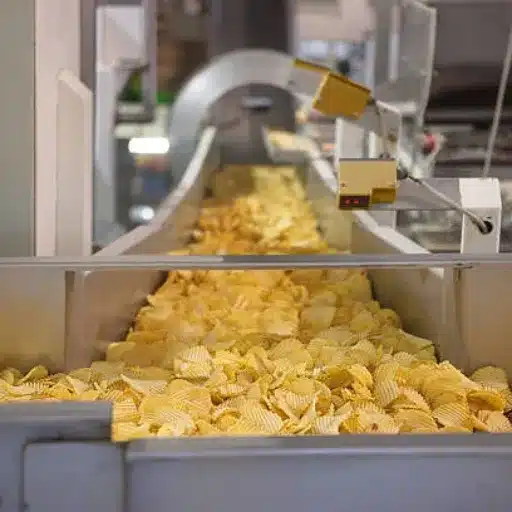
Maintenance should be conducted to ensure that the equipment operates efficiently and lasts for an extended period. Regular cleaning must be undertaken to prevent residue from accumulating, followed by timely inspections to note any wear or damage, and with periodic calibration to maintain accuracy. They should adhere to the manufacturer’s guidelines, replace worn parts as needed, and maintain thorough maintenance logs for regular reviews. Furthermore, proper training of the personnel in handling and maintenance will reduce equipment downtime and maintain product quality.
Importance of Regular Maintenance
Regular maintenance is necessary for ensuring efficiency, safety, and reliability of machinery. The implication is that when such maintenance does not take place, breakdown will occur unexpectedly, initiating the need to repair expenses and loss of time with machinery. Proper maintenance sets a repair or slight adjustment of items without delays. This maintenance minimizes standby time which would otherwise be lost on the operational background of good performance. Such maintenance is also done on standards of safety, keeping operators and products safe.
Cleaning Procedures for Food Safety
A proper cleaning procedure is the most effective way to maintain a high standard of food safety. Several steps constitute cleaning, aimed at ensuring that food preparation surfaces, equipment, and environment are free from contaminants. Initially, one needs to clean any debris and visible residues from the surfaces using suitable cleaning implements. After this, a food-safe detergent should be applied to clean the surfaces, ensuring that fats, oils, and food particles are dissolved. Then, they must be rinsed with clean water to wash away all detergent residues and finally treated with disinfectants to protect against harmful bacteria and pathogens. The final step is to let everything air dry. Additionally, training all personnel on cleaning and sanitizing practices ensures a safer workplace and facilitates health code compliance.
Longevity of Machinery in Production Lines
The lifespan of machinery in production lines depends on regular upkeep, proper operation, and timely replacement of worn-out parts. Regular maintenance, combined with lubrication, cleaning, and inspection, prevents wear and tear and addresses minor issues before they escalate into major problems. Training operators in the correct handling of the equipment minimizes misuse and strain on the machinery. From another perspective, the use of high-quality materials, combined with adherence to manufacturer recommendations, enables the equipment to run efficiently for extended periods.
Frequently Asked Questions (FAQs)
What role does a corn tortilla play in chips processing equipment?
Corn tortillas are the primary ingredient in many snack foods, including various corn chips. The corn tortilla is fried or baked, converting into different shapes and sizes, thereby providing variety to fried snack foods. The quality of corn tortilla largely influences taste and texture of the final product.
How does stainless steel improve corn chip machinery?
Stainless steel machinery is preferred for corn chip processing because it offers durability and can resist corrosion, making the operational period of the machinery reliable and efficient. The stainless steel surface facilitates easy cleaning and maintenance, a demand in snack food production for food safety.
What are some advantages of the efficient processing equipment for corn chips?
An efficient processing equipment ensures high productivity through smooth material flow throughout production. Such equipment has high output rates, often expressed in lbs per hour, and less material going into waste. Equipped with advanced technology such as motorized movements and clean-in-place systems, manufacturers are further guaranteed of consistent quality at lower operational costs.
How does a fryer operate in corn chip production?
It is a frying operation in which corn chips are dipped in heated cooking oil at a specific temperature. Such a cooking method preserves the crispiness of the chips while imparting flavor to their incomparable taste. Modern industrial fryers are sometimes equipped with automated oil filtration and temperature control for increased market efficiency.
What role does the extrusion machine have in corn chip production?
Working with a corn chip making process, the extruder transforms masa into dough that can be cut into chips. The extrusion process enables the incorporation of various ingredients and seasonings, making the product highly versatile in design. This machinery thus significantly contributes to the continuous flow of production, ensuring a consistent texture and flavor.
How can I ensure that the corn chip processing equipment is installed reliably?
The reliable installation of corn chip processing equipment during installation is crucial for the equipment to operate optimally. It is recommended to hire experienced technicians who fully understand the equipment. Technicians must perform the alignment of all components, calibration, and testing during installation to ensure that the equipment operates efficiently in accordance with the production target.
Reference Sources
- A Guide to Processing Corn Products from Raw Corn to Masa to Formed Products
This guide provides detailed steps involved in processing corn products, including masa and formed products like corn chips. - The Production of Corn Chips – Zirve Extrusion
This article outlines the stages and components involved in corn chip production, including hydration and mixing processes. - High-quality Potato Chips/French Fries Production Line
This source explains the production process of potato chips, from cleaning and peeling to slicing and flavoring. - Tortilla Chips vs. Potato Chips — In-Depth Nutrition Comparison
This comparison highlights the nutritional differences between tortilla chips (similar to corn chips) and potato chips.