The objective of installing an effective vegetable washing and packaging line should be at the center of attention for each participant in the food value chain—farmers, processors, and distributors — who have the goodwill of their consumers at heart. There are several elements to consider, such as standards for food safety and the organization of work, to efficiently and safely speed up the cleaning and handling of vegetables in an attractive manner. There may therefore be a need to prepare you for what to expect when establishing an advanced system for cleaning and packing vegetables, which will be discussed in the following sections. Whether you are undertaking a new habitation or improving an existing one, we will provide you with the necessary work-related and management strategies to ensure the success of your vegetable processing line.
Introduction to Vegetable Processing Lines
Vegetable processing lines are complex mechanisms that can effectively clean, classify, and pack vegetables for consumption or onward distribution. Washing, peeling, cutting, packaging, and other laborious tasks take a toll on operations, productivity, and consistency. To ease the burdens of such processes, operation lines are created. In such operation lines, one can discuss labor costs, infection prevention, protection of goods, extension of their durability, and consumer satisfaction with the least amount of waste.
What is a Vegetable Processing Line?
Vegetable processing lines are complex, high-tech systems of equipment and processes designed to carry out various stages of vegetable processing, from washing and finishing to packaging. These processes involve various new technologies, such as optic sorting, automatic peeling, and effective cutting devices, to make work easier, hygienic, and productive. Based on planned searches, it has recently been observed that more consumers and producers are concerned with hygiene and environmentally friendly practices, which are increasingly common in today’s vegetable processing lines. Such uninterrupted processing of vegetables is made possible by the use of nice loading devices and a well-elaborated system for quality control; any deviation from this should be explained as a wastage minimization factor. Such units are sold all over the world to cater to cravings for green, pre-cut, ready-to-eat vegetables.
Importance of Efficient Vegetable and Fruit Processing
For purposes of food safety, shelf life extension, nutritional value, and quality assurance to consumers, efficient vegetable and fruit processing is inevitable. To this end, processes have to be improved to cut down on waste, increase sustainability and maximize available resources. These systems enhance process efficiency and, as such, play a significant role in making food processing cost-effective while adhering to stringent food safety standards.
Overview of the Vegetable Washing and Packaging Process
The process of washing and packaging vegetables guarantees that the fresh produce supplied to the customers is clean, safe, and ready for the market. The vegetable processing line starts with gathering raw vegetables, followed by sorting out inappropriate and damaged items. Once sorting has been completed, a primary rinsing of the vegetables follows to remove superficial dirt and substances. In most cases, however, such advanced washing systems employ methods like high-pressure sprays, immersion and bubble washing to ensure that the cleaning is complete.
Fresh fruits and vegetables need to be thoroughly washed and dried with air blowers or other drying equipment so that there is less moisture in them as excess moisture would encourage spoilage. After that, the vegetables are dried and graded by size, quality, or type to ensure uniform packaging. The next stage involves packaging the vegetables, which helps protect them and prolongs their freshness for sale. To reduce wastage and maintain freshness, vacuum packaging or modified atmosphere packaging is also used. Each step in the process adheres to proper hygiene practices to promote food safety and standard quality.
Key Components of a Vegetable Processing Line
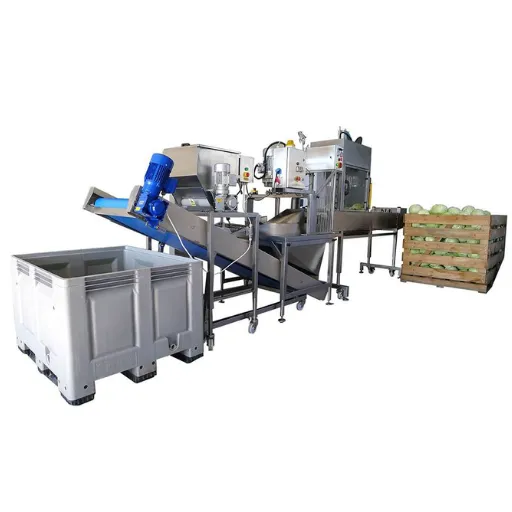
- Washing and Rinsing Apparatus – It is used to clean the raw material of dirt, debris and any other material that is not required.
- Vegetable Washing & Sorting Machines – They ensure that the vegetables are of the same size, weight, quality, and type required.
- Vegetable Preparation Machinery – Buying or leasing of these kinds of machines, particularly used for cutting, slicing, dicing, and peeling vegetables.
- Blanching Tunnels – Helps in preventing oxidation and retaining the flavours and prevents the actions of the available contaminations.
- Packaging System – May include vacuum or modified atmosphere packaging and other packing methods to protect and extend the storage life of the product without causing any damage.
- Conveyors and Inspection Machine – Facilitates the transfer of the produce and can be used to perform checks at various locations within the plant.
- The Process Hygiene Equipment – This ensures that the food processing facilities are always kept clean to satisfy the public safety expectations.
Essential Machinery for Vegetable Washing
- Washing Tanks – The vegetables are soaked, and the agitator action helps remove the dirt and sediments.
- Spray Washers – Constructed with stable high velocity jets for surface dirt removal.
- Brush Washers – Soft brushes that clean vegetables and fruit by rolling over them without damaging them.
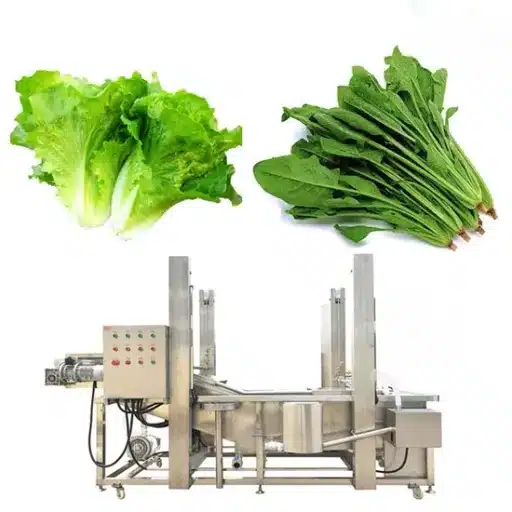
- Bubble Washers – This uses the motion of air bubbles through water to wash fragile vegetables such as lettuce.
- Drainage Systems – Removes excess moisture from water used in the process of cleaning.
All of these machines are essential for thoroughly washing vegetables before any vegetable processing line starts.
Conveyor Belts and Their Role in Processing
Conveyor belts are significant components of a modern vegetable processing line, making flow of vegetables from cleaning to sorting and packaging simple. The belts are built to carry large amounts at high speeds. Conveyor belts automate transportation, reducing the need for human efforts and thus lowering risks associated with handling such tasks. Furthermore, the new conveyor systems have speed control, diverters and possibilities of working with other equipment for different crops with great accuracy and flexibility. Without them it is impossible to maintain a structured line of production without compromising on quality or health measures.
Weighing and Packaging Equipment
Precision weighing and filling systems are essential for food equipment. They enable accurate weighing of repeat batches and filling such packages with the products so that there is no overfill, no spillage, etc. These days, there are automatic weighing scales, fast-filling machines, and software-based systems for monitoring and quality control of filling machines. When such processes are automated, time is not wasted, mistakes are eliminated, and essential specifications are met, resulting in enhanced operations and service to customers.
Setting Up Your Vegetable Washing Line
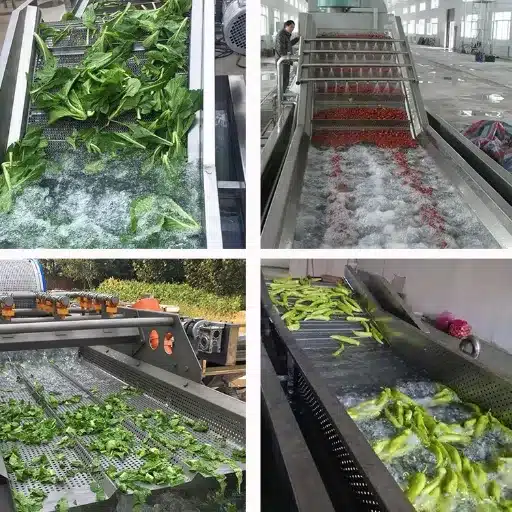
To start the installation of the vegetable washing line, you need to evaluate your business’s requirements concerning the amount and types of vegetables to be processed. It is essential to select suitable equipment which includes washers, conveyers, and drying machines that fit the stated needs. Arrange for necessary water and electrical connections, check the paths of washers and dryers to enhance productivity. Place safety requirements and teach the workers how to run the equipment and service the machines at least regularly so that they can run for longer with hygiene.
Choosing the Right Equipment for Leafy Vegetables
While hunting for the most suitable mechanised greens washing machine, certain aspects turn out to be very important. First of all, you need to consider the delicate nature and texture of the leafy greens so as not to punch them as you clean. Use preferred cleaning systems that are gentle, such as bubble mix machines instead of drum mix machines, which make washing easy without any bruises or cuts to the leaves. Second, factor in the functional capabilities used. In large production scales, consider high-capacity multi-system tools, as they will help increase productivity, unlike lower-scaled ones, which are suitable for small machines but offer modifiable options. Moreover, these machines need to be high water in addition to being designed with water suck and cleaning systems to facilitate water saving and minimize wastage. Choose materials such that parts in contact with food are hygienic and safe, reducing any chances of infections. Vegetable processing line: last but not least, ensure the equipment fits into your business operations, is easy to use, and is available for cleaning and maintenance—all for the benefit of the equipment’s functionality in the long run.
Optimal Layout for Efficiency
To improve the efficiency of your vegetable processing line, it is crucial to set up the equipment in a straight forward order that allows work to flow seamlessly. Begin with an area for sorting, as it enables the produce to be checked and usually grouped. Next, move to the washing containers, which have adjustable pressure controls for the various types of vegetables. Immediately after washing, containers, including drying systems like centrifugal and/or air dryers, eliminate the need to transport the vegetables. Provide enough distance between the sections to avoid idling and ensure access for the operators if needed. Lastly, place closer to the end of the line; the packing and storage to reduce the distances and keep the produced cool.
Disinfection Practices for Food Safety
Sanitizers play a vital role in food production and hence, microbial cleaning is essential in combating fresh produce. Note that substantial concentrations of bleach or hypochlorite are not vegetable sanitizers. It is critical to understand and adhere to the recommended concentrations and durations for the solutions to prevent residues on the vegetables. Shield the entire vegetable processing line from contamination by sanitizing all associated surfaces, equipment, and even tools. Proper hand washing and clean gloves should be worn at all times by the people who are directly in touch with the produce. Such measures will presume control practices are in place and disinfection processes are carried out at established intervals.
Technological Innovations in Vegetable Processing
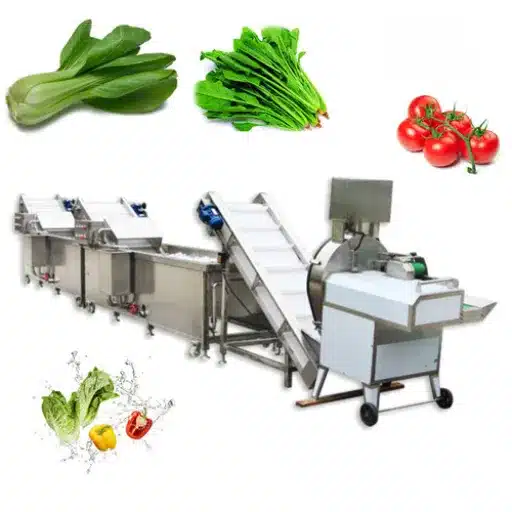
Recent inventions in the field of vegetable processing lines have improved most aspects, such as processing speed, safety, and product quality. As such, the use of machines and robots to perform duties as sorting of vegetables, peeling and packaging is fast gaining ground with less involvement of human labor and with precision. HPP (high pressure processing) and plasma technology, for instance, add value to the food’s nutritive safety without any bacteria present in the food. More so, sensor technology and machine learning-supported monitoring devices reach their production system targets in real time and help minimize wastage. All these technological changes are beneficial towards better reliance and ultimate control over the vegetable processing and consumers market.
AI-Driven Sorting Technologies
Using AI based technologies in the vegetable processing line is very novel to the industry as several tasks take less time, with greater precision and accuracy in sorting and grading raw materials. For these purposes, the systems employ sophisticated image processing techniques and machine learning solutions which enable classification of vegetables based on their features – sizes, shapes, colors, and conditions. Since all of this is done automatically, it allows machine operation, which increases speed and reduces the avoidable loss of quality caused by human error. Moreover, these systems are low-waste technologies, because they make it possible to us the vegetable in spite of the defects. Suppose such efficient and productive AI-based technology is implemented in the sorting process. In that case, it’s not just able to improve performance, but also satisfy individual preferences for precision and environmental caution.
Automation in Washing and Packing
The incorporation of automation in processes of washing and packing in the food and agriculture sectors, has brought disruption in how things are done resulting in increased efficiency and promotion of higher levels of organization and hygiene. An automated washing facility of this kind uses efficient jets of water, revolving brushes, and chemical rinses to clean vegetables. Consequently, the gadgets are installed with technology focused on water recycling. In the same vein, an automatic packaging system, consisting of mechanical arms operating on tracks and incorporating sensors, coordinates the packing of bags. Such developments support the reduction of manual interventions, the escalation of production activities, and uniformity in packing, which also facilitates the prevention of contamination. By eliminating the need for manual processes, firms can achieve the goals of large-scale operations while complying with the health food regulations that have been put in place.
Energy Efficiency and Sustainability Practices
Energy-saving and sustainable development technologies in modern industry and manufacturing are now considered a matter of course. Many businesses are turning towards buying equipment with favorable ratios or endowed with sustainable energies to cut on emissions and electricity bills. With energy recovery systems, programmable controls, and other technology at hand, companies are enabled to control the whole production process with precision and ensure that no energy goes to waste as production and the workforce are planned well in advance. However, sustainable practices like zero waste, water re-use and biodegradable packing are aimed at safeguarding the environment. Therefore, these methods meet high international eco-standards, improve image, build customer confidence, and ensure growth.
Maximizing Output and Quality in Vegetable Processing
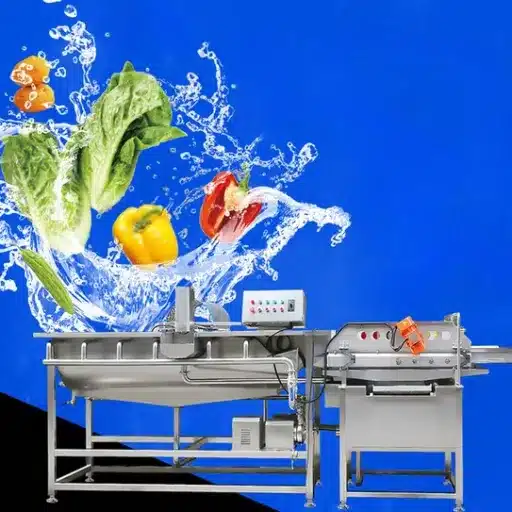
To maintain productivity and quality levels in any vegetable processing line, it is essential to use high-tech equipment that incorporates automated sorting and grading systems. Moreover, it is necessary to adhere to strict hygiene metrics and efficient blanching, freezing and packing methods to maintain freshness and nutrition. Maintenance of equipment being used more often than not and giving sale instruction to workers increases production and lowers wastages.
Tips for Optimizing Production Efficiency
- Invest in Cutting-Edge Technologies: It is imperative to utilize advanced equipment to enhance processing efficiency, precision, and productivity while minimizing equipment idling.
- Introduce Lean Manufacturing Techniques: Focus on eradicating any excessive production procedures and minimizing costs by maximizing resources and smoothening processes.
- Study and Evaluate Performance: Establish an effective performance management system to redesign and improve the production process, where necessary, to avoid bottlenecks efficiently.
- Enhance Employee Skills: Conduct skill retention programs for both old and newly employed staff to ensure they are competent in operating the equipment and performing tasks using proper methods.
- Follow Maintenance Plans Accurately: Keep an eye on the condition of equipment, inspecting it regularly, so as to avoid any surprises in the form of equipment shutting down suddenly, especially during vegetable processing line.
Improving Product Quality through Proper Handling
Quality management after harvesting of fresh produce is quite crucial in any vegetable processing line. For this reason, consider placing the produce in equipment that operates slowly and does not cause excessive mechanical strain, thus preventing injuries. Wash vegetables in clean water to ensure there is no admittance of dirt and contaminants as well as spoilage control by maintaining the right temperature. Ensure handling procedures are spelled out to avoid bruising or microbial contamination, such as in sorting, refrigeration, and storage functions. It is equally important to ensure that employees are trained in handling practices and that fresh, quality vegetables reach consumers.
Strategies for Reducing Waste in Processing
In an attempt to avoid or at least reduce the waste generated in a vegetable processing line in particular, all the actions that I take rest with organization and effortlessness as far as resource consumption is concerned. Of course, this means making accurate and precise forecasts so that demand matches production without causing waste or surplus. I devise strategies to utilize trimmings and leftovers, including how to make sure that they are thrown somewhere they can be helpful such as compost or let animals lick them to keep my hands free from such a waste. Every effort is made to maintain quality and standards while handling and storing the materials to avoid premature decay. Where there is room for growth, those processes are continually improved. I therefore encourage sustainable and creative practices for increased productivity and increased food security.
Reference Sources
- Cornell Cooperative Extension: The “Ideal” Wash & Pack Facility Layout – A detailed guide on setting up an efficient wash and pack facility.
- Cornell Cooperative Extension: Food Safety for Wash/Pack Facilities, Part 2 – Focuses on food safety considerations in wash/pack lines.
- Penn State Extension: Reducing Food Safety Risks in the Packhouse – Offers guidelines for maintaining food safety in packing facilities.
- University of Maryland Extension: Cleaning and Sanitation of Equipment and Packing Lines – Discusses cleaning and sanitation practices for packing lines.
- Georgia Department of Public Health: Facilities to Protect Food – Provides recommendations for facility design to ensure food safety.
Frequently Asked Questions (FAQs)
How do you define a vegetable processing line?
A vegetable processing line could be a sequence of operations, which constitute various equipment for pre-treatment, cleaning, slicing and packing of vegetables. It guarantees the delicate processing and excellent quality of the products, allowing the batching of vegetables like carrots, lettuce, and cabbage to be processed without losing their freshness and nourishment.
Could you state the different types of vegetable processing machines available?
There is a wide array of vegetable processing systems, including washers, dicers, conveyors, quadrangular frames/drying systems, packers, etc. Each equipment can be assembled to form a comprehensive washing or manufacturing line from one delivery source for optimal operation.
In what way is washing and drying in a vegetable processing line carried out?
Vegetables processing lines customarily contain significant amounts of washing and drying steps. This is because raw vegetables are generally washed to remove dirt, fertilizer residues, and chemicals attached to the produce. Once again this practice may stop specific methods of dehydration in markets where the availability of these tower headers will allow the direct sale of the product without any moisture ingress in the packaging.
Is there any packaging machine useful in such vegetable processing operations?
As most of the other headings in this note variation suggest, there is a packaging machine in a vegetable processing line that essentially ensures the consolidation of the end-product, ready for shipping. This particular step is necessary as it helps to protect vegetables in a manner that spinach, peas, and the likes, do not spoil during transportation.
What vegetables can this processing line process?
A vegetable processing line is versatile and can work with different types of leafy vegetables, carrots, cabbages, and others. This line entails processing different vegetables, which can be achieved by incorporating the appropriate machines for each specific function in the line.
How does destoning work in vegetable processing?
Vegetable processing requires the removal of stones and/or any other foreign particles that are present after harvesting certain products such as peas or leafy greens. With the intention to guarantee the best quality service, this step makes the final product as appropriate as possible. Within a vegetable processing line, it is possible to perform this procedure through the use of a specific device available with the customer.
Ready to optimize your vegetable processing operations? Implementing the right washing and packaging line setup is crucial for success in today’s competitive food industry.