Efficient production line equipment is definitely the backbone of every operation aiming at meeting the huge demand for high-quality frozen fruit. You can be a food manufacturer who wants to make his processes efficient or a person who just wants to know how his preferred frozen berries get to be on the store shelf; the knowledge of the technology behind frozen fruit production is providing valuable insights. In this blog post, we are going to guide you through the most significant equipment that uses a cutting-edge frozen fruit production line, showing their tasks in the chain of custody freshness, quality, and efficiency. We will traverse through the essence of preserving and consuming the fruits from the washing, cutting, freezing, and packaging, plus all the steps that turn fresh fruit into a perfectly preserved product that is ready to be shipped to consumers around the world.
Introduction to Frozen Fruit Processing
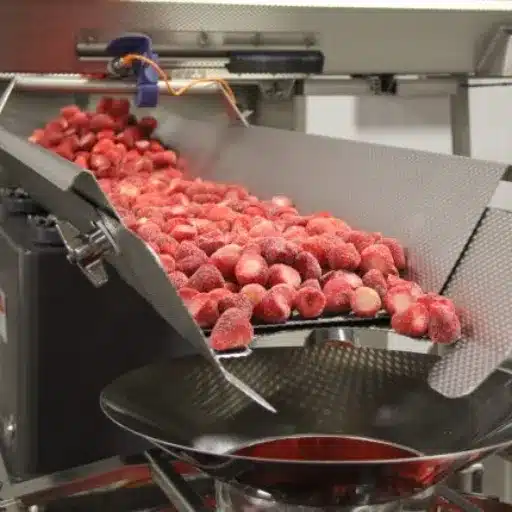
Frozen fruit processing consists of a set of steps that are meticulously planned to maintain the quality, taste, and nutrition of the fruit. Usually, the process begins with sorting and washing the fruit to remove any dirt and other impurities. Then, depending on the type of fruit, it is either sliced or prepared in some other way before being quickly frozen to maintain its quality. Afterwards, the fruit is packed and kept in a cool, optimal temperature to ensure it remains in good condition for the supply. The whole procedure is organized in such a way that it very much reduces the amount of fruit gone bad and at the same time, it makes the entire year a time when one can have high-quality fruit.
Importance of Frozen Fruit in the Global Food Supply Chain
Frozen fruit is of utmost importance to global nutrition by making its supply regular and sure. When the freezing process locks in the peak ripeness of fruits, it reduces spoilage and extends the fruit’s life, which is essential for adequate food security. The method is very beneficial to places where fresh fruits are not accessed locally all year round, thereby linking the areas of surplus production and shortage reliance. In addition, frozen fruit also plays its part in reducing food waste by offering an alternative to discarding harvested surpluses. It encouraged the consumer’s ever-growing need for convenience as frozen fruits are already packaged and require little effort to add them to a recipe or consume them as they are. Despite improvements in technology for cold storage and transportation, frozen fruit remains a necessary part of solving global food problems.
Market Demand for Frozen Foods
Frozen food products have been gradually and quietly gaining popularity among consumers over the years, primarily because they align perfectly with modern lifestyles that prioritize longer shelf lives and convenience. More and more people are turning to quick meals as a solution, and frozen foods are the only ones that not only retain their nutrients but are also fast and easy to prepare. Plus, frozen foods align well with the growing trend of reducing food wastage since they last much longer compared to fresh produce. Taking into account global urbanization and the development of cold chain logistics, the frozen food market will likely continue to grow.
Consumer Preferences for Healthy Food Options
Due to the rising concern for nutrition and health, consumers nowadays are increasingly prioritizing healthy food choices. They tend to buy products containing natural, organic, and minimally processed components together with those devoid of artificial additives and preservatives. Moreover, the preference for plant-based foods and protein-rich diets is increasing, as seen in vegetarian, vegan, and flexitarian diets. Consumers are also influenced by clear labeling, sustainable sourcing, and health-oriented claims like “low sugar” or “gluten-free.” The businesses that align with these inclinations are in a good position to promote healthier lifestyles.
Current Trends in Frozen Fruit Consumption
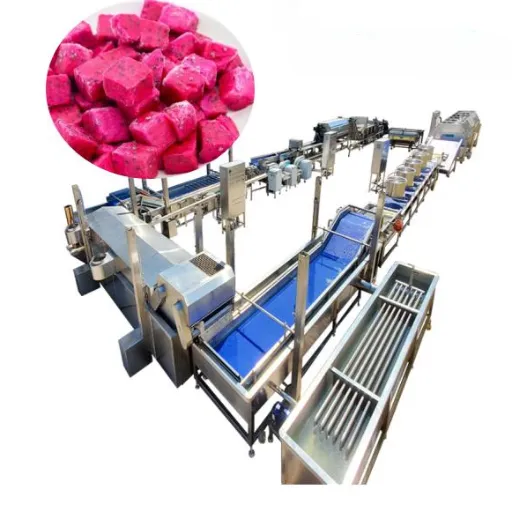
The changing tide of market in frozen fruits has a lot to do with the customers who are now more focused on convenience, health, and versatility. Among the main trends are consumers’ inclinations towards organic frozen fruits, single-ingredient packaging, and the creation of new blends specifically for smoothies or snacks. Besides, frozen fruits correspond with the increasing concern about food waste as they are long-lasting and quality-wise they are same all through. Consumers are also concerned with transparency and want the products with proper labeling and minimal processing which would mean freshness and health benefits for them.
Health-Conscious Eating and Smoothie Culture
Health-conscious eating has been one of the main reasons why smoothies have become increasingly popular as a quick and nutrient-rich option. Smoothies are loaded with vitamins, minerals, and antioxidants, making them a convenient way to get the daily intake of fruits and vegetables. They can also be personalized according to one’s dietary preferences, like adding protein for muscle recovery or healthy fats for long-lasting energy. Smoothies are perfect for busy people, as they can be consumed quickly but still are very nutritious and can be used for breakfast, snacks, or recovery after workouts. This versatility is one reason they are a must-have for people who want to keep their nutrition balanced while still enjoying convenience.
Convenience of Frozen Fruit Products
Frozen fruits and vegetables have completely transformed meal prep by providing a hassle-free supply while maintaining the same level of nutrition. Frozen fruit options differ from fresh ones as they last longer and keep their vitamins and minerals due to the flash-freezing process, thus guaranteeing the same health benefits as before. Furthermore, these fruits are pre-washed and often pre-cut giving you the advantage of time in the kitchen and less food waste. On top of this, fruits are available all year round regardless of seasons, which makes it easier for one to get a rich palate of flavors and nutrients. The availability of different fruits and their ease of use aligns with the growing demand for food solutions that are practical and health-conscious.
Impact of Frozen Fruit on Food Waste Reduction
Frozen fruits are essential in reducing food waste in both households and industries. Recent studies show that a big part of food waste is caused by spoilage before the food is even considered for consumption. The freezing of fruits at their peak ripeness greatly extends their shelf life, thus reducing the risk of early spoilage. This practice enables farmers to sell more of their crops and avoid destroying their extra produce, making it a sustainable method of food production. For consumers, the ability to store frozen fruits for a long time without losing their quality means that less fruit is thrown away, making frozen fruits both a practical and eco-friendly option.
The Freezing Fruit Process: Step-by-Step Guide
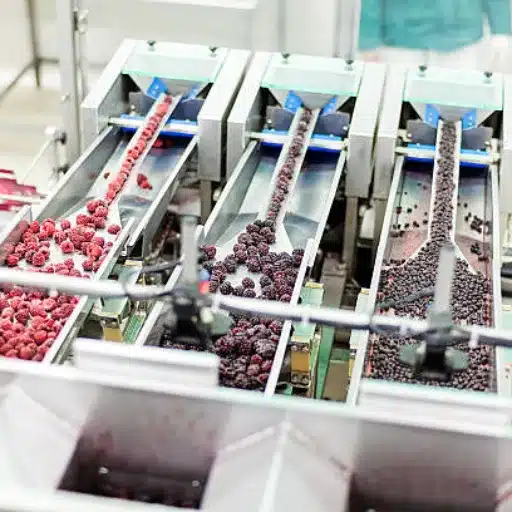
- Selection of Fresh Fruit: To get the best outcome, start with top-notch, ripe fruit that is totally blemish and bruise-free.
- Washing the Fruit: The washing process should include a thorough rinsing of the fruit under cold, running water to get rid of dirt, pesticides, and other impurities.
- Peeling and Chopping (if necessary): Depending on its type, the fruit can be peeled and cut into small, manageable pieces for easy consumption.
- Blanching (optional): Color, texture, and flavor can be kept by a quick blanching process for fruits like peaches and apples while they are still fresh.
- Drying the Fruit: Use a clean kitchen towel to pat the fruit pieces dry as moisture is one of the factors leading to ice crystal formation during freezing.
- Pre-Freezing: On a baking sheet, place the fruit pieces in one layer so that they do not overlap. Put the baking tray in the freezer for about 2 hours until the fruit pieces become hard.
- Packaging and Sealing: Gently move the frozen fruit into airtight freezer bags or containers, removing as much air as possible to prevent freezer burn.
- Labeling and Storing: Make sure to write the name of the fruit on the package along with the freezing date, and then put it in the freezer for later use.
Harvesting and Sorting Techniques
The quality and freshness of the products rely heavily upon proper and efficient harvesting and sorting methods. It is recommended to harvest during the coolest hours of the day, that is, in the early morning or at dusk, to avoid heat exposure that causes a loss of freshness. Moreover, the use of clean and sharp tools can effectively reduce injuries when handling fruits and vegetables. Sorting of the produce should be done right after the harvest according to size, ripeness, and quality, eliminating categories containing damaged or overripe items. Washing the produce very gently and placing it in ventilated containers are practices that can double the storage period. For large operations, using high-tech equipment like optical sorters and conveyor systems can significantly simplify the sorting process while ensuring uniformity. The importance of accurate sorting cannot be overstated, as it extends the life of products on shelves while simultaneously providing high-quality products to consumers.
Washing and Preparing Frozen Produce
Correct washing and preparation are very essential for the quality and safety of frozen vegetables and fruits. It is advised to wash fruits and vegetables thoroughly under cool running water to remove dirt, insects, and any contaminants. Do not use soap or detergent, because they are not food-safe. After cleaning, cut or peel the product according to your personal preferences, and ensure uniform sizes to facilitate even freezing. With a clean towel, pat the product dry or let it air dry to prevent excess ice formation. To achieve the best texture and flavor, blanch the vegetables by briefly boiling them and then quickly cooling them in ice water before freezing. This process helps to retain color, nutrients, and texture. Keep the prepared produce in airtight containers or freezer bags, ensuring minimal air exposure to avoid freezer burn. Proper labeling with dates can help in monitoring the freshness of the produce during storage.
Freezing Methods: From Freezers to Packaging
The proper freezing of fruits keeps their characteristics and nutrients for many months, and thus ready for consumption. Mix fruits that are deep, good-quality, and ripe, then wash them thoroughly to remove dirt and residue. Whole freezing is possible for items like berries, while other fruits, such as peaches or mangoes, would need peeling and slicing to make them easier and more convenient to use. Avoid bunching up by first placing the fruit pieces on a baking tray and in a single layer, then freezing until firm. After that, put them in airtight containers or freezer bags, and remove as much air as you can to prevent freezer burn. Mark the packaging with the fruit type and the frozen date to monitor the freshness. This procedure not only allows you to use versatile and frozen fruits but also ensures waste-free fruits for smoothies, desserts, and more.
Equipment and Technology in Frozen Fruit Processing
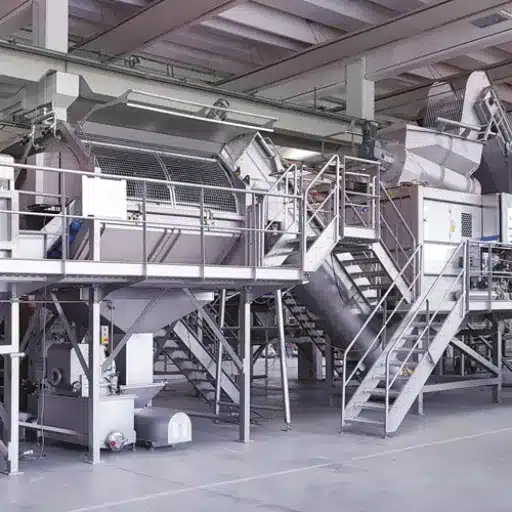
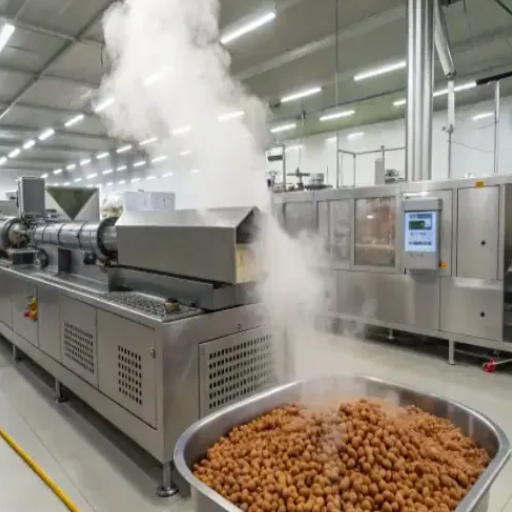
The processing of frozen fruits nowadays heavily depends on the use of top-notch equipment and technology to guarantee the best quality, maximum efficiency, and safety of the product for human consumption. The use of machines to wash, peel, and slice fruit automatically is among the most advanced equipment used in fruit preparation. Then the fruits can either go to blast freezers or IQF (Individually Quick Freezing) systems which let the fruits retain their texture and nutrients. Finally, the installation of optical sorting machines allows the detection and consequent removal of even the most minor impurities in the fruits. The combined effect of such technologies is faster production, fresher grapes, and the achievement of high industry standards for frozen fruit products.
Overview of Freezing Equipment and Freezers
Freezing devices and freezers are essential in the frozen food sector to maintain the quality and safety of products. Among the most used freezing technologies are blast freezers, spiral freezers, and IQF (Individually Quick Freezing) systems. Blast freezers are designed to cool down products very quickly by passing high-velocity cold air through them, thus preserving their nutritional value and appearance. Spiral freezers cater to large-scale operations because of their compact design and continuous conveyor belt system, which allows for high-capacity processing. IQF technology is essential for freezing single pieces of food, such as berries or diced fruits, thus ensuring that they remain separate and do not form lumps. These modern systems, in turn, make it faster to freeze and at the same time maintain the sound quality of the product thus meeting the strict standards set by the food industry.
Advancements in Individually Quick Frozen (IQF) Technology
The latest developments in Individually Quick Frozen (IQF) technology have as their primary goal the enhancement of energy efficiency, the acceleration of freezing and the assurance of product quality. Up-to-date IQF systems apply the combination of the controlled airflow and the new impingement technology to freeze the food quicker without losing the quality and the nutrients. By using an intelligent control system, temperature management can be very accurate, which not only cuts down on energy consumption but also on waste. Furthermore, the ongoing changes in belt design and hygiene standards enable cleaner operations and compliance with even the highest food safety regulations. This group of factors helps IQF technology become more efficient, reliable, and sustainable in the current world, among other things.
Automated Sorting Machines in Fruit Processing
The fruit processing industry has been transformed by automated sorting machines, which brought about the triple improvement in speed, accuracy, and efficiency. To classify fruits according to their size, color, shape, and quality, these machines rely on cutting-edge methods like optical sensors, machine vision, and AI. The result is a superior-quality product, while labor costs and human errors are significantly reduced. On top of that, sorting automation allows the processors to handle much larger amounts of fruits, so they are always ready to meet the growing demand for both fresh and processed products. Not to mention, when data analytics are integrated, these machines not only produce valuable information about the production trends but also help in optimizing the sorting processes which in turn leads to greater operational efficiency.
Benefits of Frozen Fruit
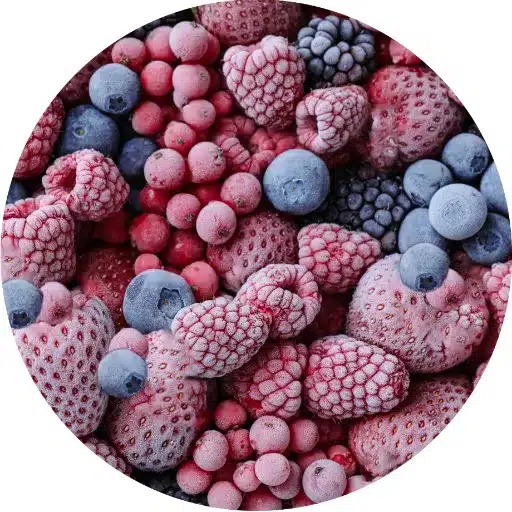
- Nutritional Preservation: The frozen fruit is harvested and frozen at the highest level of ripeness which helps in trapping the vitamins, minerals, and nutrients that are the most important.
- Extended Shelf Life: The freezing process enormously prolongs the fruit’s lifespan thus minimizing the waste and making the fruits accessible in all seasons.
- Convenience: Frozen fruits that are already washed and cut take less preparation time and can be instantly used for making recipes or smoothies.
- Cost-Effective: Usually, the price of frozen fruit is lower than that of fresh ones, especially during the off-season of certain fruits when they become most expensive.
- Versatility: Frozen fruit can be included in different kinds of meals, like desserts, smoothies, sauces, and baked goods.
Nutritional Value Retention in Frozen Foods
Freezing is considered one of the best ways to keep the nutrition of the foods. Several vitamins and minerals, including but not limited to Vitamin C and potassium, are kept with the freezing process. As freezing reduces metabolic activity and stops decay, fruits and vegetables are quickly frozen right after picking, thus locking in their nutrients at peak freshness. Even though some micronutrients may decrease slightly during blanching—a process necessary for some vegetables before freezing—the total nutrient loss remains low. Correct storage and handling of frozen foods help to keep them nutritious and similar to their fresh counterparts.
Extended Shelf Life for Food Service
Frozen fruit has excellent benefits for food service due to its long shelf life and quality. Fresh fruit, on the other hand, can easily spoil. However, frozen fruit is processed in such a way that it maintains its taste, texture, and nutrients for a long time. Hence, the waste is reduced, and the supply is regular, even when the fruits are not in season. Furthermore, frozen fruit is already washed and sometimes cut into pieces, which saves time and labor in meal preparation. This reliability and convenience make frozen fruit a good and cost-effective choice for food service providers.
Advantages of Syrup Pack vs. Without Sugar Options
Frozen fruits can be classified as syrup-packed or unsweetened, with each class having its own unique selling points based on consumer needs and expectations. The first one, mainly, is the sweetened frozen fruit, which is usually mixed with a sugar solution, that not only brings the fruit to the highest level of sweetness but also helps keep its juiciness for a longer time. The outcome of this method is a beautiful fruit that can be used in desserts or recipes where sweetness is the main requirement, without the use of additional sugar during preparation.
The opposite side is the unsweetened frozen fruit, which from the very beginning is pure without any sugars or syrups added, this option is indeed a healthier alternative for those people trying to control their sugar intake. Smoothies, savory dishes, or baking can be the areas where such fruits will be the best-matched ingredient, as their pure flavor is essential. Despite these differences, both categories are quite similar in terms of ease of use, long storage time, and off-season availability; thus, the final decision is simply a matter of dietary requirements and preferred cooking methods.
Reference Sources
-
Development of a supervisor’s manual for employee training in sanitary food production in the frozen fruit and vegetable industry – Discusses labor and equipment challenges in the frozen fruit industry.
-
Cooperative Possibilities in Freezing Fruits and Vegetables – Explores freezing operations and equipment in the fruit and vegetable industry.
-
Design of a frozen fruit smoothie machine – Focuses on the design and functionality of equipment for processing frozen fruit.
-
Market Outlets for Minnesota Fruits – Includes insights into frozen fruit processing and related machinery.
-
Understanding the research and education needs of the Oregon fruit and vegetable industry – Covers equipment and processes for value-added frozen fruit products like IQF berries.
Frequently Asked Questions (FAQs)
What is the freezing process for fruits?
Freezing fruits is a method of quickly cooling them in still air to preserve their nutrients and flavor. Generally, the freezing method known as individual quick freezing (IQF) is widely accepted in the industry; it effectively prevents the formation of large ice crystals, which can damage the cell wall and dull the fruit’s texture after thawing.
How can I freeze fruit properly?
Freezing fruits properly means cleaning and then processing them by removing the stones and slicing them into small pieces. The use of strong plastic bags or containers made specifically for freezing, along with leaving some space for the expanding gas, is an essential condition. For better results, single-layer freezing of fruit is suggested before the move to bags or containers.
What is the shelf life of frozen fruits?
Frozen fruits’ shelf life is somewhat uncertain but usually, they can be stored for about 8 to 12 months at 0°F (-18°C) when their quality is still acceptable. Proper packaging is essential because it minimizes moisture loss, thereby maintaining the quality of the fruits under freezing conditions.
Can I use frozen fruits in smoothies?
Frozen fruits are great in smoothies because they make the drink thick and creamy without adding ice. Moreover, using frozen fruits means that you can consume the nutrients and flavors of your favorite fresh produce throughout the year.
What types of fruits can be frozen?
The freezing of the most common fruits like peaches, berries, and bananas is permissible. However, it is critical to freeze the fruit at its ripest point to maintain excellent flavor and nutritional value.
How do I thaw frozen fruits safely?
For thawing frozen fruits safely, the refrigerator is the best place to do so as it allows for the slow thawing of fruits. This method not only keeps the fruits’ flavor but also their texture. Another option is to use the fruits straight from the freezer in recipes without thawing, which is particularly handy for smoothies and baked products.
What is the difference between a dry pack and a syrup pack for freezing fruits?
In the case of dry packing, the fruit is stored in containers without any added liquid, while syrup packing means that the fruit is wrapped in a sugar syrup solution. The syrup pack might contribute to the retention of color and flavor, but it may also cause increased sweetness. So it would be wise to base your decision on how you intend to use the fruit after thawing it.
Freezing Equipment Comparison
Summary
Frozen fruit production line equipment represents the perfect combination of technology, efficiency, and quality preservation. From automated sorting machines to advanced IQF systems, each piece of equipment plays a crucial role in delivering nutritious, convenient, and sustainable frozen fruit products to consumers worldwide.