The art of making pasta at home is a very old culinary custom that sends comfort, taste, and creativity directly to your kitchen. No matter if you are an expert home cook or a total novice, the metamorphosis of basic materials like flour and eggs into soft and silky pasta is still very much within reach and most importantly gratifying. The following rules will guide you through pasta making in a magical way, showing step by step and with the help of techniques how very simple and poor dough can have so many different shapes and tastes. Prepare yourself to get your hands dirty, scatter some flour around and see for yourself the degree of pleasure involved in producing pasta that is not only delicious but also homemade and on par with the best store-bought ones.
The Pasta Dough Preparation Process
Mixing Ingredients
For the pasta dough preparation, the basic ingredients are to be used: all-purpose flour or semolina flour, eggs, and salt. To start off, flour should be measured approximately 2 cups and a mound should be made on either a clean surface or in a large mixing bowl. A well should be formed in the middle of the flour to hold the wet ingredients. The two large eggs are to be cracked into the well and, if liked, a pinch of salt can be added for taste enhancement.
Before proceeding, lightly whisk the eggs with a fork, continuously pulling in tiny bits of flour from the edges of the well. Let the mixing not stop till the dough clumps together and the usage of the fork becomes practically impossible. At this moment, the rest flour will be added by hand to the dough.
Dough is to be kneaded well for around 8-10 minutes till it gets smooth and stretchy. If dough seems too sticky, then just a little flour should be dusted on the surface as you knead. If on the contrary in case, the dough feels dry and crumbly, just a few drops of water can be added to it for gradual conditioning. When the dough is good to go, wrap it with plastic wrap and let it stay at room temperature for 30 minutes before shaping it. Resting is the process that gluten gets to relax which in turn makes the dough easier to roll, and shape into the desired pasta form.
Kneading Techniques for Perfect Dough
Kneading is vital dough processing step to finalize its skin-like quality and height. The right way of kneading is to press the dough with the heel of the hand forward and then fold it back onto itself. Do a little rotation of the dough each time and carry out the same thing again. This continuous movement works on the gluten inside the dough, strengthening it and making it more elastic.
The right ratio of pressure and consistency is a must to make a perfect knead. When the dough turns to be sticky, just add a light dusting of flour onto it and this will keep it from being too sticky. But be careful not to use too much flour because it will turn the dough into a hard and heavy one. If in contrast, the dough seems to be very hard, just a few drops of water would help to hydrate it again making it smooth and pliable.
Kneading time is different for different types of dough but usually, 8–10 mins of kneading with hands is enough. The dough when perfectly kneaded will be smooth, stretchy, and slightly sticky. To know if your dough is ready or not press a finger on its top gently and it should come back slowly, this means the gluten is developed properly. By means of these delicate methods, you can assure a constant and perfect dough every single time.
Resting the Dough: Why It Matters
The resting period of the dough is an indispensable procedure in the practice of baking as it gives gluten structure time to relax and yeast to ferment. This not only brings about the dough’s better texture but also makes it more convenient to shape and handle. Besides, the resting period allows the flavor profile of the end product to be developed; the fermentation is the cause of smoother, more complex and even richer flavors, thus the entire taste is enhanced.
The dough during the resting period has its gluten strands loosened which guarantees that the final product will possess a tender and airy crumb. This period for yeast-leavened doughs is also when yeast cells have time to multiply and produce carbon dioxide, so the rise and structure are right. If this step is missed or shortened, the result may be a denser product, and underdeveloped with no lightness and flavor depth.
The duration of resting is dependent on the recipe and type of dough but generally lasts from 30 minutes to several hours. For the best results, let the dough rest in a warm, covered with a damp cloth, draft-free place. The right amount of resting not only enhances your baking output but also raises the standard and the taste of your creations by a significant degree.
Shaping and Cutting Pasta

Traditional Hand-Shaped Methods
Traditional hand-shaped pasta is a truly artisanal craft that has been handed down through generations and is closely associated with Italian culinary history. The practices involved in making pasta this way depend on the maker’s hands’ skills and precision mostly, along with using tools that are as simple as a rolling pin or a knife. No machines are involved in the production of shapes such as orecchiette, cavatelli, and pici, the workmanship of each piece, however, results in a distinctive texture and form which not only the pasta’s ability to hold sauces is enhanced but also to be more substantial. The dough usually goes through a series of steps before it is shaped; first, it is rolled into long cylinders, then cut and finally formed into small, intricate designs, which are both creative and skillful.
Dough consistency maintenance is a prerequisite for producing perfect hand-shaped pasta; however, slightly frimer dough is ideal for candy molding. Cavatelli, for instance, is done by rolling small pieces of dough along a surface such as a wooden board or table, leaving a few ridges which will help the pasta to hold sauce better. In the same manner as the cavatelli, orecchiette is made too; small disks of dough are either pressed with a knife or thumb to form cup-like shape. These age-old methods showcase the tactile bond between the cook and the dough, which guarantees quality and authenticity in every bite.
The modern-day interest in hand-pulled pasta has brought back the use of these techniques and has made chefs and home cooks more attracted to them for their handmade charm and gastronomic appeal. The process of learning to master the skill is not without its challenges, yet, online tutorials, workshops, and cookbooks, all contribute to making it easier to discover these ancient techniques. Furthermore, pairing old ways with the present resources gives enthusiasts the opportunity to create their own unique pasta shapes and try out different ingredients which are some of the reasons why this culinary heritage is not only preserved but also propagated in the kitchens all over the world.
Using Pasta Machines for Consistency
Pasta machines have really changed the game for amateur and professional cooks alike as they not only offer consistency but efficiency as well. The use of these machines cuts down the entire process of making pasta into rolling and shaping dough with the help of a pasta machine. Cooks are able to choose how thick the pasta is going to be based on the use of adjustable rollers. This process not only improves the dish’s look but also the cooking, which is the most important factor in getting the right taste and texture.
Modern pasta machines are available in different types of manual crank ones to totally automated electric ones. The manual machines provide a simple but physical experience, and thus, the users can sense the dough’s progress through every stage. The other hand is where the electric pasta makers are, which have done away with the bulk of the physical labor, making them ideal for busy home cooks or restaurants that intend to produce pasta in big quantities. Moreover, most of these machines allow for using connectors for a variety of pasta shapes including fettuccine, linguine, and even stuffed ones like ravioli.
The combination of pasta machines and good-quality ingredients can surely take homemade pasta a notch higher. The use of fresh eggs, semolina flour, and additional flavoring such as herbs or spinach can give really good results. For the beginners, a lot of the contemporary pasta makers provide built-in recipes and guides that are easy to follow so as to ease the learning curve. Furthermore, through the popularity of online reviews and tutorials, locating a pasta machine that perfectly suits your requirements has become easier. Investing in this multifunctional tool means that anyone can practice the age-old pasta-making art with the consistency and convenience needed in today’s fast-paced world.
Different Shapes: From Spaghetti to Farfalle
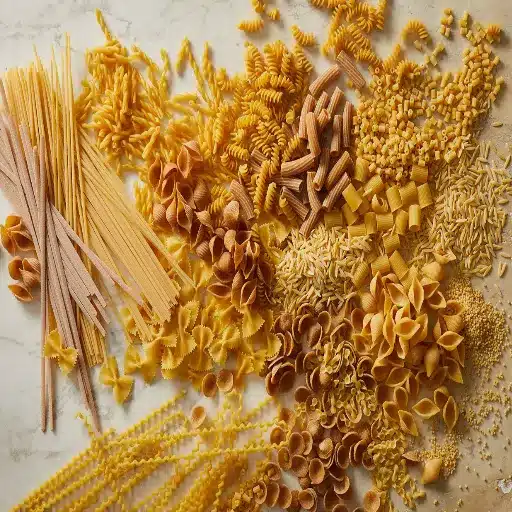
The pasta’s attractiveness is attributed mainly to its flexibility, and the different shapes have a big part in making different and varied dishes. The spaghetti, the traditional long and round pasta, goes well with light oil sauces like aglio e olio or robust options such as bolognese. The slenderness of spaghetti helps the sauce to cover each strand equally thus giving a good flavor in every bite. Farfalle, also referred to as “bow-tie pasta,” adds an amusing aspect to salads and creamy dishes. It has a pinched middle and large flat wings which are suitable for thick sauces thus improving the overall texture and taste of a dish.
Globally, there are more than 350 pasta shapes which are very specifically made for certain culinary purposes. For example, the ridges of rigatoni are very suitable for thick vegetable or meat-based sauces while the hollow centers of penne allow easy trapping of creamy sauces inside. Smaller shapes like orzo and pastina, at the same time, are the most popular ones in soups where they give the dish some heart without dominating it. Every shape tells a story of tradition and innovation that spans generations, revealing the creativity and craftsmanship of pasta-making in changing times.
The interesting part is that today’s pasta machines can easily, and with no hassle, produce a wide variety of these types. By using dies that can be changed, you can go from long shapes like linguine or fettuccine to complex ones like fusilli or conchiglie. This trait allows home cooks to replicate shapes in recipes that require them, thus giving authentic, flavorful results. Knowing the differences of each pasta type gives you freedom to be creative in your kitchen, and to mix up the traditional and experimental to create dishes that are truly memorable.
Drying and Storing Homemade Pasta

The Importance of Pre-Drying
Pre-drying homemade pasta is a step that is very frequently overlooked but still determines the quality and life span of the final product. The freshly made pasta has a very high moisture content which, if not tackled properly, can lead to either clumping or spoilage. By letting the pasta dry partially before storing or cooking, you will have a firmer texture that is less affected by boiling. Moreover, the pasta’s individual pieces will not stick to each other, and the pasta’s shape and structure will still be preserved due to the presence of moisture.
The drying process is signaled by the spreading of the freshly prepared pasta on a clean surface or drying rack in a single layer with sufficient air circulation space around it. Pre-drying may take from 15 minutes to a couple of hours depending on the kind of pasta and the moisture level of your environment. In the case of filled pasta like ravioli, the drying process must be controlled very carefully to avoid the pasta cracking or losing its seal as a result of excessive drying. On the other hand, long cuts like fettuccine or spaghetti can be slightly more dried making them ready for easier handling and storage.
Pre-drying is a must in the whole process of preparing pasta for storage. The pasta that is dried properly can be destined to the refrigerator or freezer for future use without any compromise on its taste or texture. During short-term refrigeration, the pasta being relatively dry to touch will help in preventing condensation formation. In the case of longer storage periods, such as freezing, drying the pasta thoroughly will help in flavor retention and prevention of freezer burn. The inclusion of pre-drying in your pasta-making routine not only elevates the quality of the final dish but also gives more convenience and less waste.
Best Practices for Storing Pasta
When pasta, be it fresh, cooked, or dried, is to be preserved, knowing how to store it properly is critical for keeping its quality and flavor. Fresh pasta that is stored in the refrigerator in an airtight container should be used within two days. If the fresh pasta is to be kept for a longer time, freezing is the best option. The pasta can be spread out on a baking sheet in single servings, frozen until hard, and then put into freezer bags or containers that are airtight. The frozen pasta can last for about two months.
As for cooked pasta, it has to be first cooled down completely before being stored away. You can mix it with a little bit of oil to avoid sticking, and then place in the fridge a sealed container for five days at the most. Do remember to keep the sauces separate from the pasta so that the textures and flavors are not compromised. The pasta and sauce can also be frozen if they are combined and fully cooled providing a quick thaw-and-eat meal option.
With dried pasta, there are these two options – either to keep it in its original packaging or to put it in an airtight glass or plastic container both of which will protect it from moisture and pests. If stored in a cool, dry pantry away from light, it can last nearly forever if unopened, however the use within two years will still give the best taste and texture.
Thus, through the use of right storage methods according to the type of pasta, it not only guarantees less waste and more convenience for cooking but also, indirectly, efforts to maintain food quality and efficiency in the kitchen are supported.
How Long Does Homemade Pasta Last?
Homemade pasta’s shelf life is mainly determined by its method of preparation and storage. Due to the higher moisture content, fresh pasta is already more prone to spoilage than dried pasta. If kept properly in a fridge and sealed in an airtight container, homemade pasta can go for as long as 2-3 days before it starts losing its quality and freshness. However, freezing is a method which, at a great extent, extends the shelf life, making it possible to store pasta up to 2-3 months if well-sealed. One thing that must be said though, is that freezing can still somewhat change the pasta’s texture.
For the drying process of homemade pasta, the most important point is to let it dry fully at room temperature before you store it. Then, if the pasta is kept in an airtight package in a place that is cool, dry, and dark, it can last for weeks, with the prevention of pests and moisture being the primary concern. However, even dried homemade pasta cannot compete with the commercial ones in terms of shelf life, since the former lacks the preservatives that the latter has. Using vacuum-sealed bags would be another way to prolong the longevity of homemade dried pasta as they keep its freshness for months.
The strictly food safety practices are the keys to ensuring that the birth of your homemade pasta is as long as it gets. Always check for signs of spoilage, such as sour smell, discoloration, or mold especially with high-moisture fresh pasta. When freezing, make sure to label containers with dates to monitor storage times effectively. By grasping these rules and guidelines, you will not only be able to enjoy delightful homemade pasta but also save money and reduce waste added to your culinary creations through spoiling flavors and textures.
Modern vs. Traditional Pasta-Making Techniques
Comparing Methods: Handcrafted vs. Machine-Made
Handcrafted pasta offers unique texture and flavor, while machine-made pasta ensures consistency and efficiency.
|
Key Point |
Handcrafted |
Machine-Made |
|---|---|---|
|
Texture |
Unique, varied |
Consistent |
|
Flavor |
Rich, authentic |
Neutral |
|
Efficiency |
Time-consuming |
Quick |
|
Skill |
High |
Moderate |
|
Cost |
Higher |
Lower |
|
Versatility |
Customizable |
Standardized |
The Role of Extrusion in Pasta Production
- Consistency: Extrusion guarantees the produced pastas are of the same size and shape thus these characteristics enhance the cooking quality and presentation.
- Efficiency: The method enables the generation of a huge amount of pasta in a very short period without reducing the quality.
- Versatility: Different pasta shapes can be easily produced by just changing the extrusion die, from spaghetti to penne.
- Texture Control: The kind of die, whether bronze or Teflon, used affects the roughness of the pasta, with bronze dies making a coarser surface that is perfect for sauce sticking.
- Scalability: Extrusion technology is flexible for small-scale artisan manufacturers and high-output industrial plants, thus it is a flexible tool for all the pasta-making stages.
Benefits of Each Approach
- Consistency in Quality: Food quality consistency is one of the main expectations of the market. Extrusion technology guarantees this by producing pasta products of the same size, shape, and texture. In addition, it has been reported that the variations of extrusion method pasta are much less than 20% in comparison to the traditional ones.
- Enhanced Efficiency: Extrusion systems can make pasta at a much faster rate and cut production time considerably, even by 40%. The lowered production costs and increased output is the result of this efficiency.
- Improved Customization: The switching of dies allows for the production of a large number of pasta shapes and textures to meet very different market and consumer preferences, while the downtime is minimal due to fast die swapping.
- Durability and Shelf Stability: Extrusion pasta usually has a higher structural strength which means less breakage in the course of packaging and transport. Furthermore, the drying process of extrusion is so controlled that it can increase the shelf life by 30% depending on the product.
- Environmental Sustainability: Extrusion technology is such a waste-efficient technique, as it uses the ingredients expertly and consumes less energy. Some studies point to a situation where energy use is reduced by 15% in comparison with traditional methods, thus making it a less harmful tech choice for the environment.
Tips for Beginners in Pasta Making
Common Mistakes to Avoid
- Using the Wrong Flour: Selecting the right flour is the most important step in determining the texture and consistency of pasta. All-purpose flour is the most common choice for most beginners, which then leads to making a dough that is either too soft or not elastic enough. For authentic pasta use durum wheat semolina or “00” flour, which gives the dough the right firmness and smoothness, respectively.
- Adding Too Much Water or Eggs: Water or eggs added to the dough more than required can mean the dough will be hard to handle and messy, while the opposite will make it dry and crumbly. Liquid should be added through measurements and gradually so that the correct dough consistency will be obtained.
- Not Resting the Dough: Resting the dough always comes first, or if not, the dough’s elasticity and texture will suffer greatly. Resting the dough for 30 minutes or more allows the gluten to loosen up, so the dough will be less likely to tear during shaping and rolling out will be easier.
- Overworking the Dough: Kneading is a must in gluten developing and giving the dough elasticity, but the dough could take a tough and rubbery form if it is overworked. You should aim to knead just until the dough is smooth and elastic, which usually requires about 8 to 10 minutes of continuous effort.
- Improper Rolling Technique: Pasta that is thick or unevenly rolled will not only take longer to cook but also may have an unappetizing texture. The use of a pasta machine or the right method for rolling pin to obtain even and thin sheets is the key of professional finishing. Make sure you fold and roll the dough several times for a uniform thickness.
- Neglecting to Dust with Flour: Pasta shapes may stick together or clump when cooking if too little flour was used during rolling and cutting. The dough and work surface can be lightly dusted with flour as you work to prevent sticking and still have the right texture.
- Cooking in Insufficiently Salted Water: Boiling pasta in water that is not sufficiently seasoned is one of the most frequent mistakes. The water saltiness that is often compared with “the sea” together with the correct amount of seasoning, will promote the flavor of the pasta itself, thus ensuring a great outcome even with plain sauces on the side.
- Overcooking or Undercooking Pasta: Pasta that is cooked just right should be “al dente” – hard to the bite. Mushiness marks overcooked pasta whereas undercooked pasta might be too hard and have a gritty feel. To get the desired texture, one should keep an eye on the cooking time closely and often taste the pasta toward the end of the cooking process.
These common mistakes are not to be made and the quality of homemade pasta will be very much improved by the novice; thus the way for delightful dishes even experienced chefs would like is opened.
Essential Tools for Home Pasta Making
When it comes to making perfect pasta in your own kitchen, the right tools are very important. The most important tool is a good pasta machine that can roll and cut the dough into smooth and equal shapes. There are manual crank machines which people like because they are easy and cheap while on the other hand, there are electric machines which are fast and provide more comfort. The wooden rolling pin is another tool that can perform numerous different tasks including rolling the dough by hand.
Kneading and shaping the dough requires a large, heavy-duty cutting board or mat. Dough scrapers are perfect for the division and the handling of sticky dough thus making the whole process smooth and quicker. For making and shaping different pasta types, tools like ravioli molds, gnocchi boards, and pasta cutters are very useful.
In the case of kitchen scales, here you have to invest in a good one since they are just as important for the measurements to be precise as pasta recipes are usually very sensitive and thus the water-to-flour ratios should be strictly adhered to. Moreover, if you are going to make pasta ahead of time and want to store it, drying racks are a great help as they allow the pasta to dry properly without sticking together. A big pot with a strainer and pasta ladle also guarantees a comfortable cooking and serving experience. These are the tools that after you have invested in them, you are sure of producing high-quality pasta similar to the one served in your favorite Italian trattoria.
References
-
Pasta – Tufts Food Lab
This source explains the process of making boxed pasta, including mixing semolina and water, kneading, and laminating the dough. -
Pasta-Making Process: A Narrative Review – PubMed Central
This academic review discusses the production of dried pasta, which must be made with water and durum wheat according to Italian law. -
AP-42, CH 9.9.5: Pasta Manufacturing – U.S. Environmental Protection Agency (EPA)
This document provides a detailed overview of pasta manufacturing, including the ingredients and processes used for different types of pasta. - Click here to read more.
Frequently Asked Questions (FAQ)
Q: What basic raw materials are used when explaining how is pasta made?
A: The simplest answer to how is pasta made is that it usually starts with raw materials like durum semolina or regular flour, water and sometimes eggs. High protein flours and soft wheat varieties affect the gluten network and protein content, while alternatives like spelt, buckwheat or whole wheat change texture and flavor.
Q: How does a mixer and extruder work in an industrial production of pasta?
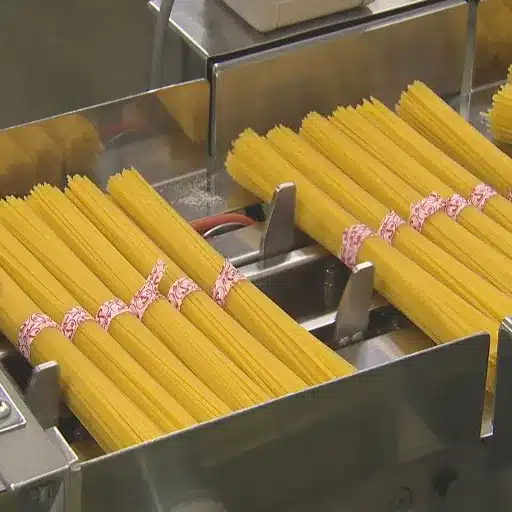
A: In industrial production of pasta, a mixer combines flour (or farina), water and egg solids when making egg noodles; the wet dough then moves to an extruder that can extrude or cut various shapes. The extruder forces dough through dies to form long pastas like fettucine or short shapes like tortellini, and conveyor belts carry pieces to drying stages.
Q: How is dried pasta different from egg noodles in the production process?
A: Dry pasta is typically made from semolina and water and follows a production process focused on less moisture and a longer drying time to ensure shelf-life, while egg noodles include water and eggs or higher egg solids, producing a richer, more crumbly dough that requires gentler handling and different drying profiles.
Q: What role does the amount of water play when you make the pasta at home?
A: The amount of water is crucial when you make the pasta: too much creates a sticky, soft dough; too little yields crumbly dough. For semolina-based dough, water and semolina ratios build the gluten network and control elasticity; for egg pasta the balance of water and eggs determines firmness and whether noodles are made smooth or prone to air bubbles.
Q: How long is the drying time and final drying in factory-made pasta?
A: Drying time in a pasta factory varies by type: long pastas often undergo controlled final drying to reduce moisture slowly and avoid cracks, while industrial production of pasta for shelf stability uses staged drying to reach less moisture and maximize shelf-life without compromising texture.
Q: How are lasagna noodles and lasagna sheets produced and how is pasta made into wide shapes?
A: Lasagna noodles are typically extruded or rolled from dough and cut into sheets; production can use rotating blades or rollers to form flat lasagna noodles. For wide shapes like lasagna, extrusion or sheeting machines produce smooth, even layers which are then dried and packed in carton or bulk for distribution.
Q: How do starch and protein content influence texture when pasta is made?
A: Starch and protein determine mouthfeel and structure: high protein, strong gluten network creates firm, elastic noodles are less prone to breakage, while higher starch content yields softer, more tender pasta. Varieties like whole wheat or spelt have different protein content and starch behavior, changing cooking and final texture.
Q: How do machines like rotating blades and conveyor belts fit into the production process?
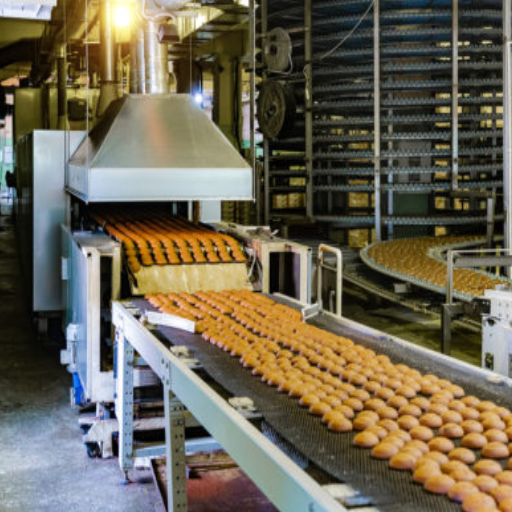
A: In industrial production of pasta, rotating blades cut extruded dough into lengths, conveyor belts transport shapes through drying tunnels, and automated systems handle packaging. The coordinated type of processing ensures consistent shapes and reduces air bubbles or defects that could lower shelf-life.
Q: How similar is homemade pasta to factory pasta and what are the key differences?
A: Pasta is similar in basic ingredients whether homemade or made in a pasta factory, but differences arise from scale and equipment: homemade dough (often with water and eggs) is hand-rolled or cut and cooked fresh, while industrial production uses extruders, strict drying time controls and packaging that yield longer shelf-life. Homemade egg noodles and fresh tortellini are more delicate, whereas industrial dried pasta is designed for less moisture and durability.