Looking for healthy yet easy breakfast that will literally change your mornings? Protein breakfast bars are one of the most popular options today among those who hardly have any time to enjoy a delicious yet time–consuming morning meal. This guide will tell you all about these mega snacks, focusing on how they can help, what they are made of – and of course, how to choose this type of food to suit your individual needs. Whether you are trying to keep fit, thinking how to save time at work, or you just like to have a light breakfast in the morning, this article will help you to make healthy decisions. We will further elaborate on the ways in which protein breakfast bars can enhance your mornings and provide you with enjoyable energy throughout the day.
Understanding Protein Breakfast Bars
What Are Protein Breakfast Bars?
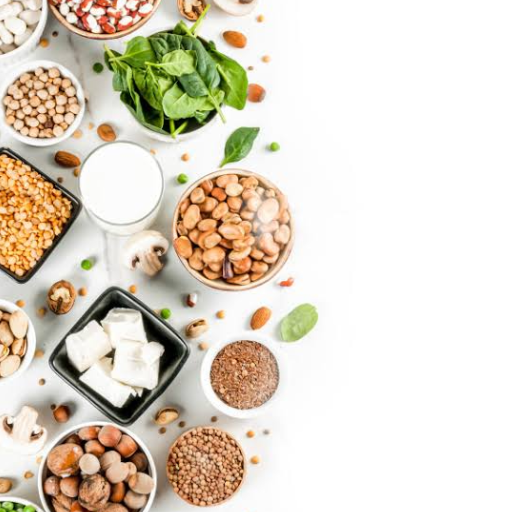
Health food items that are consumed at breakfast by people are referred to as protein breakfast bars. These can also be described as proteins in that they contain a high proportion of usable proteins [5]. Protein breakfast bars are made up of a combinations of ingredients that include base ingredient protein, such as whey or soy protein powders, but can also incorporate carbohydrates, other fats and vitamins+minerals to make the product wholesome and filling at all times.
The concept of protein breakfast bars is particularly tailored towards on-the-go consumption and ease of substitution for no-satiety providing food when having highly active or busy days. Ideally, they are low in energy and the effects of eating them help keep your stomach satisfied. There are other advantages such as assistance in controlling blood glucose ‘good sugar’ levels that one may take advantage of if he or she is an athlete, bodybuilder, or an individual who needs to remain focused and on top of his or her others tasks throughout the day. Adding protein to the product may help reduce unnecessary calories intake, as there is less likelihood of another meal after eating the protein.
To find the best protein breakfast bars which are in line with your requirements , you need to consider their nutritional values and how they fit with your health targets. Choose those with at least 10-20 grams of good quality protein and watch the sugar levels as well as the synthetic ingredients. Bars that are rich in fiber from components such as oats, nuts or seeds help to boost their effectiveness by bettering digestion and extending the energy period through to the next meal. If you have the right protein breakfast bars, you can enhance your regimen in the morning and support your dietary balance.
Benefits of Protein in Breakfast Bars
Protein is a critical nutrient, and incorporating its consumption into our diets using breakfast bars is beneficial due to various reasons. There are five major benefits associated with this topic, each of which can be supported by several arguments: protein breakfast bars.
- Promotes Muscle Growth and Strength: Protein breakfast bars are helpful in assisting the repair and building of the muscles, especially after one engages oneself in aerobic exercises. Adding about ten to twenty grams of protein in form of a breakfast bar is useful in preventing loss of muscles or improving muscle gain without altering the net weight of a person.
- Increases Feelings of Fullness and Minimizes Appetite: High-protein foods are cool because they make you feel satiated for longer. Research suggests that protein promotes the release of certain hormones that enhances satiety such as peptide Y Y and also reduces the presence of ghrelin which is responsible for increased hunger, hence plays a role in the control of weight due to the lack of overeating.
- Prevents Sugar Rush: There are protein bars mainly to prevent sudden peaks and valleys in blood sugar, thus, are particularly helpful for diabetic patient and person who needs energy for the whole surviving day.
- Enhances the Body Metabolism: In terms of the effectiveness of protein in terms of energy use, the thermic effect of food (TEF) due to consumption of protein is greater than the same for carbohydrates or fats. The aforementioned increase in energy can further enhance the overall energy consumption of the individual and also help in maintaining a proper weight over a longer period of time.
- Cognition Enhancement: Neurotransmitters such as serotonin and dopamine are derived from amino acids which comprise the protein intake. When people consume protein breakfast bars, work efficiency, concentration, and even emotions for improved mood, will be improved, aiding to their performance particularly in the morning.
Understanding such specific benefits helps consumers make smart choices when buying protein breakfast bars that suit their diet and lifestyle.
Types of Breakfast Bars
Granola Bars vs. Protein Bars
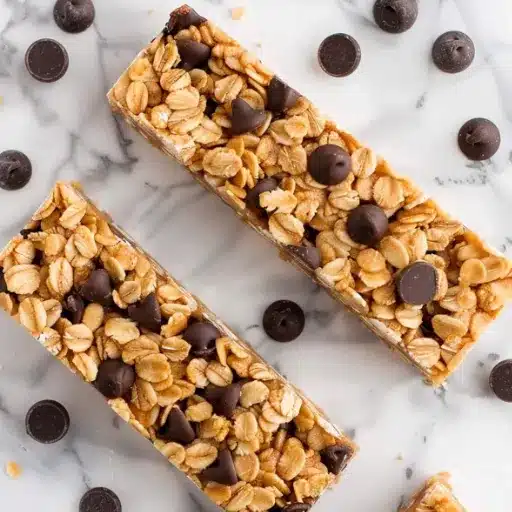
Granola bars provide quick energy with higher carbs, while protein bars offer muscle recovery and satiety with higher protein content.
|
Key Point |
Granola Bars |
Protein Bars |
|---|---|---|
|
Protein |
3–7g |
10–25g |
|
Carbs |
20–40g |
15–35g |
|
Fats |
4–12g |
5–15g |
|
Sugar |
Higher |
Moderate |
|
Fiber |
Moderate |
Moderate to High |
|
Purpose |
Quick energy |
Muscle recovery |
|
Ideal For |
Pre-workout, snacks |
Post-workout, meal replacement |
|
Ingredients |
Oats, nuts, honey |
Whey, plant proteins |
|
Satiety |
Low |
High |
|
Calories |
Moderate |
Moderate to High |
Peanut Butter Breakfast Bars: A Delicious Option
Small oil breakfast bars are growing in popularity among consumers who want a mix of premium, healthy, however tasty meals they can consume in the morning. Oats, or even peanut butter, or any nut is used to make these bars, combined with some form of moist sweetener like honey or maple syrup. Taking into account the high content of proteins as well and the next best – healthy fats, protein breakfast bars act as an excellent source of energy especially on a bust morning or even when due to exercise. They take a form of a small bar which makes them very handy in terms of portability and also suits the people who lead a certain active lifestyle or those who are more care even in the diet they consume.
In terms of nutrition content, it is typical of peanut protein breakfast bars to have between 5-12 grams of protein in each serving. This is because most of the recipes are enriched by peanut butter, a protein source from plants with numerous micronutrients such as magnesium, potassium, and vitamin E. The vegetables as well oats, cereal and seeds also offer fiber which adds satisfaction and digestion to these bars. Calories, inclusive of the added ingredients and size of the serving, would be estimated at about 200 to 300 calories offering helpful but reasonable nutritional boost incorporated within other foods in the breakfast.
Peanut butter breakfast bars are very easy to customize, and the variations are numerous, which is an important aspect. Those who choose to “eat clean” can make their peanut butter breakfast bars consumption controlled to avoid unnecessary sweeteners or chemical enhancement agents thanks to homemade peanut butter bars where the strength of ingredients is governed. Equally, it is common knowledge that currently most of the peanut butter breakfast bars are specially designed to suit gluten-sensitive, vegetarian, or low sugar count individuals and the fact that companies manufacture specific brands of products with those people in mind has been implemented. Furthermore, they are convenient because they do not require any preparation, rather, they are eaten as it is, that is why they can be taken during breakfast or even as a healthy snack in the middle of the day when combined with yogurt and fruits.
Homemade Protein Bars: Why Make Your Own?
Ditch the ready protein breakfast bars. Make them. It is a better option both healthwise and costwise. Most of the time, when you buy something ready from the store, you presume that it contains most harmful chemicals. In this case, preservatives and sugars. That more or less points out the concern of poor quality protein that one puts in their food which is often the case when it is unregulated.
Economically speaking it is quite clear from these calculations homemade protein bars would be more favorable in the long run, at least in the majority of cases. Effects of Economies of scale take place in this case where ingredients such as oats, nuts, seeds, and protein powders are purchased in the larger quantities leading to significant reduction in costs per serving which makes it possible to consume protein bars without worrying about financial costs. When mixed with homemade protein bars, the muscle growth can be targeted or focused on maintaining the figure for slim people.
Furthermore, this offers a solution to palate fatigue – a common problem with commercial products – as there are a lot of flavors and textures to choose from. For instance, adding such superfoods as chia seeds, flaxseeds or dried fruits helps improve the content of micronutrients by giving the essential vitamins, heart-friendly minerals or antioxidants. Homemade bars have an advantage of adjusting to allergens terms such as nut-free and gluten-free options which implies that more people are covered in terms of food preference.
Contemplated in a general framework, all the activities oriented towards making protein breakfast bars at home can be said to adopt a healthier reading as compared to the buying of already prepared bars because there is less wastage in regard to packaging in the case of the latter. Combining these aspects of cost and benefits in one strand, homemade protein bars are clearly far more advantageous than the latter for someone who likes to eat functional or healthy snacks.
Protein Breakfast Bar Recipes
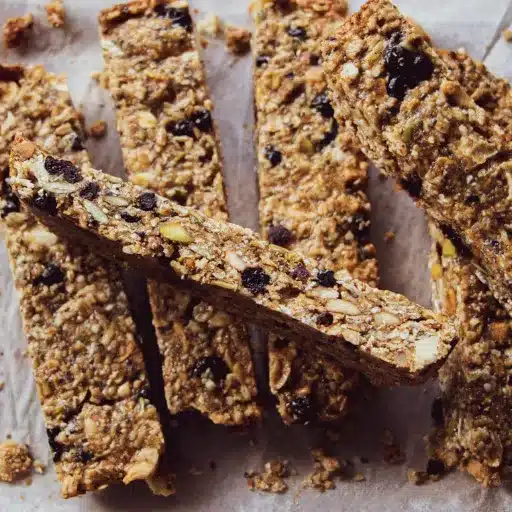
Easy Peanut Butter Protein Bar Recipe
First begin by warming up the peanut butter and honey or even replace that by maple syrup in a small saucepan using low heat. Mix continuously until it becomes fine and a little runny. This is an important stage that guarantees adhesive binding of the ingredients for the best texture.
- Dry ingredient combination: Using a large mixing bowl, put together the rolled oats and protein powder. Slowly add the warm mixture of peanut butter and honey, Mixing until all the dry ingredients are coated evenly. If the mixture is too dry, then add one tablespoon of milk (or dairy free milk) at a time till it gets to the desired consistency.
- Inclusions: Add any desired add-ins like dark chocolate chips or chia seeds for better taste and more nutrients. After mixing everything well, transfer the mixture into the baking tray lined with parchment paper and press it evenly. Make sure the thickness is around 1/2 inch (1.27 cm) so the bars are unforms in their thickness. After that put the tray in the refrigerator for a minimum time of 1 hour for the bars to hold the shape well.
- Cutting and Storing: Once everything has chilled in the refrigerator, slice them up into bars of any desired size. These rectangular bars are then placed in an airtight container for them to be stored in the refrigerator for up to a week if they are to be used soon or in the freezer if they are to be used later.
Peanut butter, as the sanctifying ingredient of the recipe, has a notably copious amount of monounsaturated fats in addition to proteins for healthful recuperation and energetic maintenance. Not to mention, such carbohydrates may come from the oats present in the mixture, thus speeding up the recovery of glycogen levels and the protein powder, adds protein breakfast bars, which is beneficial for muscle growth. The simple combination of macronutrients from these protein bars makes them ideal for consumption before and after physical training. Besides, for more wholesome nutrition, the recipe allows adjustments wherein nutritious amendments such as chia seeds can be added for increased omega-3 oils and fiber for health improvement.
Granola Protein Bar Recipe
Preheat the oven to 325°F (163°C) degrees if you are baking these breakfast bars although, they can also be served without baking.
In a large bowl, put the rolled oats, protein powder, chia seeds, and all the remaining dry ingredients alongside the nuts and coconut if you prefer using them. Afterward, mix them well so that all the incorporated ingredients distribute evenly.
Almond butter and honey or maple syrup need to be warmed up in a microwave for a period of 20 to 30 seconds, and after adding the vanilla essence, stir. Mix the liquids well after that.
The wet ingredients are added to the dry mixture, a little at a time, with constant stirring to produce an even mixture. Do not worry if it looks very dry—the addition of a tablespoon of water at a time will make it cling together, but not too sticky.
For no cook bars, pack the mixture into a greased 9×9 inch pan in a sheer or lined parchment paper. Mix in the fridge for at least 2 hours before cutting them into bars for serving. In the case of a baked version, this is placed in a hot oven and baked for 10–12 minutes before freezing.
Choosing the Right Protein Breakfast Bar
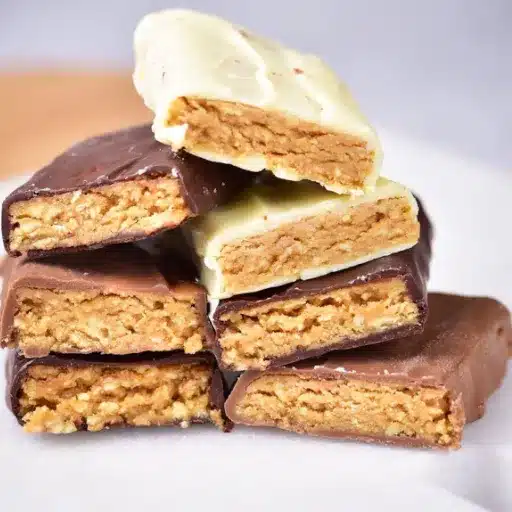
What to Look for in Nutrition Labels
When discussing different factors related to protein breakfast bars an important point that helps prolong their benefits is one’s ability to read food labels. Other people’s protein intake usually takes precedence; try to look for 10 – 20 grams of quality protein per serving. Make sure the sources are respectable, such as whey, alternative plant-based proteins like soy and pea, or even egg whites. Stay away from bars that use only gelatin or collagen, since they might provide incomplete protein.
Yet another factor is the presence of sugar. Bars that are advertised as healthy tend to include sugar which is medically defined as high fructose corn syrup, glucose syrup and pass through this definition as cane sugar. Cut down on bar use with added sugars greater than 8 grams so that one does not energize themselves resulting in a sudden increase in blood glucose followed by a crash. There are better ways of making them taste sweet such as the use of like stevia, monk fruit or perhaps memories of fresh fruits.
Additionally, pay attention to the amount of fiber and fat in it. Top rated proteins contain 3– 6 grams of fiber which adds bulk to the diet making it easier to control hunger and improving Digestion. Of course some nuts are very fatty but Unnecessary intake of nut-based protein bars should be avoided because these contain trans fats or hydrogenated oils such as palm oil. The intricate mix of macro and micro nutrients in a scientifically formulated protein breakfast bars helps in achieving dietary aims of long-term health and wellness.
Healthy Breakfast Bars: Red Flags to Avoid
When evaluating protein breakfast bars, it is important to read the specification chart carefully. A lot of ‘natural’ products could be containing way too much refined sugars such as high fructose corn syrup or cane sugar, otherwise artificial sweeteners such as sucralose or aspartame. All these could increase sugar levels in the blood or cause health problems in the long run. Moreover, if there are extremely long ranges of artificial coloring flavors ingredients and long-list preservatives, that means the quality of the specific bar has been overly processed and nutrition content is lower.
Another noticeable warning sign is false health claims made on food packaging. Descriptions such as “Low-Fat” or “natural” or “energy boosting” are just marketing ‘buzz words’ to make you believe that the ingredients are beneficial to your health which in most cases is incorrect. It may happen that few low-fat bars compensate the less fat content by making the levels of sugar high in it or some ‘protein packed’ products contain protein that is low in quality or highly refined protein isolates. Observing the ratio of these nutrients is very important – look for a balanced protein breakfast bars with, preferably, 10 to 20 grams of protein either high or moderate carbohydrates, and healthy fats.
And lastly, don’t forget about dietary fiber. An ideal protein breakfast bars has sufficent dietary fiber in the range of 3 – 5 grams for optimal digestion and fullness in the morning. Avoid low fiber or no fiber bars as they are most likely nutritious makeup energy void of nutrition for the majority of time. Once consumers start paying attention, and looking out for these warning signs, they can have these low protein breakfast bars when they need them but them that is least harmful to their health and wellness priorities.
References
-
The Breakfast Bar Study
California State University – Breakfast Bar Analysis
This study examines consumer perceptions and nutritional content of breakfast bars, including protein levels. - Click here to read more.
Frequently Asked Questions (FAQ)
Q: Could you explain protein breakfast bars and how they are a perfect option for breakfast on the go?
A: Protein breakfast bars are small but potent bars which primarily aim to provide protein in the morning. They are made using ingredients such as vanilla protein powder, nut butter, nuts and seeds, and dried fruit including raisin and banana chips, so that they replace a usual breakfast with a grab and go one.
Q: Is it possible to make a bunch of breakfast protein bars and if yes, then how many?
A: Yes — almost all protein breakfast bars homemade recipes are simple and meant best for assembling in bulk. On an average it is around 9 bars but there are ways to adjust the sizes of the batch upwards or downwards depending on how many of each individual wrapped bars one would like for a week.
Q: Is there any possible recipe to make protein breakfast bars which are vegan along with gluten free?
A: The major ingredient in protein breakfast bars is commonly Whey Protein or any protein supplement powder. Accordingly, instead of using binders such as milk and honey, it is possible to replace them with either plant derived ingredients such as applesauce, cashew butter or butter obtained from other nuts such as sunflower seeds or even mashed bananas. For persons who have a problem with gluten or are celiac, the raw materials used such as oats and the rest of the grain, available should be gluten free certified, there are no such ingredients or instead; most of the bars can be made with gluten free oats and protein powders.
Q: What are some mix-ins that can help add flavor and texture to high protein breakfast bars?
A: Other things that can be added aside include chopped pecans, walnuts, cashews or the whole cashews, sunflower, raisins, dried bananas, and a booty of nut butter swirl. They provide texture by adding crunch, chewiness, and fats as well as increasing the amount of protein in each bar to make it more filling.
Q: What’s an alternative that applesauce and banana can be used instead of in the cooking recipe?
A: As ac, applesauce and mashed banana, these are frequently used alternatives that provide moistness and acts as the glue, making them ideal for producing low fat protein breakfast bars. They keep the bars together even without using eggs and too much oil, albeit a bit softer that may need to stay cold to keep their shape.
Q: Can you guide me on how to keep homemade protein breakfast bars fresh where they should not be kept in a large container?
A: Keep your homemade bars in a container with a good seal at the back of the fridge for 2 weeks or freeze the bars individually for longer durations. Each one is wrapped in a separate plastic bag thereby making it convenient as one avoids pulling out the excess number of the bars at once.
Q: Do protein breakfast bars contain a lot of protein and do they fill in for a complete meal?
A: Generally, protein breakfast bars tend to be high in protein. This is particularly true of those bars made from ingredients such as vanilla protein powder and nut butter. They may serve to boost the protein content of the diet or as replacement of light meals with additional healthy fats and fiber, however to fully replace a meal you probably will need to eat some fruits or yogurt along with it for proper nourishment.
Q: Is it possible to make different flavors of protein breakfast bars using a pattern?
A: Certainly, that is why base recipes are quite flexible since they can be altered to the user’s liking. Substitute the vanilla protein powder with chocolate flavoured one, incorporate mashed bananas and or apples for added sweetness, mix in some raisins or crushed nuts as cashews and walnuts, or incorporate seeds for additional texture. The possibilities of making easy to carry and satisfying snacks that suit your flavor and nutrition preferences are abundant.