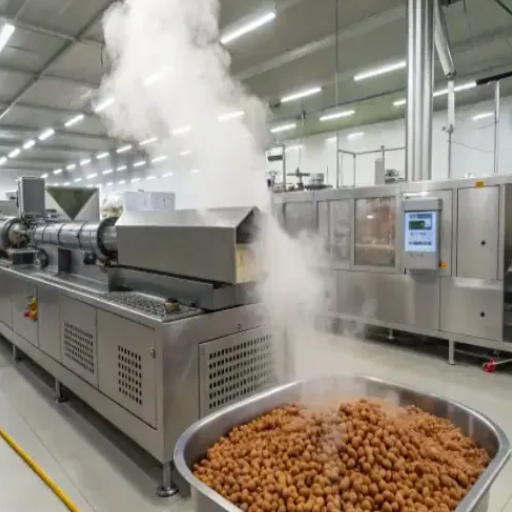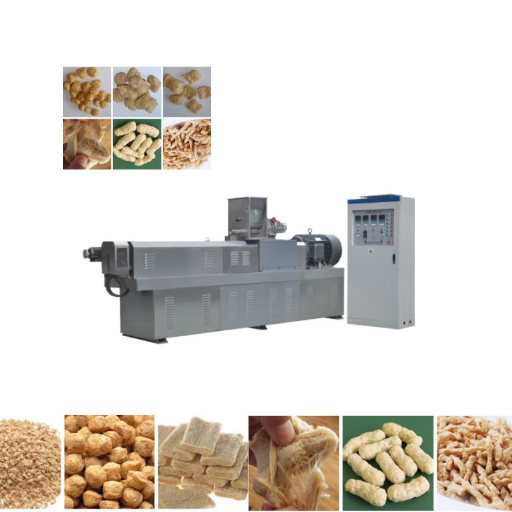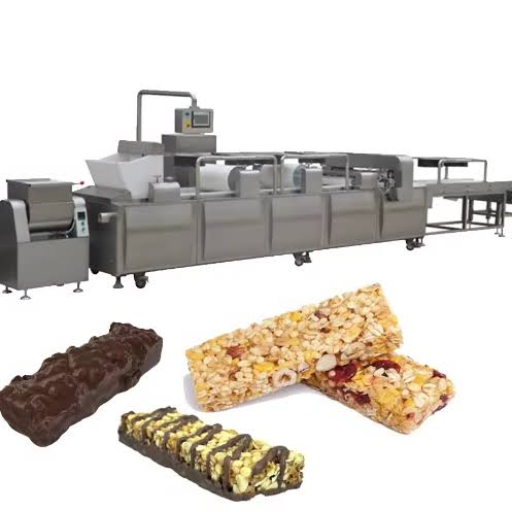
Are you ready to enter into the booming puffed snack production business? Or would you, perhaps, like to enhance your current operation for optimum efficiency? Here is a one-stop resource guiding you through the complicated process of establishing a high-grade puffed snack production line. We will walk you through every fundamental step, such as ejecting machinery and raw materials to organizing the workflow with quality outputs with regard to the entire operation. This comprehensive guide is bound to provide practical insights into transforming your production goals into reality, whether you are an experienced food producer or a beginner interested in exploring this flourishing market. Prepare to see your goal come to fruition!
Introduction to Puff Snack Production
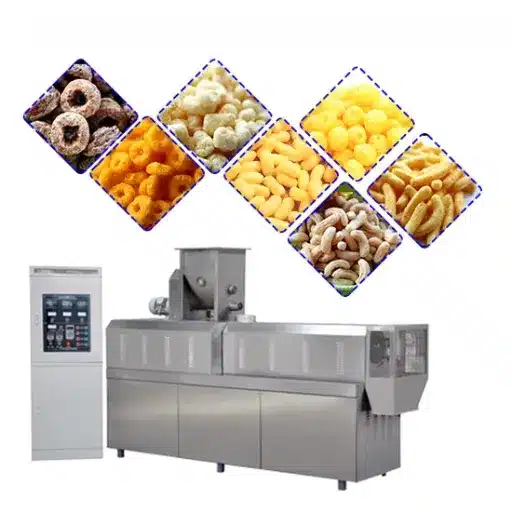
The puff snack production technique involves creating light and crunchy snacks through extrusion, drying, and seasoning processes. Essential steps include selecting high-quality raw materials, such as grains or starches, and processing them in an extruder to develop the desired puffed texture. This is followed by coating or seasoning the final product. Good working machinery, quality control at every step, and adherence to food safety standards are essential to maintain the quality and uniformity of puff snacks. In this process, all sorts of consumer preferences and dietary requirements get fulfilled, thus, making it versatile and profitable in food business.
Understanding Puff Snacks and Their Popularity
These puffed snacks are loved for their light texture, convenience, and array of flavors. The snacks cater to a broad customer base, ranging from children seeking fun and delicious items to adults looking for healthy, gluten-free, or protein-rich snacks. This s stopage for snack consumption, and it has an extraordinary shelf life. Moreover, these contemporary concoctions, along with numerous seasoning options, have kept puff snacks in the forefront of this highly competitive market. Changes in dietary trends and cultural tastes nurture their demand.
The Importance of Efficient Production Lines
Production lines must be highly efficient to meet the growing demand for snacks while ensuring quality consistency and cost efficiency. Simplification in the processes shortens production time while also reducing wastage and allowing for optimal use of resources; all these factors play a vital role in keeping competition alive in a fast-moving market. Advanced automation technology, combined with real-time monitoring systems and AI-controlled machinery, has revolutionized manufacturing to the extent that companies can now increase production without compromising product quality. Manufacturers have been able to respond quicker to changing consumer trends, for example, to gluten-free or vegan options, thus accelerating the entire process of developing and marketing new products. Efficacy in the production line builds profit margins, but it is also a crucial component of supply chain reliability-an integral factor that wins trust and consumer satisfaction worldwide.
Overview of Puffed Snack Equipment
Puffed snack equipment are specialist machines designed to make light and airy variants of snack foods. The snack machine usually uses more advanced extrusion technology, wherein certain raw materials such as flour from maize or rice, mixed in largely dry form, are passed through a die at very high temperatures and pressures. The sudden lowering of pressure causes the mixture to expand, giving the snacks their characteristic puffed texture. Modern puffed snack equipment is highly efficient, capable of controlling temperature, pressure, and especially shape, to deliver consistently high-quality products. Also worth noting is that many of the systems are capable of performing several combinations of mixing, shaping, and seasoning all in one operation, hence speeding up the production workflow and ensuring the scalability of snack producers.
Components of a Puffed Snack Production Line
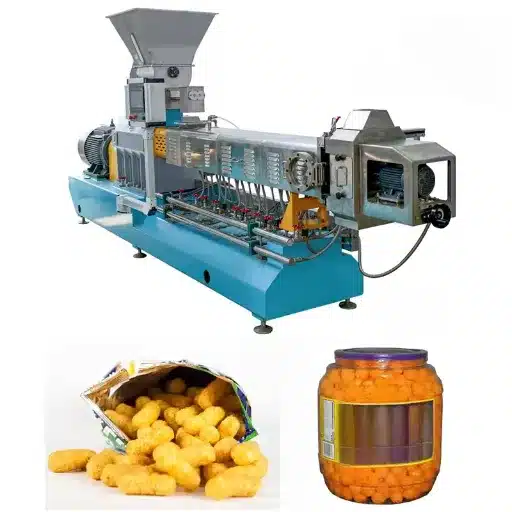
Puffed snack production line generally include some major systems like mixers for blending ingredients, extruders to shape and cook under high pressure, cutting systems to portion the snacks, drying ovens to ensure crispness by removing moisture, and seasoning machines to apply flavorings. Furthermore, conveyors and packaging systems would be installed to ensure a seamless process for optimal efficiency.
Food Extruder and Its Role
More than mere food: extruders represent the kernel of modern snack production into dividing and dining food on an injected texture. The extruder forces the mixture of raw materials into a die while maintaining precise control over pressure and temperature. This process would cook the material and give it the shapes and textures required for the final product. Extruders are versatile: from them one can make many snacks, thus puffs, chips, and even pasta. Another thing that makes a food extruder so worthwhile is the precision of extruding, which ensures consistency in its product, making it of paramount importance in food processing.
Puff Snack Making Machines
The puff-making machines are highly specialized for the quick manufacture of puffed snacks. These machines go through extrusion processes that take the raw materials such as cornmeal, rice, or wheat flour and convert them into snack products with different shapes and textures. Materials and ingredients are fed into the extruder, whereupon high pressure and temperature are imposed. When leaving the die, the sudden pressure drop that occurs causes puffing expansion, resulting in a light and crispy product.
Modern puff snack machines are accompanied with new technologies to provide precision, consistency, and speed. It could feature automation of control, control of temperature and pressure setting, and control or adjustment of die depending on different shapes. They are widespread and account for the production of high-quality, large-scale food factory snacks, characterized by their flavor and texture.
Improvements in puff snack machines have also responded to changing consumer tastes by facilitating the manufacture of healthier options with less fats, natural ingredients, and added nutrients. These machines operate for the manufacturing of diverse and convenient snack products globally from large-scale manufacturers to small-scale industries, fulfilling the demand.
Packing Machines for Puffed Snacks
Packaging machinery for puffed snacks is crucial for preventing product degradation and maintaining freshness, as well as ensuring overall consumer satisfaction. These machines, of course, are designed to package products into various formats for different markets, including bags, pouches, or boxes. Advanced packaging machines consist of all the technical components making the packaging operation smooth, including precise weighing, high sealing speed, and labeling in one process, ensuring maximum hygiene standards with minimal human touch and thus capable of threats to contamination. The latest packing innovations include eco-friendly materials, which not only follow but place themselves ahead of the trend towards sustainability in manufacturing and packaging operation.
The Production Process of Puffed Snacks
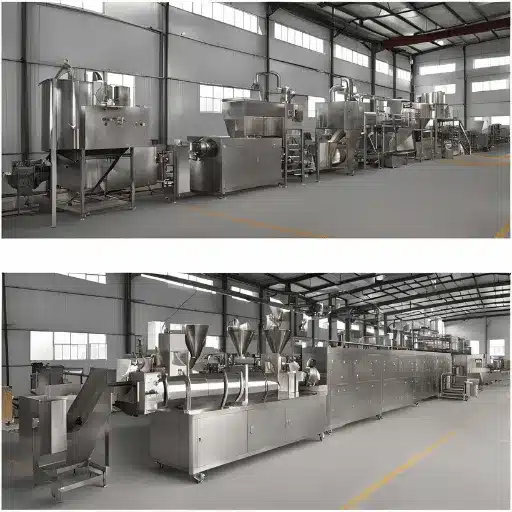
The production of puffed snacks involves several key phases that contribute to their characteristic texture and taste. It begins with the preparation of all raw materials, which may include grains or starches. These are milled and mixed with water and other ingredients to form a dough or slurry. Afterward, this mixture is sent to an extruder, where it is cooked and expanded at very high temperatures and pressures. As soon as the product leaves the extruder, the sudden drop in pressure causes the product to puff immediately. After puffing, the snack gets dried, seasoned with oils, spices, or flavors, and finally packaged to ensure homogenous quality products.
Raw Materials for Puff Snack Production
The primary raw materials for producing puffed snacks include grains, such as corn, rice, wheat, or oats, as well as starches like potato starch and tapioca. In brief, the ingredients above determine the structure and masticatory texture of the snack. The dough has to be made with clean water, while a variety of spices or flavorings are added for taste. Good-quality, fresh ingredients are essential for maintaining consistent quality and producing a superior end product in any puff snack.
Extrusion Process Explained
The extrusion process is the primary conversion method used to transform raw ingredients into puffed snacks. The general method of mixing grains and starches with water results in a somewhat doughy consistency. This mixture is then submitted to an extrusion process. Inside an extruder, the dough undergoes high pressure and high temperature, effects that gelatinize starches and denature proteins.
With the sudden release of pressure, the exiting dough transformed moisture into steam, which consequently puffed the snack, giving it the airy texture common to puff snacks. The extruded snacks are then cut into desired muzzle forms, dried to reduce moisture so far, and are either baked or fried at the end. Subsequent flavorings, seasonings, or coatings are applied to develop flavor choices further and provide a range of snack options for consumers.
Cooling and Drying Techniques
Cooling and drying are major processing steps preventing the product from quality, texture, and shelf stability. The products are passed through cooling conveyors or air-cooling systems after extrusion. These systems help cool down the products rapidly, preventing overcooking and allowing them to be structurally intact.
Drying is achieved through the use of hot air ovens or a fluidized bed dryer, which reduces the product’s residual moisture content. While drying, the operation is set such that the moisture content gets into its desired window, generally below 2-3%, otherwise, it would contribute to staling and microbial growth. So, proper cooling and drying result in crisp texture, flavor retention, as well as an increase in the shelf life of products.
Steps in Making Puff Corn and Other Snacks
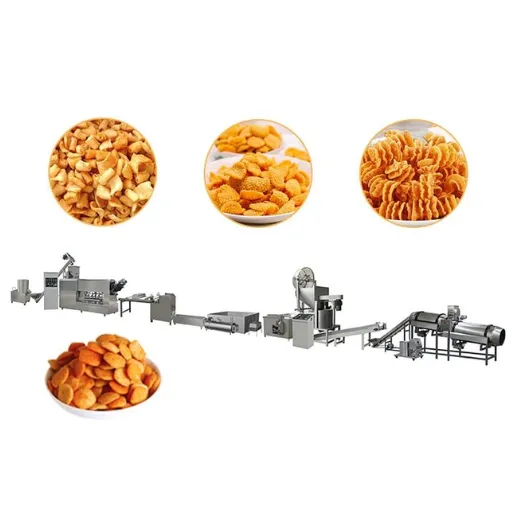
1. Preparation
Select the required base ingredients: cornmeal, rice flour, or starch. These are milled and then mixed with water to create a uniform dough or slurry.
2. Feeding onto the Extruder
The mixture is fed into the extruder at extremely high temperatures and pressures. Under these process conditions, the mixture is cooked and prepared for expansion.
3. Expansion by Puffing
After extrusion, the material undergoes an instantaneous pressure change, causing it to expand or “puff”.
4. Drying
Puffed products are dried to the required moisture content for crispness.
5. Seasoning
Adds any oil, spices, or other flavorings to the dried puffed snacks to increase their flavor and appeal.
6. Packaging
The snacks are packaged in air-tight containers or bags, thus preserving the freshness and quality of the snacks until the time they will be consumed.
Role of Puffing Machines in the Production Line
In the snack production process, puffing machines are considered the core machinery that impart the necessary textural and volumetric properties to puffed products. These machines utilize high-pressure or hot-air technology to achieve consistent and efficient puffing. By controlling temperature, pressure, and steam injection, the machines ensure that the puffing process renders the product uniformly, resulting in a highly light and crispy texture that consumers find appealing. Modern puffing machines, unlike their outdated counterparts, are geared towards high productivities while sustaining energy-saving operation, thereby supporting large-scale production. Then, they are equipped with refined systems that carry out parametric adjustments, automated cleaning, and other optimizations that optimize production flow.
Quality Control in Puff Snack Making
Quality assurance in the manufacture of puff snacks involves a thorough approach to control at every stage of the manufacturing process, from the selection of raw materials through to final packaging. From choosing and accepting raw materials to packaging the finished products, various steps follow strict safety and quality standards. This includes tests to identify size enlargement, changes or loss of hardness, or any other deviations from specifications so to ensure conformity on the size, texture, and flavor. Parameters such as moisture content, calibration of puffing machinery, and seasoning quantity are targeted for monitoring and control to ensure consistency. Besides food safety compliance under HACCP, the end products are acceptable for human consumption and consistently meet consumer expectations.
Optimizing Your Puff Snack Production Line
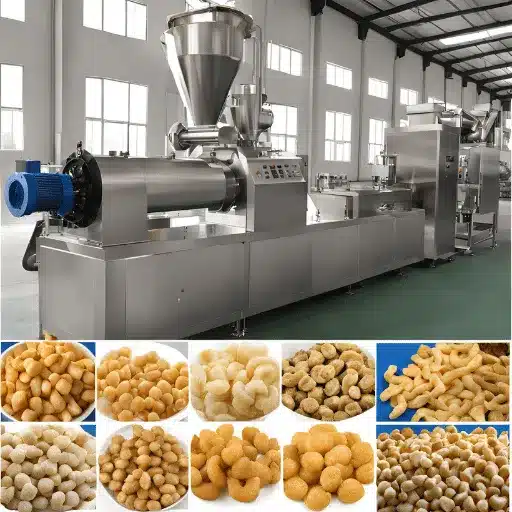
Optimization in a puff snack production line lies in automating major processes to improve efficiency while reducing manual errors. Smaller or larger maintenance is required so as to avoid downtime and to ensure that product quality is being adversely affected. Additionally, one needs to analyze production data, so as to identify bottlenecks and institute changes to smooth out operations. Other means of ensuring product uniformity and limiting wastage include quality control measures and a direct real-time monitoring system.
Tips for Maximizing Output and Efficiency
Invest in High-Quality Equipment
Utilize modern machinery designed explicitly for puff snack production, featuring fast operations and high precision.
Streamline Ingredient Handling
Maintain good consistency while reducing preparation times throughout the measuring, mixing, and feeding of raw materials.
Implement Predictive Maintenance
Install sensors to alert of impending failures or breakdowns.
Train Employees Effectively
Train operators and technicians thoroughly so that they can handle machinery properly and can troubleshoot common problems.
Optimize Packaging Processes
From the end of production toward the final stages, automated packaging systems shall accelerate the product’s freshness and quality.
Maintenance Best Practices for Snack Equipment
Working snack equipment should be operated for maximum efficiency and continued durability. Therefore, the maintenance given to equipment should be structured. Some other best practices to follow are:
- Schedule Regular Inspections:
Performing periodic inspections on equipment is always recommended to identify any early signs of wear and tear. This increases the longevity of the equipment and decreases unexpected downtime.
- Lubricate Moving Parts:
All moving parts should be lubricated thoroughly as per the instructions in manufacture guides. Application of high-quality lubricants prevents friction and maintains efficiency of components.
- Keep Equipment Clean:
Maintaining cleanliness should be given utmost importance in order to prevent the formation of any residue which may cause malfunction or contamination, primarily in food production where a high focus on hygiene is needed.
- Monitor and Replace Filters:
Regular checks should be maintained on air filters, oil filters, and any other filters used in the machines. Replacement as recommended would help maintain optimal performance and prevent clogging.
- Upgrade Software as Needed:
For automated or digital equipment, upgrades to the software and firmware ought to be made whenever necessary so that equipment remains compatible with current technology.
Following through with these will go a long way in keeping the snack production equipment smoothly running and minimizing unexpected downtime as well as keep food quality intact.
Integrating Packing Machines for Streamlined Operations
Packaging facilities enhance the efficiency and consistency of the whole snack production process and should be selected per the type of product and production volume. At parity with their counterparts upstream, a packing facility would have to produce at the required speed to avoid becoming an impediment among them. Statistically, if properly calibrated and tested, errors during packaging, such as material loss, should be minimal, while well-sealed finished products should conform to minimum quality standards. Workers should be trained in the operation of packing equipment to avoid packing errors and ensure day-to-day operations run smoothly. On the other hand, regular maintenance and supervision will ensure the long-term workability of the packing machines.
Reference Sources
-
The Ultimate Guide to Puff Snacks Processing Line – A comprehensive overview of technological advancements, processing techniques, and market trends in puffed snack production.
-
Efficient Puff Snacks Production Line: A Complete Guide – A detailed guide on setting up and operating a puffed snack production line.
-
The Manufacturing Process of Puffed Snacks – Covers key steps like ingredient selection, puffing, drying, seasoning, and quality control.
-
How Are Puffed Snacks Made: The Process Behind Corn Puffs – Explains the process of making puffed snacks, starting from dough preparation to final product.
-
How to Process Puffed Corn Snacks: A Comprehensive Guide – Focuses on step-by-step methods for processing puffed snacks with an emphasis on quality, safety, and scalability.
Frequently Asked Questions (FAQs)
What is a puffed snack making machine?
A puffed snack making machine is a type of food extruder explicitly used to produce puffed food items such as corn puffs and cheese balls. The ingredients, including corn flour, arrive under extreme temperature and pressure and are transformed into various shapes of snacks, which are further customized according to market demands.
How does an extruder for puffed foods work?
The extruder for puffed food will mix raw material(s), such as corn flour with water; a screw extruder will push this mix through a heated chamber. With high pressure and heat involved, the material expands, and various shapes of puffed snacks are then molded at the exit.
What are the advantages of a commercial puffed food production line?
The advantages of commercial puffed food lines are increased efficiency and production capacity. These lines combine separate machines, food-making-machines, packing-machines, puffing-machines, and etc., into one manufacturing process, for quick fulfillment of the rising market demand for puffed snacks.
What sort of food materials are mostly used in the production of puff snack food?
The principal material used in the production of puff snack food-chain is corn flour, whereas other ingredients such as rice flour, seasoning, and additives might also be added. These ingredients are then mixed and processed through an extruder to make the desired puffed snack products.
What is the importance of having a double screw in a food extrusion machine?
Double screws in a food extrusion machine being used largely improve the mixing and cooking efficiency of the ingredients. This design enables better mixing of the materials, allowing for the production of puffed snacks with consistently improved texture and flavor.
How does processing affect the nutritional value of puffed snacks?
Processing severely affects the nutritional value of puffed snacks. Selecting ingredients more or less carefully and controlling cooking parameters can help manufacturers come up with healthier options retaining all the essential nutrients with reasonably good taste and texture.