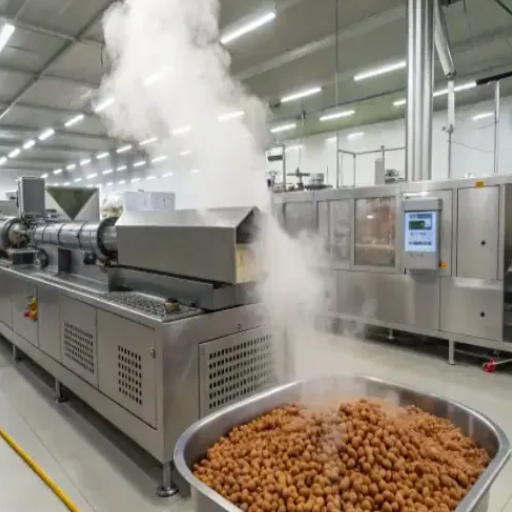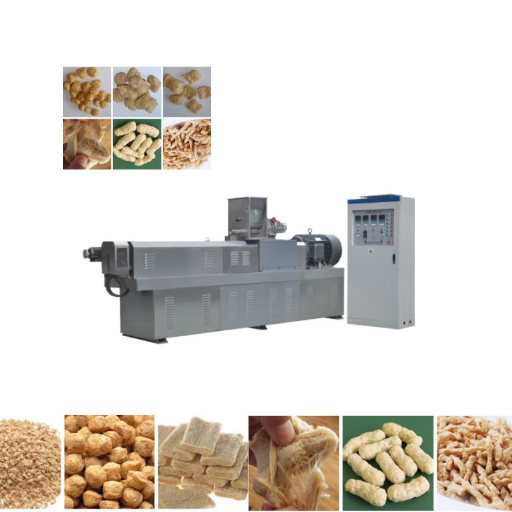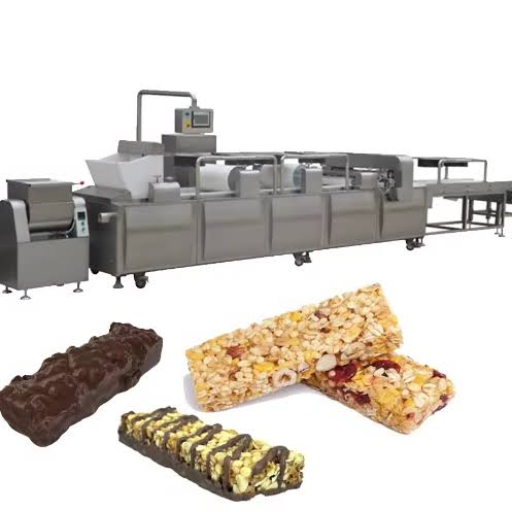
Discover the art and science behind premium pasta production – from grain to plate
Journey Behind the Scenes: On the worldwide gastronomic map, pasta stands as a professional of versatility, complementing every dish across cultures and tastes. At our Pasta Manufacturing Company, quality isn’t optional—it’s a way of life. This comprehensive guide takes you through the meticulous processes, premium ingredients, and unwavering commitment that goes into producing exceptional pasta for culinary enthusiasts and discerning gastronomes worldwide.
🏭 Comprehensive Pasta Production Process

1. Ingredient Selection
Foundation of Quality: The process begins with carefully selected durum wheat semolina, chosen for its high protein content and superior texture properties. Water quality is equally crucial for achieving the perfect dough consistency.
- Premium durum wheat semolina selection
- Rigorous quality testing of raw materials
- Optimal water-to-semolina ratio maintenance
2. Mixing & Kneading
Building Structure: Ingredients are precisely weighed and mixed to form dough, developing the crucial gluten network that provides pasta’s characteristic texture and elasticity.
- Precise ingredient measurements
- Temperature-controlled environment (77°F-95°F)
- Optimal gluten development
3. Extrusion & Shaping
Creating Form: Dough is forced through specialized dies to create various pasta shapes, each designed to hold sauces and cook evenly.
- Bronze dies for enhanced texture
- Teflon-coated dies for smooth finishes
- Consistent thickness control
4. Controlled Drying
Preservation Excellence: Careful drying reduces moisture content while preserving texture and extending shelf life without compromising quality.
- Temperature control (104°F-122°F)
- 6-24 hour drying cycles
- Final moisture content below 12%
📊 Global Pasta Market Overview
| Market Metric | Current Value | Growth Rate | Key Drivers |
|---|---|---|---|
| Global Production | ~15 million tons annually | 3.8% CAGR (2023-2028) | Urbanization, convenience demand |
| Market Value | Projected $21.5 billion by 2028 | Steady growth | International cuisine popularity |
| Leading Consumer | Italy: 23kg per capita/year | Stable | Cultural heritage, daily consumption |
| Private Label Growth | Emerging segment | 6.6% CAGR (2023-2028) | Brand customization demand |
🌾 The Science of Durum Wheat Quality

Why Durum Wheat Matters
Durum wheat’s superior characteristics make it the gold standard for pasta production:
- High Protein Content (12-14%): Significantly higher than other wheat varieties, ensuring pasta maintains structure during cooking
- Superior Gluten Structure: Provides better water absorption and extrusion efficiency
- Golden Semolina Production: Creates the characteristic color and texture that defines quality pasta
- Enhanced Cooking Performance: Prevents pasta from falling apart in cooking water
🍝 Popular Pasta Shapes & Their Culinary Applications
Spaghetti
Consistently Popular
Consumption: 1.3+ billion pounds annually in the US alone
- Perfect for tomato-based sauces
- Ideal for carbonara and aglio e olio
- Long, thin strands coat sauces beautifully
Penne
Top 5 Global
Varieties: Penne rigate (ridged) & Penne lisce (smooth)
- Tubular shape holds thick sauces
- Excellent for baked pasta dishes
- Works with marinara, pesto, and Alfredo
Rotini
Rising Popularity
Peak Demand: Barbecue and holiday seasons
- Spiral design traps sauces effectively
- Perfect for pasta salads
- Kid-friendly fun shape
Emerging Specialty Shapes
| Pasta Shape | Origin | Best Used With | Market Trend |
|---|---|---|---|
| Orecchiette | Southern Italy | Leafy greens, garlic, olive oil | Growing artisanal interest |
| Cavatappi | Regional Italian | Mac and cheese, creamy dishes | Rising popularity in comfort foods |
| Conchiglie | Traditional | Stuffed preparations, chunky sauces | Social media viral recipes |
🎯 Quality Standards & Manufacturing Excellence

Key Quality Control Measures
- Raw Material Testing: Comprehensive analysis of protein content, moisture levels, and contaminant screening
- Process Monitoring: Temperature, humidity, and timing controls at every production stage
- Final Product Inspection: Color consistency, texture evaluation, and cooking performance testing
- Compliance Standards: Adherence to ISO 22000 and HACCP food safety protocols
Fresh vs. Dried Pasta: Understanding the Differences
| Aspect | Fresh Pasta | Dried Pasta |
|---|---|---|
| Ingredients | Eggs, softer wheat flour | Durum wheat, water |
| Texture | Tender, delicate | Firm bite (al dente) |
| Best With | Light, delicate sauces | Hearty, robust sauces |
| Shelf Life | Short (days) | Extended (months) |
| Market Trend | Growing gourmet interest | Consistent staple demand |
🌱 Sustainability & Innovation in Pasta Manufacturing
Eco-Friendly Manufacturing Practices
🌊 Water Conservation
30% Reduction: Advanced technology and optimized workflows significantly reduce water consumption
⚡ Renewable Energy
100% Goal: Major brands like Barilla committed to renewable energy and carbon neutrality
🌾 Sustainable Sourcing
Local Focus: Organic durum wheat from local farms reduces transportation emissions
📦 Green Packaging
20% Waste Reduction: Biodegradable materials replacing traditional plastics
Packaging Innovations
- Biodegradable Bioplastics: Made from cornstarch and sugarcane
- Compostable Solutions: Paper-based packaging reducing environmental impact
- Lightweight Materials: Reducing shipping emissions through smart design
- Consumer Demand: 40%+ increase in searches for sustainable packaging
📈 Market Trends & Consumer Preferences
Alternative Pasta Growth
| Alternative Type | Growth Rate | Key Benefits | Target Market |
|---|---|---|---|
| Gluten-Free | Consistent upward trend | Celiac-friendly, health-conscious | Medical necessity, lifestyle choice |
| Legume-Based | Rapidly expanding | High protein, plant-based | Fitness enthusiasts, vegans |
| Sweet Potato | 6% CAGR over 5 years | Vitamin A & C, natural sweetness | Health-conscious families |
| Truffle Varieties | Luxury segment growth | Gourmet experience | Fine dining, affluent consumers |
Consumer Search Trends
Top Growing Search Terms:
- “Gluten-free pasta recipes” – Consistently trending upward
- “Organic pasta benefits” – Health-conscious interest
- “Truffle pasta dishes” – Luxury culinary experiences
- “Sustainable pasta packaging” – Environmental consciousness
- “Low-carb noodle alternatives” – Diet-specific needs
🏢 Private Label & Foodservice Solutions

Private Label Advantages
- Custom Branding: Tailored packaging and product specifications
- Quality Assurance: Rigorous testing protocols ensuring brand consistency
- Market Flexibility: Ability to offer gluten-free, organic, and specialty variants
- Competitive Pricing: Direct manufacturer relationships
- Sustainability Options: Eco-friendly packaging solutions
References
-
8th Avenue – Pasta: Offers insights into a wide variety of pasta shapes, including organic and innovative options.
-
Sfoglini – Pasta Shape Artistry: Focuses on traditional Italian pasta-making techniques and innovations in pasta shape artistry.
-
Severino Pasta Company: A family-owned pasta company with a rich history, offering homemade pasta products.
-
RP’s Pasta Company: Specializes in fresh and frozen pasta made with all-natural ingredients and Old World culinary traditions.
-
Zerega: A leading U.S. pasta producer for foodservice, offering over 300 varieties of high-quality pasta since 1848.
Frequently Asked Questions (FAQ)
What are the types of pasta products that a pasta manufacturing company makes?
A pasta manufacturing company manufactures a wide assortment of pasta products like pasta in its more conventional forms such as spaghetti, penne, and macaroni or pasta of specialty forms like tortellini and gnocchi. They are open to creating newer pastas, such as those made from whole wheat flour or maybe even organic ones, on a case-by-case basis to satisfy the different needs of the buyers.
How does pasta manufacturing start?
Pasta manufacturing starts with an excellent quality of durum wheat, which undergoes milling into semolina flour. This flour in combination with water forms a dough, which is then extruded into various shapes of pasta. The whole processing aims at maintaining the pasta’s graininess and texture to secure an ensuite quality product for the end consumer.
What is the role of R&D in pasta manufacturing?
R&D makes vital contributions to pasta manufacturing by way of introducing innovations in products. Symbolically, R&D units explore new ingredients, forms, and ways of preparing unique pasta products aligning to trends in the contemporary market and consumer tastes so as to keep the brand at the cutting edge of pasta innovations.
How is durum wheat beneficial for pasta-making?
Durum wheat has high protein content and gluten strength for giving pasta texture and firmness that it requires. Being the easiest one to use with pasta manufactures, it produces pasta that cooks evenly and holds its shape nicely during consuming-Great texture is realized through the use of standardized technical processing.
How do pasta factories ensure food safety?
Food safety remains exceptionally important in a pasta factory. The company abides by strict safety standards established by bodies like the National Pasta Association and would implement SQF (Safe Quality Food) practices after these standards. The process would involve checking for quality on a regular basis, maintaining an ultra-clean production environment, and assessing raw materials that go into production against safety standards.
Is a pasta manufacturing company able to sell private label pasta products?
Trying to answer this indicates that many of the pasta manufacturers can and do offer private label services to restaurants and foodservice companies. This essentially allows these businesses to order packaging and branding for specific pasta products to market their own brands to meet market needs and hence consumer preferences.
What is the significance of fresh pasta in the pasta market?
Fresh pasta is becoming increasingly popular on the market, mainly because it is superior to dried pasta with regards to flavor and texture. Preparing fresh pasta from very simple ingredients and selling it within a short time post-production mainly appeals to consumers who are in pursuit of gourmet culinary endeavors and the artisanal approach of cooking.
How does a pasta manufacturing company respond to the foodservice industry?
Pasta manufacturing companies have often developed pasta solutions tailored to foodservice. They collaborate with restaurants and caterers to produce pasta specifically formulated for the requisite menu while also coordinating the supply chain so the pasta is always available, allowing their culinary talents to shine.