Discover the fascinating journey behind one of the world’s most beloved convenience foods
Instant noodles are pantry items for millions all over the globe, providing a quick, easy, and tasty meal solution that transgresses geographic boundaries and cultures. But have you ever thought about the gist of this wonderous food item? Every inspiring story about innovation, hard work, and battling against world hunger can somehow be tied to a gulp of noodles. This post takes a ready-to-go dive into instant noodles and their history, looking at the creator behind the name, the hurdles the invention had to face, and how the creation of instant noodles changed cuisine.
Historical Background of Instant Noodles
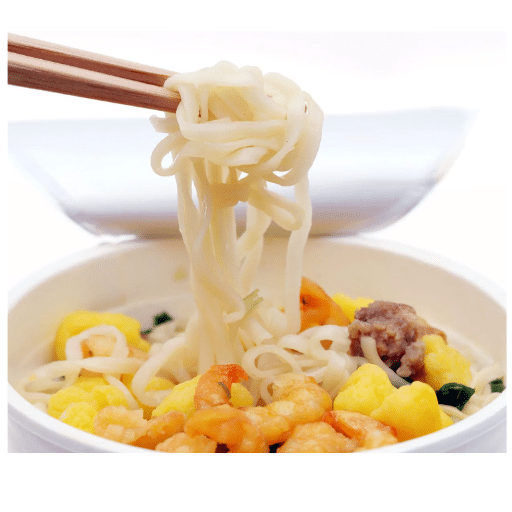
The inception of instant noodles dates back to 1958 when the Nissin Foods founder Momofuku Ando created them in Japan. Wanting to make an inexpensive food that provided convenience in order to tackle food insecurity in post-World War II Japan, he perfected the technique.
The invention featured the flash-frying of pre-cooked noodles, making them storable for extended periods and readily rehydrated with hot water. The first such product was named “Chikin Ramen,” and it generated instant popularity for the rospy convenience it afforded. Along the years, instant noodles moved from being a bundle of good food at every Japanese home’s table to a global outbreak that has now changed the face of global cuisines because of its affordability and versatility.
The Origins of Noodles
📜 Ancient Noodle Facts
- Noodles are more than 4,000 years old
- Oldest evidence found at Lajia archaeological site along the Yellow River, China
- Ancient noodles were made of millet, not wheat
- China is traditionally regarded as the home of noodles
Today, noodles hold pride in many foodways globally. Historical accounts dress Marco Polo as bringing the Italian pasta to Europe after his travels in the 13th century, a claim historians remain ambivalent about.
Servings consumed worldwide in 2022
Position after rice in global food consumption
Top consuming countries: China, Indonesia, India
Global Food Shortages and the Need for Instant Solutions
Global food shortages are becoming an increasingly serious concern as the world’s population continues to explode, thus exerting immense pressure on agricultural systems and supply chains. Recent data shows that searches for food insecurity-related terms have consistently increased over the last decade.
Contributing Factors:
- Climate change – Affecting agricultural productivity
- Conflicts – Disrupting food supply chains
- Economic instability – Limiting access to food
- Global pandemic – Creating widespread disruptions
Emerging Solutions:
- Sustainable farming practices
- Vertical farming technologies
- Plant-based proteins
- Lab-grown meat
- Fortified meal substitutes
- Shelf-stable food items like instant noodles
The Birth of Instant Ramen
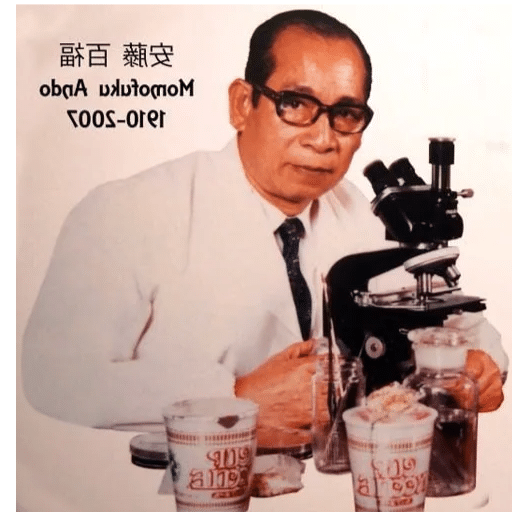
Following the widespread food shortages in Japan in the aftermath of World War II, Momofuku Ando founded Nissin Food Products and decided to invent instant noodles in 1958. He wanted to produce a product that could be convenient and nonperishable, able to be transformed into a hot meal in minutes.
🍜 The Revolutionary Process
Instant ramen started off as something foreign and miraculous, altering the food industry by virtue of offering a meal that could be quickly prepared by just pouring boiling water.
Momofuku Ando: The Inventor’s Biography
| Personal Details | Information |
|---|---|
| Birth Name | Go Pek-Hok |
| Birth Date | March 5, 1910 |
| Birth Place | Chiayi, Taiwan (under Japanese rule) |
| Education | Economics at Ritsumeikan University, Osaka |
| Key Innovation | World’s first instant ramen (1958) |
Early Life and Influences
Momofuku Ando, an orphan and inventor of instant ramen, was deeply influenced by the difficulties and limited resources of his early years in Japan. Being an orphan, he struggled through an era when food scarcity raised famine issues in almost all parts of Japan. These hardships ignited his passion for searching for food solutions that would serve as sustenance for as many people as possible.
Establishment of Nissin Foods
Founded: 1948 in Osaka, Japan
Mission: Address food shortages in post-war Japan
Vision: Develop innovative food products with long shelf life
First Product: Chicken Ramen (1958) – world’s first instant noodle
Evolution of Instant Noodles
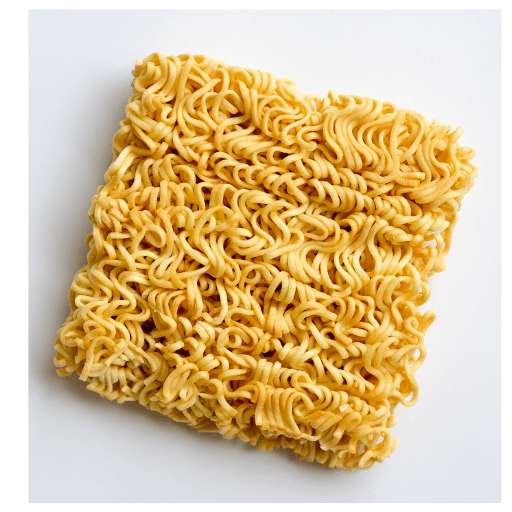
The evolution of instant noodles has truly been fascinating since 1958. Initially thought to be nutritious yet cheap fast food, instant noodles today represent a global culinary culture, soaring into a multi-billion-dollar industry.
Key Evolutionary Milestones:
| Era | Innovation | Impact |
|---|---|---|
| 1958 | First instant noodles (Chicken Ramen) | Revolution in convenience food |
| 1971 | Cup Noodles introduction | Enhanced portability and convenience |
| 1980s-90s | Global flavor variations | Cultural adaptation worldwide |
| 2000s | Health-conscious options | Whole-grain, low-sodium varieties |
| 2010s-Present | Sustainability focus | Eco-friendly packaging, plant-based ingredients |
Modern Innovations:
- Health improvements: Whole-grain, low-sodium, gluten-free options
- Flavor diversity: Gourmet, local specialties, fusion cuisine
- Sustainability: Recyclable packaging, plant-based ingredients
- Technology: Microwavable cups, self-heating packaging
Innovations in Instant Noodle Technology
🏥 Health Focus
Low-sodium, gluten-free, vitamin-fortified options
🌶️ Customization
Personalized seasoning packets and gourmet toppings
🌱 Sustainability
Biodegradable cups and plant-based packaging
Global Expansion of Instant Noodle Brands
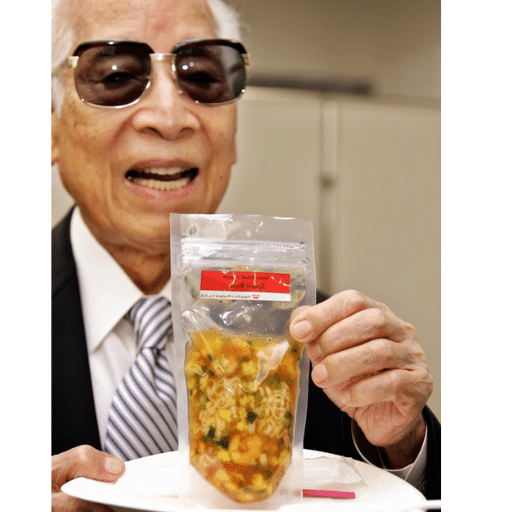
By changing consumer habits and globalization, instant noodle brands have witnessed significant expansion. Recent search trends indicate spikes in searches from African and South American regions for terms such as “best instant noodle flavors” and “cheap instant noodles.”
Regional Adaptations:
- West Africa: Jollof noodle flavors
- South America: Spicy chicken flavors
- Middle East: Halal-certified options
- Western countries: Vegan instant noodles
🚀 Instant Noodles in Space: Space Ramen
In light of the innovation for instant noodles, “space ramen” has come to life for astronauts. Special sets of instant noodles are designed, considering the problems of microgravity and food preservation, to meet the nutritional and logistical requirements of space missions.
Key Features of Space Ramen:
- Thicker, viscous broths – Prevents floating in zero gravity
- Bite-sized portions – Safe and practical for space consumption
- Vacuum packaging – Maximum freshness and extended shelf life
- No floating particles – Modified toppings that stick to noodles
🔍 Space Ramen Search Trends
According to Google Trends, searches for “space ramen” have increased by 40% over the past two years, with spikes around major space mission announcements.
Cultural Impact Across Countries
The cultural impact of instant noodles spans the globe. It signifies connection and creativity, adapting almost effortlessly to local tastes and traditions. From soul food in family settings to gourmet creations in fine dining, its ability to bring people together renders it both universal and personal.
Economic Influence in the Food Industry
Instant noodles have tremendous economic value due to their worldwide appeal and cross-industry versatility. The demand for this product supports:
- Agriculture: Grain farming and supply chains
- Manufacturing: Processing and packaging industries
- Retail: From local eateries to international franchises
- Innovation: Food technology and culinary creativity
- Employment: Jobs across multiple sectors
Unique Flavors Around the World
| Region | Signature Flavors | Key Ingredients |
|---|---|---|
| Japan | Umami-packed broths | Miso, soy, dashi |
| India | Spice-layered profiles | Turmeric, cardamom, cumin |
| Mexico | Bold combinations | Chili, lime, corn |
| Scandinavia | Simple, clean flavors | Smoked fish, pickled vegetables |
| Thailand | Tom Yum variations | Lemongrass, galangal, chili |
The Future of Instant Noodles

The instant noodle business is evolving with shifting consumer preferences and global trends. Search data confirms rising interest in “healthy instant noodles” and “gourmet ramen ideas,” indicating growing demand for health-conscious and premium experiences.
Future Trends:
🌱 Health Focus
Alternative grains like quinoa and millet, reduced sodium options
🌍 Global Flavors
International cuisine profiles and authentic regional tastes
🥬 Plant-Based
Meatless broths and plant-based toppings for various diets
♻️ Sustainability
Eco-conscious packaging and environmentally friendly production
References
-
Wikipedia – Momofuku Ando: Comprehensive details about Momofuku Ando, the inventor of instant noodles, and his contributions.
-
Wikipedia – Instant Noodles: Information on the invention and history of instant noodles, including their launch in 1958.
-
Britannica – How Was Instant Ramen Invented?: A detailed account of the invention of instant ramen by Momofuku Ando.
Frequently Asked Questions (FAQ)
Who invented instant noodles?
Instant noodles were invented by Momofuku Ando, the Taiwanese-Japanese entrepreneur that created the first instant ramen in 1958. His technique of flash frying the noodles so that they could be quickly cooked brought an additional element of convenience that fueled the rapid spread of instant noodles around the world.
Which year saw the introduction of Cup Noodles?
In 1971, under his Nissin Food Products Co., Ltd., Ando introduced the instant ramen cup noodles that were very convenient for a consumer willing to instantize his or hers ramen noodles by just adding water. They are now the biggest name in instant food.
What was Momofuku Ando’s inspiration behind inventing ramen?
The description of Momofuku Ando’s inspiration in making ramen was to deal with its food shortage in post-war Japan. He was considering a product that could be easily made and could provide sustenance to the masses, which brought forth the invention of instant ramen noodles.
How was hot oil instant drying developed by Ando?
Ando developed the method of hot oil instant drying through experimenting with different cooking styles. It employs frying of noodles in oil sufficiently hot that it cooks the noodles swiftly while sealing up their flavor. The end product would then be able to be kept for long without spoiling.
What does it mean to have a Cup Noodles Museum?
The Cup Noodles Museum in Yokohama, Japan, commemorates the invention of cup noodles and the legacy of Momofuku Ando. Here, one can learn about instant ramen history, engage with interactive exhibits, and even make one’s own cup noodles.
How did instant ramen become a worldwide dish?
Because it is cheap and convenient with the possibility to alter any culture style and get any flavor of chicken noodles, instant ramen becomes very popular in over 100 countries.
What are some popular forms of instant ramen used nowadays?
Some common instant ramen types are Top Ramen and Cup Noodles, available in many different flavors and packaging. The product pursues a broad spectrum of tastes and preferences and further increases the appeal of instant ramen as a fast food option.
What is space ramen and what is the way it relates to instant ramen?
Space ramen is a special army of instant ramen designed for astronauts. It was developed to enable astronautics to have a bowl of noodles in space, proving it could be adapted to almost any environment.
What are instant ramen noodles from a nutritious standpoint?
Mostly, instant ramen noodles are flour-based and are fried, which elevates the calorie content. It can sometimes be a convenient meal on the go; however, one should balance it with fresh vegetables or any protein to make it a nutritious dish.