To consistently make top-grade pasta in mass quantity, both the know-how and appropriate machinery are needed. If you are a small enterprise planning to increase your production capacity or a gigantic manufacturer focusing on attaining the best performance, knowing the expenses associated with pasta production line installation is of utmost importance. This narrative goes through the necessary machine parts and factors that affect their prices in details, thereby allowing you to become up-to-date on the decision-making process regarding your production needs. This article will be a great source of information for all the actors in the pasta industry as it will first cover the main characteristics of different machines and then discuss the factors that determine their price. So, let’s get started and see what it takes to make your pasta production dream come true!
Overview of Pasta Production Line
Purpose and Functionality of Pasta Making Machines
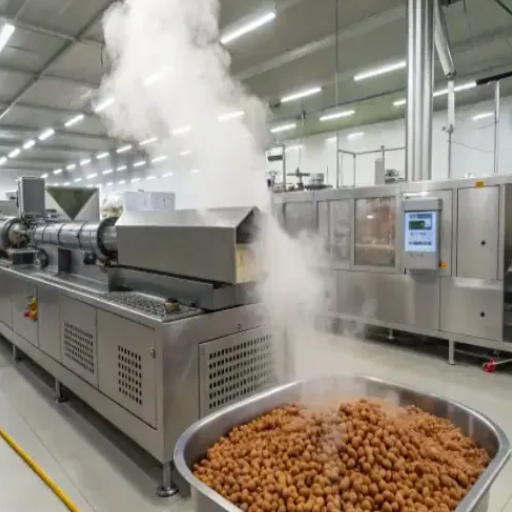
Pasta-making machines are undeniably the backbone of the pasta production industry as they really help to make the process of creating high-quality pasta very quickly and consistently. The major function of these machines is to take over the significant manual labor of mixing, kneading, extruding, and drying the dough along with making sure the final product is of the same quality. These machines are suitable for both small producers working with few artisans and huge industrial sets, thus, they can really give the desired amount of production to various needs during the process.
Key Functions of Pasta Making Machines:
- Mixing and Kneading: Ensures proper dough texture and consistency
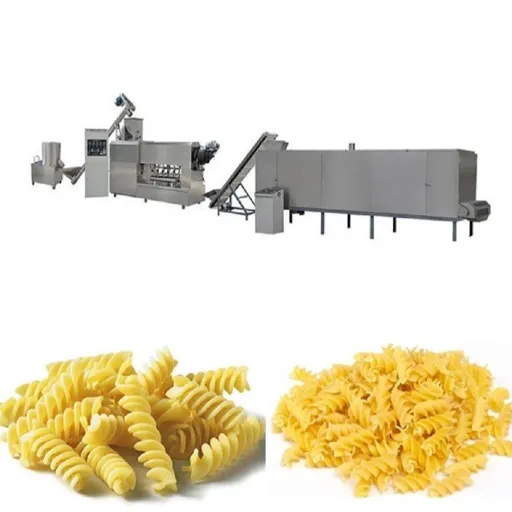
- Extruding: Creates various pasta shapes including spaghetti, penne, and fusilli
- Adjustable Settings: Controls thickness, moisture content, and cooking properties
- Automated Drying: Achieves desired moisture levels efficiently
The dependability and effectiveness of these machines are the most important company factors if they want to either increase their production or have the same high production. The better-quality machines usually possess the drying system that is automatically controlled, so the pasta will quickly reach the desired moisture level. Besides, the high-quality construction and simple-to-use interfaces guarantee that the machines will require minimal maintenance and will last long, thus, it is a pasta-making machine’s that the market will always be quality and efficiency.
Importance in Modern Food Manufacturing
Pasta-making machines are indispensable in the modern food manufacturing industry as they efficiently and consistently meet the growing global demand for pasta products. In addition to the ability to produce pasta of different shapes, sizes, and textures, these machines give the manufacturers the power to cater to the wide range of tastes of the consumers. This flexibility is a must-have in an industry characterized by innovation and changing market trends.
✓ Benefits Checklist:
- ✓ Enhanced Quality Control & Food Safety
- ✓ Reduced Risk of Contamination
- ✓ Uniform Batch Production
- ✓ Compliance with Health Regulations
- ✓ Cost-Efficient Resource Management
- ✓ Sustainable and Scalable Growth
Types of Pasta Production Machines
Different kinds of pasta production machines are there, and each one is made to perform a different function in the manufacturing process. The main groups consist of extrusion machines, sheeting machines, and drying machines. Together these machines make production more efficient while keeping the quality and productivity of the same level.
🔧 Extrusion Machines
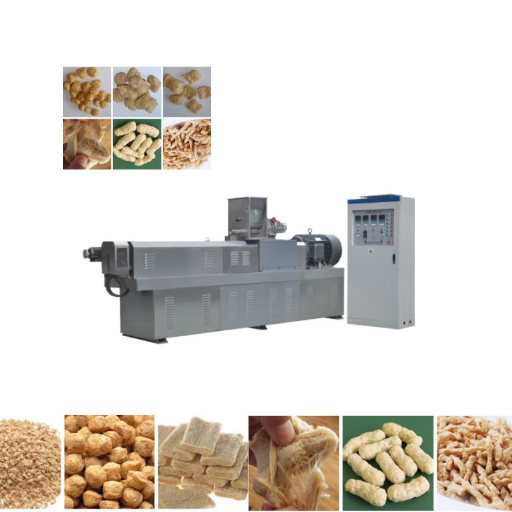
These machines push dough through specific molds or dies to create various pasta shapes such as spaghetti, penne, or macaroni. They’re highly versatile and produce consistent shapes across all production scales.
📄 Sheeting Machines
Essential for producing layered or rolled pasta like lasagna and ravioli. They transform dough into thin, uniform sheets with precise thickness control, crucial for achieving the desired texture.
💨 Drying Machines
Critical for extending shelf life by removing moisture. Advanced drying solutions feature adjustable settings for different pasta types, preserving quality and product integrity throughout.
Factors Influencing the Cost of Pasta Production Lines
Equipment Size and Capacity
The pasta production line’s cost is greatly influenced by the size and capacity of the equipment to a significant extent. Usually, larger machines with greater output are more expensive to buy at first but the gains in production efficiency outweigh the cost. For example, the commercial pasta production lines that can produce from 500 kg to 2,000 kg/hour and more are especially made for the huge factory needs, assisting the production of large quantities while ensuring the product quality is the same throughout.
📊 Capacity Considerations:
- Large-Scale Operations: 500-2,000+ kg/hour capacity for industrial facilities
- Small-Scale Production: Lower output capacity for boutique manufacturers
- Energy Consumption: Higher capacity typically means increased electricity usage
- Maintenance Frequency: Varies based on production volume and equipment size
- Flexibility: Ability to switch between different pasta shapes and recipes
Level of Automation: Fully Automatic vs. Manual
Automated systems that are fully automatic do not need any human involvement, while systems that are manual depend solely on the labor of humans, and systems that are semi-automatic mix both human and machine for more productivity.
Common Expenses Associated with Pasta Production Machines
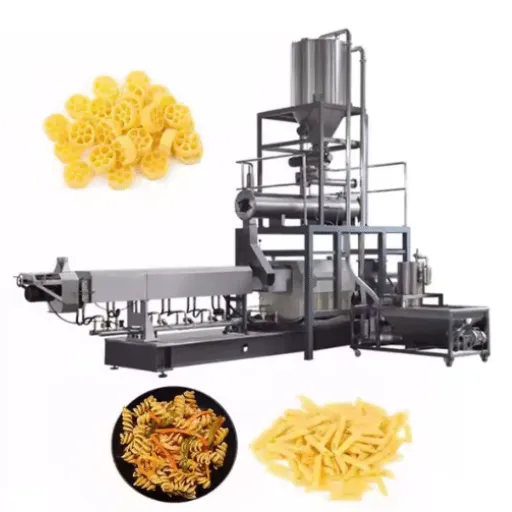
Cost of Machinery and Equipment
When it comes to assessing the costs of pasta production machines, the great diversity of machinery in the market is one of the factors that need to be accounted for each different scale and automation level having its own set of machines.
💰 Manual Machines
$50 – $200
- ✓ Small hand-operated devices
- ✓ Ideal for home-based operations
- ✓ Limited scalability
- ✗ Not suitable for large companies
💰 Semi-Automatic Machines
$2,000 – $10,000
- ✓ Moderate control & efficiency
- ✓ Medium scalability
- ✓ Reduced labor costs
- ✓ Perfect for medium-sized operations
💰 Fully Automatic Lines
$100,000+
- ✓ High-end industrial machines
- ✓ Thousands of kg/hour capacity
- ✓ Minimal human intervention
- ✓ Exceptional efficiency & consistency
Installation Fees and Setup Costs
In the case of industrial pasta-making machines, installation and setup fees are among the main ones to be considered. These charges are usually determined by the technicality of the Machines, the capacity of the production site, and how much customization is needed.
💡 Installation Cost Components:
- Expert Consultation Fees: Professional guidance throughout installation process
- Shipping of Heavy Machinery: Transportation and logistics costs
- Assembly and Integration: Technical labor for system setup
- Training Programs: Operator training (may be included or separate)
- Infrastructure Modifications: Reinforced flooring, electrical upgrades
- Ventilation Systems: Safety and hygiene compliance
- Waste Management Systems: Meeting regulatory standards
💰 Cost-Saving Tip: Some equipment manufacturers offer bundled packages that combine machinery, delivery, installation, and training costs. Additionally, explore government grants or financing options targeted at food production or industrial upgrades to offset initial expenses.
Routine Maintenance and Hidden Costs
To maintain industrial food production machinery for a long time and get the best performance out of them, it is absolutely necessary to do routine maintenance. Regular check-ups and servicing can stop small problems from blowing up into huge ones that need expensive repairs.
⚠️ Hidden Costs to Consider:
- Energy Consumption: Accumulating electricity or fuel costs based on operational hours and machine efficiency. Misalignment or underperformance can significantly increase energy usage.
- Spare Parts: Costs vary according to equipment age and brand. Include in yearly budget planning.
- Production Downtime: Revenue loss during repairs or servicing, potential delayed deliveries, and strained supplier/customer relationships.
- Preventive Maintenance Activities: Lubrication of moving parts, sensor checks, and wear-and-tear component inspections.
🔧 Smart Investment: Consider predictive maintenance technologies and automated monitoring systems that identify problems before they become critical. While associated with initial costs, these investments greatly reduce operational interruptions and provide long-term ROI through improved reliability.
Comparing Budget-Friendly and Premium Pasta Production Lines
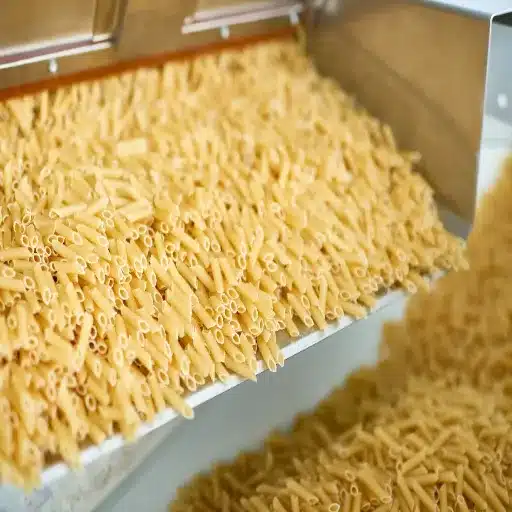
Advantages of Budget Options
💵 Lower Initial Investment
Significantly lower upfront costs make budget options appealing for small enterprises and startups with limited capital.
🔧 Simplified Maintenance
Simpler components make repairs easier and cheaper. Spare parts are typically more frequent and affordable.
⚡ Energy Efficiency
Many budget models incorporate energy-efficient features that reduce monthly operating costs, improving long-term profitability.
📐 Compact Design
Requires less floor space, perfect for businesses with limited workspace or urban locations where space is premium.
📈 Faster ROI
Lower initial costs enable faster return on investment, allowing businesses to scale operations quickly with reduced financial risk.
Disadvantages of High-End Production Machines
Cost-Benefit Analysis for Different Business Needs
It is important to note that the specific needs and objectives of each operation should be evaluated when doing a cost-benefit analysis on different business requirements.
🏪 Small Business Focus
- ✓ Budget-friendly equipment
- ✓ Moderate capabilities
- ✓ Energy-efficient devices
- ✓ Lower overhead costs
- ✓ Minimal maintenance needs
- ✓ Steady productivity levels
🏭 Large Enterprise Focus
- ✓ Heavy-duty machines
- ✓ High-capacity output
- ✓ Maximum efficiency
- ✓ Advanced automation
- ✓ Reduced labor costs
- ✓ Superior scalability
🎯 Modular & Customizable Solutions:
The choice of adopting modular or customizable machines can cater to the needs of businesses from different scales since it offers production flexibility. With modular systems, a company can increase or decrease its operations depending on the sales without needing to completely change the machines.
By synchronizing equipment buying with expected growth path and operational aims, a company can not only manage its finances well but also stay ahead of the competition.
Actionable Tips for Selecting the Right Pasta Production Line
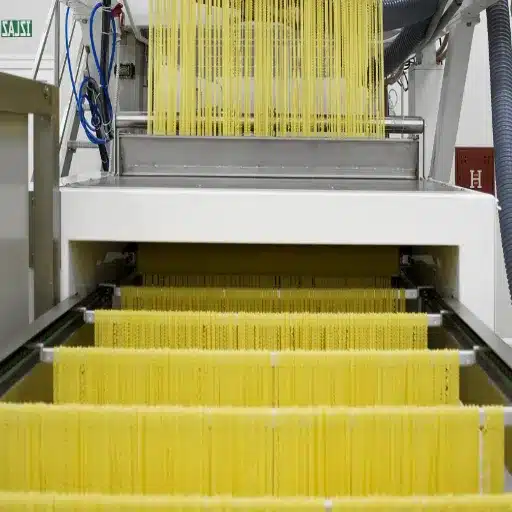
Considerations for Small-Scale Operations
Small-scale pasta production operations need to be flexible and cost-efficient. Business plans for companies that intend to grow slowly and steadily include investing in such production lines that can adapt to changing production rates.
💼 Small-Scale Operation Tips:
1. Flexibility & Adaptability
Invest in production lines that can adapt to changing production rates. Machines with interchangeable molds or customization options enable product range expansion without major investments.
2. Energy Efficiency Priority
Compact machines with low power consumption reduce running costs and align with sustainable production practices—essential for tight budgets.
3. Maintenance Cost Management
Choose machinery requiring minimal maintenance with easily available spare parts. High-quality, durable components reduce downtime and extend machine lifespan.
4. Scalability Planning
Select production lines capable of accepting additional machines or expansion modules. This prepares your company for growth without complete system overhauls.
Evaluating Options for Large Industrial Facilities
In the process of determining production for huge industrial plants, it is of paramount importance to consider alternatives that will serve to both present and future expansion. Chief factors to be taken into account are energy efficiency, cost-effectiveness and technology easily adaptable to future demands.
🏭 Industry 4.0 Integration Benefits:
- IoT-Enabled Devices: Real-time monitoring and control systems
- Real-Time Data Collection: Comprehensive performance tracking
- AI-Driven Analytics: Optimized value chain management
- Smart Sensors: Widespread machine performance monitoring
- Predictive Maintenance: Reduced downtime and repair costs
- Data-Driven Models: Enhanced workflow and bottleneck identification
🚀 Strategic Advantage: Through the mastering of technological innovations and the execution of a detailed cost-benefit analysis, large industrial plants can not only keep their place in the market but also prepare and ensure their future growth and innovation.
Assessing Raw Material and Production Process Needs
The ability to accurately assess the needs of raw materials is quite essential in the production process’ smoothness and the industrial operations’ cost-efficiency. Initially, the companies should check the supply chain of the primary raw materials by looking at the factors like availability, quality, and cost.
📦 Raw Material Assessment
- ✓ Supply chain evaluation
- ✓ Availability verification
- ✓ Quality assurance checks
- ✓ Cost analysis
- ✓ Reliable supplier partnerships
⚙️ Production Process Evaluation
- ✓ Detailed process mapping
- ✓ Bottleneck identification
- ✓ Waste reduction strategies
- ✓ Energy consumption analysis
- ✓ Lean production techniques
🤖 Modern Technology Integration:
Utilizing automated inventory management systems and predictive analytics can assist in forecasting demand and scheduling procurement optimally, avoiding both shortages and overstocking.
The combination of raw material analysis findings and production process assessments creates the basis of a manufacturing operation that can quickly respond and endure. Data-oriented methods utilizing AI and machine learning turn data into actionable insights, granting firms the opportunity to adjust their market position rapidly and efficiently.
References
-
Economic Feasibility of Producing Pasta in Kenya
This study evaluates the costs and revenues of a small-scale pasta production plant, including raw material costs and sales prices. -
Feasibility of Commercial Instant Noodle Production in Argentina
This paper discusses the significant upfront investment required for pasta production equipment and the economies of scale in expanding production lines. -
A Whole-Cell System Based on Engineered Bacteria to Assess Cobalt Presence in Food: The Example of the Pasta Production Chain
While focused on food safety, this research provides insights into the pasta production chain and associated processes. - Click here to read more.
Frequently Asked Questions (FAQ)
❓ What factors have the most significant impact on the cost of the pasta production line?
The pasta production line cost is determined by the size of the equipment (pasta extruder, dryer, cutter, and packaging machines), the pasta type produced (dry, short, long, or instant), raw materials selection like durum wheat or wheat flour, the level of automation (automatic macaroni making equipment, automatic pasta maker), and the energy and labor input costs in the pasta plant along with the required production capacity of the industrial pasta production line or mini pasta plant.
❓ What is the impact on cost when choosing between a dry pasta production line and a fresh pasta line?
Opting for a dry pasta production line usually means a higher initial investment because dryers are required and the process takes longer (pasta dryer, drying, multi-stage processing) but it lowers the cost for per-unit storage and distribution. Fresh pasta lines may have lower equipment costs but higher cold-chain and shelf-life costs. For macaroni or spaghetti, dry pasta production is the common practice in industrial pasta plants and affects the overall cost of the pasta production line.
❓ Can the pasta production line create different pasta shapes, and is there a price difference?
Absolutely! The pasta manufacturing line is capable of producing different types of pasta if the pasta extruder is equipped with a set of interchangeable dies: short pasta, long pasta, spaghetti, noodles, cut pasta, and even specialty shapes. However, adding more dies, shaping devices or special processing machines complicates the process and therefore adds to the cost of pasta production. These advancements increase the technology and equipment requirements for pasta.
❓ How important is selecting the right raw material in terms of production costs?
The raw material of pasta is a significant ongoing cost. Durum wheat semolina is generally more expensive than common wheat flour, but it is preferred for Italian pasta with a firmer texture suitable for spaghetti production. The choice has implications for recipe, extrusion parameters, temperature control during processing, and thus the total cost of the pasta production line and macaroni production is affected.
❓ What role does the level of automation play with respect to ROI and production cost?
Full automation—macaroni machines, automated extrusion, fully integrated pasta processing line—implies larger initial capital investments but leads to replacement of labor, faster throughput, and higher quality due to uniformity in the pasta manufacturing process. Automated systems with multiple large-scale industrial pasta production lines allow for faster return on investment since capacity is increased, however, it increases the upfront cost of the pasta production line.
❓ What are the main expenses for maintaining and running a pasta factory?
Maintenance of pasta equipment (pasta extruder, dryer, cutting and packaging machines) is one of the operational costs, along with energy for pasta drying and extrusion, spare parts for the macaroni production machine and processing machine, labor (pasta macaroni processing technical engineers), and raw materials. Regular maintenance of the pasta dryer and extrusion system is necessary to prevent downtime, which can otherwise increase the effective cost of the pasta production line.
❓ What are the infrastructure and space requirements for a dry pasta production line?
The drying pasta production line occupies ground for the line (pasta processing line), drying tunnels, storing raw material (wheat or durum), packaging area, and utilizing utilities (power, compressed air, water). The size is proportional to the production capacity—the number of lines operating in pasta and macaroni production machine—and thus it is a factor in determining the construction and setup costs included in the overall cost of the pasta production line.
❓ Are there any cost samples or estimates for beginning a macaroni production line?
Costs are spread across a wide spectrum: the domestic or semi-automatic small-scale macaroni production lines and macaroni making machines are positioned at the low end; the industrial macaroni pasta production line or spaghetti production line for large-scale pasta manufacturers entail a huge investment in terms of capital. The budget must account for the pasta manufacturing equipment, the pasta project planning, the installation, the training of operators, and the compliance costs. For precise estimates, suppliers often give price quotations based on the desired output, type of pasta, and automation level.
❓ How do pasta technology and process flow improvements impact long-term costs?
Technological improvements in pasta such as optimized pasta extrusion, improved pasta dryer control, energy-efficient pasta drying, precise pasta temperature regulation, and a streamlined line process have led to waste reduction, yield increase, and a significant lowering of energy consumption and drying time. The efficient process flow and modern design of the pasta production line and macaroni production machine significantly reduce the lifetime cost of the pasta production line and thus improve overall profitability.
🎯 Final Thoughts
Investing in a pasta production line requires careful consideration of multiple factors including equipment size, automation level, raw materials, and long-term operational costs. Whether you’re a small artisan producer or a large industrial manufacturer, understanding these cost components enables you to make informed decisions that align with your business goals and budget.
By balancing initial investments with long-term ROI potential and choosing equipment that matches your production needs and growth trajectory, you can build a successful and sustainable pasta production operation.