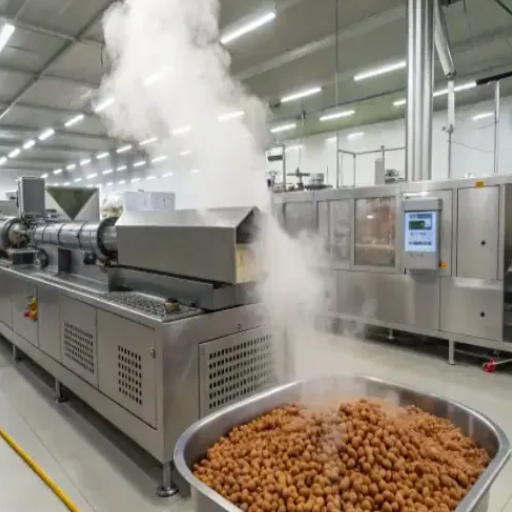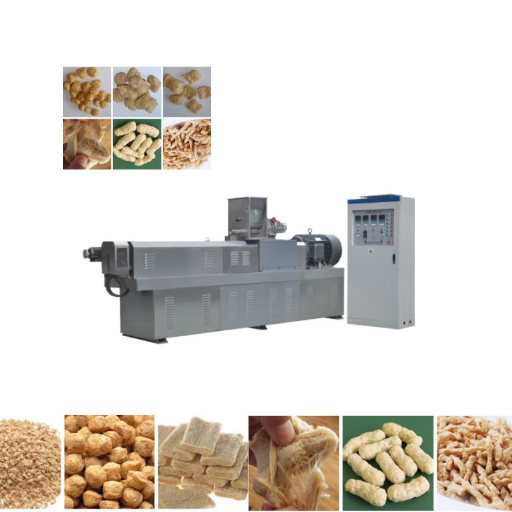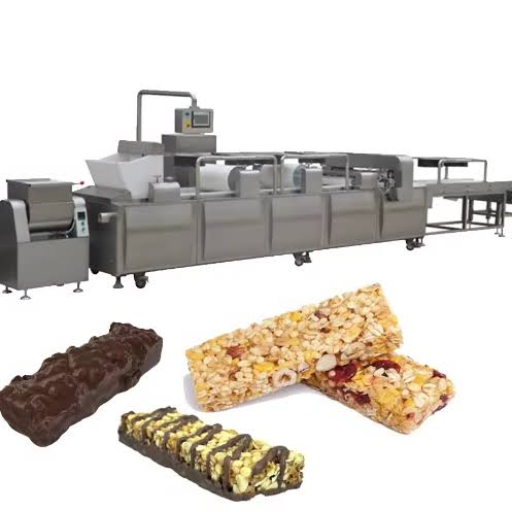
Mixers are essential instruments used in a variety of applications, from making lavish desserts in household kitchens to large-scale production in busy industrial places. Nevertheless, the mixers are not the same in quality, and knowing the differences between a stand mixer and an industrial mixer is very important for choosing the right tool for the job. This article thoroughly examines the properties, benefits, and certain uses of each type. Thus, you will be able to make your decisions based on what type of mixing you are interested in. If you are a home baker who has discovered new cooking & bakery skills or a company that is increasing production, this guide will tell you the main differences and areas where each mixer is great at.
Introduction to Mixers
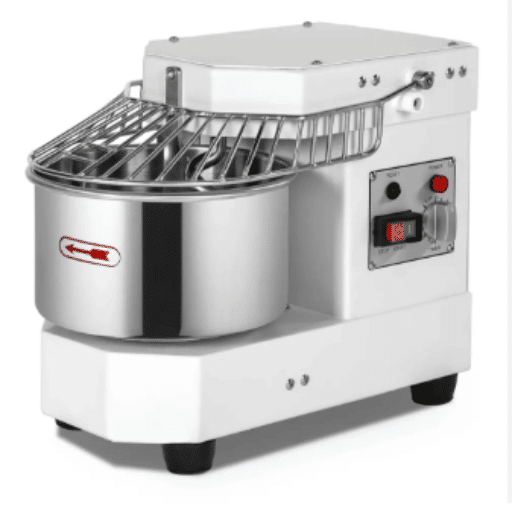
Mixers are very important tools that are frequently used in both domestic and industrial environments for the purpose of combining, blending, or aerating the ingredients quickly and efficiently. A stand mixer is usually made for small-scale and daily tasks like dough, batter, and whipped cream preparation, which is perfect for home bakers or small production. In contrast, industrial mixers are very strong and capable of heavy-duty use, providing a higher capacity and durability that are usually found in commercial kitchens or large manufacturing facilities. The mixers are all tailored to specific needs, thus guaranteeing that the best results are obtained for the purpose they were intended for.
What is a Mixer?
A mixer is fundamentally a kitchen appliance or an industrial tool that can combine, whip, or knead the ingredients into one smooth mixture. It utilizes rotating beaters or paddles to do different tasks, very well and quickly, and these tasks might be light mixing, heavy-duty blending, or even dough preparation, depending on the kind and the size of the usage.
The Importance of Choosing the Right Mixer
Selecting the appropriate mixer is crucial to getting the same results every time, both in cooking and industrial uses. A proper mixer brings in productivity by aligning the particular needs of the job, such as the mixing quality, speed, and amount, with its capability. It cuts down the time, lessens the mistakes, and raises the quality of the end product, thus making the process more efficient and requiring fewer resources.
Efficiency
Cuts down time and reduces mistakes
Consistency
Ensures same results every time
Quality
Raises the quality of end products
Resource Optimization
Makes process more efficient
Overview of Different Types of Mixers
Mixers come in different types, each serving a specific purpose. Hand mixers are light, portable, and perfect for small tasks like mixing, or whipping. Stand mixers are however, more powerful and have larger capacities, so they are capable of performing heavy-duty tasks such as kneading dough. Industrial mixers can handle high volumes of mixing with precision and they are mainly used in manufacturing and food production. On the other hand, specialty mixers like planetary or ribbon ones cater to niche applications where specific mixing techniques are needed. Choosing the right type is a matter of the task’s requirements, which is the way to go for efficiency and optimal results.
Types of Mixers for Cooking

When it comes to choosing a mixer for cooking, having a clear grip on the different main categories that are available can make a difference:
Hand Mixers
Compact and lightweight, hand mixers are the best choice for small tasks like mixing batter or whipping cream. They are inexpensive, easy to carry, and will be just right for use at home.
Stand Mixers
Powerful and more versatile than mixers, stand mixers usually come with several attachments for different tasks like kneading dough or mixing heavy ingredients. They are the mainstays in both home and professional kitchens where performance is a critical factor.
Immersion Blenders
These are not simply blended soups, sauces, or small liquid mixtures through the container but also known as handheld blenders. Being quick to use, easy to clean, and very efficient for particular activities are their main advantages.
Planetary Mixers
Heavy-duty machines or very high-performance mixers are so called by the fact that they are usually found in the kitchen of chefs. They are heavy-duty machines or very high-performance mixers designed for large-scale operations. They come with a high capacity and can have attachments swapped thus becoming suitable for tasks like dough production, frosting, and large-batch mixing.
Important Note: Each kind of mixer caters to different cooking needs, so it is crucial to pick the one that is appropriate for the scale and complexity of the operation.
Stand Mixers: Features and Benefits
Stand mixers are multipurpose kitchen gadgets that offer unparalleled ease of use to all, whether they are hobby bakers or even professional cooks. With their robust motors and sturdy construction, they work silently in the back while dealing with doughs, cream, and so forth.
⚙️ Variable Speed Control
A range of speeds for ultra-precise control during different mixing processes.
🔧 Multiple Attachments
Attachments for different cooking processes, expanding functionality significantly.
🥣 Large Capacity Bowls
Large bowls for mixing even large quantities efficiently.
💪 Durability
Long-lasting quality and effectiveness make them an indispensable appliance for quick-food preparation.
Hand Mixers: Quick and Convenient Solutions
Hand mixers are very small, user-friendly gadgets that are great for quick mixing. They allow to control speeds, are light in weight, and can be stored without difficulty, which makes them the best option for smaller recipes or kitchens with limited space. Even though they cannot work on very thick mixtures as well as stand mixers do, their convenience and lower price make them very suitable for regular use.
Immersion Blenders: Versatility in the Kitchen
Immersion blenders, popularly referred to as stick blenders, are incredibly useful due to their multi-purpose nature and user-friendliness. The convenience of these blenders is further highlighted by the fact that they can perform blending, pureeing, and emulsifying directly in bowls, pots, and cups, so they become an indispensable tool for making soups, sauces, smoothies, and even whipped cream. Due to their small size and easy cleaning, they are still a great option for quality seekers who want to save time and effort.
Exploring Stand Mixers

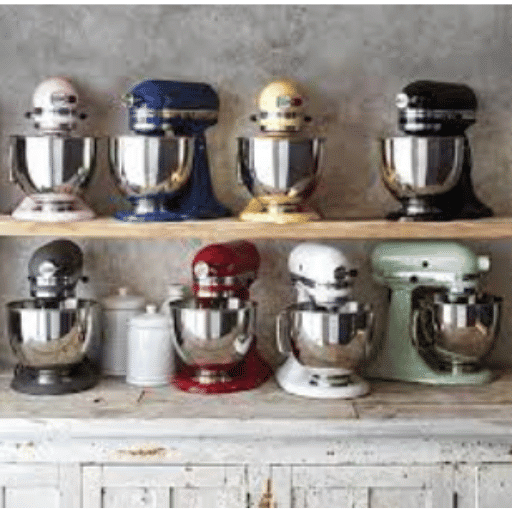
Stand mixers are indispensable devices for those who bake frequently and home cooks that do dough, batter, and other mixtures needing consistent results. They mixers are provided with strong motors as well as the attachments that can be interchanged, such as the dough hook, paddle, and whisk, which mean that users can do from kneading bread to whipping cream very easily. Moreover, their no-touch operation and firm building allow them to be used for big or repeated mixing applications, thus saving time and providing the same texture in recipes.
Kitchenaid® Stand Mixer: A Popular Choice
The KitchenAid® Stand Mixer is a top pick among consumers because of its outstanding versatility, long life, and performance. It can do different culinary jobs, from kneading stiff doughs to blending soft batters using its different attachments and speed settings. Besides, its classic design, dependability, and consistency in quality have made it a must-have appliance in kitchens all over the world.
Planetary Mixers: Functionality and Applications
Planetary mixers are extremely multifunctional devices which are meant to perform different mixing tasks with maximum efficiency. The rotating beepers of the planetary motion apply the force of spinning the mixing tool and at the same time the ingredient gets completely mixed by the rotational movement of the tool around the bowl. These mixers are used widely in professional and home kitchens and their versatility allows them to do different types of works such as mixing, whipping, and kneading. Therefore they can be used for a variety of applications like baking bread, pastries, sauces, and dressings. Their flexibility, along with the wide range of attachments, give them the ability to accurately cater to the diverse culinary needs.
Common Attachments and Accessories
Planetary mixers usually come equipped with a few primary attachments that increase their usability:
Key Advantage: Hence, planetary mixers and their attachments are a must-have in every kitchen for different applications.
Types of Industrial Mixers
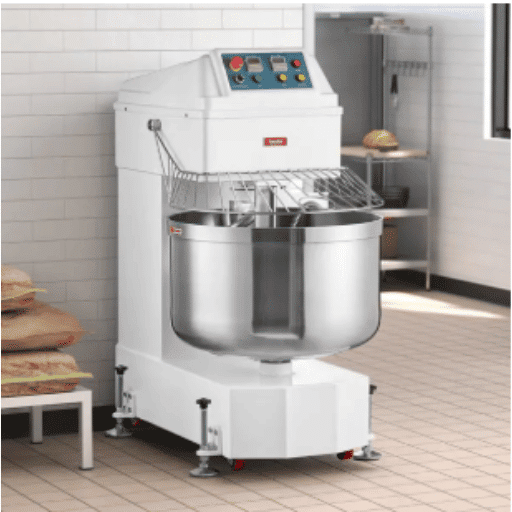
Industrial mixers are categorized into different types, and each one has its own special mixing capability:
1. Ribbon Mixers
These mixers are perfect for combining dry materials such as powders and granules or mixing them. Ribbon mixers assure consistency in mixing because of their helical blades which are set to move the materials in contrary directions.
2. Paddle Mixers
These mixers can very gently fold and mix thereby being suitable for food and agricultural products. They are used in folding, mixing, and supplying customers in food and agricultural products.
3. Planetary Mixers
With the ability to mix both thick and light doughs, planetary mixers are of multiple functions and they are very common in bakeries and other food processing sectors.
4. High-Shear Mixers
Application of high-shear mixers is frequently in the pharmaceutical and cosmetic industries because they are made to create emulsions, suspensions, or dissolving solids into liquids.
5. Drum Mixers
Drum mixers are able to rotate and mix enormous amounts of liquids and bulk solids; hence they are a very good choice in the construction industry and chemical manufacturing.
Industry Application: The mixers have different utilities and thus they contribute to the industrial applications needing precision and efficiency.
Paddle Mixers: Efficient Mixing Solutions
Paddle mixers are some of the most versatile and effective machines that can mix different materials with a minimum of shear and that their design guarantees the mixing of powders, granules, and even viscous substances in a uniform manner. They are often found in the food processing, agricultural, and chemical industries, where their attributes of providing consistent results, gentle handling of materials, and flexibility in terms of batch sizes and formulations make them valuable.
Drum Mixers: Applications in Bulk Production
Drum mixers are machines that mix very large amounts of materials very well making them the most necessary machines for large-scale production. They are mostly found in the construction, pharmaceutical, and mining industries where mixing has to be done completely and uniformly. The rotating drum design used in the mixing machines results in the perfect mixing of aggregates, powders, and other bulk materials, hence, making them suitable for continuous production. Drum mixers not only provide high outputs but also reliable quality due to their strong construction and high productivity.
Spiral Mixers: Ideal for Dough Preparation
Spiral mixers are specialized equipment for preparing dough and mixing in a consistent manner while at the same time the dough is being preserved. They employ the unique spiral-shaped agitator to work with the rotating bowl to knead the dough in an efficient way that guarantees uniform gluten development. These mixers are the best choice for bakeries and pizzerias since they can easily manage large batches without changing the texture and quality of the dough.
Comparing Different Mixers
In making a comparison between the various kinds of mixers, it is vital to emphasize their individual uses and features:
Selection Principle: Every type of mixer is designed to solve specific problems in the production process. Therefore, it is crucial to select the mixer according to the materials and processes involved in your particular application.
Stand Mixer vs. Industrial Mixer: Key Differences
The main factor that differentiates a stand mixer from an industrial mixer is the capacity and the type of use they are meant for. Stand mixers are appliances that are small, and versatile and can be used in home baking or small café operations which are the minor-scale tasks. They are usually able to bear lighter loads and have standard attachments for common tasks such as whipping, mixing, and kneading.
In contrast, industrial mixers are made for high-volume and heavy-duty applications in the commercial and production fields. They are larger, sturdier, and designed to cope with the most demanding workloads with higher consistency. Also, industrial mixers will often have sophisticated features like variable speed settings, precision controls, and mixing of huge amounts of dough or batter. Your choice depending on the scale, the frequency, and the type of mixing required for your operation.
Choosing the Right Mixer for Your Needs
When picking a mixer, take into account the size, the frequency of use, and the requirements of your application of the operation. For less frequent and smaller tasks, a commercial mixer will do the job and will also be capable of taking care of reliability and efficiency for moderate workload. On the other hand, if your operation requires a lot of mixing with heavy duty consistency frequently, then an industrial mixer with advanced features will be the best choice. Knowing your exact requirements guarantees that your investment in the right equipment will be productive and performance-enhancing.
Factors to Consider When Selecting a Mixer
Selecting a mixer is a decision that should be made with the consideration of factors like capacity, usage frequency, and the nature of the materials mixed. Analyze your production volume to choose between a commercial or an industrial mixer. Make the durability, motor power, versatility, and maintenance easy to ascertain the reliable performance. Besides, give preference to energy-saving and operation-friendly features. When you match the mixer’s capabilities to your specific needs, you will not only get the best output but also long-term value.
Essential Selection Checklist
✓ Capacity
Determine your production volume needs
✓ Usage Frequency
Assess how often you’ll use the mixer
✓ Material Type
Consider the nature of materials to mix
✓ Durability
Ensure long-lasting construction quality
✓ Motor Power
Match power to your mixing demands
✓ Versatility
Check for multiple attachment options
✓ Maintenance
Easy to clean and service regularly
✓ Energy Efficiency
Look for energy-saving features
Smart Investment: When you match the mixer’s capabilities to your specific needs, you will not only get the best output but also long-term value.
Reference Sources
- MSU – Food and Beverage Product Trends: Drink Mixers: Target market for drink mixers is under 45 years of age and predominantly female consumers.
- Grand View Research – Cocktail Mixers Market Report: The report outlines the strong demand for diverse and premium cocktail mixers which is driven by the adventurous taste of the consumer.
- Global Market Insights – Mixer Market Size, Share, Trends & Forecast: The report provides an overview of the global mixer market, including growth forecasts and major factors affecting the industry.
- DataM Intelligence – Cocktail Mixers Market Report: Report presents detailed analysis of the global cocktail mixers market segmented according to product type and target audience.
- IQS Directory – Types of Mixers: The article discusses applications and advantages of different types of mixers in industries such as food, chemicals, pharmaceutics, and cosmetics.
Frequently Asked Questions (FAQs)
What are the different kinds of mixers primarily?
The most popular ones are stand mixers, hand mixers, industrial mixers, high-shear mixers, and planetary mixers.
How does a stand mixer differ from a hand mixer?
A stand mixer is more powerful, stationary, and ideally suited for heavy-duty tasks, while a hand mixer is less powerful, portable, and excellent for light mixings.
In which industries industrial mixers are being used?
Food processing, chemical manufacturing, pharmaceuticals, cosmetics, and adhesives are the sectors where industrial mixers find applications.
What is the application of a high-shear mixer?
High-shear mixers can be found in food, cosmetic, and chemical industries for emulsifying, homogenizing, and blending purposes.
In which applications are planetary mixers particularly suitable?
Planetary mixers are mainly used for mixing dough, batters, and other viscous materials in bakeries and food production.
Ready to Choose Your Perfect Mixer?
Whether you’re a home baker looking for reliable stand mixer or a manufacturer seeking industrial-grade mixing solutions, understanding the key differences, features, and applications of each mixer type will help you make an informed decision. Choose wisely based on your capacity needs, frequency of use, and specific mixing requirements to maximize efficiency and achieve consistent, high-quality results.