
The scent of newly baked chocolate chip cookies fills your house with an unmatched experience. Chocolate chip cookies serve as more than a dessert for many people because they bring back childhood memories while satisfying their sweet tooth and pairing perfectly with milk. People who want to find the best chocolate chip cookie recipe must face a challenging process because not all chocolate chip cookies taste the same. The guide serves its purpose through this explanation. The post presents an ultimate chocolate chip cookie recipe which results in cookies that achieve perfect texture through their crispy outer layer and soft inner part with melted chocolate chips. The recipe provides an easy path to success for all bakers because it enables them to create perfect cookies through its straightforward process.
Introduction to Chocolate Chip Cookies
History of the Chocolate Chip Cookie
The chocolate chip cookie was invented in 1938 by Ruth Wakefield, who co-owned the Toll House Inn in Whitman, Massachusetts. The inn served customers delicious food. Wakefield created the famous dessert when she put chopped Nestlé semi-sweet chocolate into cookie dough because she thought the chocolate would melt and create a chocolate cookie. The chocolate chip cookie emerged when the chocolate kept its original shape and only became slightly softer.
Wakefield established her first agreement with Nestlé after she recognized that people loved her created dish. She sold the recipe to the company in exchange for a lifetime supply of chocolate. Nestlé began making its well-known semi-sweet chocolate chips and included the “Toll House Cookies” recipe on their chocolate chip packaging. The chocolate chip cookie gained permanent status as an American baking favorite because of this partnership which spread to other cultures.
Chocolate chip cookies have become a worldwide food trend that exists in many different forms throughout homes and bakeries and retail outlets across the globe. The recipe has developed through time by introducing new ingredients while keeping its original flavor. The chocolate chip cookie attracts people because it combines flavors and textures which create perfect dessert experience that lasts through time and appeals to all age groups.
Why Chocolate Chip Cookies are a Favorite
People around the world love chocolate chip cookies because they deliver perfect balance between taste, texture and convenience. The sweet buttery dough together with the chocolate creates a comforting yet luxurious flavor experience. Their ability to provide two different texture options which include soft and chewy textures together with crisp and crunchy textures guarantees that nearly all people will find their preferred product.
The recipe becomes popular because of its basic structure which enables people to make it easily. The cookies become simple to make at home because they need only four basic ingredients which include flour and sugar and butter and chocolate chips. The recipe allows users to create different cookie variations through its basic structure because they can add nuts or select various chocolate types or choose to add vanilla or cinnamon flavors.
The chocolate chip cookies create feelings of nostalgia which connect to family customs and cultural traditions. People connect these cookies with home baking and special times spent with family members and special events. The combination of positive emotional ties and the delicious taste together with multiple ways to enjoy the dish establish chocolate chip cookies as a classic treat that everyone loves. The combination of delicious flavor and basic design and deep emotional value turns chocolate chip cookies into an everlasting favorite dessert.
Essential Ingredients for Easy Chocolate Chip Cookies
Choosing the Best Chocolate Chips
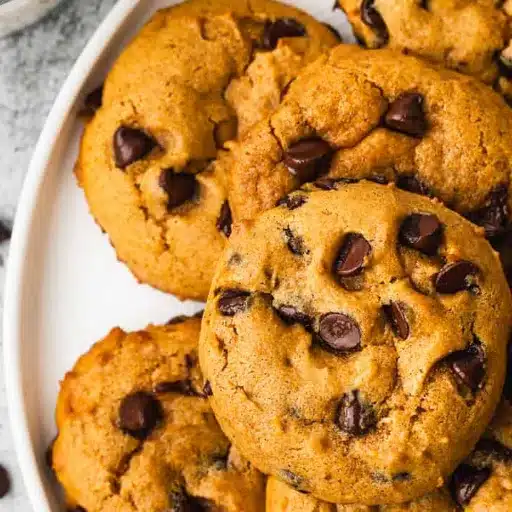
The chocolate chip selection process for my cookies requires that I examine both the chocolate chip quality and their ingredient makeup. I look for chocolate chips labeled with a high cocoa content, usually between 60% and 70%, as this chocolate delivers a flavor that achieves perfect sweetness balance. I check the ingredient list to find chips that contain only cocoa and cocoa butter and sugar because I want to avoid chips that include too many extra ingredients and hydrogenated oils. The method produces cookies that deliver a strong chocolate flavor with an authentic chocolate experience.
I select the chip variety based on the specific cookie texture and performance characteristics that I require. The classic combination of semi-sweet chocolate chips delivers perfect sweetness and bitterness which pairs well with the dough. Dark chocolate chips provide a stronger taste than milk chocolate chips, which deliver a sweeter taste with a creamier texture. I combine different chip types to create cookies that develop complex flavor profiles through my experimentation.
People want to know which aspects create the most significant impact. The standard chip size produces uniform melting across the dough, yet I choose to use larger chunks and micro chips to create chocolate pockets that deliver a more complex chocolate experience. Every cookie batch I bake achieves its best chocolate flavor through my selection of top-quality chocolate chips which create the ideal dessert experience.
Key Ingredients for a Chewy Cookie
Cookies achieve their perfect chewiness through a systematic process that depends on ingredient selection and understanding how these ingredients work together. Brown sugar represents one of the most important elements because it contains molasses, which adds acidity while delivering moisture to the mixture. This ingredient establishes a chewy dessert base that produces dense cookies with enhanced flavor development. The specific sugar combination establishes a dough spreadable limit that determines how solid the final product will become after baking.
Butter serves as a vital component because it adds both flavor and texture to dishes. The use of melted butter or browned butter enhances chewyness because both methods increase hydration levels of dough while adding a nutty flavor. Eggs give structural support for baking, but changing their proportions to use more yolks than whites will create a softer texture.
The choice of flour type is crucial for dough composition because all-purpose flour remains the most frequently used flour yet doughs require higher protein flours to achieve better stretchability which gives cookies their typical chewy texture. The precise measurement of liquid components such as vanilla extract and milk protects dough from drying out because it maintains specific hydration requirements.
The dough requires a 24 to 48 hour chilled resting period which helps moisture absorption and flavor development to create a chewier final product. The optimal condition of all variables guarantees that the cookie achieves perfect taste while delivering an enjoyable chewy experience.
Special Ingredients for Soft Chocolate Chip Cookies
Baking requires particular ingredients to create a texture which achieves perfect softness and tenderness. The addition of cornstarch to the dough provides softening effects because it prevents gluten development which results in a delicate texture. Using bread flour instead of all-purpose flour improves chewiness because bread flour contains more proteins which form stronger gluten bonds.
Brown sugar functions as another vital ingredient which keeps cookies in a state of moisture preservation. The cookie’s hygroscopic properties of brown sugar enable it to trap moisture while its molasses content provides a deep and rich flavor. The dough receives essential fat and protein when an extra egg yolk gets added to it, which creates a cookie dough that maintains its soft texture after baking.
Using cream cheese as an ingredient produces a distinctive flavor while adding creaminess to the recipe, which helps the dish maintain its soft texture through extended moisture absorption. The combination of high-quality chocolate chips and low melting point chocolate chips creates a luxurious mouthfeel which provides a gooey texture for each bite. The combination of these selected ingredients with the correct methods results in an exceptional soft chocolate chip cookie.
Step-by-Step Instructions for the Best Chocolate Chip Cookie Recipe
How to Properly Bake Chocolate Chip Cookies
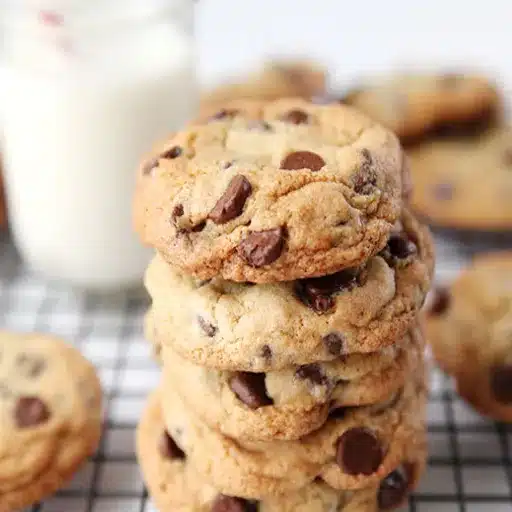
- Preheat and Prepare: To achieve ideal baking conditions you must set your oven temperature to 350°F (175°C). Your baking sheets require parchment paper or silicone baking mats for optimal heat distribution and sticking prevention during the baking process. The oven must maintain a constant temperature because an oven thermometer helps you verify temperature accuracy due to potential calibration errors that develop with time.
- Measure Ingredients Precisely: The digital kitchen scale allows you to weigh your ingredients which delivers you the most precise measurement. The final texture of baked goods changes when the quantity of ingredients used in a recipe is altered. Excess flour in a cookie recipe creates dense cookies, while a recipe that uses too little flour causes cookies to expand beyond their expected size. The measurement guidelines ensure proper measurement which results in consistent product outcomes throughout different production runs.
- Combine Ingredients Strategically: Start your process by mixing softened butter with sugar until you achieve a light and fluffy texture. The process creates air pockets which help cookies maintain their shape during baking. The recipe requires you to add eggs to the mixture one egg at a time while you include pure vanilla extract for increased flavor. You should first sift all dry ingredients which include flour and baking soda and salt to eliminate clumps before you start adding them to the wet mixture. You should avoid overmixing because it causes gluten development which results in cookies that are more difficult to eat.
- Mix in Chocolate Chips:The process of folding chocolate chips into the dough allows for their even distribution throughout the mixture without damaging their structure. Choose chocolate chips that have a cacao percentage matching your personal taste because semi-sweet chips with 60% cacao create a taste balance.
- Chill the Dough:The dough needs to chill in the refrigerator for 30 minutes to one hour before you start baking it. The chilling process solidifies fats which prevents cookies from spreading during baking and creates cookies that have a thicker chewier texture. The dough needs to be sealed with a tight cover to stop any moisture from escaping.
- Portion Consistently: Use a cookie scoop or kitchen scale to create evenly sized portions for uniform baking. The dough balls need to be placed on the baking sheets with two inches of space between each ball to create an area for spreading.
- Bake and Monitor Closely: You should bake the cookies for 10-12 minutes because this time frame will achieve your desired cookie texture. The cookies need to be taken out of the oven when their edges turn golden brown while their centers remain slightly undercooked. The cookies on the tray will continue baking because of the heat that remains from the oven.
- Cool and Store: The cookies need to stay on the baking sheet for 5 minutes before you move them to a wire rack which allows them to cool down completely. Cookies need to cool down to let their texture develop stability which stops them from crumbling apart. The cookies need to be stored in an airtight container at room temperature for one week, but you can freeze them for extended storage which keeps their quality intact.
You need to follow these exact instructions if you want to create chocolate chip cookies that taste perfect and look professional every time you bake them.
Cooling and Storing Your Cookies
The cooling process and storage method used for cookies directly impacts their ability to maintain freshness and flavor and textural quality. The cookies continue to cook after they exit the oven because their remaining heat maintains a cooking temperature which helps to complete the baking process. The cookies require a 5-minute baking sheet resting time because this period allows moisture to spread throughout the cookies which helps to prevent early cracking and crumbling.
The process of moving cookies to a wire rack allows their cookies to cool down since the rack system provides circular airflow which keeps cookies dry by preventing moisture from collecting underneath them. The use of an airtight container during storage protects cookies from air contact which causes oxidation that results in staleness. The freezing process which occurs at temperatures below 0°F (-18°C) halts all molecular movement in cookies, thus preserving their taste and quality for several weeks without any textural changes. The recommended storage method requires cookies to be stored in two layers with parchment paper used to separate them from each other.
Your cookies will maintain their original taste and visual appeal when you use these scientifically validated methods because they guide you towards delivering professional quality results.
Tips for Success with Your Chocolate Chip Cookie Recipe
Common Mistakes to Avoid
Overmixing the Dough Excessive dough mixing creates gluten bonds that produce cookies with dense or tough texture. The right texture requires mixing ingredients until they reach their first point of combination.
- Not Measuring Ingredients Accurately: All ingredients need to be measured with absolute accuracy because precise measurement brings necessary accuracy. The use of measuring cups for dry ingredients makes it impossible to achieve accurate results since kitchen scale provides better measurement material. Digital scales give precise measurement which allows people to achieve consistent results through proper ingredient ratio maintenance.
- Using Ingredients at the Wrong Temperature: The dough emulsion gets disrupted when butter reaches excessive warmth and eggs stay at their minimum temperature. All refrigerated materials should stay at room temperature until the instructions specifically permit otherwise.
- Ignoring Resting Time: Dough needs its resting period because it helps the dough absorb water which prevents excessive spreading during baking. The dough needs a minimum of 30 minutes of chilling time before you start baking it for best results.
- Incorrect Oven Temperature: Baking results in uneven cooking when the temperature is set at an incorrect level. You should preheat the oven before using it to cook food because this procedure needs to guarantee that the oven temperature matches the required setting.
- Overbaking the Cookies: Baking cookies for too long results in cookies transforming from their original moist texture to a state of complete dryness and hardness. The edges should be removed from the oven when they reach their set point but the centers should still show some underbaked condition because they will continue to cook on the tray due to remaining heat.
The professional standards of cookie quality and uniformity become assured when bakers avoid these common mistakes.
Adjustments for Different Preferences
Bakers need to control their ingredient choices together with their ingredient proportions and their baking methods to create cookies that meet different consumer needs. To achieve soft and chewy cookies, bakers should use more brown sugar than white sugar because brown sugar brings additional moisture and acidity which make cookies softer. A soft texture can be achieved through two methods, which involve adding one additional egg yolk or shortening the baking duration. For making cookies that have a crispy texture, bakers should use more white sugar than brown sugar while they should make dough balls thinner before baking to achieve both spreading and even browning results.
The sugar amount needs to be decreased through small incremental steps because any larger sugar reduction will change the product’s texture. For flavor customizations, substitute a portion of all-purpose flour with specialty flours, such as almond or oat flour, to introduce nutty or earthy notes. The addition of mix-ins, including dark chocolate chunks and dried fruit and spices such as cinnamon and cardamom, creates new taste possibilities. The process of checking oven temperature changes becomes important because even minor temperature changes affect how cookies turn out with their texture and taste.
The baking process achieves controlled baking results through two methods, which include understanding specific adjustments and measuring ingredient interactions with exact precision.
Enhancing Flavor with Add-ins
The process of improving baked goods requires the use of add-ins, which create both better taste and better texture for the final products. Add-ins like toasted nuts contribute a robust earthy taste while they create a satisfying crunch that complements the soft texture of baked goods. The addition of premium chocolate through its various forms, either as chunks or chips or shavings, creates a more luxurious chocolate experience that the mouth can enjoy. Chocolate varieties, which include both bittersweet and white chocolate, provide multiple taste options that satisfy different taste inclinations. Dried fruit elements, including cranberries and apricots, create a sweet-tart flavor that balances desserts with high sugar content.
The chemical properties of add-ins create intricate interactions with the fundamental elements that make up baked goods. Spices like cinnamon or nutmeg enhance flavor through their baking process, which releases specific volatile aromatic compounds that change the food’s sensory characteristics. The chemical interaction reaches its highest level when fats like butter mix with other ingredients because butter acts as a flavor carrier that spreads taste throughout the entire dough. Baking soda reacts with acidic fruits, which include citrus zest, to create both flavor and leavening effects.
Add-ins require exact measurement together with proper distribution techniques to achieve consistent product quality. A mixture will develop texture problems when it gets overloaded with add-ins because this leads to texture and structural issues which result in baked goods collapsing during the cooking process. The distribution of elements needs to be handled with special care because it leads to flavor distribution problems that create uneven taste experiences. Chopping add-ins into equal pieces allows the ingredients to be mixed with dough through gentle folding methods, which maintain their complete structural integrity during the production process. This method gives bakers the ability to construct their products through the use of add-ins to create a perfect combination of taste and texture.
Variations of the Classic Chocolate Chip Cookie

Using Different Types of Chocolate Chips
The chocolate chip variety chosen for a cookie recipe will determine its final taste and mouthfeel. The default chocolate chips which people choose for their recipes are semi-sweet chocolate chips because they create their desired taste without making their recipes too sweet. Milk chocolate chips, on the other hand, contribute a creamier, sweeter flavor and are ideal for those who prefer less bitterness in their cookies. Dark chocolate chips, which contain between 60% and 80% cocoa, deliver a strong chocolate flavor that matches well with cookies which contain sweet ingredients like caramel and toffee bits.
Specialty chocolate types, like white chocolate chips or ruby chocolate chips, introduce unique characteristics. White chocolate, which contains cocoa butter but lacks non-fat cocoa solids, produces a rich buttery sweet flavor in cookies. Ruby chocolate, a newer addition to the confectionery world, imparts a naturally tangy and fruity flavor due to its unfermented cocoa beans. Additionally, bakers might explore chips infused with flavors like mint, espresso, or even chili, which can create unexpected yet harmonious taste combinations.
Chocolate composition determines both the chocolate’s melting behavior and its textural properties. For example, the higher cocoa butter content in couverture chocolate chips makes them easier to melt, which results in cookies that have more gooey centers. The chips which contain stabilizers will keep their original shape during baking, which creates cookies that have an organized look and separate chocolate pieces in each mouthful.
To achieve optimal baking results, bakers should consider using different chocolate chip varieties in one batch because this method creates multiple flavor dimensions and textural differences. The chocolate options which bakers test will help them create unique chocolate chip cookies which appeal to different customers and improve their cooking skills.
Creating a Nutty Chocolate Chip Cookie
The nutty chocolate chip cookies receive a better public image through the inclusion of walnuts and pecans and almonds because these nuts create distinct taste and texture enhancements. Chopped toasted nuts should be used as the nuts of choice in the recipe because their toasting process will deliver the strongest taste results through the release of their essential oils and their complete nut aroma. The optimal nut-to-cookie-dough ratio requires precise measurement because chocolate chip cookies need to maintain their structural integrity through a specific nut-to-cookie ratio which starts at 1 cup of nuts to 24-30 cookies.
The cookie preparation process requires bakers to address potential nut allergy problems. Bakers can choose to use seeds like sunflower or pumpkin as ingredient replacements because these seeds provide nut-like crunchiness while avoiding common allergens. The selection of appropriate chocolate types for nutty elements and chocolate chips will improve their flavor match because dark chocolate produces a rich flavor difference with the nutty elements.
The advanced version of the recipe includes nut butters through almond butter and peanut butter which will create a creamier nut flavor in the cookie dough while changing its texture to produce denser and moister cookies. Bakers should use nut butter to replace a part of their standard butter in the dough through a measurement of 1/4 to 1/2 cup while they check the mixture’s consistency to avoid creating an overly wet dough.
Healthier Alternatives for Chocolate Chip Cookies
The nutty chocolate chip cookie achieves refined taste through precise ingredient selection which results in a treat that provides both a crunchy texture and a deep flavor experience. Healthier Alternatives for Chocolate Chip Cookies Healthier Alternatives for Chocolate Chip Cookies (Continued) The process of creating healthier chocolate chip cookie recipes requires replacing traditional high-calorie components with nutrient-dense ingredients that maintain taste integrity. All-purpose flour becomes a less nutritious option because almond flour and oat flour provide better health benefits through increased fiber content and healthy fats and decreased carbohydrate amounts. The gluten-free nature of these alternatives enables more people to use them.
Natural sweeteners like coconut sugar maple syrup and raw honey bring down the glycemic index of cookies when they replace refined sugar. Research studies on sugar substitutes show that their use helps blood sugar levels stay stable which makes the cookies appropriate for people who need to control their metabolic health. The use of dark chocolate chips with 70% cocoa content or more enables sugar reduction and antioxidant level increase when dairy chocolate gets replaced.
The cookies receive extra nutrients through chia seeds or ground flaxseeds which provide the cookies with omega-3 fatty acids and extra plant-based fiber. The process of using applesauce or mashed bananas instead of butter or oil will help decrease saturated fat levels while providing both natural sweetness and moisture. The combination of these changes creates a cookie that meets current nutritional guidelines while delivering great flavor and texture.
References
-
Chocolate Chip Cookies and Rubrics
This document discusses evaluating chocolate chip cookies based on size, shape, and texture. -
Assessing the acceptability of chocolate chip cookies formulated with fat substitutes
This study analyzes how butter substitutes affect the sensory qualities of chocolate chip cookies. - Click here to read more.
Frequently Asked Questions (FAQ)
Q: How do I make easy chocolate chip cookies using one bowl and an electric mixer?
A: To prepare straightforward chocolate chip cookies in one bowl, you need to use an electric mixer to combine softened unsalted butter or salted butter with granulated sugar and light brown sugar until the mixture reaches a fluffy state. The mixture requires you to add the egg and vanilla extract before you combine chocolate chips together with flour and a small amount of sea salt. This one bowl method keeps cleanup minimal and is perfect when a cookie craving strikes.
Q: Should I preheat the oven to 350 or oven to 350 degrees when I bake these cookies?
A: Yes, always preheat the oven to 350 (preheat the oven to 350 or oven to 350 degrees) before you bake in preheated conditions. Baking at this temperature helps cookies spread correctly and ensures they come out of the oven with soft cookies in the center and slightly golden edges.
Q: How do I measure the flour correctly so I don’t add much flour and make the cookies dry or crumbly?
A: Measure the flour by spooning it into the measuring cup and leveling it with a knife to avoid packing. The recipe requires a specific cup of flour; if you add excessive flour to the mixture, the cookies will become dry and crumbly. The recipe needs you to use AP flour or a gluten-free flour substitute while measuring flour to achieve the correct texture.
Q: Can I use dark brown sugar or a cup of brown sugar instead of light brown sugar?
A: Yes, you can substitute dark brown sugar or use a cup of brown sugar for light brown sugar. The dark brown sugar will produce cookies with a more powerful molasses flavor while creating a chewier texture. The recipes require no modifications because all my attempts to make them have produced excellent results.
Q: How do I add the chocolate chips and should I stir in the chocolate or add the chocolate chips on top?
A: Fold in semisweet chocolate chips at the end of mixing—stir in the chocolate or add the chocolate chips with a spatula so they stay intact. For a bakery look, scoop the dough, place cookies on the baking sheet, and press a few extra chips on top before baking.
Q: How far apart should I place cookies on the baking sheet and what does “sit on the cookie sheet” mean?
A: Scoop the dough about 2 inches apart on a parchment-lined baking sheet to allow spreading. After baking, let cookies sit on the cookie sheet for a few minutes before transferring to a wire rack to cool completely—this helps them set and prevents them from breaking apart.
Q: Can this easy cookie recipe be made gluten free or vegan?
A: Yes, cookies can be made gluten free by using a suitable gluten-free flour or gluten-free flour blend in place of AP flour. For vegan butter or to make them vegan, use vegan butter and an egg replacer. The flour used to create the dough requires measurement because it will react differently, so measurements must be adjusted to do so.
Q: Why do my cookies sometimes come out flat or might not be good even though i’ve made these cookies before?
A: Flat cookies or ones that might not be good often result from melting the butter too much, using too much flour, or not chilling dough when needed. The dough will spread more when you use hot butter or melt the butter. The dough structure will change when you mix the dough too much with the mixer and fail to measure the flour properly. Dough chilling combined with accurate cup measurements will produce more favorable outcomes.
Q: How do I store favorite chocolate chip cookies so they stay soft and how long does the recipe makes last?
A: Cookies require a complete cooling period on a wire rack before you can transfer them to an airtight container, which maintains their softness. The recipe produces 2-3 dozen cookies, which maintain their soft texture for several days when stored correctly. For extended storage, you should freeze both baked cookies and cookie dough scoops, which can be used later for baking.