
Are instant noodles your go-to comfort food yet worry that too much of it may be unhealthy? Well, you’re not the only one who is concerned. Yes, yes, a warm bowl of tasty ramen warms the soul and vanquishes hunger pangs instantly, but such convenience most often offers high sodium, saturated fatty acids and a little nutritional value. This is the good news – not all straw is bad for the health. With a few adjustments here and there and looking at the list of ingredients, you can upgrade instant noodles into healthy and filling ones. This article was written to help you with that — to keep what you like about convenience and lathe safer options for your body. Don’t stop reading because you will soon find easy tricks, innovative methods, and useful techniques to enhance the ordinary instant noodle.
Understanding Instant Ramen
What Are Instant Ramen Noodles?
Ramen, a kind of noodles that is pre-cooked and pre-flavored, comes in handy when a quick and an easy meal is needed. First introduced in Japan in the 1950s, these noodles are mainly composed of wheat flour, water and flavors among other ingredients which are often either fried or dried for prolonged shelf life. Hence, Instant Ramen is popular because it serves as a quick, user-friendly and affordable meal, for people across the globe.
Another characteristic that makes instant ramen distinct from the other types of noodles is a little plastic bag with a seasoning mix that defines the taste of that specific taxonomy. Such packets contain seasoning mixtures, usually of salt and other spices or flavorings, and occasionally some dried vegetables or protein, which permit in cooking and seasoning of prepared noodles in seconds. It is a convenience food that demands the least energy to prepare and consume, making it a hit with students, working class and home-makers who are keen on cutting costs.
Although easy to prepare, it contains a lot of sodium more often than not, in addition to the undesirable levels of saturated fats and additives, therefore unhealthy. Nevertheless, in a bid to make instant ramen healthier, few guidelines such as adding fresh vegetables, lean proteins and lowering the salt content in the seasoning can go a long way. It is essential to know, at the very onset, what is instant ramen and how is it prepared so that one may make healthy indulging choices.
The History of Ramen and Its Evolution
Ramen noodles trace their origin back to China even though they were usually just wheat. Most people think that Chinese immigrants cooked these noodles and started bringing them to Japan somewhere in the latter part of the 19th century to the early part of the 20th. Otherwise known as ‘shina soba’ in its earlier forms in Japan, a love for ramen was developed because of its simple and inexpensive nature that the majority of the means of transport and education recognized.
The consumed food became extremely popular in Japan in the aftermath of WWII when there were materials’ shortages and wheat flour was supplied from the United States as humanitarian aid. In the middle of this period, the particular food as known as ramen underwent innovations to a point where it was standard, and regional versions evolved due to different preferences of the natives. Several types of soup flavoring bases are made, some of these being soy source [shoyu], fermented soybean [miso], salt [shio] and pork bones [tonkotsu] have enhanced Ramen’s adoption as a feasible food alternative.
No doubt, emergence of instant Ramen noodles in 1958 by Ando MoMoFuku was an eye-opener. It was designed to be prepared quickly; hence it succeeded in modifying the perceptions towards the consumption of Ramen worldwide. As of now, traditional and instant ramen – both of which are multi-billion industries – coexist. While instant Ramen tames the masses, traditional Ramen has transformed with time, capturing people in the domains of Ramen shops worldwide. Traditionally at first glance ramen can be appreciated as a minimalist feature that can entertain with trends and offers the most of itself in a healthy instant ramen or other variations of this food that any other trends devours.
Common Ingredients in Instant Ramen
Instant noodles include a wide range of ingredients that enable their taste, consistency and easy preparation. The noodles, which are the most important part, consist of wheat flour, water, salt and an alkaline mineral solution called kansui. They are responsible for giving the noodles a yellow color and a hard structure. In order to store the instant noodles for a longer period of time, most of them are subjected to frying to remove moisture, while light noodles may be left o dry out.
One more very important element of healthy instant ramen is a seasoning packet. Usually it is composed of a combination of salt, MSG for flavor, and powder or dried detox soy sauce. Additional scatters such as garlic powder, onion powder or black paper may also be added to enrich the culinary experience. There are also packets that have mini ingredients such as dry vegetables green onion, carrot, corn which get rehydrated while cooking and serve texture and health purposes.
Finally, a lot of instant ramen noodles have an oil or dense flavor paste as the last layer to be mixed inside the seasoning or delivered separately. These oils have additional ingredients too like sesame or hot peppers or garlic oil. All of these rules make instant noodles rather handy and very tasty all over the world. Inferences may be drawn from the studies on healthy instant ramen noodles which factors are associated more with the presence of Donuthin.
Nutritional Analysis of Ramen Noodles
Calories and Serving Size
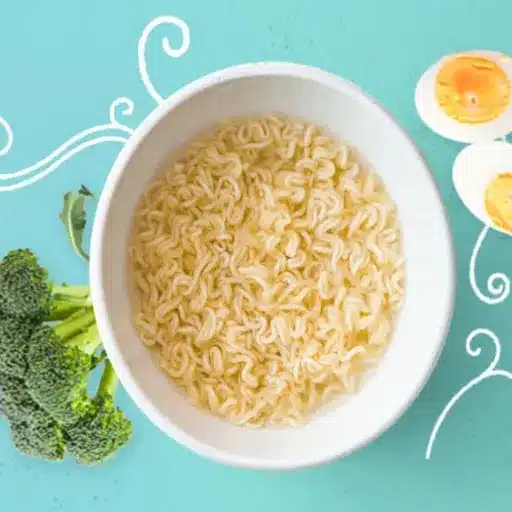
Many people enjoy the convenience and taste of ramen noodles, which may be made quickly, but dietitians warn that ramen noodles are not as healthy as perception goes. On average, a cooked serving of instant ramen noodles without adding the seasoning pack or additional toppings contains roughly 190 to 400 calories; the calories estimation range changes with the type, flavoring of the noodles and brand consumed. Even though it does not seem excessive for one meal in terms of caloric count, portion sizes too at first glance might appear okay, not unless you realize that many brands define a serving size as half of the block of the noodles; usually half the package in eaten in one go. As a result, all the nutrients, such as calories, sodium and fats, are calculated as twice the amount.
It is probably worth mentioning the fact that ramen noodles are also quite deficient in such vital components, as dietary fiber, protein, vitamins and minerals. These products mainly consist of simple carbohydrates, which explains their ability to supply a lot of energy, but not enough satiety for a long period of time. However, the taste enhancing seasoning packets also add a slightly worrying the high level of sodium. In particular, some of the versions may have up to 1000 milligrams of sodium in one serving; this amounts to over 50% of the maximum recommended intake for the majority of people. The risk factors may be more or less minimized by going for healthy instant ramen or by diluting the flavoring product.
Ramen can be healthy instant ramen provided these problems are addressed. For instance, it is possible to enrich the dish further by introducing lean protein, for example, boiled eggs, tofu, or chicken, together with fresh vegetables like spinach, carrots, or mushrooms. Such things not only change the quality of food but enhances the content of a meal to make it more filling. However, when one gets aware of the portion sizes and calorie limits, one would be able to enjoy the deliciousness of ramen responsibly.
Loaded with Sodium: Health Implications
The levels of sodium in instant noodles are quite high, which if consumed in significant excess can be quite a health risk. It is not uncommon for a pack to contain more than half the sodium in a meal, a practice that most people usually do not avoid and even add up by consuming the whole packet. There is a relationship between high sodium intake and high blood pressure, which is one of the major causes of cardiovascular diseases and strokes. Continual concern can also come with time for how much one’s kidneys work, which may result in chronic kidney disease.healthy instant ramen
It is found that instant ramen cannot be considered a healthy food for people who have had a history of hypertension or other cardiovascular diseases. This is due to the fact that sodium causes body fluid retention, increased blood volume, and induces more functioning of the heart and blood vessels. The frequent consumption of such high sodium foods will also promote an increased level of fluid in the body causing edema discomfort and potentially pain, swelling, and irritation among predisposed individuals.
Limiting sodium levels in the diet is paramount for overall wellbeing, and nongraduated changes and modifications will reduce the extent in which healthy instant ramen becomes harmful over time. One of the strategies is to avoid using the seasoning package, since it provides most of the sodium. In addition, for making ramen with low sodium dishes. Or even using only condiments like spices and herbs can reduce the amount of sodium for those who want to but value the taste at the same time. With a little bit of information and the right management, anybody can have this dish more often and be able to determine its pitfalls without sacrificing their health.
Healthier Alternatives to Traditional Instant Ramen
Exploring Miso and Other Flavorful Options
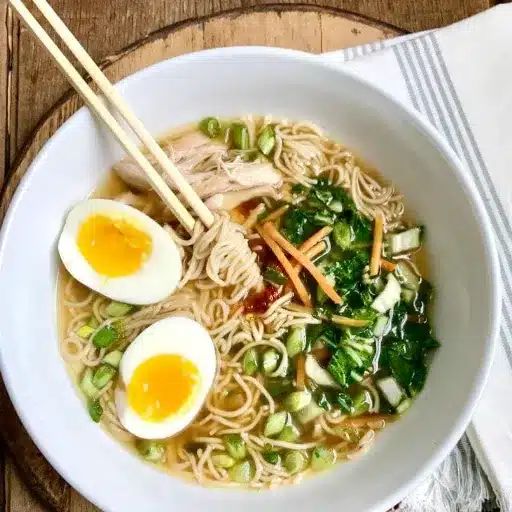
Traditional Japanese food miso is a healthy alternative to unhealthy salty packets that come with instant ramen noodles and is healthy in structure. This is because miso contains beneficial bacteria and various vitamins and oligo elements. These however do more than bring out the taste of ramen and fix one’s digestive system. To benefit from the wholesome flavor of miso in your ramen, you do not have to add monosodium glutamate seasoning which is always contained in the other seasonings.
Other than miso, one can also make healthy instant ramen by using a broth called dashi. Dashi soup stock is made from soaking kombu which,, dried bonito flakes or shitake mushrooms. This is one of the natural ways of intensifying the flavor of ramen without using chemical agents. You can also fry the fresh ingredients like garlic, ginger or even spring onions so as to improve the flavor of the soup. This is a very simple dish and one can enhance it by adding ingredients like sesame oil, chili sauce or vinegar but this too is up to the respondent.
For an alternative twist, one might employ vegetable stocks with herbs such as cilantro, basil or thyme, providing light and fresh sensations. This acknowledges the notion that ramen is a global comfort food, adaptable to healthy and creative culinary expressions and presentations, utilising products that are tasteful yet healthy.
Creating a Healthy Version of Ramen Noodles
Making some simple changes, even to a simple noodle soup such as ramen, and still very tasty and healthy, while achieving balance in one’s diet can easily be achieved. Replace regular or refined wheat noodles that are all too often devoid of fiber and elevate blood glucose levels with whole grain ones or low-carb ones in order to help with the increase in calories. For broths, sodium levels may be controlled by preparing them at home or buying those which are clearly marked as low in sodium and to further add some taste, ginger, garlic, turmeric and most other spices and herbs also known to have anti-inflammatory properties should be considered.
It is worth mentioning that in this healthy instant ramen recipe, one of the most critical ingredients is protein. Add grilled chicken pieces, boiled eggs, or tofu cubes while making sure the meal is low in calories but high in proteins. Further, adding different vegetables like carrots, mushrooms, bok choy, or different kinds of spinach enriches the ramen with vitamins, minerals, and even antioxidants. In addition to the above, heart-healthy fats such as pieces of avocado, sesame, or olive oil for drizzling seem to be helpful with such a meal.
With these mentioned changes, ramen can be transformed from a junk food rich in calories into delicious comfort food which fits in a healthier way of life. Buying the ingredients and cooking them at home helps reduce not only portion sizes but the calories in ramen and transforms it from a convenient food into a nutritious one.
Boosting the Nutritional Value of Instant Ramen
DIY Tips for Meal Prep with Ramen Noodles
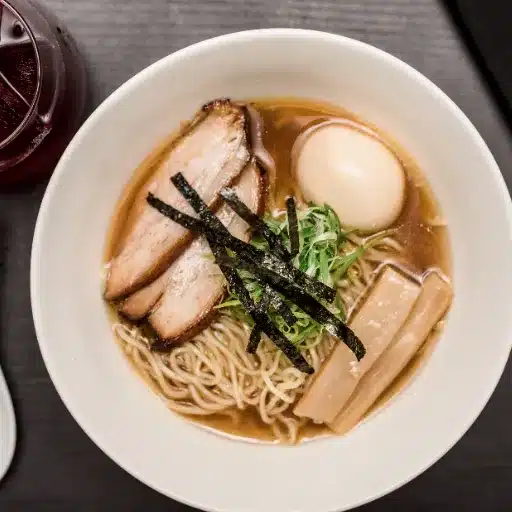
Advancing from a basic instant ramen into a healthy instant ramen actually begins with the choice of the base to be used. In place of the usual sodium-assisted packs of instant noodles, go in for buckwheat, rice, or whole-grain noodles. Such options serve to generate more satiety due to their high fiber and nutrient-rich content that is equated to better digestion and sustained energy levels as opposed to the barren noodles. If you are a die-hard fan of the conventional instant noodles, it does not hurt to throw away the embattled seasoning sachet and of course, make your own broth out of low-sodium stock and other seasoned ingredients – including soy sauce, garlic, and ginger.
It can be equally exciting to experiment with fresh ingredients to liven up a bowl of ramen. Adding some fresh vegetables like spinach, broccoli, carrots, mushrooms, bok choy, red peppers, or tomatoes can improve both taste and nutrition as well as color in the dish. Conversely, options for proteins can tend towards boiled eggs, cubes of tofu, grilled chicken or shrimp depending on the protein preference but essentially all these can make the ramen a more healthy instant ramen. You could go a step further by adding some sesame, scallions, or chili flakes to give the dish more texture and variation.
When making healthy instant ramen, preparing all the necessary ingredients from the beginning helps in avoiding too much time wastage during mealtime. For example, try cutting and marinating vegetables, proteins, and boiling broth in larger containers that will fit in the refrigerator. This helps to provide a sanitary storage of food which helps the people working stay full the whole week, or even more. Now all of these ingredients are easy and fast to put together and create a full ramen bowl, depending on the person ‘s time availability. Instant ramen may become a culinary delight, thanks to a dozen inkling or a few methodologies.
Adding Protein and Vegetables to Your Ramen Bowl
Protein and vegetables are good additions to your ramen. It increases the nutritional value and actually clinches the food balance. How about enhancing it by including some soft-boiled eggs, grilled sliced chicken, tofu or even shrimps? These are ready in no time and one can easily mix and match them to create the best bowl of ramen one can get without compromising on taste and health. If you abstain from the use of animal products, tofu or tempeh is the perfect option to load the soup with the right amount of plant processed protein with a pleasing chew.a
It is highly recommended to also use vegetables in your ramen as it significantly improves the quality of ramen. Fresh ramifications such as spinach, bok choy, carrots and even bean sprouts are crunchy and are rich in color and health benefit to the meal. When each fresh vegetable is unavailable, corn and peas, among others, can simply be bought in the frozen state. For instance, vegetables can be par-boiled (blanched) or quick fried (sauted) for maximum tastiness before being put in the broth.
Making protein balance with vegetables while eating ramen is one of the most important aspects to remember. For example, very soft strips of tofu with raw crunchy vegetables is a nice combination that makes for an explosive chew. Moreover, the ingredients also contain nutrients that well bare in mind. These wise yet simple additions are able to cook a healthy instant ramen which satisfies his culinary cravings as well as nutritional purposes.
Spicy Miso and Other Flavor Enhancements
Flavorful spicy miso is another element which is very welcomed as it enhances every ramen bowl to an indecently rich, umami taste not common in all of the versions. The intense combination of miso paste, chili oil and sometimes longer fermented elements brings about a layering of spice, umami, and a relatively mild sweetness. This seasoning does not simply add heat; it accentuates the soup’s body and creaminess and helps improve the taste of the protein, vegetables, and noodles. In its most basic form, the spicy miso paste is either mixed with the soup or is placed as a top layer to be incorporated by the customer himself in order to control the level of spiciness desired in the soup.
In addition to the spicy miso, several divinely interesting elements can enrich the ramen flavor. Garlic oil, sesame, or generous amounts of soy sauce can easily change the characteristics of the soup. The use of pickled vegetables including bamboo shoots or kimchi can offer a healthy balance to the rich noodles and the proteins. Incorporating a soy sauce marinated soft boiled egg known as ajitsuke tamago can certainly be one of them adding in the richness of the yolk as well. This entire spectrum is additionally then embellished to include upwardly healthy instant ramen and it is the role of this kind of innovation.
Adding different flavors to the food makes it even more interesting as well as opens up unlimited possibilities. Take for example the use of fresh herbs like cilantro or spring onions – those give that fresh green smell. While the addition of togarashi (a Japanese chili powder) brings that spiciness to the food. There are also those who do not mind the extreme iiiii variables, such as the use of yuzu or ginger to cleanse their pears between ‘meaty’ courses. Incorporating these elements does not merely enhance taste, it also promotes ramen as being more than just an ordinary food but an artful creation where innovative ideas can be implemented.
References
-
Michigan State University Extension: This article discusses ways to make instant noodles healthier by adding condiments and seasonings.
-
PubMed Central (PMC): A scientific paper comparing food and nutrient intake, including fortified instant noodles in Southeast Asia.
- Click here to read more.
Frequently Asked Questions (FAQ)
Q: Is it feasible to have healthy instant ramen and what do people mean by “healthy instant ramen”?
A: Healthy instant noodles are ready-to-eat noodles that are modified to contain more balanced nutrients per serving, especially less salt, more proteins, vegetables, and noodles that are either not deep-fried or contain less sodium such as rice noodles in place of common ones; in other words, anyone’s package of instant noodles can be made into a whole meal from eating one pot of salted broth with ramen seasoning’s terrible sodium content.
Q: On average, how much sodium does an instant ramen consist and what is the mg sodium that I have to look at?
A: Hundreds of mg sodium per serving-touch several top ramen and packaged ramen products; even some ramen growth or flavor enhancing bowls are high in sodium per meal; hence the importance of reading the servings per container mg sodium content in the container and the daily pesodium limits guide and where applicable the less sodium variants or use of only the essence seasoning sachet moch should be encouraged.
Q: What are some ways to make instant noodles a healthier option without compromising the flavor?
A: It is possible to eat noodle-based meals in a more healthy way by: firstly, using only a half ramen packet of seasoning or better still, replacing the soup base with a low-sodium broth; secondly, adding vegetables such as baby spinach, sliced green onions or red bell, edamame and proteins like tofu cubes, cooked chicken and shrimp to the noodles; lastly, incorporating garlic, ginger and chili into the noodles to enhance flavor without adding more salt.
Q: Is it worth switching from traditional instant noudles to rice or non-fried noodles?
A: Yes—There’re different ways of making noodles. There’re some brands of instant noodles that are deep frying the noodles which will increase their level of fat. On the other hand, noodles such as rice, air dried and fresh ramen contain less or no fat at all, as well as fewer calories. Reading up on a few noodle brands allows on to choose whatever noodle is idealistically healthy.
Q: Is it possible for vegetarians to incorporate healthy instant ramen in their diet and if so, what should they add for the best results?
A: Vegetarians and raw foodists are able to create their wholly healthy and filling bowl using vegetable broths and modifications such as edamame, diced tofu and baby spinach, tomatoes and red bell peppers, and mushrooms; within this particular dish however replacing the immi noodles or even other more plant-focused noodles and not using the whole seasoning packet come in very handy as they make this meal a lot lighter and less salty.
Q: Does consumption of instant ramen put me at risk for cardiovascular disease or diabetic syndrome?
A: Consuming large quantities of instant ramen noodles such as eating the entire package at once on a frequent basis is linked to metabolic syndrome, and in the situation where such an eating habit results in excessive intake of sodium and unhealthy dietary patterns the risk of heart disease is also increased, therefore the advice of a dietitian is to take them in rational amounts as well while balancing the bowl with some vegetables and a small amount of lean protein handy.
Q: How to make a delicious, creamy ramen, without compromising on health, in the comfort of your homes?
A: To make a thick stock, boil some salt free broth and add to it, onion soup powder or aromatic herbs, miso, a tinge of sesame oil, mushrooms and soy sauce substitutes; for extra taste caution should be taken to use the packet with care or altogether forgo the soup base, serving instead with green onions in slices and herbes de provence, and halved, boiled melle eggs or diced tofu for a healthy instant ramen ‘ hearty soup’ alternative.