Forty-two percent of U. S. pet owners choose high protein as their most important factor when selecting pet food. The manufacturing facilities depend on their original equipment which was designed for standard formulations because this prevents them from gaining access to the 7.7 percent annual market growth that currently exists. Your main business threat and Your biggest potential growth opportunity will come from the difference between consumer demand and production capabilities in the high protein pet food manufacturing industry.
The guide shows complete details about high protein pet food manufacturing operations which start with raw material intake and end with packaged finished product. The study will demonstrate how extrusion and cold pressing and baking functions operate as distinct processes. The study will show which equipment is necessary to create protein-rich products.
You will understand how to scale from pilot production to industrial output while meeting CE, HACCP, and international nutritional standards. Whether you are a startup co-packer or an established food manufacturer diversifying into pet food, the information here will help you make informed equipment and process decisions. If you are evaluating turnkey food production lines for snack, pasta, or protein applications, many of the same principles apply directly to pet food.
What Is High Protein Pet Food Manufacturing?
The production of high protein pet food includes industrial processes that create dry and semi-moist and wet pet food products which contain more than 28 percent to 40 percent of crude protein. The products serve pet owners who prioritize health and treat their pets as family members while they expect pet food to provide nutrition that matches human eating patterns.
Standard dry kibble usually contains 18% to 25% protein. High protein formulations push this boundary by incorporating larger ratios of animal meals, fresh meat, fish protein, plant concentrates, and increasingly novel sources such as insect or fermented proteins. The manufacturing process must handle these ingredients without compromising amino acid integrity, pellet consistency, or food safety.
The market context makes this capability essential. According to industry analysis, the global animal-based pet protein market reached $42.5 billion in 2026 and is projected to grow at 5.5% annually through 2036. North America alone shows a 7.7% compound annual growth rate for high protein pet food. The air-dried and freeze-dried segments show market growth at an annual rate of 11.9% because they use minimal processing methods to maintain protein content.
Manufacturers approach this space through several production formats. Dry extruded kibble still commands 60% to 68% of total volume because it offers shelf stability, efficient logistics, and scalable throughput. The premium market sector develops through its most rapid growth with cold-pressed and baked products. The production of wet and canned products requires its own distinct set of equipment. Each format demands a different production line configuration, and choosing the wrong one for your target market can lock you into margins that do not support long-term growth.
The High Protein Pet Food Manufacturing Process: Step by Step
A complete high protein pet food production line follows a logical sequence from raw material preparation through packaging. Understanding each stage helps you identify where equipment choices directly impact protein retention, throughput, and operating cost.
Raw Material Preparation and Grinding
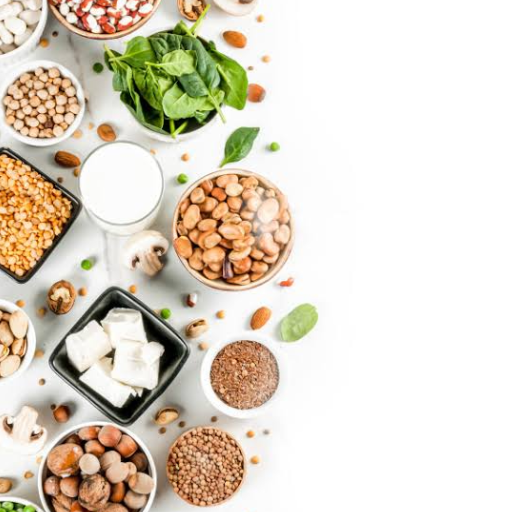
High protein formulas begin with diverse inputs. Animal proteins may include chicken meal, beef meal, fish meal, or fresh frozen meat blocks. Plant proteins such as soybean meal, corn gluten meal, or pea protein concentrate supplement or replace animal sources. Starches provide structural carbohydrates. Fats, vitamins, and minerals complete the recipe.
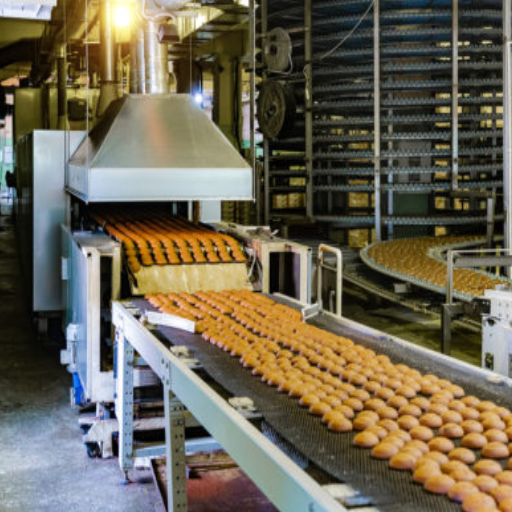
Particle size uniformity matters enormously. Raw materials pass through hammer mills or grinders to reach 40 to 100 mesh, roughly 200 to 600 microns. If particles remain too coarse, cooking becomes uneven during extrusion. If they are too fine, the extruder can clog or experience excessive torque that accelerates screw and barrel wear. Facilities using high fresh-meat inclusion require specialized frozen block breakers or pre-grinders capable of handling bone-in cuts and offal before the material enters the main processing line. The same industrial grinding and drying systems used in bread crumb processing handle similar particle size and moisture control challenges, making that technology directly transferable to pet food ingredient preparation.
Mixing and Pre-Conditioning
The process begins with grinding which leads to the subsequent precise batching and mixing of the materials. The Twin-shaft paddle batch mixers achieve their operational goal by combining dry materials with liquid fats and slurries until they reach their target coefficient of variation which must be below 5 percent. The distribution system ensures equal nutrient distribution which prevents nutrient hot spots while every bag achieves the required analysis standards.
The mixture then enters a pre-conditioner. The process uses steam and water injection to increase temperature between 60°C and 80°C while reaching moisture content between 15% and 30%. The process softens proteins and starts starch gelatinization to prepare the material for the extruder machine.
Factories that invest in robust pre-conditioning typically see throughput gains of 10% to 15% while reducing mechanical wear on the extruder screws. Pre-conditioning becomes essential for all high protein formulations. The buffer functions to stop protein-rich dough from exceeding capacity in the extrusion chamber.
Extrusion Cooking
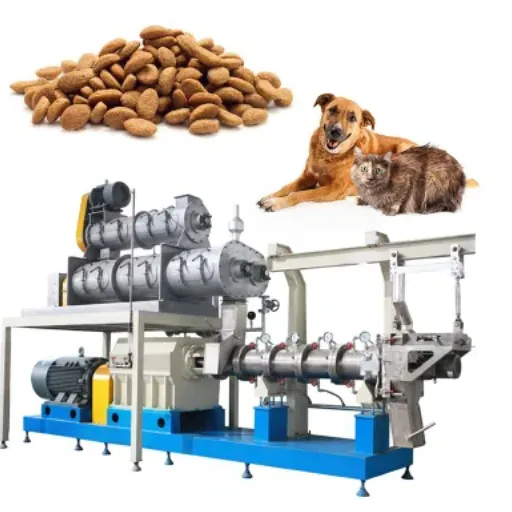
The pet food extrusion process achieves its main transformation through extrusion. The conditioned dough enters a twin-screw extruder barrel which uses co-rotating screws to create pressure between 3 and 15 MPa and heat the material from 110°C to 180°C. The chamber contains three essential reactions that proceed simultaneously.
Starch gelatinization transforms raw starches into digestible forms which achieve conversion rates above 80%. The second step involves protein denaturation which unravels protein structures to enhance pet digestibility. The intense heat and pressure of the process destroy Salmonella and other pathogens with a killing rate that exceeds 99 percent. The cooked mass proceeds through a die which shapes it before rotating knives cut it into specific lengths.
For high protein formulations, twin-screw extruders outperform single-screw designs. Twin-screw systems handle higher fresh-meat inclusion, maintain more stable pressure with variable recipes, and manage the higher fat contents common in protein-dense formulas. Single-screw extruders are often inadequate for premium high-meat recipes because they lack the self-wiping action and positive conveying needed for sticky, protein-rich doughs. The same precision extrusion systems used in pasta and macaroni production ensure consistent dough handling and die forming, even with protein-dense formulations that challenge conventional equipment.
Drying
The extrusion process produces kibble which maintains a 20% to 25% moisture content. The multi-stage belt or column dryers decrease moisture content to 8% to 12% which sometimes reaches 10% as their drying process protects against mold growth while maintaining shelf stability. The drying process operates between 80°C and 130°C using a time range of 15 to 45 minutes which depends on the density of the pellets and the desired moisture content.
Product spoilage occurs mainly due to insufficient drying procedures. The high-protein pellets contain excess moisture inside their dense structure which enables microbes to grow despite normal surface moisture measurements. The dryer zones should allow independent control so operators can adjust their settings according to different recipes without needing to reconfigure the entire production system.
Coating and Flavoring
Extrusion processing fails to preserve heat-sensitive ingredients. After the drying process, manufacturers apply fats and oils and flavor enhancers and probiotics and certain vitamins. The kibble surface receives chicken oil and fish oil fats through a spraying process. Premium production facilities now use vacuum coating systems to enable deeper penetration of oils and flavors into their pellet structures. This process improves both the taste and the ability to absorb nutrients.
Post-drying application becomes necessary for recipes containing high levels of fats and protein. The total fat content within the extrusion chamber should not exceed 12% under regular operating conditions. Pellets become softer when they exceed this limit which results in die blockage. The final formulation stage requires additional fat products which manufacturers apply through atmospheric or vacuum spraying.
Cooling, Screening, and Packaging
The processing of finished kibble requires counter-flow coolers to cool the kibble until it reaches temperatures close to normal ambient conditions. Screening process eliminates defective products which need to be recycled. The quality testing process confirms the presence of moisture and protein and fat and microbial content before the automated packaging systems proceed to fill and seal storage bags. The complete process which begins with grinding and ends when the package is sealed constitutes the standard procedure followed by modern pet food production facilities that create high protein pet food products.
Chen Wei established his pet food business in Shandong Province during 2023 by equipping his production facility with a single-screw extruder designed to produce standard kibble. His grain-free formula with 38% protein content experienced demand that exceeded production capacity within six months of its launch. The single-screw system experienced choking issues because of its high fresh-meat content which caused a 40% decrease in production capacity and resulted in unsteady pellet manufacturing. The production line reached a steady output of 1,200 kilograms per hour after he replaced his twin-screw system with steam pre-conditioning technology which also increased protein retention levels. The selection of equipment needs to begin with the formulation requirements which need to be fulfilled from the first operational day onwards according to his experience.
Extrusion vs. Cold Press vs. Baking: Choosing Your Process
Not every high protein product suits high-temperature extrusion. Understanding the trade-offs between the three dominant dry-food processes helps you align production capabilities with market positioning.
High-Temperature Extrusion
The extrusion process serves as the primary method for producing dry pet food. This system produces high output while maintaining effective pathogen elimination and providing products that stay fresh for extended periods. The process creates a porous material through rapid pressure release at the die which allows post-extrusion oils to be absorbed by the material. The extrusion process enables production of various pet food recipes which include budget-friendly options and high-end products while their production capacity ranges from 200 kilograms to 3000 kilograms per hour.
The high protein applications experience negative effects from exposure to heat. Maillard reactions start to occur when barrel temperatures reach 110°C to 180°C which causes slight degradation of specific amino acids in animal-based proteins. Super-premium manufacturers maintain strong nutritional profiles but they choose to use gentler methods which help protein preservation.
Cold Pressing and Low-Temperature Baking
Cold-pressed and baked products operate at 80°C to 120°C which maintains temperatures that fall well below standard extrusion temperatures. The processes require fresh meat together with meat pulp because they do not need to pass through the high-pressure puffing stage. The process produces a pellet which has higher density because it absorbs more natural protein and fat and vitamin content. The matrix holds fats throughout the entire structure which eliminates the need for post-drying oil spraying.
This method works best when fresh meat content reaches 30% or when customers need products that provide human-grade quality with minimal processing. The system operates at decreased efficiency because it incurs higher operating expenses for each ton of material. Cold-pressed systems require more precise control over moisture and temperature because any mistakes will create problems which need the pathogen elimination process that extrusion provides.
Process Comparison at a Glance
| Factor | High-Temp Extrusion | Cold Press / Baking |
|---|---|---|
| Processing Temperature | 110°C to 180°C | 80°C to 120°C |
| Fresh Meat Inclusion | Up to 30% | Up to 70% |
| Typical Throughput | High | Medium |
| Protein Retention | Good | Excellent |
| Pathogen Reduction | Excellent (≥99%) | Moderate (requires additional controls) |
| Capital Cost per kg/h | Lower | Higher |
| Best For | Scale, standard to premium | Super-premium, fresh-meat focus |
Your choice depends on who you are selling to. Extrusion dominates when volume, cost efficiency, and broad distribution matter most. Cold press or baking wins when your customers pay a premium for minimal processing and high fresh-meat content. Many successful manufacturers run both processes on separate lines to serve multiple market tiers.
Equipment Selection for High Protein Pet Food Manufacturing
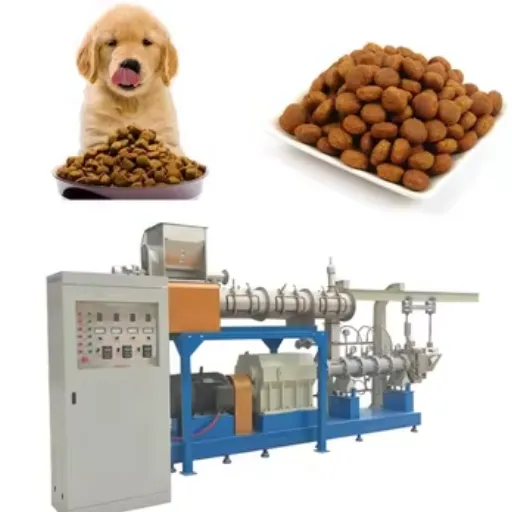
Choosing the right pet food manufacturing equipment for high protein formulations means evaluating each component for its ability to handle elevated protein and fat levels without sacrificing reliability or flexibility.
Core Equipment Requirements
Your foundation should consist of a twin-screw extruder which uses co-rotating screws. The equipment should contain food-grade 304 stainless steel components which include barrels that have separate temperature control and dies that enable rapid shape changes. The pre-conditioner needs to provide operators with the ability to control steam and water injection while maintaining a time period that allows proper protein dough hydration.
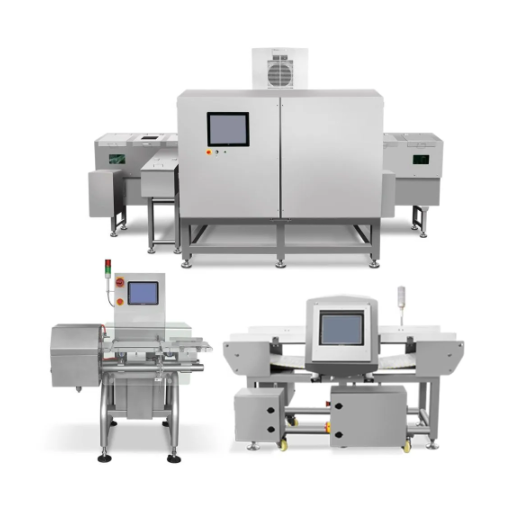
A multi-stage dryer with independent zone controls operates to regulate moisture extraction from dense protein pellets within the downstream process. A vacuum coater offers a superior solution for producing premium products because it enables deeper oil and flavor penetration compared to atmospheric spray drums. The complete production line uses automated packaging which includes check-weighing and metal detection systems.
Capacity Planning
Production lines develop through multiple capacity ranges. The small-scale system provides production capabilities between 140 and 260 kilograms per hour which makes it suitable for startup companies and specialty brands and pilot production facilities. The medium-scale production lines operate between 500 and 1200 kilograms per hour which enables regional brands to operate their businesses while mid-size co-packers use their services. National and export-oriented manufacturers use large industrial systems to produce between 1500 and 3500 kilograms per hour.
The process of selecting capacity needs actual business predictions. The practice of under-sizing equipment results in a production limitation which leads to early financial investments. The practice of over-sizing equipment results in increased capital expenses and energy usage which occurs before the business can generate enough income to cover these costs. The modular designs of turnkey pet food manufacturing systems provide an equivalent solution for operational needs. Your company needs core extrusion and drying systems to meet current production requirements and additional coating and cooling and packaging systems for future production needs.
Meeting International Standards in High Protein Pet Food Manufacturing
Global buyers expect proof that your equipment and processes meet recognized safety and quality benchmarks. Understanding how these standards apply to pet food manufacturing equipment protects both your investment and your market access.
CE Certification for Machinery
CE marking shows that food processing equipment meets all European health safety and environmental protection requirements. The CE certification for pet food production lines includes electrical safety protocols and mechanical protection systems and hygienic design specifications and safe handling of materials. Global buyers outside Europe also frequently require CE documentation because it signals compliance with internationally recognized norms.
The evaluation process for suppliers requires you to obtain current CE certificates and test reports which pertain to the specific extruder model that you intend to buy instead of using general factory certifications. The certificate should match the machine designation, voltage configuration, and safety components installed on your line.
HACCP and Food Safety Protocols
The Hazard Analysis Critical Control Points principles apply at multiple stages of high protein pet food manufacturing. The handling of raw meat presents biological hazards which require both temperature monitoring and equipment separation. The extrusion stage serves as a critical control point for pathogen reduction. Post-extrusion handling must prevent recontamination before product packaging seals the item.
The design of equipment enables businesses to comply with HACCP standards. The combination of smooth welds and sloped draining surfaces and reduced horizontal flat areas creates an environment that limits bacterial growth. The Clean-in-place systems enable complete sanitation procedures to occur without needing equipment disassembly. The stainless steel contact surfaces maintain their strength against corrosion while enduring the effects of strong cleaning chemicals.
Nutritional and Regulatory Compliance
AAFCO, the Association of American Feed Control Officials, sets nutritional adequacy standards for pet food sold in the United States. Meeting guaranteed analysis requirements means your formulation must deliver stated minimums for crude protein, crude fat, and maximums for fiber and moisture. Because extrusion heat degrades some vitamins, post-extrusion nutrient addition is standard practice for heat-sensitive micronutrients.
For export markets, additional certifications may apply. Some regions require GMO-free documentation. Others mandate specific labeling or ingredient traceability. Designing your line with batch tracking and ingredient verification from the start simplifies compliance expansion as you enter new territories. When selecting CE-certified food manufacturing equipment, verify that certificates match the specific extruder model, voltage configuration, and safety components installed on your line.
A distributor in Poland contacted three Chinese machinery suppliers for a CE-certified pet food line. Two offered lower quotes but could not produce current CE test reports for the specific extruder model. The third supplier provided full documentation, 304 stainless steel certificates, and a pre-shipment inspection protocol.
That line cleared EU customs in ten days and passed the local hygiene audit on the first visit. The distributor later told us the documentation gap from the cheaper options would have cost him an additional fifteen thousand euros in delays and re-certification. His story underscores why verification matters as much as specifications.
Scaling Your Pet Food Operation: From Pilot to Production
Growth in high protein pet food manufacturing rarely follows a straight line. Demand spikes, seasonal fluctuations, and new product launches all create pressure to increase output without rebuilding from scratch.
Modular Line Design
The most scalable approach starts with a solid core. The twin-screw extruder which operates reliably and the correctly dimensioned dryer system together meet your current production needs while allowing for future growth of 20% to 30%. Conveyor systems and coating stations and packaging equipment use standardized interfaces for their connections. The system enables expansion through module additions which occur when volume growth reaches sufficient levels.
This philosophy protects capital. You invest in quality where it matters most, the extrusion and drying stages, while keeping auxiliary equipment adaptable. It also reduces downtime. Your operation can continue running while you add a vacuum coater or secondary packaging station to your facility.
Recipe Flexibility
Pet food manufacturing now requires multiple recipes instead of using a single formula. Your team operates a chicken-based puppy formula during the first day. The next day you switch to a limited-ingredient duck recipe for allergy-sensitive pets. The following week you examine an insect-protein sustainability line which targets the European market.
Quick-change dies enable you to change kibble shapes without experiencing long equipment outages. The PLC recipe storage system allows users to access temperature and moisture and screw speed information at any moment. Clean-in-place systems maintain allergen control procedures during the protein transition process. Your equipment needs to match this operational rhythm because recipe diversity will create operational difficulties when your equipment fails to work properly.
Maria Gonzalez operates a mid-size co-packing facility from her base in Mexico. Her clients range from startup brands needing 200 kilogram per hour pilot runs to established labels requiring 2,000 kilogram per hour continuous output. She decided to purchase a modular turnkey system instead of separate production lines.
The current production requirements of her business are fulfilled by the extruder and dryer cores. The company can expand production operations through their existing open conveyor slots and PLC recipe storage system which enables them to implement a vacuum coater and secondary packaging station. The production process now requires less than forty-five minutes to switch from a chicken-based puppy formula to a salmon-senior blend. The equipment design at her facility enables her to produce six brands through a single line because it offers operational flexibility which was built into the system from the beginning.
Cost Considerations and ROI
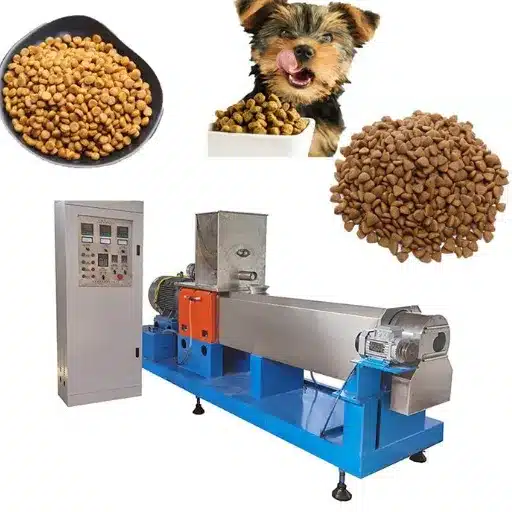
Equipment investment represents the largest upfront cost in high protein pet food manufacturing, but operating expenses determine long-term profitability.
Equipment Investment Ranges
Small turnkey lines suitable for pilot or startup operations typically range from twenty-two thousand to thirty-eight thousand dollars. The cost of medium-scale systems which provide complete automation together with coating functions starts at fifty thousand dollars and reaches up to one hundred twenty thousand dollars. The cost of large industrial systems which handle more than 3000 kilograms per hour starts at one hundred fifty thousand dollars but increases based on system customization and control equipment and additional systems.
The assessment results depend on motor specifications and automation degree and drying technique and supplier installation oversight and operator training delivery options. Turnkey quotations which provide recipe development support together with commissioning assistance result in faster revenue generation than equipment acquisitions which do not include these services.
Operating Cost Drivers
The ongoing expenses for the business primarily stem from raw materials. Animal protein meals and fresh meat and starches together with specialty ingredients account for 60% to 75% of per-ton production expense. The most energy-intensive processes in a production system are extrusion and drying operations which consume the highest energy resources. The expense of labor decreases when automation levels rise but businesses need highly skilled workers to handle recipe changes and maintain product standards.
The efficiency of equipment operation determines the financial outcomes. The twin-screw extruder achieves energy efficiency through its designed screw geometry which minimizes mechanical energy usage. A dryer system which employs heat recovery mechanisms needs less gas or electricity for each kilogram of output. The efficiency improvements from high-quality equipment exceed the extra costs which customers pay compared to lower-grade products throughout five years of operation.
Break-Even Scenarios
A mid-size line producing 1,000 kilograms per hour across two shifts, five days per week, generates roughly 4,000 tons annually. At typical high protein pet food margins, the equipment investment recovers within eighteen to thirty months assuming consistent sales. Faster recovery is possible for co-packers serving multiple brands, where equipment utilization rates approach 85% or higher.
Ready to spec a line that meets your market’s certification requirements? Contact our team for a detailed proposal with full documentation, capacity modeling, and commissioning support.
Conclusion
High protein pet food manufacturing demands precise equipment, rigorous process control, and verified compliance with international standards. The market reward for getting these elements right is substantial. North America is growing at 7.7% annually. Global animal protein demand for pets exceeds forty billion dollars. Consumer preference shows no sign of reversing.
Three principles should guide your equipment decisions. First, match your process to your market. Extrusion delivers scale and efficiency. Cold press or baking serves the super-premium segment with higher fresh-meat inclusion.
Second, invest in twin-screw extrusion technology with robust pre-conditioning. Single-screw systems often struggle with the protein and fat levels that define this product category. Third, prioritize CE-certified turnkey solutions from suppliers who provide complete documentation and modular expansion paths.
Your production line is the foundation of your product quality. Equipment that handles protein-rich formulations consistently, scales with your growth, and meets global certification standards gives you the operational confidence to compete in this expanding market. Get started today. Explore our customizable production lines, tell us your production goals, and we will design a pet food production line tailored to your capacity, recipe requirements, and target markets.