A highly skilled and inventive chef is not the only factor that restaurant and commercial kitchen running needs. The correct functioning of the equipment is the backbone upon which everything else relies. Whenever an equipment failure happens, it can result in a very expensive outage, unhappy employees, and customers. This article is intended for those who work in and around the restaurants and commercial kitchens and need guidance on how to troubleshoot various equipment issues. It doesn’t matter if you are having problems with your oven, refrigerator, or dishwasher; we will provide you with the essential diagnostic tips and practical solutions that will enable you to maintain a smooth operation. You are going to equip yourself to repair fast, cut down on interruptions, and have your kitchen working at its best every day.
Understanding Equipment Issues
Troubleshooting Guide for Key Equipment
To tackle equipment problems effectively, the first step is to determine the main reasons behind them. The most common reasons are usually the gradual wearing out of the equipment due to heavy usage, inadequate maintenance, wrong operation, or factors related to the environment like power outages or very high or low temperatures. Inspections done regularly can make it possible to see the signs of the equipment coming to an end, and following the manufacturer’s recommended maintenance plan can avoid many issues. Always consult the equipment manual for specific instructions and make sure that the employees are trained to use the equipment properly to prevent it from being damaged unnecessarily.
Common Restaurant Equipment Problems
To properly deal with the usual restaurant equipment issues, concentrate on their root causes. For wear and tear problems, establish a regular maintenance schedule and timely replacement of worn-out parts. For malfunctioning caused by wrong operation, offer comprehensive training to crew on the right equipment use. Power surges, which are one of the environmental factors, can be managed through the use of surge protectors and stable power sources, while temperature extremes may necessitate appropriate climate-controlled environments. Implementing these practices can greatly prolong the life of the equipment and minimize its downtime.
Identifying Breakdown Symptoms
The ability to detect equipment failure in its early stages is vital not only for averting major breakdowns but also for providing unbroken operation. The telltale signs are often strange noise, erratic vibration, overheating, less performance, or surprise outage. Observing the performance of the machines regularly and doing daily inspections will help in the early detection of those problems. Timely treatment of these signs can significantly reduce the duration of expensive interruptions and prolong the equipment’s life.
The Importance of Troubleshooting
Troubleshooting is a must for spotting and fixing equipment problems before they turn into big issues. By methodically finding and eliminating the root cause of symptoms, you can avoid expensive repairs, reduce the time of operation stoppage, and protect the performance of equipment. It guarantees efficiency, reliability, and lifespan, thus saving time and resources while ensuring the smoothness of operations.
Troubleshooting Guide for Key Equipment
1. Refrigerators and Freezers
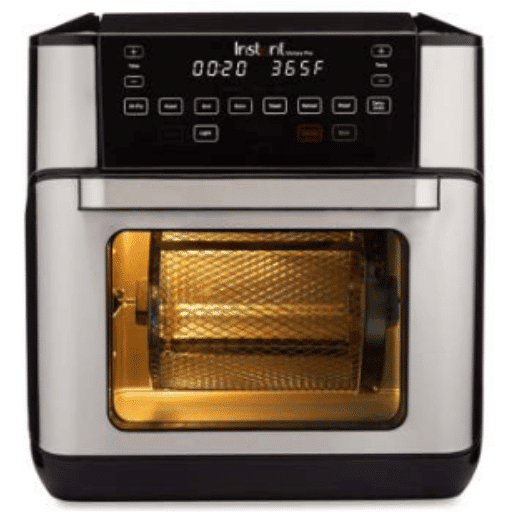
2. Commercial Ovens
3. Dishwashers
4. Fryers
Applying an accepted action step to these common issues would decrease the likelihood of longer downtimes, and the business operations of the restaurant would be in constant motion instead.
Troubleshooting Dishwashers
Dishwashers are machines that might face issues and performance might be affected, but, in fact, most of the issues are easy to fix if you just make sure the dishwasher is maintained properly:
1. Problem: The dishes are not coming out clean as expected.
Solution: Avoiding overloading the dishwasher, which can cause water flow to the spray arms to be blocked, is the first thing to do. Next – check the filter, ensure the detergent dispenser is working properly, and unclog the spray arms if necessary.
2. Problem: Dishwasher is not discharging water.
Solution: Close the drain hose and check it for clogs or kinks; clean the filter and be sure the garbage disposal (if this has been connected) is not blocking the water flow.
3. Problem: Water is leaking out of the dishwasher.
Solution: Inspect the door gasket for breaks or wear and make sure it is properly sealing. If it is, then do the same with the inlet valve and hoses, i.e. tighten or replace them if necessary.
4. Problem: Sounds that are not typical heard during operation.
Solution: Inspect the spray arms or drain pump for any foreign objects. Make sure that the dishwasher is installed properly and is level to prevent any vibrations.
If these problems are taken care of immediately, then the dishwasher will run smoothly and the kitchen will remain efficient.
Troubleshooting Ovens
1. Problem: Oven heating issue.
Solution: First of all, check the power supply and the circuit breaker. If the elements are burnt out, replace them; otherwise, check the sensor and the thermostat.
2. Problem: Cooking results not uniform.
Solution: Make sure the oven racks are placed properly and do not put too much in the oven. Check the convection fan (if any) to see if it is easy to spin and if there are no obstacles.
3. Problem: Oven door does not shut tight.
Solution: Look at the door seal to see if it is worn or torn and replace it if it is ripped. If the hinges are loose, tighten them or adjust the door so that it fits better when closed.
By addressing and fixing these issues that are frequently encountered, one can easily bring back the oven’s capability and get the same quality of cooking every time.
Troubleshooting Fryers
Fryers are indispensable appliances in kitchens, but they may also experience some troubles that will impair their performance. Here are the usual problems along with their easy-to-perform solutions:
1. Problem: Oil temperature not heating up to the required level
Solution: Check if the thermostat is working properly. If it is not, then replace it. Furthermore, look at the heating element for any wear or damage.
2. Problem: Rapid oil degradation
Solution: Perform oil filtration regularly and replace it when necessary. Don’t mix different types of oils, and use the accurate cooking temperatures to slow down the oil degradation process.
3. Problem: The frying process leads to different food qualities
Solution: Check the heater for smooth operation and pour the appropriate oil amount into the fryer. Turn or mix food as needed to ensure even cooking.
If you take care of these issues quickly, you will not only keep the frying performance at quality but also lengthen the fryer’s life.
Refrigeration Equipment Troubleshooting

1. Problem: Refrigerator not cooling effectively.
Solution: One should make sure that the unit’s vents are not obstructed by food or any other items which is a prerequisite for good airflow. Also, check if the temperature settings are correctly set and fall within the recommended cooling range. Regular cleansing of the condenser coils should also be done to improve efficiency. If the problem still remains, check the door seals for cracks or holes which might be allowing cold air to escape.
2. Problem: Excessive frost buildup in freezer.
Solution: Make sure that the freezer door is completely closed and also ensure that it is not kept open for a long time as that would cause increased frost. Also, check the door gasket for wear and tear and replace if that is the case. One should regularly defrost the freezer to keep ice from building up and ensure performance.
3. Problem: Loud or unusual noises.
Solution: Confirm if the fridge is leveled and make the necessary adjustments. Check if there is ample space around the appliance to facilitate proper ventilation. An expert technician should be contacted for complete diagnosis if the noise is coming from the motor or compressor and does not go away.
Signs of Refrigeration Issues
- Fluctuating Temperatures: In case your refrigerator has not been able to keep a constant temperature, it could lead to the spoilage of food and could mean a bad thermostat or blocked vents.
- Excessive Frost Build-Up: Large amounts of frost in the freezer might be an indication that the defrost system is not working.
- Water Leakage: Water collecting outside or inside the refrigerator can be due to the defrost drain being clogged or frozen.
- Unusual Noises: Loud or strange sounds that do not go away could point to motor, compressor, or fan problems.
- Higher Energy Bills: A refrigerator that is not working properly usually consumes more energy causing the bills to rise.
If you react to these signs quickly, you could prolong the life of your fridge and save yourself the trouble of dealing with a bigger problem.
Common Solutions for Refrigeration Problems
- Check the Thermostat Settings: Confirm that the temperature settings are accurate and modify them if necessary to achieve the best cooling effect.
- Clean the Condenser Coils: Dust and dirt can be removed from the coils for better cooling and to prevent the unit from getting too hot.
- Inspect the Door Seals: New gaskets should be installed where the old ones are damaged in order to eliminate cold air loss and to keep the cooling system operating at an efficient level.
- Clear the Defrost Drain: Making the drain free of obstructions will stop leakage and ice formation.
- Examine the Fan and Compressor: Try to deter any strange sounds, and if so, either clean or service the fan and compressor.
- Monitor Energy Usage: If power bills are particularly high, consider that the unit may have some hidden faults and call for a professional inspection.
Compressor and fan overheating due to condenser dirt, and bypass are common causes of refrigerator repairs. Regular maintenance and timely repairs can even prolong the lifetime of your refrigerator and avoid costly breakdowns.
Preventive Maintenance for Refrigeration Equipment
Preventive maintenance is a maintenance practice that guarantees the proper functioning of refrigeration units, thus lowering their possibility of sudden failure and prolonging their lifespan. Regular activities such as cleansing the condenser coils, inspecting the seals, and looking at the temperature settings increase energy efficiency and keep the performance steady. By fixing minor problems early, preventive maintenance reduces the need for expensive repairs and downtime, thus being an indispensable practice for the best operation.
Preventive Maintenance Tips

2. Inspect Door Seals
Make it a habit to inspect the door seals from time to time so that you can be sure that they are not letting air in or out. If they are, then it is time to replace them, thus saving energy.
3. Set Optimal Temperature
Persist with the suggested temperature settings (typically, 37-40 °F for refrigerators and 0 °F for freezers) to make the most of performance and also keep the food fresh.
4. Keep the Unit Level
It is essential to have your refrigerator level to avoid putting too much pressure on the compressor and also to have the door seals properly.
5. Clear Air Vents
Inside the refrigerator, air vents should be kept clear from food so that air circulation is not hindered and consistent cooling is achieved.
6. Schedule Professional Inspections
Once a year get a professional technician to check the refrigeration system and see if the motor, compressor, and refrigerant are okay.
If you implement the preceding tips, you are not only going to Increase the efficiency of the equipment but also the life of the equipment.
Regular Maintenance Practices
For to perform at their best, do not forget to apply the following practices:
- Cleaning the Coils Regularly – Periodic cleaning of coils every six months is necessary because the presence of dirt and dust on the condenser coils may lead to reduced efficiency.
- Check Door Seals – Look for air leaks due to improper sealing that could result from damaged gaskets and ensure their proper sealing.
- Temperature Settings Monitoring – For the purpose of efficiency, keep the refrigerator at the recommended temperatures given by the manufacturer.
- Compressor Inspection – Have the compressor and refrigerant levels checked through carrying out professional inspections once a year.
The above steps not only help in the efficient operation of the refrigerator but also contribute to its prolonged life span.
Creating a Maintenance Schedule
A maintenance program for your refrigerator usually means making reminders for important tasks on a regular basis. For example, you could clean the condenser coils and check the door seals every half year, check the temperature settings every month, and have an expert inspect the compressor once a year. Keeping using a calendar or a task management tool will support you in being regular and will guarantee that your refrigerator is always in the best condition.
Training Staff on Equipment Care
Staff training that is efficient for equipment care starts through simple instructions along with practical demonstrations. Teach the team about the correct use, daily cleaning, and minor repair methods. Also, give them access to user manuals and quick-reference guides as a way to make sure they have easy-to-reach resources. Periodic retraining and nurturing a culture of responsibility are the factors that keep the equipment alive and effective for long periods of time.
Reference Sources
- Colin Kurtis – 5 Steps to Finding the Target Audience for Your Food Equipment Company: Suggests means to find the suitable audience for food equipment services which are inclusive of the troubleshooting part. Source
- Zoidii – Top 5 Questions to Ask When Equipment Fails or Breaks: Outlines a step by step method to deal with the issues that are common equipment problems. Source
- The Restaurant Warehouse – Restaurant Equipment Repair Master Guide: Includes DIY repairs, maintenance routines, and guidance on when to seek professional help with the repair of restaurant equipment. Source
- Coast App – Beginner’s Guide to Restaurant Equipment Repair and Maintenance: Offers maintenance tips and the troubleshooting advice for commercial kitchen equipment. Source
- Newity Market – How to Identify Your Target Audience as a Small Business: A guide on how to find the audience that would require services like food equipment troubleshooting among others. Source