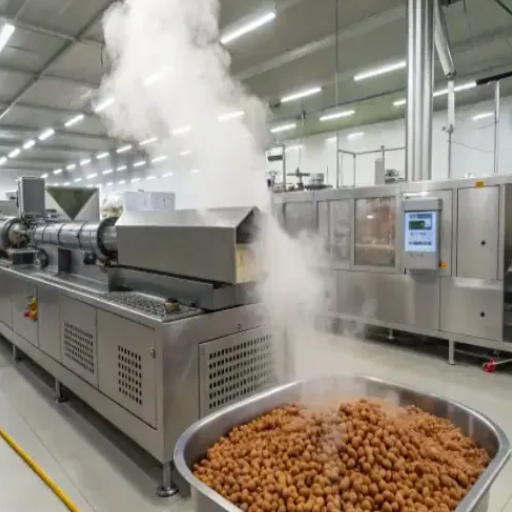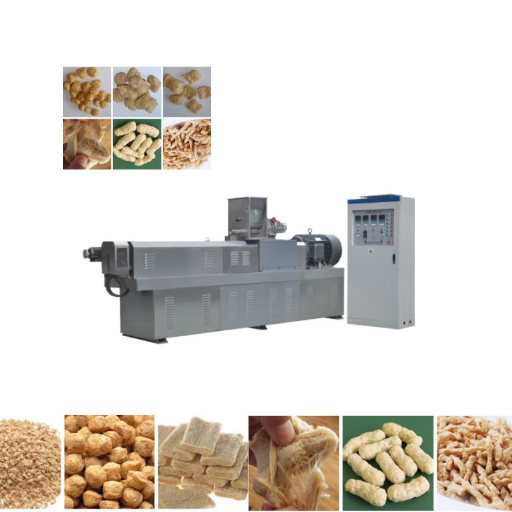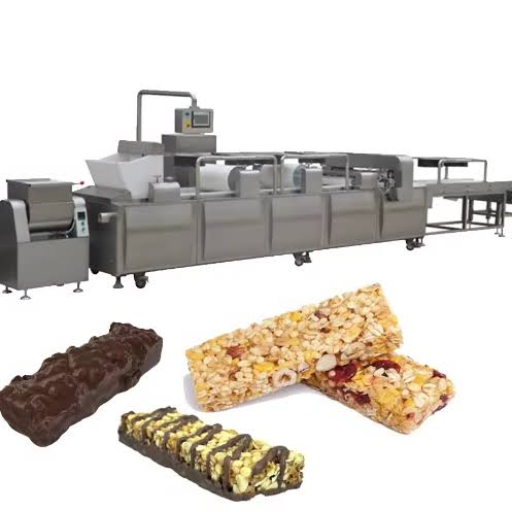
The snack industry keeps changing, as customers want more and more new, attractive, and tasty options. One of the main trends that contribute to this change is the emergence of 2D and 3D snack pellets; these are multifunctional, semi-finished goods that allow for an infinite variety of textures, shapes, and flavors.
This piece reveals the awesome 2D and 3D snack pellet production lines, their technologies, and processes along with their benefits that have made them a revolution in the current snack manufacturing. You will be taken from the raw materials to the top-notch machinery whilst finding out the reasons these production lines are vital for improving efficiency, product quality and catering to different tastes. This informative yet engaging guide will make you familiar with the future of snack innovation by taking you through all the necessary steps.
Introduction to Snack Pellet Production
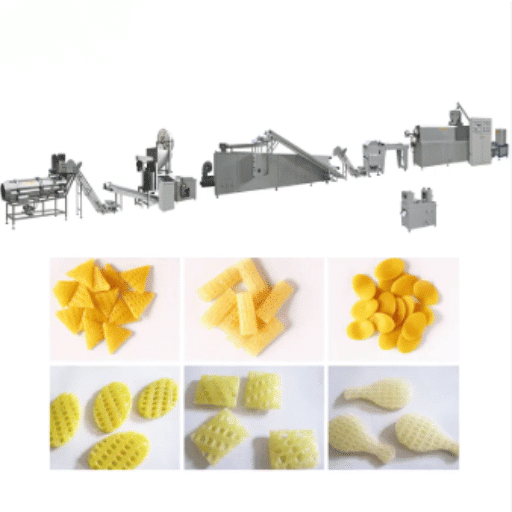
Snack pellet production is a specialized process that creates intermediate products, which can later be further processed to become final snacks of different textures and flavors by overlaying roasting, baking, and so on. The raw material selection marks the start of the process; the main ingredients are potato, corn, or wheat flour and the latter is mixed with water and other substances to make a dough. The next steps consist of molding the dough, cutting it into pieces, and then subjecting it to heat treatment, which is usually soldering or drying, to produce pellets with a fair amount of shelf life. The pellets are adaptable and can even be tailored to have specific features such as shape, texture, and taste, thus they are able to meet a wide range of consumers’ needs. The process is so straightforward and effective that it has become a common practice in the snack industry.
Overview of 2D and 3D Snack Pellets
2D and 3D snack pellets are made to meet the needs of a wide variety of consumers, providing different textures, shapes, and sizes. 2D snack pellets are flat and simple in geometric design, often looking like discs, cubes, or strips. After the dough is extruded, these are usually processed by cutting or stamping methods. On the contrary, 3D snack pellets are very complicated in appearance and have shapes like rings, tubes, stars, or any other dimensional patterns. These 3D figures are made possible through advanced extrusion and molding methods, thus catering to consumers who want different and fun snack experiences.
📊 Consumer Search Trends
Increased consumption of these pellets is paralleled by the recent search trends as noted by the search engine data, which show a rise in the demand for snacks that are not only tasty but also with a twist of novelty. Among the searches, “healthy snack pellets”, “customizable snacks”, and “unique 3D snack shapes” are some of the keywords that are becoming popular, which are representative of the new movement towards individual and fun snacking experiences. Companies are taking this data as the base for their innovations and coming up with the varieties of snack pellets that not only satisfy consumer’s needs for variety, nutrition, and visual attractiveness but are also produced efficiently. Thus, the trend emphasizes the role of the versatility of 2D and 3D snack pellets in the changing market demand scenario.
Importance of Snack Pellet Production Line
Snack pellet production lines are highly essential in the contemporary food industry as they allow the manufacturers to come up with new and high-end snacks, thus satisfying the rapidly increasing demand. These lines are very efficient, scalable, and versatile, which is a great advantage when dealing with the different tastes of the consumers.
📈 Market Growth: Based on the latest market analyses, the global snack pellet market during the period from 2023 until 2028 is expected to grow at a CAGR of roughly 4.5%, mainly because of the consumers gradually shifting towards health-conscious snacks and the personalized ones.
Key Production Line Features
The production line’s innovative technology is the one that makes clarity and versatility the qualities. This is the point where it is up to the manufacturer to get to know and experiment with the base components, i.e., potatoes, corn, rice, or multigrain combinations. Moreover, the creative use of 3D and die-cut molds ensures that snack shapes are not only functional but also a factor that attracts the customer visually. Automatic mixing, extrusion, and frying are some of the processes that are going on behind excellent product quality and consistency as well as highly efficient operations. In addition, the reducing of waste along with the smart use of energy is something that manufacturers have been focusing on lately, as this is part of the sustainable manufacturing practices which are on the priority list of both snack brands and eco-friendly consumers.
The nutrition aspect is one of the main factors that attract and keep customers. 3D and die-cut molds allow for the production of various snack shapes corresponding to consumer preferences, and the visual appeal is thus enhanced. The snacking and health trends are becoming more and more intertwined, and these technologies are accommodating consumers’ needs by producing snacks that are less salty, made with non-wheat flours, and by fortification with vitamins and minerals. Not only does this practice keep brands competing with one another but, it also proves to be in sync with the health-oriented living of the contemporary consumers.
💡 Industry Insight: It is now up to the companies to invest in the high-tech snack pellet production lines if they want to be the ones setting the trends in the snack industry. It is only the innovative production capabilities that enable the brands to put up for sale snacks that are not only engaging and health-focused but also captivating to the eye – thus mesmerizing the already selective market of contemporary consumers.
Market Trends in Snack Pellets
The snack pellet industry has gone through a major transformation over the years with the imposition of the demand for brands that produce healthier and more innovative snack options and the rising competition among them. The recent data from the trend of searches shows that there is a remarkable increase in the searches for “healthier snack alternatives,” “air-popped snacks,” and “plant-based ingredients.” These pieces of information point to a major change in the preferences of consumers who are now interested in products that give the pleasure of eating along with the benefits of nutrition and are eco-friendly.
🎯 Key Market Drivers
- ✓ Multi-grain and legume-based pellets gaining rapid acceptance
- ✓ Expanding taste profiles with daring flavor experiences
- ✓ Growing popularity of gluten-free and allergen-free products
- ✓ Technology integration for unusual textures and streamlined production
The quality of the snack produced not only meets the manufacturers’ output expectations but also matches the consumers’ demands for snacks that are contemporary and eco-friendly. The producers of snack pellets can succeed in the changing demands and also stay ahead of the competition by using data analytics and market trends.
Understanding the Pellet Production Process

The making of pellets starts with the right selection of raw materials, like grains, starches, or potato-based products, which will be the main ingredient of the pellets. These materials are then combined with water and other ingredients to produce a uniform dough. Next, the dough is placed in an extruder where it is shaped and partially cooked under controlled pressure and temperature. The pellets are dried after extrusion to reach the moisture content that allows long-term storage without spoilage. This process is very important in the manufacture of high-quality snack pellets that are ready for frying, baking, or additional seasoning.
Raw Materials for Snack Pellets
The selection of raw materials for snack pellets production is very important as it decides the texture, taste, and nutrition value. Cereal flours generally used are wheat, corn, rice, potato which together form the base structure. But in addition, starches and modified starches are frequently added to the mix for the purpose of the product’s expansion and crispness enhancement. Protein sources, such as soybean or pea flour, can be used as a betterment in the nutritional profile while vegetable oils are giving flavor and also helping in the processing.
🔍 Consumer Demand Insights
The most recent data mining results show that “gluten-free snacks,” “healthier options for snacking,” and “protein-enriched snacks” are the main keywords among the consumers and the development of this trend means that demand for snacks with health benefits is increasing. An increase in the use of functional ingredients like quinoa, chickpea flour, lentil flour, and other gluten-free or high-protein alternatives in snack pellet production is the scenario created by this trend. Then, manufacturers can evolve the consumer preferences by engaging them through the customized product innovation brought about by the incorporation of the respective ingredients.
Shaping Techniques for 2D and 3D Pellets
Snack pellets shaping techniques have come a long way in terms of consumer preferences and technical innovations in the field of snacking. Die-cutting and rotary molding are among the popular techniques for creating 2D pellets. These methods guarantee that the pellets produced will be uniform and precise, thus, allowing the manufacturers to offer a vast selection of different shapes, from classic squares and circles to complex customized designs, which will be met with the needs of the branding.
Advanced die configuration extrusion, along with multi-layer molding, is the adoption of the 3D granule with more processing techniques. The latter is the molding of two layers of different materials or colors to make the end product look more attractive. The trend is not only to make the products visually attractive but also to have them more interactive with the consumer. According to the data, there is an increasing interest in “unique and eye-catching snack shapes” which is an indicator of strong demand for snacks that are different not only in texture but also in design. The terms “innovative snack shapes” and “3D snack ideas” are examples of consumer curiosity and market potential that are increasing in this segment.
Through the application of these shaping techniques, the manufacturers can then mix these with other functional ingredients and creative product designs to benefit from the trends and consumer expectations, thus, also increasing brand awareness in the very competitive market. Data-driven insights integration makes it possible for the snack producers to keep up with the changing preferences and to be recognized as the industry leaders.
Cooking Methods in Snack Pellet Production
The snack pellet making process has varied the different cooking methods to assure the texture, to enhance the taste, and to produce a consistent product. Drying, frying, and hot air expansion are the three main processes each possessing distinct advantages and producing different products.
Frying is one of the most favored cooking techniques as it can give crunchy textures and rich flavors, which are often liked by the customers. On the contrary, hot air expansion attracts those who want to consume lighter and more non-oily snacks since it does not use oil and at the same time it gives light and crispy textures. Drying is the preparatory step that is very important for shelf stability and moisture control.
📊 Health Trend Alert: According to search data, queries related to “healthy snack cooking methods” and “oil-free snack options” have risen by over 120% in the past year. This indicates the increasing interest of consumers in snacks made by air expansion or low-fat alternatives.
Healthier cooking methods can help manufacturers not only to meet these changing preferences but also to secure consumers’ trust and be part of the global health-conscious trend that is rising. By combining traditional methods such as frying with data-backed innovation, the producers will be able to serve a wider market while staying in line with the new search trends.
Benefits of 2D and 3D Snack Pellets
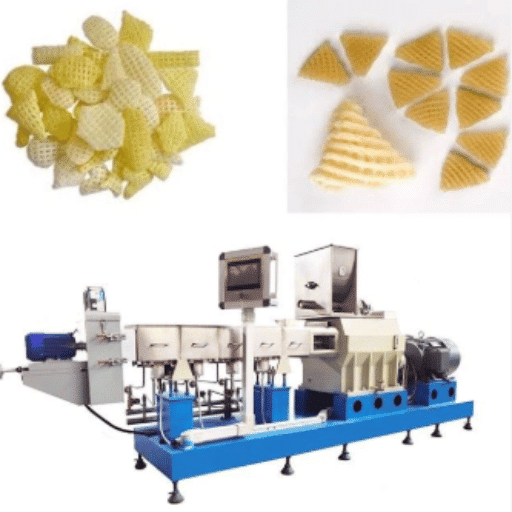
2D and 3D snack pellets have been a series of major advantages to both food producers and customers:
1. Versatile Shapes and Designs
Creating a variety of different shapes, such as even complex 3D forms, offers a great opportunity for product differentiation, and the process can also help to draw customers’ attention through the visual aspect of the product.
2. Enhanced Textures
This type of pellet gives different textures, from crispy through to crunchy, thus snacking sensory experience is improved.
3. Cost-Effective Production
Their being lightweight and pre-cooked contributes to reduced production costs, as they are very easy to transport and store before the final processing.
4. Customizable Flavors
The neutral flavor of the base helps greatly in the easy coloring and flavoring according to regional or customer preferences.
5. Extended Shelf Life
Less moisture content gives snack pellets longer shelf life, thus reducing spoilage and waste is possible.
These major benefits are the reasons why the snack food industry is gradually adopting 2D and 3D snack pellets more and more.
Advantages for Consumers
- Variety in Textures and Shapes – Snack pellets comprise varied textures and forms of a huge range, even 2D and 3D designs, thus giving consumers treat that are not only unique but also visually attractive and pleasant.
- Healthier Snacking Options – Snack pellets can be made less fat by using methods like air-popping or baking which use less oil than frying, so they can be processed in a way that would attract health-conscious consumers.
- Customizable Ingredients – Manufacturers can use grains, multi-grains, or nutrients in the form of fortification which are healthier according to the diets and thus, absorbing the preferences and needs of the consumers for nutrition.
- Affordable and Accessible – Because of the low-cost production and storage, snacks made from pellets are often less expensive, so a large customer base can benefit from this.
- Enhanced Flavor Profiles – The post-production snack pellets can be flavored which allows for a larger selection of daring and innovative flavors that are made according to the changing tastes of consumers.
Benefits for Manufacturers
Health Trends Influencing Snack Choices
The increased preference for healthier snacks is a clear indicator of consumer awareness and dietary preferences changing. Latest reports from the industry highlight a significant movement towards snacks that are in harmony with healthy living, and there is a major focus on using natural ingredients, less sugar, and having health benefits. A report released in 2023 by Market Research Future presents that the worldwide market for healthy snacks is calculating to grow with a CAGR of 5.8% during the period of 2020-2030, whichRetryClaude does not have the ability to run the code it generates yet.Gis mainly due to the ever-increasing urbanization and the consumers’ growing interest in wellness.
🌱 Top 5 Health Trends Shaping the Market
1. Plant-Based and Vegan-Friendly Snacks
The plant-based trend is on the rise, with consumers highlighting the factors of environmental sustainability and personal health. A 2021 survey conducted by the International Food Information Council (IFIC) revealed that 65% of consumers are on the lookout for plant-based snacks as they consider them healthier and also more eco-friendly.
2. Low-Sugar and Sugar-Free Alternatives
The growing concerns about the health effects of sugar have given rise to a new category of snacks that are naturally low in sugar but full of flavor. The WHO reports that the worldwide campaigns for reducing sugar intake have led the snack makers to introduce other natural sweeteners like stevia and monk fruit, and the sugar-free snacks sector is projected to become worth over $7 billion by 2025.
3. Protein-Enriched Snacking
Snacks loaded with protein are gaining not only fitness freaks but also regular consumers who are looking for sustained energy and satiety. A report released by Allied Market Research foretells a good future for protein-rich snacks comprising bars, chips, and yogurt-based options with this sector expected to expand at a CAGR of 7.3% during the years 2021 to 2030.
4. Functional Ingredients and Nutritional Add-Ins
Snacks that come with added functional ingredients like probiotics, omega-3 fatty acids, and adaptogens are in increasing demand. Consumers are not merely after convenience with their snacking but are also looking for health benefits, such as better digestion, stress relief, or stronger immunity. Euromonitor International indicates that a whopping 45% of consumers globally consider health aspects a major reason for their snack purchases.
5. Gluten-Free and Allergy-Friendly Products
The gluten-free and allergy-free snack market has enjoyed the skyrocketing demand due to the increase in people suffering from food allergies and intolerances. The Celiac Disease Foundation states that almost 1% of the worldwide population is inflicted with celiac disease whereas there is an even larger group that consists of people on gluten-free diets for health reasons. This factor has been conducive to the exploration of new grains and ingredient substitutions.
💡 Key Takeaway: The above-mentioned trends are very powerful and they are changing the way people think about snacks, and the manufacturers are always in a state of innovation, keeping up with the strict health requirements without compromising on taste and convenience.
Applications of Snack Pellet Processing Line
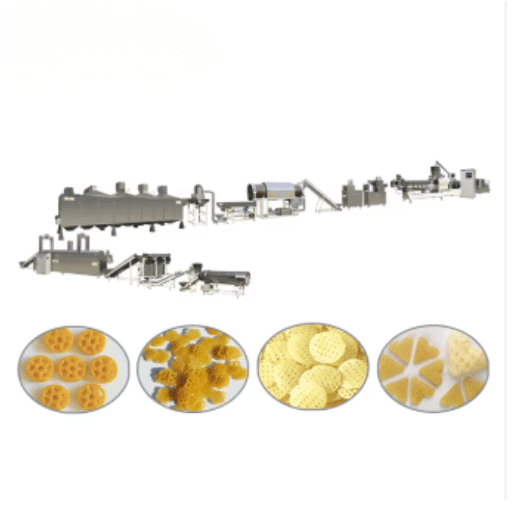
In the food industry, snack pellet processing lines are extensively employed for the production of numerous snack types, which are then customized to meet the various needs of consumers. Some of the main ways these lines are used include:
🎨 Production of 2D and 3D Snacks
The process involves the production of snacks that are shaped in a very creative way and have different commanding qualities, thereby increasing their attractiveness and – consequently – the interest of the consumers.
🌾 Multigrain and Health-Focused Snacks
The availability of processing lines facilitates the incorporation of alternative grains, such as quinoa, oats, and millet, which is very much in line with the trend of consumers being health-conscious.
🍃 Customized Flavor Profiles
These lines can be utilized by snack manufacturers for the production of plain pellets that can then be flavored according to the particular tastes of different regions and consumers.
⚡ Efficient Mass Production
A high-capacity production line not only simplifies the process but also helps decrease the costs incurred in the production while maintaining the same quality.
🎯 Versatile End Products
The processing lines are capable of making anything from chips to puffs and cereal-based snacks and can thus cater to a diverse range of snack types.
Snack pellet processing lines are thus considered an essential part of the modern snack manufacturing process due to their versatility and efficiency.
Large-Scale Snack Manufacturers
The global snack market is dominated by a few large manufacturers who use advanced technology as well as global supply chains to cater the increasing demand for convenience foods. The latest market research shows that the global snack market was estimated at about USD 557 billion in 2022 and is expected to grow at the rate of 3.37% CAGR in the period of 2023 to 2028. The industry is led by players like PepsiCo, Kellogg’s, Mondelēz International, and General Mills who never cease to come up with new ideas and to grow to embrace different market segments.
Massive production is also a major factor in the optimization of the supply chain and this is done through the investment in AI production systems and logistics that have been projected to yield big returns. For example, Kellogg’s has made use of automation for the production process so that it could demand trends a little ahead of time cutting down on waste and inefficient operations. On the other hand, General Mills has smoking gun planning for its sustainable measures by the year 2030; their target is to cut down the absolute GHG emissions from their value chain by 30% globally.
These companies never stop looking for and getting into new markets which are corresponding to the urbanization and hectic lifestyles given by the ever-increasing supply of packaged snacks. Thus, their combined strategic expansion and operational excellence reflect the changing nature of the snack industry and the firms’ being leaders in the future consumer trends.
Small Specialty Producers
Small specialty manufacturers are found to be main players in the changing snack market. They are actually the ones with the most influence as they gather for organic, artisanal, and health products which are all the rage. These manufacturers usually make it clear what makes them different from others by emphasizing the quality of their ingredients, the variety of their tastes, and the eco-friendliness of their operations.
📊 Market Snapshot: One of the reports from the industry states that the organic snack market alone was worth around $8.3 billion in 2022 and will keep on growing at a CAGR of 13.1% from 2023 to 2030, mainly due to the consumers’ increasing awareness of health and wellness.
Key Success Factors for Small Producers
- ✓ Focus on plant-based diets and gluten-free products
- ✓ Clean-label snacks with transparency
- ✓ Direct-to-consumer (DTC) sales models
- ✓ Partnerships with specialty retailers
- ✓ Creative packaging and marketing tactics
- ✓ Strong emphasis on authenticity and customer involvement
Consumers’ increased demand for products that fit with their ethical values and lifestyle preferences is a double-edged sword for these producers. Among other things, they sometimes have to deal with difficulties like scaling up production or getting the cost down. However, this very same consumer trend is what makes them more important in the snack industry’s growth story.
Diverse Snack Offerings in the Market
The snack market at present boasts of an amazing variety of products that cater to different tastes, nutritious needs, and even different cultures. The up-to-date reports coming from the industry indicate that in 2022, the global snack food market had a value of around $427 billion and it would increase at the rate of 3.4% annually until 2030. The major factors behind this upturn in numbers are the changing of consumer preferences, the seeking of healthy snacks, and the increasing acceptance of the on-the-go format.
🌍 Emerging Snack Categories
Functional Snacks
Protein bars, probiotic yogurt snacks, and superfood-based chips. A 2023 survey shows that 60% of respondents prefer snacks made with healthy ingredients only.
Plant-Based & Vegan Snacks
Lentil crisps, seaweed snacks, and almond-based treats appeal to environmentally-conscious customers.
Premium Indulgence Snacks
Chocolate, gourmet cookies, and flavored popcorn provide comfort and small escapes for consumers.
Regional & Cultural Snacks
Japanese rice crackers, Mediterranean hummus-based options driven by globalization and culinary curiosity.
E-commerce is playing a growing role in this scenario by making it easier for people to buy snacks online and thus a wider variety of them coming into the market, which in turn competition and innovation by manufacturers of snacks. The above-mentioned trend reflects the fact that the snack market, apart from being diverse, is very capable of adjusting to the changing consumer behavior quickly. It merges the old and the new, presenting each group of the audience with their respective flavors.
Reference Sources
- Amindus Consulting: Analyzes the intended market for 2D and 3D snack pellet production lines, which consist of both niche and mass-market consumers.
- Sunpring: Shares information about the consumption of 2D/3D pellets in different sectors, like snacks, pet food, and cereals.
- Dayi Food Industry: Presents the doughnut-shaped snack machines for the factories and it is aimed at the production of snack pellet intermediate.