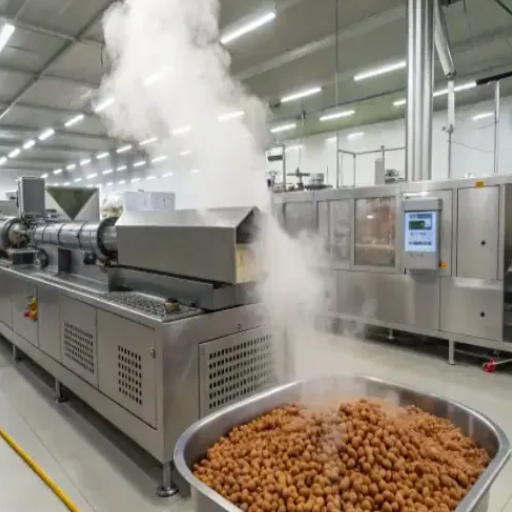
Production of soy protein isolate has become one of the most important aspects of fulfilling growing global demand for plant-based protein. Due to its high nutritional value, versatility, and general acceptability to all consumers, a producer tends to seek support from manufacturers. This article goes into important necessities required in the entire process while investigating newer technologies and machinery that present avenues for capacity, quality, and sustainability. From a producer wishing to optimize his plant to an enthusiast wishing to understand the intricacies of the production, this comprehensive guide shall give a lot of insight into the tools and techniques behind the production of soy protein isolate.
Introduction to Soy Protein Processing

The processing of soy protein involves a series of carefully controlled steps, converting whole soybeans into revolving powders or isolates rich in protein. The process begins with the cleaning and dehulling of soybeans to remove dirt and contaminants as well as the outer shell. The beans are next defatted by solvent extraction or mechanical pressing, which serves to separate out various oils. In the next step, the extraction of proteins from the residue occurs, where water or a mild alkaline solution is used to isolate the protein from other components. Then, the proteins are filtered, purified, and dried into fine powders: a very versatile ingredient used extensively in the food and beverage industries.
The Growing Demand for Soy Protein Isolate
The demand for soy protein isolate has been steadily increasing due to its high nutritional value, versatility, and suitability for various diets, including vegan and vegetarian lifestyles. This trend is driven by the growing awareness of plant-based proteins as a sustainable alternative to animal proteins, alongside the rising focus on health and fitness. Industries such as food and beverage, pharmaceuticals, and sports nutrition are significant contributors to this growing demand, as soy protein isolate is utilized in protein bars, drinks, meat substitutes, and dietary supplements. Additionally, its functional properties, including emulsification and texture enhancement, further bolster its popularity in product formulations.
Applications of Soy Protein Products
Protein Bars and Snacks
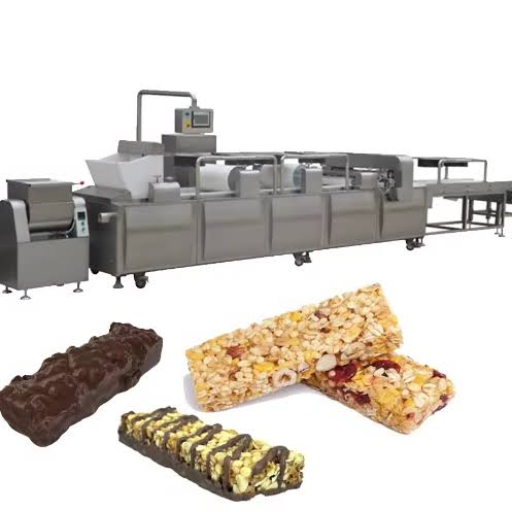
Soy proteins are widely used in protein bars and various snack products, thereby providing consumers with a high-protein, low-fat option to complement their nutritional needs.
Meat Substitutes
Soy protein is one of the essential ingredients in the preparation of plant-based meat alternatives, imparting to them a texture and protein profile that is very similar to those of animal products.
Beverages
Soy protein is used in protein-based drinks, such as shakes and smoothies, targeted at fitness and overall health.
Bakery Products
It improves the texture as well as the protein content of bakery products, such as bread and muffins, for health-conscious consumers.
Dietary Supplements
The powdered dietary supplements contain soy protein isolate most extensively for athletes and for others with specific protein needs.
Overview of Soybean Processing Technologies
Soybeans are processed using advanced technologies that transform the raw soybeans into a wide variety of value-added products. The process begins by cleaning the soybeans to remove impurities and foreign materials. After washing, the soybeans proceed to dehulling, which involves removing the coarse hull from the kernel to improve oil extraction and protein processability.
The next step is oil extraction, where oil is removed from the soybeans through either mechanical pressing or solvent extraction. Solvent extraction is a standard method that involves using a solvent, typically hexane, to strip the oil from the soybean meal effectively. The solvent-extracted oil is then further refined through various processes, including degumming, neutralization, bleaching, and deodorization, to obtain edible soybean oil.
For proteins, aqueous extraction and acid or enzymatic treatments are used to isolate soy protein from the residual meal. This then leads to the manufacture of soy protein isolate, soy protein concentrate, and textured soy protein, all of which are widely used in various industries. Advanced technologies, such as extrusion, are also utilized in the manufacture of meat analogs and textured products that can mimic the texture of meat.
Novel processing techniques, including ultrafiltration and membrane separation, help improve efficiencies while reducing waste and environmental pollution simultaneously. Not only do these techniques help enhance the quality of the product, but they also fulfill the ever-growing need for sustainability in both food and industrial applications.
Processing Technologies for Soy Protein Extraction
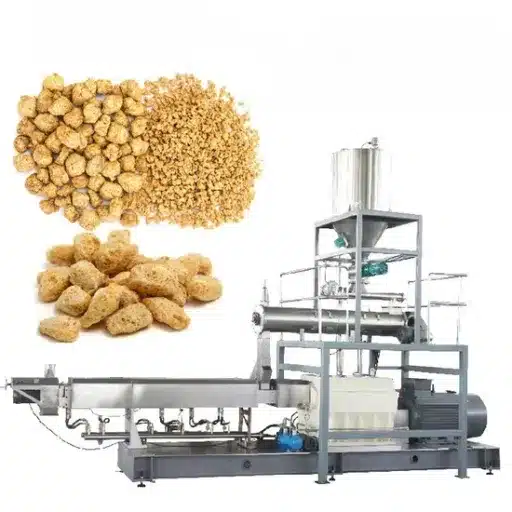
The extraction of soy proteins involves several steps to enhance yields and quality. These include water and alkaline extraction processes, which involve solubilizing proteins and then precipitating them. Ultrafiltration concentrates and purifies the extracted proteins; this method is preferable because it improves efficiency while reducing chemical consumption. Nowadays, enzyme-assisted extraction and membrane separation methods are employed to enhance protein recovery and minimize waste. These would better guarantee excellent protein products while fostering sustainability and innovation in soybean processing.
Methods of Protein Extraction from Soybeans
Protein extraction from soybeans mainly involves aqueous extraction, ultrafiltration, and enzymatic methods. In aqueous extraction, the soybeans undergo a soaking and grinding operation in water, followed by centrifugation of the mixture to separate proteins from the undesired components. Further purification is achieved through ultrafiltration, which increases protein yields by minimizing chemical use. Enzyme-assisted extraction methods increase efficiency by lysing cell walls and breaking down protein complexes, thereby allowing proteins to be released. Some emerging technologies, such as membrane separation and advanced filtration, are gaining popularity because they enhance protein recovery with minimal environmental impact. In synergy, these methods intend to uphold the highest standards of protein quality, efficiency, and sustainability in soybean processing.
Essential Equipment for Protein Extraction
In soy protein extraction, specialized equipment is required to work efficiently, maintain quality, and accommodate various production scales.
The very essence of such machinery lies in rendering the production of high-quality soy protein, which is employed in a variety of uses, most efficiently and sustainably.
Effect of Processing on Protein Quality
Processing significantly impacts the structural and functional properties of soy protein, which in turn affect its quality. Heating or extrusion involve high temperatures for processing that can cause protein denaturation, resulting in changes to solubility, digestibility, and amino acid bioavailability. On the other hand, controlled heating can destroy anti-nutritional factors, such as trypsin inhibitors, thus enhancing protein utilization. Overprocessing or prolonged processing might destroy valuing amino acids, lysine in particular, and therefore lessen the nutritional value. Chemical treatments, such as pH adjustments during extraction, lead to consequences on the protein’s aggregation and emulsification properties, applications relevant for food uses. Hence, it is essential for processing to strike a balance that ensures high-quality soy proteins with ideal functionality and nutrition.
Texturized Soy Protein Production
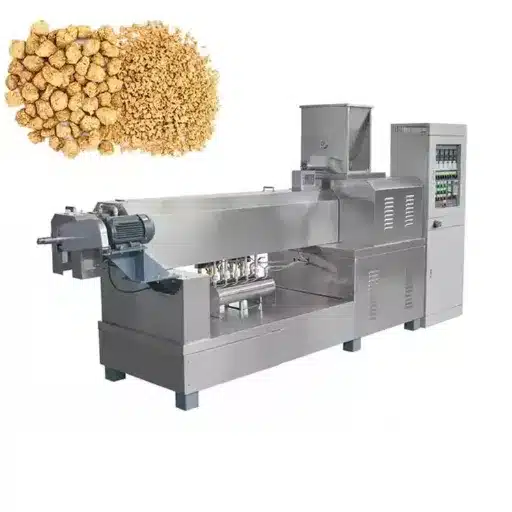
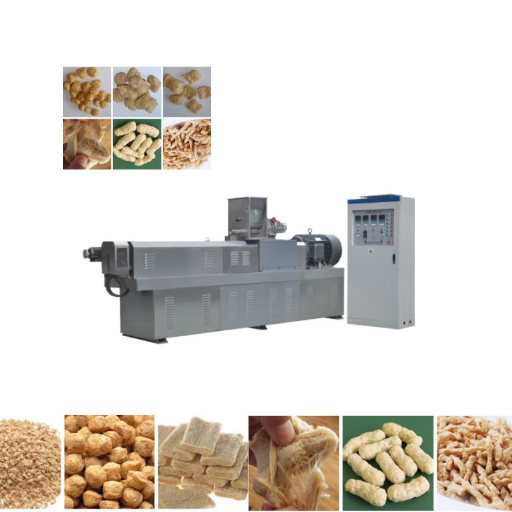
Texturized soy protein is prepared by processing defatted soy flour or soy protein concentrate through various methods, such as extrusion cooking. In this process, the protein is exposed to high temperatures, pressure, and shear, which physically transform the protein material into a fibrous, meat-like texture. Moisture, temperature, and extrusion speed are all carefully controlled to achieve the proper final texture and functional properties. Due to its high protein content and ability to assume various textures, the food industry considers this product a viable meat substitute in several applications.
Understanding Texturized Soy
Texturized soy is a plant-based product primarily composed of soy protein. This product, in which defatted soy flour or soy protein concentrate is processed to create a fibrous-textured meat imitation, is an affordable alternative to meat. It is high in protein, low in fat, and can absorb most flavor bases in its preparations, which can include burgers, stews, and tacos. Texturized soy is capable of simulating the consistency of meat, yet it remains very rich in nutrients. Thus, this product is a key element in vegetarian and vegan cooking.
Processing Techniques for Texturized Soy Protein
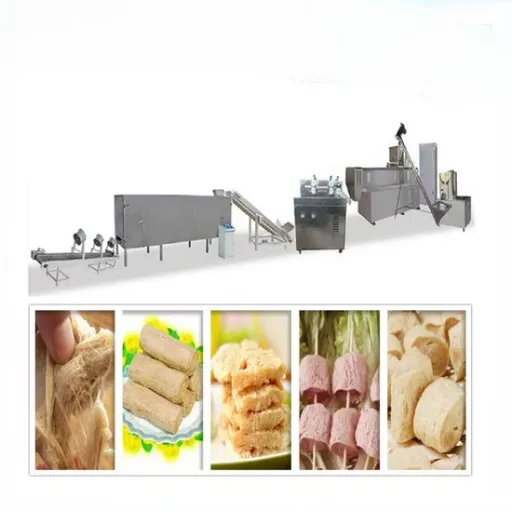
Several precise stages are responsible for creating a particular texture and functionality in the manufacture of texturized soy protein. Defatted soy flour or soy protein concentrate is hydrated and mixed into a dough-like consistency. When this mixture is passed through the extruder at high temperatures, heat, pressure, and mechanical shearing align the protein molecules in a fibrous way. After extrusion, cooling, and drying, it sets its shape, allowing for a longer shelf life. Twin-screw technology has been developed to provide better control of texture, allowing further options in application from coarse chunks to very finely texturized granules. Thus, food applications form and nutritional requirements can be fulfilled efficiently by texturized soy protein.
Applications and Benefits of Texturized Soy Products
- Meat Substitutes in Vegetarian and Vegan Diets: Being highly versatile in terms of meat substitutes, texturized soy products provide almost the same texture and protein content except that they contain no animal ingredients, thus becoming perfect for plant-based diets.
- Nutritional Supplements in Food Products: Texturized soy is such a rich source of protein that it is added to cereals, energy bars, and meal replacement shakes to provide these products with an extra nutritional boost.
- Cost-Effective Protein Source: Considering its price and shelf life, texturized soy protein earns itself the title of the best ingredient to deliver nutrition in a budget meal plan.
- Culinary Versatility: It is really versatile and could be used in tons of things: chilis, tacos, pasta sauces, and soups-absorbing flavors and improving taste and texture.
- Sustainability in Food Production: Texturized soy protein contributes to sustainable food production by offering an eco-friendly alternative to animal proteins, which require more resources to produce.
Equipment Used in Soy Protein Isolate Production
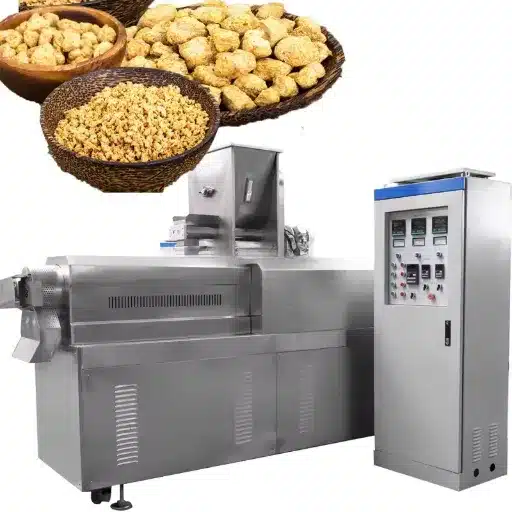
The production of soy protein isolate involves critical processing equipment, including soybean grinders and dehullers, solvent-extracting tanks to separate soluble proteins from insoluble ones, centrifuges to separate the protein, and spray dryers to convert the liquid protein extract into a powder. These tools ensure that production runs smoothly and that process quality is maintained.
Techniques for Isolating Soy Protein
Soy protein isolation begins with the defatting of soybeans to remove oils, typically using a solvent such as hexane. The defatted soybean meal is mixed with water at a specific pH and allowed to solubilize the proteins, whereas insoluble fiber components remain. The protein-rich solution is further separated by centrifugation or filtration to remove the last traces of solids. The soluble proteins are precipitated by adjusting the pH to the isoelectric point of the proteins, causing them to form a solid. After precipitation, the protein curd is washed several times, then neutralized. Finally, the isolated protein is dried to the powdered soy protein isolate stage; spray drying is generally used for this step. A careful process is necessary to establish a high-quality product with maximum protein content.
Equipment Used in Protein Isolation
In the process of production of soy protein isolations, an array of specialty equipment finds utility to assure optimum efficiency and product quality. Among these machines are grinders and milling equipment that grind the soybeans into fine particles, exposing the protein optimally during extraction. Large mixing tanks having agitation systems are required for dissolving and suspending the soy solids in water. The separation of the liquid extract from insoluble materials is carried out in centrifuges, while pH adjustment equipment is used during precipitation to guarantee an accurate adjustment on pH stages. From this stage, machines would spray-dry the liquid protein into a powder form, allowing the powder to be stored with convenience and ease of transportation. On the other hand, various other ancillary equipment such as filtration units and heat exchangers serve in inter alia in refining and purifying the final product to the required standards of higher purity level, thus producing soy protein isolates that bear up to the most stringent industry standards.
Innovations in Production Equipment
Recent developments in production equipment greatly improved production efficiency and quality of soy protein processing. Among the innovations lies the integration of automated control systems to ensure precise operations during essential phases of extraction, separation, and drying. These systems operate through continuous monitoring, hence maintaining high product quality and preventing operational errors. Additionally, energy-efficient spray dryers and filtration techniques have been developed to mitigate environmental impacts while maintaining the highest production standards. Moreover, the modular design of these pieces of equipment enables flexible scaling of operations to meet production demands at various levels with ease. Hence, not only do these innovations simplify the manufacturing process, but they equally promote the sustainability and cost-effectiveness of soy protein production.
Quality Control Measures in Soy Protein Processing
Testing for quality must be very intensive down soy protein processes to guarantee product safety, consistency, or purity. Test candidates include contaminants such as heavy metals, allergens, and microbial pathogens. In the regular production process, one will likewise monitor protein content, moisture levels, and particle size to ensure they adhere to trade standards. Applying standardization procedures, such as HACCP (Hazard Analysis and Critical Control Points) and other analytical tools, helps maintain high output quality throughout the process life cycle.
Importance of Quality Control in Production
An efficient quality control system has to be employed in soy protein processing to ensure the safety, functionality, and nutritional value of the final product. Soy protein products have widespread applications in the food industry and hence need to be subjected to stringent quality standards to satisfy both regulatory requirements and consumer expectations. Quality control involves monitoring the raw materials, assessing protein concentration, and testing for contaminants such as pesticides, heavy metals, and microbial pathogens. Methods such as spectrometry and chromatography might also be used to assess purity and consistency.
Maintaining top-class quality standards is also crucial for preserving the functionality of soy protein isolates or concentrates, which are used in a variety of applications, including meat alternatives, beverages, and nutritional supplements. Conversely, any variation in quality can impair the texture, taste, or health-giving attributes of the product, thereby affecting its on-market performance. Fossilizing this trust among consumers and industry parties by means of ensured soy protein processing is made possible through the use of advanced technologies and adherence to the HACCP and GMP (Good Manufacturing Practices) framework.
Standards and Testing Procedures
The quality and safety of soy protein products depend on adherence to specific criteria, which in turn are verified by a multitude of testing measures over time. In industry standards, for example ISO 22000 and FSSC 22000, food safety systems are defined that consider hazards encountered during production. Analytical tests such as protein content determination by means of Kjeldahl or Dumas will be carried out to verify that nutritional composition is as stated. Beyond that, an evaluation is carried out from the sensory aspect-based on taste, texture, and aroma, all in accordance with consumer preferences.
Microbiological tests eliminate contamination possibilities by pathogens such as Salmonella or E. coli, ensuring product safety further. For detecting undesirable chemicals, including anti-nutrient factors, HPLC and other chromatographic techniques are employed. Certification procedures such as labeling for non-GMO and organic assure that all necessary steps are being followed to meet demands in the marketplace. Sticking with the prescribed testing and standards agenda at all times guarantees the quality and reliability of soy protein products.
Key Quality Indicators for Soy Protein Products
Reference Sources
-
Setup Soy Protein Isolate Plant – Factory & Process Design – Details on the main equipment used in soy protein isolate production, including soya hullers, flakers, and centrifuge tanks.
-
Foodec Decanter Centrifuges for Soy Protein Isolate – Information on hygienic and efficient processing methods using Alfa Laval’s decanter centrifuges.
-
Soy Protein Concentrate Machines – Efficient & Durable – A range of high-capacity extruders and concentrators for soy protein processing.
-
Plant and Machinery for Soya Derivatives – Insights into machinery for manufacturing soy protein concentrate and isolate.
-
Soybean Protein Isolate Equipment – Overview of equipment for producing soybean protein isolate, including desolventizing soybean meal.
Frequently Asked Questions (FAQs)
What is soy protein processing, and why does it garner so much attention?
Soy protein processing refers to all techniques applied to extract and purify protein from soybeans. This processing becomes paramount as it yields a higher nutritious value in soybean products, thus making the protein more concentrated and more functional in other food items. A consumer’s education on the soy protein processing will, therefore, make him or her more informed when making choices for high-grade plant protein sources.
What does extrusion do to soy protein?
Extrusion is one of the primary processes used in treating soy protein, where the soy protein product is cooked and shaped under high-temperature and high-pressure conditions. This will enhance the texture properties and digestibility of the soy protein substances, allowing them to be accepted in meat product form and also as textured vegetable protein. Moreover, extrusion can alter the structure and functionality of protein molecules to enhance the color, taste, and texture of the final product.
What are the physical characteristics of soy protein isolates?
Due to their functional uniqueness, the physical properties of soy protein isolates significantly influence their applications in various food systems. The prime characteristics are excellent solubility, strong emulsification and foaming capacity, and ability to attach and clog into protein aggregates. These known properties and behaviors of soy protein isolates are used to assess their functionality in the processing system and to evaluate their ability to enhance the texture and nutritional value of food products.
How does treatment affect the protein quality of soy products?
Thus, a method of processing of soybeans tends to make a strong bearing on the protein quality of the product, which results. Several processing methods that favor mixtures of protein digestibility with the enzyme also interfere with protein solubility and the retention of essential amino acids. Protein quality should be evaluated based on parameters such as protein efficiency ratio and protein digestibility to determine its nutritional value.
What is the role of soy milk concerning soy protein processing?
Soy milk is a beverage most commonly associated with the processing of soy protein. It is used as an ingredient in the manufacture of various food items. It is rich in plant-based protein and is often used in products containing soy as an alternative to dairy products. The processing itself involves soaking, grinding, cooking, and straining soybeans to extract nutrients while maintaining the soy flavor and increasing its acceptability.
In what way do processing technologies affect the texture of texturized soy protein?
Processing technologies influence the texture of texturized soy protein. With extrusion and mechanical texturization, they form a fibrous structure that mimics meat products, thereby enhancing the texture and mouthfeel of the final product. Optimization in processing technologies will enable the creation of high-quality texturized soy protein, which consumers will accept for its flavor and texture in their plant-based diets.