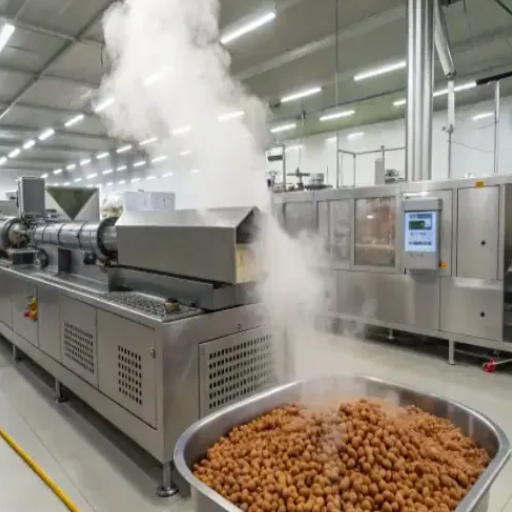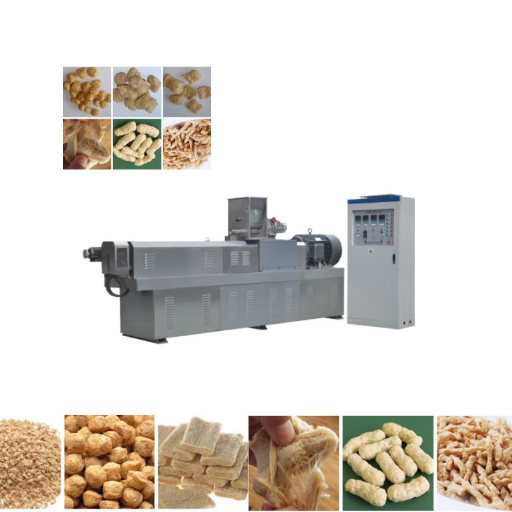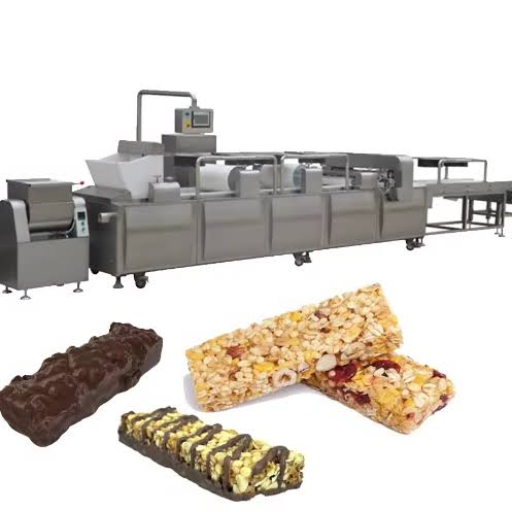
While it is true that new processing methods are essential in creating modern plant-based food structures that incorporate flavor and texture, it is even more important to consider the most appropriate processing technique. An expansive area that has undergone significant development in recent years is the transformation of plant proteins into meat-like products with the help of extrusion technology. Nevertheless, such an advancement presents a dilemma for the food industry, in that high moisture or low moisture extrusions must be opted for. Both the approaches have their advantages, disadvantages and areas of use, which in turn affect the resulting product. In this discussion, the two processes of extrusion will be looked at in detail, investigating how they influence the texture, functionality and manufacturing of novel food products. If this is the kind of material you are interested in, or just want to know what goes on in the food science field regarding plant based protein, then this is the piece you will find on the internet explaining how extrusion has changed the face of protein substitutes.
Introduction to Moisture Extrusion
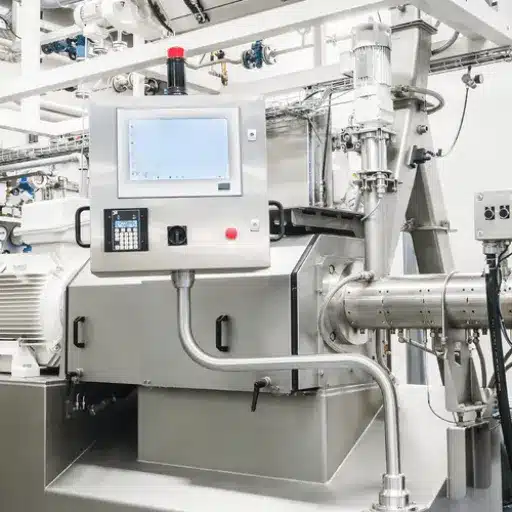
The benefit of the moisture extrusion process is that it allows vegetable proteins to be processed into fibrous realistic meat texture that offers an improved experience of eating plants. Plant protein exhibit can be formed by mixing water with vegetable protein ingredients followed by its heat under controlled pressure till the desired shapes are obtained. Firstly, the moisture extrusion ability to give u the fibrous real meat texture in the plant-based foods is the greatest advantage of this technology. It is therefore largely used in the creation of plant-based burgers, sausages or other products that have a similar structure to meat. Moisture extrusion serves as poetic justice in the battle against everyone trying to stop the art of cooking when there is an important issue at hand over technology and texture.
Understanding the Extrusion Process
Creating geometric shapes with different materials has been a common practice especially in manufacturing for decades now using the extrusion process. Various materials could be plastics, metals or even foods. At the very start of a moisture extrusion process, the different ingredients consumed in the duration of the process are combined nicely. It is located inside of the extruder which gives its shape while in operation, as the material is cooled to a certain level. This is the final shape of the material. This operation can be carried out with different ingredients and it is practiced in many fields such as the making of food for specific texturization and functional adjustment.
Importance of Moisture Levels in Extrusion
Water is a major factor in the extrusion process since most of the characteristics of the end product depend on it. The appropriate amount of moisture results in the appropriate gelatinization of starch, denaturation of proteins, and smooth transfer of the raw material through the extruder. Lack of moisture can result in high viscosity which in turn leads to high stress levels and also the uneven flow which might lead to structural defects and damage the equipment. In contrast, too much moisture may enhance softness, deformability and retard the drying process. Thus, accurate management and measurement of the moisture content is imperative during the extrusion in order to deliver the expected quality, to improve the production and to meet the demands of the respective processes.
Scientific Principles Behind the Extrusion Process
Extrusion is a complex process that involves various scientific disciplines to achieve a meaningful alteration of a substance. Primarily, the process is based on the postulate that the laws of thermodynamics, heat transfer, and deformation under pressure can be applied to a specific material. In this extrusion process, an object made of almost any material is formed by pushing it through the die under significant pressure. This results in a homogeneous discharge while exposing the content to various forces (mechanical, thermal, and rheological effects of stress and strain). Recently, moisture in the extrusion process has also drawn the attention of researchers, who have demonstrated that it has a detrimental impact on the moisture-assisted process.
The first and foremost concept of the moisture extrusion process is that of the maximum resistance and plasticity. The resistance to losing capability is another characteristic function of the material, which can be defined as the cutting ability. The material is pressed into a die and extruded. Friction and shearing forces transform or modify the material to the shape of the die. The heat generated from outside and its internal exponentiation due to shearing in the material is very important in keeping the characteristics of the material satisfactory. As an illustration, polymers are melted at specific temperature regions known as the exposure ‘window’, allowing the polymer to soften without degrading, thereby providing adequate flow.
Moreover, extrusion is a process of deformation. This is the study of flow behavior. It is crucial to understand the viscosity of materials, as well as their flow behavior, during the extrusion process. Considerable amounts of materials that are usually subjected to such processes, including immense length extruders and plane extruders, as in the case of molten polymers, tend to exhibit both viscous and elastic behavior. Inelastic liquids, such as polyethylene and polypropylene, can be subjected to different levels of force, and the flow would then attenuate as the force increases due to the action of shear forces. A high rate of flow through the die is possible due to this property. It also decreases the amount of energy required.
High Moisture Extrusion
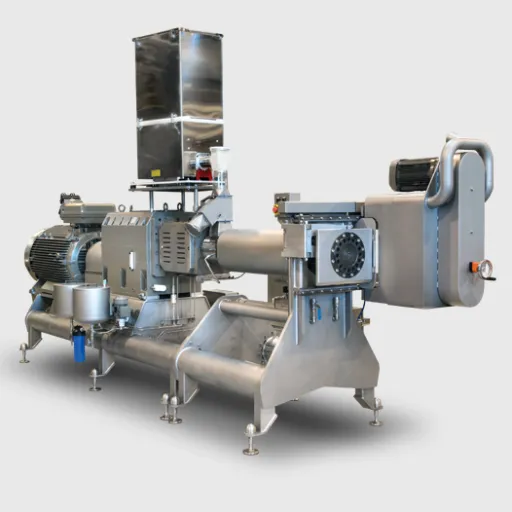
Preparing plant based proteins through high moisture and temperature level often called as High Moisture Extrusion promising fibrous body out like meat. The success of this moisture extrusion process comes with some critical factors which must be well managed. For instance, temperature, pressure, and screw speed are some of the parameters that help the proteins attain the appropriate levels of hydration and properly align. This extraordinary technique is quite useful in creating high-end textured alternative protein foods by exploiting the viscoelastic behavior of such materials.
Defining High Moisture Extrusion
Some of the functions of the high moisture extrusion process is the growth and expansion of plant-based meat alternatives, is the possibility to think of and develop the fibrous makeup of animal proteins. There is increase in demand for more sustainable and nutritionally enriching food products from meat oriented consumers. More people are opting for plant-based diets as well as meat substitute diet due to the concern of environment friendly or healthy cooking. Textured and juicy meat-like quality through extrusion or inspired by chewable meat can be produced within various fluid mixes. This reduces unwanted environmental emissions produced by the production of various meat products and is a necessity in such application as much as possible.
Applications in Plant-Based Meat Production
The moisture extrusion process has come to be considered an essential technique for making plant-based meat that gives the product a close to realistic texture, appearance and moisture proportions. This includes the transformation of plant proteins or any soy or pea protein into fibers, mimicking a mechanism similar to a muscle. This method finds its application in making foods like plant based burgers, sausages, chicken and others. Finally, the moisture extrusion technique also accommodates various flavors and nutritional requirements during manufacture, thus not only satisfying social esthetic demand but nutritional and dietary as well. Its simplicity and malleability have long been regarded as typical patronage to combat meat substitutes while satisfying the flesh cravings.
Benefits of High Moisture Extrusion
- Imitation of Meat Texture: Employing high moisture extrusion process gives forth a fibrous texture that bears resemblance in feel and chewability to conventional meat that users find satisfying.
- Customizing the Nutrient Content: This takes place during development, where essential nutrients, namely vitamins and proteins, are oxygenated within the product.
- Environmental: This can be performed by extrusion of plant-based products, which helps to decrease the burden on environment caused by meat production.
- Taste Acceptance: During extrusion, the absorbed flavors are also absorbed into the product, which ensures acceptance of the taste by the consumers.
- Production and Logistics: The technology used is effective and efficient to meet the huge demand from the consumers.
Low Moisture Extrusion
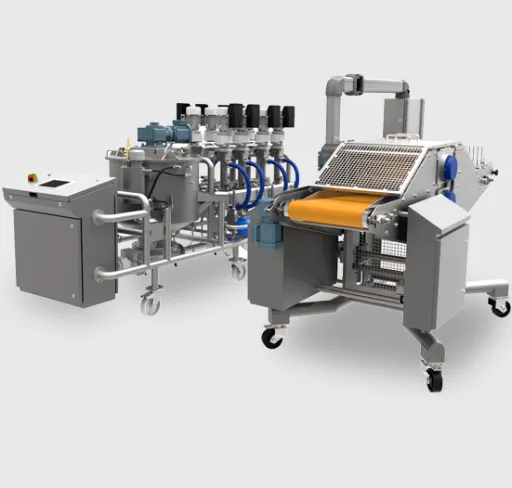
The process of moisture extrusion finds its application in developing ingredients with lower moisture for use in, for instance, meat analogues or snacks. This is because, for such products, the energy requirement is mechanical and temperature is very defined within a certain range. Low moisture extrusion technology allows the consistent production of ready-to-use products with specific textures, with no heavy equipment involved making it an efficient, cost-conscious, and flexible technique for a flood of food products.
Defining Low Moisture Extrusion
Low moisture extrusion is a method of food processing that is most often used in the production of food structures for the finished products where precision and stability of textures are necessary. It calls for considerable mechanical inputs in the form of shearing/working the materials in addition to controlled levels of heating and pressurization in order to achieve a modified state of raw materials. This process, characterized by very low level of water, below 30 percent, allows producing stiff products e.g. meat alternatives, snack pellets, pet foods etc. Nontraditional sources of fibers owe much to the growth of interest in eco-friendly food production and plant-based foods, which compelled the application of the moisture extrusion process to a new situation: to produce new structures which, otherwise, would create wastages. This is because the recent extruder technology in conjunction with the understanding of materials which are to be utilized, facilitates the low moisture extrusion for the mitigation of the newer trends in the industry regarding quality and convenience together with sustainability issues.
Applications and Products Developed
There are various industries, which make use of low moisture extrusion process to develop different kinds of new products. One of the most relevant being in the area of plant based meat products where the fibrous nature and chewing sensation of meat is achieved through this process. Puff and other snack-based products such as shaped snacks constitute the other category that utilizes this moisture extrusion process to achieve the desired stabling and textural properties. Furthermore, the moisture extrusion process is heavily applied in pet food technology as a way to produce healthy, long-lasting and tasty pet food.
Apart from these main applications, it is also suited to the design of cuisines, grains and nutritious organs. It is the precision in the control of moisture and the shearing force that enables the production of goal oriented products such as those which the consumers prefer according to their taste, texture and sustainability preferences. Moreover, the low moisture extrusion process offers more advantages than any other food processing method available today.
Benefits of Low Moisture Extrusion
- Better Storage Time: The type of food items which are made using the low moisture extrusion process are very stable and can last for a longer period of time with the maintenance of the quality of the product.
- Versatile Product Development: It refers to a technology which helps to enhance the features of the products throughout the processing of the food.
- Wider Product Design: Assists in building various structures and forms to suit the different needs of customers.
- Energy Efficient Production: Requires significantly less energy for operation than the other production techniques described, consequently supporting the aspects of biodiversity.
- Reduction of Residues: Encourages investment in materials enhancing the efficiency of production of food thereby lowering the amount of waste.
Comparative Analysis: High vs Low Moisture Extrusion
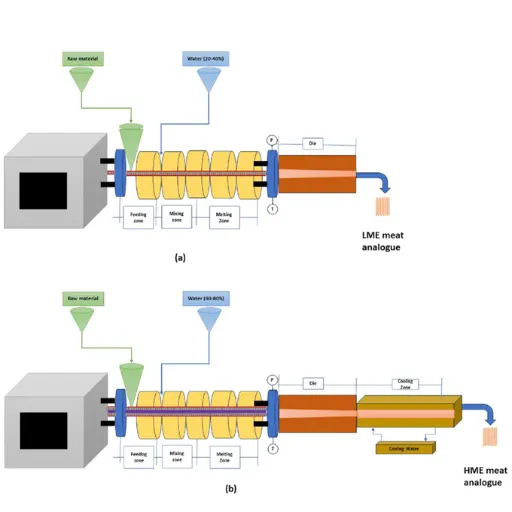
High moisture extrusion focuses on producing fibrous, meat-like structures, while low moisture extrusion primarily creates expanded, crispy textures for snack foods.
Texture and Mouthfeel Differences
The process produces high moisture extrusion, which is very fibrous, compact and creamy in texture and use very closely resembles the hardness and the structure of animal meat. Consequently, this can be used to formulate meat analogs such as plant burgers and chicken. The higher levels of moisture involve formation of such structures with layers and aligned proteins allowing to imitate the texture of meat upon cooking or state of a bite.
Alchemy on the other hand, turns into a production of crunchy, aerated, crystal like irregular shapes, useful especially in making snacks such as puffed chips, cereals or crackers. This is a process which involves lower amounts of moisture with higher energy input resulting in increased crunchiness and expansion of products with a light texture. The main focus for low moisture extrusion process is how well the strategies that are being employed will achieve the satisfying crisps that consumers want.
These distinctions address how these differences in chemistry and processing enable extrusion to serve a wide range of food applications and consumer needs.
Nutritional Profiles of Plant Proteins
The nutritional attributes of plant proteins processed using high and low moisture extrusion differ somewhat, although the latter method also maintains the basic protein content. The high moisture extrusion process typically preserves the protein structures but promotes fiber formation to simulate meat. This technology promulgates the production of very functional proteins since these proteins do have high levels of amino acid maintenance, residence time and do not undergo severe loss of any nutrients.
LPF on the contrary, is predominantly used for the production of feedstuffs which are lightweight snacks. Although preservation of the essential nutrients such as protein and fiber is achieved, sometimes an insignificant amount of heat labile vitamins or components may be destroyed because of the greater power utilized.
However because of the difference in the application of the two products, they are valuable proteins that can be included in a proper diet as well.
Cost Implications and Production Efficiency
The high moisture extrusion process processes are capital intensive due to the need for special and more complicated machinery. Such systems should operate higher respective water content and use the control for the temperature, pressure, and cooling. The high moisture extrusion process, on the other hand, is efficient which reduces the waste and improves the yield of textured products especially that which attempts to mimic the texture of flesh.
However, the low moisture extrusion process is rather less energy consuming to run as plan operation uses simple machinery and has no drying stages. The same operations are mostly used when producing light weight snacks or ingredients capable of long term storage. Even though the values quoted reflect lower production levels, the degree of expansion is also quite literate than the higher moisture systems, making it impossible to have these as diverse products in some cases.
In the end, choosing one among the dreadful moisturing processes inside the extrusion boils down to whether the finished commodity is demanded in the market, how large the processing is or how small it shall be, whether ingredients shall deliver nutrition or attributes, and to what extent. In any way, both techniques are quite economical as long as they are implemented within a certain framework.
Key Ingredients in Extrusion of Plant Proteins
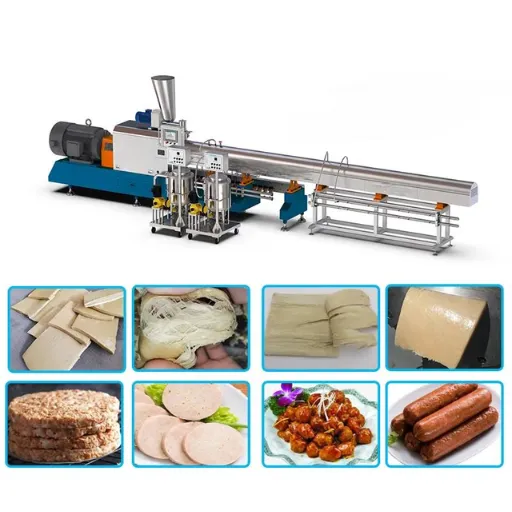
In extrusion-based processing of plant protein, the key food materials used are protein isolates and/or crude protein concentrates mainly containing soybean, peas, wheat, and all cereal and leguminous crops. These protein components serve as the building block for the formation of the texturized product during the moisture extrusion process. Starches, fibers and fats are added as well to enhance textural, binding, sensory and functional characteristics of the product. The presence of water is important as it helps in the plasticization and initiating the thermal and mechanical process for extrusion.
Role of Pea Proteins and Pea Protein Isolate
The inclusion of pea protein and pea protein isolate in plant-based food formulations is of major importance for these substances contain quality proteins and are quite versatile. In fact, they are used to enhance product texture and structure and provide relevant characteristics for animal protein replacement. Specifically, peptide protein isolate is appreciated for its bland taste, enhanced dispersibility and its essential property respectively of impartsation of pleasant texture in food products. It is also a constructional block since it contains important amino acids that also go proper increase of the nutritional value of the food which promotes plant-based cuisine.
Other Common Ingredients in Plant-Based Meat
- Soy Protein: Numerous applications of soy with its notable ability to replicate meat texture and rich protein source.
- Wheat Gluten (Seitan): As a result of this product’s elastic nature, chewy breast texture occurs which is very similar to that of chicken or other meats.
- Coconut Oil: Has a function of enhancing the moistness and providing the ‘fatty’ feeling that is similar to animal oils.
- Potato Starch: Binds the ingredients together and gives the needed density and strength to the meat substitutes.
- Methylcellulose: A plant-based resin and a very effective adhesive and solubilizer which. It is very significant in helping plant-based meat proteins from breaking up when they are cooked.
Manipulating Formulations for Desired Outcomes
While changing the formula for plant-based meats, aim for optimal texture, taste and stability Development. Re-arrange the protein composition with proteins such as pea and soy to improve the texture, firmly and elastically so it is present. As for the taste, the natural flavors, spices and yeast seasonings can be added to give a close meat simulation. Most often, stability in cooking is associated with binders, such as methylcellulose or potato starch; if one uses too little, the product will crumble, and if too much, it changes the consistency. Through ingredient and process trials, it is possible for the producers to shape the formulations according to the precision sensory and cooking needs.
Reference Sources
-
High Moisture Extrusion VS Low Moisture Extrusion – A comparison of moisture levels and their impact on product texture.
-
Interpretation of the Difference in Plant Meat Food Under High and Low Moisture Extrusion Process – Insights into the differences in plant-based meat products created using these methods.
-
Low- and High-Moisture Extrusion of Pulse Proteins – A study on the nutritional and functional properties of pulse proteins for plant-based meat.
-
High-Moisture Extruded Protein Fiber Formation Toward Plant-Based Meat Substitutes – Research on high-moisture extrusion technology for developing whole-cut meat substitutes.
-
High‐Moisture Extrusion in Plant‐Based Meat: Challenges and Opportunities – A review of the challenges and opportunities in high-moisture extrusion for plant-based meat alternatives.
Frequently Asked Questions (FAQs)
What is the high moisture extrusion process?
The high moisture extrusion process is a highly demanding technique that produces fibrous meat analogues from the processing of plant-based proteins like soy protein isolate under conditions that are highly specific in temperature, moisture, and pressure. Meat analogs are produced by high temperature and moisture cooking and texturization of the protein; they may be used as meat substitutes. Meat analog products vary in texture and nutrition, depending on the extrusion temperature and pressure.
How does the extrusion process affect meat analogs?
The whole process of extrusion has great magnitude of influence on the texture of meat analogs and generally its quality. Changes in extrusion conditions such as flow rate, temperature, and moisture content permit protein texturization to be optimized, thus allowing the desired characteristic for high moisture extruded meat analogues to be imparted. Consequently, food products that most closely resemble the structure of animal meat at the fibrous level are developed.
How do extrusion parameters affect the processing of meat analogues?
Temperature, pressure, moisture content, and so on of the extrusion machinery are the factors that determine the physicochemical properties of an extruded meat analogue. These parameters during high-moisture extrusion form the texture of extrudates and, ultimately, their chewiness, fibrousness, and overall mouthfeel. Therefore, one has to consider the best of these parameters in achieving the optimum product of meat-like food.
How is soy protein used in the high moisture extrusion for meat analogs?
Due its superb texturizing properties and ability to mimic the texture of animal protein, soy protein is one of the common proteins used in high moisture extrusion of meat analogs. Moisture extrusion of soy protein subjects it to high temperatures and pressures under a flow, contributing to the creation of fibrous structures with a texture similar to meat. This export of texturing improves the overall sensory characteristics of the products, hence it is greatly used in plant-based meat substitutes.
Are there any ways we can optimize the extrusion for better plant-based meat products?
Yes, extrusion can definitely be optimized to suit the higher quality and better texture of plant-based meat products. By modifying extrusion conditions like higher extrusion temperatures and moisture levels, manufacturers will be able to improve the texturization of proteins and form products with textural and flavor properties closely resembling that of traditional meat. Optimization is therefore important to propel the meat analog marketing and pull endowed consumers.
What are the key raw material characteristics channeling successful extrusion?
Better texture formation and improved product quality result when high-quality raw materials with the appropriate characteristics are selected for high moisture extrusion of soy and other plant proteins. A knowledge of the raw materials’ characteristics will help ensure that high-moisture extruded meat analogues are produced up to consumer expectations.
Conclusion
Both high and low moisture extrusion technologies offer unique advantages in plant protein processing, with each serving distinct market needs. The choice between these methods depends on desired end-product characteristics, target applications, and production requirements. As the plant-based food industry continues to evolve, understanding these technologies becomes crucial for developing innovative, sustainable food solutions that meet consumer expectations for texture, nutrition, and taste.