With its characteristic ridged texture and tubular shape, Garganelli pasta epitomizes the culinary beauty of Italian traditions. This traditional pasta from the region of Emilia-Romagna in Italy has a fascinating history combining the elements of craftsmanship and creative cuisine. Beyond its history, giant garnalen won the hearts of cooks for the sheer versatility of the pasta-to-sauce combination, resulting in a winning recipe for hearty, savory dishes. In this guide, we will walk you through making garganelli at home while exploring the intriguing backstory behind its creation. Whether you’re a seasoned home chef or an inquisitive food lover, this article is guaranteed to inspire you to bring authentic Italian flavors into your kitchen.
The History of Garganelli Pasta
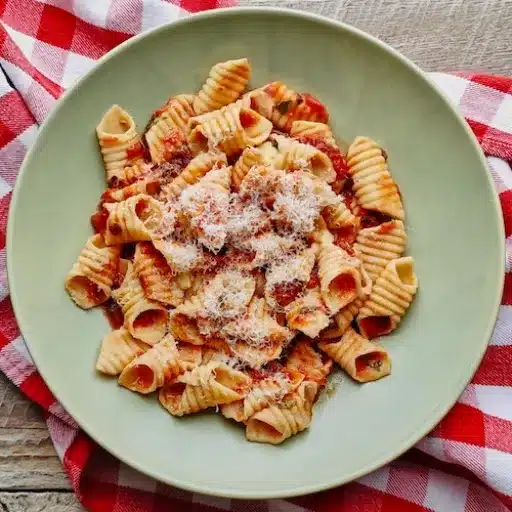
Garganelli dates back to the 18th century in the Emilia-Romagna region of Italy. Legend has it that it was invented by a clever cook who utilized a comb and a small stick to roll adulterated leftover pasta dough. The ridged, tubular pasta soon gained popularity due to its ability to hold sauce. Today, garganelli remains one of the cherished symbols of Italian culinary traditions and has been deeply rooted in the history and culture of the entire region.
Origins and History of Garganelli Pasta
In Italy, garganelli pasta has a fascinating history, one that closely correlates with the handcrafted approach of Italian cuisine. When it suddenly came out during the 1700s, its invention is commonly attributed to an inventive cook who recycled leftover pasta dough. Using a combination of a sort of comb and a small wooden pin, one might manipulate leftover pasta dough into a tube-shaped pasta. The gutted tubular form, with its markings, provided numerous areas for thick regional sauces to adhere.
The garganelli pasta, over time, established its place in kitchens across Emilia-Romagna, where it is loved for its versatility and texture. Traditionally, meat ragù flavors are enhanced by creamy sauces, or simply butter and sage, depending on the time and season. Yum-yum! Quite simple to prepare are garganelli, which render them more appreciated in Italian heritage. That pasta embodies the genius and resourcefulness of Italy’s culinary artisans and is still appreciated worldwide today.
Evolution of Garganelli as a Pasta Shape
The evolution of garganelli is steeped with centuries of culinary traditions. Handmade initially using a small comb-like tool called a “pettine” and a wooden dowel, the idea was to make a tubular pasta with ridges. The ridges added texture and helped sauces cling to the pasta more effectively, to the delight of most culinary enthusiasts. A more uniform production of garganelli has been made possible with advancements in pasta-making technology, allowing it to be widely enjoyed far beyond its traditional regions, such as Emilia-Romagna. Despite technological advancement, many pasta artisans still choose to uphold the tradition of making garganelli by hand, hence keeping the true spirit of this pasta alive.
Garganelli in Italian Culinary Tradition
In the firmament of Italian gastronomy, garganelli enjoys a biblioclast position, most likely because this pasta originated from the Emilia-Romagna region. It is traditionally paired with robust sauces, such as meat ragù, cream-based sauces, or savory broths, which accentuate its ridged texture and ability to retain flavors. The delicate interplay of firmness and yield also allows it to pair well with disparate ingredients, such as prosciutto or seasonal vegetables, hence making it a favorite of homes and gourmet restaurants. Garganelli is, through its flexibility and bold taste, a mutating symbol of Italian culinary tradition.
What Makes Garganelli Unique?
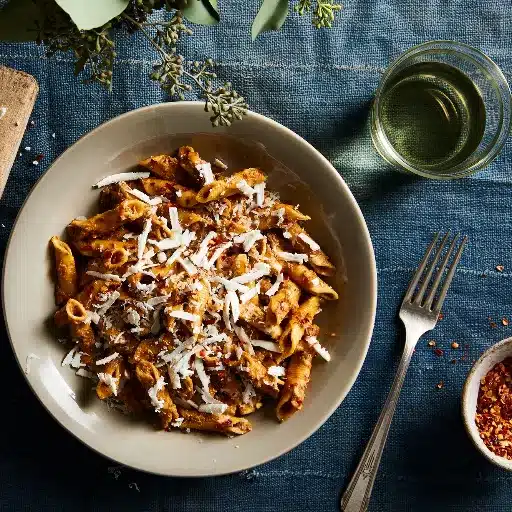
Since Garganelli is given a ribbed texture and tubular shape through the hand-rolling process on a small, comb-shaped tool, it can be said that this design distinguishes it aesthetically and simultaneously maximizes its holding capacity for sauces and flavor absorption, making the eating experience more rewarding. Its handcrafted process and compatibility with a variety of dishes are what set it apart from the rest of Italian cuisine in terms of uniqueness.
Comparison with Other Pasta Types: Garganelli vs. Penne
Garganelli and Penne differ in texture, shape, origins, sauce absorption, and preparation techniques.
The Distinctive Texture of Fresh Garganelli
Fresh garganelli stands out for its ridged surface and slightly softer texture as compared to dried pasta. The ridges created during the rolling process are just what one needs to hold onto sauces and impart flavor to each bite. Garganelli, being handmade, subtly distinguishes itself in texture from pasta prepared by machines, making it best suited for pairing with rich, creamy, or chunky sauces. This artisanal nature ensures that the savoring of fresh garganelli is a satisfying experience of textures and flavors.
Understanding the Ingredients of Garganelli Pasta
Garganelli pasta is traditionally made using simple and fresh ingredients. Flour, often a mix of all-purpose and semolina, and eggs, giving richness and structure to the dough, are among the basic ingredients. Some recipes may include a pinch of salt or a drizzle of olive oil for added flavor and texture. Next, the dough is rolled out carefully and cut into squares, which are then shaped into the perhaps best-known form: ridged tubes, with the help of a wooden comb or gnocchi board. These less and yet top-quality ingredients provide the pasta with an authentic taste and a distinct texture that makes it perfect for heavier dishes.
How to Make Homemade Garganelli Pasta
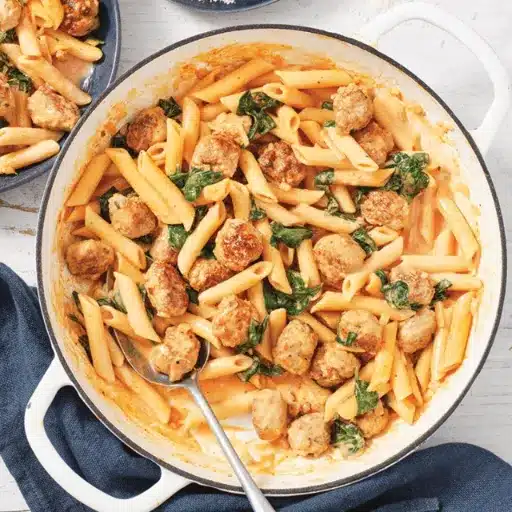
Ingredients Needed for Fresh Garganelli
- 2 cups of all-purpose flour
- 2 large eggs
- A pinch of salt
- Optional: 1 tablespoon of olive oil
Step-by-Step Guide to Make Homemade Garganelli
- Prepare the Dough
On a clean surface or a large bowl, sift flours and add a pinch of salt. Make a well in the center and crack in the eggs. Add the olive oil, if desired. Begin mixing the eggs with the flour using a fork until a shaggy dough is formed. - Knead the Dough
Transfer the dough to a lightly floured surface and knead for about 8-10 minutes, or until the dough becomes smooth and elastic. Wrap the dough in cling film and leave it for at least 30 minutes. - Roll Out the Dough
Divide the dough into smaller portions and roll each very thin with a pasta machine or rolling pin to a thickness of about 1/16 inch, once it has rested. - Cut the Dough
Using a sharp knife or pastry cutter, cut the small squares of dough, measuring approximately 1 1/2 inches by 1 1/2 inches. - Shape Garganelli
Lay one dough square on a gnocchi board or wooden comb. Use a small dowel or the handle of a wooden spoon to roll the square into a tube, applying gentle pressure to create the ridges. Seal the edges by gently pressing them together. Repeat this with all squares. - Flour the Garganelli
Dust the garganelli lightly with flour, so they do not stick to each other while you continue working. - Cook or Store
The garganelli can now be cooked immediately by throwing them into salted water and boiling until they rise to the surface, about 2-4 minutes. Otherwise, finish drying the pasta completely if you plan to store it.
Through these steps, irresistible homemade garganelli pasta will await the accompaniment of your favorite sauces!
Common Mistakes to Avoid When Making Garganelli
- Overworking the Dough: Excessive kneading can cause pasta to become too harsh. Knead until the pasta feels smooth and elastic.
- Skipping the Resting Period: Not resting the dough after kneading creates difficulty in rolling and shaping it, because the gluten requires time to relax.
- Using Too Much Flour While Rolling: Excessive flour during rolling and shaping can result in a gummy or unusual texture once cooked. Just use enough flour to prevent sticking.
- Not Sealing the Edges Properly: If the pasta edges are not sealed well on the dowel or comb, the garganelli might open up while cooking.
- Cooking in Unsalted Water: Pasta boiled in unsalted water will enhance its other sides less. Always salt the water generously to enhance the taste of your pasta.
Garganelli Pasta Recipes
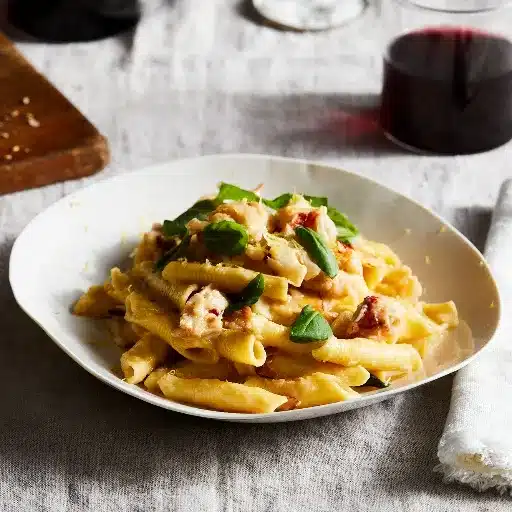
Classic Garganelli Pasta Recipe
Ingredients:
- 2 cups all-purpose flour
- 3 large eggs
- A pinch of salt
- Water (if needed for consistency)
- Your choice of sauce (e.g., marinara, alfredo, or pesto)
Instructions:
- Prepare the Dough: On a clean surface or in a mixing bowl, pile the flour and create a well in the center. Into the well, break in eggs and add a pinch of salt. Whisk the eggs gently, little by little, until the flour begins to come together to form a stiff dough. Knead the dough for 8-10 minutes, until it is smooth and elastic. Drops of water can be added if it feels dry. Once kneaded, cover in plastic wrap and rest for 30 minutes.
- Shape the Garganelli: Working with one portion of dough at a time, roll this thin (using either a pasta machine or a rolling pin). Cut the sheets into small squares 2 inches by 2 inches. Working with the dowel or garganelli comb, gently roll each square diagonally, pressing the edges together lightly to seal and form the distinctive fold.
- Cook the Pasta: Bring a big pot of water to boil and salt it generously. Garganelli is quick; cook for 2-3 minutes, or until al dente. Save some of the pasta water and then drain.
- Combine with Sauce: Toss the cooked pasta in the skillet with a sauce of your choice, adding pasta water as needed to adjust the consistency. Cook until well coated in sauce and serve immediately.
A straightforward recipe that respects the use of pasta crafted by hand and goes well with a myriad of flavors, which would render it a very flexible plate for any occasion.
Creative Variations of Garganelli Dishes
The uniqueness in texture and shape allows Garganelli pasta to serve as an interesting base for experimenting with flavors and ingredients. Some popular variations to inspire your next culinary creation include:
Garganelli with Truffle Cream Sauce
The pasta is made luxurious with a truffle cream sauce, rich in heavy cream and Parmesan cheese, subtly infused with the aroma of truffle oil.
Spicy Arrabbiata Garganelli
Give a fiery finish to your garganelli, prepared with arrabbiata sauce that features garlic and crushed red pepper, complemented by the sweetness of tomatoes. Finish off with a sprinkling of fresh basil.
Seafood Garganelli
Toss fresh shrimp, mussels, and calamari into a light white wine and garlic sauce for a touch of the coast. Garnish with finely chopped parsley and lemon zest for a twist.
Vegetarian Primavera Garganelli
Seasonal vegetables, such as zucchini, cherry tomatoes, and bell peppers, are sautéed with olive oil and garlic, tossed with garganelli, and topped with fresh, grated Pecorino.
Garganelli Carbonara
Give a new identity to conventional carbonara by substituting garganelli for the usual pasta. Combine the pasta with eggs, pancetta, and Parmesan for a smooth and savory glamour.
Each of these variations showcases the flexibility of garganelli pasta, allowing for lovely, delicious, and customized dishes to suit any taste or occasion.
Pairing Garganelli with Sauces
Garganelli pasta pairs perfectly with various sauces, thanks to its ridged texture that allows it to absorb flavors. Creamy sauces, such as Alfredo or carbonara, merely complement their shape to provide rich gratification. For something somewhat lighter, tomatoes would serve well with both marinara and arrabbiata pasta-based sauces for their tangy brightness. Additionally, Garganelli is ideal for pesto, as its ridges can effectively hold the herbaceous sauce. A meat-based sauce, such as Bolognese or sausage ragu, will elevate this pasta to almost restaurant-worthy status, offering a versatile alternative that pairs well with any meal.
Wine and Food Pairing Suggestions
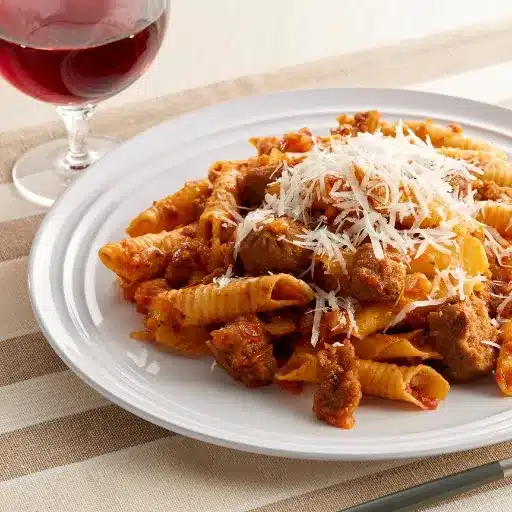
Best Wines to Pair with Garganelli Pasta
I would recommend a medium-bodied red wine, such as Chianti, with garganelli pasta, especially for meat-based sauces, so the rich flavors are beautifully complemented. For cream sauces, a buttery Chardonnay is the choice, whereas something with punchy acidity, like a Sauvignon Blanc, pairs well with light sauces, such as tomato or pesto.
Complementary Ingredients for an Elevated Dining Experience
Enhance the dishes of garganelli pasta by adding fresh herbs, such as basil or parsley, which will bring brightness and aroma. Thicker sauces lay well with ingredients such as garlic, shallots, or pancetta, bringing more depth into the flavor. An excellent addition of Parmigiano or Pecorino-Romano cheese would give all the already deliciousness level worthy of a garnish, whereas fresh cracked black pepper works as excellent seasoning. For something fresh, consider adding cherry tomatoes, arugula, or lightly steamed vegetables—they introduce a nice texture to balance the dish.
Creating a Complete Meal with Garganelli Pasta
To create a complete meal around garganelli pasta, consider pairing it with side dishes that will enhance the dining experience. A simple salad of mixed greens tossed with vinaigrette will provide a refreshing counterpoint to the rich pasta. For a protein boost, pair it with grilled chicken or sautéed shrimp, or take an alternative route and combine roasted chickpeas or marinated tofu with the pasta. Something with garlic will always hit the spot—think garlic bread or focaccia—so diners can soak up any sauces. To finish, think light—perhaps a fruit tart or creamy panna cotta—to balance beautifully. Hence, a well-rounded meal showcasing the flexibility of garganelli pasta is created.
Frequently Asked Questions (FAQs)
What is Garganelli Pasta?
Garganelli pasta resembles, in many respects, penne pasta but is distinguished by its texture and shape. Traditionally, garganelli is made from gelatinized egg pasta dough and may be folded into a diamond shape or feature grooves that hold sauce well, providing the basis for an array of delightful pasta sauces.
How to Make Homemade Garganelli Pasta?
Making homemade garganelli pasta begins with preparing fresh egg pasta dough. Combine flour and eggs to allow the mixture to turn into a smooth dough and roll it out into thin sheets. Having cut squares of fresh egg pasta, shape them on a dowel or gnocchi board so that they acquire the ridges and grooves characteristic of their shape.
What Ingredients Are Needed for Fresh Garganelli Pasta?
The basic ingredients for fresh garganelli pasta are flour, eggs, and salt. Some recipes may also suggest a pinch of nutmeg as a flavoring. Semolina flour might be better in texture and getting the dough to come together smoothly.
How Long Does Fresh Paste Garganelli Pasta Cook?
Fresh garganelli pasta cooks very quickly in salted boiling water, typically within 5 to 10 minutes. It is advisable to keep an eye on it and check for doneness at intervals, as fresh pasta cooks much faster than dried pasta.
What Kind of Sauce Goes Well with Garganelli Pasta?
Garganelli pasta pairs nicely with almost any type of sauce. Traditional sauces may be a pink Bolognese sauce or simply butter-based. From there, you can impress your guests by pairing the pasta with cacio e pepe or try other sauces that complement well with the pasta’s texture.
What Is the Difference Between Fresh and Dry Garganelli?
The fresh garganelli pasta is made from an egg-based dough and therefore has a tender texture. In contrast, dry garganelli is typically made with semolina flour and water, resulting in a firmer texture. In general, the fresh version is favored for its richer flavor and capacity to hold sauces well.
Reference Sources
-
Garganelli pasta from Romagna (Emilia-Romagna) – This source discusses the historical origins of Garganelli pasta, including its first appearance in 1725.
-
Homemade Garganelli Pasta: What is it? – Provides insights into the origin of Garganelli pasta, tracing back to the 1700s in Ferrara.
-
The Story of Garganelli Pasta: Rolled With Care – Explores the history and cultural significance of Garganelli pasta in Emilia-Romagna.
-
Homemade Garganelli Pasta (The Italian Dish Blog) – Offers a step-by-step guide to making Garganelli pasta at home.
-
Homemade Garganelli Pasta (Q.B. Cucina) – Details the traditional handmade process of creating Garganelli pasta.