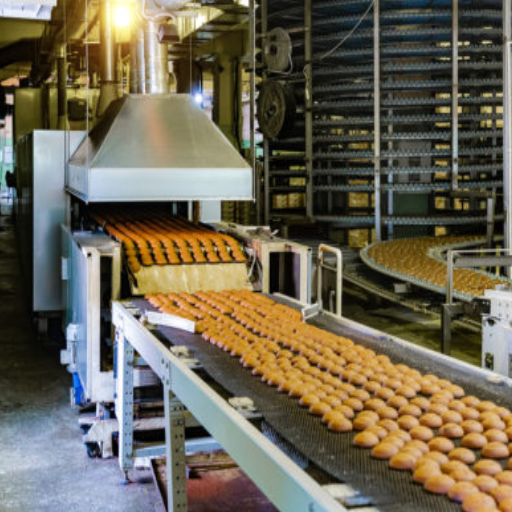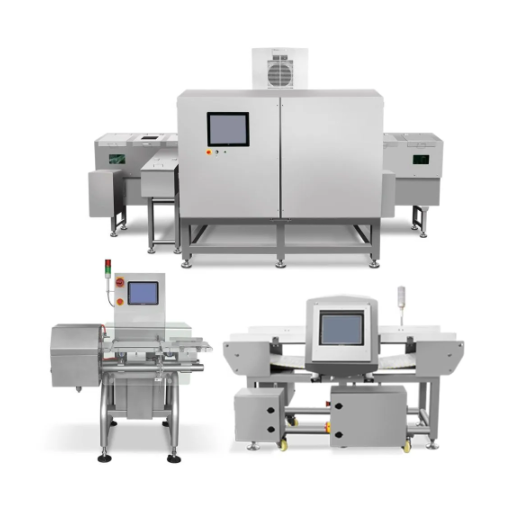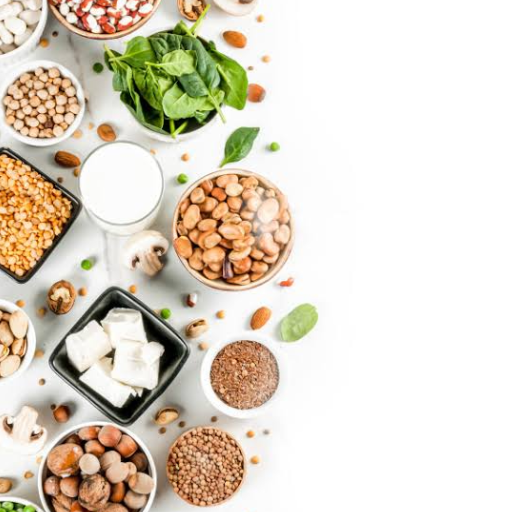
The food manufacturing industry evaluates its success through the measurement of its profitability. Instant noodles and fried snacks represent two product categories which consumers prefer most from the wide selection of available products. The two production lines differ in their return on investment, which depends on various elements that determine their profitability. The article examines how operational activities and financial matters and market conditions affect these two well-known food segments. The study will analyze cost structures and market trends and consumer preferences and scalability opportunities to develop a complete evaluation. The comparison will provide investors and entrepreneurs and industry professionals with the necessary information for making decisions about profitability enhancement in food production competition.
Overview of Instant Noodles and Fried Snacks
Introduction to Instant Noodles
Such noodles are referred to as instant noodles considering the fact that they are already pre-cooked and dried by deep frying and then they simply need to be cooked after pouring boiling water over the uncooked noodles. These foods are cheap, extremely convenient and can last for a very long time even after opening the package. Thought of in Japan as a new gourmet food in 1958, it has capture the imaginations of people around the world and till this day, according to the World Instant Noodles Association (WINA), every year higher than 100 billion portions are eaten. These noodles consist of their dried form noodles, spices, and at times, vegetables or other toppings to be prepared within minutes using hot water – either boiled or warmed – used to pour over them, or pan-fry them for a very short time.
The process of making instant noodles is associated with a high degree of efficiency and the possibility to increase the volume of production. This includes wheat flour, water, salt and alkaline salts which are the ingredients that give noodles their characteristic taste and texture. After being formed they are superficially cooked by frying or steaming then rapidly dehydrated by hot air or deep frying which ensures prolonged shelf life. As for the included packets of seasoning, it is made suitable for various consumers’ preferences depending on the region and quite different in its approach. For example, in Southeast Asia, many taste spicy flavors. In Western markets, however, consumers are used to considerably milder noodle broths. Every component mentioned above makes this product favorable and accepted in different regions.
Besides the modern need for food that is quickly prepared and affordable, the rise of instant noodles reveals more on consumer tastes and cultural differences. This is especially true as they have targetted different markets by being able to infuse flavours of the local context. Moreover, in the recent decade, there has been accelerated growth in urbanisation and the development of modern retail channels which have escalated their use in most developing countries as such foods are not only filling but also cheap. In the same way, popularity in such cultures endeavours is proof of them being an integral part of any packaged foods.
Understanding Fried Snacks
Crunchy and addictive fried snacks form an essential part of the global food market, which disappointingly stresses convenience over taste. These crunchy snacks are normally composed of any food item dipped in hot oil, which is known to enhance the taste of the food as well as give it a crisp cover that compliments the dish. Some of the basic samples of fried snacks which are prepared are those made of potato such as crisps, chips, fried flat bread etc. also differ in terms of the region and the kind of ingredients used. One of the most important reasons for such high levels of consumption worldwide is the ability to provide tasty, very often high calorific treats in relatively cheap means.
When referring to the production process, looking at how the fried snacks are made, it is important to focus on the traditional method but also the modern industrial method. The frying process on a small scale is done at home or within the food service industry but within larger industrial kitchens, frying is done using modern apparatus which enables uniform cooking with perfect results without wastage of time. The recent techniques of frying such as use of vacuum and air fryers have attracted attention among the consumers who are conscious about their health as these techniques lower the oil content but retain the taste and the texture. The quality and the taste of the end products are greatly determined by the source of the raw material in this case, potatoes, grains or any other starchy vegetables.
Concerns with regard to the health aspect of fried foods will always be part of the discussion. The consumption of fried snacks can also be harmful because, on the one hand, there is much fat and oil that is being introduced by frying which is rich in calories. Moreover, when heating food such as potato chips or crisps at a high temperature, it is important to note that acrylamide might be formed. As a result, many companies have produced low-fat baked versions and air fryers among the healthy alternatives available to consumers. Recipes for competing products are an important part of any strategy to reduce the impact of this market on societal health as it becomes healthier to consume these snacks within a normal diet.
Market Demand for Both Products
As is evident from the reports, the latest generations, the Millennials, and the Gen Z in particular, are themselves responsible for such movement and embrace in a determined manner healthy options. They are very easily prone to follow certain movements which favor among other things plant-based snacks, foods with clean label claims, and in the foods government has banned for high levels of fats and sodium. Nonetheless, even if these products which are healthier are on the rise, the scene has not changed and the consumer has not moved from testing to tasting, in that, most of these products are ‘glorified waters’ and those that can offer a combination of health and indulgence in taste are taking over the market.
According to research concerning the performance of the global market, considerable differences can be discerned across the board, as there is an increase in demand for healthier snacks in North America and Europe because the corresponding congregations have widely absorbed the concept associated with hair health with high levels of infiltrations even regulatory ones. In some other parts, such as Asia-Pacific and many other regions, traditional fried snacks fare much better and continue to be dominant. This scenario shows that the snack market is elastic and ready to grow of a miscellaneous nature of the consumers’ demand whereas health concerns – always the main focus – is accommodated.
People may ask for some other device once they have eaten lots of noodles because there might reach the saturation point. Instant Noodles Production Line has become limited in what can be done even if the number of noodles is oodles. Consumption of noodles is effective only so far as it enables a person to reach others for a short while. Therefore, bags of snacks must be diversified so that bored individuals or overstressed creations do not scream, already.
Step-by-Step Manufacturing Process
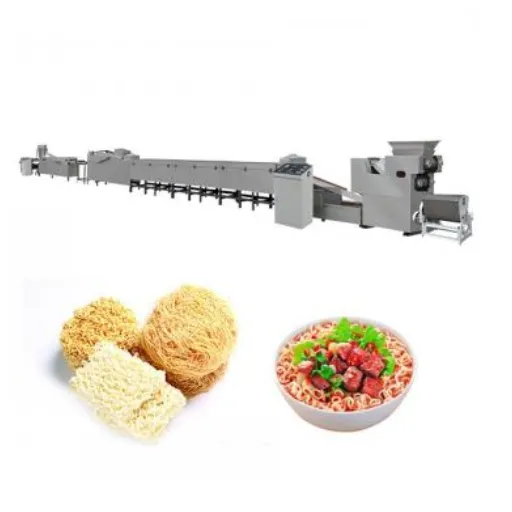
Raw Material Mixing
When it comes to snacks, the conditions for the quality varies along different descriptions relating to flavors, textures, and edible values thus it is paramount to an effective blending of raw materials. Crucial ingredients like flours, starches and oils in addition to other flavoring and nutrional additives such as vitamins or minerals are picked at this stage as they are expected to meet the product requirements of the company. This is of predominance importance as the amount used of each ingredient is the determining factor between the end product holding up and the clients being dissatisfied with it. Most importantly, they make use of modern instant noodles production line mixing devices; such as ribbon mixing machines and even very powerful high shear mixers in order to help create one homogeneous mixture j with less wastage of materials and power.
With today’s advances in food technology, the usage of automation and digital controls in the area of raw material mixing has been developed. For example, a smart sensor can measure such parameters as temperature, particle size, moisture content and ensure that the process is within specified limits. These systems increase productivity in the workplace and decrease human intervention, hence saving on any possible ‘situation’. Predictive analytics has helped the producers eliminate other inefficiencies in the mixing process making timely corrections for the sake of uniformity enhancement as well as production maximization.
Ingredient tracing is also another common approach employed in this stage as awareness grows about the significance of transparency and food safety. Others stem from the use of blockchain mechanism which numerous manufacturers have introduced for the purposes of supply chain management in keeping track of the materials handling characteristics, their quality and the original sources of raw materials. The consumer will also have more confidence in the product and the respective companies will adhere to relevant worldwide food safety standards like the FSMA or the EU standards among others. This mixture of modern tools and perfect governance is a core step in the manufacturing process that creates a bite-size snack, available worldwide.
Noodle Making Machine Operations
There are machines that produce noodles that will enable you to manufacture fresh noodles in a short time by carrying out the mixing, kneading and infact iio the rolling and cutting of the noodles. For instance, tance Integration processittuur of the control systems with engineering of the machined part is from manomponents that enhance Guardians together withun active operations which are centralized production of noodles nor surface operation. In other words, noodle machines used in the industry context use servo-motors which calibrate the rate of movement and thickness of the dough sheets very precisely and in temperature chambers, the process is altered to enable control of the amount of hydration while mixing.
The most common feature of high-end equipment includes built-in automation monitoring systems complete with sensors and internet of things connectivity. The systems constantly check the essential parameters like the dough weight and percentage of moisture and speed of production that allows the producers of noodles to precisely control all process events. More so, the generation of useful information in real time enables early detection of irregularities and inefficiencies, thus contributing to appreciable elimination of time and material losses.
Progressive models not only come with various layout options but also have designed the Instant Noodles Production Line to suit a wide range of noodles including ramen, udon and vermicelli among others without substantial retooling. All materials used in the design of such resourceful machines are of food grade and high hygiene standards thereby meeting the international requirements. The advancement of technology makes it possible for the line of noodle making machines to increase the productivity, scale and quality of the products to the target local or international buyers.
Frying and Non-Frying Techniques
The industrial noodle production can be completed by following either frying or non-frying methods. Frying is a process of cooking noodles using very hot oil to remove moisture, it also lessens the cooking time and enhances the structural properties, which are preferred in instant noodle products. Namely, palm oil or soybean oil is generally used in this method aimed at frying with temperatures ranging from 140°C to 160°C as the most effective temperatures. The structure of the fried noodles is crisp and porous, and it is convenient for consumers to ‘cook’ the noodles for a short time by soaking them in hot water. Such factors as oil uptake, frying time and temperatures must be controlled within close limits to guarantee similar and quality products.
Alternatively, there are various methods that do not involve frying, such as hot air drying or steam-based dehydration that do not require any oil. They help improve the healthiness of the noodles, as the fat content is reduced considerably for many players in health-conscious categories. The drying is typically carried out at temperatures of 80°C to 120°C, or any other temperature that allows the water content to be reduced to less than 10%, enhancing shelf stability without affecting the softness and quality. Non-oiling noodles are considered more marketable of clean labels and in keeping with low fat or calorie efforts.
Advanced monitoring and automated processes are embedded in these recipes to allow the manufacturers a leverage and achieve energy efficient, accurate process control that generates minimal solids. To this end, frying or non-frying technique is chosen, depending on the markets to advance to, the expenses to be incurred or the selling point concerning the carried nutrients, enabling manufacturers to satisfy all types of customer needs without difficulty.
Key Equipment Used in Production
Mixers and Their Role
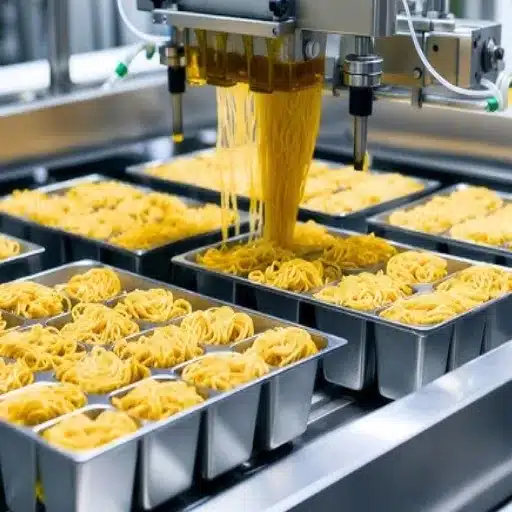
Mixers have been in existence for as long as the food and beverage industry has and have correspondingly played a vital role in the making of different products. Mixers are also known for helping to attain uniformity in the end product; by this it means mixing raw materials, even in a very different composition to get an identical end product. This simply means that the use of mixers is popular in large scale production to adhere to standards of the final produce and to achieve this purpose it is essential to employ structures permitting the creation of even the slightly smallest possible compositions. As appropriate, mixers may include operations with such materials as heatless formulations also known as dry or wet massing mixes emulsions and products offering a good flow property in the process of granulation or mixing activity. Hence, it is quite evident that the productivity of a unit, to a large extent, depends on the admixture of material and what takes places next down the line-breaking in processes.
Many mixing technologies are within the reach of the industry to meet particular manufacturing needs. Ribbon mixers provide, for instance, a perfect solution for situations where different powders have to be blended without encouraging segregation. High Shear Mixers are optimal for systems that aim to reduce the size of particles or combine liquids into smooth emulsions and mixtures respectively. Advanced Implementations of Mixing Equipment for the bakery sector, and especially for the making of doughs, tend to include planetary Mixers thanks to their kspacing from manual kneading. Considerations when making a purchasing decision include characteristics of the substance being mixed, final product requirements, as well as the servicing throughput capacity of the equipment.
As battering and breading mix processing has developed over the recent years, there have been marked improvements in their mixers. Not only are the modern varieties equipped with Computer Numerical Control (CNC) and sensor mechanisms to regulate important variables’ parameters such as temperature, mixing duration, and torque stress to a reasonable level but most also allow the user to set target levels for each batch. Other systems also allow data processing in order to change the conditions of work when used. Besides, these new motors are eco-friendly and possess trafficking design in such a manner that they are easy to clean encouraging both cost cutting and higher standards of safety in food processing. It is thanks to these technologies that manufacturers are able to increase production rates while also striving for greater quality and sustainability.
Noodle Machines and Their Variants
Noodle machines play a significant role in the food processing sector since they simplify and standardize the production process of distinct noodle types. Based on production scale, the types of noodles and raw materials used, these devices can be categorized into a few sub groups. The main types are extrusion noodles machines; sheeting and cutting noodles making machines; Instant Noodles Production Line and fresh noodles making machines. The cutting machines differ from each other, whereby the extrusion cutting machines are good at making spaghetti or macaroni while sheeting and cutting flat noodles pays a traditional goals simply serveocado.
If looking for modern noodle making machines, these use innovated techniques that focus on enhancing productivity and efficiency of operations. Most noodle machines are now installed with programmable controllers (PLCs) for a more accurate setting of such processes as gauging of the sheet and maintaining moisture contents and the speed of the cutters for those plants. This leads to standard noodles being produced with minimum spoilage. It’s also possible to change the module of particular machines for making different types of noodles: udon, ramen, soba and other types of products without changing the machines completely. Automated feeding and mixing devices guarantee the continuous operation of any Instant Noodles Production Line in particular high production volume lines.
It is now of utmost importance to account for factors such as energy efficiency, sanitary compliance and ease of maintenance in noodle machine design. Stainless steels lined with food-safe grade material ensure long service and adherence to very high hygiene regulations are industry practice. Technology today allows for some of the advanced machines to be self-cleaning which helps to reduce the operational down time and maintain high functional efficiency. Due to the recent rise in popularity for gluten free and alternative grain noodles this has resulted in the improvement of some of the machines to be able to process ingredients such as rice flour or quinoa flour among others. Such developments have helped the manufacturers of noodle machines to be able to conform to the demands of consumers and the current use of space in the making of standard food products and breads, for example or in other cases instant noodles production line leading to a very stiff competitor’s market.
Packaging Machines and Automation
Packaging machines have contributed to the improvement of food industry processes or handling food products and implementation of materials mostly related to sealing, labeling and shipment or cycling of food items within the food supply chain processes. Modern packaging machines integrate sophisticated automation technology such as Programmable Logic Controllers (PLCs), electric and hydraulic systems or even optical based systems to improve level of precision as well as productivity. There are for example smart sensor systems that can facilitate quick detection of faults in packages, this eliminates the possibility of high wastage and ensures conformity with the tough regulations.
One major development is the integration of Industry 4.0 concept which enables the respective packaging machines to operate within a networked manufacturing environment. It is more possible now more than ever with the existence of the IoT (internet of Things) that helps gather biometric data and analytics and arrange optimization of task flows and machine service forecasting. That way not only the amount of time the machine is stopped is decreased but also the whole use of the available resources is made more effective.
In addition, sustainability has turned into a significant concern with regard to packaging automation. The ability of machinery to process eco-friendly materials such as biodegradable plastic films and recyclable packaging enables the producers to achieve environmental objectives while maintaining productive efficiency. Instant Noodles Production Line With current consumer preferences towards sustainability, such in advancements in the automatic packing systems makes them even more important in the future food production.
Technological Advancements in Noodle Production
AI-Driven Quality Control Systems
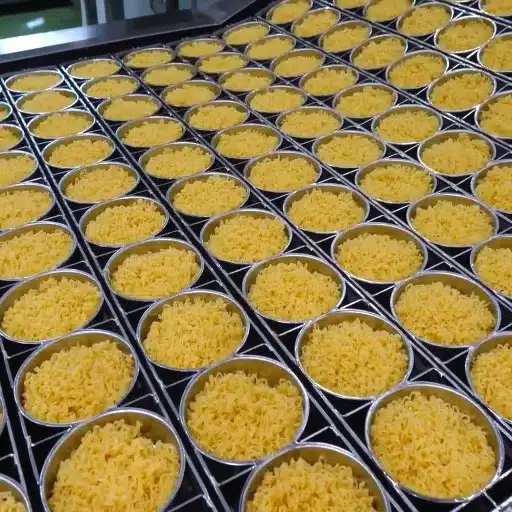
Noodles production line has seen amazing development courtesy of Artificial Intelligence (AI), this especially when it comes to advanced quality control. Through the employment of sophisticated system algorithms, intelligent systems with artificial intelligence factor can gauge various dimensions of production such as the consistence of the dough, its thickness, texture and finally its uniformity. In this case, advanced visualization tools and instrumentation record data in the course of manufacturing process which is processed in order to assess whether there are any manufacturing defects like any imperfections in the cutting line, air entrapment or noodles’ structural integrity problems.
The implementation of this technology reduces human error and improves throughput by not only alerting to such errors but by also taking the necessary steps to correct such errors at the stage of production. Examples of such errors may include potential equipment breakdowns or imbalances in raw material compositions which would lead to stoppages and a compromise in the view of product standards. Furthermore, machines that utilize AI are self learning as more and more data is stored. As a result, the ability to detect slight degradation improves over time.
New perceptions on performance and efficiency of food plants have been raised with such innovations that have nestled the sector into ergonomic automated processing.
Innovations in Frying Techniques
The food processing industry made a quantum jump with evolution in frying methods as it became more efficient, produced better quality products, and also cut down operational costs remarkably. One such technological breakthrough is the introduction of continuous frying systems with precise temperature and oil movement control. Most of these systems optimize heat transfer and cooking variation giving a homogeneous quality of products from batch to batch. Moreover, most continuous frying system designs also incorporate built-in oil filtration units which prolong the use of the oil, thus minimizing wastage and costs while ensuring foods remain safe.
Another groundbreaking development is the introduction of vacuum frying equipment in the processing of value-added fat snacks. The nutritional value is maintained and harmful chemicals, such as acrylamide, are not developed as a result of lowering the frying process temperature and increasing the vacuum level in the vacuum fryers. Most importantly, the desired taste, color and crispness of the raw material are retained. This is especially appealing to the health conscious consumers. The outlook for vacuum frying looks bright due to increased requests for healthier fried products and it is responding to these demands with vacuum frying.
In addition to that, the inclusion of high-tech sensory equipment and instant analytical applications makes it clear there has been a big advancement in the frying methods. These allow for key variables such as oil condition, water level, and duration of frying to be controlled throughout the operation. By incorporating Paper 232 with machine learning, these designs facilitate the implementation of both predictive care and adaptive control measures that obviate the need for production stoppages in most cases. All these factors put together are changing frying from a simple process into a complex one which relies on data, and is in accordance with the changing needs of the customers or even the industry.
Benefits of Automation in Instant Noodle Production
Enhancing Efficiency and Output
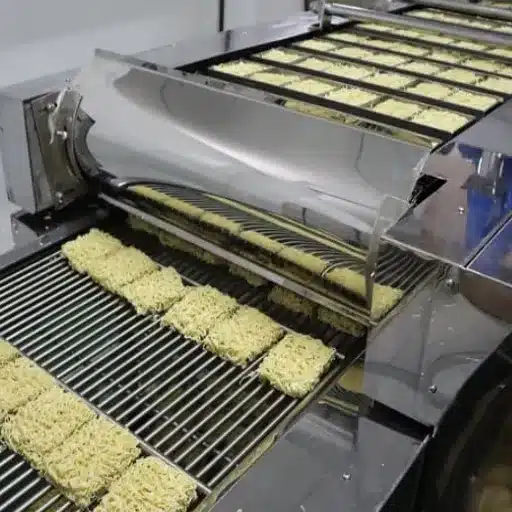
In the instant noodles production line, automation improves the efficiencies of manufacturing processes by incorporating sophisticated features such as robots, PLCs and telemetry systems. These features increase the accuracy of the production lines by real-time management of processes like kneading, cutting and frying. For example, the equipment enables auger systems to compact the dough with specific thickness and noodle strands in such a way that these two parameters, which affect product quality, are maintained.
Further, owing to the use of IOT gadgets, the manufacturing plants can analyze large amounts of data in production and look for inefficiencies and flaws in the usage of resources. Automation reduces the possibilities of human error and promotes a smooth production process which reduces or ultimately eliminates interruption in production to ensure the production rate is kept constant. It is reported some deliverables of productive systems can increase the maximum production limit by 30% without altering the matrix of the production process.
Another Element in the System is the Aspect of Waste. Automated systems are designed in such a way as to minimize material waste and efficient use of energy by accurately controlling its input. This contributes to sustainable development as well as saves the manufactures’ money significantly. These advantages together position automation as an appropriate tool for fulfilling the vastly rising demand for instant noodles in a mechanized and effective manner.
Reducing Labor Costs
One of the very big benefits that come along with using automation in the production process, notably, in the instant noodle sector is the fact that labor expenditure can be cut down. The concerns of hard labour and monotonous activities have been solved by computer operated machines which perform such tasks very precisely. For instance, an automated packaging machine can operate non-stop and without being worn out, increasing efficiency and decreasing the need for many workers.
Based on reports , full automation of the production lines has the potential to cut down on the cost of labor by up to sixty percent with the windows of time to implementation. This is because the operational control is achieved with less numbers of operators whereas more production takes place. In addition, due to increased competency in the use of advanced robotics and artificial intelligence (AI), it has been easier to control the operations by lowering the inefficiencies that lead to high rejection rates and even retries which are factors that increase the cost of labor and operations.
Although an investment in automation technology is quite large to begin with, it will eventually translate to savings due to reduced labour costs, employee turnover and training, among others. Instant Noodles Production Line in this regard, remains foundational to assist manufacturers in these stringent market conditions.
Improving Product Quality and Consistency
Automation is essential in the maintenance of product quality and uniformity during manufacturing processes. Manufacturers can achieve switching to advanced robotics, machine vision and quality control based on data levels of accuracy. This is because automaton can conduct repetitive tasks to the high level of finesse thus eliminating the risks associated with errors done on the side of human beings which may result in variations of the product. This is possible because machine vision can locate defects to the level of microns for instance and this ensures that products which do not meet the stipulated standards in the process of production are done, do not exit the production line.
Moreover, it is possible to include automated systems to continuous monitoring equipment along with predictive maintenance practices for uninterrupted production. In addition to that, the sensors and devices with IoT capabilities can include much more data in the process, thus predictive analytics can find out if there is a particular quality issue before it affects production. The use decreases wastage as the error can be contained quickly and allows the producers to fix variations in the processes without stopping the work. The ability to interpret granular data such as this helps support process improvements that improve quality over time.
The Instant Noodles Production Line is a faction that remains neutral, for another point in favor of automation is the entirety of the life cycle. If machines are doing the processing, it is possible to make relevant records of each stage, from the acquisition of sources to the completion of works. Such traceability is a mandatory requirement in a number of industries, for instance, the pharmaceutical sector or the aviation industry – all of which are highly regulated. If everything is recorded, quality control problems can be handled quickly without the need for an extended audit and efforts to conform to the norms saturating everything. Under such circumstances, consistency and quality are not the only aspects of using automation; it also inspires and strengthens trust in the supply chain.
References
-
Evidence from the Asian Instant Noodles Industry – AgEcon Search
Analyzes product differentiation and market dynamics in the instant noodles industry. - Click here to read more.
Frequently Asked Questions (FAQ)
Q: Can you please specify what Instant Noodles Production Line is and in which way it operates?
A: The purpose of Instant Noodles Production Line is the generation of instant or non-fried instant noodle blocks in a mechanized manner with the incorporation of dough preparation, continuous rolling, noodle steamer, frying equipment or where frying isn’t used a processing without frying, a cooler and a packaging unit. The making of fast-food noodles is supposed to use highly developed years of practice and the equipment is mainly stainless steel for hygienic reasons. This production line involves various activities such as conveying, rolling and cutting, corrugating, steaming and gelation, cup or bag sealing and the likes where the production process is highly automated and production efficiency quite high as well.
Q: What is the distinction in the construction between the types of production lines, 1 the fried and 2 the unfried instant noodle lines?
A: To produce fried instant noodles, the noodles are fried and dehydrated using a frying machine, and the line produces fried instant noodle products which generally contain a greater content of oil for rapid recovery. The processing flow of non-fried instant noodles does not require frying because hot-air drying, freeze drying and vacuum drying are other methods that help produce non-fried noodles or noodles where the fried content is reduced. Unlike fried instant noodles the process of non-fried instant noodles demands careful control of the entire process of gelatinisation, drying subsequently cooling and this automatic Non-Fried Instant Noodles line is otherwise referred to as an instant noodles production line which is equipped with certain equipment for instance a continuous rolling and further noodle processing apparatus.
Q: In an instant noodle manufacturing unit, what type of equipment is important?
A: Basic machines like the dough mixer for mixing dough with the right quantity of ingredients and other additives, a roller machine for sheet making, a noodle machine or a cutter for noodle cutting, a steamer for semi-gelatinizing the noodles, a fryer or a dryer, a cooler, belts and rollers for transport of the finished product, a corrugation or crimping apparatus where applicable, and a packaging or sealing device of the completed product. Some of the instant noodles machines come made in stainless steel, in the form of a fully automated line with maximum production volume and automation ratio.
Q: What are the differences in production capacity as well as efficiency concerning various models of Instant Noodles Production Line?
A: The capacity of the process slant various at different levels of production such as pilot and miniature size commercial instant noodle machines to large scale automatic lines. The utilities also of this line are determined by the assortment of things including the level of automation, tne number of rollers and conveyors, the speed of fryer or driers, and the inclusion of a packing machine. Most modern instant lines use a high production productive layout and non stop rolling to achieve higher throughput; in most cases, it is usual for the supplier to indicate the production capacity per hour or per day and the scaling up if allowed.
Q: Is it possible for a supplier to supply both a fried instant and non-fried instant noodles production line?
A: Yes, most suppliers make available ready to operate solutions on built are include plant on dough to packing equipment for both types of noodles i.e. fried instant noodles and non-fried instant noodles. These turnkey projects may also be specified with or without frying units, drying non-fried units, configurations of noodle lines and material of construction of noodle lines’ stainless steel. No established suppliers would leave a client to his devices even if he bought an Instant Noodles Production Line since installation, assistance & maintenance shall also be offered together with the line to meet the requirements of inquiry.
Q: What curtain notably noticeable specifications are there in present day noodle lines?
A: Nowadays, stainless steel is increasingly the material of choice for constructing many parts of the instant noodle processing line. Most standard pieces also aid in the food preparation by sealing materials in dough mixing and steaming, guaranteeing safety of the food products by using a system for controlling temperature and time in the process of gelatinization. Conveyor and roller equipment are hygienic for food processing, especially with respect to systems. Roll and packing machines work for protecting products and keeping them from physical and mechanical damage. Whereas cooling and continuous rolling control changes. Highre automation minimizes the contact with the employee and increases the aim of such factory which is to obtain uniformity of the products i.e. instant food.
Q: In specialized or designer products such as ready-to-eat cup noodles or shaped noodles for gratin, how flexible is the Instant Noodles Production Line when it comes to modifications or customer requirements?
A: A production line for instant noodles is quite flexible in the sense that various machines such as corrugators, various noodle shaped makers or even pairs of rolling cutters can be installed and used to create noodles with various forms, thickness and textures for cup noodles and other instant noodle products of different shapes and sizes. Different components, such as a fryer, steamer, or a packaging machine can also be incorporated into the production line to make a specific product, thus allowing the supply of everything necessary for the automatic instant noodle line — machinery equipment that creates instant noodles according to the recipes and package demands.
Q: How much does it cost to make an Instant Noodles Production Line and what kind of financial benefits can one expect?
A: The main costs are determined by the output capacity in production, level of operations in place either automated or manual and also whether it comes as a frying or non-frying system which arises from the types of packing machine and the supporting equipment. The stainless steel construction, advanced technology controls, conveyors and the installation are the factors that one should consider when thinking about the cost of instant noodles production line. There is a diligent correlation between the investments and the returns from a strong recovery in productivity, lowering labour costs through automatic lines, good product margin as fried instant noodles are usually heavier in fats therefore the components and their proportions can be different from those of non-fried, and ready availability of commercial instant noodles products. The potential purchasers of the equipment should consider the implications of the instant noodles production line regarding operational capacity, maintenance expenses and supplier assistance in determining the optimal level of the investment.