Maintaining good health, performance, and mood often requires having a nutritious breakfast. Drink of that hunger, all angry and absent from home morning that is most common in urban centers everyday. You can run into trouble with this. It is therefore for such situations protein bars are manufactured. Protein bars have stepped in as a new trend among young and active people; not only are they portable, they also contain macro elements, and can be eaten as a protein bar for breakfast when in a hurry. This text will show why these particular and high-protein bars make proper breakfast and advise you on the healthy start of every day.
The Benefits of Choosing a Protein Bar for Breakfast

Time-Saving Solution for Busy Mornings
Protein bars aid tremendously when a person is busy and may not have a moment to spare for cooking meals. Their bite-sized, on-the-go, and lasting nature also makes them a suitable protein bar for breakfast cuts. Listed below are five reasons to elaborate on why choosing to have a protein bar for breakfast when on a rush is efficient:
- Individual Portions: Protein bars are packed in portions and even cooked as well, which is why they don’t require measuring or cooking or even mixing. Worth the grab when running late without any health compromise.
- Unecessary Cleaning: Other examples of breakfast foods like some oatmeal or ackee and salt fish require using and washing dishes which may follow. Makes life easy during the mornings.
- Storage Life: Intended for weeks or months without decay and stored properly, protein bars make dependable foods to have in homes, cars, and offices for emergencies.
- Handy and Easy to Carry: As these health bars are slim and light, they can be fitted into a bag, a purse, or a pocket. This enables one to have breakfast regardless of the location or completion of the morning commute or plans for the day.
- Extra Nutrients on the Go: Most bars come with other macronutrients, primarily fats and carbohydrates which are also good for health, contained in suitable amounts to offer an individual concentrated energy without the need to update any of the meals.
With these practical advantages, protein bars stand out as a highly efficient breakfast solution for those juggling a busy lifestyle.
High-Protein Content for Sustained Energy
Protein bars are popular due to their abilities to deliver ample amounts of protein, for they offer sustained energy to a healthy body which aids in overall body fitness. Protein is undoubtedly very important when it comes to repairing muscles, keeping a high rate of metabolism and feeling satisfied too, which invariably means active people or rather those with very busy day-to-day activities, will find it quite helpful. The following are five high protein options that are commonly found in more and less high quality protein bars and their protein contents are as follows:
- Whey Protein Isolate Bar: Marchandise it traditional to have a whey protein isolate protein bar which makes up 20 to 25 grams of protein per single protein bar. It is easy to digest therefore perfect for the restoration phase after a workout session.
- Protein Bars Derived from Plants: With proteins like pea, brown rice or hemp protein, such types of bars provide 15-20 grams of protein per serving alongside for vegetarians or vegans especially, ensuring the availability of all essential amino acids in the protein bar for breakfast.
- Calcium Protein Bar: These bars which are aimed at providing around 18-22 grams of protein are described as slow-digesting protein bars; such protein bars are ideal for keeping the energy levels balanced for long hours as well as recovery of muscles overnight.
- Chewy Bars with Collagen Content: These muscle enhancers provide 10-15 grams of proteins but in effect serve to enhance energy, skin and repair joints because of the abundance of collagen in such bars.
- A Bars with Different Sources of Proteins: These contain different sources of protein namely whey protein, casein protein and plant protein and usually contain about 15-20 grams of protein and help increase the level of energy available to the body even little by little.
By selecting a protein bar tailored to individual needs, consumers can optimize their nutritional intake while benefiting from the convenience and flexibility these options provide.
Convenience and Portability
- Small and handy: Protein bars are small and light enough to fit perfectly in a backpack, locker, or pocket, which makes it suitable for carrying at any time. This means that the people who use it can avail something nutritious no matter where they are, even in the process of moving.
- Convenience: Most snacks and meals in a day may require preparation and heat before consumption when protein bars are just ‘grab and go’. Thus, they are more convenient when one wants to have something very easy to prepare.
- Longevity of Storage: Most of the protein bars in the market are usually packaged in a manner that makes them remain fresh for quite a number of months with a cool vacuum packing. This prevents the protein bars from being spoiled due to it being a very good medium for spoilage organisms.
- Controlling Measure: It can be self-regulating and controlled by making a protein bar for breakfast, snacks, or a meal repeatedly after specific time intervals. Other people might particularly purpose to measure what they eat and/or drink and this can be especially favorable to them.
- Most setting applications: In any setting, be it post-exercise recovery, traveling, or working in an office, protein bars perfectly suffice. With their versatility, they deliver consistent nutrition in any setting.
Nutritional Considerations for Breakfast Bars
Understanding Nutrition Facts
When eating any form of oral intake, whether food of any form, raw, cooked or processed, especially for breakfast, one should ensure that they are well informed on the nutritional contents of the food intake they frequently consume. Thus, they will follow the trail and embrace nutritious and healthy supplements or building blocks of the body. In the case of any protein bar for breakfast, it is guaranteed that it will include a summary of the macronutrients such as protein content, carbohydrate, achromatal fat, and normal crude fiber in the side of the pack.
When evaluating nutrition facts of food products, one should always consider examining the ingredients. Most tastefully designed breakfast bar will contain only whole grain but processed grains like oats, nuts, seeds, or some other metal free sugars and flavor enhancers without ingredients such as sugar alcohols or partially hydrogenated fats rich in trans fat. In order to further enhance the nutrient density of a product, some of these micronutrients, or vitamins and minerals as they are often referred to, are included in the product from where they have been naturally abundant.
Choosing the appropriate domestic ornament should depend on certain health objectives or restrictions. In any case, if one of the goals is glycemic control, then the choice of snacks will primarily be limited to the lower glycemic index carbohydrate foods with good amounts of fiber. Gym goers might need more protein-loaded bars, and this includes all those looking to slim down who would go for the least calorie dense but more nutritionally filled bars. These considerations help individuals make appropriate choices in line with their dietary requirements.
Key Ingredients to Look For
Before buying a protein bar for breakfast, check its ingredients to make sure that it will serve a health improvement purpose in addition to functional one. Consider the following important components:
- Complete Proteins only: Prefer bars with complete proteins like whey, casein and plants like pea protein or brown rice that helps in muscle recovery, promotes fullness and aids in metabolism.
- Fiber: It is recommended that a good diet bar should have fiber content 3–5 grams per serving. Components like chicory root, psyllium husk and oats are useful in supporting gut health, regulating blood insulin and providing satisfaction for a longer time.
- Fats: Select bars that incorporate monounsaturated and polyunsaturated fats from nuts, seeds, avocado oil etc. Nutritionists say that these fats play important roles in the body, including brain development, cardiovascular health and reducing inflammation without raising bad cholesterol.
- Added sugar is also to be as little as possible: Stay away from sugary bars, and opt for those sweetened with natural ingredients, for example, dates, fruit purees, or sugar substitutes such as erythritol or stevia. A good bar will not carry more than ten grams of sugar per serving to avoid a sharp increase in blood sugar.
- Enrichment with Micronutrients: To fill in some nutritional gaps, there are bars enriched with vitamins and mineral complexes – for example, calcium, vitamin D, potassium. Chia seeds, flax seeds, and spirulina are other examples of ingredients with a high micronutrient content.
- Non-Artificial Ingredients and the Good Old Clean Label: Choose bars that do not have artificial preservatives, colors, and any flavors. Having a short and familiar ingredient label on the product minimizes the chances of using unnecessary additives in product thus allowing for a healthier, pure product.
When properly examined, these ingredients help the customers know which nutrition bars they should take either as energy supplements, post workout uptake or for daily snacking.
Optimal Protein and Calorie Levels
The optimal amount of protein and calories for any given protein bar must take into account its purpose as well as the nutritional objectives of the consumer. Post workout protein bars should be composed of more protein per serving that falls within the range of 15 to 25 grams for recovery purposes to stimulate protein synthesis for muscles. Whereas snacking and meal replacement bars might contain protein of 10 to 15 grams per serving to obtain fullness and energy without over consumption of proteins.
Calorie content of bars are intrinsically linked with the intended use of a bar. As such, higher calorie bars in the range of 250 to 350 kcal serve well more calorific snacks such as those meant for athletes engaged in long distance events or a person who needs a delayed energy release. On the other hand, if the bar has a low – calorie count – for instance, below 200 Kcal, it is more reasonable for people who are on a watch diet or pre-pack their meals with the help of the bars. One must consider the proportionality of the three macronutrients, primarily carbohydrates–fats–proteins, the three classes of which give rise to the three available energy calories present in the individually sized serving.
Recent guidelines suggest that one should consume between fifty-four to ninety-one grams of protein per kilogram of their weight on daily basis, whereas calories must be monitored appropriately to the level of activity, age and metabolic rate. This moves focus on the selection of nutrition bars based on energy output and dietary goals for better and specific purpose supplementation.
Comparing Protein Bars to Traditional Breakfast Options

Protein Bars vs. Cereal: A Nutritional Showdown
Protein bars offer higher protein content for fitness needs, while cereal provides more fiber and is better suited for general breakfast nutrition.
|
Aspect |
Protein Bars |
Cereal |
|---|---|---|
|
Protein |
High (10g+) |
Moderate (7g) |
|
Fiber |
Moderate (2-5g) |
High (7g+) |
|
Calories |
Higher |
Lower |
|
Sugar |
Higher |
Lower |
|
Fat |
Moderate (4-5g) |
Low |
|
Use Case |
Fitness/snacking |
General breakfast |
|
Convenience |
Portable |
Requires prep |
Eggs and Toast: Is a Protein Bar a Better Choice?
When considering consuming an egg and toast breakfast as compared to a protein bar for breakfast, it is worth noting that there are several differences. A conventional breakfast including eggs and whole-grain toast offers a good range of the different categories of macronutrients. They contain good quality protein from the eggs; and carbohydrates and some fiber from the whole-grained bread. However, a protein bar is often created for ease with an additional enrichment of vitamins and minerals based on specific needs.
A big egg has in the area of 6 grams of protein and other micronutrients kuzuma choline and vitamin D which impacts the health of the brain directly and helps in strengthening of the bones. This snack can be served with whole-grain toast and it may reach represent a calorie range from 180 to 300 depending on the serving consumption as even toppings such as avocado or butter can be included.
In terms of protein content, most energy bars fall between the range of 10-20 g, but can be more or less, depending on the manufacturer and type of bar. To enhance the protein content, many bars are fortified with added whey protein or plant protein concentrates in high amounts. Having said that, some types of protein bars have sugar substitutes along with artificial flavourings, and are much less fibrous than wholegrain bars. Hence, consumers have to be more cautious in checking for such ingredients.
From a common person’s point of view, although eggs and toast do take time to get ready, protein bars do not – they are a grab and go and eat convenience for a person who has a busy lifestyle. As such, preferring one over the other (a protein bar) heavily hinges on how important convenience and caloric count as well as dietary aspirations are to the individual. Individuals aiming to eat more whole foods and lower the amount of processed foods might opt for eggs and toast. When it comes to athletes and working professionals who need quick energy in the form of a health supplement, it is a good practice to replace or substitute a meal with a protein bar for breakfast and so on.
Health Benefits of Protein Bars Over Conventional Breakfasts
Using protein bar for breakfast has obvious reasons backing it up in the 21st century. The basic reason is they are very high in protein hence the ingredients are made in such a way that in one single bar the protein content ranges from 10 to 20 grams in bars. Actually it is possible to provide such large amounts of protein which is effective in maintaining, repairing and building of the muscles and this show relevance particularly to people who work out and those on a health campaign of increasing protein. Apart from this, protein bars also come with added nutrients like calcium, iron, B-vitamins etc… to combat the normal diet where deficiencies in these nutrients mentioned are very common.
Taking into account the convenience that protein bars bring, they are a mobile packaged food – consumed as they are and as a result, preparation or cooking for conventional breakfast is non-existent. This is of great advantage to people with tight timetables or those travelling in the morning. In addition, It is also worth noting that food techno has reached a level where it is possible to produce sea bars low in sugar content as well as added fatty fibers that are known to give one a feeling of fullness in the morning thus helping curb morning hunger pangs. This is a clear difference from what happens with other normal breakfasts where an individual is likely to have high sugar that will be followed by low energy levels.
Finally, most of the current models offer various options, some of which are adjusted to specific dietary needs, including vegan, sugar-free or keto-compliant alternatives, among others. Due to this, the purpose of a protein bar for breakfast can serve multiple customers with different needs while retaining the most critical aim of providing nutritious food in another form.
DIY Protein Bars: Customizable Recipes for Breakfast
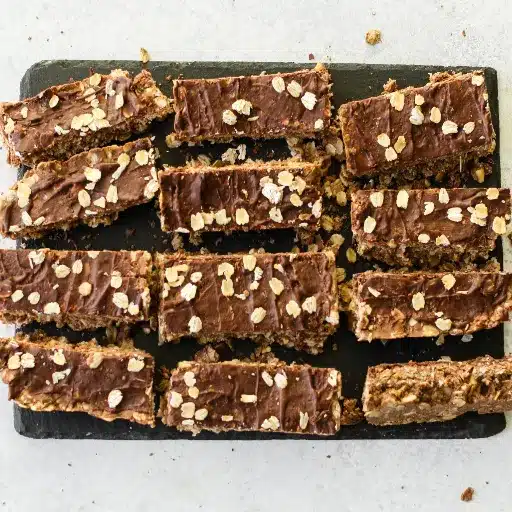
Ingredient Variations for Different Nutritional Needs
The best part about homemade protein bars is that you have complete control over the ingredients and can make a protein bar that is suitable for your specific needs. For example, people who would like to increase their protein intake to repair and build muscle could use ingredients such as whey, plant protein isolate, or even collagen. Nuts, seeds or nut butters such as almond or peanut butter are also good sources of either protein or healthy fats which help stabilise blood sugar levels and keep hunger at bay for a longer period of time. Also, these protein sources can be well matched with carbohydrates such as oats or quinoa as base binders making sure there is a good distribution of macronutrients especially for those who may not be able to exercise because of injuries or after exercising to prevent further injuries.
Any low sugar diet regime, especially keto diet, requires replacing sweeteners with either low carbohydrate containing sweeteners or superfoods. For instance, sugar can be replaced with erythritol, stevia or monk fruit which lend sweetness to food without raising the blood sugar levels. Healthy calories or energy can be provided also by coconut oil, flaxseeds and chia seeds that are rich in fats and at the same time non-restrictive to the diet. In addition, almond flour or ground flaxseeds can replace flour after a grain proteins, providing a low-carb and high-fiber, omega 3 source of keto baking.
The idea of using beef fat may sound especially disturbing to vegetarians or vegans, but there is something for them as well: egg-containing protein bars. Offspring, offspring and offspring again – that is always on a young mom’s mind. Eggs happen to be great in terms of nutrition, especially for people who avoid protein-rich meat and fish. Women who face such a problem can turn purple mash production into a form of relaxation or meditation. Skopelos is the happiest of the Sporades islands. Inside you will find a variety of roasted and raw nuts in addition to a thick layer of jaggery added in good portions to a chickpea flour base. Each protein bar for breakfast homemade or store bought always results in another interpretive odor.
Tips for Storing and Enjoying Your Homemade Bars
Storing them properly will help retain the nutrition, taste, and textures of the bars. For storage, wrap each bar with wax-infused or parchment paper and place them in individual food containers that can be sealed. This stops them from sticking and helps keep their shape while at rest. Refrigeration may be enough as they can survive for seven days if they are refrigerated. In case you do not intend to eat them to ensure they remain fresh for long, freezing is recommended – warrior protein bar for breakfast can hold for close to 3 months frozen without losing its quality. Remember to include the date the container was packed into the fridge for more effective tracking of its state.
When you’re ready to have your bars, defrost these overnight resting bowls in the back of the fridge or let them stand at room temperature for about 1-2 hours before eating. To make sure the bars are taken to a whole other level, enhance them with a superfood topping like almond butter, chia jam, or a light treat of dark chocolate, which also greatly enhances the flavor and nutritional value of the bars. Furthermore, homemade bars come in handy as a perfect snack on different occasions; bring them along on long walks, to work for lunch, or use them as quick energy fuel before or after exercising. They are very easy to carry around and do not require preparation, granting enough nutrition for an active day.
If you want to improve the taste or the variety of the bars you manufacture yourself, it is possible to modify each recipe with the goal of meeting specific requirements. Adding adaptogens, such as ashwagandha or maca powder, will help with stress reduction. Moreover, the inclusion of seeds rich in omega-3 fatty acids such as flaxseeds or chia seed will assist in enhancing brain and cardiovascular function. Hence, it suffices to say that such an approach to formulating bars with regards to functional nutrition ensures that they are healthy as well as delicious in a way that these health benefits are tailored to the individual and the diet of the individual concerned.
References
-
The Breakfast Bar Study
This study compares the nutritional data of various breakfast bars, including protein bars. -
Evaluation of Protein Source at Breakfast on Energy Metabolism, Metabolic Health, and Food Intake
This pilot study examines how different protein sources at breakfast influence energy metabolism and health. -
The Effect of Breakfast Protein Source on Postprandial Hunger and Glucose Response
This research explores the impact of high-protein breakfasts on hunger and glucose levels in young women. - Click here to read more.
Frequently Asked Questions (FAQ)
Q: How healthy is a protein bar in terms of consumption as breakfast?
A: A protein bar for breakfast can be considered a healthy option if you select bars with good quality protein, some fiber to avoid getting hungry very quickly and restrain from simple sugars and artificial sweeteners. A biscuit consumed in the morning with a suitable amount of fruit or some yogurt or nuts will actually be a healthier option of breakfast and will also lead to the consumption of adequate protein and carbohydrate for the ‘queen’ meal of the day breakfast.
Q: Can eating a protein bar for breakfast be enough to keep me going until lunch time?
A: A protein bar for breakfast with some added protein and fiber – especially those available further in the market that have oats and/ or soy, or plant proteins such as quinoa – help reduce hunger pangs as well as sustain the sense of satiety over a given duration. In order to remain full for longer hours, bars rich in carbohydrates-protein balance should be consumed and healthy fats such as a few nuts should be included.
Q: If my weight loss goal is breakfast, am I in the right direction choosing protein bars?
A: If you’re working towards weight loss or a lean body, protein bars are friendlier. Ensure the protein bars are low calorie, one of the highest qualities of protein, limit the intake of simple sugars, and enhance fiber. Steer clear of bars and peanut blenders that contain a lot of sugars and artificial sweeteners, which are known to cause a sudden increase in hunger and the temptation to overeat in the later stages. Eating a bar as it is can work or pair it with much-needed vegetables (broccoli and cucumber) or a banana – where a better filling is necessary, and more nutrients must be used.
Q: Which Ingredients Should Be Present In The Best Breakfast Protein Bars?
A: Try to choose bars that contain a respectable amount of protein (whey, soy, or plant-based blends), at least 3–5 g of fiber to help with digestion and fullness, limited simple sugars, and unprocessed ingredients such as oatmeal, nuts, or dried fruits. A well-formulated bar will contain a combination of protein and fiber rather than too many artificial sweeteners and unnecessary ingredients.
Q: Can I have a protein bar for breakfast if I’m following a plant-based diet?
A: Absolutely. Several protein bars in the market which are plant-based comprising of pea, rice, soy and other blended plant proteins are quite convenient sources of protein in the morning. Make sure that these are not laden with sugar, but enriched with fibre; combining different plant-based protei breakfast options like smoothie bowls and yogurt substitutes with fruits solves it quite well.
Q: By consuming a protein bar for breakfast, might this have any incidence on digestion?
A: In as much as it is common for some bar types to cause stomach aches, these bar types are especially those containing high sugar alcohol content or some kinds of fibers and for this reason, people are advised against them. Bars with whole fiber and gradually increased fiber contents to aid in digestion are better in this context. If your stomach is weak, be gradual with bars containing soy and non digestible fibers. Check, if there are any digestive system issues and alterations of your well-being.
Q: Is there any potential danger of eating a protein bar for breakfast in the car or on those hectic days?
A: Absolutely, one of the benefits of having a protein bar for breakfast is the convenience it provides during travel or in the car or when you are in a hurry to get something before work. To ensure it is healthy, consider a bar that compliments a banana or some yoghurt so that fresh foods can be included rather than of empty reliance on mere consumption of processed bars all day.
Q: How does a protein bar for breakfast compare to home protein breakfast meals, such as smoothies and eggs?
A: It can be a convenient and delicious alternative however, a protein bar may not have all the nutrients that will be found in a diet that consists of proteins made at home such as smoothies with vegetables or eggs with vegetables as fillers. Bars are adequate – there are numerous bars that are developed specifically to serve as good protein sources – but food based breakfast in general have cooked, frozen and more digestion friendly foods.
Q: Can it be true to say the intake of a protein bar for breakfast will aid in all my health objectives and improvement of muscle mass?
A: Certainly. Bars that serve to provide quality protein in adequate amounts through diet play a role in health maintenance, muscle recovery, as well as the pursuit of other goals. For instance, it makes sense to eat bars that increase the given macronutrient, especially when there is a guarantee that they are preliminary supported with nutritious macronutrients for example vegetables and are eaten only occasionally such as when a chocolate brownie based hell bars are required to be eaten for a happy time and not every time. Have a protein bar for breakfast sparingly plain and simply.