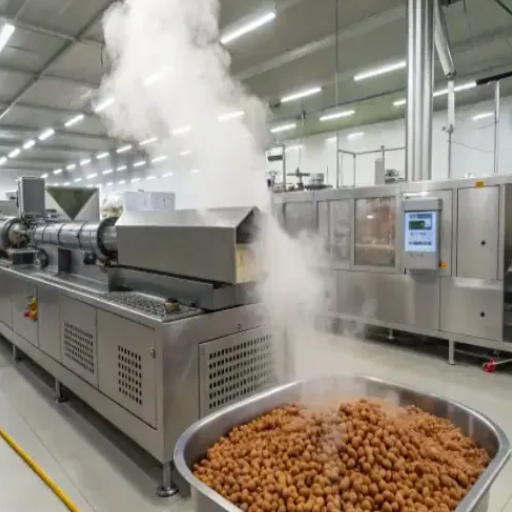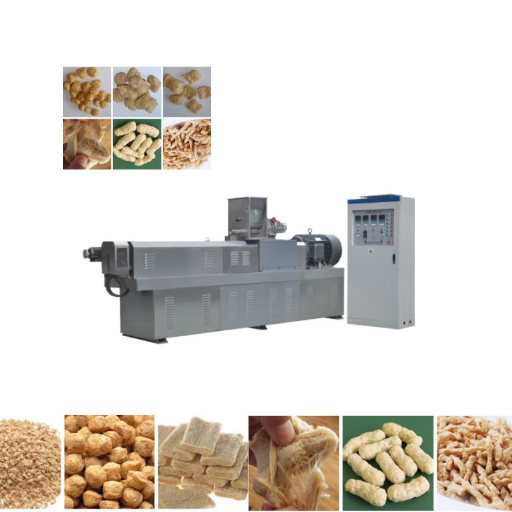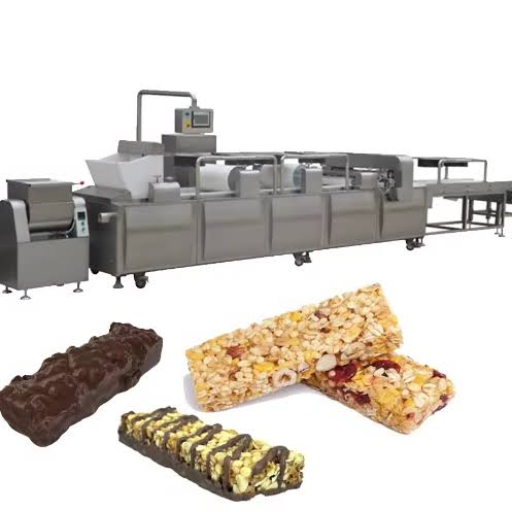
Making bread crumbs of high quality might seem like a simple task, however, it actually requires a detailed and well-coordinated production line that guarantees consistency, efficiency, and premium results. Bread crumb processing has become an essential part of the food industry as the use of versatile products in countless recipes all over the world has increased from industrial kitchens to food production facilities. In this article, we explore the amazing world of bread crumb production, covering the complex steps, the advanced machines that are increasing the production speed, and the best practices that are adopted for quality control. If you are interested in knowing the technology used in the process or if your aim is to enhance your own production line, this guide is packed with useful insights for your understanding and outcome improvement.
Understanding the Bread Crumb Production Process

1. Preparation of Bread Dough
The entire process starts with the mixing of top-notch ingredients for the bread dough. These include flour, water, yeast, and flavor or texture enhancers in the form of additional components.
2. Baking the Bread
Once the dough is prepared, it is then baked to give bread loaves. The baking conditions, like temperature and time, are under close supervision to guarantee the same level of quality and consistency.
3. Cooling and Slicing
The next step after baking is cooling the bread to room temperature in order not to create crumbs during slicing. Slicing follows and the pieces cut are small enough to facilitate the drying and grinding stages.
4. Drying
The bread slices are dried at temperatures that are suitable for the elimination of moisture without affecting the texture. Good drying is very important for the obtaining of the desired crumb texture.
5. Grinding
The next step after drying is putting the bread through the process called grinding where it is turned into crumbs by the use of specialized machines. The final product will be crumbs of various sizes and textures according to customers’ specific requirements, which could be from very fine crumbs to coarser varieties.
6. Packaging
In the end, the bread crumbs are placed in containers that are airtight in order to achieve and keep the freshness as well as to keep contamination away. The packaging process might also include checking the weight and labeling for consumer distribution.
💡 By performing these jobs, the bread crumb manufacturer could achieve high-quality results and so maintain operational consistency.
Overview of the Production Line
The use of technology in modern bread crumb production lines is inevitable, as it has made the whole process more efficient and less time-consuming. By using automated machines for slicing, baking, and grinding, the uniformity of the products is maintained, and at the same time, the labor required is decreased substantially. The compatibility with data-driven systems like AI-based quality control gives real-time monitoring that can notify if there is any deviation from the production standards. In addition to this, advanced packaging solutions that are fitted with smart sensors not only preserve the quality of the products and make them fit for the market but also help in the reduction of the amount of waste regarding packaging. The introduction of these technologies does not only speed up the operation but also improves the quality and consistency of the products thus, meeting the demand of both manufacturers and consumers that is growing in the same rate.
Steps in Bread Crumb Production
In the case of bread crumb production, the question arises among a lot of people what the role of modern innovations and techniques is in the enhancement of quality and efficiency of the finished product. The production of bread crumbs involves several processes like baking, cooling, grinding and packaging which are all consecutive steps in making the final product.
🍞 Baking the Bread
Premium quality raw materials are used for the loafs that are made exclusively for the purpose of producing crumbs. The baking process accentuates the four aspects: texture and moisture being the most important, and their level being very consistent.
❄️ Cooling the Loaves
The baked bread loaves are cooled and their structure is set so that they are easier to grind and handle during the grinding stage.
⚙️ Grinding
The baked bread loaves are ground and made into either fine or coarse crumbs, depending on the specifications of the final product. Precision tools and AI-driven technologies are frequently utilized to ensure uniformity and limit waste.
🌡️ Drying (if necessary)
In some production methods, a drying stage is used to prolong the shelf life of the product and to make sure that during cooking, the crumbs will still have the same texture.
📦 Packaging
The last stage is the packing of the processed bread crumbs with the help of a smart, sensor-equipped solution that keeps the product fresh and also meets food safety requirements.
🔬 AI-integrated technologies are now further upgrading these steps, thus making real-time monitoring and quality assessments possible during production. The union of traditional methods with modern technological innovations guarantees that the quality of bread crumbs will be in harmony with consumers’ preferences and industrial standards while still being able to comply with today’s efficiency and sustainability targets.
Types of Breadcrumbs: Traditional vs. Panko
The right choice can be made by understanding the unique textures, uses, and benefits of traditional breadcrumbs and panko, by comparing the two. Traditional breadcrumbs have a very fine grind texture resulting in a soft and denser product. They are perfect for recipes that call for a tight coating or mixing such as meatloaf, meatballs, and casseroles. Their characteristic of absorbing moisture makes them very useful in the preparation of the dishes where a unified consistency is the most important factor.
In contrast, panko has a very light and air texture because of its bigger flakes. Panko, which is originally from Japan, has found its way to many kitchens mainly because of the extra crispy and golden crust the frying or baking of the product. Even though it is sometimes used for frying or baking vegetables, it is mainly the coating for tempura, fried chicken, and so on. Panko’s structure also soaks up less oil, which is the reason why it is the preferred choice for healthy eating, especially for people who do not want oily food.
✅ Finally, the option between traditional breadcrumbs and panko totally relies on the texture and the cooking style one prefers. In the case of traditional breadcrumbs, these are creamy and soft, while panko is slightly crispier and more pronounced than its accompanying dishes though very subtle.
Current Trends in Breadcrumb Production

Breadcrumb production is gradually synchronized with the healthier and more sustainable options demanded by the consumers. Whole grains, gluten-free ingredients, and reduced sodium formulations are among the few health-conscientious and diet-conscious consumers’ choices that the manufacturers have incorporated. The shift toward biodegradable and recyclable materials is influenced by the rise of eco-friendly practices, which are also affecting the packaging choices. Moreover, advanced machinery and automation are essential in more efficient production processes, where consistency and quality are still kept. These trends are indicative of the industry’s dedication to innovating and satisfying the changing market demand.
Innovations in Machinery and Equipment
Modern technology is profoundly changing the way that products are made in different industries, mainly by increasing efficiency and setting a new level for the quality of goods. The innovations surrounding machines and equipment such as artificial intelligence (AI), machine learning (ML), and IoT, are the things that give corporation the power to accurately optimize their operation with the efficiency never seen before. AI systems can tell when the machine needs maintenance and consequently cut down the time that the machine will be non-operational, whereas IoT systems are the ones that give real-time updates and monitoring of metrics related to the production process.
Moreover, the use of modern robots to operate machines has resulted in doing away with the manual process of production, hence, reducing the number of workers, and at the same time being consistent with the output quality. The new technologies are not only increasing the amount of output that can be produced but also making the whole process cleaner by consuming less power and producing less waste. As technology keeps advancing, more and more integrations of the old ways of doing things with smart solutions will continue to create the new era of manufacturing and production.
Market Demand and Consumer Preferences
Along with the most recent data search engine, present market trends are clearly indicating a large change in the behavior of consumers who prefer sustainable and tech products. Data from search volume reports provides evidence that more and more people are getting interested in the environmental friendly manufacturing practices such, as the use of recycled materials and energy-efficient production methods, etc. Furthermore, the number of inquiries about the smart technology integration such as AI-powered devices and automated solutions has increased significantly showing that there is a growing preference for products that are innovative, efficient, and environmentally friendly. Businesses that want to stay competitive and attract modern consumers with high values will not only have to fulfill these demands but also have to change their mindsets and start thinking in terms of sustainability and technology advancements as the way forward.
Sustainability Practices in Production
Newly analyzed search data points to a major increase in the number of internet users curious about eco-friendly materials, low-carbon manufacturing, and waste reduction techniques. Therefore, the businesses have the job to integrate the practice of sustainability at every production level to satisfy the new customers’ expectations. The use of renewable energy sources, circular design approaches, and offering recycled or biodegradable materials are some of the ways to do this. Along with machine learning and smart technology, businesses can monitor their resource usage, environmental impact, and efficiency automatically. Not only do firms cut their environmental impact by making the switch to sustainable methods, but they also increase consumer trust as well as gain and retain a market advantage even in a highly eco-conscious market.
Benefits of Modern Bread Crumb Production Equipment
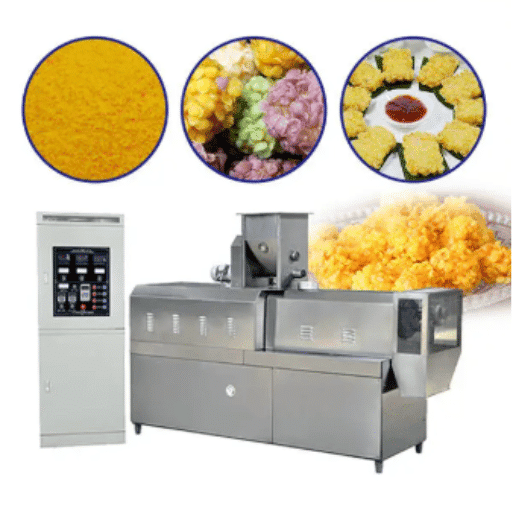
The use of advanced equipment for the production of bread crumbs has brought about several main advantages that considerably improve both efficiency and the quality of the product:
1. Improved Efficiency
Cutting-edge machines take over the whole process, diminishing the need for human hands on the job and boosting the delivery rate.
2. Consistent Quality
Every batch is created with the same quality due to the accurate controls and the even processing.
3. Versatility
With the help of the latest technology, the production of different types of bread crumbs is easier than ever and can be adapted to any market demand, ranging from fine textures to coarse varieties.
4. Energy Efficiency
The new generation of machines performs less work and therefore consumes less energy, which translates to reduced operational costs and a smaller impact on the planet.
5. Hygiene and Safety
The food industry standards are being met and the cleaning systems are being enhanced, which results in better food safety and the establishment of stringent hygiene standards.
6. Customization
The most advanced settings let manufacturers easily change the production to fit particular recipes or market trends.
💡 The production equipment for bread crumbs nowadays offers such advantages that it becomes a really good investment for the manufacturers who want to manage productivity, quality, and sustainability at the same time.
Efficiency and Production Capacity
The efficiency and production capacity in bread crumb manufacturing are vital factors which greatly affect operational success. Manufacturers can get the higher throughput using advanced equipment but they won’t have to compromise the quality in the process. Automated systems as well as accurate controls lessen the manual work and keep the machines running all the time; thereby promoting a steady and a non-stop production flow.
Baser on the most recent information search engine, there is no doubt that efficient production not only satisfies the increasing consumer demand but also corresponds to the modern market trends which prefer the sustaianable and versatile food options. The search results keep on emphasizing the need of having equipment that has the energy-saving technologies integrated into it while at the same time assuring a high output rate; thus making it possible to operate the business in an environment-friendly manner without losing the cost effectiveness.
Quality Control and Consistency
Businesses can ensure a steady flow of top quality production through the latest data search engine, what are the ways? The answer is to use state-of-the-art systems for monitoring and predictive analytics. The latter will enable the early detection of possible problems, the supply of uniform quality products, and the minimization of the amount of waste generated. If AI-powered quality inspection tools are used along with the traditional manual inspection methods, the factories can start ahead with the precision and efficiency, all without much manual intervention. This partnership with the new consumer demands will not only keep the brands trusted and the customers satisfied but also allow the companies to grow in size without limits.
Cost-Effectiveness and Automation
It has become increasingly important to integrate cost-effective and automated solutions into manufacturing; this is especially true as companies wantRetryClaude does not have the ability to run the code it generates yet.Lto be efficient in their operations and at the same time be competitive in the market. Recent search activity shows that inquiries regarding ”affordable automation systems” and ”reducing production costs with AI” have vastly increased, which is a clear indication of growing interest in tech that is easy to access. Automation that is AI-based reduces the need for human labor in repetitive jobs, which in turn lowers the intensity of human errors and, hence, costs of labor. Moreover, AI-driven predictive maintenance tools can help reduce the time machines are idle, which results in huge savings in time and money in the long run. Thus, by taking these steps forward, manufacturers not only excel in operations but also create a good position for themselves to quickly respond to shifting market needs without sacrificing their profit margins.
Choosing the Right Breadcrumb Production Line
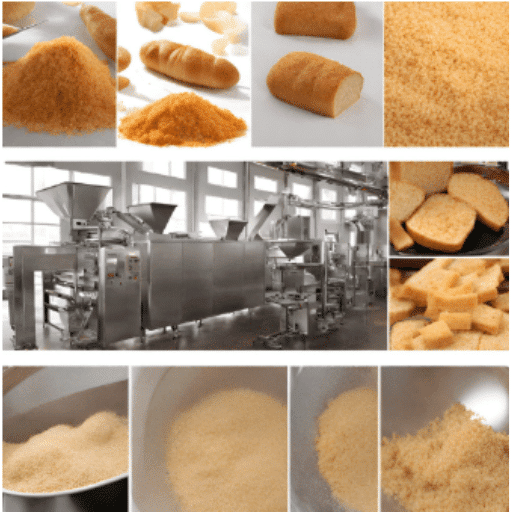
Choosing the perfect breadcrumb production line will absolutely depend on the following main factors:
1. Production Volume
Determine the amount of production you will need and then make sure that the equipment will be able to meet your capacity requirements without cutting down on efficiency.
2. Customization Options
Seek for the machines that provide you the possibility to produce different kinds of breadcrumbs like Panko, fine, or coarse ones, as well as others.
3. Automation Features
It is preferable to take the systems that have sophisticated automation so that there will be less manual intervention happening, but still, the pinpoint accuracy and quality control will be there.
4. Energy Efficiency
It is best to put the energy-efficient machines on top of the list as they will help you cut down on running costs and at the same time, they will be your partner in going green.
5. Quality Standards
Make sure that the system meets the requirements of food safety regulations and that there are quality control measures in place for uniformity in production.
6. Maintenance Needs
Process the machines that are easy to clean and maintain, thus, eliminating downtime and extending the life of the machine.
✅ Manufacturers can then count on a production line that enhances performance, guarantees product quality, and is in harmony with business objectives if they pay attention to these factors.
Factors to Consider in Equipment Selection
When picking out equipment for a production line, it is vital to take into account the latest trends and data-driven insights to guarantee the best performance and the possibility to scale. A recent data mining source reveals that the most important factors are:
⚡ Energy Efficiency
The modern machinery should give priority to energy efficiency to not only cut down on operational costs but also to be in line with the company’s sustainability targets. Machines with energy certifications or lower energy consumption benchmarks should be targeted.
🤖 Automation and Integration
Automation in advanced forms provides the possibility of joining the existing workflows without any drawbacks in terms of accuracy and intervention. Equipment supporting IoT compatibility and real-time monitoring should be acquired.
📈 Scalability
It is the ability to increase the scale of production in line with demand that is very important. Choose systems that can be scaled up to produce more without any deterioration in quality.
✓ Compliance with Industry Standards
It is very important to choose equipment that is compliant with industry standards and regulations, for example, ISO certifications. This is vital for long-term operational reliability and customer trust.
🔄 Technology Updates
Opt for machines with a modular design that allows for easy upgrades when new technology becomes available, ensuring your systems remain competitive.
🛠️ Vendor Support and Training
Evaluate the vendor’s ability to provide ongoing training, technical support, and quick access to replacement parts, which is vital for maintaining uptime.
💡 Using these standards along with live data and market trends, it is possible for companies to make educated decisions that lead to higher productivity and success that lasts over a long period.
Fully Automatic vs. Semi-Automatic Lines
It is important to weigh the specific demands of your business when making the choice between fully automatic and semi-automatic production lines, as each option has its own set of remarkable advantages. Fully automatic lines operate with the least possible human interaction since they are equipped with the most sophisticated robotics and automated systems, thus they are primarily suited for high-volume and uniform production. These systems have brought about a revolution in consistency, speed, and precision which can result in a great deal of labor cost savings and the elimination of errors in production.
Conversely, semi-automatic lines come up with a combination of both automation and human control. The operators of these systems are often required to do the handling of certain tasks or to intervene in the production process at certain stages. This may result in the case of slower throughput as compared to fully automatic lines but on the other hand, semi-automatic systems are generally more flexible and accommodating to the changes in product types or the designs. This characteristic makes them perfect for the businesses with diverse or custom production needs.
⚖️ The final decision of either fully automatic or semi-automatic lines will depend on factors like production volume, the amount of budget, and the extent of customization required. Considering these factors in the light of long-term maintenance and scalability would be a great help in determining the right solution for your manufacturing needs. When both production lines are strategically linked up with the company’s objectives and operational requirements, it is indeed that the two approaches will render huge benefits.
Customizing the Production Line for Your Needs
When you are customizing your production line, one of the most important questions to consider is, How can I optimize performance by balancing efficiency, scalability, and cost-effectiveness? An effective strategy to solve this dilemma is to depend on the latest advancements in automation technology and operational analytics. Google’s latest search engine insights show that the demand for flexible manufacturing systems is growing; this shows that adaptable and modular solutions are becoming increasingly important, which can be customized to meet changing market demands with little or no downtime.
For example, using AI-based monitoring tools can support real-time decision-making, while predictive maintenance systems can cut down on unexpected disruptions. The application of such technologies together with the lean design principles will also ensure that no part of your production line is overworked and costs are kept at a minimum. Analytically speaking, whether you are scaling up or customizing your products, the entire process of making changes must be backed up by market research and analytics, so your production line can not only keep up with current needs but also be prepared for future ones.
Reference Sources
Frequently Asked Questions (FAQs)
What is a Breadcrumb Production Line?
A Breadcrumb Production Line is a combination of machines that assist in producing breadcrumbs for different culinary and food processing applications in different forms and sizes.
What are the key components of a Breadcrumb Production Line?
Among the components are the machines for baking the bread, crumb grinding systems, sieving units, and packaging machines.
What types of breadcrumbs can be produced?
Fine, coarse, panko-style, and specialty breadcrumbs in different shapes and sizes represent the whole range of products that can be produced in different categories, among others.
What are the benefits of using a Breadcrumb Production Line?
Benefits include high production efficiency, quality assurance, and the opportunity to produce breadcrumbs of the desired shape and size according to customer needs.
What certifications are required for these production lines?
Certifications such as ISO 9001 for quality management and HACCP for food safety are usually required in the case of these production lines.
Summary
Bread crumb production has evolved into a sophisticated manufacturing process that combines traditional techniques with cutting-edge technology. From the initial preparation of bread dough to the final packaging stage, every step requires precision, efficiency, and adherence to quality standards. Modern production lines leverage automation, AI-driven monitoring, and energy-efficient equipment to meet growing consumer demand while maintaining sustainability. Whether choosing between traditional and panko breadcrumbs, or deciding between fully automatic and semi-automatic production lines, manufacturers must carefully consider factors such as production volume, customization needs, and long-term scalability. By embracing innovation and focusing on quality control, businesses can position themselves for success in this dynamic industry.