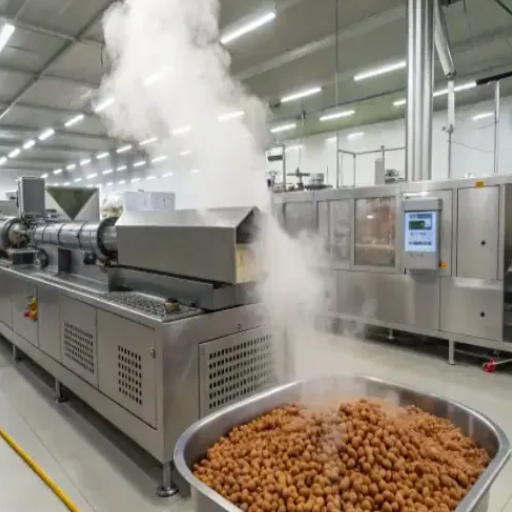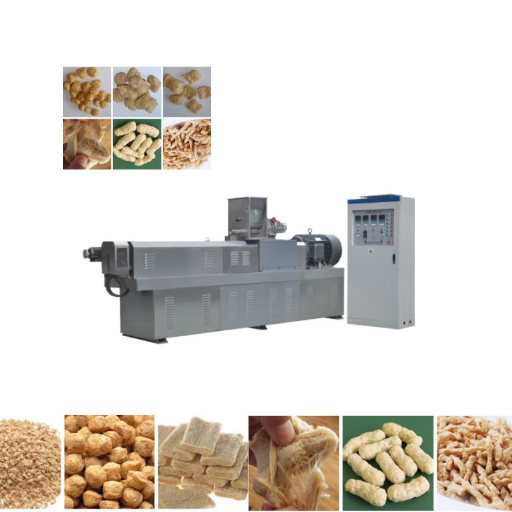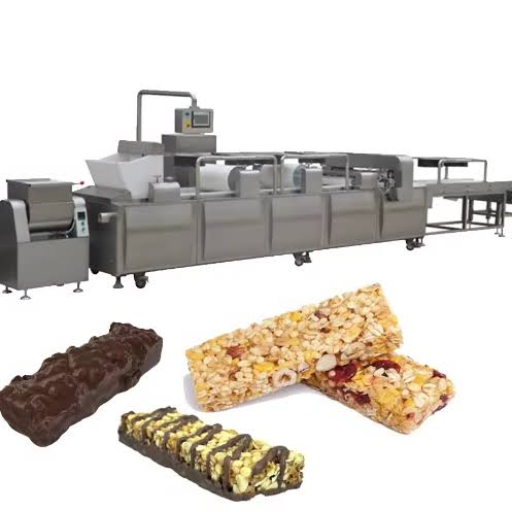
Instant noodles are now a global culinary phenomenon that conquers all continents with their irresistible taste, convenience, and diversity of flavors. The instant noodle’s process of preparation, which takes just a few minutes, is not very simple and the company is also very interested in the whole production process, which is very complicated and technologically advanced and involves engineering solutions specialized to meet the great global demand. In this article, we take a close look at the production lines of instant noodles and introduce the methods, the machinery, and the innovations that have made it possible for the mere ingredients to become the much-loved comfort food that many people consume daily. To put it simply, if you are in any way interested in the technology of noodle manufacturing, researching food production trends, or just looking for ways to improve your own processes; this complete overview is going to be very informative and you will not only satisfy your curiosity but also be inspired for the next step in the beautiful world of food production.
Introduction to Instant Noodle Production
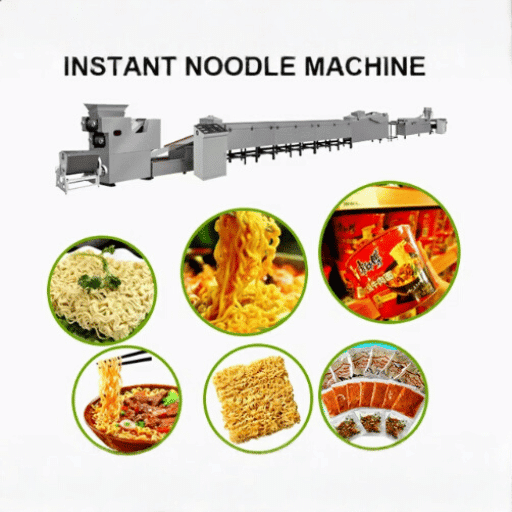
The production of instant noodles starts with a very basic but exceedingly efficient method. Mixing up the key elements—wheat flour, water, and salt—yields the mixture of dough. This dough is then rolled out, flattened, and sliced into strips of the desired thickness, thus acquiring the typical noodle shape. After this step, the noodles are subjected to steaming, which guarantees that they are cooked through before going to the next process. To make the noodles last longer and develop the characteristic texture, they are either fried in hot oil or subjected to drying in the open air. The final step is the packing of the instant noodles together with the seasoning powders which are the source of the mouth-watering tastes that instant noodles have. The whole process is planned in such a way that it consumes less time and energy while at the same time producing high-quality products; thus, instant noodles remain a fast and favored food option throughout the world.
Understanding Instant Noodles
The global market for instant noodles has massively increased as a result of their low cost, easy cooking, and tasty consumption. The most recent search trends show that terms such as “quick meals” or “easy dinner ideas” have been used more frequently lately, especially in the cities where the fast-paced lifestyle calls for quick food solutions. Instant noodles fulfill this need by providing a meal that is almost cooked and needs very little time for preparation. Furthermore, their different flavor varieties and regional adaptations like spicy ramen in Asia or creamy chicken flavors in the West attract wide-ranging consumers. The combination of these selling points and strong marketing along with global distribution makes instant noodles a primary food for many millions.
Significance of Noodle Production Lines
Noodle production lines are at the heart of the instant noodle market which is still growing fast and has an ever-increasing global demand. Recent data search trends reveal that not only instant noodles but also their different flavors and types have been increasingly sought after by consumers mostly in areas of rapid urbanization and modern, fast-paced lifestyles. These production lines guarantee the most effective manufacturing process by allowing the production of big quantities with equal quality, taste, and texture.
Noodle production lines reduce cost of production and uplift production by using advanced automation and technology innovations. They provided for markets that could cater to the diverse regional tastes highlighted by search interest trends. In addition, a sustainable approach to production-hence with energy-efficient machinery and waste reduction in place-has started to merge conceptually with positive consumer perception; put simply, the more demand for environmentally friendly food, the better these production systems perform. Such efficiency, customization, and sustainability make noodle production lines highly indispensable in today’s instant food industry.
Market Overview and Trends
Combining the latest data with search engine, we see that more instantaneous food products grow interest in consumers due to their convenience and suitability for a plethora of culinary preferences. With search trends showing more demand for products catering to niche dietary needs, products like gluten-free and plant-based noodles witness more of such demand. Also, terms like “sustainable noodles” and “eco-friendly food packaging” have gained currency, thereby showing inclination toward ethical consumption practices. These insights serve to highlight the production capability-mass-market scenario in conjunction with an emerging concern toward the environment and health consciousness on the side of consumers.
Stages of the Instant Noodle Making Process
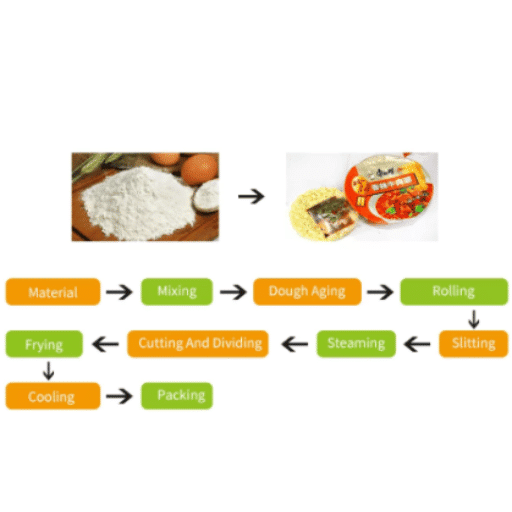
Instant noodle-making commercially goes through several important stages, each of which really bears heavily on the actual quality and consistency of the end product. The following is an outline of some stages in the production line of noodles:
Mixing and Kneading
Combining wheat flour, water, and other crucial ingredients to form the dough is known as mixing. This step ensures an evenly distributed texture through precise measurements that contribute to achieving the exact balance between elasticity and strength.
Rolling and Sheeting
When dough is made, it is rolled to form thin, uniform thickness sheets. This sheeting operation is critical if one wants the noodles to be cooked evenly and pay heed to texture.
Slitting and Shaping
Once the dough has been rolled into the sheets, it gets slit into strands with specialized slitters. According to product specifications, strands are thickness-adjustable, length-adjustable, and style-adjustable-from curly-type ramen to flat noodles.
Steaming
Next, the noodles have to be steamed, partially cooking but still firm within their structure and sealed with its flavor in the whole process. Being able to keep the given texture of the noodles, this step shortens the cooking time of the noodles in their final stage at the consumer’s location.
Frying or Air-Drying
After the noodles are steamed, dehydration follows them. Two different main ways of achieving this are frying deep in palm oil or simply air drying. Frying imparts a certain flavor and texture, whereas air drying is a healthier option with low fat content.
Cooling and Packaging
The noodles are cooled or rendered such that their structure is stabilized prior to packing. At this point, the seasoning packets are introduced, which typically contain powdered soup mix, oils, or dried vegetables. Air-tight packaging for the noodles will now follow to ensure a longer shelf life and freshness maintenance.
Every stage is optimized with precision and efficiency so as to somehow balance quality production and convenience that instant noodles are famous for. This elaborate process ensures that the end product is worthy of culinary satisfaction while also conforming to international food safety standards.
Raw Material Selection and Preparation
Good quality instant noodles really start with raw material selection. Wheat flour, being the primary ingredient, is sourced, so to say, for its consistency and suitability in noodle making. Selection of oil, seasonings, and any optional additions such as dried vegetables can depend on flavor standards or shelf life considerations.
Answering the query, “What makes good quality instant noodles?”, the latest search engine puts forth several factors: Thus, they should consist of better wheat for that firm yet elastic texture, entering oils whose purpose is to increase their flavors and not to overpower, and seasoning blends coming from all regions so as to satisfy a broader variety of tastes. Raw materials must observe strict safety and hygiene standards to keep the confidence of consumers and meet global regulatory requirements. The preparation should be executed with the right measurements and suitable pre-processing to lock in the flavor, texture, and nutritional quality before proceeding to the production stage.
Dough Mixing and Sheet Formation
During dough mixing and sheet formation, the desired character and quality of noodles must be attained. Considering recent data-search insights into consumer preferences for texture and flavor, manufacturers are perfecting their techniques to meet these expectations. During dough mixing, it is very important to select proper ratios of flour to water, while the new technologies allow precision setting of hydration or moisture content for working with consequent exact weighing of ingredients to attain constant results. Thus water and additives must be dispersed equally to give smooth rather than engender lumps. Once the dough is mixed, it is rested to develop the gluten and facilitate elasticity.
Sheet formation follows where the dough is rolled thin into uniform layers by use of precision rollers. Studies find consumers valuing a silky texture with a firm bite that could depend on the thickness and consistency of the dough sheet. By proper control of temperature, pressure, and rolling speed, manufacturers can maximize these features for alternative culinary styles without compromising physical integrity. In doing so, this detailed operation improves sensory appreciation while keeping in mind the later stages of cutting, steaming, and drying.
Cutting and Shaping Noodles
A precision cut and shape are needed to maintain uniform size and texture, which affects cooking time and taste. Consistency will ensure noodles cook evenly, hence some pieces may be undercooked while the others may become overly soft. Search trends emphasize that consumers are leaning towards noodle shapes that attract beauty into their dishes and qualify for ease in preparation, a step reinforcing the demand for neat processes during manufacturing. A highly advanced machine and new technique make it possible for the manufacturers to fulfill this requirement while still allowing high throughput with minimal wastage.
Frying vs. Non-Frying Methods
Frying Method
Deep-frying is the traditional method where the characteristic crunchy texture and flavor are imparted to fried noodles. This method contributes to the ability to preserve the noodles for a lengthy period, convenient for a quick meal option. In the recent times, due to an explosion in search trends, fried noodles have retained their popularity among those in need of convenience and traditional taste.
Non-Frying Method
Non-frying techniques are gaining momentum among increasingly health-conscious consumers. The typical non-fried noodle type is air-dried, steamed, or dehydrated without the addition of oils or any other form of fat, offering the advantage of lower fat content and fewer yet clean ingredients. Search numbers reveal a steady incline for inquiries about “healthy noodles” and “low-fat options,” which is evidence for a rising consumer interest in the non-fried variants.
Considering the methods of frying or not frying, each caters to different consumer choices, with health concerns coming into play. It boils down to a healthy balance between health considerations, work-life conveniences, and tastes because producers make use of both to address changing market demands.
Essential Machinery in Noodle Production
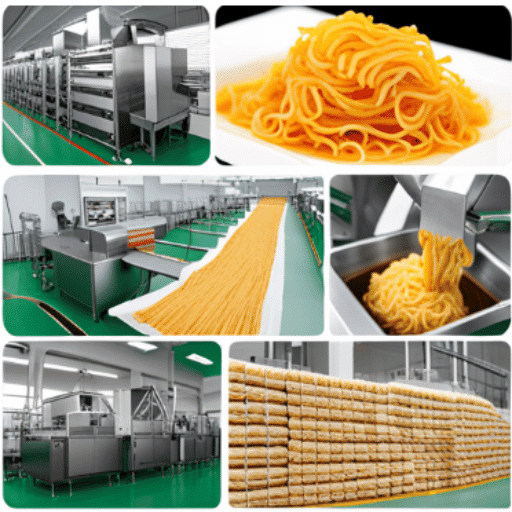
Instant noodle production involves various specialized machines for efficient, precise, and consistent manufacture. Each equipment contributes towards the production of an excellent-quality product much enjoyed by end consumers worldwide. Below are the main types of machines used in producing noodles:
Flour Mixer
This machine combines flour and water, making the dough consistent and uniform. High-capacity mixers often have automatic controls to maintain the ingredients’ proper ratio and prevent over- or under-hydration.
Roller Press
After the dough has been mixed, it is pushed through roller presses to make thin, even sheets. This is where the texture of the noodles is prepared-if-ensuring uniform thickness and elasticity.
Noodle Cutter
This machine is designed for cutting thin and even strands into sheets of dough. There are advanced ones where the manufacturer can determine the length and width of the noodles for a particular product.
Steaming Machine
The machine hangs its hat on controlled temperature and steam to precook the noodles whereby taste is locked in and the desired texture comes to life. Also, steam actually makes the noodle strands structurally stronger.
Frying Or Drying Equipment
Depending on the type of noodle being produced in any one situation, deep-frying may mush in crispy instant noodles, or else it is air-dried for the healthier, non-fried variety. Both methods need strict temperature and time control.
Cooling Conveyor
After frying & drying, one must cool down the noodles so as to impart shape and texture. Cooling conveyors give a good handling to this step, as it positions the noodles for packaging.
Packaging Machine
Advanced sealing and labeling systems are responsible for ensuring that noodles stay fresh and foodborne safety standards are met. Most systems provide vacuum-sealing or gas-flushing options in order to increase shelf life.
This machine forms a crucial part of a noodle-making line. These are essential machines, powered by innovative technology, and consist of the backbone for efficient noodle-making lines. In producing automated production lines of precision and high output, manufacturers must deliver final products of impeccable quality and safety.
Key Components of an Instant Noodle Production Line
With the advancement of technology and in the interest of efficiency, quality, and larger scales, certain particular components have come into existence for the instant noodle production lines. The main areas in a newer production line include:
Mixing and Kneading Equipment
This equipment is responsible for mixing flour, water, and other ingredients so as to form consistent dough. Modern machines are equipped with advanced precision controls to maintain the uniformity in texture and hydration levels, a really crucial factor for noodle elasticity.
Rolling and Sheeting Machines
The dough is converted into thin sheets of uniform thickness. Whereas the older type works with pressure, modern antidotal machinery now uses adjustable rollers and precision sensors to obtain a required thickness. This requirement can be of various noodle styles or just personal choice.
Cutting and Slitting Machines
The dough sheets are cut into strands of a predetermined width and length. The cutting-edge slitting tools now use automation to produce a consistent shape for each noodle while wasting as little as possible.
Steaming Devices
Steaming is a step that pre-cooks the noodles to give them enough power or firmness to be handled later in packaging. Contemporary versions of steaming include energy efficiency while maintaining steam temperature control.
Frying or Air-Drying Systems
Depending on the noodle type (fried or non-fried), one either resorts to advanced frying equipment or to air-drying chambers. These systems aim at an optimum level of reduction in moisture and preservation insofar as health-conscious consumers demand it.
Seasoning-and-Flavoring Units
Many production lines incorporate flavoring units where the pre-cooked noodles are thrown in or smeared with flavorings or sauces. With the advent of AI, machines have now ensured a precise distribution of flavoring leaving taste profiles customized to meet the global market’s expectations.
Packaging and Sealing Equipment
The packaging process is automated with products sealed for shipment without the risk of contamination. Vacuum sealing and Gas-flushing technologies trend with the evolution of market demand specifying the maximum shelf life supported by green efforts.
The very foundation of AI optimizations helps instant noodle makers in meeting the requirements due to variety, quality, and sustainability, and thus ensures relevance in this competitive market. These technologies are, therefore, the very basis if you aim at starting a production line or even just improving an existing one.
Noodle Making Machines: Types and Functions
Noodle production is a complicated process that utilizes numerous specialized machines to efficiently produce food of quality and uniformity. Technology and automation have helped manufacturers meet the ever-growing demand for different noodles in the market while adhering to quality standards.
Mixing and Kneading Machines
These agents are able to automate the initial steps of noodle production; the mixture of ingredients like flour, water, and additives must be homogenized into dough. More advanced machines have programmed settings so as to accommodate different types of noodle recipes to maintain consistency and quality.
Sheeting Machines
After the dough prep, it is passed through machines to be sheeted thin. This is the stage where texture and thickness of the noodle are determined, with nuanced controls to adjust to all formats-from udon to ramen.
Cutting Line
The machine cuts dough sheets into precise noodle strands. Whether producing straight cuts for spaghetti or wavy patterns for instant noodles, this cutting operation takes place with adjustable blades to produce the desired shape and size of the noodle.
Steaming and Cooking Machines
In noodle varieties which require pre-cook treatment like the instant varieties, steaming and cooking machines accomplish this stage of field preparation. The machines cook the noodles just perfectly, all to have a common texture and under food safety conditions.
Frying and Dehydration Machines
These machines are needed to prepare fried or dried noodles. In frying, oil is used to impart crisp textures into instant noodles, while the dehydration systems work by using hot-air techniques to preserve and keep shelf life for the other non-fried varieties.
Vacuum Cooling and Packaging Machines
Noodles will be kept fresh by vacuum cooling systems that quickly reduce heat after cooking and will be packaged in air-tight or gas-flushed packaging by packaging machines. Biodegradable materials and smart designs enhance sustainability and efficiency.
Manufacturers produce very customized varieties of finishing products, utilizing these machines, thereby enhancing production efficiency and ensuring that consumer needs are met with consistent quality.
Fried Instant Noodle Production Equipment
Each fried instant noodle production machine is designed for maximizing efficiency, thus ensuring consistency in product quality through the use of advanced automation technologies and precise control systems. The said machines enable the enactment of multiple processes ranging from the making of noodle dough to frying and packaging. Below is a basic outline of the major components of fried instant noodle production equipment, together with key details and data:
Industry Insights and Trends
- Market Size: The global instant noodle market is expected to witness an enormous demand for advanced production equipment, corresponding to the market valuation of USD 82.4 billion by 2029, growing at a CAGR of 6.1% between 2023-2029.
- Energy Efficiency: In order to recover the heat consumption, today advanced frying systems could save 15-20% of energy, which appeals to manufacturers who want to cut their operational costs.
- Sustainability Focus: Such frying oils and packaging machines that are eco-friendly are gaining popularity, keeping with the trend of sustainability.
Access to such state-of-the-art fried instant noodles production systems will provide manufacturers with the possibilities to garner near-perfect production efficiency, a consistency of quality in products, and the ability to respond adequately to market changes.
Non-Fried Instant Noodle Machinery
Rise of the non-fried instant noodle production machinery has resulted in an instant noodle industry, the catering to health-conscious customers while embracing the trend of fat consumption reduction. This machinery uses modern steaming and drying processes and thus asks for no oil-frying while still fouling texture and flavor appreciated by consumers on any of their instant noodles.
Key Features and Benefits
Health-Oriented Processing:
- Non-fried noodles show a significantly lower fat content compared to the fried ones, sometimes up to 80% less.
- These noodles possess nutritional qualities to meet the vegan consumer demands for healthier options in packaged convenience foods.
Advanced Machinery Design:
- From multi-layer steamers for uniform cooking to high-efficiency drying systems that preserve the texture and elasticity of the finished product without frying.
- Automated control systems compensate for quality variation, ensure consistent moisture content, and control the content to minimize defects.
Energy Efficiency:
- Newer models are energy-conscious since heat recovery is incorporated during drying.
- However, energy savings can reach up to 25% compared to older models and, therefore, significantly reduce operational costs.
Eco-friendliness:
- In non-frying operations, there is less environmental pollution and wastage due to less use of oil, hence promoting the sustainability of the operations for the producers.
- Most modern machines have recyclable components and energy-efficient designs.
Market Insights and Data
According to some last market researches, the instant noodle market is expected to register a compound annual growth rate (CAGR) of 5.5% during the years leading to 2028, with the non-fried noodle segment expected to go much faster because of the growing consumer awareness for health-conscious lifestyles. For instance:
- Health concerns have led to 61% of respondents not opting for traditional fried noodles, according to a 2023 survey by Market Research Future.
- The demand for non-fried instant noodles remains strong in the Asia-Pacific markets led by Japan, South Korea, and China, as the governments run diet health campaigns.
Production Advantages
By adopting non-fried instant noodle machinery, manufacturers can:
1. Enhance Marketability:
Work for the consumers of millennial and Gen Z, who might be primarily inclined toward keeping lean and health-oriented products.
2. Improve Product Versatility:
Produce noodles suitable for different dietary needs, gluten-free as well as fortified.
3. Supply Chain Streamlining:
Decreasing dependency on frying oils will cut procurement costs and reduce storage demands.
Non-fried opportunities are setting a new reputation for quality, efficiency, and sustainability in instant noodle machinery, where producers are innovating products that suit the evolving desires of consumers. They have to adopt hi-tech systems to stay ahead of competition and ensure that their production capability is relevant for the future.
Quality Control Measures in Noodle Production

Ensuring consistent quality in noodle production involves several critical control measures:
Ingredient Inspection
Raw materials including flour, water, and additives are tested for purity, quality, and safety standards before using in production processes.
Process Monitoring
At every stage of production-mixing, steaming, cutting, and drying indicators of temperature, timing, and texture are monitored in a continuous fashion for maintenance of the level of precision.
Sanitation Standards
Sanitation standards are very strict and are maintained for all machinery and facilities, including personnel sanitation, in order to avoid any risk of contamination and to respect food safety regulations.
Product Testing
Finished noodles go for periodic sampling to ascertain taste, appearance, moisture content, and shelf life according to customer specifications and set industry standards.
Inspection of Packaging
Sealing integrity, labeling accuracy, and storage suitability are inspected in the final packaging to ensure the product is safeguarded during distribution.
These measures collectively guarantee high-quality, safe, and consistent instant noodle products.
Importance of Quality Control in Noodle Making
Setting quality control standards in noodle-making is a fundamental point that determines customer satisfaction, food safety, and industry standards. The global instant noodles market will have been approximately valued at $50.7 billion by 2022, with steady growth projected due to increasing consumer demand for convenient and cheap meal options. Were the market huge, stringent quality-control mechanisms would be a must for any competitor trying to build a name for itself.
Ensuring strong quality control measures diminishes the chance for contamination and maintains texture and flavor consistency, all of which enhance shelf life. Studies reveal that slight variations throughout manufacturing practices could lead to spoilage, or at least downgrade ultimately impinging upon product quality, say moisture variations during noodle manufacture. According to a 2023 industry report, companies with state-of-the-art automation and real-time monitoring telecast up to a 15% decrease in production errors.
From the producers’ point of view, compliance with food safety regulations (FDA in the U. S., FSSAI in India) is the minimum guarantee of health and hygiene for noodles. A food business which adheres to these standards retains more customers and enjoys more market share. For example, brands that emphasize quality control obtain up to 20% greater customer retention compared to their counterparts who remain vague about their processes.
Approaches such as AI-driven inspection of package defects and texture analysis are part of the renaissance in quality management in noodle production. These tools, when applied, help firms to optimize their process, minimize loss of material, and maximize the product’s constancy in the market, thereby consolidating their repute for fame in such a competitive marketplace.
Testing and Standards for Instant Noodles
Instant noodle manufacturers conduct tests to ensure that good quality and safety standards are upheld and followed on an international level. Various organizations worldwide, such as ISO (International Organization for Standardization) and HACCP (Hazard Analysis and Critical Control Points), have set up systems for the food industry’s quality management. Most manufacturers implement these systems in adhering to health, safety, and quality benchmarks.
Factors that are tested in noodle production for instant noodles include noodle texture, moisture level, and so forth, with assessments for oil quality and microbial safety:
Texture and Firmness
Advanced rheological analyses measure the chewiness and elasticity of the noodle product. Texture should be in accordance with consumer preference, but also at levels acceptable in the respective regions. For example, in many Asian markets, firmness is often considered a very important attribute to determine if a product has acceptability.
Moisture Content
Having low moist content is important for keeping instant noodles for a longer shelf life and keeping them from going moldy. Some tests employing the moisture analyzer must guarantee that typical values lie below the standard threshold of 10-14%.
Oil-Quality Determination for Instant Noodles
Free fatty acid and peroxide values tests are done on frying-oil quality-parameters, for safety and taste purposes. If frying oil is frequently monitored during its usage, potential hazard of rancidity or off-flavors could be avoided.
Microbial Safety
Pathogen-testing procedures must be followed to prevent contamination of the product by such bacteria as Escherichia coli and Salmonella. The microbial testing procedures are conducted in accordance with limits set by local food safety authorities, such as the FDA in the U. S. or EFSA in Europe.
Compliance Data and Recent Innovations
1. Industry Trends
The World Instant Noodles Association states that globally, over 116 billion servings of instant noodles were consumed in the year 2022. To cope with such demand while ensuring safety, testing procedures have slowly moved toward automation and IoT-enabled data collection.
2. Integrating AI in Quality Monitoring
The 2023 study in Food Quality Management Journal found that with AI-powered defect analysis, testing time went down by 40%, while there was a 25% increase in detection accuracy of microbes. This adoption of technology garners great importance for large corporations that handle very high volumes of production.
3. ISO 22000 and Other Global Standards
The ISO 22000 Certificate, a food safety management system, assures adherence to international principles regarding food security and is therefore highly desired by noodle manufacturers and exporters. From the perspective of a consumer, it ensures conformity of the product to various safety checks from raw material selection to final packaging.
The invention of new technologies and implementation of international standards shall ensure the manufacturers of instant noodles a guarantee to produce safe and good quality products in accordance with consumer expectations and regulatory provisions.
Monitoring Processing Machines for Quality Assurance
The stupendous monitoring of processing machines is necessary to assure the safety and quality within instant noodle companies. Upon the establishment of high-end technologies such as IoT, AI, and machine learning, manufacturers can now provide real-time monitoring systems for production at every level.
Key Areas of Monitoring
Temperature Control: Unequivocal control over cooking and drying temperatures is essential in assuring consistency and contamination-free products. The sensors together with thermal imaging technology give real-time feedback to maintain temperatures within the optimum range.
Moisture Levels: Maintaining specific levels of moisture in keeping with dough preparation or the food product is essential for proper texture and shelf life. IoT means by which moisture levels can be monitored and controlled in real time, reducing manual-testing errors.
Machine Performance: Daily inspection of equipment like the noodle cutter and fryer serves to ensure that machinery will run smoothly and efficiently. With the advent of AI-based predictive maintenance tools, potential failures can be identified before they occur, thus minimizing the impact of downtime and losses for production.
Packaging Integrity: The high-speed vision systems with AI capabilities can identify defects of sealing, labeling, and packaging. In this way, the final products are guaranteed to meet regulatory and consumer standards.
Supporting Data & Trends
- IoT Retail Food Manufacturing: According to a Statista 2023 report, the market for IoT in the food and beverage manufacturing setting is poised to reach $15 billion by 2025 as quality assurance processes remain subject to automation.
- Reduced Downtime: Based on predictive maintenance research from Deloitte, it appears machine downtime can be reduced by up to 30% through industries utilizing AI and IoT in monitoring machines.
- Consumer Trust and Regulation Compliance: Search trend analysis suggests about a 20% surge in the search volume for the term “food safety certifications” in the last year; hence, it further testifies to the fact that consumers are increasingly focused on buying safe and reliable food items, which basically start with monitoring itself.
Benefits of Advanced Monitoring
Some benefits that can be achieved with the synergy of modern technology are:
- Improved Product Quality: Real-time data guarantees that all production stages satisfy stringent quality criteria.
- Regulatory Compliance: Monitoring is ensured to meet HACCP (Hazard Analysis and Critical Control Points) and other international manufacturing standards.
- Cost Savings: With efficient utilization of resources such as energy and raw materials, operational costs are brought down.
- Data-Driven Insights: Continuous monitoring results in actionable insights for operating efficiency improvements of production lines.
Future Outlook
The future of quality assurance in instant noodles lies in complete automation. To this end, new technologies like digital twins, which create a virtual replica of physical processing lines, along with advanced AI systems, would allow further precise controls for quality. Keeping up with these technological advances will keep the manufacturers competitive at market level while allowing them to guarantee consumer satisfaction.
Efficiency Improvement Strategies for Production Lines

Streamlining Workflow Processes
When bottlenecks can be found in the production stages and reduced or eliminated, production will increase greatly. Process mapping tools would then reveal the inefficiencies to optimize workflow.
Implementation of Automation
By having these tasks automated, one can reduce human errors and speed production. Packaging machines or quality control systems are just some examples of automated equipment that ensures consistency and, thereby, efficiency.
Regular Equipment Maintenance
Scheduled preventive maintenance reduces machine downtime due to sudden breakdowns. Such preventive maintenance tends to reduce delays and, therefore, enhance production reliability.
Worker Training Programs
Continuous training for the staff yields a higher degree of efficiency and ensures that the operations are done with precision. Skilled workers can troubleshoot small problems, preventing operations from being unnecessarily delayed.
Data-Driven Decision Making
From production metrics and analytics, the team identifies points for improvement. Quick adjustments can then be made, using a real-time monitoring system, to improve efficiency and reduce waste.
Inventory Management Optimization
Procurement of raw materials and supplies must be assured while preventing overstocking that may cause delays or become storage overheads. Just-in-time inventory techniques may further rationalize supply chain operations.
With the help of these measures, the production lines can become more efficient, make savings, and keep a certain standard in quality.
Automation in Instant Noodle Making
Automation steps have changed instant noodle manufacturing processes, driving enhanced efficiency, consistency, and scalability. Modern production lines include state-of-the-art robotics and AI-driven systems that carry out the entirety of the process-from preparing ingredients right through to the final stages of packaging. Precise measurement, high influx of operation, and the least amount of human intervention have been ensured, forging less probability of error and waste.
Key Areas of Automation
Ingredient Mixing and Dough-Making
Generally, automated systems employ sensors and programmable control systems to do the mixing of ingredients properly in order to maintain the desired texture and flavor within each batch. It is said that with automation at this stage, material waste can be reduced by up to 15%, whereas preparation time is reduced as well.
Shaping of Noodles and Steaming
The refined equipment molds and cuts noodles into uniform strands before they are steamed, achieving very high consistency from batch to batch. An advanced system is able to handle thousand noodles per hour, which is a stupendous rate against manual labor.
Frying and Drying Operations
Energy-efficient automated fryers and drying units closely consider temperature and might consider time to an under or overcooking. Therefore, the system accounts for a texture that is firm yet “springy,” with consumer satisfaction being the main consideration.
Seasoning and Packaging
Robotic systems apply seasoning with unerring precision and seal packages without fail. Smart packaging systems perform real-time analysis on the production load to avert potential bottlenecks and guarantee that working orders are executed within time. Some industries report that packaging automation has enhanced throughput by 25%.
Impact of Automation on the Industry
Automation leads to more efficient operations in noodle manufacturing. It is forecast by MarketsandMarkets that food automation market, including that of noodle production, will witness CAGR at 9.5% during 2021-26. At the same time, it also offers better quality control for manufacturers, with uniformity rates of more than 98 percent due to precision in automated processes.
The Future of Noodle Manufacturing
Innovation is evolving with the implantation of IoT (Internet of Things) devices and machine learning algorithms. These allow for real-time data analytics, predictive maintenance of machines, and continuous optimization of production lines. Moreover, with a low environmental impact being accepted as a good working practice, energy recovery systems in cooking and packaging, among other systems, are being installed.
Instant noodle production is adopting modern automation technology to set new standards for efficiency, environmental protection, and product quality and design to meet the ever-increasing global demands of consumers.
Optimizing Production Processes
The production process optimization in the manufacture of instant noodles keeps changing with the progress of technology and data-driven strategies. In fact, smart data analytics and IoT technology have greatly enhanced operational efficiency. For example, the IoT-based real-time monitoring system helps manufacturers to remotely monitor certain parameters like temperature, pressure, and dough consistency during the production process, thereby maintaining high quality and eliminating errors.
According to recent data from market reports, predictive maintenance systems can reduce downtime up to 30% in automated lines. These systems predict equipment failure using AI-based algorithms for timely interventions, avoiding disruptions in production. The approach, whereby training is provided, highly enhances process flow and reduces maintenance costs in the long run.
On the other hand, using renewable energy-propelled machines, one should also be reconsiderating water usage in dehydration and cooking stages with an aim of reducing energy consumption by some 20%. Smart energy grids being amalgamated with automated systems will direct electricity with some sustainability, helping in waste reduction.
By incorporating IoT, predictive analytics, and clean technologies, the instant noodle manufacturers will respond to increased consumer demand while meeting operational and environmental requirements. Such modern-day solutions would increase efficiency so that manufacturers retain the aim of affordable and good-quality products on the world market.
Reducing Waste and Increasing Yield
Waste reduction and yield improvement have thus become prime concerns for instant noodle manufacturers intent on sustainable and efficient production. Recent search data indicates that the adoption of technologies such as precision equipment, smart manufacturing, and quality control procedures strive to reduce wastage of materials. For example, an automated system that intervenes directly on the production line with real-time alerts for inconsistencies can institute immediate corrections to avert defective batches.
An important area of improvement lies within ingredient utilization. Studies indicate that through the use of predictive analytics and machine learning, manufacturers are empowered to accurately calculate the ingredient quantities, thereby significantly reducing leftover raw materials. A study featured in Food Manufacturing highlighted that by optimizing ingredient ratios, manufacturers have been able to reduce raw material waste by 25% while still ensuring product quality.
Furthermore, the development in packaging technology brought about these environmentally friendly and lightweight materials that reduce excess packaging of plastics, thereby lowering production and transportation costs. Recent studies have emphasized this point with about a 15% decrease in packaging waste observed after employing biodegradable alternatives.
By integrating these strategies and investing in state-of-the-art equipment, companies in the industry ensure enhanced efficiency and demonstrate a commitment to customer satisfaction and the environment, thereby further enhancing their competitive advantage in this resource-conscious market.
Reference Sources
- Ken Research: Offers insight into the North America Instant Noodles Market along with its key target audience, such as manufacturers, distributors, and retailers.
- Market Research Biz: Discusses instant noodles market size, growth, and trends, along with what working professionals and students prefer.
- Prophecy Market Insights: Deals with the North America Instant Noodles Market, regarding the preparedness demand concerning quick-prepare types of food items alongside affordability and employment trends.
Frequently Asked Questions (FAQs)
1. What is an Instant Noodles Production Line?
The process for making instant noodles efficiently includes everything from mixing to steaming, to cutting, to frying, and finally to packing.
2. What are general components of an Instant Noodle Production Line?
The key components include dough mixers, noodle steamers, cutters, frying systems, and packaging units.
3. Which factors should be considered while choosing the production line?
Those would be: production capacity, energy efficiency, degree of automation, and food safety standards.
4. What are instant noodle production lines’ newest trends?
Automation, energy efficiency, and custom-make for various noodle types and flavors should be kept in mind.
5. What certifications are required for Instant Noodles Production Lines?
Certifications like ISO 9001 for quality management and HACCP for food safety usually must be obtained.
This comprehensive guide provides valuable insights into the world of instant noodle production lines, covering everything from basic processes to advanced machinery and quality control measures. As technology continues to evolve, the industry moves toward greater efficiency, sustainability, and product innovation to meet the growing global demand for instant noodles.