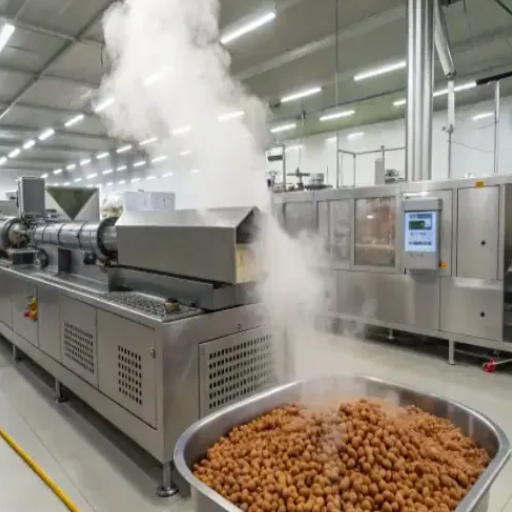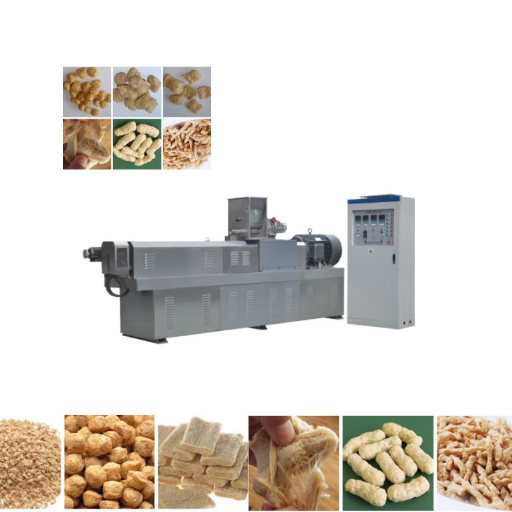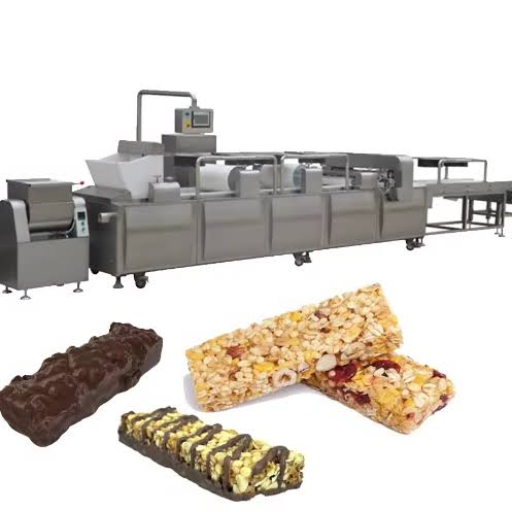
The demand for convenient and healthy snacks in increasing and this is where protein bars, cereal bars, and other nutrition-focused products come into play as the winners for consumer preferences. But what is necessary to make such popular products in a massive way, with accuracy and uniformity? The writing will show you the protein bar production lines and the ways of making cereal and nutrition bars. You will also find out the main parts, the technologies, and the methods that support the fast production without sacrificing quality, taste, and nutrition. If you are an expert in the industry or a newbie in the nutrition bar market, this guide will be a helpful source to learn how to make your operations more efficient and customer-friendly.
Market Trends in Protein and Cereal Bars

The market for protein and cereal bars is still showing remarkable growth which is mainly due to the consumer’s preference for convenient and healthy snacks that suit active lifestyles. Some of the major trends are as follows:
🎯 Functional Nutrition Takes the Lead
More and more, consumers are searching for bars that not only contain a lot of protein, fiber but also support the digestive system and provide energy over a long period of time. Moreover, the popularity of functional ingredients like adaptogens and probiotics is growing.
✨ Clean Labels and Transparency
Customers are looking for bars that contain very few and familiar ingredients, while at the same time, they are shunning products with artificial additives and preservatives. Labels that claim “organic,” “non-GMO,” or “plant-based” are still doing a good job in attracting consumers.
🌱 Plant-Based Growth
The transition to plant-based diets has led to an increased demand for protein bars coming from plants, such as those made with pea or almond protein that not only are suitable for vegans but also appeal to flexitarians.
♻️ Sustainability Awareness
The consumer group is giving their support to brands that are committed to sustainability practices, for example, using recyclable packaging or sourcing ingredients in an ethical manner.
🍫 Indulgence Meets Health
There is a rising interest in the type of bars that offer health benefits along with indulgent flavors, thus having options that are both nutritious and satisfying.
📊 Key Insight: The analysis of these trends points to a fiercely competitive landscape where success hinges on how well a brand can balance innovation, consumer needs, and values.
Growing Demand for Healthy Snack Options
The growing popularity of healthy snacks can be linked to a huge change in consumer behaviour along with the support of recent data insights regarding search trends. A very high increase in searches for terms associated with healthy snacks like “healthy snack bars”, “low-calorie snacks”, and “protein snacks” has been recorded over the past year. Such a customer search indicates a very high increase in interest for nutritious and easy-to-eat foods. This is almost the same as the health-minded movement, where people try to eat mindfully while maintaining their hectic lifestyles.
Apart from the above-mentioned searches, ‘sustainable packaging snacks’ and ‘organic snack brands’ indicate consumers’ preferences for products that are not only good for them but also kind to the earth. For companies in the healthy snack sector, staying on top of these trends through new and exciting, SEO-based strategies could lead to the acquisition of not only visibility and engagement but also conversion.
Consumer Preferences Influencing Bar Production
The increasing demand for personalized nutrition is slowly taking over the snack bar market, as customers are more and more looking for products that align with their personal diets and lifestyle. The main trends are: the increasing consumption of protein-rich bars, the development of low-carb friendly products, and the availability of allergen-free options like gluten-free or nut-free substitutes.
What is more, natural food supply is the most important factor, since buyers are already considering and looking for bars made from natural or organic ingredients that are free of artificial preservatives. Sustainability is also a key factor, as consumers are preferring brands that offer their products in recyclable or compostable packages. These changing habits underscore the necessity for manufacturers to be very flexible, adding new features and being open to the consumers to win over the health-conscious and the ethically-driven buyers.
Market Forecast and Growth Opportunities
The latest data combined with excellent search engine data indicate that the demand for products that are health-focused such as natural and organic snack bars will grow significantly. The increase in searches for different phrases like “heathier snack bars,” “organic granola bars,” and “sustainable snacks” has been a steady uptrend every year, which is a reflection of consumers being more and more aware of nutrition and sustainability.
Thus, this trend can be seen as a signal for manufacturers to market their products innovatively in various ways. First, they could emphasize plant-based proteins which would attract the segment of the population that is vegan and vegetarian. In addition, they could go for renewable packaging materials which would be a preferred alternative to the environmentally conscious buyers, thus giving a competitive edge to the manufacturer. Moreover, the introduction of functional ingredients such as probiotics, adaptogens, or superfoods could be a way of getting into the wellness product segment which is very popular at the moment. Manufacturers can expect to get a larger slice of the cake by aligning their strategies with customer preferences and hence their presence on the competitive search result pages will be enhanced.
Understanding Production Lines for Nutrition Bars
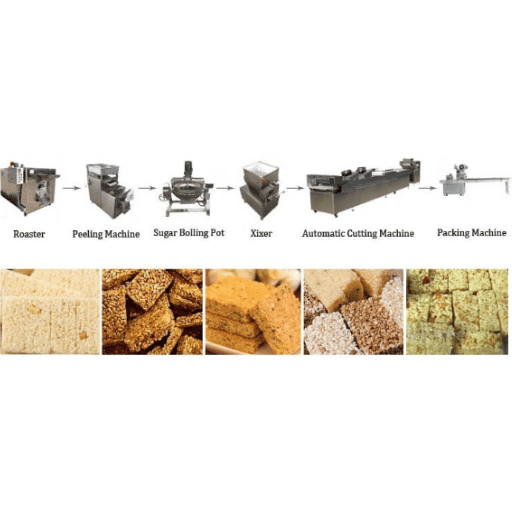
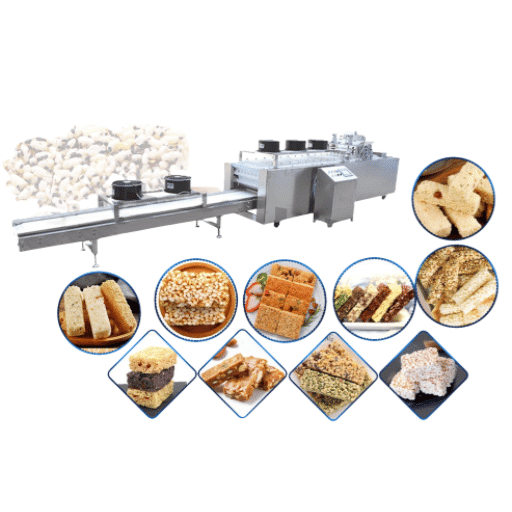
Nutrition bar production lines are very carefully devised to create large quantities of product with consistent quality at the same time. They usually blend the ingredients, like protein, grains, and sweeteners, into a smooth mixture and this blending process is the first step. The mixed product is then passed through molding or extrusion machinery and is shaped into bars of the same size and weight through these methods. After the bars are shaped they go through baking, cooling, and optionally coating with chocolate or other toppings for flavor and texture.
To keep the bars fresh, the production lines have packaging systems that pack the bars in airtight wrappers. Quality control checks are carried out at important points to make sure that the bars are hygienic and nutritious. Nowadays, many production lines rely a lot on automation which quickens the process, increases precision, and lowers costs altogether meeting the need for healthy and creative snacks options.
Components of a Cereal Bar Production Line
The cereal bar production line consists of a number of main parts that operate together in a synchronized manner to deliver high-quality & efficient output. The components are:
1. Mixing Equipment
The equipment for mixing plays an important role in the process of uniformly mixing various ingredients such as cereals, sweeteners, and binders. The main benefit of mixing to the required precision is the consistency of texture and flavor in all batches produced.
2. Forming Machines
A forming machine is the equipment which gives the mixture a shape of a solid mass uniformly. Different sizes and thicknesses of bars may be produced by merely adjusting the machine, thus meeting the needs of different markets.
3. Cooling Systems
The next step, after the mixture is formed into bars, is to cool them so as to keep their shape. There are cooling tunnels or ventilation systems that stabilize the bars for further processing without losing their integrity.
4. Cutting Mechanisms
The cutting mechanisms are responsible for dividing the cooled sheet into separate bars. The more sophisticated systems use laser or blade cutters that can cut precisely according to the desired dimensions and at the same time produce very little waste.
5. Coating or Topping Units
Equipped specially, unit for coatings, etc., is used to do bars that have more coats or toppers like chocolate or nuts. The distribution of these elements is done in a similar manner with the use of the same specialized equipment and is the same to the consumer in the aspects of flavor and visual appeal.
6. Packaging Machines
Finished bars are sealed in airtight wrappers by automated packaging machines, which are then responsible for maintaining their freshness and lengthening their shelf life. The systems are often equipped with printing capabilities that allow for product labeling and branding.
7. Quality Control Stations
Bars are inspected at various stages of production by the quality control stations that are cleverly positioned. This inspection is to make sure that the bars are safe and nutritious according to the standards.
💡 Modern cereal bar manufacturing lines are equipped with automated systems, which greatly enhance the speed of the process, cut down the costs of manpower, and ensure the same quality of the product every time. This technological advance not only meets the ever-changing needs of the market but also allows different and healthy snack products to be made.
Key Technology in Automated Protein Bar Manufacturing
The use of top-notch technology in manufacturing protein bars has given rise to the automated process which helps in making the production process easy and smooth. Very powerful mixers are one of the power machineries that guarantee mixing of the ingredients, thus, achieving the same flavor and texture all over the product. Furthermore, the use of high-tech extrusion systems is a major factor when it comes to the precise shape of the bars that can be of different sizes and configurations based on the consumer’s preferences.
Moreover, the enrobing machines add a plus to the product by wrapping the bars with a layer of chocolate or other finishing coats uniformly, and the cooling tunnels that are the newest in technology keep the product in its best quality during the whole processing. The most innovative cameras and sensors are the primary tools employed in the quality control department for the detection of faults and assuring the conformity to the production standards. All these extremely advanced technologies together cut down on waste, improve the process efficiency, and allow the manufacturers to keep up with the demand for more varieties of organic protein bars with different tastes and nutritional values that are all high-end.
Efficiency in Snack Bar Production Lines
The modern snack bar production lines are using the latest technologies to enhance their efficiency. One of these advancements is the use of modular production systems which give the manufacturers the flexibility to rapidly change their production according to consumer demand with minimal downtime. Moreover, the use of automated ingredient dispensing systems guarantees the exact quantities which not only reduce the waste but also produce the same quality product. AI and IoT supported predictive maintenance help in spotting the equipment problems at an early stage so that they do not lead to expensive downtime, thus, keeping the operation going. All these technologies not only make the production process faster but also allow the manufacturers to cater to the increase in demand for healthier and more varied snack bar choices.
Operational Considerations for Bar Manufacturing

Effective bar manufacturing depends on a few key operational factors that have to be paid attention to in order to have a smooth production process and also to keep quality standards:
1. Ingredient Sourcing
Bars that limit nutritional and taste expectations can only be produced from high-quality and consistent ingredients. Good relationships with suppliers guarantee the availability of ingredients and also help eliminate the possibility of disruptions.
2. Production Capacity
The demand for the product is increasing and it would be wise to do an assessment of the production capabilities regularly. An efficient production system that is capable of handling increased volumes is very important to maintain the output.
3. Equipment Maintenance
Downtime caused by machinery breakdowns is prevented and production quality is as consistent as ever by regular inspections and maintenance of the machinery. Following a preventive maintenance schedule means that there will be fewer costly repairs.
4. Compliance with Regulations
In order to protect consumers and win their trust, manufacturers have to meet the food safety and labeling standards along with the industry regulations like FSMA and HACCP.
5. Workforce Training
Well-trained workers are necessary for operating machines in a safe manner, following the processes and thus, maintaining high production standards.
✅ Factors that streamline operations include performance, productivity, and strikingly successful manufacturing of better-quality bar products.
Cost Efficiency in Production Lines
By utilizing automation, cutting down on waste, and adopting sophisticated technology, manufacturers can make their production lines more cost-effective. Reducing the need for manual labor and making the process faster through automation leads to fewer interruptions and more products being released. Changing to lean manufacturing practices can also play a big part in lowering material waste since it guarantees that only the necessary amount of resources gets used. Moreover, putting money into predictive maintenance technology means no more investment in preventing equipment downtime that could have been avoided by letting small issues grow into big ones. Not only will these strategies bring about cost reductions, but they will also improve the overall production efficiency and the market’s competitiveness.
Equipment Selection for Protein Bar Production
For the selection of protein bar production equipment, it is of utmost importance to give first priority to the machines that fit the production volume, product uniformity and the efficiency of operation. The main equipment of the production process usually consists of mixers, extruders, slab formers, cutting machines and packaging systems. High-capacity mixers make sure that the blending of the ingredients is done thoroughly; on the other hand, extruders and slab formers offer uniform shaping and sizing. Precise cutting machines are necessary for the maintenance of portion control that is consistent, which is important for customer satisfaction and also as a requirement for regulatory compliance. Furthermore, the automated packaging systems not only speed up the production but also keep the product fresh and of good quality.
Modern equipment incorporating customizable settings allows manufacturers to adjust to different protein bar recipes and textures, thus giving the flexibility to meet the ever-changing consumer demands. Purchasing energy-efficient and sanitary designs cuts down on operational costs and at the same time guarantees compliance with food safety regulations. By carefully analyzing the production requirements and the scalability, manufacturers can choose the machines that streamline processes, preserve product quality and provide support for the long term growth of the business.
Quality Control Measures in Cereal Bar Manufacturing
The production of quality cereal bars that are in line with consumer expectations and good regulatory practices is a critical task. The quality controls are initiated with the use of high-grade raw ingredients because their standard of the same and nature of quality directly influence the taste, texture, and nutritional value of the final product. Inspections and laboratory testing can be used to determine the quality and safety of these materials before they are allowed to be used in the production line.
The automated systems fitted with sensors and precision controls can keep a watchful eye on the critical parameters such as temperature, mixing times, and ingredient ratios during production. This minimizes the chances of human error and guarantees that the products from different batches are the same. Periodic in-line checks, such as those of weight and shape, can immediately correct deviations if any are detected.
Metal detection and packaging integrity tests are some of the post-production processes that guarantee that the products are free of any contaminants and are properly sealed to keep them fresh. There should be a traceability system in place that can trace each batch from the usage of the raw materials to the final product, as this would make issue resolution simpler and improve the transparency of the process. Lastly, thorough staff training in quality standards and hygiene issues is very important in the process of keeping quality manufacturing in the first place.
Sustainability in Snack Bar Production
Sustainability in the production of snack bars aims at minimizing environmental effects and at the same time preserving product quality. Among others, the main practices are utilizing raw materials from ethical and sustainable suppliers, waste reduction through various techniques in production and use of environment-friendly packaging materials. It is also possible to lessen the carbon footprint of the manufacturing plants by using energy-efficient machines and renewable sources of power. The establishment of recycling programs and the constant monitoring of water consumption are also considered as very efficient means of promoting sustainable operations. Not only are these initiatives in line with the environmental objectives but they also meet the consumers’ increasing need for eco-friendly products.
Innovative Ingredient Handling Practices
The innovative practices of ingredient handling put forwarRetryClaude does not have the ability to run the code it generates yet.Ld the factors such as efficiency, safety, and eco-friendliness as priorities and they all fit the modern production standards and consumer’s needs. Google’s search engine has the latest information that one of the most asked questions is, “How can manufacturers ensure the integrity of the ingredients while improving the sustainability?”
In response to this question, manufacturers have started to implement high-tech constantly like used an automated sorting and tracking system. These systems utilize AI technology to continually monitor the quality of the ingredient that ultimately leads to less waste and uniformity. For example, vacuum-sealed storage with temperature-controlled environments aids in the preservation of freshness while spoilage is prevented. On top of that, the procurement of the ingredients from sustainable local suppliers lowers the transportation emissions and also supports the environment-friendly farming practices. By applying these methods, the quality of the ingredients is maintained along with meeting the regulatory standards and gaining the customer’s trust which in return drives the sustainability and the success of the business.
Reducing Waste in Bar Manufacturing Processes
Minimizing waste during the manufacturing process of bars is essential not only to the environment but also to the productivity of the plant. Among the key ways to do this are the use of circular production systems whereby byproducts and scraps are transformed into other products, thus leading to a significant reduction in the amount of waste going to landfills. Also, precision equipment will not only ensure accurate measurements during mixing and portioning but, most importantly, it will reduce ingredient overuse and consequently, waste. Newer recycling programs such as reuse of packaging materials or sourcing biodegradable materials are also small but significant contributors to waste reduction. The adoption of such eco-friendly methods not only helps the company in saving costs and reducing the environmental impact but also places it right where the consumers want it to be – that is, in the market of sustainability. Thus, the company will be able to enjoy long-term growth and brand loyalty.
Compliance with Food Regulations in Production
Food safety regulations compliance is very important for the production industry to have safe, high-quality and trustworthy products. The FDA’s Food Safety Modernization Act (FSMA) and the European Union’s General Food Law are some examples of regulations that require strict compliance with safety measures, which include proper labeling, hygiene practices, and traceability systems. Along with the most recent data from Google’s search engine, one can observe an increasing curiosity about compliance trends and standards, as the volume of searches for “food safety guidelines” and “traceability in production” has gone up greatly in the last year. This indicates that both the public and the industry are more concerned about the accountability and transparency in food production. By using advanced technologies such as AI-based auditing systems and electronic record management, businesses not only can simply comply with the regulations but also can anticipate and manage the risks that would cause non-compliance, thus staying in line with the regulations and meeting the consumers’ expectations.
Reference Sources
Frequently Asked Questions (FAQs)
What is a Nutrition Bar Production Line?
It is a system of manufacturing that consists of mixing, forming, baking, and packaging processes to efficiently produce nutrition, protein, and cereal bars.
What types of bars can be produced?
High-protein bars, vegan and plant-based bars, keto-friendly bars, cereal bars, and energy bars.
What are the key components of a production line?
The components are mixers, extruders, ovens, cooling conveyors, and packaging machines.
What are the benefits of using a production line?
The advantages are higher production efficiency, uniform product quality, lower labor costs, and adherence to food safety regulations.
What are the maintenance requirements?
Regular cleaning, lubrication, and inspection of machinery to keep operations smooth and meet hygiene standards are the maintenance requirements.
Summary
The protein bar and cereal bar production industry is experiencing remarkable growth driven by consumer demand for convenient, healthy, and sustainable snack options. Modern production lines leverage advanced automation, precision equipment, and innovative technologies to deliver consistent quality while meeting diverse nutritional preferences. From ingredient sourcing and equipment selection to quality control and sustainability practices, manufacturers must balance efficiency, compliance, and consumer expectations. By embracing cutting-edge technologies, sustainable practices, and operational excellence, businesses can position themselves for long-term success in this competitive and evolving market.