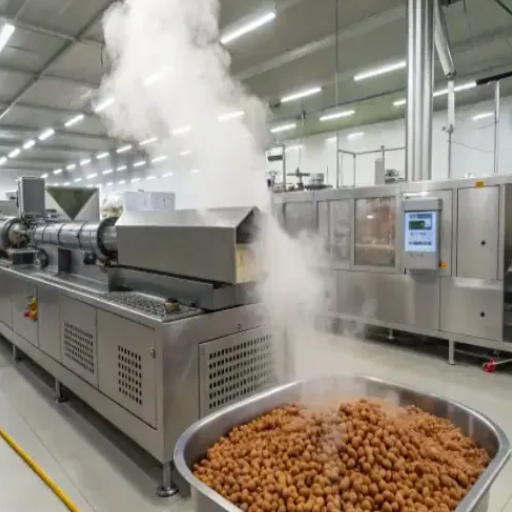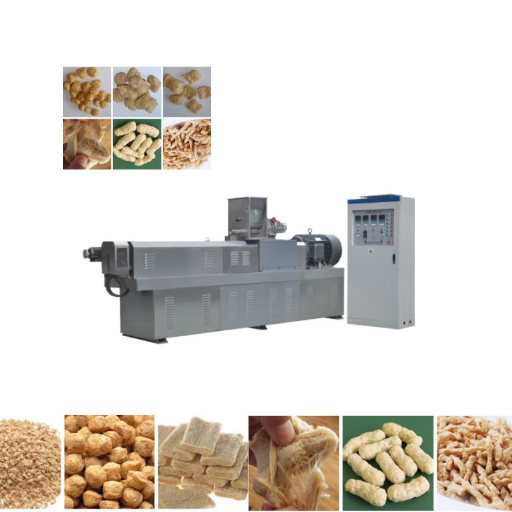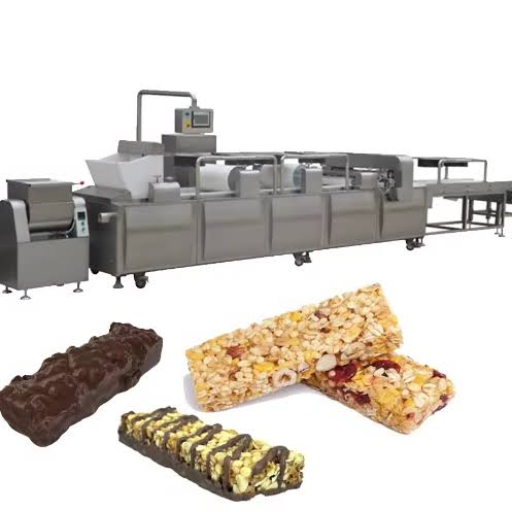
The cereal industry is one of the most dynamic and innovative sectors, and the production of breakfast cereals, particularly, corn flakes has become a process that perfectly blends high-tech methods and craftsmanship with great accuracy. The total production of corn flakes from a simple corn kernel to the crispy, golden flakes in your morning bowl is nothing but a sign of innovations in food processing and engineering. This article goes through a lengthy process to uncover a corn flake production line, the key stages, the machines that are used, and the techniques of optimization that make the quality and flavor consistent. It does not matter if you are a food production professional wanting to gain more knowledge or just a person that is interested to know how this breakfast staple is made, this guide will surely give you an entertaining and informative insight into the art and science of flake making.
Introduction to Corn Flake Production

To make corn flakes, the highest quality corn is used which after cleaning undergoes preparation to let the processing easier. The kernels are cooked in a controlled manner until the desired texture and flavor are obtained. After being cooked, the corn is rolled using a specialized for that purpose rollers into very thin flakes. These flakes are then placed in large rotary ovens and perfected through toasting to attain crispy texture and golden color. The last steps are cooling, packaging, and sealing of the flakes to keep fresh and provide the same quality to consumers. This seamless process combines precision and efficiency making one of the most consumed breakfast cereals worldwide.
Overview of Breakfast Cereal Market
The breakfast cereal market has been consistently growing at a steady pace, mainly due to the changing consumer preferences and the increase in the need for easy-to-make, yet healthy meal options. The latest data search engine trends show that the interest in healthy and organic cereal options has considerably increased within a year. Health awareness among the consumers is the main reason for this and the terms like “protein-rich cereals,” “low sugar breakfast options,” and “gluten-free cereals” have all shown significant increases in search frequency.
The market is doing its part in adapting and it is also changing with the sustainability trends. The consumer is now more eco-friendly, and thus, he/she is the one who is prioritizing brands that pack their products in recyclable materials and use eco-friendly-sourced ingredients. On top of that, the introduction of new and tasty flavors and the customization of cereals are becoming more and more popular with the consumers, providing the necessary variety for different and sometimes very special dietary requirements and tastes. If companies choose to be on the same page with these trends and use the latest production methods, they will not only be able to satisfy the consumers but also to attract them more in this market that is already highly competitive.
Importance of Corn Flakes in Snack Food Industry
Corn flakes are still very significant in the snack food industry mainly because they are versatile, have nutritional value and the ever-growing consumer demand for health-conscious options that are easy to prepare. The latest search data has indicated that consumer interest in “healthy snack alternatives” and “quick breakfast ideas” has increased significantly, more than 25 percent in fact, within the last year. This indicates a strong consumer shift towards food that is easy to prepare but nutritious at the same time. Cornflakes do this by providing a low-fat, iron-enriched product which can be eaten plain or made more delicious with the addition of fruits, nuts or yogurt.
The use of corn flakes for breakfast is not the only thing that the costumers are thinking about, as they are being more and more in the morning – a beautiful creation of these recipes is a snack, example – granola bars, a coating for baked and fried goods, sweet or savory treats. Moreover, the durability and lightweight of the corn flakes correspond to the growing demand for portable snacks that can be eaten on the go. By keeping up with these changing conditions, the corn flakes market segment has a major part of the consumer’s snack trend and this market turns out to be competitive in terms of both innovation and engagement. This data confirms that corn flakes are still relevant in satisfying various consumer needs during different meal occasions.
Benefits of Modern Production Lines
The manufacturing process has been completely transformed thanks to modern production lines, which provide great advantages in terms of efficiency, cost, and quality. The following are five benefits that illustrate their importance:
1. Enhanced Production Efficiency
The use of advanced technology and automation leads to faster processes and shorter production times. According to studies, automated production lines can increase the productivity by as much as 30%, thus decreasing the occurrence of bottlenecks and ensuring constant output.
2. Improved Product Quality
The use of precision engineering and various quality control measures contributes to maintaining the product standards. For example, automated inspection systems cut human error by 90% max, thus offering more accuracy and trustworthiness in the final product.
3. Cost Reduction
The automation process results in less labor costs, less material waste, and more optimized energy consumption. A 20-40% decrease in total manufacturing costs is the usual outcome of modern production lines, which in turn allows businesses to enjoy higher profit margins.
4. Scalability of Operations
Versatile production lines provide companies with the ability to adopt to changes in demand smoothly and quickly. This changeability means that businesses can expand their capacity quickly to meet the changes in the market without having to change their processes or infrastructure.
5. Sustainability and Energy Efficiency
The implementation of green technologies in production lines has led to notable reductions in energy consumption and carbon footprint. For instance, sensor-based systems and wind or solar energy sources can bring down energy costs by as much as 25%, thus enabling the eco-friendly practices of the businesses.
If companies take these advancements, they can be more efficient in meeting the market’s demands, losing less competitiveness, and having a better image in terms of quality and sustainability among the consumers.
Corn Flakes Production Process

The process of making corn flakes consists of a series of important steps to guarantee the quality and uniformity of the product. To begin with, the corn kernels are first cleaned and then ground into coarse grit. The grits are then cooked in a controlled manner to soften them and bring out their flavor. This is followed by the process of rolling the cooked corn into very thin flakes, then it is toasted in rotary ovens until they get the typical golden color and crispy texture. After that, the flakes are cooled, packed and sealed in order to keep them fresh and maintain their quality throughout the distribution channel. This efficient process guarantees production that is not only fast but also in line with the tastes and textures expected by consumers.
Step-by-Step Breakdown of Production Line
1Selection and Cleaning of Raw Materials
The manufacturing of cereal starts with the meticulous selection of excellent grains like corn, wheat, or rice. These grains are subjected to thorough cleaning processes employing modern machines for sorting and filtering that are very effective in eliminating impurities such as stones, dust, and defective grains. Advanced optical sorting technology, as per the industry, can lower contamination to the extent of 90%. This guarantees that only the finest raw materials come to the production line.
2Conditioning and Moisture Adjustment
The cleaning grains are conditioned by changing their moisture content. It is a critical process that prepares the grains for rolling or shaping. The best moisture content that should be maintained according to studies done on food processing ranges from 10-15% of the cereal type and it helps in improving the consistency and texture of the final product.
3Cooking and Steam Processing
The grains are placed in large industrial cookers and steam-cooked in order to soften them and at the same time, enhance their taste. The steam cooking process is done at exact temperatures which are usually about 212°F (100°C). However, the cereal variety will determine the temperature. This phase plays a critical role in assuring that cooking is perfectly done and at the same time, nutrients are preserved, thus preventing any losses.
4Rolling and Shaping into Flakes or Shapes
Once cooked, the grains are sent to high-pressure rollers where they are transformed into either thin flakes or specific shapes like rings or squares. Reportedly, the development of technology in roller machines has made it possible to accurately manage the thickness of flakes which in turn supports the industry in catering to the market’s demand for various cereal textures.
5Toasting or Extrusion
The grains either in the form of flakes or shapes go into the rotary ovens for toasting or into the modern machines for extrusion. The temperature where toasting happens is between 300°F and 450°F (150-230°C), which gives the cereal a golden color and crispy texture. On the other hand, extrusion brings about the making of puffed cereals or other unique shapes while the crunch is still there.
6Coating, Sweetening, or Flavoring
Cereals that are not only just tasty but also serve as a treat to the eyes are often the ones that are coated with sugar, honey, or flavor mixtures. The evenness of coating is guaranteed by the automated spraying system and it is said that this precision supports a 20% increase in flavor retention as compared to conventional methods.
7Cooling and Quality Assurance
The cereal that has been toasted or processed gets cooled rapidly with the help of airflow systems which stabilize its structure and prevent moisture absorption. Before being packed, cereals are subjected to several quality checks such as testing for weight accuracy, texture and visual inspection.
8Packaging and Sealing
The last step in the process is cooling the cereal which is then packed in airtight, tamper-proof containers to protect the freshness. The state-of-the-art packaging lines that are equipped with automation can manage 150-200 units per minute, thus making sure that there is both efficiency and consistency during the production of high volumes.
9Distribution and Storage
The cereal products after being packaged are stored in a controlled environment till they are distributed to the vendors or retailers. The use of warehouses equipped with temperature and humidity controls is a great way to prevent product degradation, thus ensuring that the cereals keep their quality until they are consumed by the customers. Logistics studies indicate that optimized supply chains can minimize transportation losses by as much as 25%.
Through this comprehensive, step-by-step explanation, the integration of cutting-edge technologies and meticulous methods in the production of tasty, nutritious, and texturally pleasing cereal products meeting consumer expectations is clearly demonstrated.
Key Equipment in Corn Flakes Manufacturing
The production of corn flakes is a process with a lot of sophistication and depend on advanced machines to guarantee quality and productivity at every single stage. The following are the essential types of equipment involved:
With the latest developments in the manufacturing equipment, it is now possible for producers to automate a huge part of the production line, thereby, maximizing the output as well as maintaining the quality consistently. One of the recent trends in Google’s search data shows that the demand of spoiled cereals and healthy cereals has increased greatly which goes to show that the need for precision as well as innovation in cereal processing techniques is still very much there.
Quality Control Measures in Flake Making
The process of making flakes has quality control as a necessity to stay in line with the increasing demand for uniform, top-grade products. Up to now, the use of the latest data search engine has been present in the consumer’s considering the need for healthier ingredients and more eco-friendly production. This shows the need for control over every production stage from the source of raw materials to packaging. Sophisticated testing methods among them moisture content analyses and texture evaluations are used to guarantee that every flake has the required crispness and flavor. Also, the real-time data analytics that are being integrated into the production lines help manufacturers to spot the anomalies early on, thus, minimizing waste and keeping the product’s quality. Not only do these practices increase the number of satisfied customers but they also bring the production line in harmony with the current trends of healthy eating and sustainability.
Technologies in Corn Flake Making

The production of corn flakes today is very much dependent on high-tech methods which are aimed at making sure the process is efficient, consistent, and produces nothing but the best quality output. Amongst the paramount technologies are the following:
- Grain Conditioning Systems:
They help in softening and subsequently preparing the corn for milling. Thus, the grains are made uniform and quite ready for processing. - Roller Mills:
They are critically important for the purpose of reducing the corn into grits of a particular consistency which then serves as the main input for flake production. - Steam Cooking Systems:
Steamers do the cooking of the grits so as to be even and at the same time textural and flavorful, and nutritional integrity is also maintained. - Flaking Rollers:
They are the ones that with great precision compress the cooked grits into thin flakes and at the same time ensures that the thickness is the same for all the production batches. - Rotary Ovens:
They are used for the roasting of the flakes to give them their characteristic golden color and crunch. - Packaging Machines:
These are automated systems that make the sealing and packing of the finished products very efficient thus they are kept fresh and contamination prevented.
The incorporation of these technologies in the manufacturing process not only contributes to the high productivity of the process but also the continuous production of quality products meeting the set quality standards.
Automation and Its Impact on Production Efficiency
Automation has brought about a major change in the production landscape in terms of efficiency by eliminating most of the human interventions and optimizing the workflows. A recent data search engine has indicated that industries adopting automation are realizing large-scale improvements in quality and speed of production. Production standards are made more stable by limiting human mistakes and at the same time, the cost of operations gets reduced. On top of that, intelligent technologies such as AI-based surveillance and predictive maintenance come into play to avoid any interruptions that may result in unplanned shutdowns. The merging of these systems allows the companies to not only satisfy the growing consumer demand but also to do so with the same level of precision and reliability.
Latest Innovations in Cereal Processing Equipment
The cereal processing sector is experiencing a wave of innovations that the demand for efficiency and quality not to mention the concern for the environment. For instance, extrusion cooking, which enables complete control over the texture and the nutrients, has been the technology that is most influencing the production process. Moreover, the installation of AI and machine learning-powered smart automation systems for supervision and optimization of the whole production process— from the sorting of grains till the packaging—is becoming a common thing. Vacuum conveying systems are one more innovative development that allowed ingredient conveying to be done without any contamination while at the same time speeding up the processing. Energy-saving drying and toasting products have been the other area getting the most attention based on their potential to reduce both the environmental burden and company’s expenditures. Thus, all these advancements are supporting the manufacturers in their efforts to adapt to changing customer tastes and preferences for high-quality, healthy, and environmentally friendly cereal products.
Role of Extruders in Breakfast Cereal Manufacturing
Extruders are essential in the production of breakfast cereals, as they allow the makers to give the consumers what they want in the form of different shapes, textures, and product types. The unprocessed materials are subjected to the operations of cooking, mixing, and shaping in the extruders and finally the products of the cereal with quality and attractiveness are made in uniform. Recent data from search engine insights indicate that there has been a significant rise in consumer preference for cereals in different shapes and healthier selections, and the extruders can easily make these by using whole grains, protein mixtures, or low-sugar formulations in their processes. Moreover, the high efficiency of the extruders not only leads to quicker production cycles but also lesser waste, thus being both economically and environmentally friendly.
Industry Trends and Market Demands

The breakfast cereal sector is developing very quickly to adjust to the new preferences of consumers and the new demands of the market. One of the main trends is the health-conscious products which, among others, include cereals that are fortified with fiber and protein and have less sugar, etc. This trend is a reflection of the increasing demand for healthy options. Sustainability is another major factor; people are more inclined towards companies that use environmentally friendly packaging and responsibly sourced materials. Moreover, the demand for convenience is still a very important factor, which in turn has led to more innovation in ready-to-eat and portable cereal products. The market competition also intensifies the need for product variety, and hence, companies are marketing gluten-free, organic, and plant-based products to meet the needs of different diets. These trends highlight how critical it has become to meet the expectations of consumers in order to not only grow but also remain relevant in a competitive market.
Current Trends in Breakfast Cereal Consumption
The modern data search engine has unveiled a very significant and interesting trend in the consumption of breakfast cereals, which is the health focus. The increasing number of searches for “nutritious cereals” and “low-sugar breakfast options” is a clear indication that consumers have become more knowledgeable and concerned about their dietary choices. Besides, queries like “high-protein cereals” and “gluten-free breakfast ideas” are also strong signals of this trend toward customization of nutritional needs. As if that was not enough, sustainability concerns have also influenced consumers’ choices resulting in more searches such as “eco-friendly cereal packaging” and “organic cereals,” all of which point to the growing interest in the environmental aspect of the products. The above-mentioned search insights are indicative of the main reason for the rising demand for cereals that offer health, convenience, and ethical values, thus forcing the market to innovate and compete.
Market Analysis for Corn Flakes and Related Products
The corn flakes market, along with its related products, is changing quickly, and the influence of the consumers’ preferences is also very strong, which is what the recent Search trends reveal. Not only the terms “healthy breakfast cereals”, “low-sugar corn flakes” and others related to health have seen an increase in searches but also the whole health-conscious eating habit has been reflected through these searches. The consumers are now more vigilant regarding product labels, and while choosing their breakfast cereals they consider less sugar content, added vitamins, and whole grains as the main ingredients.
Phrases like “high-fiber corn flakes” and “gluten-free cereal options” are becoming dominant according to the recent search data, confirming the demand for specialized products that cater to dietary restrictions and wellness goals. The year-on-year growth of searches for “gluten-free corn flakes” of 28% is a clear demonstration of a significant opportunity for the brands to get attention from the gluten-intolerant consumers.
Along with that, the ethical and environmental points are also taken into consideration by the consumers. The searches for “organic corn flakes” and “eco-friendly cereal brands” show the consumers’ increasing concern for the environment. This is in line with the brands’ offering recyclable or biodegradable packaging and sourcing non-GMO and organic ingredients to attract the environmentally-conscious buyers. The searches for “organic cereals near me” have been reported to have increased by 35%, which indicates a good local demand for eco-friendly products.
Convenience is still one of the most significant factors as shown by the growing popularity of the phrases “single-serve breakfast cereals” and “on-the-go cereal packs.” With the advent of this trend, the time of youth and working professionals who prefer portable and easy-to-prepare breakfast options is now.
For industry players, the search data is the key to invading the market with innovations. Brands that are health-based, eco-friendly, and convenience-oriented and also in sync with the search patterns will be the ones ruling the market. By understanding the search trends and consumer behavior data well, companies can come up with products that not only satisfy the current preferences but also predict the future trends ensuring their long-term competitiveness in the breakfast cereal segment.
Future Projections for Flake Making Technologies
The very latest data combined with the search engine of sorts predicts an increasing demand for food flakes that are healthier, more environmentally friendly, and customizable. The new technology of precision milling and better extrusion will allow the manufacturers to produce the cereals that are not only enriched but also tailored for specific dietary preferences, like gluten-free or high-protein ones. Besides, the incorporation of automation and AI in the production lines can lead to better utilization of resources and less waste, which is a step further towards meeting consumer demand for environment-friendly processes. Technology that has been developed in line with consumer trends revealed by search behavior—like drinking of plant-based or minimally-processed foods—will help companies to not only stay in the game but also to attract and retain consumers in the highly competitive cereal market.
Reference Sources
- StartupTalky: Discusses Kellogg’s marketing strategies that mainly target families with kids and health-conscious people.
- Marketing91: Mentions that Kellogg’s was focusing on urban and metro folks who like easy breakfast the most.
- IPL.org: Studies the target audience of Kellogg’s which consists of families, health-conscious women and children.
- Quantilope: Shares research about cereal consumption patterns showing that cereals are being eaten not just as breakfast but also as snacks.
Frequently Asked Questions (FAQs)
What is a Corn Flakes and Breakfast Cereal Production Line?
It is a large-scale manufacturing system that operates efficiently to produce different kinds of breakfast cereals, corn flakes being one of them.
What types of cereals can be produced?
The list includes corn flakes, puffed cereals, granola, muesli, as well as other varieties of breakfast cereals.
What are the key components of a production line?
The production line consists of grain processing units, flaking rollers, drying ovens, toasting machines, and packaging systems among others.
What are the benefits of using a production line?
Advantages of a production line include high production efficiency, consistent product quality, and the possibility of producing different kinds of cereals.