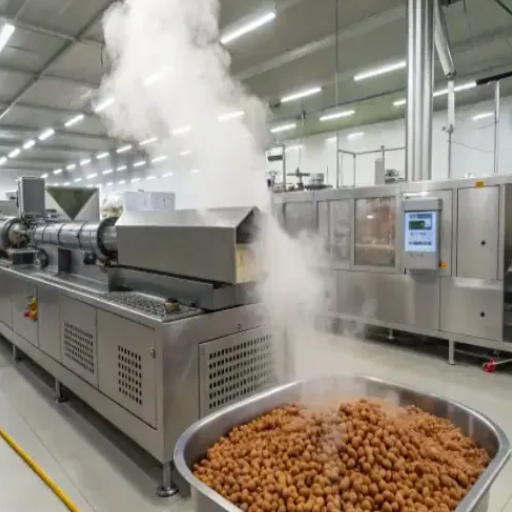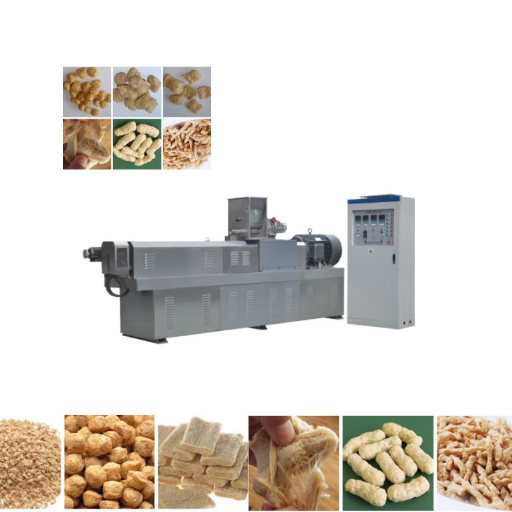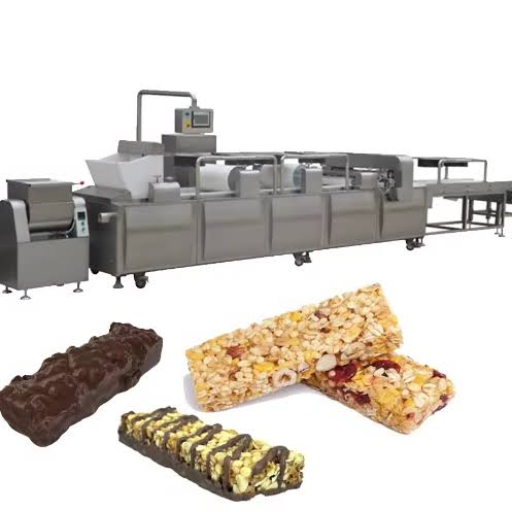
The optimal food production system for compact manufacturing facilities operates as a complete production solution which handles 50 to 500 kilograms per hour of output and fits your available space and workforce and business expansion needs. The right equipment enables your business to create profitable operations from your small facilitywhich requires only modest financial investment instead of industrial equipment costs.
The statement appears straightforward. Yet thousands of small factory owners spend months sifting through product catalogs, comparing specs they barely understand, and guessing at hidden costs that appear only after the machines arrive. The global small-scale food processing equipment market is projected to grow at 6.8% CAGR through 2030, driven by rising demand for specialty and ethnic snacks. More entrepreneurs than ever want to enter food manufacturing. Most of them lack the engineering background to evaluate machinery, and few suppliers explain how individual machines become a functioning production line.
This guide solves that problem. You will learn your required machinery, its space requirements, power needs, and essential certifications, and the process to increase your production from initial runs to continuous commercial operations without changing your main production equipment.
Key Takeaways
- Small factory food machinery covers equipment designed for 50–500 kg/hour output, optimized for limited floor space and small workforces.
- Turnkey integrated lines require 25–35% less floor space than collections of individually purchased machines.
- Modular architecture lets you scale capacity 2–3x without replacing your core extruder or forming unit.
- CE-certified equipment reduces customs clearance time by 30–50% for buyers in EU, Middle East, and Southeast Asian markets.
- Total cost of ownership over 10 years typically exceeds the initial purchase price by 2.5–3.5x, making energy efficiency and spare parts availability critical factors.
What Is Small Factory Food Machinery?
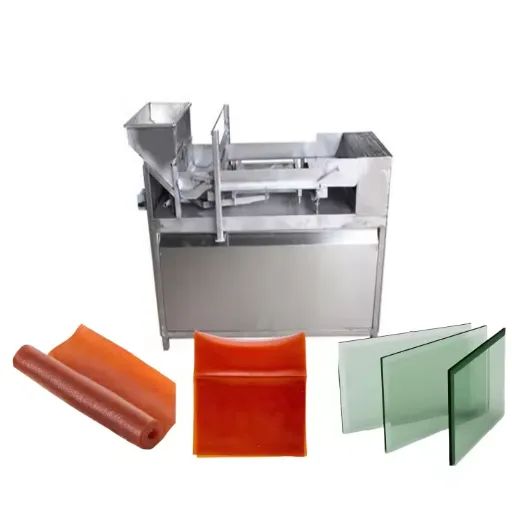
The factory machinery for food processing sector operates with equipment that processes food at production rates between 50 kilograms and 500 kilograms per hour. The systems require design which enables operation in restricted areas while utilizing a workforce of three to ten employees who operate multiple recipes that need adjustments according to market demand changes.
This category sits between artisanal kitchen equipment and industrial giants. Artisanal tools top out at 20–30 kg/hour and demand constant manual intervention. Industrial lines start at 1,000 kg/hour and require dedicated engineering staff, climate-controlled facilities, and capital budgets exceeding $500,000. The industry gap receives its solution through small factory equipment. The equipment produces identical results through its semi-automated and fully automated systems which operate in spaces between 100 and 200 square meters while needing only a small number of employees.
The market divides into three tiers. Manual and semi-automatic starter lines which cost between 25,000 and 50,000 serve product development and niche markets. The modular semi-automated lines which cost between 60,000 and 120,000 provide recipe changeover capabilities and upgradeable components. The compact fully automated lines which cost between 130,000 and 250,000 require minimal employee labor because they contain built-in quality control systems. You need to identify your current stage of development to determine which tier system best fits your needs because this process protects your budget from both insufficient spending and excessive spending.
Essential Machinery for a Small Food Factory
Every food production line, regardless of product, follows a similar material flow. Raw ingredients enter at one end, transform through multiple process stages, and exit as packaged goods. Here is what that looks like for a small factory.
Raw Material Handling
Mixers, feeders, and pre-conditioning units prepare your recipe before the main process begins. Small-batch mixers typically handle 50–200 kg per cycle. Pre-conditioners add moisture and heat to raw materials, a step that is essential for extrusion systems. Getting this stage right ensures consistent downstream output.
Extrusion or Forming Systems
The extruder is the heart of most snack and cereal lines. Single-screw extruders handle simple recipes with lower moisture content. Twin-screw extruders offer greater flexibility for complex formulations, including high-protein or gluten-free products. For pasta production, a vacuum extruder prevents air bubbles and creates dense, firm dough. Protein bars use forming and cutting stations instead of extruders. Choosing the right core machine determines your product range, capacity ceiling, and energy consumption.
Drying, Baking, or Frying Units
Hot-air dryers remove moisture after extrusion. Rotary ovens bake biscuits or bread. Continuous fryers process potato chips, Kurkure, and other fried snacks. Each unit must match the upstream output in kg/hour. A mismatched dryer becomes a bottleneck that wastes extruder capacity.
Seasoning and Coating
Oil sprayers, flavor drums, and powder coating systems apply seasonings after drying or frying. Small factories often overlook this stage and try to season by hand. Manual seasoning creates inconsistent flavor distribution and slows packaging. A compact flavoring drum integrated into the line solves both problems.
Cooling and Conveying
Cooling conveyors bring product temperature down to packaging-safe levels. Vibratory distribution systems spread product evenly. Bucket elevators move materials between stages. These components seem minor, but poor conveying design causes breakage, contamination, and uneven flow.
Packaging
Vertical form-fill-seal machines create bags from a roll of film. Pillow pack machines seal product in pre-formed pouches. Small-output lines need packaging equipment rated for 20–60 bags per minute. Oversized packaging machines run inefficiently at low speeds and create more waste.
How Much Space and Power Does a Small Production Line Need?
Amara opened her snack factory in Lagos because she believed her 300-square-meter warehouse would store all her purchased products. She made three different supplier purchases which included a mixer and an extruder and a dryer. The suppliers never inquired about her floor layout design. The dryer required 5 meters of space for heat exhaust which her wall construction blocked when the equipment arrived. She needed six weeks to move equipment which resulted in her paying 4200 INR for rental costs. A small factory operation interruption which lasts one day because of machine malfunction will result in 4200 INR equipment relocation costs. A small factory which experiences one day of production disruption because of machine system failure will incur losses between 1000 and 3000 dollars from production and sales disruptions.
A production line which operates between 100 and 300 kg per hour needs 80 to 150 square meters of space to accommodate its raw material storage and production equipment and packaging and finished goods staging areas. The power needs of simple lines start at 30 kW while complex multi-stage systems that include frying and refrigeration require 100 kW of power.
The design of a layout system operates according to its basic design rule. Raw materials enter through one entry point. The production process creates a direct or U-shaped flow path. The finished products move out through the other entry point. Each machine requires surrounding maintenance corridors which need to have at least 1 meter of space. The local regulations mandate that raw areas and cooked areas must establish hygiene zones to maintain cleanliness.
Single manufacturer turnkey production lines create space solutions which arise from using multiple individual machines. The engineers create the complete system which includes conveying transitions and electrical control integration and exhaust routing designs. Turnkey integrated lines require 25 to 35 percent less floor space than collections of individually purchased machines because their system design combines optimized conveying with shared control systems.
Manual vs. Semi-Automated vs. Fully Automated: Which Is Right for You?
Choosing the automation level is the most important decision a small factory owner makes. The wrong choice creates either chronic labor shortages or wasted capital.
| Factor | Manual / Semi-Automatic | Semi-Automated Modular | Compact Fully Automated |
|---|---|---|---|
| Budget | 25,000–25,000–50,000 | 60,000–60,000–120,000 | 130,000–130,000–250,000 |
| Output | 50–150 kg/hour | 100–400 kg/hour | 200–500 kg/hour |
| Labor | 6–10 operators | 4–6 operators | 2–4 operators |
| Flexibility | High | Very high | Moderate |
| Best for | Product testing, niche markets | Growing factories, multi-product | Established demand, export |
Startups that test new recipes or have limited financial resources should use manual and semi-automatic production lines. The system permits users to conduct direct testing while requiring only basic system setup work. The system produces variable results which raise employee expenses and restrict business growth.
Most small factories operate most efficiently with semi-automated modular production lines installed at their facilities. The system maintains product consistency through automated extrusion and drying and packaging processes while enabling users to switch between different recipes. Modular systems which designers create maintain product changeover times between 30 and 60 minutes. Automated small-scale production systems need 40 to 60 percent less workforce than manual production systems.
Established manufacturers who require continuous output need compact fully automated production systems. The system decreases workforce needs while increasing operational consistency and provides built-in quality assessment systems. The system’s initial investment recovers costs through decreased operational expenses and increased production capacity per work period.
Want to see how a modular line fits your product goals and floor plan? Explore our complete food production line solutions and share your specifications for a customized layout.
Small Factory Machinery by Product Type
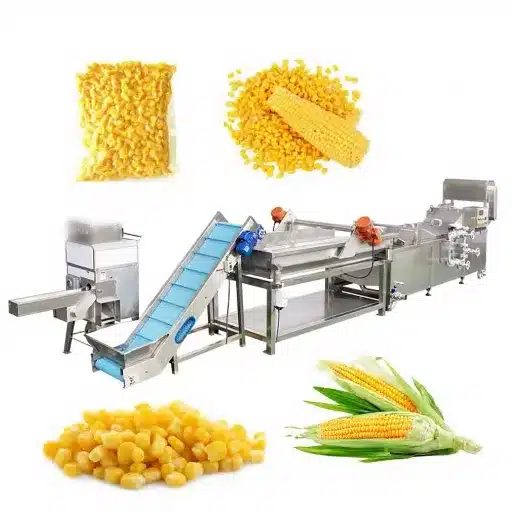
Different products demand different process flows. Here is how machinery selection breaks down for the most common small factory applications.
Corn Puff and Snack Extrusion (100–300 kg/hour)
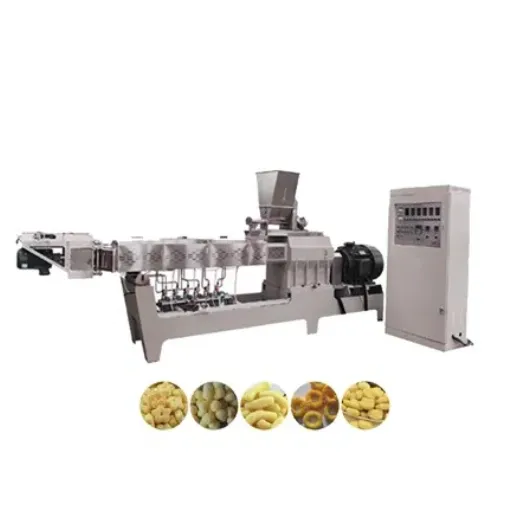
The typical flow runs mixer, extruder, dryer, flavoring, and packaging. The extruder L/D ratio (length to diameter) determines how thoroughly the dough cooks and expands. A higher L/D ratio produces finer cell structure and better texture. Die configuration shapes the final product, whether puffed balls, rings, or sticks. A corn puff snack production line designed for small factories integrates these stages into a continuous system.
Pasta and Macaroni (80–200 kg/hour)
Semolina mixing, vacuum extrusion, pre-drying, main drying, and cooling form the standard sequence. Die variety matters enormously in pasta. A line with quick-change die systems lets a small factory produce spaghetti, penne, macaroni, and specialty shapes on the same equipment. The drying curve, controlled by temperature and humidity across multiple zones, determines shelf stability and cooking quality. Our pasta production line for small factories includes vacuum extrusion and precision drying control.
Protein Bars and Nutrition Bars (50–150 kg/hour)
Mixing, forming, cutting, optional enrobing, cooling, and wrapping define this process. Forming precision determines bar weight consistency, which retail buyers inspect closely. Changeover speed matters because small factories often run multiple flavors in a single shift. A compact protein bar production line fits into existing bakeries or startup facilities with limited space.
Bread Crumbs (100–250 kg/hour)
Bread making, aging, grinding, sifting, drying, and packaging create the finished product. Grinding mesh flexibility produces fine, medium, or coarse crumbs from the same line. Drying uniformity prevents clumping and extends shelf life. Our bread crumb production line handles Panko-style and standard crumbs with adjustable grinding and drying parameters.
Fried Snacks (80–200 kg/hour)
Mixing, forming or sheeting, frying, seasoning, and packaging complete the flow. Oil turnover rate and temperature stability determine product color, crispness, and oil absorption. A poorly controlled fryer produces dark, greasy snacks that fail retail standards. Our fried snack production line maintains temperature within 2 degrees Celsius for consistent results.
Scaling Smart: How to Grow Without Replacing Everything
The Petrescu family established a five-person pasta factory in Romania which operates a semi-automated modular production line that has a processing capacity of 120 kilograms per hour. Their first production run supplied nearby supermarkets together with two small international sales agreements. Within 14 months, demand doubled. The company decided to expand their operations through installation of a second drying system together with improvements to their existing packaging system. Their extruder and vacuum press which used to process 200 kilograms per hour could handle larger capacity operations without any changes. The organization made an extra investment of 38000 dollars. The comparable all-new system will cost 38000 dollars as estimated. The comparable all-new system will cost 95000 dollars as estimated. They maintained more than 60 percent of their initial equipment investment.
Modular architecture demonstrates its entire capability through its complete system. The process begins with your first purchase because it will determine your future scaling requirements.
Step 1: Choose machinery with modular architecture. Ask your manufacturer whether each downstream component connects through standard interfaces. Can you add a second dryer later? Can you swap packaging machines without rewiring the control system?
Step 2: Size your extruder or core machine for 1.5–2x your initial target. If you need 150 kg/hour today, buy an extruder rated for 250–300 kg/hour. Running at partial load causes less wear than running at maximum capacity. When demand grows, you add conveyors, dryers, or packaging rather than replacing the heart of your line.
Step 3: Add downstream components as demand grows. Modular lines allow capacity increases of 2–3x without replacing the core extruder or forming unit. A second dryer, faster packaging, or additional cooling conveyors extend your output while the core process remains unchanged.
Step 4: Upgrade control systems without replacing mechanical systems. Modern lines use PLC and HMI control panels. Upgrading from a basic panel to a touchscreen system with recipe memory and remote diagnostics often requires only software and wiring changes, not new motors or gearboxes.
Modern compact extrusion systems consume 0.12–0.18 kWh per kg of product, compared to 0.25+ kWh for outdated or mismatched equipment. Over thousands of production hours, that difference determines whether your expansion is profitable or merely larger.
Planning your small factory layout? Our engineers design turnkey production lines starting at 100 kg/hour. Share your product goals and floor plan for a customized recommendation.
Certifications and Compliance for Small Factory Equipment
Small factory buyers must navigate through complex rules when they attempt to import equipment from foreign countries. Mistakes in this process lead to shipment delays that extend for several weeks while also creating additional expenses.
The CE certification requires testing of electrical safety and mechanical safety and food-contact material compliance which applies to European markets. Buyers in EU, Middle East, and Southeast Asian markets report that CE-certified equipment reduces customs clearance time by 30 to 50 percent while it also eliminates the need for expensive re-certification. A CE mark on your line means inspectors in destination countries recognize that the equipment meets internationally accepted safety standards.
U. S. market entry requires companies to consider FDA requirements. Food-contact surfaces must use 304 or 316 stainless steel. Electrical components should carry UL or equivalent certification where local codes require it.
Turnkey manufacturers who deliver complete lines handle documentation as part of the package. The team offers documentation which includes electrical diagrams and material certificates and compliance declarations in your preferred language. Buying individual machines from different suppliers forces you to compile this documentation yourself, a task that small factory owners rarely have time to complete.
Budget Planning: What Should a Small Factory Expect to Invest?
The budget categories for small factory food machinery equipment divide into three distinct financial sections.
The price range for starter semi-automatic lines extends between 25,000 and 50,000. These systems support product testing and pilot production and niche markets which operate with limited daily output.
The mid-range modular automated lines require a financial investment of 60,000 to 120,000. The system provides consistent product quality while allowing businesses to manufacture multiple products and upgrade their system. This price range includes most established small factories which operate in this industry.
The compact fully automated production lines operate between 130,000 and 250,000. The system operates with minimal labor needs while delivering maximum production output through its built-in quality assurance system. This production level serves businesses which need to meet export market standards or fulfill major retail distribution contracts.
Equipment prices experience a 15 to 30 percent increase because of hidden expenses. The cost to ship an overseas containerized line ranges between 3000 and 8000 dollars. The total installation expenses range between 2000 and 5000 dollars when you choose to employ local technicians. The total project expenses include operator training, spare parts inventory, and electrical infrastructure upgrades.
The total ownership expenses of an asset will exceed its initial purchase cost by 2.5 to 3.5 times during a 10-year period. The extended period of time requires energy costs and maintenance expenses and spare part costs and labor costs to constitute the primary expenses. A production line with 20% higher initial costs but 30% lower energy consumption per kilogram will achieve a financial breakeven point within three years.
Choosing a Manufacturer: What Small Factories Should Verify
Not every machinery supplier understands the realities of small factory operations. Before you sign a contract, verify these six points.
Can they deliver a complete turnkey line? Some suppliers sell only individual machines and leave integration to you. A true turnkey manufacturer designs, builds, and tests the entire line before shipment.
Do they provide installation supervision and operator training? A line that sits unused for weeks because nobody knows how to start it loses money every day. On-site supervision and hands-on training accelerate your path to first production.
Is technical documentation available in your language? Manuals, electrical diagrams, and spare parts lists in English, Spanish, French, Arabic, or Russian prevent costly misunderstandings during maintenance.
What is the spare parts availability and shipping timeline? Small factories cannot afford weeks of downtime waiting for a replacement screw element or gearbox seal. Confirm that critical spare parts ship within 48–72 hours.
Can they share references from factories of similar size in your region? Talking to an owner who operates the same line in a comparable market reveals insights no brochure provides.
Do they offer recipe development support? Small factories rarely have dedicated R&D departments. Manufacturer-led recipe trials and product testing accelerate time-to-market by months.
With over 10 years of food machinery expertise and installations in more than 50 countries, Shandong Loyal Industrial designs snack food machinery and complete production lines for small factories worldwide.
Conclusion
Supplier price lists show that the right small factory food machinery costs more than the most affordable option. The solution enables you to operate according to your existing floor space and workforce capacity and budget limits and future development objectives. The modular production line system developed by experienced manufacturers provides both investment protection and business expansion capabilities.
David Chen started his protein bar business in a 100-square-meter space which he converted from a bakery in Kuala Lumpur. He had no engineering team, no quality control lab, and no experience with extrusion or forming equipment. He partnered with a turnkey manufacturer to set up a compact forming and cutting line which matched his current operational requirements. The manufacturer supported recipe development while testing three different formulations from their facility and sending a technician for one week of onsite instruction. David’s first commercial batch shipped four months after his initial inquiry. He operates two work shifts while exporting products to Singapore.
Your factory could be next.
Ready to launch or scale your small food factory? Partner with Shandong Loyal Industrial for CE-certified turnkey machinery, installation supervision, and ongoing technical support tailored to your production goals. Contact us today and tell us what you want to produce. We will design the line that gets you there.