
Transform your morning routine with the right breakfast cereal choice! This comprehensive guide explores the world of breakfast cereals, focusing on nutritious options that satisfy both health-conscious consumers and taste enthusiasts. From traditional favorites to modern innovations, discover what makes certain cereals both delicious and beneficial for your daily nutrition.
Introduction to Breakfast Cereals
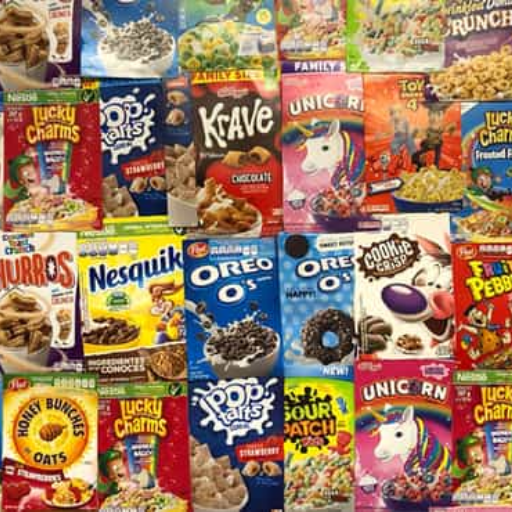
Breakfast cereals have become one of the most popular ways to start the day, offering unmatched convenience and versatility. Made from grains like oats, wheat, corn, or rice, these cereals are often fortified with essential vitamins and minerals, providing a quick pathway to crucial nutrients.
What Makes a Great Breakfast Cereal?
- Whole grain base – Provides sustained energy and fiber
- Low added sugars – Prevents energy crashes
- Fortified nutrients – Delivers essential vitamins and minerals
- High fiber content – Supports digestive health
The Evolution of Breakfast Cereals
Breakfast cereals trace their origins to the late 19th century when visionaries like Dr. John Harvey Kellogg and C.W. Post created them as health foods. Initially designed to aid digestion, these early cereals were mostly unsweetened and simple.
Key Historical Milestones
- 1860s-1890s: First health-focused cereals developed
- Mid-20th Century: Peak popularity as convenience became essential
- Modern Era: Focus on flavor variety and nutritional enhancement
- Today: Balance between taste, health, and convenience
Complete Breakdown of Cereal Categories
| Category | Market Share | Target Audience | Growth Rate | Key Benefits |
|---|---|---|---|---|
| Traditional Cereals | 30% | Older generation, families | Stable | Simple, versatile, affordable |
| Healthy/High-Fiber | Growing | Millennials, Gen Z | 5.9% annually | Digestive health, natural ingredients |
| Protein-Fortified | Emerging | Fitness enthusiasts | 7.8% CAGR | Muscle recovery, active lifestyle |
| Gluten-Free | $1.5B by 2027 | Health-conscious, medical needs | 9.6% CAGR | Dietary compliance, health benefits |
| Organic/Natural | 10% of market | Clean eating advocates | Steady growth | No synthetic additives, sustainable |
Popular Cereal Types in Detail
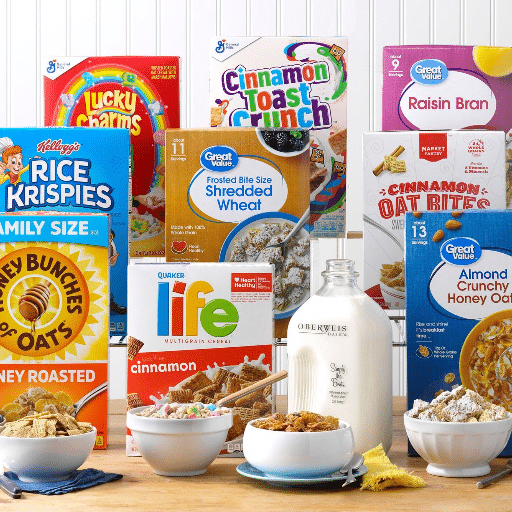
Hot Cereals
Market Value: $4 billion in 2022
Hot cereals, including oatmeal, cream of wheat, and grits, remain household staples. Oatmeal varieties have gained worldwide credibility for their high fiber content and heart health benefits.
- Excellent source of soluble fiber
- Supports cardiovascular health
- Customizable with toppings
- Sustained energy release
Cold Cereals
Market Share: Over 80% in 2023
Dominating the market with classics like Cheerios, Corn Flakes, and Special K. The convenience factor places cold cereals at the top of consumer preferences.
- No preparation time required
- Wide variety of flavors and textures
- Often fortified with vitamins
- Appeals to all age groups
Granola and Muesli
Projected Market: $16.7 billion worldwide by 2026
Popular among health-conscious consumers, these cereals are rich in oats, nuts, seeds, and dried fruits with minimal added sugars.
- High in healthy fats from nuts and seeds
- Natural sweetness from dried fruits
- Excellent source of protein and fiber
- Versatile – can be eaten with milk, yogurt, or as snacks
Spotlight: Popular Brand Analysis

Cheerios: The Heart-Healthy Champion
Why Cheerios Remains a Top Choice:
- Made primarily from whole-grain oats
- Low sugar content
- American Heart Association endorsed
- Rich in iron and essential B vitamins
- Suitable for all ages
Frosted Flakes: Balancing Taste and Nostalgia
Consumer Appeal Factors:
- Strong nostalgic connection
- Consistent search interest on Google
- Versatile usage (breakfast, baking, snacking)
- Iconic branding and marketing
Note: High in added sugars – consume in moderation
Nutritional Considerations and Health Benefits
Understanding Whole Grains
| Benefit | Description | Recommended Daily Amount | Impact |
|---|---|---|---|
| Improved Digestion | High dietary fiber content | 3-5g per serving | Better bowel regularity |
| Chronic Disease Prevention | Reduces heart disease risk | 48g whole grains daily | Up to 25% risk reduction |
| Weight Management | Increased satiety | Varies by individual | Better appetite control |
| Nutrient Density | B vitamins, magnesium, iron | 15% DV magnesium/cup | Enhanced overall nutrition |
Managing Added Sugars
Sugar Guidelines for Healthy Cereal Selection
- Ideal target: 5 grams or less per serving
- Daily limits: 25g (women), 36g (men)
- Health risks: Obesity, Type 2 diabetes, tooth decay
- Natural alternatives: Add fresh fruits for sweetness
Smart Shopping Guide: Reading Labels
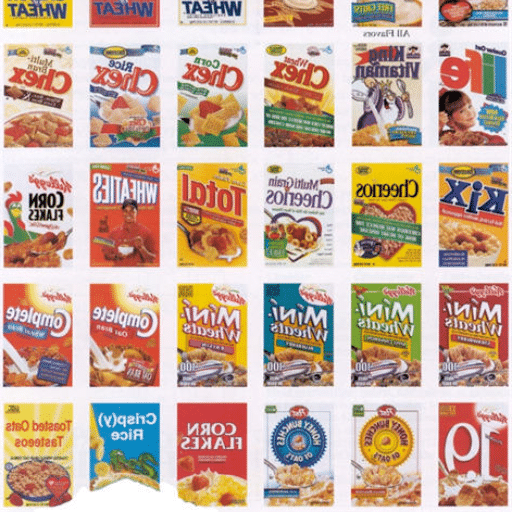
Essential Label Elements to Check
- Serving Size: Base for all nutritional calculations
- Calories: Aim for 150-200 per serving
- Fiber: Look for minimum 3g per serving
- Protein: Higher protein supports satiety
- Added Sugars: Keep under 5g when possible
- Whole Grains: Should be the first ingredient
Daily Value Percentage Guide
| %DV Range | Nutrient Level | Recommendation |
|---|---|---|
| Less than 5% | Low | Look for higher amounts of beneficial nutrients |
| 5-19% | Moderate | Acceptable levels for most nutrients |
| 20% or more | High | Excellent for vitamins/minerals, avoid for sodium/sugar |
Kid-Friendly Selection Tips
Making Healthy Choices Fun for Children
- Prioritize Nutrition: Look for cereals with 10% DV calcium and 15% DV vitamin D
- Sugar Awareness: Avoid cereals with more than 5% added sugars
- Whole Grain Focus: Minimum 3g fiber per serving
- Sodium Control: Keep below 140mg per serving
- Appeal Factor: Choose colorful, fun packaging while maintaining nutritional standards
Market Trends and Future Outlook
Industry Growth Projections
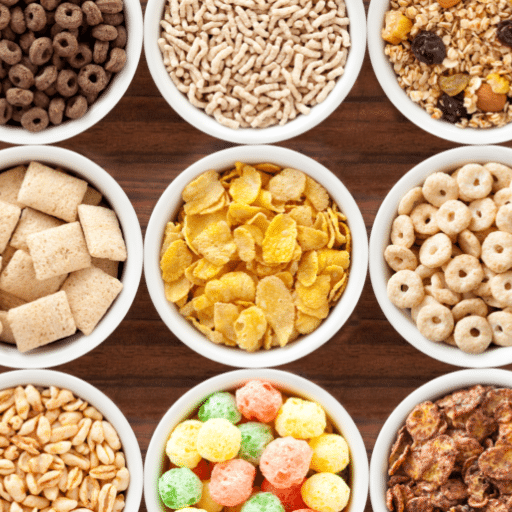
- Global market growth: 3.7% annually (2023-2028)
- Healthy snack market: Approaching $98 billion by 2030
- High-protein cereals: Double-digit growth expected
- Gluten-free segment: $12.5 billion by 2028
References
-
Wikipedia – List of Breakfast Cereals: A comprehensive list of breakfast cereals, including their brands and history.
-
Nestlé Cereals – Types of Cereals and Their Benefits: A detailed comparison of different types of breakfast cereals, such as high-fiber, low-sugar, whole grain, fortified, vegan, and gluten-free options.
-
The Daily Meal – The Ultimate Ranking of 16 Popular Cereals in the US: An analysis and ranking of popular cereals based on taste, ingredients, and quality.
Frequently Asked Questions (FAQ)
What are the different types of breakfast cereals?
Cereal choices are quite numerous: flaked cereals like Rice Krispies or Frosted Flakes, puffed cereals like Cheerios, and whole grain cereals like Raisin Bran and Shredded Wheat. Other popular varieties include granola, which is often made by combining oats with nuts and dried fruits, as well as crunchies that include extra flavoring for better taste-Thinking of Special K or Cinnamon Toast Crunch.
What is a healthy cereal to take for breakfast?
To choose a healthy breakfast cereal, try to select one that is high in whole grains but low in added sugars. Cereals such as shredded wheat, Raisin Bran, and granola could be options. Read the nutritional label for grams of protein and fiber, especially those with low corn syrup levels and free from artificial flavors.
How much of the breakfast cereals should I be eating?
Serving sizes for breakfast cereals may vary by brand and by type but mostly range between 30 g and 60 g. Always look for serving size recommendations on packaging, especially regarding your favorite breakfast cereals like Kellogg’s Frosted Flakes or Rice Chex, as those almost always differ.
Are there breakfast cereals that help with cholesterol?
Yes, in fact, there are breakfast cereals that help reduce cholesterol, especially the ones with high soluble fiber content like oatmeal or whole grain cereals, such as Shredded Wheat and Raisin Bran. By making these cereals part of your diet, you tend to improve your heart health.
What distinguishes cold cereals from hot cereals?
Cold cereals tend to be ready-made to eat; they come in form of flakes and puffs, like Cheerios and Rice Krispies. Hot cereals like oatmeal and Malt-O-Meal, on the other hand, need cooking and are generally eaten warm. Nutritional worth can be attached to both, but their likes and textures may be different.
What are some of the famous breakfast cereals?
The most popular brands in breakfast cereals are Kellogg’s, General Mills, and Quaker. Manufacturer-level iconic cereals include Frosted Flakes, Cinnamon Toast Crunch, and Cheerios, each having distinctive flavors and textures.
Are breakfast cereals nutritious enough to complement a balanced diet?
Yes, breakfast cereals can be nutricious as part of a balanced diet when selected appropriately. Prefer whole grain-based cereals with little or no added sugar, along with some healthy toppings, such as fresh berries, nuts, or yogurt, to further power up its nutritional profile for an ideal breakfast.
What should I look for on my cereal label?
When examining cereal labels, search for whole grains as the first constituent, low added sugars, and reasonable fiber and protein counts. Ignore cereals way too high in corn syrup or artificial flavoring. Special K and Raisin Bran, among other brands, tend to be a better choice nutritionally.