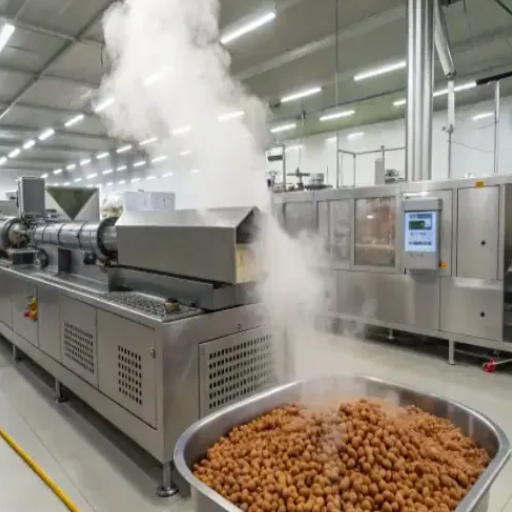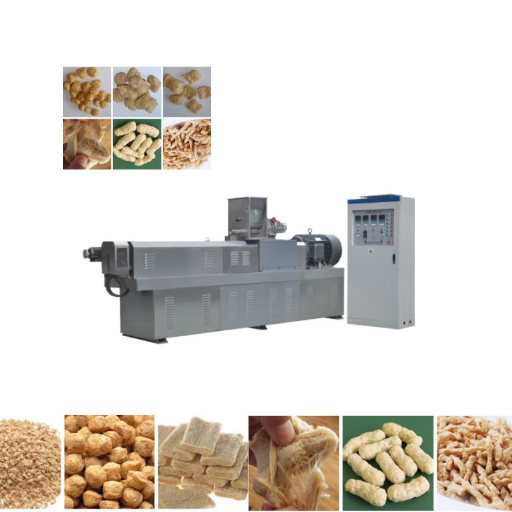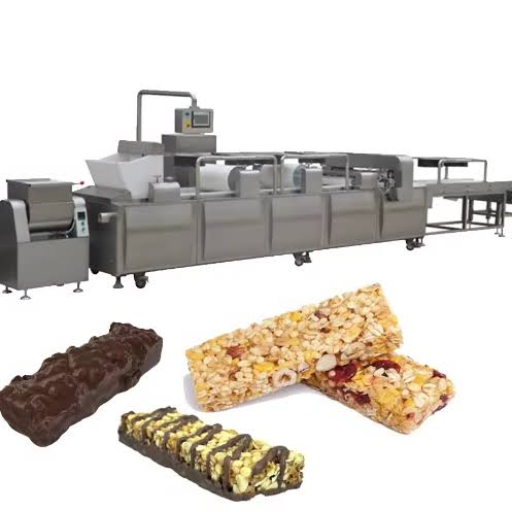
The installation for a turnkey food production line considers the full picture in its quest to allow for efficiencies, transit compliance, and scalability. Key parameters involve mainly: sizing and qualification of the production, equipment, layout, and flow of its working; observance of safety regimes; and further enlargement. Contacting suppliers and manufacturers with a successful track record can earn a direct integration benefit in all aspects of the system.
Understanding Turnkey Food Production Systems

The food production industry is undergoing a period of transition, compelling businesses to adapt to emerging technologies and shifting consumer demands. With the advent of turnkey food production systems, fully integrated solutions for managing operations have emerged to tip the balance towards efficiency and compliance. This blog will explore the deeper meaning of turnkey food production systems, their operational mechanics, benefits, and key considerations for installing such a system. For food manufacturers who realize that scaling operations is on their horizon, or for newcomers seeking a clear path towards market entry, knowledge of these systems can make the path to production and long-term growth very clear. Join us as we delve into the fundamentals of turnkey food production systems and explore how they can transform your business.
Definition of Turnkey Food Production Systems
A turnkey food production system is a comprehensive, ready-to-run solution offered by specialized companies or suppliers that caters to the entire food manufacturing process. Such systems may design, supply, and install equipment and are integrated production workflows so that businesses may commence filling order right away, with minimum hassle being their concern. The plants are usually specialized either for their product type or specific product, the turnkey system can provide the latest technology, automation, quality assurance control procedures, stand-alone structure, and capacity to expand. Essentially, a turnkey solution offers a complete, working system under a single contract. This way, it avoids the complexity of dealing with various vendors and makes efficiency-run smoother.
Overview of the Turnkey Food Production Process
Powdered cheese production has been a key attraction for turnkey solutions in food production processes, promoting methods that enhance production efficiency. The process begins with a stout feasibility study in which food production consultants assess a food production facility’s requirements: type of product, legal compliances, and production volume. The next phase would invoke the design and consultation to finalize equipment layouts, line configurations, and workflow optimization. Designs are typically not focused on backward-looking technical aspects; instead, they implement advanced technologies such as automated machines, food safety measures, and energy-efficient solutions to maximize output while meeting set standards of quality.
After the planning, procurement is followed by installation and commissioning of selected machinery. Packaging, processing, and quality control systems integration in industrial turnkey solutions are designed to ensure that all components work in harmony, forming a seamless production line. They are usually intended integrating Industry 4.0 technologies into turnkey solutions for real-time monitoring and predictive maintenance to reduce system downtime and minimize operational risks. According to recent industry reports, implementation of automation in food processing can increase production efficiency by up to 30% while simultaneously decreasing waste by 15%.
Key Performance Improvements
The final activities culminate in training operators and maintaining the system, while also offering technical support after installation. These systems are expandable, allowing the business to increase production capability smoothly upon request. Utilizing a range of state-of-the-art technologies and adhering to strict food safety guidelines, our turnkey food production processes ensure operational excellence, providing a competitive edge in the market.
Importance of End-to-End Food Manufacturing
The role of end-to-end food manufacturing is crucial in ensuring efficiency, quality, and safety throughout the entire production process. Controlling the production process as a whole, from sourcing materials to packaging, reduces risk and enables greater traceability. This way, manufacturers can make decisions on the factory floor in real-time to address potential issues, thereby ensuring the food safety standards enforced upon them. The other side of the coin is that the end-to-end solution optimizes costs by streamlining workflows and reducing waste. As customers demand transparency and environmentally friendly products, businesses can garner trust and loyalty by staying ahead of end-to-end production trends. The comprehensive approach additionally maintains operational excellence and provides companies with a platform to lead innovation and quality assurance.
Benefits of Implementing Turnkey Food Production Systems

🔄 Streamlined Operations
Turnkey food production systems assimilate meaningfully every manufacturing step, reducing bottlenecks and embedding a smooth working mechanism.
💰 Cost Efficiency
Careful avoidance of waste in resources and time leads to operational cost reduction, thanks to an efficient turnkey system.
✅ Consistency in Quality
These systems promote the standardization of processes so that product quality and industry compliance remain pure and consistent.
⚡ Accelerated Time-to-Market
Pre-designed production system setups enable businesses to reduce their setup time and introduce their products to the market more quickly.
📈 Scalability and Flexibility
Turnkey systems are designed to be adaptable to market demands, providing companies with opportunities to scale their operations or launch new products.
Increased Efficiency and Scalability in Food Production
Turnkey solutions are, by the way, of paramount importance to ensure efficiency and scalability in food production. These systems must utilize advanced automation technologies in conjunction with simplified workflows, enabling companies to meet growing consumer demand while minimizing waste and reducing resource consumption. For example, an automated machine can perform the most mundane tasks, with high precision that would have been impossible to achieve with human error, resulting in a more consistent productive output. Turnkey systems are built modularly, allowing for easy scalability, so a manufacturing company can add production lines without having to reconstruct its existing infrastructure. Such flexibility enables a business to stay current with a rapidly changing market and meet both current and future needs.
Cost-Effectiveness of Turnkey Food Production Systems
Turnkey food production systems can analyze their cost-benefit levels by automating operations with minimal internal inefficiencies. These systems employ the highest level of automation, thus keeping laborious expenses low. In fact, turnkey systems lose very little production time and incur slowest downtime, if any, on account of pretested and proven design of the equipment against a custom-built system. From enhancing plant productivity to maintaining consistent output quality, the system offers long-term benefits for manufacturers scaling up production.
Sustainable Food Production Practices through Automation
Automation, by addressing critical environmental and operational challenges, has become an enabler toward sustainable food production. Given that advanced automated systems portion, package, and process matter with extreme precision, waste grown to be a thing of the past, thereby ensuring efficient use of resources. Automation also allows engrafting of the smart farming culture that promotes real-time monitoring of crop health, water usage, and soil conditions using sensors and data analytics. These measures help reduce the ecological footprint of farming by conserving natural resources without sacrificing high levels of productivity. Thus, automation in food production will help maintain the sustainability-profitability balance, thereby rejuvenating an eco-friendly food supply chain.
Types of Turnkey Food Production Systems

Turnkey food production systems rank into several types based upon the specific application and functionality. Some common types are automated processing lines for bakery products, beverage production systems, dairy processing units, meat, and poultry processing lines, and packaged ready-to-eat meal systems. These systems are designed to ensure streamlined production, achieving the highest level of efficiency, uniformity, and compliance with food safety standards. Each system is adapted to the weighing environment of the food product being processed.
Overview of Different Food Production Lines
The production food lines are different for each product type being manufactured. Beverage production lines, for example, will typically comprise mixing, pasteurization, and bottling, whereas bakery lines will primarily focus on dough preparation, baking, and packaging. Dairy production lines will mainly concentrate on pasteurization, homogenization, and cooling to ensure a high level of freshness and safety. In general, each type of production line is designed to suit the specific needs of the product, to assure efficiency, quality, and conformity with industry regulations.
Specialized Machinery for Food and Beverage Production
The specialized machinery is of extreme importance in making the processes in food and beverage production efficient, accurate, and of high quality. Machines like mixers, homogenizers, and pasteurizers are built for the specific needs of particular product types. For instance, in the beverage line, vacuum fillers and carbonators provide accuracy and protect products such as sodas and juices. Likewise, baking lines consist of advanced ovens, dough sheeters, and proofing cabinets to ensure consistent baking. In the production process, the adoption of automated technologies starting with robotic packaging and monitoring the processes through the use of AI has brought further optimization of reductions in waste and compliance with even the strictest safety standards. These machines are hence necessary to meet rising demand with all standards maintained.
Automation Solutions in Turnkey Manufacturing
In turnkey manufacturing, a range of automation solutions are imparted to streamline the product from conception through realization with efficiency and scalability. Advanced technologies, including robotics, the Internet of Things (IoT), and Artificial Intelligence (AI)-based systems, are being utilized to automate critical operations such as assembly, quality control, and supply chain management. With these systems, there is real-time monitoring, predictive maintenance, and customizations that respect the unique manufacturing needs. Such premium solutions go a long way to cutting down delays, reducing errors, and enabling a market-responsive attitude to fluctuating demands. Putting these in perspective, it assures that goods are produced without interruption, thereby creating more room for innovation and competition in the very dynamic industrial trend environment.
Choosing the Right Turnkey Food Production Systems
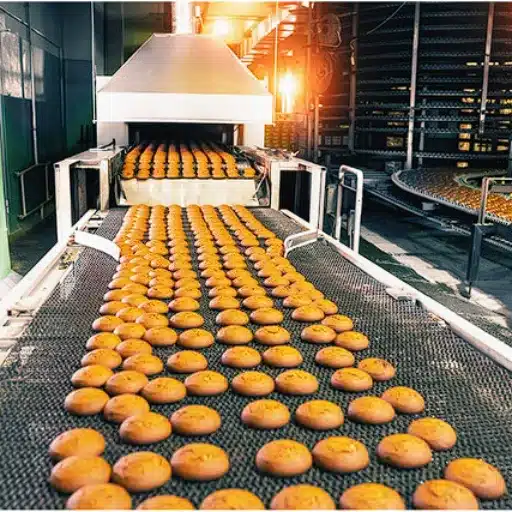
When selecting the right turnkey food production systems, consider factors such as your production capacity, food safety regulations, customization flexibility, and integration with existing operations. Reliability considerations of suppliers, including systems, after-sales support, and scalability for future growth, should also be evaluated. Measuring all these factors will ensure that the system meets your operational needs, improves efficiency, and maintains quality standards.
Factors to Consider When Selecting Turnkey Food Production Systems
- Production Capacity – The system must be able to support your current volume and its expansion in sales.
- Customization Option – Look for systems with the potential for customization in unique product specifications or processes.
- Regulatory Compliance – Confirms whether the system complies with all relevant food safety and manufacturing standards, ensuring conformity and maintaining product quality.
- Ease of Integration – Equip yourself with a system that can integrate smoothly into existing equipment and workflows without disruption.
- Service and Support – Verify the supplier’s after-sales service for reliability, including maintenance, training, and technical support, to minimize downtime.
Evaluating Automation Solutions for Different Production Needs
When evaluating automation solutions for food production, consideration must be given to the individual requirements of each production line. For example, high-speed lines, such as those used in beverage bottling, require accuracy and reliability to keep up with output, whereas bakery lines may favor flexibility to accommodate different shapes and sizes of products. Moreover, solutions for perishable goods, such as dairy or fresh produce, would have to focus significantly on temperature controls and real-time monitoring to ensure compliance with quality and safety standards.
Automation must also be developed with scalability in mind, enabling facilities to expand their operations smoothly as demand increases. Robotics, artificial intelligence, and IoT-driven systems are increasingly used to maximize efficiency, minimize waste, and optimize traceability in supply chains. Food producers, considering these parameters together with their respective budgetary and strategic outlooks, would be best positioned to acquire automation solutions that best fit their offerings and market needs.
Assessing Scalability Options in Food Manufacturing
Scalability in the food manufacturing industry is a matter of planning and ensuring a flexible design of processes and equipment. A modular plant, where production lines can grow or adapt to meet rising demand, is one of the key considerations, alongside state-of-the-art automation technologies that can meet capacity constraints while maintaining quality. Another aspect is to look into supply chain partnerships to check for availability of raw materials and routing logistics. Investing in scalable software systems for tracking and forecasting will effectively serve this end. Prioritizing these areas will enable food manufacturers to grow sustainably in response to changing market demands.
Phases of Implementing Turnkey Food Production Lines

Initial Assessment and Feasibility
The first phase will review production needs, budget and product for the food manufacturing process. The detailed feasibility study must be undertaken to recognize the potential hiccups, technical requirements, and also the big scale of operations required.
Designing and Customization
Once the assessment is done, the next phase will design the production line layout and pertinent equipment. Custom-made solutions are the only way to ensure that a turnkey solution meets specific production objectives and standards.
Procurement and Installation
Sourcing machinery, tools, and software systems constitute phase three. Installation form the component in which experts install the systems, ensuring that every element of the production line becomes smoothly integrated.
Testing and Validation
After the installation, the line is tested for performance, utilization, and hence, on its quality standards. Making necessary adjustment helps to maintain smooth operations.
Training and Handover
Staff training is conducted extensively, with emphasis on the use of the equipment and processes. Once the team confirms that everything is in order, the production line is finally handed over for actual operations.
Post-Implementation Support & Optimization
Support after implementation helps in resolving incidences and further improving performance. Periodic maintenance, software upgrades, and process audits will guarantee long-term success.
Initial Assessment and Planning
In the initial assessment and planning, a smooth transition is created to a turnkey food production system. An understanding of the specific production goals and requirements of the operation begins. Further considerations with key areas could be the type of product, the production capacity, budget, and facility space. The feasibility study examines potential issues and solutions, ensuring that company objectives are not compromised.
Following this, the plan is detailed for the equipment required, time frame, and resource allocation. The stakeholders could include engineers or suppliers, for collaboration purposes, in an effort to make decisions easier and minimize risk. Therefore, implementation is efficiently set up and operational work goes on into continued success.
Designing the Food Production Process
Food production process design is the integration of innovation, efficiency, and compliance with safety standards. The priority is to name the particular requirements for a given product. These might include its ingredients, taste profile, texture, or shelf life. Such information would determine the nature of the equipment and methodology to be deployed in its production. Automation and novel technologies would increase consistency and decrease human error; in this way, the production outputs become ultimately reliable.
Process flow diagrams are then created to track every step of the manufacturing process, from raw materials handling through to packaging. The diagrams are essential for detecting inefficiencies in the process and optimizing workflow. Compliance with food safety regulations is also paramount; for example, employing HACCP (Hazard Analysis and Critical Control Points) protocols guarantees that the product meets quality and safety criteria. By spending ample time planning and leveraging technology, food production companies can establish a smoother production line that is both market- and regulation-oriented.
Installation and Testing of Food Machinery
Food machines need proper installation and rigorous testing to run efficiently and deliver products and food safety. Installation typically begins with an inspection of the site, verifying the alignment of machinery and equipment with the facility layout and production flow requirements. This is often carried out under the watchful eyes of experienced technicians or engineers, who assemble all components, ensuring they are securely fastened and installed adequately with existing systems.
Post-installation testing is conducted to verify that the machinery operates effectively under production conditions. These try-out cases are performed to verify the correct functioning of the machinery, identify calibration defects or problems, and confirm compliance with safety requirements, such as those outlined by the FDA and HACCP. Additionally, they can train operators properly on the functioning and maintenance of machinery, as well as troubleshoot any problems that may arise. Following all these procedures ensures less down time, higher productivity, and uniform standards of products.
Reference Sources
-
Food Processing: How To Launch A New Manufacturing Line – Covers the phases of design, procurement, construction, and commissioning for launching a new production line.
-
Kwalyti: Guide to Packaging Equipment Installation for Food Manufacturers – Focuses on packaging equipment installation and facility readiness for food production.
-
Loyal Machines: Revolutionizing Snack Food Production Line: A Complete Guide – Discusses modern technologies and approaches for snack food production lines.
-
Gea Makina: How to Set Up a Wafer Production Line? Step-by-Step Guide – Provides a detailed step-by-step guide for setting up a wafer production line.
-
SafetyCulture: A Guide to Efficient Production Line Setup – Explains how to arrange machines, tools, workers, and materials for efficient production.
Frequently Asked Questions (FAQs)
Ready to Implement Your Turnkey Food Production System?
Contact specialized suppliers and manufacturers with proven track records to ensure seamless integration and optimal performance of your food production line.