Food safety is of utmost importance today. The Food Safety Equipment & Compliance Manual 2025 is your guide to all that’s needed to apply equipment, technologies, and practices that ensure top-notch compliance and safety at every step of the food supply chain. The Food Safety Equipment & Compliance Manual 2025 equips you with the latest industry insights and best practices, enabling your business to adhere to evolving regulatory requirements while protecting consumer health confidently. Whether you’ve been in the industry for a while or this is your first exposure to food safety equipment and compliance, this resource will help you make informed decisions, streamline your processes, and stay competitive in an increasingly competitive environment.
Introduction to Food Safety Equipment

Food safety equipment is a necessity for maintaining hygiene and preventing contamination in food manufacturing and handling. Some of this equipment includes gloves, hair nets, sanitization stations, temperature monitors, and food-grade storage containers. This equipments is used for the safe processing, storage, and transportation of food, keeping food standards variations aside and ensuring the health of the consumer. Food industry practices operate on the principle that the use of reliable, well-maintained equipment can reduce risks and ensure continuous quality throughout the food supply chain.
What is Food Safety Equipment?
Food safety equipment refers to instruments, devices, and materials used in the safe handling, preparation, storage, and transportation of food. The most recent information indicates that this includes items such as thermometers for checking food temperatures, gloves and aprons as PPE, and sanitation systems to rid contaminants. To maximize efficiency and accuracy, the newer technologies, including digital monitoring systems and automated sterilizers, are increasingly employed in food safety procedures. Proper operation of such food safety equipment is crucial for minimizing potential foodborne illness risks, ensuring compliance with health regulations, and fostering consumer confidence in food items.
Importance of Food Safety Supplies in the Industry
Critical Statistics: More than 48 million cases of foodborne illnesses are estimated to occur annually in the USA alone, underscoring the urgent need to implement comprehensive food safety practices.
Food safety supplies play a central role in maintaining the integrity of the food supply chain. At every stage of food production, distribution, and processing, the proper equipment and supplies, including temperature monitoring modules, protective gear, and sanitation, will ensure safety from any contamination. The supplies also help fulfill stringent health regulations, thereby reducing the threat of recalls, while fostering trust among consumers. At the same time, due to technological advancements, these systems are becoming more reliable and efficient when smartly integrated into food safety checks. This factor cannot be overlooked in a highly regulated and consumer-demanding industry.
Overview of Compliance Standards
Compliance standards for the food industry focus on ensuring that a product holds safety, quality, and regulatory standards. Core standards globally are those that help identify, evaluate, and provide safeguards against risks in food production, such as Hazard Analysis and Critical Control Points (HACCP), as well as those that establish a general operating environment, including Good Manufacturing Practices (GMPs). There are international certifications, such as ISO 22000, that extend food safety management throughout the supply chain. At the same time, region-specific laws, like the Food Safety Modernization Act (FSMA) of the FDA, emphasize the importance of preventive controls. Having these standards in place means that an organization has dedicated itself to public health and maintaining consumer trust.
Types of Food Safety Equipment
Metal Detectors
They are used for detecting the presence of metal contamination in food materials during processing and packaging.
X-Ray Inspection Systems
They are renowned for detecting physical contaminants, such as glass, stones, and bone fragments, in food products.
Sanitizing Wash Stations
These are created to achieve pure hygienic standard-levels by scrubbing down hands, tools, and equipment.
Temperature-Monitoring Devices
Thermometers and data loggers record time versus temperature, providing assurance that food is held or processed at safe temperature levels.
Protective Clothing
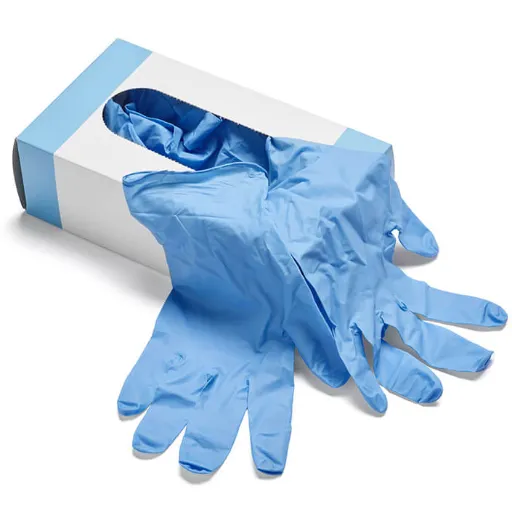
A variety of items, including gloves, hairnets, and aprons, are used to prevent workers from directly contaminating food.
Personal Protective Equipment (PPE)
The use of appropriate PPE is a must to ensure food safety at minimum contamination level. Typical PPE for food safety include:
- Gloves – Prevent direct hand contamination of food while maintaining cleanliness.
- Hairnets and Beard Covers – Prevent hair and other particles from falling into food.
- Aprons – Prevent contamination by keeping the clothing away from food.
- Safety Shoes – Reduce the risk of slipping, protect against spills, or prevent dropping incidents.
Good PPE, therefore, ensures that the working atmosphere remains safe and sanitary throughout food processing and handling.
Cleaning and Sanitizing Supplies
The finest way to maintain food safety from contamination is rigorous sanitation measures. Some of the cleaning and sanitizing supplies are:
These cleaning and sanitizing supplies, when used correctly, will ensure food establishments operate under food safety measures and produce food within a safe environment.
Food Thermometers and Temperature Control Tools
Food thermometers and temperature-control devices are needed to assure safety and quality of foods during preparation, storage, and cooking. These devices maintain temperature ranges which do not permit the growth of bacteria and thus protect the food being served or held from any harm. Examples include probe thermometers for internal temperatures, infrared thermometers for surface temperatures, and data loggers for monitoring storage conditions for a period. A significant aspect that must be given attention is the proper use and calibration of these tools to give correct readings. Regular temperature checks in refrigerators, freezers, and hot holding units maintain food integrity and, therefore, reduce potential food poisoning cases and comply with food regulations.
Functions and Applications of Food Safety Equipment
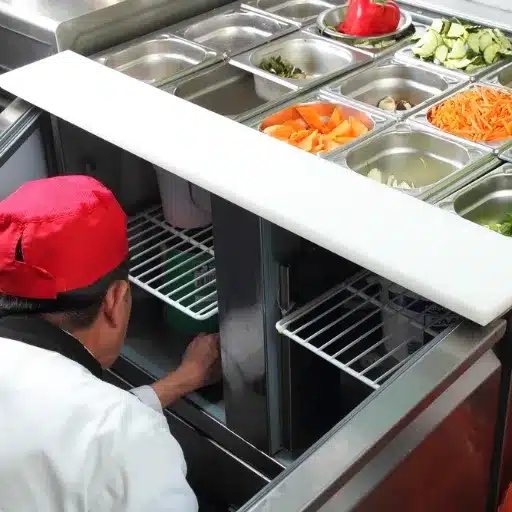
Food safety equipment plays an essential role in ensuring the health and well-being of consumers. It is used to monitor temperature control, ensuring the quality and standards of perishable foods are maintained, particularly in the presence of bacteria. Thermometers, pH meters, and sanitizing devices are some of the instruments used to assess if the cooking, storing, and cleaning processes are safe. Alongside such controls, they also help ensure compliance with safety regulations by presenting audit and inspection data to demonstrate that proper food handling practices have been followed.
Preventing Contamination in Commercial Kitchens
Essential Prevention Strategies:
- Hands must be washed with warm water and soap prior to handling food
- Raw and cooked foods should always be kept separated to prevent cross-contamination
- Use separate sets of utensils and cutting boards for each type of food
- Clean and sanitize surfaces, equipment, and utensils after each use
- Store foods at proper temperatures- refrigerated foods below 40° F (4° C), hot foods above 140° F (60° C)
- Implement a labeling system for food storage items with expiration dates
- Train entire staff in food safety and their roles in contamination prevention
Maintaining Proper Food Handling Practices
Improper handling and maintenance of food safety equipment could seriously affect sanitary conditions and lead to contamination. Essential procedures to this end include making regular inspections for wear or damage, immediately replacing faulty parts, and following the manufacturer’s instructions regarding the cleaning and maintenance of equipment. Another aspect of special concern is the disinfection of high-use surfaces, such as cutting boards, thermometers, and utensils, after each use, to prevent the spread of bacteria and other pathogens. Equally important is the regular calibration of food safety equipment, such as thermometers and scales, to maintain accuracy. When food establishments properly hold and handle equipment on a day-to-day basis, they take one more step toward reinforcing overall safety processes and staying within health regulations.
The Role of Glove and Apron Usage
Gloves and aprons are essential components of food safety in all establishments. Gloves prevent the hands of food handlers from making direct contact with food and contaminating them with bacteria or other pathogens. Such gloves must be changed regularly, such as before handling foods of different natures or switching between task activities to be effective. An apron, on the other hand, acts to protect food from dust and spills or any kind of bacteria that might be on the worker’s clothing. In the case of food preparation, if an apron becomes soiled, workmen must change it for a clean one. The use and exchange of these protective tools uphold cleanliness standards and protect public health in any food establishment.
Best Practices for Selecting Food Safety Equipment
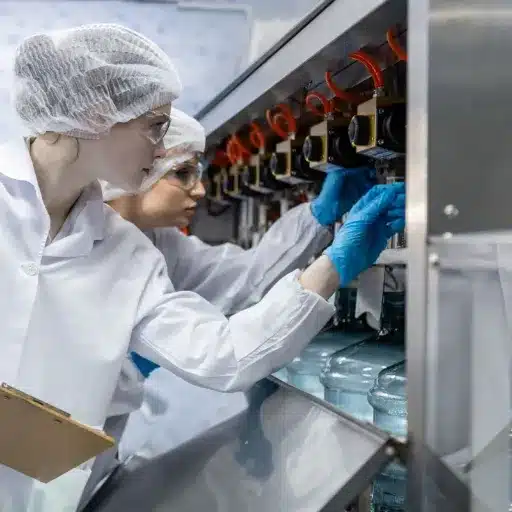
When selecting food safety equipment, consider tools made from stainless steel or food-grade plastics, which prioritize durability, non-toxicity, and ease of cleaning. The equipment should be accepted by the safety standards of an institute and employ for tasks that are necessary or suitable. Hygiene characteristics could include smooth surfaces or removable parts for thorough cleaning. When checking equipment, maintain and inspect it regularly to prevent wear and contamination. Additionally, the equipment must be replaced if it is damaged or no longer effective.
Factors to Consider When Choosing Supplies
Material Quality
Select top-grade materials, such as stainless steel or food-grade plastics, that can withstand the test of time, are non-toxic, and do not corrode.
Ease of Cleaning
Give weigh to the seamless designs, parts and pieces that come off for easy cleaning, or smooth surfaces to accomplish thorough cleaning and maintain hygiene.
Compliance with Safety Standards
Ensure that the equipment complies with the safety and regulatory requirements of the industry to which it belongs, and consider any special considerations related to food safety.
Durability and Longevity
Buying equipment that can resist being used repeatedly under the demanding conditions of food preparation and application to obviate frequent replacement.
Functionality and Suitability
The equipment must do what it was designed to do and must have features that truly serve to promote efficiency and safety in one form or the other in food handling, preparation, or storage.
Evaluating Equipment for Commercial Use
The primary consideration for any equipment intended for use in food safety commerce should be adherence to food safety regulations and standards. That equipment could be either certified by organizations such as NSF or recommended by HACCP guidelines. Thus, examine the materials and assess whether they are capable of being non-toxic, easy to clean, resist corrosion, or contamination. The design features should be selected to minimize risks, such as tight seals, temperature control, or antimicrobial coatings. Finally, it needs to be easy to use and maintain, thereby reducing the likelihood of erroneous use.
Importance of Quality and Durability
The food safety equipment should meet quality standards and be durable, ensuring conformity to safety standards and long-term performance. High-quality materials and construction reduce the likelihood of equipment failure, thereby minimizing contamination and expensive downtime. Durable equipment can take the rough and tough environment of food processing operations, which includes exposure to high temperatures, assay chemicals, and widespread usage. Plus, when you invest in durable equipment, you spend less on replacements and more on increasing efficiency, so there is greater disparity with time. At the same time, reliable, long-lasting equipment helps food safety measures above all, customer trust is built from top to bottom, placing an emphasis on an instrumentation of quality and durability, thereby maintaining the requirements for supermarkets.
Maintenance and Care of Food Safety Equipment
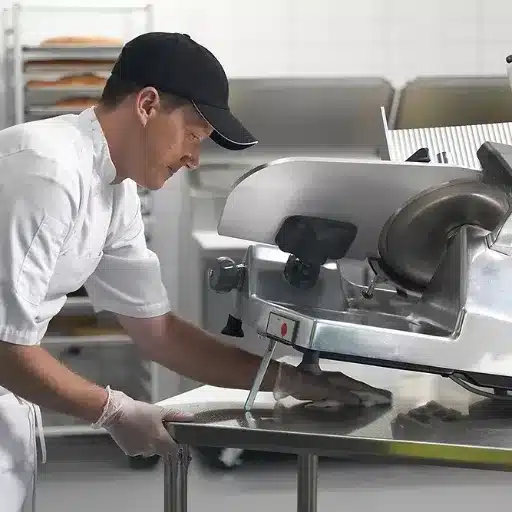
The maintenance and care of food safety equipment should be performed to ensure their longevity and continued efficacy. Cleaning should be done regularly with suitable agents that do not corrode the material, in order to prevent contamination and maintain the expected hygiene levels. Inspections should be carried out routinely to detect any signs of wear and tear as early as possible, allowing for timely repair or replacement to be planned. The manufacturers’ guide for its proper use and maintenance should also be followed to guarantee optimum performance and compliance with safety laws.
Routine Cleaning and Sanitizing Protocols
Step-by-Step Cleaning Process:
- Initial Cleaning: Remove all visible dirt and food residues from equipment surfaces
- Sanitizing Process: Apply approved sanitizers to eliminate harmful microorganisms
- Use Proper Agents: Employ only food-safe cleaning agents and sanitizers approved for food contact surfaces
- Dedicated Equipment: Use cleaning tools exclusively for food safety equipment to prevent cross-contamination
- Scheduled Cleaning: Follow regular cleaning schedules after every use or shift as necessary
- Documentation: Maintain records of all cleaning activities for compliance and audit purposes
Inspecting Equipment for Safety and Compliance
Proper inspection of food safety equipment is necessary to verify its performance and to ensure compliance with regulation. The inspection process typically begins with a thorough visual inspection to check for any damage to the equipment, wear, or incomplete assembly that could pose a risk to safety or correct operation. Functional tests should, therefore, be done regularly to ensure that critical components such as seals, filters, and temperature controls always perform adequately.
It is imperative to ensure conformity with food safety laws and regulations, including those enforced by the FDA or local health authorities. Such standards ensure that the design of equipment must be considered hygienically, including easy-to-clean surfaces and the elimination of contamination risks. Such being said, another important activity includes maintaining the calibration of instruments used for measurement, such as thermometers or pH meters, so that their results may be relied on when recording food safety parameters.
Important Note:
Never forget documentation. Inspection, maintenance, and corrective actions should all be documented as evidence of compliance and for use in audits. Third-party audits and certifications also provide an extra level of assurance that the safety and standards of the industry are being maintained when offered.
Training Staff on Proper Equipment Use
Training staff effectively in the use of food safety equipment is crucial for maintaining high food safety standards. The instructor stands in front of the pupils while explaining the instructions that relate to the operation of the equipment, including its startup, use, and shutdown procedures. Proper handling methods should be demonstrated, and all employees must exhibit a clear understanding of the procedures. Subsequently, refresher training must be conducted periodically to reinforce knowledge and address any upgrades and changes to the equipment. Staff must also be trained to identify signs of equipment malfunction and be made aware of proper reporting and resolution procedures. Training materials, manuals, or quick-reference guides should be readily available to staff.
Reference Sources
- NSF International: Food-safe equipment – a vital ally in your food safety program – This source provides benchmarks and standards for commercial foodservice equipment.
- Food Safety and Inspection Service (FSIS):FSIS Home – A government agency ensuring the safety of meat, poultry, and egg products.
- National Center for Biotechnology Information (NCBI): The Current US Food Safety System – Offers insights into safe food handling practices and the resources involved.
- Retail Food Safety Collaborative: Tools & Resources – Provides toolkits and resources for food safety compliance at the retail level.
Frequently Asked Questions (FAQs)
Conclusion
Implementing comprehensive food safety equipment and compliance practices is essential for protecting consumer health and maintaining regulatory compliance. By following the guidelines and best practices outlined in this manual, food establishments can create safer environments, reduce contamination risks, and build consumer trust through consistent quality and safety standards.