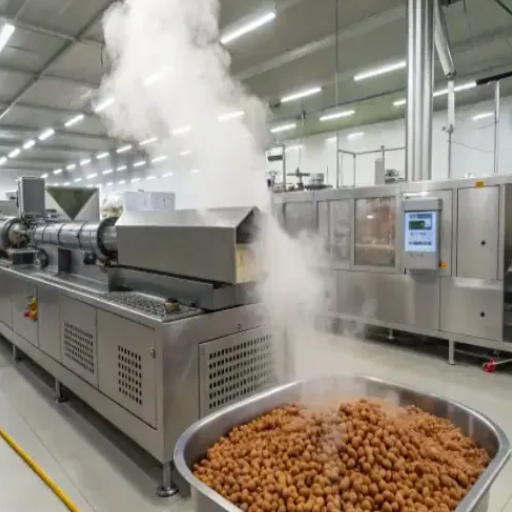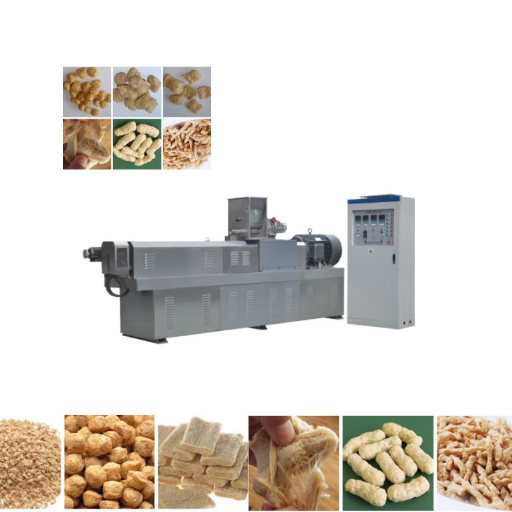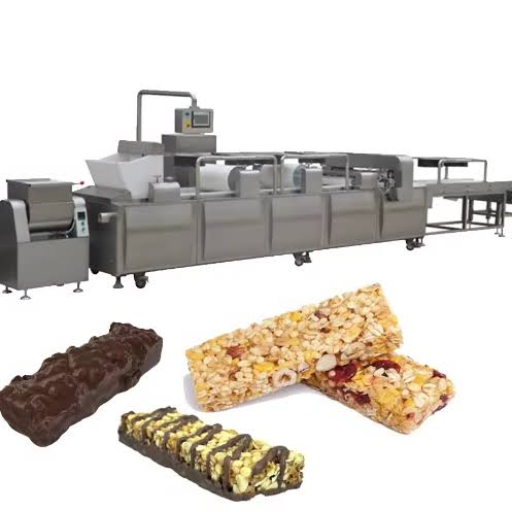
The plant-based meat industry is booming as consumers become increasingly conscious of sustainable, ethical, and healthy food options. Manufacturers are introducing new products to this fast-paced market and thus realize the need for the right tools and equipments in making quality, innovative products. This guide provides an overview of the essential equipment for plant-based meat production, including mixing, texturing, packaging, and quality control. The guide aims to equip players in the market or those seeking to enter the industry with the information needed to optimize the production process and meet consumer demand. Continue reading to identify key equipment, machinery, and methods, along with some industry tips, that can help you succeed in this exciting marketplace.
Overview of Plant-Based Meat Processing Equipment

Processing of plant-based meat requires specialized equipment to produce texture, taste, and look of real meats. The equipment consists mainly of large-capacity mixers used to blend ingredients, extruders that impart a meat-like texture, cooling systems to set the product’s structure, and slicers or formers for shaping. Packaging mechanisms are also crucial in maintaining the freshness of the final product and ensuring compliance with food safety requirements. An outstanding balance must be maintained at every step of the process to assure efficient operation, consistency, and quality while simultaneously responding to demands of consumers for healthier and more sustainable food choices.
Understanding Plant-Based Alternatives in the Meat Industry
Plant-based alternatives in the meat industry are products that attempt to replicate, from a plant-based base, the taste, texture, and appearance of traditional meat, employing ingredients such as soy, peas, lentils, and wheat. They intend to lessen environmental damage, promote animal welfare, and provide healthier alternatives with lower saturated fat and zero cholesterol in them. With plant-based meats gaining momentum, their creation is a deeply researched and developed process. They can be consumed by anyone who chooses to go for a sustainable and ethical lifestyle.
The Role of Equipment in Meat Manufacturing
The equipment is the major player in ensuring efficiency, consistency, and safety in meat manufacturing processes. The principal equipment consists of grinders, mixers, cutters, and packaging machines, which are operated for large-scale production with complete safety and sanitary measures in place. Advanced machinery is equipped with automation and precision technologies that enable fewer processes, reduced waste, and higher-quality products. Novel technologies for plant-based meat production, used to achieve textures and structures similar to real meat, include specialized extruders and high-moisture cooking systems. So essentially, machinery plays a significant role in helping to move the meat and alternative protein industries forward by bettering production capabilities and safety compliances.
Key Differences Between Traditional and Plant-Based Meat Processing
The key differences between traditional and plant-based meat processing include the raw materials used, processing techniques, nutritional profiles, and environmental impact.
Types of Meat Processing Equipment
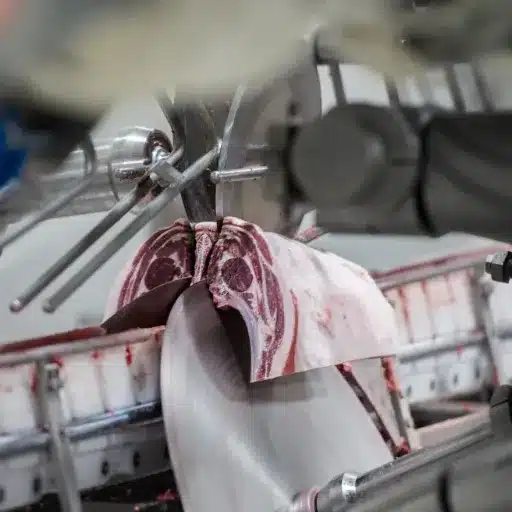
Meat processing equipment includes grinders, mixers, slicers, stuffers, tumblers, injectors, and cutters.
Meat Grinders: Functionality and Features
- Versatile Applications: Meat grinders enable the preparation of a wide range of ground meat, from sausages and burgers to meatballs, providing culinary flexibility.
- Multiple Blade Options: With several blades to choose from, the meat grinder grinds the product from coarse to fine, according to the texture required on the surface or for cooking.
- Heavy-Duty Performance: With motors built to handle larger amounts of meat, grinders really do get the job done efficiently and have a long lifespan.
- Ease of Use: Most grinders are relatively easy to use, with straightforward assembly and an intuitive procedure that is easy for beginners to follow.
- Simple Maintenance: It comprises easy-to-clean parts, promoting hygiene by reducing the contamination factor, thereby requiring less maintenance.
Slicers: Importance in Plant-Based Production
The plant-based food production business views slicers as the backbone equipment, providing every plant-based product with a perfectly cut geometry to maximize visual appeal and texture. Uniform slicing is therefore necessary for the plant alternatives like deli-style meats, cheeses, and vegetable-based products to have a professional and enticing look, thereby improving its marketability. Since the ingredients in plant-based production are highly diverse in nature, the very best quality slicer should be designed to tackle various textures without compromising quality. Slicers of superior quality also aid in minimizing waste through reducing uneven slicing and increasing yield. Additionally, the rapid action and ease of adjusting thickness and shape enable smooth operation and scalable production for plant-based food manufacturers.
Automation in Meat Processing Equipment
Automation is a boon for the meat processing industry as it stimulates efficiency, precision, and consistency on production lines. Advanced technologies have since taken the stage in meat processing machinery, including robotics, machine learning, and sensing, for the optimal execution of cutting, deboning, packing, and inspection. Such automated systems eliminate human errors and the hazards of contamination, thereby ensuring compliance with meeting safety and hygiene standards. Also, the computerized system increases the speed of production, which allows the manufacturers to meet the ever-increasing demands of the consumers with fewer operational costs. With automation and data analytics working together, companies receive insight into their production performance and can renew the industry toward innovative and sustainable approaches.
Selecting the Right Equipment for Plant-Based Meat Production
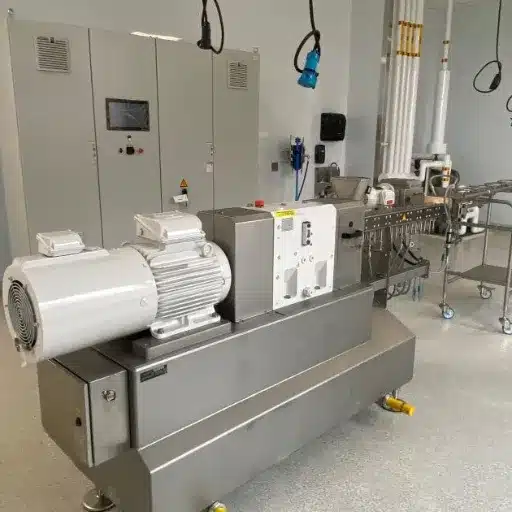
Choosing equipment for plant-based meat production required consideration of several factors. First and foremost, the machinery must match the specific product formulations and textures needed, such as achieving a fibrous, meat-like texture. Secondly, scalability and flexibility for both current and future production must be considered. These equipment facilities must ensure food safety and be hygienic enough to prevent contamination. Last but not least, selecting equipment that can synchronize with automation Data analytics can lead to increased efficiency in production performance.
Criteria for Choosing Equipment Used in Processing Plants
Here is what needs to be considered while choosing equipment for plants-based meat production:
Customization for Plant-Based Products
The equipment should be capable of handling plant-based formulations, including various textures and structures that might be required to simulate meat-like qualities.
Scalability
Programs have to be fitted to current production levels but to be scalable as demand increases.
Hygiene and Food Safety
Ensure that all equipment is approved for food safety standards and easy to clean to prevent contamination.
Energy-Efficiency
Convenience in energy conservation should be taken into consideration because that reduces operational costs.
Automation Ready
Equipment should integrate well into automation and data systems to support efficiency, help track production metrics, and maintain consistency.
Keeping the above criteria in mind will help establish efficient, scalable, and safe production to support this ever-growing plant-based meat market.
Evaluating Equipment for Different End Products
When evaluating equipment for a plant-based meat end product, it is essential to consider the specific requirements each type of product demands. For example, making plant-based burgers, as opposed to plant-based sausages, varies in terms of texture, shape, and moisture content, which is relevant to the choice of machinery. HME machines provide excellent high-moisture extrusion for producing fibrous textures that mimic whole cuts of meat, whereas forming and mixing machines are more useful when the output is nuggets or patties, where uniformity of shape and consistency is crucial.
Scalability is also an important consideration for brands wanting to upscale. Modular machinery that can accommodate varying batch sizes and customization helps ensure that diverse production needs are met most effectively. An additional priority is the maintenance of hygiene, further guaranteeing plant-based products meet safety and quality standards. The need for equipment that efficiently cleans and maintains itself cannot be overstated—a blessing to manufacturers working to keep pace with strict regulatory measures while reducing downtime.
Considerations for Efficiency and Sustainability
When selecting equipment for plant-based meat production, efficiency and sustainability should be the main parameters considered. Machinery that are energy efficient would not only reduce operational costs but also lessen the footprint on the environment, which sets the precedence toward sustainability. High machining capacity ensures that production capacity levels are increased while maintaining consistency and quality; furthermore, the maximum advantage of being environmentally friendly is achieved when selecting machines made from sturdy, recyclable materials that can be easily converted.
The sustainability of water can be ensured if there is an alternative to reduce the amount of water being used, which can be achieved through machinery designed explicitly for optimized cleaning processes. Modular and automated systems enable flexibility and bridge the waste gap by encouraging the efficient use of raw materials, allowing manufacturers to scale production responsively while minimizing resource use. There is a further boost to sustainable practices with IoT and data analytics for monitoring usage of energy and materials.
Installation and Maintenance of Meat Processing Equipment
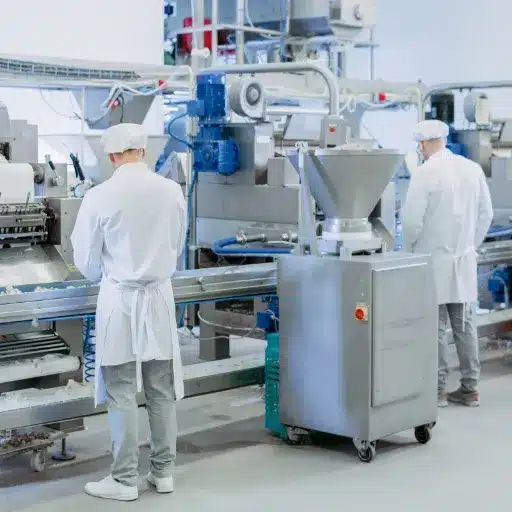
Correct installation and maintenance of meat processing equipment are vital to ensure operational efficiency and safety of products. During installation, it is crucial to ensure that all components are correctly aligned and conform to regulatory standards, thereby minimizing potential hazards. Maintenance serves as a safeguard against equipment breakdown through cleaning, lubrication, and inspection, thereby prolonging the equipment’s lifespan and enhancing its performance. Preventative maintenance will lessen the time of stoppage for repairs and their costs, allowing the production process to flow more smoothly and reliably.
Best Practices for Installing Equipment in Processing Plants
The installation of machinery intended for manufacturing plant-based meats should be given serious thought and planned carefully following industry standards. Machinery should be chosen according to the needs of plant-based processing, such as extruders for texturizing vegetable proteins or mixers for excellent ingredient blending. The equipment should be constructed of food-grade materials and able to be cleaned easily to avoid potential cross-contamination and bacterial build-up. There should be adequate clearance around machines for ease of cleaning and maintenance, considering workflow efficiency.
The installation should look into sustainability. For example, the equipment should be energy-efficient and preferably capable of producing minimal waste during production, thereby being environmentally friendly. Calibration and testing of the machinery across all output ranges before production enable the identification of potential problems and guarantee excellent performance. The operator training program should emphasize proper operation and the safe working environment related to their equipment, ensuring safe and efficient production variability.
Implementing the latest technologies, including automation and IoT-enabled devices, ensures enhanced accuracy, real-time performance monitoring, and a reduction in operational costs for plant-based meat manufacturing units. Following these best installation practices should facilitate further enhancement of the plant-based meat installation, leading to higher-quality output and thereby satisfying both consumers and the industry.
Routine Maintenance for Optimal Performance
Proper maintenance of the equipment used for processing plant-based meats will ensure that the plant-based meat is consistently of high quality, that the equipment lasts for an extended period, and that efficiencies are maximized. Periodically inspect and clean the equipment to remove residues that could compromise product integrity or pose a contamination risk; this is crucial for ensuring product safety and maintaining consumer quality. Calibration of critical components such as temperature sensors, mixing blades, and extrusion units is essential for precise operation. Follow the manufacturer’s recommendations for lubricating moving parts to limit wear and tear and reduce sudden downtime.
Conduct regular performance tests and replace consumable components, such as filters and seals, to prevent unexpected operational interruptions. Predictive maintenance technologies, such as the IoT monitoring system, can be used to assess the health conditions of machines, identify and address potential threats or problems before they occur. Furthermore, train your staff on proper cleaning standards and basic troubleshooting methods for maximum reliability. Such maintenance ensures operators to remain secure in production efficiency while maintaining the highest safety and quality standards.
Common Issues and Troubleshooting Tips
1. Clogging in Equipment
Issue: Ingredients such as plant proteins and fibers can settle and cause blockages in mixers or in the extruder.
Troubleshooting Tip: Carry out regular cleanings of equipment; and encourage proper ingredient formulation so residues do not accumulate excessively.
2. Uneven Product Texture
Issue: Variation in cooking or mixing processes may cause such inconsistencies in texture.
Troubleshooting Tip: Routinely calibrate equipment settings, such as temperature, pressure, and mixing speed.
3. Overheating of Machinery
Issue: Continuous operation at high speeds, especially under heavy load, can lead to overheating, resulting in damage to the parts.
Troubleshooting Tip: Utilize thermal monitoring and allow machines sufficient cooldown time before initiating further production runs.
4. Gasket or Seal Leakage
Issue: Due to frequent use, the seal may wear out, causing leakage of ingredients or liquids.
Troubleshooting Tip: Inspect seals regularly and replace them on a timely basis to prevent contamination or loss of efficiency.
5. Power Fluctuation and Downtime
Issue: Equipment fails due to an inconsistent power supply or electrical issues.
Troubleshooting Tip: Purchase surge protectors and conduct regular electrical inspections to maintain stability.
By proactively addressing these common problems, production plants can maintain smooth production flow and ensure the quality of plant-based meat products.
Storage Solutions: Coolers and Freezers in Meat Processing

The appropriate storage conditions are crucial for maintaining the quality and longevity of meat products. Refrigerators and freezers maintain low temperatures without fluctuations, which inhibit bacterial growth and prevent product spoilage. To ensure their efficient operations, storage equipment must be kept clean with regular calibration and inspections for unusual temperature deviations. Proper organization of storage will enhance operations and prevent cross-contamination, including the use of easily identifiable product sections. FIFO (First-In, First-Out) should be applied to older products to be processed or shipped first, thereby reducing the chance of wastage.
Importance of Temperature Control for Plant-Based Products
Temperature control is vital for plant-based items, as it ensures their freshness, nutritional content, and safety. These products are highly perishable and spoil fast if not stored at the required temperature. Refrigeration retards bacterial growth and subsequent spoilage, thereby ensuring the safety of their consumption. Temperature monitoring must be maintained continuously at all times since even minor fluctuations can cause degradation in quality. Appropriate temperatures help minimize waste and retain the taste of plant-based alternatives, providing an excellent experience for consumers.
Choosing the Right Coolers and Freezers for Your Plant
Choosing the right coolers/freezers for a plant-based meat setup is significant for the quality and safety of the products. Temperature control and dependable performance are what these systems must offer to meet the specific requirements of plant-based meat usually having ingredients such as legumes, soy, and plant oils that are very temperature sensitive. Storage solutions with the latest in temperature regulation technology must be used to avoid freezing of products under strict refrigeration even while providing uniform cooling. Energy efficiency should come to your consideration; because it takes away costs from operations and hence meets sustainable targets marketed primarily by plant-based food companies. Next, consider the volume-wise capabilities of these systems, ensuring that projections for production output and storage needs are available. Also, give that a cleaner environment with lower cross-contamination risks would serve the purpose of food safety and plant-based industry credentialing.
Best Practices for Storage and Handling
Storage and handling practices play a huge role in ensuring the quality and freshness of plant-based meat products. First, chill the ingredients and finished products in a refrigerator or freezer according to their specifications to prevent spoilage or bacterial growth. Using designated store areas can significantly reduce the risk of cross-contamination with products containing allergens or animal alternatives. Secondly, employ a strict inventory system that guarantees use of all materials on a first-in, first-out basis for freshness and minimal wastage.
The stored items will require proper labeling, providing a conspicuous indication of their expiry date, batch number, and ingredient details for easier identification. When handling plant-based meats, workers should maintain hygienic practices by wearing gloves and sanitizing equipment after each use. Following these best industry practices will allow the maintenance of integrity whilst staying within safety standards, as well as enhancing consumer confidence in plant-based foods.
Reference Sources
- A guide to plant-based meat manufacturing – This guide provides detailed instructions and diagrams for making plant-based meat, including extrusion processes.
- How Is Plant-Based Meat Made? – Explains the processes involved in plant-based meat production, including the use of extruders.
- Plant-Based Protein by JBT FoodTech – Offers insights into optimal plant-based food processing lines and equipment.
- Unlock the Secrets of Soya Meat Making Machine – A comprehensive guide to the texturized vegetable protein (TVP) machine, a key piece of equipment in plant-based meat production.
- Plant-based Meat Design Cycle – Discusses the conversion of plant protein ingredients into plant-based meat using extruders and forming machines.
Frequently Asked Questions (FAQs)
What is a plant-based meat processing equipment?
Plant-based meat processing equipment is machinery that specializes in producing meat-like products, serving as substitutes for traditional meat. It consists of grinders, cutters, and food processors that process plant proteins such as soy protein and other plant proteins into good quality meat-like substitutes that come very close to being consumed as meat in texture and flavor.
How does food safety get ensured through meat processing equipment?
Meat processing equipment is designed, keeping in view strict sanitary considerations. Features such as stainless steel construction, which allows for easy cleaning and is resistant to bacteria, are incorporated by manufacturers to ensure compliance with food safety regulations. Apart from this, regular maintenance and sanitation within the meat processing establishment become a must to maintain such standards.
What are its benefits regarding automation in meat processing?
Automation enables the meat processing industry to achieve enhanced efficiency and precision throughout its entire system of operations. Using automated equipment, such as automatic meat grinders and slicers, processors improve the quality of their products and productivity. Hence, automation also eliminates labor and enables small plants to function efficiently and safely.
What features should I look in meat processing equipment?
The elements that enhance efficiency and productivity should be incorporated into the chosen meat processing equipment. These include stainless steel construction for proper hygiene and durability, modern-day technology for precision, and the ability to process technically numerous meat proteins and meat analogues. Also, ensure it meets USDA standards for food safety.
How important is machinery maintenance in a meat processing facility?
Maintenance of machinery is crucial in a meat processing facility to ensure optimal performance and comply with food safety regulations. Regular inspection, cleaning, and servicing of equipment, such as that of coolers, freezers, etc., shall avert breakdown and contamination threats, hence keeping the preparations of meat intact, keeping the plant productive.
Can small plants benefit from advanced meat processing equipment?
Small plants can benefit from advanced meat-processing equipment. The investment into the best machinery can actually promote the enhancement of productivity and efficiency for these small-scale processors to compete in the meat industry. This equipments would include automated grinders and slicers that produce better quality meat analogues or conventional meat and follow food safety standards with equal rigor.
Ready to Transform Your Plant-Based Production?
With the right equipment and knowledge, you can succeed in the exciting plant-based meat industry while contributing to a more sustainable future.