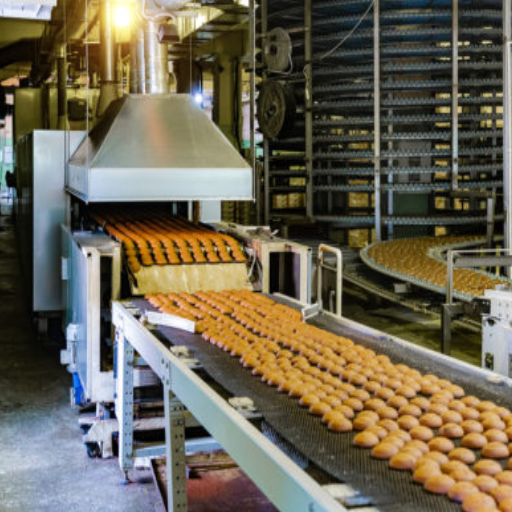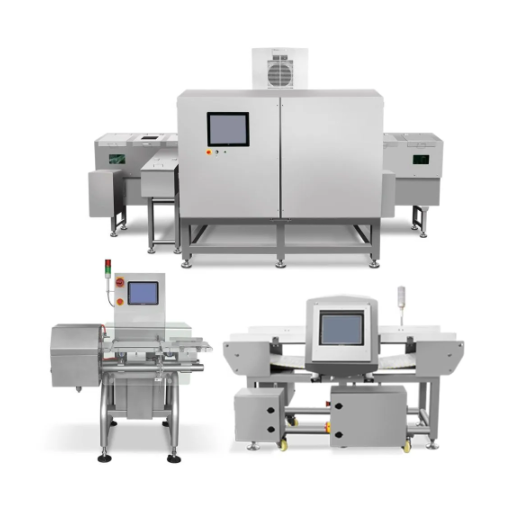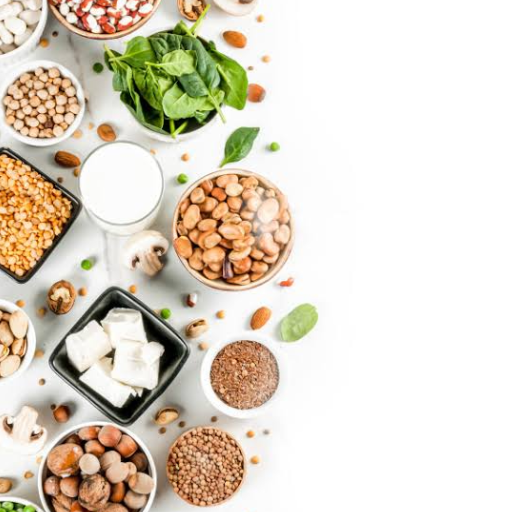
Cereal bars have become a popular snack among health-conscious consumers and busy people, offering a convenient, nutritious option that’s easy to carry. Their perfect texture, uniform flavor, and balanced ingredients result from an intricate manufacturing process supported by cutting-edge technology. This comprehensive guide explores cereal bar production lines and examines the granola and bar-making machines that are revolutionizing the industry. Whether you’re a producer aiming to expand operations or simply interested in understanding how your favorite treats are made, we’ll share the innovative techniques and critical equipment modernizing cereal bar production. From ingredient preparation to packaging, discover what it takes to produce high-quality bars that meet and exceed expectations in a competitive market.
Introduction to Cereal Bar Production

Cereal bar production is a highly organized process consisting of several carefully managed steps, each ensuring consistent quality and scalability. The process begins with selecting and preparing ingredients, typically including oats, nuts, dried fruits, and sweeteners. Once prepared, these ingredients are mixed together to create a uniform base. The mixture then passes through forming machines that shape it into bars before being cooked or baked according to recipe requirements. Subsequently, bars are cooled and packaged using automated systems that maintain freshness and prolong shelf life. Every step is carefully managed to meet consumer expectations and industry standards for taste, texture, and nutritional value.
🌾
Overview of Cereal Bars
Cereal bars have emerged as a convenient and popular snack option, combining healthy ingredients like oats, nuts, dried fruits, and sweeteners. These bars are crafted to balance taste, texture, and nutrition, making them appealing to diverse consumers. Through highly efficient manufacturing processes, these bars maintain freshness while complying with strict industry standards, offering a portable and satisfying solution for people with busy lifestyles.
Types of Cereal Bars
Cereal bars are offered in various types to satisfy diverse tastes and nutritional needs. Each category provides unique benefits tailored to specific dietary preferences and health goals.
1. Granola Bars
Primarily composed of oats and nuts, often sweetened and enhanced with chocolate or dried fruit additions for flavor variety.
2. Protein Bars
Designed to enhance protein intake, featuring ingredients like whey, soy, or plant-based proteins for muscle support and recovery.
3. Fiber Bars
Focused on digestive health with high-fiber ingredients like bran or chia seeds promoting gut wellness.
4. Meal Replacement Bars
Created as convenient meal substitutes, often containing higher calories and comprehensive nutrient profiles.
5. Low-Sugar or Keto Bars
Designed for low-carb diets, utilizing sugar alternatives and nut flours to maintain ketogenic compliance.
Versatility: These categories provide diverse choices regarding nutritional objectives and flavors, ensuring every consumer finds products matching their preferences.
Importance of Cereal Bar Machines
Cereal bar machines play a crucial role in the production process, enhancing efficiency, maintaining product uniformity, and ensuring high quality. These machines handle precise measuring, molding, and packaging, which significantly reduces manual labor requirements while increasing productivity.
Efficiency Enhancement
Dramatically reduces production time while maintaining quality standards
Product Uniformity
Ensures consistent size, shape, and quality across all production batches
Cost-Effectiveness
Enables large-scale production while meeting consumer demand economically
Versatility
Accommodates various recipes targeting different health requirements and tastes
Cereal Bar Making Machines

Cereal bar making machines are sophisticated, specialized equipment designed to automate and streamline the complete cereal bar production process. These professional systems comprise major components that handle entire operations seamlessly.
1
Mixing Systems
Blend ingredients thoroughly to ensure consistent texture and taste throughout every batch produced.
2
Forming Machines
Mold mixed products into precise bar sizes and shapes required for standardized packaging and presentation.
3
Cooking or Baking Units
Process bars to achieve desired consistency and flavor profiles according to specific recipe requirements.
4
Cooling Conveyors
Gradually reduce bar temperature to prevent shape loss while maintaining optimal flavor and texture.
5
Packaging Systems
Automatically wrap and seal bars to ensure hygiene while significantly extending shelf life.
✓ These machines are vital for increasing production efficiency, maintaining consistent quality, and enabling manufacturers to meet consumer demand at large scales
Types of Bar Machines
Different specialized machines operate at various stages throughout the production line, making the entire process more efficient while ensuring quality and scalability.
1. Forming Machines
Shape and compress ingredients to obtain uniform bars with precision consistency throughout production.
2. Enrobing Machines
Coat bars thoroughly with chocolate or other toppings, creating an even and attractive finish.
3. Cutting Machines
Slice bars accurately into desired sizes while maintaining production uniformity and minimizing waste.
4. Cooling Systems
Manage temperature precisely to ensure bars solidify properly while preserving texture and freshness.
5. Packaging Machines
Package bars efficiently to maintain hygiene, prolong shelf life, and facilitate easy distribution.
Functionality of Cereal Bar Making Machines
Cereal bar making machines are engineered to flawlessly manage all production phases, delivering seamless operation from start to finish. Understanding how each component functions helps optimize production efficiency.
Mixing Process
Mixing machines thoroughly combine all raw materials, producing a uniform base with consistent texture throughout.
Molding and Shaping
Molder machines shape the mixture into exact forms with precise dimensions for standardized products.
Cutting Operations
Cutter machines create bars of desired sizes by cutting them evenly with minimal material waste.
Cooling Phase
Cooling systems ensure bars set properly, maintaining their structure and texture characteristics.
Packaging Stage
Packaging machines seal bars to enhance quality retention and extend marketable shelf life significantly.
Outcome: The entire process becomes efficient and scalable, ensuring consistent quality across all production batches.
Features of Automatic Cereal Bar Machines
Key Features of Automated Systems
| Feature | Description | Benefit |
|---|---|---|
| High Precision | Consistent size, shape, and weight control | Guarantees uniform product quality |
| Efficiency | Automated mixing, molding, cutting, packaging | Accelerates production significantly |
| Customizability | Adjustable size, ingredients, and shapes | Meets specific product requirements |
| Hygienic Design | Food-grade materials with easy cleaning | Maintains safety standards compliance |
| Cooling Systems | Proper temperature management | Ensures correct texture and structure |
| Scalability | High-volume production capability | Suitable for all operation sizes |
Granola and Snack Bar Production

The complete granola and snack bar production process follows a series of carefully orchestrated steps, ensuring optimal quality while minimizing time wastage throughout operations.
Complete Production Process
- 1
Ingredient Preparation
Specific amounts of oats, nuts, dried fruits, and sweeteners are carefully weighed and prepared according to recipe specifications.
- 2
Mixing
All ingredients are combined in exact proportions to ensure consistent quality and flavor across all production batches.
- 3
Shaping and Molding
Pressed and mixed materials are shaped into bars using automatic machines, ensuring perfect uniformity throughout production.
- 4
Baking or Setting
Bars are either baked for specified periods to achieve required texture or placed in cooling chambers to set without heat application.
- 5
Cutting and Packaging
Bars are cut to desired sizes and packaged hygienically to maintain product freshness for extended periods.
✓ The entire procedure ensures rapid production while safeguarding integrity, taste, and quality of granola and snack bars
Granola Bar Production Line Overview
The granola bar production line represents a seamless system designed for efficiency, consistency, and quality. By integrating the main steps of mixing, forming, and setting, it achieves uniform bars with minimal manual involvement.
🎯 Sophisticated Automation
Advanced machines handle the complete process for large-quantity production
🛡️ Hygiene Compliance
Maintains cleanliness and freshness throughout production cycles
✅ Standards Adherence
Effectively meets industry standards and regulatory requirements
Energy Bar and Protein Bar Production
The production process for energy and protein bars demands high precision and consistency, utilizing state-of-the-art equipment for mixing, molding, and packaging. These bars are meticulously designed to meet specific nutritional profiles, ensuring well-balanced ingredients including proteins, carbohydrates, and healthy fats. Machine automation significantly reduces human contact with products, maintaining freshness and quality while adhering to strict hygiene practices established throughout the industry.
Muesli Bar Production Processes
Muesli bar production begins with mixing raw materials such as oats, nuts, dried fruits, and sweeteners to form a unified mixture. This mixture is then pressed into molds or sheets and baked to achieve the required texture.
🔬 Technology Application
Advanced technology ensures uniformity in shape and size across all products
🌡️ Temperature Monitoring
Careful temperature control retains nutritional quality throughout processing
📦 Final Processing
Bars are cooled, cut, and packaged under strict hygiene and safety regulations
Result: Extended shelf life with maintained freshness and nutritional integrity
Bar Manufacturing Considerations

Several critical aspects must receive utmost priority in bar production to guarantee high-quality end products, efficient operations, and regulatory compliance.
Essential Manufacturing Priorities
1. Ingredient Quality
Use only fresh, premium-quality ingredients to achieve desired flavor, mouthfeel, and nutritional content. Establishing relationships with reliable suppliers for raw materials is essential for maintaining consistent product standards.
2. Consistency in Formulation
Maintain tight control over formulas and exact quantities to produce bars identical in taste and texture across all production batches.
3. Food Safety Standards
Strictly follow hygiene practices and regulations concerning food safety to prevent contamination and ensure consumer protection.
4. Equipment Maintenance
Conduct regular analysis and cleaning of machines to prevent delays, errors, and quality issues in production operations.
5. Packaging and Storage
Seal freshness with durable, food-safe packaging materials. Protect bars from transportation damage and maintain quality through optimal storage conditions including controlled temperature and humidity levels.
⚡ Applying these factors helps manufacturers produce bars that fulfill consumer expectations and comply with all regulations
Choosing the Right Bar Manufacturing Machine
Selecting appropriate bar manufacturing machinery requires evaluating several important factors to secure both efficiency and product quality. Making informed decisions ensures long-term operational success and profitability.
Critical Selection Criteria
Production Capacity
Evaluate desired output capacity and ensure the machine aligns with your production volume requirements.
Equipment Versatility
Select equipment capable of handling various recipes and formulations for product diversity.
Ease of Maintenance
Consider cleaning and maintenance processes to minimize downtime and maintain productivity levels.
Regulatory Compliance
Confirm machines meet regulatory and safety standards with appropriate food-grade certifications.
Manufacturer Support
Prioritize reliability and after-sales support to ensure uninterrupted long-term operations.
Cost Analysis of Bar Production Lines
When analyzing the cost of bar production lines, consider both initial investment and long-term operating costs. Comprehensive financial evaluation ensures optimal decision-making for sustainable profitability.
💵 Initial Costs
- Equipment purchase costs
- Installation expenses
- Facility alterations if required
⚙️ Operational Expenses
- Energy consumption
- Labor requirements
- Maintenance costs
📈 Long-Term Benefits
- Reduced costs over time
- Increased efficiency gains
- Maximum profit potential
💡 Strategic Investment Approach
Investing in efficient, durable machines lowers long-term costs. High production line efficiency maximizes output and profitability. Consider savings from automation and energy-efficient designs that significantly reduce operating expenses over time.
Reference Sources
1. OpenPR – Cereal Bar Machines Market Analysis and Future Prospects
Comprehensive report discussing the evolving market scenario of cereal bar machines and driving factors behind increasing demand.
Source: OpenPR Industry Report
2. Mordor Intelligence – Cereal Bar Market Size & Share Analysis
Detailed study revealing growth trends and market size representing major factors driving demand for processing machinery in the cereal bar industry.
Source: Mordor Intelligence Market Research
3. SupplySide SJ – Functional Bars Market Analysis
Analysis highlighting consumer preferences in the cereal and granola bars segment, indirectly affecting demand for specialized cereal bar machines.
Source: SupplySide Journal