Cookie and biscuit production have been revolutionized at a fast pace with technology and the consumer’s preferences as the main drivers. The need to outcompete pushes producers to get a step ahead with top-notch production machine equipment purchases. These machines not only make the process efficient but also deliver with the highest consistency. The text covers the major machinery of the production lines for cookies and biscuits and gives a guide on how to apply it for your convenience. Starting from mixing to the finishing stage of packaging, the core technology usage and simplification of workflows will be our focus of discussions as these are the ways to reduce the wastage and increase the production too. The guide will not only help you if you are raising the production but also if you are making the process cleaner, faster, and more quality-oriented.
Understanding Cookie and Biscuit Production Lines

Cookie and biscuit manufacturing lines are projected for managing the entire process, in a more efficient way to get the output of the quality and consistency. The major steps include:
- Mixing: Primary ingredients like flour, sugar, and fats are mixed together by means of industrial mixers so as to form dough with uniform in texture and composition and undoubtedly, one of the main things that bring uniformity to the product.
- Forming and Shaping: The next step is to portion the dough and shape it in the required ways by using rotary molds, wire-cut machines, or extruders, depending on the product.
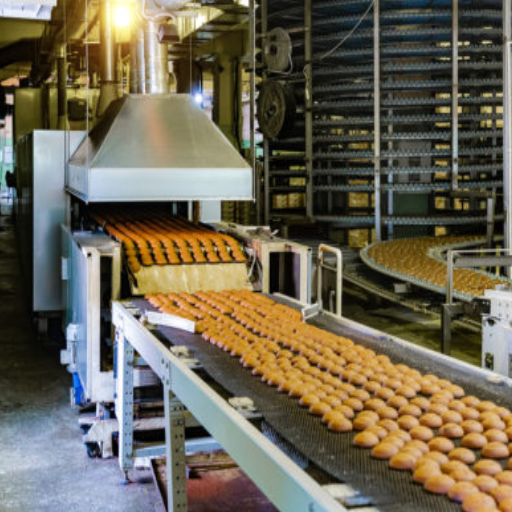
- Baking: The formed dough is then finally baked in a big capacity oven providing constant temperature, ensuring, besides the fact that the cake is getting the same treatment all around, the development of a nice texture, color, and flavor.
- Cooling: Once they are out of the oven, the cookies and biscuits go through the cooling process on the conveyor belts which helps in making a stable structure and in avoiding any moisture while packaging.
- Packaging: Lastly, the products are packed by machines, the system is controlled automatically so, the goods are being packed with the fresh favours and we can reduce the wastages and have fast handling & distribution as the warehouse is one of the most important parts.
Key Insight: By employing cutting-edge machinery at these steps, businesses can not only make their processes run more efficiently and create less scrap material, but also provide high-quality products almost all the time.
Overview of Cookie Production Lines
Cookie manufacturing lines represent holistic solutions that are to boost productivity and replicability in production. They bring in new age technologies for the processes of mixing, shaping, baking, cooling, and packaging in order to simplify the processes and to secure the final product with the highest quality. Through the involvement of robotics in the above-mentioned steps, the manufacturers can achieve consistent production, reduce scraps, and deliver increased production, hence reaching the customers effectively.
Components of Biscuit Production Lines
Biscuit production is the process of combining a few major parts that function together in order to produce high quality biscuits in the most efficient way. These are mixers used for dough that is mixed uniformly, moulders and cutters which give the shape, ovens that bake the product evenly, cooling conveyors that stabilize product along with packaging systems through which the product is stored and distributed efficiently. The component has a specific stage to optimize and it is the precision and the productivity all along the process of manufacturing that the producer has carefully considered and worked to ensure.
Importance of Efficient Production in Bakeries
For bakeries it is critical to have efficient production in order to have a continuous supply of high-quality products, to keep waste to a minimum, and to satisfy the ever-increasing consumer needs. The cost of running the bakery can be cut, the quantity of baked products can be augmented, and the very important on-time delivery factor can be assured through process reengineering and efficient machinery. Moreover, the greening of the bakery goes hand in hand with energy and resource conservation thanks to the efficiency facilitated by process simplification.
Key Equipment for Cookie and Biscuit Manufacturing

1. Mixers
These are indispensable for the use of ingredients in the making of lump-free dough. They allow the fabrication of more uniform products and can very well cope with very large volumes.
2. Dough Feeders and Dividers
These are machines which give out the dough in equal parts and thus contribute to the production of consistent size and weight of cookies or biscuits.
3. Rollers and Sheeters
While the former pressing the dough to a uniform thickness, the latter puts it in the right form for cutting or shaping.
4. Cutters and Moulders
With these, the dough can be shaped in different ways and forms, thereby ensuring perfect production precision.
5. Baking Ovens
Temperature-controlled, big-capacity ovens baking the inside of the product the same as the outside for a texture as well as a taste of a perfection.
6. Cooling Conveyors
Uniform cooling of baked goods is achieved, and residual heat is prevented from causing quality defects during packaging.
7. Packaging Machines
These are automatic systems that seal products tightly in order to keep them fresh and to extend the shelf life.
Bottom Line: Through the unification of these main pieces of equipment, manufacturing companies can increase production effectiveness, uphold quality benchmarks, and conform to demand without difficulties.
Essential Bakery Equipment Overview
Purchasing essential bakery equipment is full of advantages for the makers. These devices will smooth out the production process and ensure a constant high quality of the products and at the same time reduce the amount of manual work. In fact, the efficiency of the entire plant will be increased by the automation of mixing, baking, cooling, and packaging. Furthermore, the latest bakery tools not only prevent contamination and increase product quality but also imitate the process of hand-made ones. For that reason, buyers can expect their product to be fresh and of adequate quality for the market. With the inclusion of reliable equipment, the performance of bakery shops in terms of responding to customer demands, controlling costs, and managing production will be greatly improved.
Role of Mixers in Cookie Production
Mixers are essential to the cookie-making process as they make sure that the ingredients are mixed uniformly. This directly affects the texture, consistency, and flavor of the final product. By using the mixers, the bakers can get ingredients such as flour, sugar, butter, and eggs already mixed. It means they have less manual work to do and the batches are being made exactly the same. On top of that, the advanced mixers make it possible to produce in large quantities up to maintaining the standard of quality.
Understanding Depositors and Their Functions
Depositors are pivotal equipment in cookie production as they reliably and accurately dispense dough onto baking trays. As a direct consequence, among their functions is to maintain the uniformity in size, shape, and weight among different batches; a factor that is very critical for the consistent baking and attractive display of the product. Depositors of the present times are incorporated with beneficial features such as the provision of easily customized settings to fit different types of dough and cookie designs, thereby facilitating throughput and waste reduction. By having the process automated, depositors generate a positive impact and contribute respectively to the production of a comprehensible, higher than normal quantity of merchandise, and the maintenance of the product quality at an industry-wide consistent level.
Choosing the Right Production Line Manufacturer

Choosing the right production line manufacturer is an essential factor to secure efficiency, dependability, and long-lasting prosperity. Consider these key factors:
Key Factors to Consider
1. Industry Experience
The capabilities of the manufacturer and the special fitment of your production needs should be compared. If a manufacturer has been partnering with suppliers that produce similar products in the past, they have the knowledge and experience to manage the difficulties and the demands of the processes.
2. Customization Options
Select a producer that has flexibility as well as the tendency to offer customized solutions that are adopted to your production targets. The equipment has to be very well-matched with your flow and the size of your production.
3. Quality and Reliability
Confirm the quality of the materials and the way of construction in their equipment. Machines that are reliable period increases the time of production and assures the quality of the outputs.
4. Technical Support
It is necessary that the manufacturers give complete after-sales services such as the installation, training, maintenance, and live support whenever an issue arises.
5. Compliance and Certification
Confirm that the manufacturer’s equipment is in compliance with industry rules and safety standards to ensure product integrity and operational protection.
6. Customer Reviews and Case Studies
Check customer ratings, and study case reviews to gauge how the manufacturer has fared in terms of its image and history of good performance.
Strategic Advice: With these aspects as your main concern, you can go ahead and choose a manufacturer who not only fulfills your production requirements but also becomes a strategic partner to your business effectively.
Evaluating Production Line Solutions
When you are reviewing production line solutions, your attention should be on the most important factors like scalability, efficiency, and consistency with your operations. Confirm that the solution is not only matching the existing systems but also supporting the future growth and increasing the productivity. Hunt for the automation features and the technological solutions that are advanced and that are in line with the goals you have set. On the sidelines, think about the question of the affordability vs. the costs in order to ensure the long-term reliability and success of the project as well and also do not forget to keep the maintenance requirements and the vendor support in mind.
Top Cookie Line Manufacturers in the Industry
| Manufacturer | Key Strengths |
|---|---|
| Bosch Packaging Technology | The company is best known for its creative and very fine bakery production lines. It has been a trend setter in the introduction of pack-automated and compatible cookie line- the facility renovation does not have to wait just for the production needs to catch up with the state of the equipments. |
| Bühler Group | It is Bühler’s specialty to create consistent and reliable cookie manufacturing tools, providing great results in the quality of products, economical use of energy, and easy incorporation into current layouts. |
| GEA Group | The production lines of cookies, which are configurable and unlimited, are the main focus of GEA. They provide high-quality, long-term performance solutions that are compatible with the manufacturing needs of two groups of companies, small scale—large scale. |
| Reading Bakery Systems | This supplier is a specialist in cookie processing lines and leading with its innovation in the same area. It recognizes precision, flexibility, and relentless reliability as its foundational hallmarks. |
| Rademaker | A mega-strength based company, Rademaker, has the following benefits in its cookie production solutions: consumer-friendly, almost maintenance-free operation, and flexible at the same time for further company expansion to the future. |
Industry Recognition: Such manufacturers typically identified with the utmost quality, innovation, and service to the customer.
Biscuit Manufacturing Processes and Equipment

The production of Biscuits is usually done in several stages. The general process goes like this:
- Mixing: Different materials like sugar, fat and flour are mixed to make the dough uniform. The dough mixer varies based on the type of biscuit made.
- Forming and Shaping: The dough is then given the desired shape and thickness through different techniques like sheeting, cutting, or depositing.
- Baking: The formed dough undergoes an oven that exposes it to controlled heat, resulting in the proper baking and the desired texture and flavor
- Cooling: The final product is then conveyed to cool for moisture prevention and to keep the product crispy
- Packaging: Machine systems are used to the packaging of the final product to keep it fresh and easy to distribute.
Modern Advantage: The automation used in modern biscuit production attracts and uses the latest technology but operates with much human intervention in the process like mixing automated dough mixer, and rotary moulder. Modern biscuits rapidly transport your biscuits from the biscuit production area to the storage compartment by using new cooling conveyors and flow wrapping machines. These methods provide more single, more top-level, and less labor-intensive product service.
Types of Biscuit Making Machines
Dough Mixers
Mixture of the ingredients to make the dough for the biscuits.
Rotary Moulders
The dough is formed into regular patterns and designs for biscuits.
Wire Cut Machines
Used for cutting the dough in exact shapes to make the cookies soft.
Tunnel Ovens
The machines that heat the biscuits uniformly by giving heat in a directed manner.
Cooling Conveyors
They get rid of the heat and make the outer surface of the biscuits a bit tougher.
Packaging Machines
Automates the wrapping and sealing process for the transportation and storage of the biscuits.
Innovations in Biscuit Production Lines
The biscuit production sector has gone through a lot of changes making it more efficient, of better quality and more consistent. Smart quality control systems driven by AI reduce the risk of any deviations by way of real-time detection of defects. Compared to the earlier days these fast production lines now have features like precision forming and cutting mechanisms that not only increase the output significantly but also improve the quality. The company’s efficient use of energy is being manifested by the innovations in tunnel ovens which are both cost-effective and at the same time bake at the optimum conditions. The packaging process now is with state-of-the-art materials and the use of smart tracking system brings with it the benefits of good and safe storage, logistics, and eco-friendliness. All these changes help the companies both to produce more and to be more competitive in the market.
Reference Sources
- Biscuit Manufacturing – Chocolate Chip Cookie Line Production
Comprehensive information about the cookie’s manufacture and the related specialized equipment that your needs may require. - Ess Pee Quality Products – Find Your Cookie Manufacturer
The article provides guidance on selecting a cookie manufacturer and defining the cookie market. - YouBars – Cookie Company Startup Basics
Market study, production and manufacture are the concerns that the budding entrepreneurs are guided about concerning the cookie business through this article. - Foods Machine – Biscuit/Cookie Production Line Highlights
The article points out the capabilities and features of cookie production lines that have been adopted for some years now. - New Mill Capital – Unused Complete Cookie Production & Packaging Line
This guide gives the essentials of purchasing an unused cookie production and packaging line set.
Frequently Asked Questions (FAQs)
What exactly a cookie production line is?
It’s a collection of automated or semi-automated tools that are capable of baking and packaging an enormous amount of cookies, starting from mix, shape, bake, and finally, packing.
What is the most prominent characteristic of a cookie production line?
The system has a very high production capacity among lots of other features and, it even does economical electricity usage, and has a packager installed.
Is it possible to get custom-made cookie production lines?
Yes, the answer is positive, as most of them boast a high degree of flexibility and are able to satisfy customer needs by offering them, e.g., different-shaped cookies or minus dietary ingredients-like salt.
Which are the types of cookies that can be manufactured using the lines?
Chocolate chip, sandwich, filled and gluten-free, and vegan cookies are just a few examples as a broad range is possible.
What should I base my decision when selecting the manufacturer of the cookie line?
The overall picture you get by putting together the aspects of production capacity, flexibility in terms of product, similar option availability, and the business standing of the company.