Before a recipe changeover, request an allergen cleaning validation package tied to the recipes, line, cleaning steps and test methods. Pair that study with routine checks and a release procedure: a clean-looking cover or isolated negative swab cannot answer the whole question.
Shared snack and cereal lines make the boundary easy to miss. A seasoning system may carry an ingredient that never enters the extruder. Chutes and rework bins may sit outside the supplier’s trial. Trace the food through these points.
This guide shows what to request, how to read the limits and who decides when the line can restart. It does not set cleaning doses or times. For equipment selection, discuss your recipe sequence and access questions with Loyal; your plant team retains responsibility for the validation and release decision.
Key Takeaways
- Define the recipe pair and every shared contact route before approving the study.
- Check that the test method can detect the target in the actual residue.
- Read negative results with their sample scope, method limits and reporting units.
- Separate equipment access evidence from plant validation and daily release records.
What allergen cleaning validation proves

Validation versus routine verification
Allergen cleaning validation asks whether a defined cleaning procedure can meet its goal in the conditions tested. Verification asks whether that procedure was followed and remains under control in daily use. Keep records for both questions.
The allergen cleaning validation file should describe the hard-to-clean product, equipment boundary, cleaning instructions, sample locations, test methods and decision rule. A daily record should name the changeover and show the checks and test results.
List any change from the plan and who approved release. Who signed it, and what did they check? The record should answer both questions.
Neither task is the same as checking for microbes. Removing allergen residue and controlling microbes are different goals. One result cannot stand in for the other. Likewise, the factory acceptance test checklist can help document access and assembly, but a machine trial does not prove that a recipe’s allergens were removed.
US rules versus buyer requirements
Don’t describe allergen cleaning validation as a universal FSMA validation mandate. In the United States, 21 CFR 117.160(c)(1)-(2) exempts food-allergen and sanitation controls from the validation rule in that section. That narrow exemption is not permission to skip changeover controls.
Your food-safety lead should determine the legal, customer and audit rules that apply. Cleaning evidence can still help the site make allergen-control decisions. Keep the basis explicit: a customer’s rule, an audit scheme or a site risk review is not the text of a law.
For allergen cleaning validation, the useful purchasing question is therefore specific: which evidence will show that this procedure applies to our intended recipe change? Ask that before agreeing a cleaning claim. An equipment certificate alone cannot answer it.
Set the scope for allergen cleaning validation
Map recipe-to-recipe risks
For allergen cleaning validation, start with the product leaving the line and the product coming next. Record their allergen sources, ingredient forms and points of addition. Note whether the residue is a dry powder, oily coating, paste or particulate inclusion. These descriptions help the team select a challenge that reflects the process.
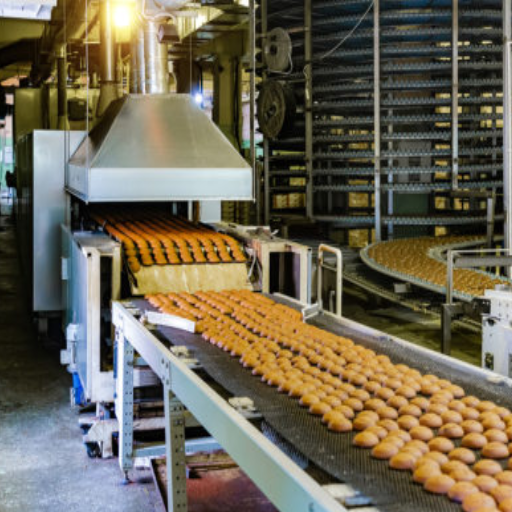
For allergen cleaning validation on a snack line, follow the seasoning route as carefully as the base mix. List coating drums, seasoning feeders, conveyors, transfer chutes and shared utensils where present. Include rework movements and temporary containers if they could carry residue into the next product. Don’t assume the drawing of one machine defines the whole shared system.
Illustrative scenario: A milk-seasoned snack is followed by a recipe that does not intentionally contain milk. The buyer sees a cleaning trial on the upstream extruder. Does that trial apply?
The team first asks whether milk entered only at the downstream coater. The example raises a scope question. It supplies no test result or proof of a safe changeover.
On a proposed cereal manufacturing line, use the same logic for ingredient addition and downstream handling. The line setup shows which places need review. A product page cannot show that the study covered each part, tool or transfer.
Record the worst-case rationale and its limits
A worst case is more than the recipe with the highest ingredient percentage. Ask the team to consider amount of protein, food form, heat treatment, contact surfaces and ease of cleaning. If the ingredient is hard to detect, ask: can this test show what remains?
The FARRP validation and verification workshop, presented by Joe Baumert in November 2024, discusses these choices and their limits. Its framework supports a documented rationale, not an assumption that one allergen represents every recipe.
Does the team group products or lines? Ask why the same evidence should cover them.
Similar-looking recipes may differ in food matrix, ingredient form or heat treatment. Allergen cleaning validation should state which recipe pairs the study covers and which it does not. Record the excluded combinations in the same register so the production team cannot extend the conclusion without review.
Keep the recipe list and its version with the study. Purchasing needs the scope before acceptance; production needs it when scheduling changes. Both groups need to find the covered recipe pair. Otherwise, the report is too broad to guide that changeover.
Map equipment access and request the cleaning evidence

Match each component to a documented access method
Use the scope to build an equipment list. Each allergen cleaning validation entry should connect a place on the line with access steps, a cleaning task and a sample point. Give each part an ID on a marked drawing. Can another trained worker find the same spot?
Use the table for parts on your line. It does not describe faults or promise features on a Loyal model.
| Location to assess | Evidence to request | Question the evidence should answer |
|---|---|---|
| Mixer discharge and feeder | Access drawing and strip-down instruction | Can the team inspect the product-contact path? |
| Conveying transfer or chute | Location photograph and cleaning instruction | Are ledges and transfer interfaces included? |
| Die and cutter, where applicable | Safe access and removal procedure | Which contact faces are exposed for cleaning? |
| Coater and seasoning feed | Shared-route diagram and component list | Does the boundary include ingredient delivery? |
| Seals and removable parts | Part identity, inspection and reassembly record | Is the studied configuration restored? |
| Tools, containers and rework | Identification and handling procedure | Can residue return by another route? |
Use the allergen cleaning validation register to expose access gaps before sample collection starts. If a sample point needs parts removed, identify who can do it safely and how reassembly is checked. If a surface cannot be reached, the study team needs another way to assess it, with reasons, or a design change. A swab from a nearby spot may not answer the same question.
For allergen cleaning validation, photographs should show location and orientation, not merely that a surface looked bright after cleaning. State what the record must show. A line photo sets the boundary. A close-up shows the contact face and how to reach it.
Keep mechanical acceptance separate from food-safety validation
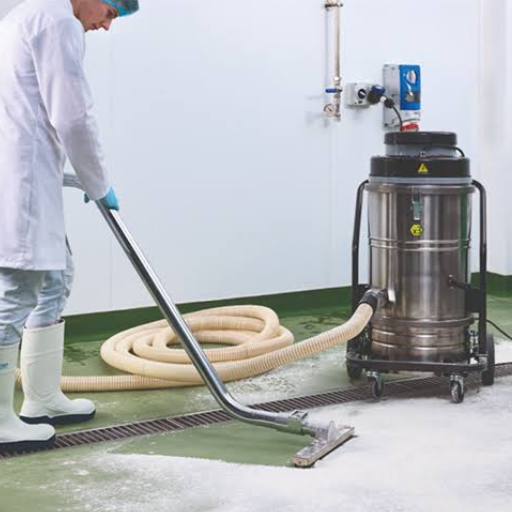
Ask which cleaning instructions apply to the proposed dry or wet method. Water, chemicals, contact time and dismantling must fit the equipment and the site’s food-safety plan. Adding water to a dry-food system is not a universal answer to an allergen residue problem.
Attach drawings, instructions and line setup records to the equipment documentation handover. Link the plant allergen cleaning validation study to that package. Keep it as a separate file. A supplier can provide information about access without thereby owning the site’s food-safety decision.
When discussing equipment, send Loyal your process sequence and ask which access documents are available for the proposed line setup. List downstream additions and shared tools too. Confirm which documents are available and fit that proposal.
Choose samples and methods that can detect the target
Before cleaning, after cleaning and the next product
An allergen cleaning validation plan links three kinds of evidence. Before cleaning, test the dirty residue: can the method detect the target? After cleaning, test the chosen surfaces or cleaning streams.
Then sample the next product. That addresses carry-over into food, beyond what remains at the swabbed spot.
Define these sample groups with the lab before allergen cleaning validation starts. For each sample, record the place, type, time and test method. Use the kit maker’s approved swabs, liquids and sample-preparation steps. Changes can affect the result.
The plan may include rinse water or push-through material where the process supports it. Explain why these samples are useful and choose tests that suit them. You still need to assess surfaces that are hard to reach. For wet circuits, check the CIP scope and cleaning parameters rather than treating a rinse sample as evidence for the whole line.
For next-product samples in allergen cleaning validation, ask: which stage and portions will be tested? Why should those choices capture likely carry-over? Don’t accept an unexplained single sample merely because its result is negative. Tell the lab what the food contains and how you took the samples.
Allergen-specific tests, protein and ATP answer different questions
ELISA and lateral flow tests can target specific allergen proteins. The exact target depends on the test. Choose a method that suits the ingredient, its processing and the food matrix. ATP and general protein tests are broader indicators; a passing reading alone does not show whether a specific allergen is present.
FARRP treats these broader tests as a first check of the clean. It explains why you need reasons to use a surrogate.
For allergen cleaning validation, ask why the proposed surrogate fits the target allergen and cleaning conditions. Here, a surrogate means a broader test used in place of the target-specific test. Don’t assume that evidence transfers to a new ingredient or recipe.
Illustrative scenario: A team tests a dirty surface carrying processed seasoning, yet the expected positive result does not appear. The team pauses interpretation and asks the laboratory about target choice, extraction and matrix effects. A negative result after cleaning would be hard to interpret until the team understands why. The example leaves the cause and final result open.
Test limits and units in allergen cleaning validation
Ask what the test detects and how it reports results. Check its calibrant: the reference material used to set the test scale. A report stating only ppm leaves the basis unclear. Milk protein, an individual milk protein and a whole milk ingredient are different reporting bases; the labels cannot be swapped when comparing values.
Ask for the detection limit: the lowest level the test can detect. For a test that measures an amount, also ask for the quantification limit, below which it cannot report a reliable amount. Ask about recovery (how much target the method retrieves), interference and cross-reactivity.
Could the food, cleaning chemicals or processing affect the result? FARRP describes possible false negatives from overloaded lateral flow tests and difficulties linked to extraction or altered proteins. Follow test-specific instructions rather than improvising a dilution procedure.
Allergen cleaning validation cannot turn a result below a method’s limit into proof of absolute absence. Keep the sample ID, test basis and limits with the result. Does it answer the question?
Hygiena’s video introduces validation and verification. It does not approve a line or test plan.
Interpret results, control release and revisit changes
Use a documented decision rule
Agree the decision rule before allergen cleaning validation starts. Your food-safety lead and laboratory should define the acceptance basis, what to do with invalid results and response to an unexpected detection. This article does not supply a universal ppm limit, sample count or safe changeover duration.
For allergen cleaning validation, a non-detect is evidence about a defined sample and method. It does not certify the whole line or support an allergen-free claim on its own.
If a positive result is unexpected, keep it. Check the clean, the sampling and the test method. Repeating a test until it is negative is not a sound reason for release.
FARRP describes three successful changeovers as common practice, while noting no specific required count in that approach. Explain why the planned repeats fit the site’s scope and conditions. Test the procedure that the regular team will use.
A practice reminder came from the Klipspringer/Campden BRI webinar recap dated 21 October 2026: assess the clean under routine conditions. This echoes the FARRP guidance on repeatable cleaning.
It is expert practice, not a new global rule. Did the trial use extra access, staff or time? Record how it differs from the daily clean it is meant to support.
Record who can release the line and how affected product is controlled while questions remain. Link the cleaning record to results, changes from the plan, steps to fix faults and the signed release.
Agree when results must be available. Who holds the line if they are late? A report sent after production starts cannot replace a release process.
Changes that require reassessment
Illustrative scenario: A new seal is fitted before the next recipe change. The team checks its shape and contact area against the setup in the study.
If they differ, the food-safety lead assesses whether the old evidence still applies. This is a reason for review. It does not mean each new seal needs the same new study.
Include food-contact seals and gaskets in records of the line setup. Also review changes to recipes, ingredient form, processing, cleaning instructions and test kits. FARRP identifies these as reasons to revisit the evidence. Allergen cleaning validation should remain linked to the current process, with a record of the review and any new work.
Use an evidence request checklist before changeover

Request register and open items
Keep the allergen cleaning validation register short enough to use at an acceptance meeting. Each answer needs a file reference, an owner and a clear boundary. Mark an item open when evidence is missing; don’t treat a spoken promise as a finished study.
| Request | Lead reviewer | Boundary to record |
|---|---|---|
| Recipe pair and challenge rationale | Plant food-safety lead | Covered products and exclusions |
| Equipment and shared-route map | Engineering with supplier input | Installed configuration and access |
| Cleaning instruction and training | Plant operations and food safety | Procedure version and routine conditions |
| Sample map and test methods | Study lead and laboratory | Target, matrix, timing, limits and units |
| Study results and deviations | Food-safety lead | Decision rule and unresolved findings |
| Routine checks and release record | Designated site authority | Hold, correction and authorization process |
Allergen cleaning validation is useful when the team can trace the conclusion back through these records. If scope or test details are missing, ask for them. Don’t make a broader claim about which foods the line can safely process.
Agree responsibilities before acceptance
Separate supplier documents from plant decisions in the purchase and commissioning discussions. Ask who supplies drawings, who designs the study, who collects samples, who interprets them and who authorizes restart. A handover can support the work. It is not food-safety approval.
Before choosing a shared snack or cereal configuration, contact Loyal with your recipe sequence and cleaning-access questions. Ask about the proposed equipment and available documents. Keep allergen cleaning validation, test acceptance rules and routine release authority with your qualified plant team and laboratory.
Frequently asked questions
Is an ATP pass enough for allergen cleaning validation?
No. ATP is a broader hygiene indicator, not a target-specific allergen measurement. A passing reading alone does not establish that the relevant allergenic residue was removed. Any use as a routine surrogate needs evidence and a rationale for the actual product, equipment and cleaning conditions, reviewed by the food-safety team.
Can one validation cover every snack or cereal recipe?
Not automatically. Grouping recipes requires a documented basis covering ingredient form, amount of protein, processing, equipment and cleaning difficulty.
The test must also detect the relevant residue. The allergen cleaning validation study should identify covered combinations and exclusions. A recipe with the highest allergen concentration is not automatically the hardest one to clean.
How many successful changeovers are needed?
There is no universal count established by the evidence used here. FARRP describes three successful changeovers as common practice, not a fixed requirement in its approach. Your team should justify the repeats for allergen cleaning validation against its scope, variation and the rules that apply. One favorable demonstration does not by itself establish repeatable routine performance.
Does a negative swab prove the next product is allergen-free?
No. It describes the result from a particular sample using a particular method and limit.
Unsampled locations, method suitability and transfer into the next product remain separate questions. Product claims need their own substantiation. Read the swab result alongside the complete study, rather than treating it as an absolute absence statement.
Can a factory acceptance test replace the plant study?
A factory acceptance test can document access, assembly and agreed mechanical checks. It does not automatically reproduce the installed line, recipes, operators or cleaning conditions. Use it to obtain supporting equipment information. The plant food-safety team must decide what additional evidence is needed for the intended changeover and routine release.