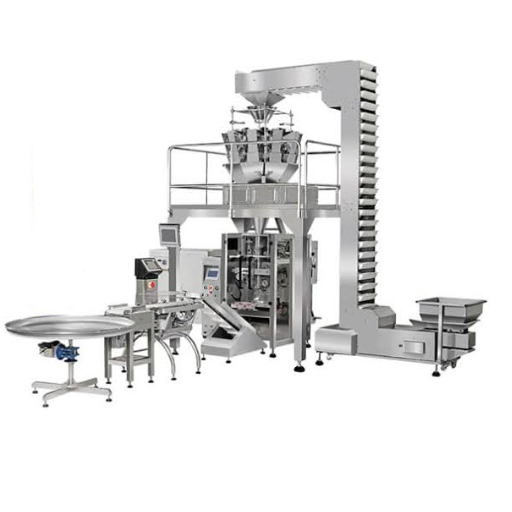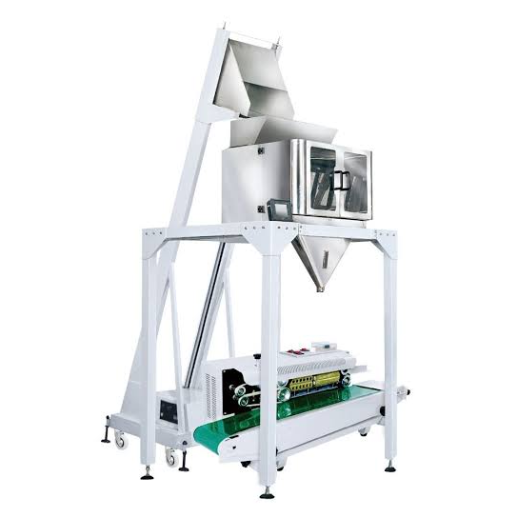
A food machinery handover checklist should connect each delivered machine to its agreed spare parts, current instructions, drawings, settings, training records and unresolved actions. Check that the package matches the installed equipment and that the people taking responsibility can find and use it.
A packing list helps you count a shipment. Handover also asks whether a spare belongs to the machine, whether the manual reflects its configuration and who will resolve a missing item. Use the two registers below to make those checks visible. Adapt them to the contract, equipment and destination market; they are purchasing recommendations rather than a universal list of statutory deliverables.
Key takeaways
- Use the same asset reference in the spare-parts register, document register and open-action record.
- Reconcile included quantities separately from optional spares and future stock recommendations.
- Review document revisions and part compatibility against the equipment actually received.
- Give each discrepancy an owner, required evidence and authorized reviewer before recording closure.
Agree the handover scope before delivery
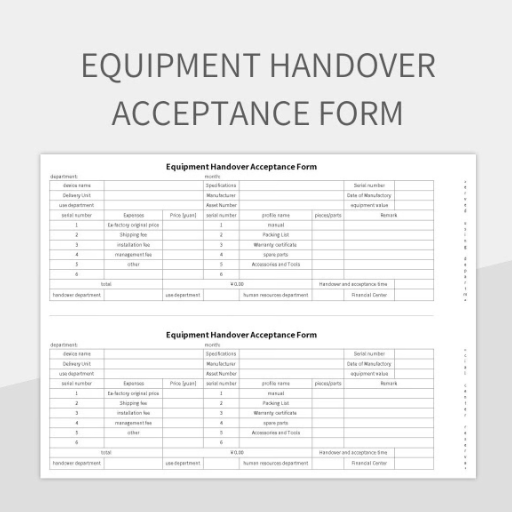
Start with the equipment schedule: line name, individual machines, model, serial number or asset tag, and installed location. Where relevant, add the configuration or revision that distinguishes one machine from another. If serial numbers are unavailable when ordering, agree how they will be added before final handover.
Name the supplier contact and the buyer’s engineering, maintenance/stores and quality reviewers. Assign one person to maintain the combined register so that revised files and replacement deliveries reach the responsible teams.
Review the purchase scope in four groups:
- Included items: contracted spares, consumables, special tools and documents.
- Optional items: priced recommendations that have not been ordered.
- Later deliverables: records that can only be finalized after installation or testing.
- Exclusions: items outside the agreed supply, with responsibility made explicit.
For each group, agree delivery timing, document language, format and evidence needed for acceptance. A proposed spare-parts list is different from an order confirmation, and a preliminary drawing may need replacement after installation.
If procurement is still open, include these questions in your supplier audit before ordering. For the broader sequence of site tests and transfer to operations, see installation and commissioning acceptance. This checklist focuses on the parts and information being handed over.
When discussing a line with Loyal, share your product, proposed equipment scope and destination market, and ask for the spare-parts and document deliverables to be defined in the proposal.
Reconcile the spare parts you actually receive
Build the spare-parts handover register
Use one row per part and applicable machine configuration. If the same component serves several assets, list those assets explicitly rather than assuming interchangeability. The table below is a field guide: turn each field into a column in your project register.
| Register field | What to record |
|---|---|
| Asset identity | Asset tag, model and serial number |
| Diagram position | Assembly drawing and item/position reference |
| Supplier part number | Ordering code and any confirmed replacement code |
| Description | Specification and revision needed to identify the item |
| Ordered quantity | Quantity included in the confirmed purchase scope |
| Delivered quantity | Quantity physically received and counted |
| Condition | Inspection result and any damage record |
| Storage location | Package reference and assigned stores location |
| Document reference | Matching parts diagram or applicable suitability record |
| Reviewer and date | Person completing the receipt check and check date |
| Discrepancy | Missing quantity, unclear identity or other difference |
| Action owner | Person responsible for resolving the discrepancy |
Keep the supplier’s packing-list reference alongside the receipt record. Record partial deliveries separately so that an outstanding balance cannot disappear when the first package is marked received.
Separate startup, wear and critical replacements
Ask the supplier to explain each recommended item’s purpose. Startup consumables support the agreed initial activities; wear parts relate to expected service needs; critical replacements are selected because of the consequences of failure. The same component may fall into more than one group.
Depending on the equipment design, candidates might include seals, belts, sensors, dies or bearings. These are examples, not a standard kit for every food production line. Agree the list using failure consequences, replenishment lead time, local availability, storage conditions and the skills needed for authorized replacement.
Avoid a universal stock period or minimum quantity. An item with a short replenishment time may still deserve attention if its failure creates a serious safety or hygiene concern. Ask which assumptions support the recommendation, and keep proposed future stock separate from the spares already purchased.
Check identity, condition and suitability
Count the received items against the agreed list. Check labels, package references and visible condition, following applicable preservation instructions. Record damaged packaging or unreadable identification without opening protected packaging merely to complete a count.
For substitutions, obtain confirmation that connects the replacement code and specification to the actual asset. Similar appearance alone does not establish equivalence. Leave the register item unresolved until the responsible reviewer accepts the supporting information.
Where a component contacts food, request applicable suitability information tied to that item and its intended use. Ask the supplier to address the relevant product, temperature and cleaning conditions rather than relying on a generic certificate. Avoid treating a blanket “food grade” label as the entire compatibility check.
Record the contact and agreed process for missing, damaged or unsuitable items. Link the record to the applicable warranty and support terms, including who authorizes a replacement and which terms govern the request.
Verify the documentation against the installed configuration
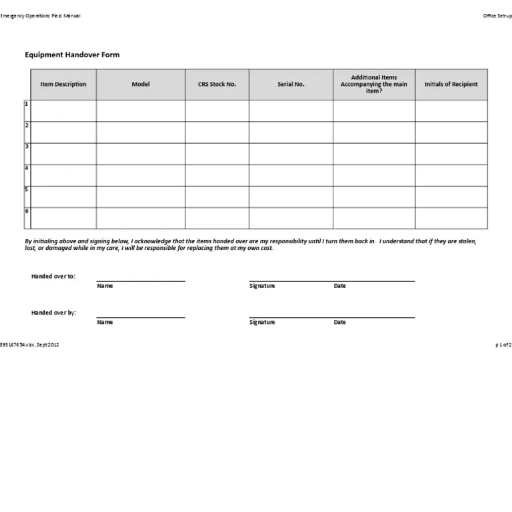
Build the document handover register
Use one row per controlled document or agreed record set. Record receipt separately from review: a file can be present while its language, revision or machine reference remains unresolved.
| Register field | What to record |
|---|---|
| Asset reference | Machine or line covered by the document |
| Document title and ID | Identifiable title and controlled reference |
| Revision and date | Issue delivered and its issue date |
| Configuration | Relevant model, serial range or installed arrangement |
| Language | Supplied language and any agreed translation |
| File or location | Controlled electronic path or physical storage location |
| Issuer | Organization or person responsible for the document |
| Receipt and review status | Received, under review, accepted or action required |
| Responsible owner | Buyer role maintaining the record after handover |
| Open action | Missing page, mismatch or other unresolved requirement |
Where an item does not apply, record “N/A” with a reason and reviewer. An empty cell should not stand for both “not applicable” and “not yet received.” Keep superseded files identifiable and control access so that routine users reach the approved version.
Match each document to a real operating task
Ask what the team needs to operate, clean, maintain and request support for the supplied equipment. Review the following potential records against the agreed project scope:
- As-installed drawings and diagrams: identify the actual arrangement and record approved changes made during installation.
- Operating, cleaning and maintenance instructions: check equipment coverage, language, relevant procedures and revision.
- Parts diagrams and ordering references: connect component positions to codes in the spare-parts register.
- Lubrication information, where applicable: identify the specified locations and requirements in the relevant instructions.
- Acceptance and commissioning records: reference the agreed factory acceptance test (FAT), site acceptance test (SAT), results and outstanding actions.
- Instrument records, where applicable: identify relevant calibration or verification records and the devices they cover.
- Market-specific documents: confirm the applicable conformity documentation for the destination and machinery supply.
- Training and support records: capture topics, participants, demonstrated tasks, escalation contacts and agreed warranty references.
For a Great Britain example, HSE’s Buying new machinery guidance says new machinery placed on that market must be supplied with a declaration of conformity and instructions in English. Its leaflet is under review, and the landing page warns that older marking guidance has changed. Confirm current requirements for your destination rather than applying this example globally. HSE, published 2020; page updated 24 October 2024.
Agree the buyer’s operating and maintenance documents separately from any request for proprietary design information. A documentation handover does not automatically include the manufacturer’s complete confidential technical file, every design drawing or PLC source code.
Agree settings and software records where applicable
For equipment with configurable controls, record the approved settings, relevant software/configuration versions and backup arrangements included in the contract. Identify who holds the approved copy, who has legitimate access and who is authorized to restore or change it.
Keep passwords and other access secrets out of a shared handover register. Record the responsible access custodian and approved access process instead. If a restore demonstration is agreed, have competent personnel plan it under controlled site procedures; do not attempt a live production restore simply to tick a handover box.
Demonstrate that the team can use the handover package
Receiving a folder is only the first check. Ask the receiving team to retrieve the information needed for an agreed task and record any gap they encounter.
Illustrative document-retrieval exercise: Choose a component reference already identified in the approved equipment records. Without removing guards, replacing parts or energizing machinery, ask the maintenance and stores team to:
- Identify the relevant asset, model and serial number.
- Find the matching parts diagram and supplier ordering code.
- Locate the approved instructions that cover the relevant task.
- Check whether the spare is included and find its recorded storage location.
- Identify the escalation contact if the reference or stock does not match.
This is a hypothetical information check, not a service procedure or a reported customer result. Log missing references and unclear ownership as actions rather than improvising an answer.
Record training topics, participants, dates, instructor and demonstrated tasks under site procedures. An attendance sheet records attendance; assess role-specific competence through the site’s agreed process.
The recordkeeping need has current industry relevance. In its 1 October 2026 nonconformity analysis, FSSC identifies missing or outdated maintenance records and missing maintenance-personnel training records among its findings. Its discussion also addresses document control and competence. These are food-safety management findings, not equipment certification or a new machinery handover mandate. The practical handover response is to give each record an owner and check that it can be retrieved. FSSC, 1 October 2026.
Close discrepancies and assign the operational baseline
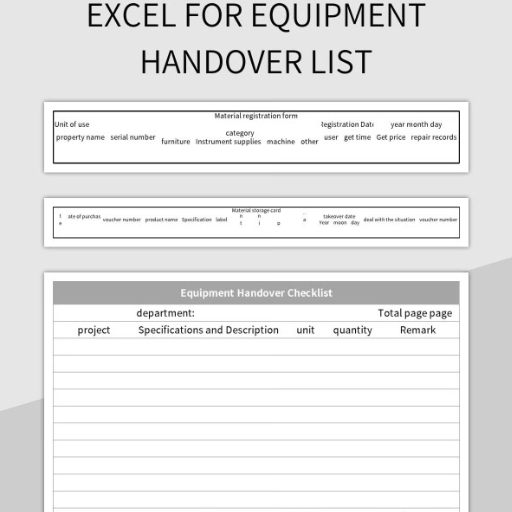
Keep an open-action record linked to both registers. Give each action a unique ID and record the following fields:
| Field | Closure question |
|---|---|
| Item and affected asset | What is missing, unclear or incorrect, and where? |
| Impact | What safety, hygiene or performance concern needs review? |
| Owner and deadline | Who must provide the correction, and by when? |
| Evidence required | What delivery record, corrected file or confirmation will resolve it? |
| Authorized reviewer | Who may accept that evidence? |
| Operational restriction | What limits or holds apply pending review and closure? |
| Closure date and evidence reference | When was it verified, and where is the supporting record? |
Safety or hygiene concerns require competent review under site procedures before use. Signing a conditional acceptance record does not itself authorize operating with an unresolved concern. Keep commercial acceptance, authority to operate and product release as separate decisions with the appropriate responsible people.
At closure, identify the accepted document revisions and settings as the operational baseline. Give maintenance and stores ownership of the relevant records, and define how later changes will update them. Keep a controlled copy accessible to the people who need it, with protection and backup arrangements suited to the site’s procedures.
Use that baseline to begin maintenance planning after handover. Future stock reviews and maintenance schedules can then refer to the equipment and information accepted at handover.
Questions to ask before signing the handover record
Is a packing list enough?
A packing list helps reconcile shipped items, but it does not resolve whether a part matches your machine or a manual reflects the installed configuration. Cross-reference it to the two registers and close discrepancies with supporting evidence.
Which spare parts are included?
Use the confirmed purchase scope and any approved changes. Ask for separate identification of included spares, optional recommendations, consumables and special tools. Do not assume a recommended kit was purchased.
How much spare stock should we keep?
Review each relevant item using failure consequences, replenishment lead time, local availability, storage requirements and authorized replacement skills. Agree quantities for your equipment and operating conditions rather than adopting a generic stock period.
Must we receive every drawing or PLC source file?
Confirm the contracted operating, maintenance and support package and any applicable legal requirements. Complete proprietary design files and source code are separate scope questions; their inclusion should not be assumed.
What if a manual does not match the delivered machine?
Record the asset and mismatch, request the correct revision or clarification, and assign a reviewer. Apply site controls to the affected activity while the issue is assessed. Do not treat an instruction for a different configuration as an approved workaround.
What remains open after conditional acceptance?
Only the explicitly recorded actions remain open, each with an owner, deadline, required evidence and any operating restriction. The authorized reviewers should define what the acceptance covers and what further decisions are required.
Preparing an equipment enquiry? Contact Loyal to discuss the proposed handover scope. Share your product, line scope and destination market, and ask which spare parts, documents, training records and support references should be included in the proposal.