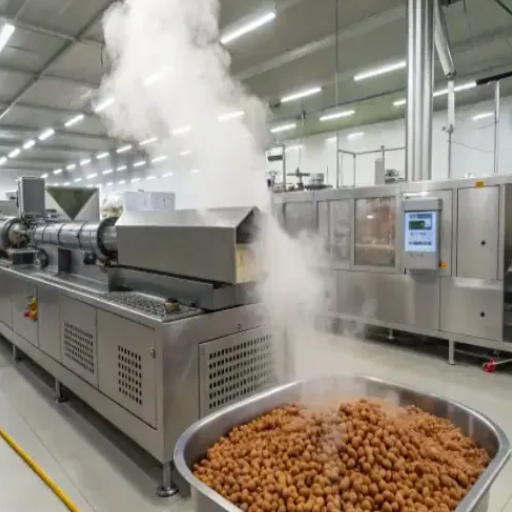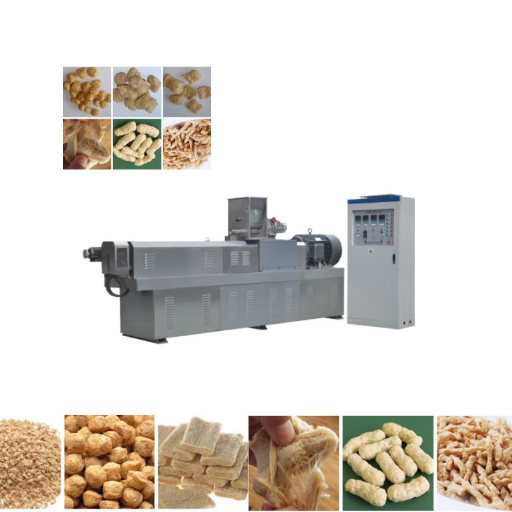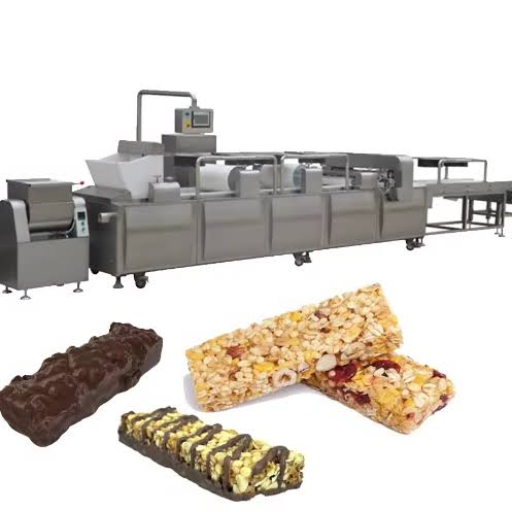
The birth of twin-screw extrusion in the food processing industry has dramatically changed the trends, enabling precision for creating a range of food products. Twin-screw advanced technology enables the combination of mechanical, thermal, and chemical functions in processing structured and functional food products, from raw materials. From processing veggie burgers to breakfast cereals as perfect examples, there is no way of meeting modern needs of healthy eating and new product development, especially with the use of twin-screw extrusion. The context of the twin-s, its utilization in the production of food, and its current and potential applications in food processing are focused on in this article. Every food scientist, food engineer or food production person has something to gain from this interesting deep dive into one of the Food Processing Machinery most influential in the world currently available.
Understanding Twin-Screw Extrusion
What is Twin-Screw Extrusion?
Food Processing Machinery for various ingredients consists mainly of feeding single or composite materials through a dedicated system for producing various foodstuff. This is made possible by the use of a two-screw extruder technology. It assists in better mixing, shearing, compressing where required of the fed material in comparison with a single screw extrusion. In such a screw configuration, one is in full control of factors like temperature, pressure and moisture content, all of which have a bearing on the texture of the final product.
The twin-screw extrusion has many benefits, the most important one being its capacity to deal with a wide range of foodstuff raw materials and recipes. Food manufacturers use this technique to enhance the production of snacks, dry breakfast cereals, texturized proteins, and dog and cat foods by improving the process and reducing wastes. Also, it is a technology that permits the use of various functional ingredients (e.g. micronutrients) aimed at a given level of nutrition and sensory properties. Due to the modular design of food-processing machinery with twin-screw extrusion, it is possible to accomplish varying objectives, therefore, twin-screw extrusion as a technique in food processing industries cannot be disregarded.
In the process of twin-screw extrusion, improvement of food extrudates is social medial casting and bleaching. The specialized extrusion process is designed to attain multidimensional change enabling a cooking, mixing, and blending of the dough and compositions at the same time. The processing time and energy consumption is significantly reduced with this technological advancement but without compromising the safety and quality of the products. As it is precise, twin-srew extrusion is one of the few methods or way primarily adopted or used in today’s climate of enhancing food systems needed now, and it also appears to involve performance or activities in the direction of new plant-based foods and package design, that is environmentally friendly.
Types of Twin-Screw Extruders
There are two primary types of twin screw extruders, namely co-rotating and counter-rotation systems, each having advantages and disadvantages based on the mechanical features and operational performance of the food/chemical process. Co-rotation systems invariably employ screws that spin together in the same direction, thereby offering constant feeding, mixing and uniform heating of the material being fed. This is why co-rotating extruders are extremely relevant to areas in which the compositional uniformity of compounds is much sought, for instance, within the domains of the Food Processing Machinery, plastics or even advanced biomaterials.
The screws in counter-rotating extruders, in contrast, spin in opposite twists. Such a configuration is generally preferred in cases where strict control of the shear force is desired — processes involving temperature sensitive materials, highly uniform textures, all require counter-rotating extruder. Counter-rotating extruders are used when the rotational speed can be reduced with enhanced torque – e.g., PVC processing and soft material extrusion where degradation is a limiting factor.
In choosing the right twin-screw extruder, it is important to have a comprehensive knowledge of the requirements of an application, including the nature of the materials, the attributes of the products, and the size of the production process. Many manufacturers deliver modular designs to improve performance of such extruders, incorporating innovative features to achieve their versatility and the varied demands associated with a certain operation.
Components of Twin-Screw Extrusion Machinery
Twin-screw extrusion machinery consists of several essential components, each playing a critical role in the process. The primary components include the screw elements, barrel, feed system, drive system, and control system. Together, these parts function harmoniously to ensure efficient material processing under specific operational.
1. Screw Elements
The twin screws in this machine are cross-linked or twin screwed shafts through which the material is pushed, spinning and rammed. The screws are composed of modules and can be tailored for a specific process. Also the screws can be fitted with convective, kneading or mixing sections to allow modification of the shear, pressure and residence time.
2. Barrel
The screws are housed in the barrel, which also helps to keep materials in a constant condition throughout the process. The barrels are mostly divided in such a way that allows both heating and cooling zones to be incorporated, enabling the control of temperature during operation. This is particularly important to manage so as to ensure that the desired specifications of the products are met, as far as quality is concerned.
3. Feeding Arrangement
Feeding equipment results in smooth and regular delivery of raw materials into the extruder. It is likely that the system will be fitted with volumetric or gravimetric filling units to ensure consistency in the material fed and increased uniformity in the products produced.
4. Transmission Assembly for the Drive Screws
This system is designed for rotating the screws and its main elements are the motor, reduction gears and transmission devices. High capability motors are especially important for such tasks as they can resist the applied load and maintain the required performance.
5. System of Controls
The control board consists of several units providing nominal control over any factors regarding the operation of the mechanisms. The first one being provision of control to the rotational speed ranges within which the augers would work effectively. Contemporary extruders, particularly the twin-screw ones, incorporate advanced control mechanisms such as the use of programmable logic controllers (PLCs) and/or human-machine interfaces (HMIs) enabling exact control of process parameters in relation to the changing conditions of operation. Specifically, screw speed, temperature and pressure are controlled very tightly in order to enhance both productivity and quality.
All these unRevied parts of the system form an integrated solution for high performance, flexible, accurate material processing and that is why twin screw extrusions for efficiency extrusions technology is considered essential in the modern world in various spheres of industries.
Applications in Industrial Food Processing
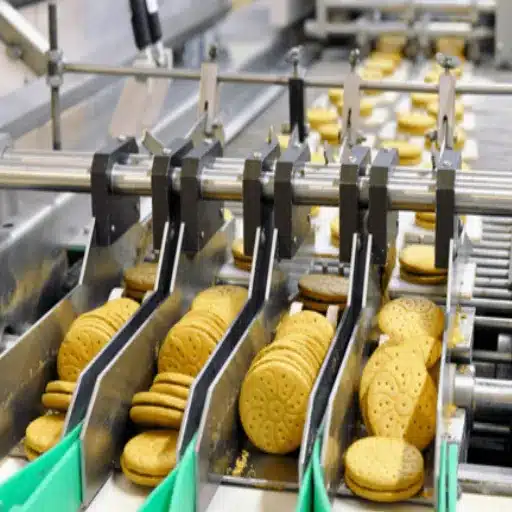
Food Production Processes Utilizing Twin-Screw Extrusion
In recent years, twin-screw extrusion technology has emerged as an advanced tool in the field of food processing owing to the ease of producing complicated and top-notch food products. Due to the precise management of the main parameters thermal energy and mechanical energy, twin-screw extruders have gained popularity because of flexibility, productivity, and fortification extent so as to enable specific raw materials into ready-made products. There are five main food production technologies that have food processing machinery as a central component in them:
- Manufacturing of Snack Food: The production of puffed snacks and extruded products is done to a large extent through the use of twin-screw extruders. It is common to utilize such feed materiails as corn meal, rice flour, potato starch in order to make them subjected to extrusion cooking resulting in very light and crisp products. The full expansion of snack food products is achieved by controlling moisture and incorporating strict shape, flavor, and size requirements throughout production.
- Breakfast Cereals: The key technique, On the production of puffed and flaked breakfast cereals, is twin-screw extrusion. The process allows manipulating the product’s cooking and forming characteristics by adjusting, which is critical in achieving texture, crunchiness and vitamin or mineral enrichments necessary for specific products.
- Proteins, e.g., Soy Proteins & Substitutes for Meat: It is virtually impossible to envisage modern meat substitutes and other plant-based proteins without extrusion equipment. One extruder to be used in the texturization of proteins such as soy or wheat gluten, foaming of pea protein or extrusion of meat products is the two-screw extruder. Combining proper moisture to meal ratio and shear rates facilitates the processing of protein-based created meat substitutes that are environmentally friendly and healthy.
- Dog Food and Fish Food: The string of benefits twin-screw extrusion has to offer the pet food and aquafeed sectors is mainly because of the diversity, high-nutrient retention efficiency in the numerous formulations that can be processed. Specifically-adaptable extruders, which are capable of ensuring a controlled cooking and shaping followed by drying, exit products that are nutritional, attractive and long-lasting pellets for both pets and aquatic life forms.
- Food Processing Machinery: Licorice and ulcers, for instance, share the twin-screw extruders as well, that are responsible for the production of candies and, fillings which include, fruit-flavored snacks, as well as bars with filling. Such extruders facilitate the control of temperature and thorough mixing of the components which enables the manufacture of finer and even products that are expected in confectionary practices.
Each of the above processes showcases the flexibility and precision of twin-screw extrusion as an indispensable technology in modern food production. As the requirement of creative best quality and sustainable foods grows, the method is very likely to influence the evolution of the other methods used in food processing.
Innovations in Food Machinery for Extrusion
Current improvements in food processing machinery using extrusion have added enhanced performance, accuracy, and eco-friendliness in processing food products. Some of the notable revisions in this area include the following:
- Twin-Screw Extruders with high Speed: Most present-day high-speed twin-screw extruders are designed to process higher volumes while maintaining the quality of the products. Such machines are able to process anywhere between 500 kg/h – 2000 kg/h depending on the purpose thus, they are most useful in mass production of snacks, cereals as well as pet foods.
- Enhanced Die Technology: Futuristic die equipment allow for varied shapes to be employed and offer more even distribution of pressure. All these alterations provide better management of the product shape and size with up to 15% less waste material. For instance, this capability is important in production of confectionaries and pasta.
- Monitoring Systems of Integrated Processes: With developing sensor technology, it has now become possible to observe change in parameters like temperature, pressure and torque simultaneously with the extrusion process. Integrated systems with capabilities of IoT allow one to change the parameters immediately. It upgrades the system by as much as 25% without the need for extensive use of manual work.
- Economic Heating Methods: Advancement in technology in the extrusion systems has seen most of these systems fitted with heating surfaces that use infrared or induction and thus lowered the energy consumptions in the range of 30% when compared to the older systems. Such mechanisms are beneficial in the sense that they greatly help in the costs of production while also ensuring that the carbon emissions are significantly reduced as it has been supported globally through various initiatives.
- Extrusion Compatible With Biomaterials: Food Processing Machinery alongside such plant nutrition films, biopolymers, bioplastics and any other biodegradable plastics designed for processing machinery has been created to meet the ever increasing need for green environmental substitutions. Components of the process like reduced screws speeds, and protective barrel linings are introduced to preserve such materials with a pilot waste management schemewith iaxvailing yeald boost in excess of 20%.
These innovations collectively highlight the evolving landscape of extrusion machinery. With an emphasis on performance, adaptability, and sustainability, these advancements are equipping the food industry to meet emerging consumer and environmental demands effectively.
Benefits for Different Types of Food Products
- Confections: Leveraging high-precision extrusion machinery for producing gummies and other sweet treats ensure tightly regulated parameters of casing temperature and casing texture since these confections require extreme temperature levels. This technique For instance engages specific temperature control to reduce inefficient textures by up to 18% after application as a demonstration.
- Snack Food From Cereals: Specially designed equipments for making cereals with the help of extrusion technology ensures even expansion and crispness to assure the quality of the product. A 25 percent decrease in defects when produced with certain dies as well as screws – as has been shown in studies – has been proven possible.
- Meat Analogues: The modern two-screw variety of extruder enables the manufacturer to produce a fibrous structure that is characteristic of or rather another product that pretends to be meat in its food processing. This advance stimulated the growth of meat consumer preference by 30% and improved the efficiency of replicating structures.
- Pasta & Instant Noodles: Now that machines used in food manufacturing or food processor enhanced features such as dough preparation and forming make it easier to manufacture more uniform pasta and noodles manufacture. A 15% reduction in production loss is recorded without compromising the quality of texture during the cooking process.
- Pet Foods:Expanded extrusion technologies to make pet foods are geared towards better nutrition provision to the animals. Other factors include pressure developed specially for the mixture that guarantees its palatability, 20% more pets had willingly consumed products tested during the experiment.
Efficiency and Quality in Food Processing Equipment
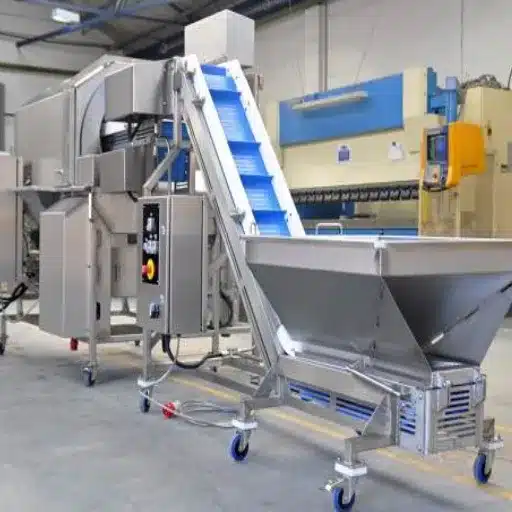
How Twin-Screw Extrusion Enhances Production Efficiency
The twin-screw technology increases production output advantage by allowing an effective manipulation of the temperature, pressure and stress levels, during the process. The extent of manipulation makes it possible to achieve a high-quality, repeatable product while minimizing the energy and raw material consumption. The co-rotating screws in this extruder mix the ingredients very well and provide an even spread of the material thereby minimizing the possibility of any defects while making the final product.
Moreover, the recent development in twin-screw extruders has comprised a real-time process management system. Its advanced sensors and application software help keep a check on important operating parameters and control the extrusion process within the specified quality range. For instance, the use of real-time torque measurement ensures that performance remains standard and helps detect any aberration that may cause downtime or inefficiency.
Comparative analysis using statistical data indicates, for instance, that innovative twin-screw extrusion technology proves to be a better method than the conventional single screw systems. Twin screw extruders are able to increase the throughput performance by an average of 35% and permit more latitude in the formulation of different ingredients especially those with more fiber content or water. This feature is a major advantage since there are existing market trends of diversified products and satisfying the ever changing demands of the consumers.
Lessening the ineptitude involved and offering multiple approaches to processing systems, twin screw extrusion is now built up as a major technique for suppliers who intend to increase production whilst keeping quality and environmental parameters spelt out.
Quality Control Measures in Extrusion Processes
During extrusion, many aspects are involved and these need to be effectively and accurately controlled in order to guarantee high-quality products. Such aspects include the temperature and pressure policies, screw speed, material feed rates and their regulation concerning time. These aspects can be achieved through certain sophisticated systems. These include automatic control which involves advanced sensors for the collection of information in real-time. It is also aimed at prevention of eventual causes of variations in product qualities and suppression of the causes within the module of control of processes.
The use of this sort of devices has greatly helped to minimize these limitations. Where the product is to be frozen, a lot of moisture has to be flashed off for the ice crystals to be above the temperature of freezing. This study will focus on spectral analysis as a method of in-process monitoring of food processing machinery in order to get the percentage of water in a product and its bulk density, which should be approved by the consumer. One other commonly practiced process is as follows. In process control will also permit the detection of sources of potential variability of the product as soon as they are present and treat (regulate) them before they influence the quality of the given product. Statistics Process Control also referred to as SPC is another most frequently used tool which helps to assess the fluctuation in the manufacturing note and control it before it disrupts the production quality.
In order to improve the production process, many experts also employ control systems which are dosed with theoretical frameworks generated by machine learning. Such systems analyze empirical recommendations, make predictive suggestions and in doing so, reduce the level of human involvement, and minimize fluctuations of the process. Along with ISO 22000 and any other few safety protocols specific to each food grade, they are implemented to the extrusion process of fresh ingredients by observing all sides to an extent of yielding safe consumable products, which meet the regulations as well as the consumer’s expectations of the product.
Reducing Waste through Advanced Machinery
Advanced technologies in Food Processing Machinery also bring about fundamental changes in reducing material waste through precision engineering and also through the use of monitoring systems. Extrusion nowadays involves the use of sensors and computer software that monitor and regulate key process parameters such as temperature, pressure, and feed rate among other things. Such systems optimize the use of resources, thus eliminating most of the material wastage because of reasons such as overproduction or poor quality. For instance, introducing PLCs on the other hand, helps in maintaining stability for a longer period as production constraints can be changed fast so that each input is turned into an output as much as possible.
Likewise, there are many machines, quite efficient and sophisticated, that are manufactured taking care of environmental considerations such as closed-loop cross recycling mechanisms. Materials that are rejected from one process stage can be collected within the closed-loop as a ready to use material, thereby, cutting down dependence on virgin materials and also on waste disposal. For example, in case of a process like extrusion of plastics, there is a possibility to have the material that is being wasted or damaged melted and reused in the process without any loss of efficiency or quality greater than the one existing in new materials. All such steps enhance the efficiency in the consumption of resources and help in fulfilling the commitments of the companies towards sustainability, and rules with regard to protecting the environment.
The development of these data-driven technologies, also known as “big data”, facilitates a reduction in wastage through predictive maintenance without compromising performance. With machine learning techniques, manufactures can anticipate breakdowns or process inefficacy before the correction is necessary, and therefore the production stops do not happen and the process productivity is ensured. This is in line with extending the useful period of use of equipment and limiting losses occurring in case of stoppage or production of defective items. In conjunction with the precise control of waste pathways and focused reporting with the help of comprehensive software solutions, it is possible for businesses to conduct extremely precise waste prevention solutions, which in turn reduces operational costs along with the oppressions that industrial processes cause to the environment.
Sustainable Practices in Twin-Screw Extrusion
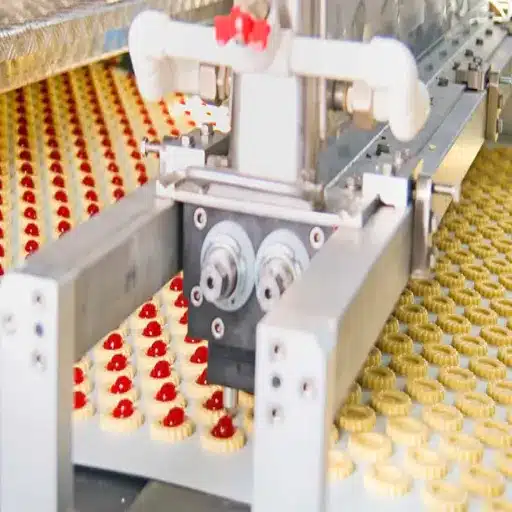
Environmental Benefits of Sustainable Food Processing
A notable advantage of advanced food processing methodologies is employment of environmental conscious practices in processing technologies. Strategies that cut down energy usage such as through heat back operations in twin-screw extruders may bring down energy consumption rates by as much as 30% severally upon the size and design of the infrastructure employed. In the same line, appropriate water management techniques for example deploying recycling within a system, in order to promote efficiency of use through closed systems can cut up to 50% of water usage and conserve this resource. Uses of fuel and plastic a encourage the use of cleaning tool in food processing machinery yet they also promote water recycling systems.
Such practices also help in controlling the greenhouse gas emissions, as the dependency on the fossil fuels is significantly reduced and can be replaced by renewable sources whenever possible. Besides, sustainable food manufacturing reduces material waste as a result of sophisticated design and right dosing of the ingredients, hereby causing less waste generated in forms of the products and the like. Progressive digital solutions provide enhanced monitoring of the proceedings, thus enabling the implementation of more flexible operational control, so no constructive or chemical harm is done even at high load.
By investing in these environmentally oriented solutions, food processors mitigate risks and respond to increasing demand for more sustainable foods that encourage the sustainability of the food industry in the long run.
Integrating Sustainability into Food Production
The enhancement and integration of eco-friendly technologies has also been adopted widely within the food production industry. Measures like precision farming, internet of things (IoT) management of resources provide accurate information on the consumption of resources which ensures meaningful resource allocations for example, efficient use and minimal wastage of water, electricity and fertilizers among others. For instance, within precision farming, satellite pictures and sensor information are used to provide specific actions and avoid cultivation inputs saving cost up to 30% while collecting adequate amount of fruits and vegetables. Html file includes a story about Food Processing Machinery remains untangled.
Another noteworthy shift has been the use of predictive analytics element of artificial intelligence (AI). AI based models can help forecast production requirements, evaluate chain risks and even serve the ways to manage inventories that lead to storage efficiency. It aims at optimizing food spoilage and logistical disorders. Furthermore, the blockchain concept is aimed at increasing the level of information within supply chains and ceiling the information consumers are allowed to know about their choice of food sustainability.
In order to hasten the acceptance of these innovations, participation is required from different industries, good policies must be put in place or improved, and research and development must receive some investments. The agricultural sector can apply these technological developments in order to support global food feed consumption demand whilst observing environmental conservation.
Lifecycle Considerations of Food Processing Machinery
Food Processing Machinery is evaluated on its efficiency, sustainability, and overall cost, and the machinery’s lifecycle is of great importance. Lifecycle applies in this context to the stages that start with design, followed by manufacture, use, maintenance, and end in decommission or recycling. It is equally helpful if all stages are appropriately addressed. lessening ecological footprints as well as presenting the appliances themselves and the organizations and aids offered within the limits of legislation.
The process of design and production will help reduce waste and energy costs through the suitable use of durable and recyclable materials. Prominent manufacturing techniques such as precision engineering and combinations of equipment and technology in place have led to more efficient operations of the machines. Depending on the design, the modular components will make it easier to retrofit or upgrade the equipment, hence elongating its service span.
Businesses have long worked to improve their operational efficiency by introducing preventive maintenance and real-time monitoring systems, where potential problems can be rectified before they become major issues. Most importantly, regular and planned maintenance programs decrease equipment downtime as well as energy consumption hence improving the quality of production. Installing sensor technology in various equipment streams enhances data capture for predictive analytics and improves planning in terms of supply chain and other resource management.
In the end, however, such steps as reuse, or remanufacturing or recycling of the components can also contribute to lowering the ecological impact. For this purpose more manufacturing industries have adopted closed loops of closed loops in order to manage the waste, saving the precious materials, and honoring the principles of the circular economy. Through lifecycle management of its operations, the food business industry is able to promote social and environmental goals, enhance resource efficiency, and cut costs.
Choosing the Right Equipment and Manufacturer

Factors to Consider When Selecting Extrusion Machiner
In terms of criteria for selection of extrusion machinery, different operational, technical, as well financial aspects equally key for enhancing the performance and economic advantages of the process should be taken into consideration. The primary concern that a party would need to appreciate is the versatility of the machine in terms of its purpose, in that it should be able to handle one or more of the specified materials for the intended purpose like thermoplastic materials food items or food processing machinery. Further, the throughput capacity of the machine must conform to the production requirements such that it will meet the current as well as the anticipated need without exceeding the limits for which it was designed.
Another important aspect of this discussion is energy efficiency considering that the newest generations of extrusion machines that are embedded with energy saving technologies that are capable of reducing the long term cost of operation very effectively. Novel additions such as control systems and temperature control devices surrogate the intervening actively level of the labor in work and improve within a standard range their quality and its constancy process. In addition, the longevity of the equipment and the extent to which it shall require maintenance also needs consideration. Machines made of durable materials and with easy maintenance design have greater reliability and availability as a rule.
The growing demand for automation increases the cost of equipment; nevertheless, this is not the case in the long run due to the reduction in human labor costs. The total cost of ownership (TCO) must be considered including energy usage maintenance costs and spare part costs if any. It is also worth mentioning that it is very important to look into the manufacturer’s reputation, the type of support they provide, and the availability of technical support fat sake of controlling operations streamlining all activities and making sure that there are no losses or disruptions. Conducting a comprehensive assessment of all these elements aids businesses in understanding their position and moves in a rational way to meet the required technology and strategy.
Latest Trends in Food Processing Equipment Innovation
The food processing industry is going through a massive change due to new technological advances, the need for sustainable solutions, and the change of consumer habits. One of the most prominent trends is the inclusion of automation and AI in the equipment used in food processing industry. Complex activities like sorting of ingredients, mixing of different ingredients along with efficient packing mechanisms are a reality that automated systems have capabilities of. They possess the capacity to improve these operations by enabling such things as online control and condition monitoring processes, as well as preventive maintenance, and quality control. An instance of this is when machine learning techniques are applied to data gathered from sensors mounted on equipment to monitor any changes, enhance production flow efficiency, or reduce production down time.
One more big step that was taken was making all these machines very eco-friendly and economical. Due to the increased worry about the effects of global warming and over the consumption of resources, manufacturers strive to ensure that their machines do not consume excess energy or water. Take for example in the case of food processing machinery. Most modern thermal processing machines consume very little energy however at the same time they uphold food safety and quality as they are able to regulate their temperatures. Moreover, using such equipment made out of recyclable and biodegradable materials, helps to reduce the overall environmental effect brought about by the industry. Such improvements in addition to cutting down operational costs also enable their members to avoid serious legal issues, for instance, aid in CNT2 strategies.
At the end of the day, there is a growing trend in the usage of modulated or adaptable equipment designs within the industry. As it happens, scalability is possible through modulars due to the fact that they can quickly accommodate altered production runs. Moreover, the supply and demand expectations from the customers for innovative foods have shortened cycle times since the available configurations are geared towards fast product developments. And on top of all that, the current designs incorporate smart technologies like the Internet of things which enable ease of different system parts’ runtime integration and control in one place. An integrated solution across all food processing machinery will increase their efficiency, allow for less wastage, and create a viable business environment as the world becomes more fluid.
References
-
Basic Elements of Equipment Cleaning and Sanitizing in Food Processing
This document provides guidelines on cleaning and sanitizing equipment in food processing operations. -
Corporate Performance Indicators for Agriculture and Food Processing Sector
This paper discusses performance metrics for companies in the food processing and related sectors. -
Historical Developments in Food Science and Technology
This article explores the evolution of food processing machinery and technological advancements. - Click here to read more.
Frequently Asked Questions (FAQ)
Q: Explain food processing machinery. Why is it significant?
A: Very simply put, food processing machinery is a machine which assists the conversion of the raw materials into food items in a more complete form. These assist the food processors in obtaining a better grade of food items as they are able to carry out their functions evenly, enhance cleanliness, reduce wastage and facilitate production. It is worth investing in the long-term and durable safety measures and equipment such as food processing machinery in order to achieve the desired standards and shapes of the manufactured products.
Q: What gentle operations such as peeling does Food Processing Machinery perform?
A: Among the modern devices of Food Processing Machinery are peel systems for gentle yet effective removal of peels from fruits and vegetables. Such systems are designed and manufactured using appropriate materials that importantly include adjustable configurations to ensure maximum productivity and effective product damage control which prevents any damage to product appearance and structure, quality food products.
Q: What are the key considerations in evaluating output dimensions and structure of food processing equipment?
A: Different materials used in design and more so construction of the food processing machinery are more hygienic and must be easier to clean, demountable for maintenance and should also be strong enough in order to maintain structural stability for long within one installation period. Great design equally considers the ergonomics of the operators as well as the hygiene flows in order to ensure food safe operations and quality production at all times.
Q: In what specific way or ways does the level of skill necessary in the development and implementation of Food Processing Machinery affect its choice and usage?
A: Knowledge and experience empower manufacturers and engineers to ensure the design of Food Processing Machinery best accommodates the properties of the product, the scale of production, and the relevant standards. Seasoned manufacturers share their process expertise that surpasses the adjustment of parameters such as cutting, mixing, or peeling only but mainly focusing on the integration of the equipment into the existing table line in order to preserve quality and avoid inefficiencies.
Q: How does distribution and customer service factors contribute to the support of the Food Processing Machinery in question?
A: Service and support are imperative for the machine to last longer so that downtime is reduced. Trusted companies supply installation, training, preventive maintenance, additional parts, and repair services. A good service and support strategy makes sure the machine stays strong and works well for the entirety of its lifespan.
Q: Is Food Processing Machinery available in specific product designs?
A: Yes, there are several customization choices available with most suppliers of Food Processing Machinery for special product features such as dimensions, peel thickness, or even texture. One can design and build machines in such a way that they meet the required end results, but within limits without compromising on product quality or improving efficiency.
Q: What preventive measures are put in place in the structural design of the Food Processing Machinery to withstand wear and tear?
A: Manufacturers entrench endurance by good material choice and use of tested components, high-precision production and inspection of parts during manufacturing. Regular checks and compliance with the norms ensure consistency in performance of the machine which in turn ensures quality of the food products.
Q: Why should you invest in high end Food Processing Machinery? Discuss about its long term advantages.
A: High end Food Processing Machinery has many long term advantages. These include better control of product consistency, minimized downtime, minimized equipment breakdown, improved yield (reduced peeling and trimming losses), and increased brand value. Proper equipment and a supplier with expertise and a guarantee for service and support result in visible returns on investment and consistent quality of products.