Food grade seals, gaskets, and elastomers are specialized rubber or polymer components that keep food, beverages, and cleaning fluids inside processing equipment without contaminating the product. Unlike ordinary industrial seals, they must meet strict regulations such as FDA 21 CFR 177.2600, resist aggressive CIP and SIP cycles, and remain safe during repeated food contact. Choosing the wrong material can lead to leaching, bacterial harborage, unexpected downtime, or even a product recall.
In this guide, you will learn how food grade rubber seals and gaskets differ from industrial grades, which certifications matter, how to match elastomer materials to real production conditions, and how to maintain seals so your line stays safe and productive.
Key Takeaways
- Food grade seals, gaskets, and elastomers must meet FDA, EU, or 3-A sanitary standards before they can touch food zones.
- Silicone handles extreme heat and autoclaving, EPDM resists steam and acids, nitrile resists oils and fats, and PTFE or FKM tackle aggressive chemicals.
- A single seal failure can cost a food plant 10,000–10,000–30,000 per hour in downtime, far more than the price of the seal itself.
- Always request a Declaration of Compliance, migration test data, and batch traceability from your seal supplier.
- Seal selection is most effective when it is planned during equipment design, not treated as an afterthought.
What Are Food Grade Seals, Gaskets, and Elastomers?
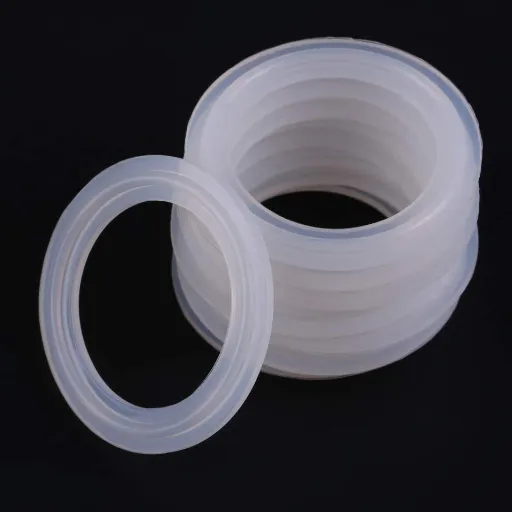
A seal blocks the gap between two surfaces to prevent leakage. A gasket is a type of static seal, usually cut or molded to fit a flange or joint. An elastomer is the rubber-like polymer, such as silicone or EPDM, that gives the seal its flexibility and recovery after compression.
When these components are described as food grade, it means the material is formulated for repeated food contact under recognized safety standards. The compound must limit extractables, remain tasteless and odorless, and survive the temperatures and chemicals used in food processing.
Mini-story: Li Wei, a maintenance manager at a snack plant in Southeast Asia, once installed a standard nitrile O-ring in a hot-oil pump because it was in stock. Within two weeks the seal swelled and leaked, forcing a four-hour shutdown. After switching to an FDA-compliant FKM seal rated for the oil and temperature, the pump ran for eight months without issue. The right food grade seal cost slightly more upfront but saved thousands in lost production.
Food grade vs. industrial grade
Industrial seals are built for mechanical performance, not human safety. They may contain plasticizers, fillers, or colorants that can migrate into food. They are also rarely tested for repeated exposure to steam, caustic cleaners, or acidic foods. In a food zone, only materials that carry proper compliance documentation should be used.
If you are unsure whether a seal is food safe, ask the supplier for the compound’s FDA compliance letter or Declaration of Compliance. A simple color claim like “white silicone” is not enough on its own.
Want to see how food-grade materials fit into a complete production line? Explore our food-grade machinery materials guide for a broader look at safe equipment design.
Regulatory Standards and Certifications
The most important regulation for US food contact rubber is FDA 21 CFR 177.2600, which covers food grade seals, gaskets, and elastomers intended for repeated use. It establishes extraction levels for both aqueous and fatty foods. In case of distilled water extraction, the levels will be set at 20 mg/square inch in the first 7 hours and 1 mg/square inch in the following 2 hours. In case of n-hexane, which is an indication of fatty foods, the levels will be set at 175 mg/in² and 4 mg/in².
Other key standards
| Standard | Region / Scope | What It Covers |
|---|---|---|
| FDA 21 CFR 177.2600 | United States | Rubber articles for repeated food contact |
| EC 1935/2004 | European Union | General safety of food contact materials |
| EU 10/2011 | European Union | Migration limits for plastics and coatings |
| 3-A Sanitary Standards | International | Hygienic design for dairy and food equipment |
| NSF/ANSI 51 | International | Food equipment materials safety |
| USP Class VI | International | Biocompatibility for pharma crossover |
Reading a Declaration of Compliance
A trustworthy supplier should provide a Declaration of Compliance (DoC) that states which regulation the compound meets, the types of food it can contact, and any temperature or time restrictions. The DoC should also confirm that the complete compound, not just individual ingredients, has been evaluated.
Common Food-Grade Elastomer Materials
Choosing food grade seals, gaskets, and elastomers is a balance of temperature, chemical exposure, mechanical stress, and cost. The table below summarizes the most common options.
| Material | Temperature Range | Best For | Avoid With |
|---|---|---|---|
| Silicone (VMQ) | -60°C to +230°C | High heat, autoclaving, dairy, baking | High-abrasion, petroleum without FDA approval |
| EPDM | -40°C to +150°C | Steam, CIP, acids, water, beverages | Oils, fats, hydrocarbons |
| Nitrile (NBR) | -40°C to +120°C | Oils, fats, jar lids, conveyors | High heat, strong oxidizers |
| FKM / Viton® | -30°C to +250°C | Hot oils, aggressive chemicals, high temp | Low-temperature flexibility, cost |
| PTFE | -200°C to +260°C | High purity, chemical inertness, mixers/pumps | Cold flow, poor elasticity |
| FFKM / Kalrez® | -20°C to +327°C | Extreme chemicals and temperatures | Cost-sensitive applications |
Silicone: the all-rounder for heat and purity
Platinum-cured silicone is the go-to choice when equipment is autoclaved or exposed to rapid temperature swings. It is odorless, tasteless, and available in white or translucent grades that make contamination easy to spot. For this reason, it is common in dairy, beverage, and pharmaceutical equipment.
EPDM: the CIP workhorse
EPDM offers excellent resistance to steam, hot water, and many acids. That makes it ideal for Clean-in-Place systems. However, it swells badly in contact with oils and fats, so it should not be used near frying oil or fatty fillings.
Nitrile and FKM: the oil and fat specialists
Nitrile is cost-effective for jar lids, conveyor belts, and other applications with moderate oil contact. When temperatures climb above 120°C or when the chemical environment is harsh, FKM becomes the safer choice despite its higher price.
Mini-story: Ana, a QA supervisor at a dairy cooperative, received a shipment of “food-grade” EPDM gaskets without migration test reports. She refused the lot. Two weeks later, a different plant that accepted similar gaskets had to flush an entire batch after a CIP cycle pulled colorants from the rubber. Ana’s insistence on proper documentation protected both product safety and the brand’s reputation.
Where Food Grade Seals, Gaskets, and Elastomers Are Used in Food Production Lines
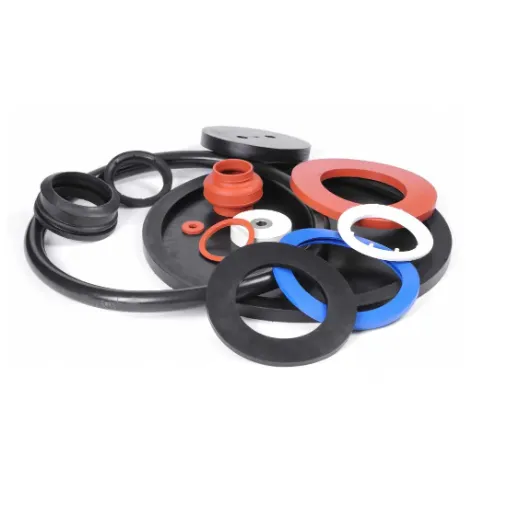
Seals appear wherever a production line contains pressure, vacuum, or moving parts. In a typical food production line, they sit in:
- Mixers and blenders — shaft seals and lid gaskets
- Pumps and valves — dynamic O-rings, diaphragms, and valve seats
- Pipe flanges and heat exchangers — static gaskets
- Filling and packaging machines — nozzle seals and vacuum cups
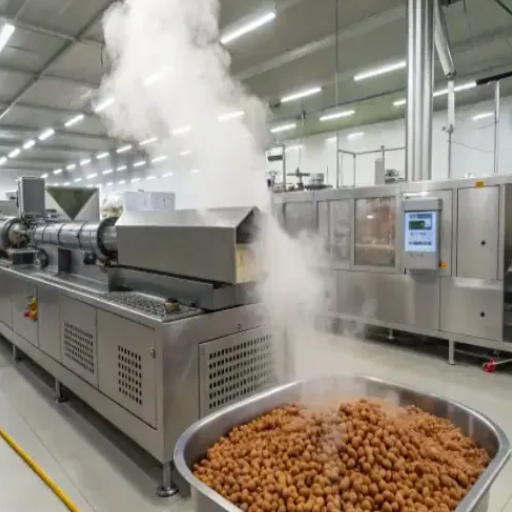
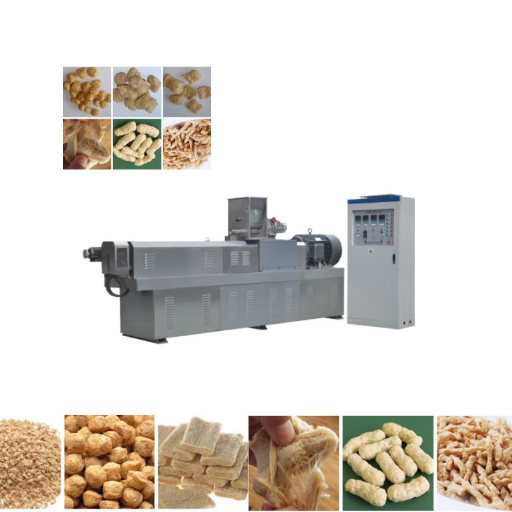
- Extruders — barrel seals and die gaskets, especially in snack food machinery
- Pasteurizers and CIP skids — steam-resistant seals and hose fittings
For pasta and macaroni lines, seals must handle flour dust, water, and dough pressure without trapping debris. Our pasta production line uses hygienic designs that reduce crevices where bacteria can hide.
Static vs. dynamic seals
Static seals do not move once installed, such as flange gaskets and manway seals. They mainly resist compression and temperature. Dynamic seals, like pump shaft seals and agitator O-rings, must also resist abrasion, friction, and repeated flexing. Dynamic applications usually demand harder, more wear-resistant compounds such as FKM, PTFE, or specially formulated polyurethane.
How to Select Food Grade Seals, Gaskets, and Elastomers
A good selection process starts with the process conditions, not the catalog page. Ask these questions in order:
- What temperatures will the seal see? Include both process temperature and cleaning or sterilization temperature.
- What chemicals will it contact? List food ingredients, cleaning agents, and sanitizers.
- Is the seal static or dynamic? Dynamic seals need better abrasion and compression-set resistance.
- How often will it be cleaned or sterilized? Repeated CIP/SIP cycles accelerate aging in some materials.
- Which regulations must the plant meet? FDA, EU, 3-A, NSF/ANSI 51, or a combination?
- What is the total cost of failure? Downtime, scrap, rework, and regulatory risk often dwarf the seal price.
Quick decision matrix
| Application Condition | Recommended Material |
|---|---|
| High heat or autoclaving | Silicone, FKM, or PTFE |
| Animal or vegetable oils and fats | Nitrile or FKM |
| Steam, hot water, CIP cycles | EPDM or FKM |
| Acids, juices, vinegars | EPDM or FKM |
| Extreme chemicals | PTFE or FFKM |
| Abrasion or wear | Nitrile, polyurethane, or PTFE |
| Metal-detection safety | Blue metal-detectable silicone or EPDM |
Special safety features
Metal-detectable rubber contains additives that trigger standard food-metal detectors if a fragment breaks off. Blue-colored seals are easier for operators and cameras to spot against most food backgrounds. Antimicrobial silicone grades can reduce bacterial growth on the seal surface between cleanings. These features add cost but can be valuable in high-risk zones.
Maintenance, Replacement, and the Cost of Failure
Food grade seals, gaskets, and elastomers are small, but their failure can be expensive. According to industry estimates, unplanned downtime in food and beverage manufacturing can cost 10,000to10,000to30,000 per hour. A single mechanical seal failure that costs 1,500inpartscanproduce∗∗1,500inpartscanproduce∗∗15,000 or more** in lost production, rework, and recovery expenses.
Inspection checklist
During scheduled maintenance, look for:
- Cracks, nicks, or permanent deformation
- Compression set (the seal no longer springs back)
- Discoloration or surface sticking
- Leaks around joints or shafts
- Swelling, shrinkage, or hardening
When to replace
Replacement intervals depend on duty cycle and material. A common starting point is to inspect seals every three to six months in high-wear zones and replace them proactively during planned shutdowns rather than waiting for failure. Always keep a small stock of the correct food grade replacement seals so an emergency does not force the use of an unverified industrial part.
Mini-story: Marcus, the operations director at a ready-meal plant, tracked seal replacements across three filling lines. He found that replacing pump shaft seals every six months during scheduled sanitation reduced unplanned stops by 40% over one year. The proactive program cost less than one unexpected mid-shift failure.
Buying from Suppliers: Documentation Checklist
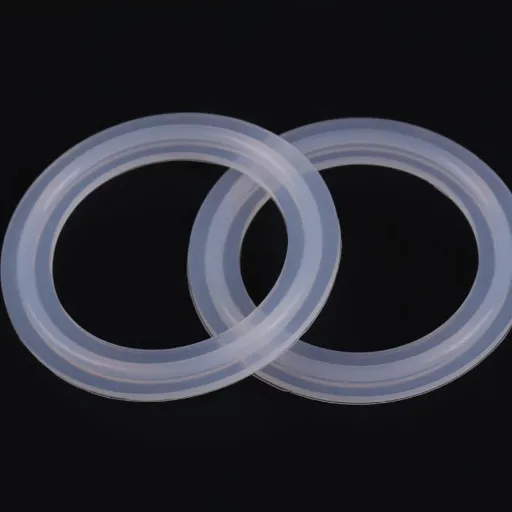
Requesting these documents ensures your food grade seals, gaskets, and elastomers can pass audits and keep your line compliant.
- Declaration of Compliance to FDA 21 CFR 177.2600, EU 1935/2004, or other relevant standard
- Certificate of Analysis (CoA) for the specific batch
- Migration test reports from a third-party lab such as SGS or Intertek
- Batch traceability and compound identification
- ISO 9001 or ISO 22000 certification for quality and food safety management
- 3-A Sanitary or NSF/ANSI 51 listing if required by the application
Red flags
Be cautious if a supplier:
- Claims “FDA approved” instead of “FDA compliant” — the FDA does not approve rubber compounds in this way
- Cannot provide written compliance documentation
- Offers only industrial-grade material with “food-safe” claims
- Refuses to disclose the compound source or batch number
Frequently Asked Questions
What makes a seal “food grade”?
A seal is food grade when its compound is formulated and tested for repeated food contact under a recognized standard such as FDA 21 CFR 177.2600 or EU 1935/2004. It must limit extractables, remain odorless and tasteless, and survive the temperatures and chemicals used in food processing.
Can rubber gaskets be used in food-grade applications?
Yes, but only if they are made from an FDA-compliant or EU-compliant compound. Not all rubber is food safe; industrial-grade rubber may contain fillers or plasticizers that can migrate into food.
Which elastomer is best for food processing?
There is no single best material. Silicone is best for high heat and autoclaving, EPDM for steam and CIP, nitrile for oils and fats, and FKM or PTFE for aggressive chemicals. The right choice depends on temperature, chemical exposure, and mechanical stress.
How often should food grade seals be replaced?
Inspect seals every three to six months in high-wear zones and replace them during planned shutdowns. Proactive replacement is almost always cheaper than an unexpected failure.
Conclusion
Food grade seals, gaskets, and elastomers are easy to overlook until one fails. The right choice protects product safety, keeps regulators satisfied, and prevents the kind of downtime that turns a small part into a major expense. Start by matching the material to your real process conditions, demand proper compliance documentation, and inspect seals on a regular schedule.
At Shandong Loyal Industrial, we design turnkey food production lines with food-grade, CE-certified components and hygienic design principles built in from the start. If you are planning a new line or reviewing the sealing strategy on existing equipment, contact our engineering team for a customized solution that matches your product, capacity, and compliance needs.