Commercial kitchen management is a big challenge. To maintain the quality of the food constantly and to control the cost of the overhead, business owners and chefs have to deal with countless problems every day. One major but usually unnoticed way to save money and make the operation more efficient is choosing the right kitchen equipment. The new ENERGY STAR-certified commercial kitchen equipment comes in to minimize not only the energy but also the utility costs while improving the performance. The benefits of using energy-efficient appliances are discussed in this article, highlighting the ways in which these innovative solutions can enable you to increase sustainability, improve your operations, and ultimately, win more profit.
Introduction to Energy Efficiency in Commercial Kitchens

The term energy efficiency in commercial kitchens is understood as the selection of appliances and practices that consume less energy but still maintain or even boost the performance of the operations. One way to obtain this is to use energy-efficient machines, for instance, those certified with the ENERGY STAR label like ovens, dishwashers, and refrigerators, which can result in lower utility expenses and less impact on the environment. Energy and resources savings is one of the advantages, and at the same time, a more productive kitchen is being supported, thus, the operation becomes even more sustainable and financially viable.
The Importance of Energy Efficient Kitchen Equipment
Efficiency in energy consumption of kitchen appliances is necessary to reduce the costs of operations, to have a lesser impact on the environment, and to increase the overall efficiency. The use of energy-efficient devices, both in the business and residential sectors, can lead to considerable reductions in the power bills as well as being a part of the solution for the world’s climate changes. Moreover, this type of equipment often comes with advanced functionalities that optimize and maximize the output, thereby making the investment a wise one for success in the long run.
Overview of Energy Consumption in Food Service
The food service industry consumes the most energy in the areas of cooking, refrigeration, water heating, and heating, ventilation, and air conditioning (HVAC) systems. Commercial food preparation requires a lot of energy for the efficient cooking, and at the same time, refrigeration and freezing units have to run continuously for a safe and secure storage of perishable items. Water heating is made necessary for cleaning and sanitation while the HVAC systems are responsible for keeping a comfortable atmosphere for both the employees and the guests. The investment in energy-efficient devices and technologies can have a big impact on the reduction of energy consumption, cost cutting, and bringing of the sustainability to the food service industry.
Benefits of Implementing Energy-Efficient Solutions
Incorporating energy-efficient solutions in the foodservice industry has many benefits. Among these, one can mention the dramatic reduction of operational cost through less energy use, a step towards a greener and more sustainable industry by cutting down the negative impacts on nature, and a longer life span of machines because of better performance. It is also true that using less energy helps with regulatory compliance and makes the business more attractive to customers who care about the environment, thus positively impacting its reputation and competition.
Understanding Energy-Efficient Equipment
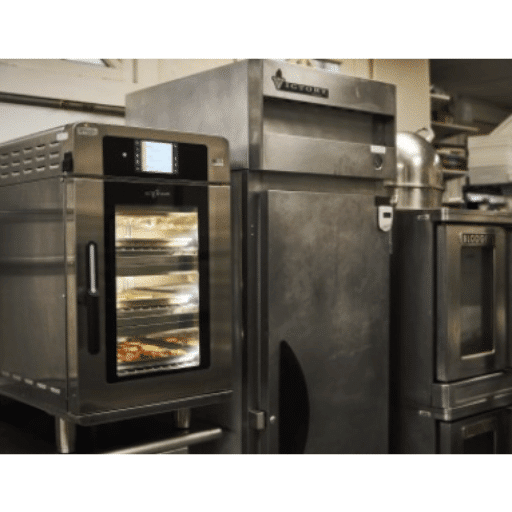
Energy-efficient kitchen equipment has the capability of less consumption of energy along with its maintenance or improvement of performance. The electric appliances like ovens, refrigerators, and dishwashers that are certified by ENERGY STAR are made to work with the usage of high-tech devices that reduce energy consumption to the bare minimum. They are probably the ones that spend the least amount of energy and therefore produce the least impact on the environment, as they result in lower utility bills. The use of energy-efficient kitchen equipment incorporated in the operations leads to cost-effectiveness and sustainability of the kitchen without compromising the quality or quantity of production.
What is Energy-Efficient Commercial Kitchen Equipment?
Energy-efficient commercial kitchen appliances are those that consume less energy but still perform at their best. These devices use new technologies, for instance, better insulation, heat transfer systems with a high level of accuracy, and very specific temperature control to minimize energy use and at the same time save cost in operation. The switching of non-efficient models to energy-efficient ones will not only grant an enterprise the benefit of improved eco-friendliness but also the advantages of less utility bills and compliance with environmental regulations while at the same time keeping up with the same level of production and quality.
Key Features of Energy-Efficient Kitchen Appliances
- Innovative Insulation: Better insulating materials have been developed to reduce to a large extent the amount of heat lost, thereby improving the energy management of the facility and cutting down the power drawn to a minimum possible level.
- Advanced Heat Transfer Systems: The systems have been improved in such a way that they not only use energy in the most efficient way but also achieve very fast heating or cooling processes.
- Precise Temperature Controls: The use of precise controls will help in keeping the desired operational settings intact and, thus, in preventing energy wasting.
- Energy-Saving Modes: Energy use is minimized almost to a point of being nonexistent with the help of functions like standby or eco modes which are integrated into the system to further lower the energy requirement during the periods when the system is not in use.
- Compliance with Standards: The system is built in such a way that it satisfies or goes beyond the requirements of environmental and energy efficiency certifications thus assuring the practice of sustainable methods.
Types of Energy-Efficient Cooking Equipment
Energy Star Program and Its Benefits

The Energy Star initiative, which is backed by the government, is meant to promote energy efficiency and environmental conservation. Ready to use appliances with the Energy Star certification installed don’t just meet but also exceed the requirements set for energy performance, therefore cutting down not only their energy consumption but also the operational costs. The major advantages of the program are the lowering of costs for the end users, the reduction in emissions of greenhouse gases, and improved environmental surroundings for the companies. For food services, the use of Energy Star equipment not only leads to a significant reduction of the long-term costs but also allows to be a part of the green movement without compromising on the quality of the products and services.
Overview of the ENERGY STAR Program
The ENERGY STAR initiative is an official government program that promotes energy efficiency through strict certification standards that are hard to pass. It allows both consumers and businesses to save not only their energy costs but also to have less negative impact on the environment and to be more sustainable, all with the same performance of the products. The program, by certifying appliances and equipment, supports the long-term savings and eco-friendly practices of different industries.
How ENERGY STAR Certification Impacts Commercial Cooking
The ENERGY STAR certification is a big factor in the world of commercial cooking, as it encourages the usage of energy-efficient appliances. The certified ovens, fryers, and steamers are some examples of equipment that use less energy, but their performance remains the same, hence, companies are charged less for their energy consumption. Moreover, the reduction of energy-saving measures leads to a decrease in greenhouse gas emissions thus, making kitchen operations more eco-friendly. Investing in the ENERGY STAR-approved cooking devices brings commercial kitchens long-term cost savings, increased operational efficiency, and a reduced impact on the environment.
Case Studies of ENERGY STAR Commercial Kitchens
Case Study 1: Café Greenline
Café Greenline made the switch to ENERGY STAR-certified fryers and steamers which led to a reduction in energy consumption by 30%. This transition saved the café $2,500 on utility bills and decreased carbon emissions by 20% on the annual basis. The café was able to keep the same costs and at the same time improved to be able to serve more customers.
Case Study 2: Urban Eats Bistro
Urban Eats Bistro made the decision to get rid of old ovens and invest in new ENERGY STAR models, which resulted in 25% less energy consumption. The bistro ended up saving $3,000 in the first year and also experienced a much better flow of work in the kitchen. The switch also had a positive impact on the establishment’s sustainability goals and hence its reputation among the green-minded clients.
Case Study 3: Community Culinary School
A local culinary school took on the use of ENERGY STAR-certified cooking appliances during a remodeling of their kitchen, and thus they had a 35% reduction in energy use. This change led to the decrease of their overhead expenses, giving them the opportunity to use part of the funds for scholarships, and, at the same time, satisfying their community sustainability commitments.
Choosing the Right Equipment for Your Commercial Kitchen
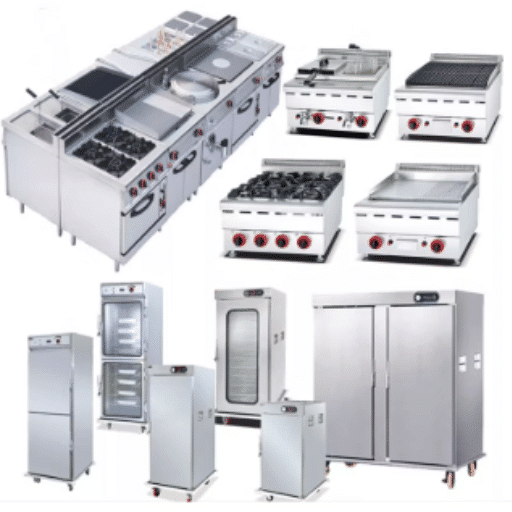
Incorporating the right ENERGY STAR-certified equipment into your commercial kitchen setting entails a compromise between efficiency, performance, and operation needs. Assess the primary functions of the kitchen areas first and then, pinpoint the appliances that are used most frequently. Pay particular attention to ovens, fryers, refrigerators, and dishwashers since these directly impact energy consumption the most.
In the process of comparing the options, give preference to the ones with the ENERGY STAR label. Such models are constantly tested to not only meet but also exceed the efficiency standards, in addition to having a very good performance. Check whether the size and capacity of the equipment are in line with the requirements of your kitchen so that there won’t be any waiting or rush, which will result in the wastage of energy. Besides, take into account the total lifetime cost (including energy savings and maintenance) rather than the initial purchase price only.
Your kitchen can expect significant cost savings, a smaller eco-footprint, and improved overall operational efficiency by the adoption of the right energy-efficient appliances.
Factors to Consider When Selecting Energy-Efficient Equipment
- ✓
Energy Ratings: Always ensure that you are looking at products with the highest efficiency ratings, such as Energy Star-certified ones, as this guarantees that energy consumption will be lower. - ✓
Size and Capacity: Pick the one that perfectly suits your needs to avoid the wastage of energy due to excessive use or the opposite of it. - ✓
Lifetime Costs: Calculate the total cost of ownership that includes energy savings, maintenance, and the ability to withstand wear and tear, instead of just looking at the initial price. - ✓
Technology and Features: Always go for advanced features that will boost efficiency like smart sensors and energy-saving modes. - ✓
Compatibility: Check that the equipment will work with your present setup and meet your operational requirements. - ✓
Environmental Impact: Go for the environmental models that not only cut down on carbon emissions but also help in carrying out the sustainability plan.
Taking these elements into account, you can make significant improvements in operational efficiency and at the same time, lower the long-term costs and the environmental impact.
Evaluating Energy Use and Costs
The assessment of energy consumption and costs requires the examination of equipment’s efficiency and consumption rates over a period of time. The first step is to check the energy consumption data of the current systems, then point out the times with the highest consumption and lastly compare the results with the relevant industry benchmarks. Afterward, sum up the total cost of energy use, including possible maintenance costs. Lastly, consider the savings possible in the long term by either replacing the existing machines with new energy-efficient ones or powering the whole facility with renewable energy to attain the dual benefit of lowering operating costs and reducing environmental impact.
Making Informed Purchases for Restaurant Operations
When it comes to purchasing restaurant equipment, making the right decision is crucial. Start with the long-term. Invest in equipment that would last, efficient in power consuming, and have low maintenance. Look into the vendors’ reliability and compare the prices among the suppliers to be sure you have the value for your money. Give importance to the products that improve the operational efficiency and cause less waste at the same time thinking about the future growth of the manufacturer plant.
Reference Sources
- ENERGY STAR for Small Business: Restaurants: Talks about the energy consumption in restaurants and shows how using ENERGY STAR appliances can significantly cut down on the bills.
- Chef’s Deal – Energy-Efficient Commercial Kitchen Equipment Benefits: Mainly emphasizes the advantages of energy-saving kitchen equipment including getting more done and having less money to pay out.
- Strata GPO – Energy Efficiency in Foodservice: Shall consider the scenario of an energy-efficient kitchen reducing its energy consumption and costs along with increasing the work done.
- EPA – Energy Star for Commercial Kitchens: Advocates for the adoption of energy-efficient as well as water-saving practices in commercial food service through the use of equipment certified by ENERGY STAR.
- Southbend – The Importance of Energy Efficiency in Foodservice: Enlightens the reader about how energy-efficient machinery can not only reduce electricity usage but also positively impact profitability.
Frequently Asked Questions (FAQs)
What does it mean when food equipment is energy-efficient?
Energy-efficient food equipment is that which allows the utmost resource savings without affecting the quality and quantity of the end product, thus making food processing and storage more sustainable.
What gives energy-efficient food equipment the upper hand over traditional ones?
The advantages are: lower utility costs, smaller ecological footprint, more productive kitchens and meeting of sustainability standards.
What are some examples of food equipment that come in energy-efficient models?
Among the most common are refrigerators, freezers, ovens, fryers, dishwashers, and ice machines, all boasting ENERGY STAR certification.
What is the procedure for spotting energy-efficient food equipment?
The best bet is to spot the equipment with ENERGY STAR labels or certifications, which will inform you that the equipment in question is indeed an energy-efficient one.
Will energy-efficient equipment help to boost the productivity of a kitchen?
Absolutely, a lot of the energy-efficient variants are purposely built to work faster and produce less noise, thereby improving overall kitchen efficiency.
Ready to Make the Switch?
Investing in ENERGY STAR-certified commercial kitchen equipment is not just a smart financial decision—it’s a commitment to sustainability, operational excellence, and long-term profitability. Start your journey toward a more efficient and eco-friendly kitchen today!