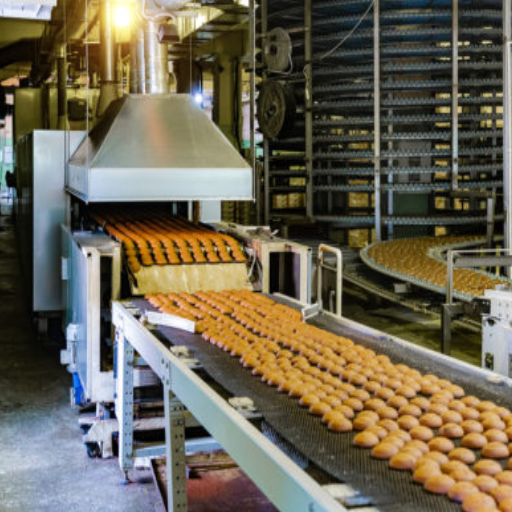
Cereal bars have become a beloved snack for millions worldwide, celebrated for their convenience, delicious taste, and nutritional benefits. The growing demand has sparked significant interest in advanced manufacturing techniques and cutting-edge technology. With evolving market forecasts and unexpected demand patterns in snack production, the industry continues to innovate and expand.
Overview of Cereal Bar Production
What is a Cereal Bar?
A cereal bar is a convenient snack primarily made from cereal grains, bound together with ingredients such as syrups, honey, or other sweeteners. Modern cereal bars have gained popularity due to their portability and ease of consumption, making them an ideal choice for on-the-go individuals looking to satisfy hunger pangs. Oats, rice, and wheat are the most common staples forming the base of these nutritious bars.
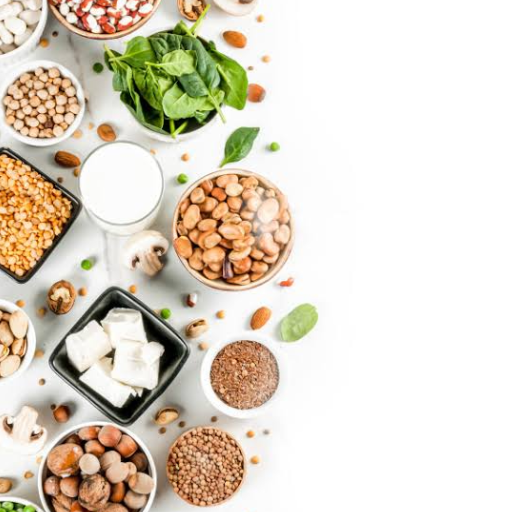
Additional ingredients are often incorporated to enhance both taste and nutritional value. Common additions include dried fruits, nuts, seeds, and sometimes chocolate or yogurt coatings. These ingredients provide subtle flavor enhancements while significantly boosting nutritional content, helping to meet diverse dietary preferences and requirements.
Key Benefits of Cereal Bars
- Versatility to cater to wide-ranging audiences
- Energy-boosting solutions for athletes
- Low-sugar and protein-enriched options available
- Convenient option without compromising taste
- Integral part of modern dietary habits
Types of Cereal Bars: Granola, Protein, and Energy Bars
Cereal bars come in different variations to suit particular tastes and dietary preferences. The most commonly known types include:
🌾 Granola Bars
Granola bars appeal to health-conscious consumers through naturally occurring oats, nuts, dried fruits, and seeds. Their high fiber content and natural energy make them an excellent snack option. Sweetened with honey or other natural sweeteners, granola bars prioritize overall nutrition while maintaining delicious taste.
💪 Protein Bars
Protein bars are designed for those looking to increase their protein intake, typically attracting athletes, fitness enthusiasts, and anyone requiring post-workout recovery support. Featuring protein sources like whey, soy, or plant-based alternatives, these bars boast high protein content perfect for muscle repair and recovery while maintaining adequate protein intake throughout the day.
⚡ Energy Bars
Energy bars provide quick energy bursts for immediate consumption. Typically containing a combination of carbohydrates, fats, and occasionally caffeine, these bars help boost athletic endurance and physical stamina. While primarily used by runners, cyclists, and outdoor enthusiasts, energy bars serve as rapid pick-me-ups during long, demanding hours without requiring a full meal.
Current Trends in Cereal Bar Manufacturing
Demand for healthier, more environmentally sustainable food is reshaping the cereal bar production landscape. A significant shift toward natural and organic ingredients has emerged, with manufacturers reducing artificial additives and preservatives. Many companies now produce gluten-free, vegan, and allergen-friendly bars to support consumers with dietary restrictions or preferences. Clean labeling and transparency have become essential for wellness-minded consumers seeking nutritious options.
🌱 Sustainability Initiatives
Sustainability has become a priority for many cereal bar companies. Manufacturers are exploring eco-friendly packaging alternatives such as recyclable materials and biodegradable wrappers. Additionally, sourcing sustainably and ethically produced ingredients, including fair-trade certified cocoa and oats, addresses environmental concerns while resonating with socially responsible consumers.
Another notable trend is the elevation of functional nutrition. Bars are increasingly designed to address specific health goals, such as protein-fortified bars for muscle recovery or fiber-rich options for digestive health. Some companies leverage technology to offer personalized nutrition solutions, developing bars tailored to individual dietary needs and lifestyle goals, thus providing convenience and versatility for busy, health-conscious lifestyles.
Importance of Modern Bar Manufacturing Equipment
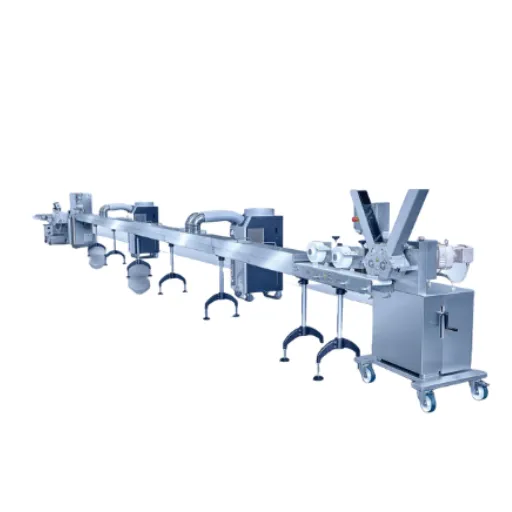
Benefits of Investing in Advanced Bar Machines
📈 Improved Production Capacity
Advanced bar machines enable large-scale production with minimal downtime, achieving up to 30% increased output compared to conventional technology.
✅ Quality Production Consistency
Modern equipment ensures uniform mixing, precise measuring, and consistent bar forming, reducing disposal rejects by approximately 25%.
🔄 Flexibility for Diverse Products
Adjustable settings accommodate various bar types and recipes, from high-protein varieties to granola and fruit-filled options.
💰 Long-Term Cost Effectiveness
Modern technology reduces labor, material, and energy costs, potentially decreasing total manufacturing costs by 15-20% annually.
🛡️ Hygiene and Compliance
Advanced machinery features cleanable designs and materials meeting strict food safety standards, minimizing contamination risks.
Impact on Production Efficiency and Quality
Key Performance Improvements
Higher Production Speed
Modern bar machines can increase production speeds by up to 25%, enabling manufacturers to meet growing demand efficiently.
Better Precision and Consistency
Contemporary technology maintains consistency in product dimensions, reducing variation levels by 30% compared to earlier models.
Decreased Machine Downtime
Diagnostic tools and predictive maintenance functions reduce unscheduled downtime by 40%, ensuring continuous operation.
Wastage Reduction
High accuracy and automation optimize material usage, reducing production waste by an average of 15% and saving raw material costs.
Superior Quality of End Product
Integrated quality-control systems lower product defect rates by 20%, increasing customer satisfaction and reducing returns.
Cost-Effectiveness of Upgrading Equipment
Investing in advanced bar machinery proves to be an excellent strategic decision for manufacturing operations. While the initial investment may appear substantial, the long-term returns are significant. Modern equipment offers exceptional energy efficiency, resulting in monthly energy bill savings of 20-30%. Additionally, advanced machinery experiences minimal wear, leading to substantial decreases in repair and replacement costs.
💡 Cost Savings Highlights
- Energy Efficiency: 20-30% reduction in monthly energy costs
- Productivity Gains: Up to 35% capacity increase without additional labor
- Reduced Maintenance: Fewer repairs and replacements needed
- Compliance Benefits: Meet emission standards and avoid environmental penalties
Another factor contributing to cost-effectiveness is enhanced productivity. Industry case studies reveal that companies employing recent machinery technology increased their production capacity by as much as 35% without hiring additional labor. Streamlining operations boosts profits that can be channeled into further growth initiatives.
Modern equipment also offers safety and environmental practice benefits, helping businesses avoid fines. Machines meeting emission standards help lower environmental fees and penalties, providing both immediate cost savings and long-term advantages. By investing in technology, businesses demonstrate their commitment to innovation, sustaining market goodwill and competitive advantage.
Types of Cereal Bar Machines
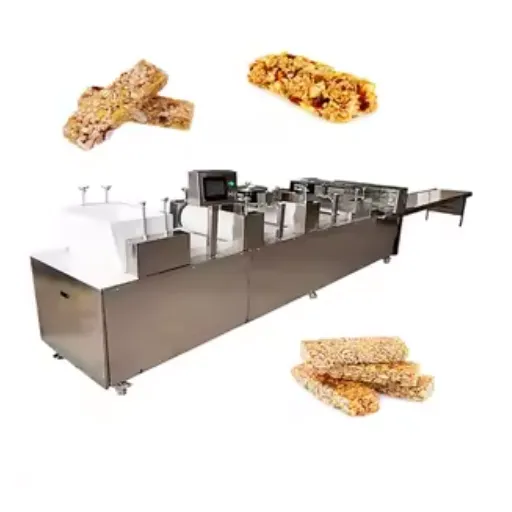
Cereal Bar Making Machines: An Overview
In the food manufacturing industry, cereal bar forming machines are indispensable necessities. These machines are designed to produce multiple types of innovative snack bars while simplifying and streamlining production. Various processes are handled by this machinery, including mixing and blending, depositing, cutting, and packaging, ensuring quality and efficiency throughout. The machines are versatile and feature heavy automation, capable of handling diverse ingredients like oats, nuts, dried fruits, and chocolates, reflecting changing industry trends and consumer preferences. Cereal bar machines come in all types, suited for high-end industrial production lines and artisanal operations that meet various company sizes.
The ability to physically configure modern energy bars represents a major advancement from manual production methods. Manufacturers can customize size, shape, and ingredient placement to meet specific requirements. These machines feature self-diagnostic capabilities, resulting in significant waste reduction and increased productivity. Advanced technologies enable manufacturers to compete on production-line output time while improving product quality, connecting operations to modern manufacturing standards.
🌍 Industry Growth Drivers
The global cereal bar-making machine industry is expanding, driven by soaring consumer demand for healthy and convenient snacks. Improved focus on food technology and ingredients like nuts, coconut, and low sugar content contributes to innovation in machine capacity. Digital control mechanisms, data interchange systems, and real-time monitoring enable manufacturers to operate more effectively and minimize downtime, making cereal bar machinery essential for addressing modern manufacturing challenges.
Comparative Analysis of Different Bar Production Lines
In cereal bar manufacturing, production line automation varies according to flexibility, capacity, and cost, suiting different manufacturing needs:
Specialized Equipment for Protein and Granola Bars
The production of protein and granola bars requires highly specialized equipment designed for specific formula and texture requirements. Dense, tightly packed protein bars with high protein content demand equipment capable of handling thick, sticky mixtures without compromising consistency in shape. Depositing machines or slab forming machines, together with bar cutting systems, require proper calibration to handle such compositions while maintaining consistent portioning.
Granola bar machines, however, must accommodate higher levels of inclusions such as nuts, oats, and dried fruits. This requires machinery that gently mixes ingredients to keep them intact while forming cohesive bars. The ability to adapt to different recipes and batch sizes distinguishes superior production lines from basic mechanical operations.
Essential Equipment Components
For Protein Bars:
- Slab rollers for consistent thickness
- Enrobers for coating applications
- Auto-cutters for precise portioning
For Granola Bars:
- Cooling tunnels for temperature control
- Coating equipment for toppings
- Modular designs for scalability
Modern machinery incorporates advanced control systems and online monitoring for data collection from various sources, tracking ingredient mixing through packaging processes. This reduces waste and energy use, lowering end-product costs while aligning with consumer demand for quality and sustainably produced products.
Choosing the Right Cereal Bar Manufacturing Equipment
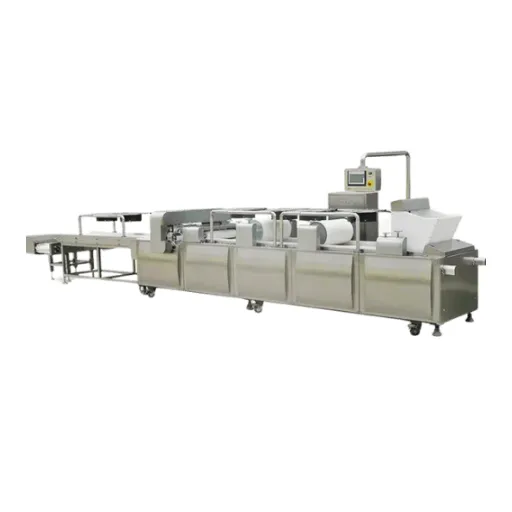
Key Considerations for Equipment Selection
When selecting cereal bar manufacturing equipment, various considerations must be evaluated to ensure optimal performance and efficiency. Production capacity is an inevitable consideration. Manufacturers must assess equipment scalability to accommodate current and prospective production demands. Modular designs typically offer better adaptability and maintainability in response to market changes and production volume variations. Additionally, ingredient compatibility is crucial—equipment must effectively handle nuts, dried fruits, chocolate, and other ingredients to maintain final product quality and consistency.
🔍 Critical Selection Factors
- Production Capacity and Scalability
Evaluate equipment’s ability to meet current and future production demands. Modular designs offer flexibility for growth and market adaptation.
- Ingredient Compatibility
Ensure machinery can effectively handle diverse ingredients including nuts, dried fruits, chocolate, and binding agents for consistent quality.
- Automation and Technology Features
Look for computer-controlled operations, real-time monitoring systems, temperature control, accurate ingredient dosing, and synchronized coating and cutting functions.
- Compliance with Industry Standards
Equipment must meet HACCP requirements, food safety regulations, and environmental standards to ensure legal compliance and product safety.
- Total Cost of Ownership
Consider initial investment, operational costs, maintenance requirements, and energy consumption to understand long-term financial impact.
- Vendor Support and Training
Partner with recognized vendors offering comprehensive technical support, training programs, and responsive customer service for optimal operations.
Advanced automation and technology deserve additional focus. Modern machinery with features like computer-controlled operations, real-time monitoring systems, temperature control, accurate ingredient dosing, and synchronized coating and cutting functions enhance efficiency and reduce waste. Analytics and IoT-enabled equipment provide valuable data insights for predictive maintenance and overall production line optimization.
Industry benchmarks and regulations are non-negotiable considerations. Equipment must comply with Hazard Analysis and Critical Control Point (HACCP) standards for food safety and meet environmental requirements. Manufacturers should evaluate the total cost of ownership, including operational and maintenance expenses and energy consumption, as these factors significantly impact long-term profitability. Building partnerships with recognized vendors who provide comprehensive technical support and training ensures smooth operations and optimal returns on investment. Informed decision-making in equipment purchases enables manufacturers to satisfy customer requirements and drive sustainable growth in the competitive cereal bar market.
Assessing Production Capacity and Scale
Establishing production capacity limits is necessary for the feasibility and prosperity of any cereal bar manufacturing operation. Production capacity represents the maximum number of cereal bars a specific facility can produce within a given period under normal operating conditions. Factors include available equipment, human resource capabilities, production process efficiency, and material supplies. Understanding capacity ensures meeting demand targets while preventing overproduction that leads to resource waste and increased storage costs.
⚠️ Capacity Assessment Checklist
- Determine maximum output under normal operating conditions
- Evaluate equipment efficiency and worker productivity
- Identify production bottlenecks requiring attention
- Assess infrastructure capability for increased demand
- Plan for peak season production requirements
- Consider automation opportunities for scaling
Efficient scaling involves finding balance between market demand and cost-effectiveness. Manufacturers need to determine whether existing infrastructure can handle increased production, especially during peak seasons. Investigating machine efficiency and worker productivity may reveal bottlenecks that can be addressed through process improvements or updated equipment. Automation represents a strategic component for scaling production, as manufacturers can regularly increase efficiency through reduced manual labor, minimized waste, and improved product consistency, fostering long-term operational growth.
Manufacturers must continuously reassess production metrics to ensure scalability aligns with market trends. Analyzing customer demand patterns, implementing real-time data monitoring systems, and developing growth strategies informed by market intelligence are essential practices. For example, business intelligence through data analytics regarding seasonal trends or consumer behavior modifications helps manufacturers proactively adjust production scheduling. Through capacity evaluation and strategic evolution, cereal bar manufacturers maintain competitive operational excellence, ensuring resilience in meeting consumer demands in this dynamic industry.
Packaging and Processing Considerations
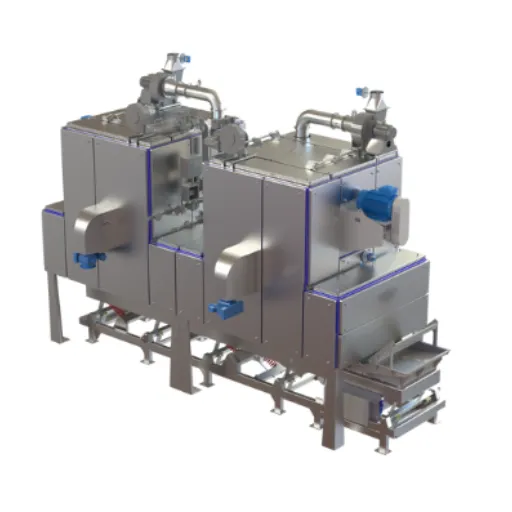
Importance of Efficient Packaging Machines
Efficient packaging machines are crucial for cereal bar manufacturers, serving as the final step in production operations. Automated packaging processes ensure consistent wrapping of individual products, guaranteeing that each package meets identical standards. This consistency is achieved because packaging materials are tested and configured on-site for optimal performance. Efficient packaging machines contribute to minimal material wastage through precise automation, keeping costs under control while supporting environmental conservation. Moreover, automated systems eliminate human error, enhancing perceived product value and reducing recall scenarios.
🌿 Environmental Benefits
Modern packaging equipment manufacturers are developing machines compatible with biodegradable films and reduced plastic usage, contributing to global efforts for environmental protection while maintaining product freshness and quality.
📊 Data-Driven Innovation
Contemporary packaging machines feature smart sensors and IoT connectivity, enabling manufacturers to monitor operations constantly, adjust performance in real-time, and optimize efficiency throughout the packaging process.
🤖 AI-Powered Automation
Robotics and AI-powered automation reduce setup times during product changeovers, creating flexible and responsive manufacturing schedules that adapt quickly to market demands and production requirements.
Market emphasis on convenience and performance drives packaging equipment manufacturers to launch increasingly sophisticated machines. Advanced systems generate stronger, more environmentally friendly packaging solutions. Machines functioning with biodegradable films and utilizing less plastic contribute to reduced environmental impact. These eco-friendly machines help ensure longer shelf life for packaged products—namely freshness and high quality—significant factors in building consumer trust and loyalty.
Investment in high-technology packaging machinery serves as both a competitive guarantee and enables operational expansion to service growing market demand effectively.
Integration of Cutting and Forming Machines
Cutting and forming machines integrated into modern manufacturing processes have transformed production lines into highly seamless and efficient structures. The competitive advantage of combining cutting and forming processes includes reduced lead times and decreased manual handling requirements. Integrated systems feature advanced sensors and software that refine and manage settings during processing with exceptional accuracy. These systems typically include quality control arrangements operating automatically, coordinating matches between intended specifications and actual products while minimizing scrap.
🔗 Industry 4.0 Integration Advantages
IoT Connectivity
Machines communicate across the shop floor, exchanging data to enable predictive maintenance by identifying potential failures before they occur, thereby reducing downtime significantly.
Real-Time Analysis
Systems identify manufacturing delays, optimize production parameters, and adapt production plants to differing needs without disruption or downtime.
AI-Driven Decision Making
Artificial intelligence enables rapid adaptation to new product designs or material changes, creating operational agility and responsiveness to market demands.
The necessity for integrated cutting and forming machines emphasizes sustainable business management within industries. These machines collectively address highly energy and material-consuming processes through resource-efficient technologies that reduce scrap while employing raw materials more judiciously. By producing consistently high-quality manufactured components, manufacturers minimize inefficient secondary processing. As industrial operations venture toward eco-friendly practices, integrated manufacturing systems become increasingly essential in harmonizing economic and environmental benefits.
References
- 📚
Understanding Temperature Development and Powder Dynamics During Ultrasonic Compression
Academic study exploring manufacturing processes and equipment used in creating nutrition bars, including cereal bars. - 📚
Design and Fabrication of Cereals Winnower
Project focusing on the design and testing of equipment used in cereal processing, relevant to cereal bar manufacturing.
Frequently Asked Questions (FAQ)
Ready to Upgrade Your Production Line?
Investing in modern cereal bar manufacturing equipment positions your business for long-term success. From improved efficiency and reduced waste to enhanced product quality and sustainability, the benefits are substantial. Take the next step toward optimizing your operations and meeting growing market demand.