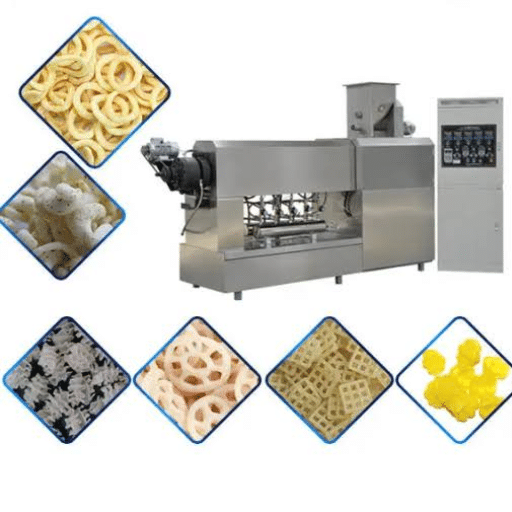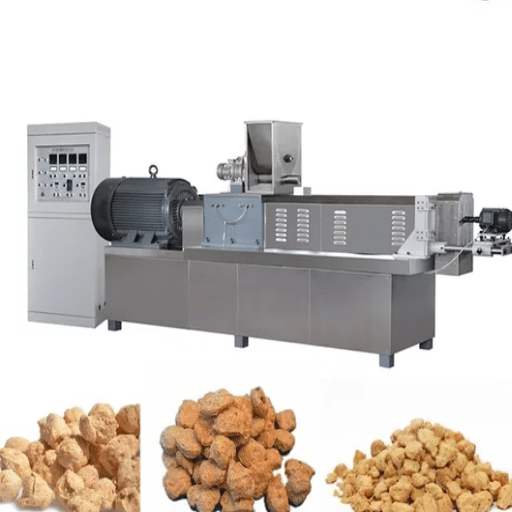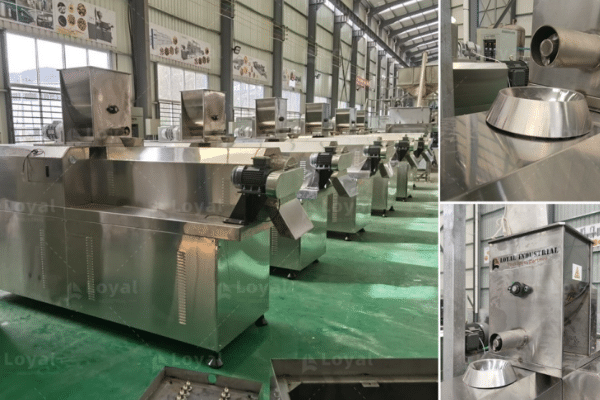
Visualize a future where, at the touch of a button, elaborate dishes are served with finesse, artwork in food is developed in less than five, and where customization and eco-friendliness appeal to all that dine across cafeteria scapes. Some say we have reached the age of 3d culinary age – a modern twist to a classic tradition of cooking and food presentation. It spans from restaurant to any other like aspects of catering and any other aspects of advanced catering, showing how constructive destruction has in fact occurred in the fifth sector. Look forward to discovering 3d food machinery in its inner structures and the horizon when it will stop pretending to do its job as a piece of equipment.
Understanding 3D Food Printing Technology
What is 3D Food Printing?
The Pros and Cons of a 3D Food Printing 3D food refers to the innovative practice of using contemporary additive manufacturing machines to print food items by building them layer by layer. It is comparable to the conventional 3D printing which everyone is familiar with, however this new technique utilizes edible pastes in the form of purees, dough or other ingredient “ink”, which are safe for consumption. A 3D food printer allows for the design and creation of unique and intricate food molds with precision during layering processes.
There are several reasons why 3D food technologies feature such attraction. It involves precise combination of ingredients and portions so that the desired nutritional composition for a given individual is achieved. Furthermore, intricate and unique shapes and food surfaces that cannot be made by any conventional food preparation technique can easily be made. Its use ranges from high end culinary art to more targeted food production making it handy for chefs food processors, nutritionists and more.
Except food consumption,3D food printing has a wide spectrum of application that may help in resolving some global issues. Food wastes, for instance, can be reduced by transforming the leftovers and extra food or ingredients into another edible form. Furthermore, people can be provided with cheap and nutritious food by developing innovative and delicious foods out of sustainable raw materials such as proteins derived from plants as well as other alternatives such as algae and insects.
How 3D Printing Works in Food Production
3d food machinery refers to constructing a three-dimensional object from edible materials deposited in layers that correspond to a specific shape or design. It all starts with a virtual model, usually captured using a software suited for model building for food interventions. Once the model is finalized, it is then transmitted to the printer through a storage medium, in which the food ingredients in paste or powder form are placed in cartridges.
The printer drops the ingredients layer by layer, according to the digital schematic, to form the desired object. Chocolate, dough, fruit purees or even plant protein are some of the typical food materials used. There is such a high level of accuracy in the entire process that precise designs and food items that can be fully customized to suit every taste, nutrition, or aesthetics can be easily achieved.
A few benefits of this approach are lessening food wastage, using eco-friendly products and creating mid-tail customization. For example, it is possible to prepare special meals in cases of dietary discipline or plan eye-catching meals for restaurant facilities. In conceptualizing “3d food machinery,” both the technological features and aesthetics are being synthesized to remodel the designing and eating patterns.
Types of 3D Food Printers
Mechanisms and functions of producing 3D food objects enable identifying three key types of 3D food machinery:
- Extrusion and Deposition Machines: These are 3D printers a food is deposited or extruded through a nozzle and hence the name extrusion or deposition machines of this category. These machines allow designers to produce a wide range of shapes such as chocolate, dough and mashed vegetables.
- Binders Placement Printers: Prins(none machine placements) operate with powdered materials, for instance, sugar, partly, starch which is sugar-equivalent. The mechanism includes the spraying of a selective pattern of a liquid binder onto the powder, and this is followed by the solid layer formation. The method is widely used for making delicate and ornate edibles, such as sugar-candy art.
- Single Run Sintering (SRS) Printers: SLS printers employ lasers to target powdered food materials, heating them up such that a new detailed shape has been built layer by layer growing into the end product. It is not as pervasive in the world of culinary arts, but has its applications in specific cases of design involving highly precise termination of very fine details especially in respects to the ingredients and or surface finish.
Every type of a printer has its own merits based on the product, material and or the application enhanced. Extrusion based printers are widely used for regular purposes, whereas binder jetting and SLS printers are well-known to address special hobbyist’s needs or particular construction needs. The technology of 3d food machinery is a good example of the radical possibilities awaiting the existing culinary arts both inventive and sold commercially.
Current Trends in the 3D Food Machinery Market
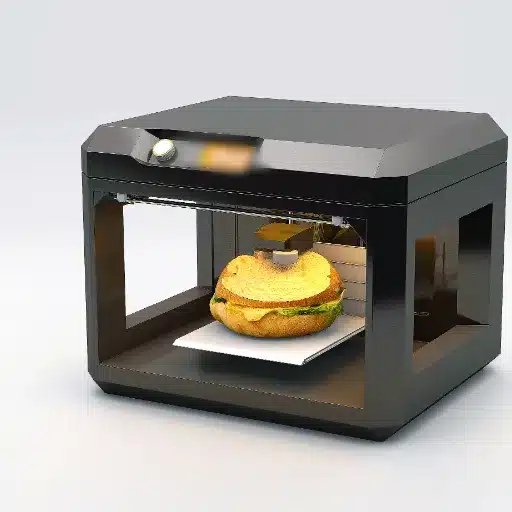
Rising Demand for Plant-Based 3D-Printed Foods
The increased demand for meat-free alternatives has caused the industry of 3D food printing to evolve substantially. As vegetarianism and veganism gain popularity in society due to health, environment, and ethics, many players in the market have capitalized on this opportunity by manufacturing a variety of plant foods through three dimensional printing. In many cases, the presented foods are not only aesthetic but also have the ability to modify the texture, taste and even the nutrition. Thanks to this development consumers will be able to address the current calls for personalization of foods ensuring the sustainability of food consumption.
Producing plant alternatives to meat, cheese and eggs used to require a lot of energy and three-dimensional food printing makes that difficult task possible. As an example, pea, soy and wheat proteins can be modified into complex meat-like shapes with lean gene compositions as required. Moreover, it facilitates the use of rarely consumed materials, such as seaweed and lentil beans, thus preventing the production of food leftovers and waste efficient food systems. This is in conformity with the adopted general approach of reducing emissions of greenhouse gases in the course of food distribution and consumption.
It is estimated that improvements in food-grade and precision printing by means of 3D printing will allow the plant based food printing market to reach levels of unprecedented growth. With advances in the development of plant based cartridges for the purpose of gourmet cuisines as well as low priced products, the food tech companies are more likely to work in tandem with We have already begun to see how 3d food machinery is making inroads in the focus of each of the Managing the scope of the industrial problems and the role of the consumers. As scientific investigation in the area is on the rise, there is emphasis on the increase in the use of plant-based 3D printing food which is effective and sustainable.
Integration of 3D Printing in Traditional Food Manufacturing
Incorporating 3d food machinery systems into the team of traditional food production methods has oriented production towards greater flexibility, accuracy and economy more than ever. Among its most numerous applications is the manufacture of intricate and individualistic patterns associated with personal tastes and preferences of the consumers, be it for decorative purposes or for special dietary reasons. For example, the ingredients of a sugar-free, gluten-free, or protein-enhanced food item can be determined with precision and manufactured by the company.
Furthermore, it is sensible to reduce wastage of food since the raw materials are used in the right quantities intended for production; this helps in sustainability. This mechanism is cost-effective and reduces the carbon footprint that results from conventional food processing. Thirdly, the production of prototypes and customized products can take a much shorter time hence products become available to the market faster which is positive in the eyes of consumers who may want their food orders customized every other time.
According to research, the market for 3d food machinery is expected to increase during the years to come. Such upward trend is attributed to improvements made in additive manufacturing of edible substances, in conjunction with the advances made in alternative protein sources and edible packaging. When integrated with the current methods of food production, the usage of 3D printing provides a good compromise between increasing innovative levels and growing physical food processing capacity towards creating an improved way of production and transformation.
Impact of Sustainability on 3D Food Printing Adoption
The concept of sustainability has significantly influenced the expansion of 3d food machinery. Green practices have proven to be beneficial to different industries not only in terms of reducing carbon foot print but also promoting interactions within food systems which more is expected in the future. Here are 5 interesting factors that promote the use of 3D printing in food and drinks:
- Avoidance of Food Losses: With such technology, it is possible to prepare a ‘brick’ food portion while saving all ingredients. FAO (Food and Agrcultural organization) statistical data in the recent past shows that approximately 1/3 (~33%) of cooked food is lost globally. By keeping changeable shapes and sizes of surplus, defective shapes or separating food that was not consumed to the minimum, 3d printing puts a limit to food wastage and enhances the goal of closed loop food systems.
- Savings on Energy: Traditional methods of food industry are highly energy-intensive. A shift from that trend towards 3D printing is to avoid excess power demands by only producing as much as it is required and avoiding excesses that call for both warehousing and transportation. It is estimated that deployment of such manufacturing units within a region can help save energy inputs by about 25%.
- Incorporating More Eco-friendly Ingredients: To replace traditional ingredients such as beef and dairy products, which require a lot of resources, 3d food machinery uses protein sources that are plant based, algae, insects and synthetic meat. Nature journal published report that plant-based meats have a substantially (at least 90%) less environmental impact than meat production.
- Moving into Decentralized Activities: 3D printing food as a result of printing only the necessary amount means minimal loss and no over production of food which will help to conserve the limited resources , especially surfaces as food cannot be farmed in those regions how it is in the other parts of the world.
The development of 3D food printing will increase the application of 3d food machinery in the future due to its ability for preparation of photos and presentation of food.
Technological Advancements in 3D Food Printing
Innovations in 3D Printing Technology for Food
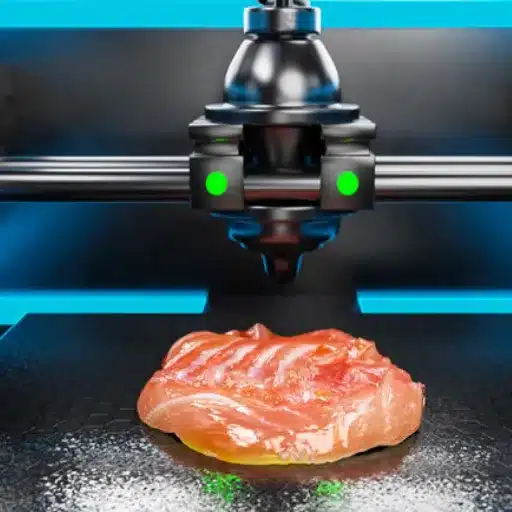
Great strides have been made in 3D printing technology that has completely redefined the recipe for the preparation and the consumption of food. These modern 3d food machinery is now versatile with precision nozzles, advanced applications and multi-material printing that allow for complex designs and configurable meals. The 3D food printer works by adding in various rubbers or materials and oiled or dry edible stuff in layers which is possible with incredible accuracy and repeatability. There are many other developments for instance the ability of the printer to have multiple nozzles enabling one to add different textures, flavors and even nutrients into one serving. Such features result in the customization of the food depending on the diet wishes of the user.
Fused with AI and its twin cousin called machine learning (ML) are among the most recent advancements in 3D food machinery. These cognitive technologies harmonise with human creativity in perfecting recipes, achieving better precision and once again provide analysis driven guidance in understanding ingredient efficacy. With AI systems, it becomes possible to change the operational aspect of printing on the fly depending on the climatic factors such as temperature or humidity so the task is performed without variation. Other than that, it is possible to foretell food predilections as well as fashions by using ML algorithms and subsequently enabling the chefs and the industrial practitioners to formulate foods that customers want.
Recent progress in technology is also highly influenced by the subject of sustainability. In particular, sustainable consumption of resources is something that many 3D printers platforms are aimed at, including use of ceratin alternative proteins and up-cycled food materials. Processes such as 3D-printed edibles which do not rely on existing food system is an example where those insects protein based, vegetarian, and food waste ingredients are used. These advances emphasize how 3d food machinery has immense possibilities of conquering the food industry with the solutions to the problems such as, scarcity of food resources, and modification of diet, among others.
Benefits of Using 3D Printing in the Food Industry
- Minimizing Food Wastage: One of the greatest potentials in 3D food printing technology lies in its ability to the utilise ‘surplus’ food ingredients, by-products, and non-perfect fresh produce that traditionally go to waste. Studying hundreds of food waste articles, it was discovered that one third of the food that is produced throughout the world ends up in waste, but additional value can be added to the waste by making use of 3D production processes. As an illustration, this can be food left over in the kitchen which can be processed to make food grade paste or powder and be ‘printed’ into attractive meals incorporating nutrients.
- Cloth Dietary Structures: Given the increase in consumers with different dietary preferences and restrictions, 3D printing offers exact control and customization to address specific needs. In this regard, foods can be made to match certain calories, nutrients of a given quantity or even lack of certain allergens. Almost sixty percent of the people search for personalized nutrition as noted in the literature and 3D printing is advanced to meet this demand to the fulfillment of the customers.
- 3d food machinery: Conventional food preparation processes are normally intensive in resources, with plenty of land, energy, as well as water used. Resource efficiency is one key field that benefits from 3D printing features through focusing on precise serving sizes hence avoiding excess production. The other way is that incorporation of other materials for example algae or proteins from insects reduces reliance on traditional agriculture making the value-chain less burdened on the environment.
- Better Aesthetics and Revenue: 3d food machinery can make patterns and shapes that are very intricate and advanced to be made manually. It allows for greater range of artistic expression in cooking, most notably in haute cuisine and the most decorative sweets. Research published in a Food Tech Reports journal demonstrates that where anaesthetics of the food are enhanced, an increase in the rate of satisfactory consumption by 25% is observed.
- Creativity in fast production of disaster foods:The use of 3d food machinery makes it possible to easily serve people in the areas affected by various natural disasters and emergencies. A portable printer can be designed to ensure that people starving are nourished with energy-fuelled foods that are made out of materials currently available. To resolve such situations, the logistics in relief organizations responding to emergencies do not have to involve transporting large volumes of perishable food items due to the fact that meals are cooked upon arrival.
All of these points explain how close the application of 3D food printing technology in the food industry is due to inefficiency and encouragement of sustainable practices and creativity.
Case Studies of Successful 3D Food Printing Applications
1. Improving Nutritional Care in Medicine
Tamper correction is implemented to prevent pronouncing words in correctly. One notable feat wherein the functionality of the 3D food printer has been harnessed is at health institutions. These may include production of tailor-made diets meeting specific nutritional requirements of the patients. Gäbel, for instance has showcased the application of 3D printing technologies in medical centers who have necessitated nutritious soft foods for geriatric patients with dysphagia (or swallowing difficulties) who are in patient. These types of food blend visually attractive aspects and exact compositional elements, thus helping in encouraging consumption satisfaction and shortening the healing process.
2. Tackling Culinary Food Waste Problems
Three-dimensional printing in the food sector is emerging as a way to minimize the problem of food disposal amongst restaurants and food manufacturing companies. Instead of throwing away extra produce or vegetables that cannot be used mainly because of their natural size or shape in any edible form, these companies are creating novel ways of preparing foods using edible forms that are only printable. This helps to facilitate a sustainable mode of development as well as decorative or ‘eye candy’ purposes, which help the eco-friendly clientele.
3. Reconstructing Hunger in Crisis Situations
Even in supporting disaster-relief operations three-dimensional food machines have been used. Urban areas that experience sudden scarcity of food can be able to make use of available resources by organizations that can have portable 3d food machinery deployable to operate for printing durable high energy contents. Where the relief materials have to be delivered to the affected communities, it is possible to do so in a very short period of time and such interventions in many cases may save lives at the most critical time.
4. Enhancing Developments in Innovative Proteins
The 3D printing food machinery is transforming the plant proteins and cultivated meat businesses, as startups in the field of alternative protein are embracing these technologies. With the use of 3d food machines, organizations can ensure that the texture and flavor profiles of meat products can be imitated more efficiently than any other means, which results in greater levels of acceptance.” For instance, novel creations using 3D-printed, plant-based products such as ‘steaks’ which look very much like meat are quite popular and contribute positively to the environment.
they are some of the several contributions of 3D food printing in different fields such as Healthcare, Sustainability, and Food Security that are very imperative toward increasing Food Innovations in the global context.
Applications of 3D Food Printing Across Industries
3D Food Printing in the Hospitality Sector
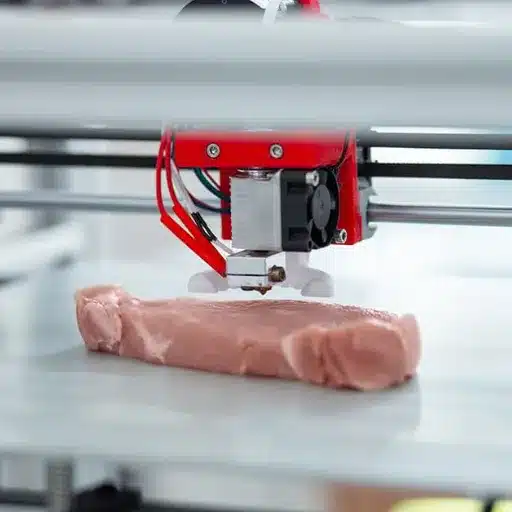
The future of 3d food machinery might arrive sooner than expected to the industry specialists, for the hospitality market starts offering outrageous experiences and improvements of work process with the help of technology. Using this method, the chefs and restaurants owners will be able to achieve and cook edible fine art, create customised plates and promote eco-friendly meals which will draw the attention of the clientele. Listed below are 5 functions of 3d food printing application in the hospitality industry:
- Adjustable Eating Out Services: That is what 3D graphics technology printing is for, since clients can have their meals prepared to their liking, or conform to any diet, and where necessary local cuisine looks for solutions. Such a degree of indoctrination enhances the appetite of the consumer and ensures that the customer never forgets the visit.
- Vegetarian and Intricate Approved Culinary Arts: In the kitchen, chefs now more than ever use 3D meat printers to fashion products that are amazing and complicated and so cannot be made unless by automation. This brings about meals that are appealing beyond compare and that make restaurants better than the rest.
- Consequently, Fine Restaurants Must Practice Sustainability: Food waste is prevented and eco-friendly policies are promoted by 3D printing incorporation processes with sustainably grown proteins, or, for example, produce that has been adapted for another use.
- Make Food Preparedness Processes Effective: Hotels, restaurants can make use of tools like 3D printers in specific menu preparation when required for additional workloads, especially in peak service hours thereby saving both time and costs on labor.
- Engaging Perspective Of Culinary Arts: 3D food machinery involves guests in the preparation of food and presents it as fun. The possibility to arrange dishes, desserts on a plate – diners become participants of the creative and modern restaurant format.
These uses focus attention on why homemade 3D food printing is the future of catering aiding in the preparation and consumption of food with an imaginative, rationally and responsibly green twist.
Healthcare Innovations through 3D-Printed Food
3D-printed food is nowadays bringing about groundbreaking changes in the healthcare sector concerning nutrition, diet, and food availability. Designers of healthcare products benefit from its accuracy and flexibility in creating gourmet dishes that suit every health and medical prescription. In what follows, I bring out five major advances cut by 3D-printed food in the health sector:
- Nutritional Models: 3D food printers allow for the production of personalized meals based on patient characteristics such as age weight and food limitations among others. Such addressing of nutritional problems is assisted greatly by this customization.
- Nutrition for the Elderly: 3D food printers designed for the PURPOSE of feeding old individuals with dysphagia are able to produce food in soft textures with preserved flavor and nutrients. This improvement in technology assists seniors who are affected by such problems in having a better life.
- Rapid Energy Supply: Leveraging the capabilities of 3d food machinery, hospitals, and care centers can facilitate the preparation of energy- and vitamin-rich snacks or meals in a short timeframe due to reduction in preparation time.
- Meals Without Allergens: With technological innovations that enable 3D food printing, the risk of allergic reactions caused by cross-contamination is averted through stringent control on ingredients used to make the food.
Being able to properly ingest the minimum portion is very important for patients. Supplements such as vitamin c and others like iron and things can be put in foods through a 3D printing process.
3D Printing in Food Manufacturing: A Game Changer
Food manufacturing has been excessively impacted by the use of 3d printing technology. This has certainly brought about many benefits with the most significant one being the ability to produce food with great accuracy and control, plus possibilities for personalization. Discussed here are important aspects of 3D printing in food making:
- Customization:DNA strands and other structures of interest define the effective three-dimensional printing of foods allowing production of modified foods. For example, amino acids, carbohydrates and fats can be adjusted based on a set of ideals for a customer.
- Effective Use of Resources: The waste produced by manufacturing food using 3D printing technologies is reduced since the right proportions of ingredients are used during manufacturing. In addition, it is possible to exploit new sources of proteins such as bug meal or aquatic plants that help maintain food production in an eco-friendly way.
- Development and Testing of Food Innovations: Prototyping in food production is made much easier with 3D designs, thereby reducing timescales for research and development. By compressing the time frame from conceptualization to finalization of the product much more quickly than the conventional method, the customer is enabled to assess and even further develop the product in a fraction of the time.
- Systemic Consumption of Raw Materials: Through 3d printing, the materials are applied systematically thus eliminating wastage, half stuffing and preserving of quality. This is hugely applicable especially when the ingredients are expensive and rare.
- Unconventional Courses; Unconstrained by Convention: 3D printing allows demanding and fascinating food structures to be fabricated such that the horizontal tradition doesn’t suit. Chefs and catering commanders have the possibility to make use of this innovation serving dinners in their artistic gourmets.
All these components demonstrate how 3d food machinery can change the landscape of food production. This, in turn, encourages more creative, ecological and much more customer-centric ways of manufacturing foodstuffs.
The Future of 3D Food Printing
Potential for Mass Production of 3D-Printed Foods
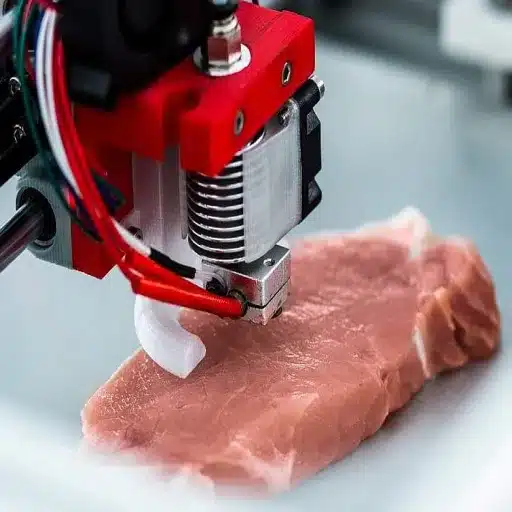
There is great scope for mass production with 3D food machinery owing to its capability of customizing and scaling up food production, capabilities that were not achievable earlier. Thanks to the developments in software technology and hardware technology, 3D printing machines are becoming faster, more efficient and are manufacturing larger volumes of food. Aside from speeding up the manufacture of food, this technology also offers the possibility of creating labor-intensive, laborious, complex designs or precise layering early on with a little or no resort to manpower.
One significant driving factor is the possibility of enhancing productivity due to the ability of generating meals that are aimed at specific nutritional needs. An example is where huge companies in the food industry can use additive manufacturing to offer meals, for example to a hospital, a school or any other institution, where a particular diet is supposed to be adhered to. Moreover, the versatility of 3D food printers allows the manufacturers to replace certain food components with other more eco-friendly options such as the use of plant proteins, algal or insects flours.
There are still many problems in the industry in terms of high expenses of the printers and raw materials however with incessant discoveries and the scaling of production, 3D food printing can be seen as a worthy equalling contender for mass manufacture soon enough. In case it transforms into a common making practice, it may change how the food sector operates by integrating resourcefulness, eco-consciousness and customization.
Predictions for the Next Decade in 3D Food Machinery
Further explanations of how 3D printing would revolutionize all supply chains in food service production are expected to appear within the following ten years. It is, among other aspects, self-evident that, apart from the common increase in procedures and productivity, there will have to be improvements in the technologies and methods for producing multi-component foods. Also, the evolution of the applications is of paramount concern as more sophisticated systems allow the individual fragmenting of their delivery services in terms of flavors, textures, and nutritional content.
It is likely that in the case of 3D food printing, the ecological waste minimization issues will be of highest importance. Food waste and environmental damage could be alleviated through the use of alternative raw materials like semi-finished food products or plant-derived materials. In addition, it might be hoped that the development of customized meals to fit dietary requirements and preferences will lead to the creation of printers which will enable meals enhanced with health enhancing ingredients responsive to biometric as well as genetic profiles of individuals.
Furthermore, collaborations between IT industries, food processing companies, and medical institutions can also offer the possibility of developing printed food for specific groups including the old aged or those who have special diets i.e. diet in print. Aiding these pathways could be the appropriate level of regulation and education of the masses on the subject of the technology which seems to be helpful in promoting the incorporation of the technology at home, in the kitchen and in medicine.
In the international context, 3D food manufacturing technology has the potential to affect supply chains in the sense of encouraging production closer to the consumer, hence reducing dependence on long supply chains, and enhancing food safety in far-flung places. With advancements in the application of AI and IoT, these devices may do more than just printing food, as they are likely to monitor stocks and help in decreasing overproduction. The possibility of innovation, sustainability, and inclusiveness makes it look like 3d food machinery is one of the revolutionary ideas in the food industry for the following generations.
References
-
Purdue University – Designing 3D Food Printers with Frugal Engineering
This article discusses a project where students designed a 3D food printer to deposit almond butter, showcasing innovative engineering techniques. -
University of Southern California – The Future of Food: 3D Printing
This article explores the potential impact of 3D food printers on the global food industry, including the use of hydrocolloids. - Click here to read more.
Frequently Asked Questions (FAQ)
Q: Please explain the concept of 3D food machinery and its application in the field of 3D food printing.
A: According to the definition, 3D food machinery is basically special equipment and material processing technology for food printing, in which food designs are printed by layer-by-layer addition of material via an extrusion head. Three-dimensional (3D) food printing delivers the abilities related to 3d models, settings graphs, the control of the printhead, or even how food pastes and gels flow to create both conventional or non-conventional food items and patterns and food-oriented printed objects.
Q: What is the impact of printer components or material characteristics like rheological parameters on print speed and the resulting print?
A: Liquid materials for printing that include: powders, pastes, gels as well as multi-material 3d ink products including those mentioned above, require the right viscosity and rheological properties, in order to ensure extrusion stability, deposition accuracy and print speed consistency. Viscosity is considered one of the most important factors in deciding the printing parameters (i.e., thickness, layer height, temperature, retraction, up to substrate movement, etc.). This, however, comes at the expense of printing speed and structure stability promoting innovative food offers concerning 3d printing food as well as creative food designs.
Q: Can 3d food machinery carry out complex food designs by utilizing multi-material 3d printers?
A: Definitely, the more advanced 3d food machinery allows multi-material 3d printing wherein different print heads and prints used are thoroughly synchronized. Consequently, all food components are presented, namely food powders, gels and food pastes to make various layered and or patterned foods to serve personal, mass, or even creative foods.
Q: What contribution or impact do food design and 3d models have in the specialization of consumer’s food demands and mass customization?
A: Essentially, food design has everything to do with food specification or how designers use them to make simple or more complex 3d models that have the specific shape, internal channels and ingredients’ placement. These models are printed on 3d food machinery to produce customized food products on demand over a wider range of people, as the way of providing customized meat replacements, desserts and other kinds of edibles, and most importantly innovative foodstuffs used in cognitive food science applications.
Q. How useful are sustainable foods whose roots are not meat substitutes by way of 3D printing but especially with 3d food machinery?
A: Recent advancements in the production of 3d-printed foods, including but not limited to meats and meat replacements heretofore became quite pronounced. Such projections are based particularly on the improvement of printing material properties and on the development of molder rheology. Even more progressive ideas such as extrusion 3 d print 3 d printing of plants powder protein modeling with viscosity forming gels to make meat protein textures and even the more innovative food pictures to help sustainable food systems goals and no wastage of food in positioning and portioning of food parts.
Q: Prevalent issues associated with print settings, consistency and the shapes produced.
A: One of the frequent problems is fixed uniformity and viscosity of the gel in order to extrude without clogging, enhanced print settings without structure distortions and layers binding. Matters of or challenges regarding rheology, print head alignment and material set up must be tackled otherwise materials will deform during the printing or cooking especially when different such as complex food composites are printed.
Q: In what ways could the use of 3d food machinery units serve the purpose of innovation in food technology especially regarding e.g. food manufactured for consumption in outer space and measures to curb food wastage?
A: The reason why 3d food machinery aid in innovations in the field of food is because they are able to impose the preparation of the food in a controlled environment, this is important for preparation of food that is meant for space in a specified diet as well as for the increase in the shelf life of foods. It also contributes towards minimization of food wastage through alternative forms of food and better guest serving for instance in hotels. This technology is part of the overall framework of sustainable food incorporation as well as the shaping of the 3d printing technologies in the field of food technology and this science.
Q: What are the enablers of 3d food machinery for processing and how can companies keep themselves updated to the changing structure of the industries?
A: Industries are likely to leeward extrusion based three d printing targeted food applications, increase the printing speed, appropriate 3d models in the iterative development process. In the coming times, companies are likely to develop more complex 3d systems with multi nozzle print heads and permit better materials through the printing process, enhance food customization, offer more varieties of 3d printed food and focus on sustainable and creative food production in the domain of food technology more than previously.