Repair, replacement, and necessary technical support would also be rendered in case if the food processing equipment breaks down as well as during the warranty period and thereafter. Robust after-sales service also entails the availability of remote diagnostics, spare parts, dispatch of an engineer within the working day and personnel training thus, your production line is not halted.
How will you tackle problems when an extrusion line has broken down at 2.00 AM and the supplier’s premises are located 8000 miles away from the customer?
While assessing food machinery vendors, you must’ve looked at equipment details, pricing, and lead time. Most people make a big mistake of ignoring the After-Sales Clause and pay attention only to the equipment. It’s one of those mistakes that can cost differently. This manual explains what is covered under a food machinery warranty support, what is included in a pay service and how to avoid complications from the very beginning of the purchase.
This paper discusses standard warranty period coverage, relevant and effective after sales policy, and simple yet effective buyers checklist, and addresses the issue of extended coverage for both warranty and maintenance contracts. Further, the paper lays out the various ways in which one can identify pitfalls or warning signs that may have been missed prior to the signing of a purchase agreement.
Key Takeaways
- Most food processing equipment carries a 12-month warranty, but 24-36 month coverage captures the peak failure window at months 18-30.
- Wear items like belts, blades, and bearings are typically excluded from standard warranties.
- Remote video support can resolve the majority of technical issues without waiting for an on-site visit.
- A warranty measured from commissioning (not shipment) gives you full protection.
- After-sales service quality often matters more than warranty length for minimizing downtime.
Want to see how warranty support works in practice? Explore our turnkey food production lines to learn more.
What Is Food Machinery Warranty Support?
Once you purchase food processing equipment, manufacturers provide you with an overall protection and services package referred to as food machinery warranty support. It encompasses not only written warranty covering deficiencies or products and services but also extensive after-sale services to enhance productivity.
So much so that a warranty is provided in line with it’s broader sense as legal recourse. That is, the manufacturer commits himself to replace or repair some part or parts within a specific period, given some circumstances. While support comes into play as the promissory action entailing technical assistance, availability of spare parts and visits by engineers.
And so it goes. A 2-year warranty printed in the warranty paper does not mean much when the supplier takes 2 weeks to process the first claim. On the other hand, no amount of super service will restore equipment not covered by the warranty. Two precursory measures are necessary to secure such a warranty: a contract, as well as an understanding of such a warranty’s limits and options.
It holds true for the food industry more than any other sector. Production is stopped in a snack or pasta plant due to the breakdown of machinery, the food materials go bad, orders are not delivered on scheduled time and workers are jobless. Sometimes one day of delay can be costlier than the warranty itself. This is a common experience for knowledgeable purchasers who focus on food machinery warranty support risks rather than the gimmicks advertised.
Standard Warranty Terms for Food Processing Equipment
Understanding what a standard warranty includes (and excludes) is the first step in evaluating a supplier. Most manufacturers follow similar patterns, but the details vary widely.
Typical Warranty Periods
The food machinery industry has established baseline periods that buyers should know:
- 12 months is the standard for most new food processing equipment. This covers the initial break-in period and catches most manufacturing defects.
- 24 months is common for premium equipment or core components like motors, gearboxes, and PLC systems.
- 36+ months may apply to specialized equipment or extended agreements negotiated at purchase.
- Component-specific terms vary. Some suppliers offer 5-year coverage on compressor units or 10-year coverage on slicer gears, while wear items carry 90-day terms.
Industry data shows that warranty claims for food processing equipment often peak between months 18 and 30. A 12-month warranty leaves you exposed right when failure risk rises. A 24-month or longer term captures that critical window.
What Standard Warranties Cover
Standard warranties typically cover failures due to manufacturing defects in these areas:
- Mechanical systems: motors, gearboxes, transmissions, bearings (non-wear), and structural frames.
- Electrical and control systems: PLC controllers, sensors, wiring, and HMI panels.
- Heating and cooling elements: heater bands, barrel cooling jackets, and temperature control modules.
Coverage applies when the equipment fails under normal operating conditions according to the manufacturer’s specifications. If a motor burns out during a standard production run, the warranty should cover replacement.
Common Exclusions
Every warranty excludes certain items. The key is knowing exactly what is excluded before you buy:
- Wear items: belts, blades, knives, bearings, seals, gaskets, heater tubes, and sealing wires.
- Consumables: lubricants, filters, and cleaning agents.
- Damage from misuse: overload, improper operation, or using the equipment for unintended products.
- Installation errors: failures caused by unqualified installation or incorrect utility connections.
- Neglect: damage from skipped maintenance or failure to follow the operating manual.
- External factors: power surges, natural disasters, fire, or flood.
Rahul, a plant manager in Mumbai, learned this lesson the hard way. He purchased a snack food machinery line with what the supplier called a “comprehensive warranty.” Sixteen months later, the PLC failed. The supplier denied the claim because the warranty only covered mechanical components, not the control system. The repair cost Rahul $3,200, and the three-day downtime cost him a major retail contract. Always demand a written breakdown of exactly which components are covered.
After-Sales Services That Matter
A warranty is only as good as the service infrastructure behind it. Here are the after-sales services that separate reliable suppliers from risky ones.
Installation and Commissioning Support
Proper installation is the foundation of warranty validity. Most manufacturers require certified technicians to install the equipment to maintain coverage. Look for suppliers who provide:
- On-site technician deployment for assembly, leveling, and calibration.
- Factory acceptance testing (FAT) before shipment to verify performance.
- Utility connection verification for electrical, water, compressed air, and steam.
- Initial dry-run and hot-run commissioning to confirm proper operation.
Installation by unqualified personnel is one of the most common reasons warranties are voided. A supplier who supervises installation protects both your equipment and your coverage.
Technical Support Channels
When a problem arises, you need fast access to expertise. Evaluate these channels:
- 24/7 phone and email support: Production lines do not stop at 5:00 p.m. Time zone differences make round-the-clock availability essential for global buyers.
- Remote diagnostics: Modern equipment with PLC and HMI systems allows suppliers to connect remotely via VPN. A technician can diagnose issues, adjust parameters, and guide your team through repairs without traveling.
- Video guidance: Screen sharing and video calls let overseas engineers walk your maintenance staff through part replacement or calibration step by step.
Adewale, a production supervisor at a biscuit plant in Nigeria, faced a sudden temperature fluctuation in his extruder barrel. Instead of waiting two weeks for an engineer to fly in, he connected with Shandong Loyal’s technical team via video call. The technician diagnosed a faulty thermocouple in 20 minutes, guided Adewale’s team through the replacement, and had the line back online the same day. Remote support turned a potential week-long shutdown into a two-hour fix.
Spare Parts and Logistics
Even with perfect equipment, you will need spare parts. Ask these questions:
- Does the supplier stock spare parts in regional warehouses, or will every part ship from overseas?
- What is the typical delivery timeframe for critical components?
- Does the supplier provide a recommended spare parts list for your specific line?
- Are wear parts available at predictable prices, or do costs fluctuate?
Keeping a small inventory of critical wear parts on-site can reduce downtime from days to hours. A good supplier will tell you exactly which parts to stock and why.
On-Site Repair and Engineer Dispatch
Some problems require hands-on expertise. For international buyers, engineer dispatch involves visas, flights, accommodation, and daily allowances. A transparent supplier will clarify:
- How quickly they can dispatch an engineer after a request.
- Whether dispatch costs are covered under warranty or billed separately.
- What documentation they handle (visas, work permits, customs for spare parts).
- The daily cost structure if the visit extends beyond the warranty scope.
Operator and Maintenance Training
Operator error is a leading cause of equipment failure and warranty voidance. Comprehensive training should include:
- Safe operation procedures and emergency shutdown protocols.
- Recipe management and HMI navigation.
- Maintenance schedules, lubrication points, and wear indicator recognition.
- Basic troubleshooting to resolve minor issues without a service call.
Training is not a bonus. It is an investment that protects your warranty and extends equipment life.
Need guidance on training and support for your specific line? Contact our team to discuss your production requirements.
Evaluating Warranty Support: A Buyer’s Checklist
Use this checklist before you sign a purchase agreement. Every “no” is a risk you need to understand.
- Is the warranty period measured from shipment, receipt, or commissioning?
Commissioning is fairest. Shipment can eat months off your coverage during transit and installation. - Does the warranty cover both parts and labor?
Some warranties are parts-only, leaving you to pay expensive technician travel and hourly rates. - What is the guaranteed response time for technical issues?
In food production, waiting a week for a service visit can mean total production loss. - Is there local service coverage or a regional spare parts depot?
If the nearest technician is 1,000 miles away, you may pay travel costs or face long delays. - Is the warranty transferable to a second owner?
This matters if you plan to sell or upgrade the equipment later. - Are wear parts clearly defined and excluded?
Know which items you will pay for out-of-pocket so you can budget accordingly. - Is remote diagnostics available?
Remote support can resolve issues in hours instead of days. - What documentation is required for a warranty claim?
Most manufacturers need model numbers, serial numbers, proof of purchase, and failure descriptions. - Are maintenance contracts available after the warranty expires?
Long-term support options show the supplier is committed to your success, not just the sale. - Does the supplier offer training to prevent operator-error failures?
Documented training protects your warranty and reduces future claims.
Warranty vs. Maintenance Contract: Which Do You Need?
A warranty and a maintenance contract serve different purposes. Knowing the difference helps you budget accurately and avoid gaps in coverage.
A warranty is the manufacturer’s promise to fix defects at no cost during a defined period. It is included in the purchase price and covers failures that should not have happened.
A maintenance contract is a paid agreement for ongoing preventive care, inspections, and scheduled part replacements. It covers normal wear and tear, which the warranty excludes.
| Factor | Standard Warranty | Maintenance Contract |
|---|---|---|
| Cost | Included in purchase price | Annual or monthly premium |
| Coverage | Manufacturing defects | Wear, tear, and preventive care |
| Labor | Often included for defects | Usually included |
| Parts | Defective parts replaced | Wear parts replaced proactively |
| Scheduled visits | None | Regular inspections planned |
| Best for | New equipment, low-risk operations | High-capacity, continuous production |
When Warranty Coverage Is Sufficient
Standard warranty coverage may be enough if:
- You are running a new line with low failure probability.
- Your production runs are short or seasonal.
- You have skilled maintenance staff who can handle wear-part replacement.
- Your budget is constrained and you can absorb occasional downtime costs.
When a Maintenance Contract Adds Value
A maintenance contract is worth the investment if:
- You operate a high-capacity continuous production environment.
- Your line uses complex extrusion or automated systems with many wear points.
- You are in a region with limited local service infrastructure.
- You want predictable budgeting instead of surprise repair bills.
Two manufacturers in Southeast Asia illustrate this difference clearly. Manufacturer A bought a pasta production line with only the standard 12-month warranty. Manufacturer B purchased the same line with a three-year maintenance contract that included quarterly inspections, preventive part replacement, and priority remote support.
Over three years, Manufacturer A experienced four unplanned breakdowns. Each required emergency part orders, rushed shipping, and lost production days. Total unexpected costs reached 18,500.ManufacturerBhadoneminorissuecaughtduringascheduledinspection.Totalmaintenancecontractcostwas18,500.ManufacturerBhadoneminorissuecaughtduringascheduledinspection.Totalmaintenancecontractcostwas14,000. The contract saved 4,500indirectcostsplusanestimated4,500indirectcostsplusanestimated22,000 in avoided downtime.
Common Warranty Pitfalls and How to Avoid Them
Even experienced buyers make mistakes when evaluating warranty terms. Here are the most common pitfalls and how to sidestep them.
Vague Language
A warranty that promises “comprehensive coverage” without specifying the period, covered components, or response times is not a warranty. It is a marketing phrase. Demand a written document that lists:
- Exact warranty period in months.
- Specific components covered (motor, PLC, gearbox, heater bands).
- Clear exclusion list (wear items, consumables, misuse damage).
- Claim procedure with contact methods and required documentation.
Warranty Mismatch with Component Quality
A 36-month warranty paired with consumer-grade electronics is a red flag. The supplier may not be able to honor claims affordably. Ask for the Mean Time Between Failures (MTBF) rating of critical components. Industrial-grade PLCs from Siemens, Allen-Bradley, or Mitsubishi typically exceed 50,000 hours of operation, well beyond a standard warranty period.
No Local Service Infrastructure
A warranty promise is only valuable if the supplier can execute it. Verify whether the manufacturer has:
- Regional service partners in your area.
- Spare parts depots with stated inventory levels.
- Technicians who speak your language and understand local regulations.
If the nearest technician is a week away, your warranty response time is a week. That is not acceptable for food production.
Missing Training
Food machinery failures often stem from operator error. If training is not included, your team may unknowingly void the warranty through improper operation. Ensure training is:
- Included in the purchase package.
- Documented with certificates or sign-off sheets.
- Refreshed when new operators join your team.
Improper Installation Voiding Coverage
Most warranties require installation by certified technicians or manufacturer-supervised teams. Using unqualified local contractors to save money can invalidate your entire warranty. The savings from cheap installation rarely outweigh the cost of one denied claim.
The Shandong Loyal Industrial Warranty and Support Model
At Shandong Loyal Industrial, we believe warranty support is a partnership, not a transaction. With over 10 years of experience supporting clients in more than 50 countries, we have built a support system designed for real-world food production challenges.
Our standard warranty includes:
- 12-month coverage on all mechanical and electrical components, measured from commissioning (not shipment).
- Clear component list so you know exactly what is covered before you buy.
- Free remote video technical support during and after the warranty period.
- Overseas engineer dispatch with full visa and logistics support when on-site service is required.
- Regional spare parts recommendations so you can stock critical components locally.
- Comprehensive operator and maintenance training to prevent operator-error failures and extend equipment life.
- Optional extended support agreements for high-capacity or critical production lines.
- CE-certified equipment with warranty terms aligned to international standards.
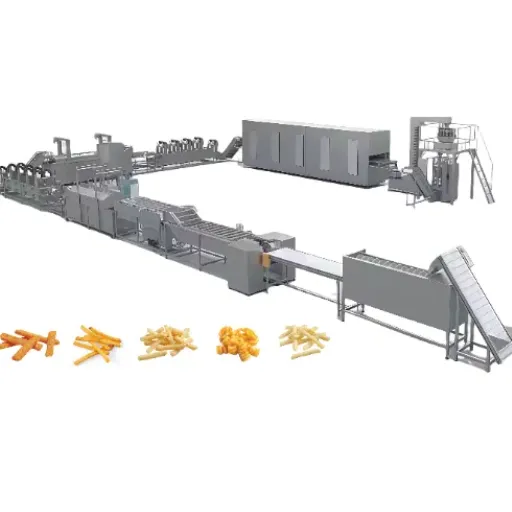
Whether you are running a corn puff snack production line or a protein bar extrusion system, our team understands the specific wear patterns, failure modes, and maintenance needs of your equipment. We design our warranty and support services to minimize downtime and protect your investment for the long term.
Ready to discuss warranty and support for your production line? Contact us today for a detailed support proposal tailored to your operation.
Conclusion
In regard to equipment purchases, many tend to ignore food machinery warranty support when coming up with decisions. However, this directly affects production reliability and all the factors related to ownership costs. For instance, an explicit warranty is protection against loss. A robust customer service team is a protection against any unforeseen run-time crashes.
The FOB Suppliers offer all the above advantages. They write down exactly what is included in the warranty, they correspond warranty periods with the quality of their made components, and they have established service networks. Hi-tech systems quick-push remote diagnostics, regional supplies minimizing machine downtime, training aimed at averting breakdowns – all this is supplied under predefined terms.
As you assess your choice of acquisition of food machinery, focus on the warranty statement as much as you do on the machine’s specification. Dare to question about exclusions, response times, and service coverage. If they do, you have purchased from a supplier who is confident in his product. If they do not, you have simply purchased.
Located in Shandong, Loyal Industry has a mission to deliver this success and goes beyond just consultation and implementation. Allow us to educate you on what food machinery warranty support truly is.